Fine Line Tattoos: Thin Lines Need Room
310 designs
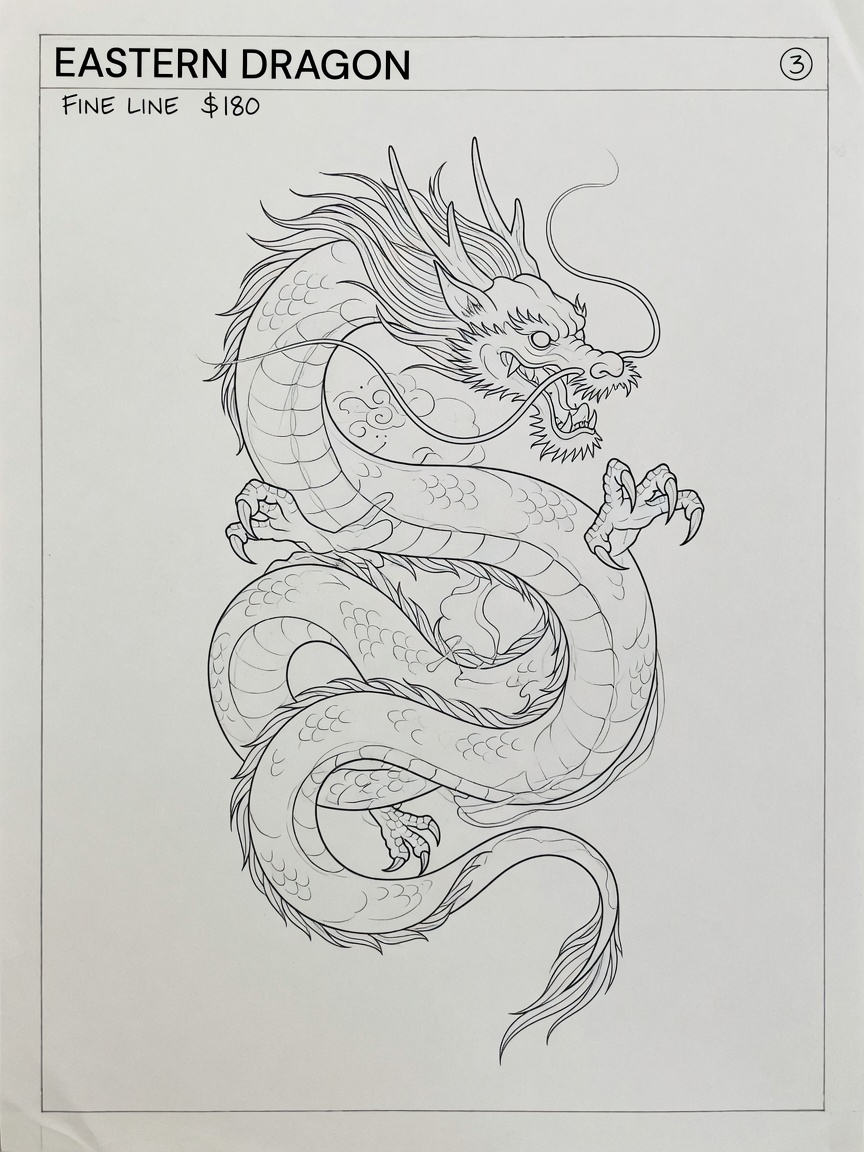
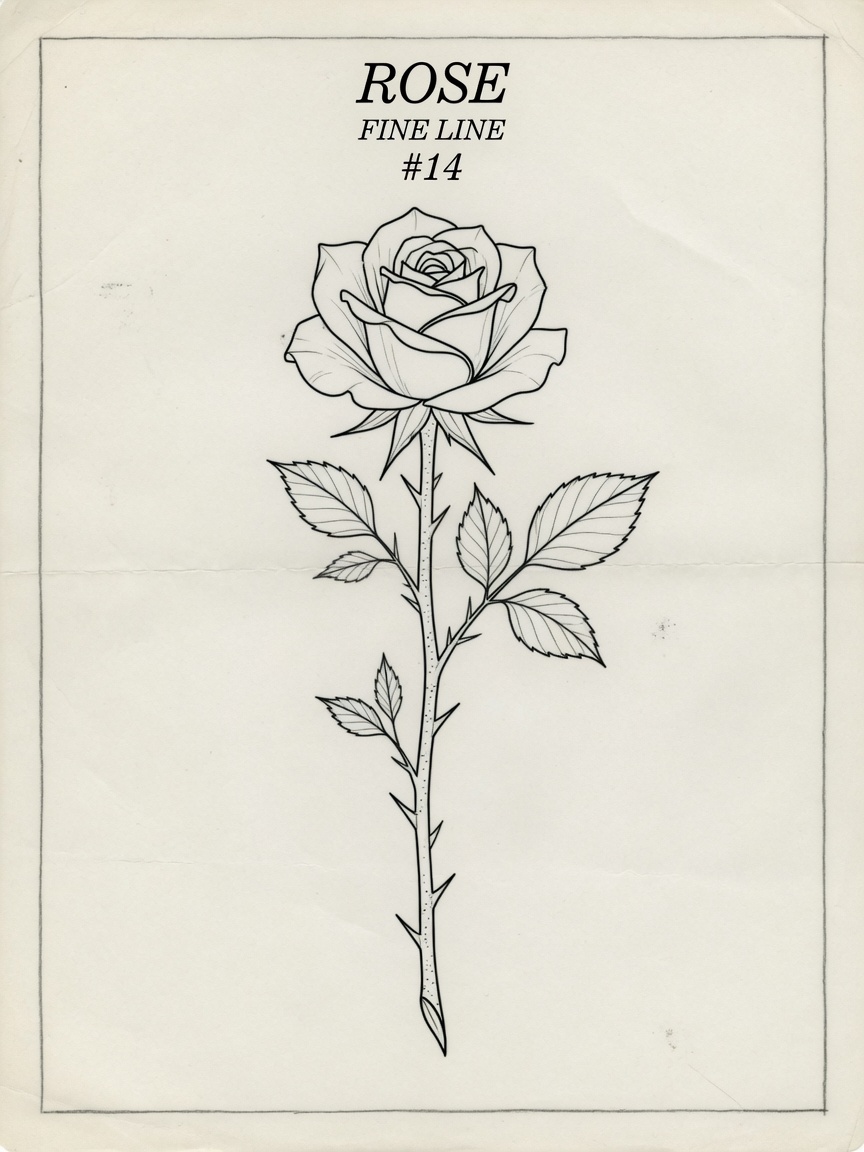
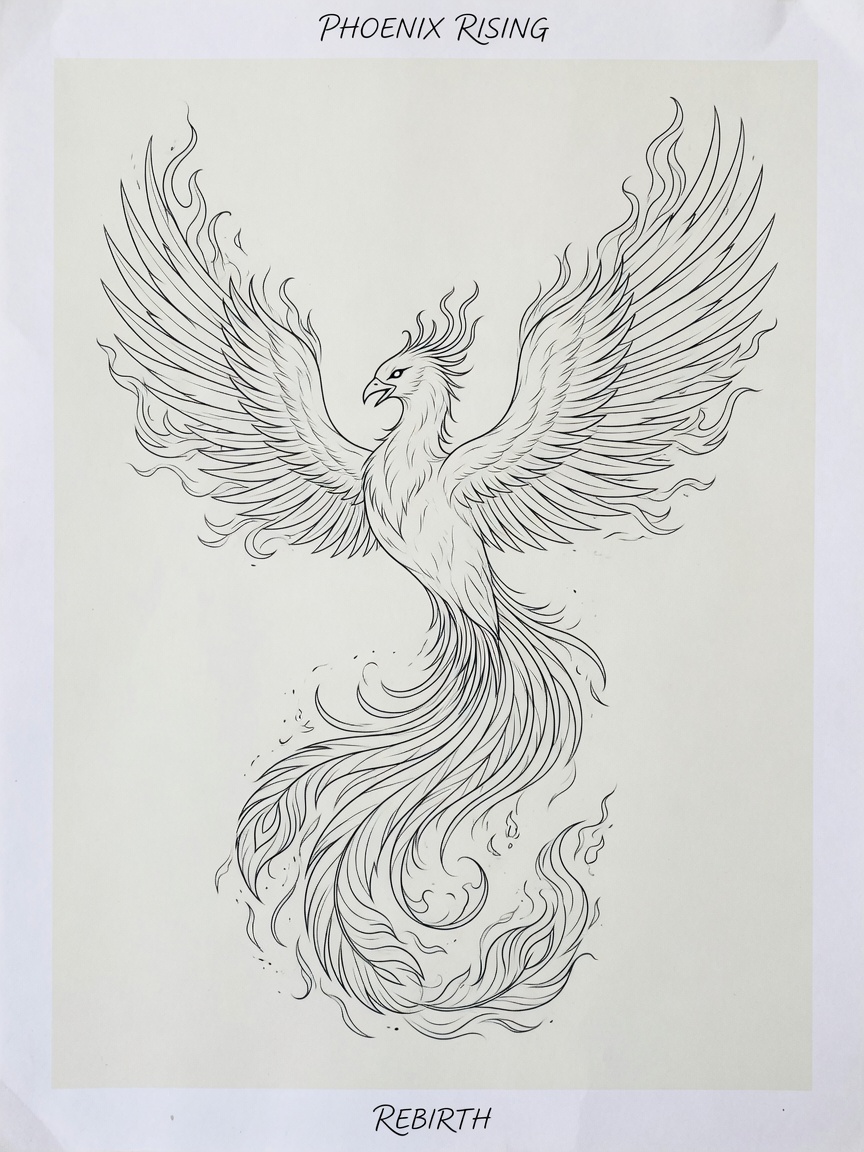
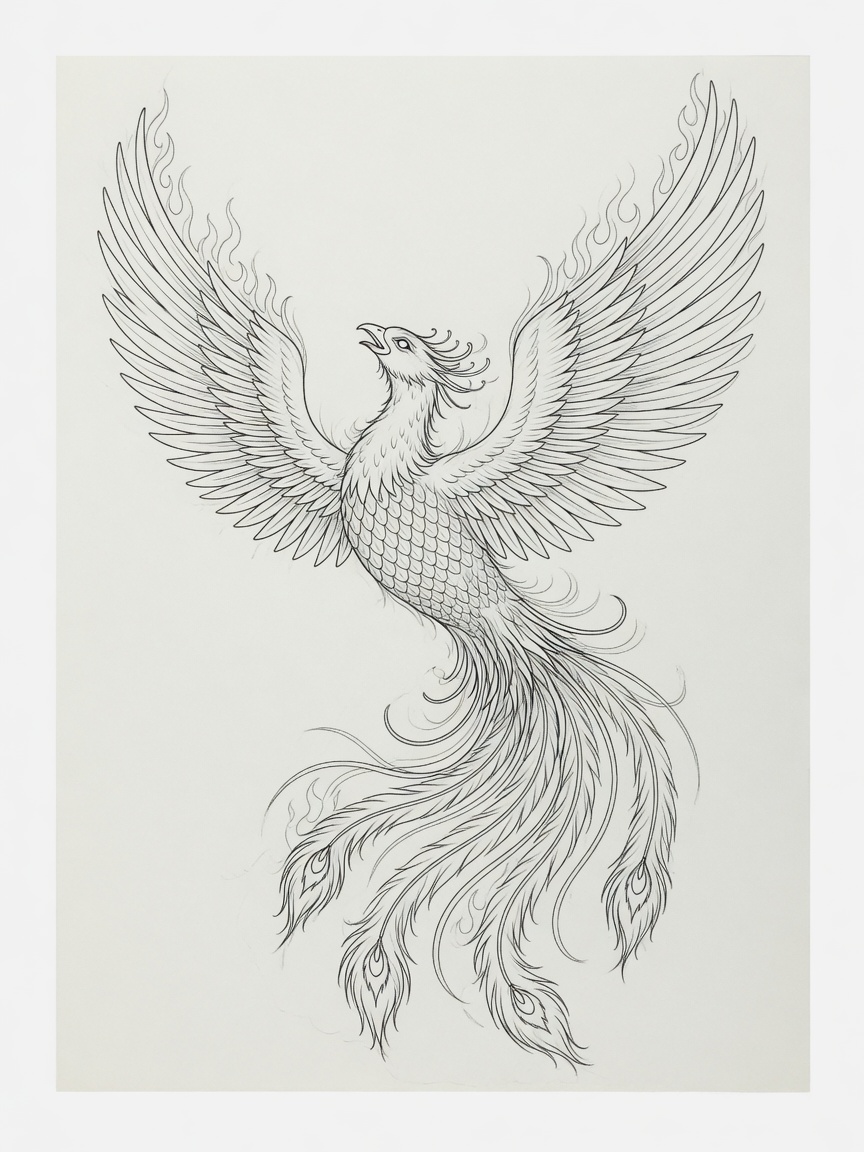
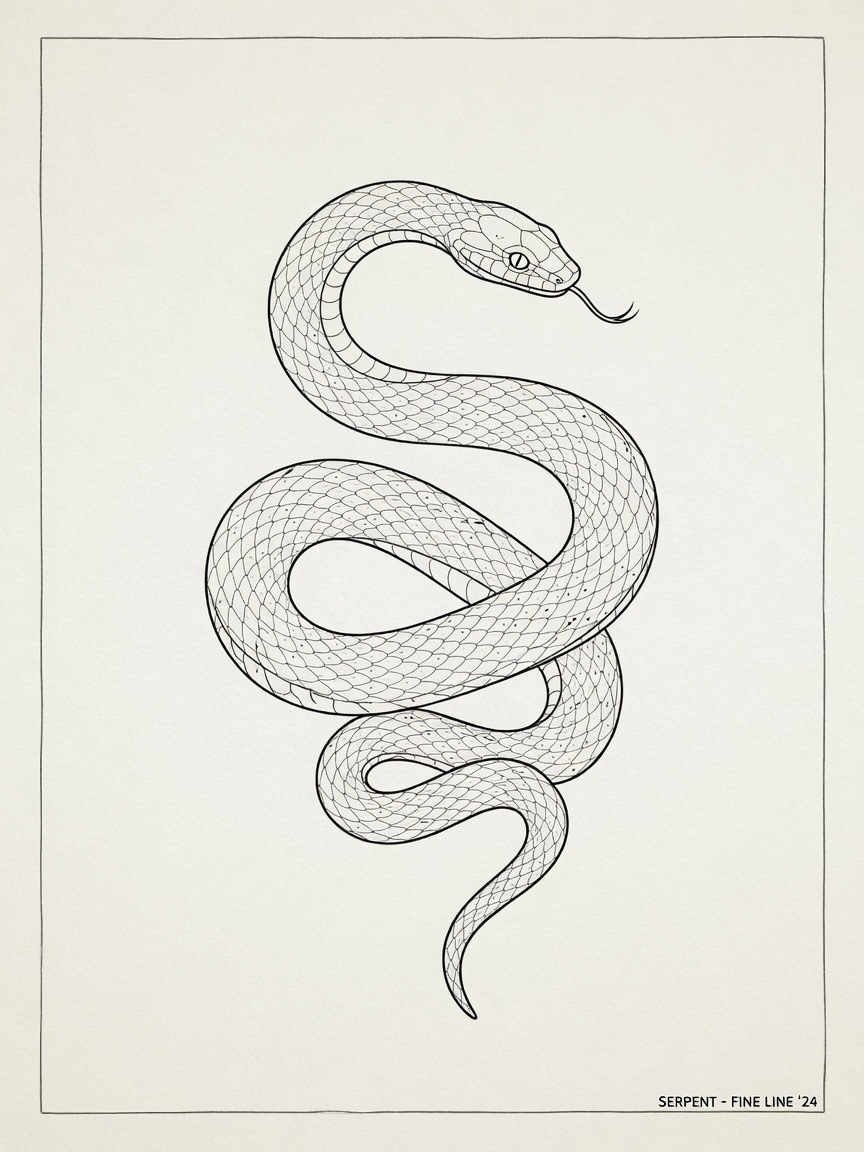
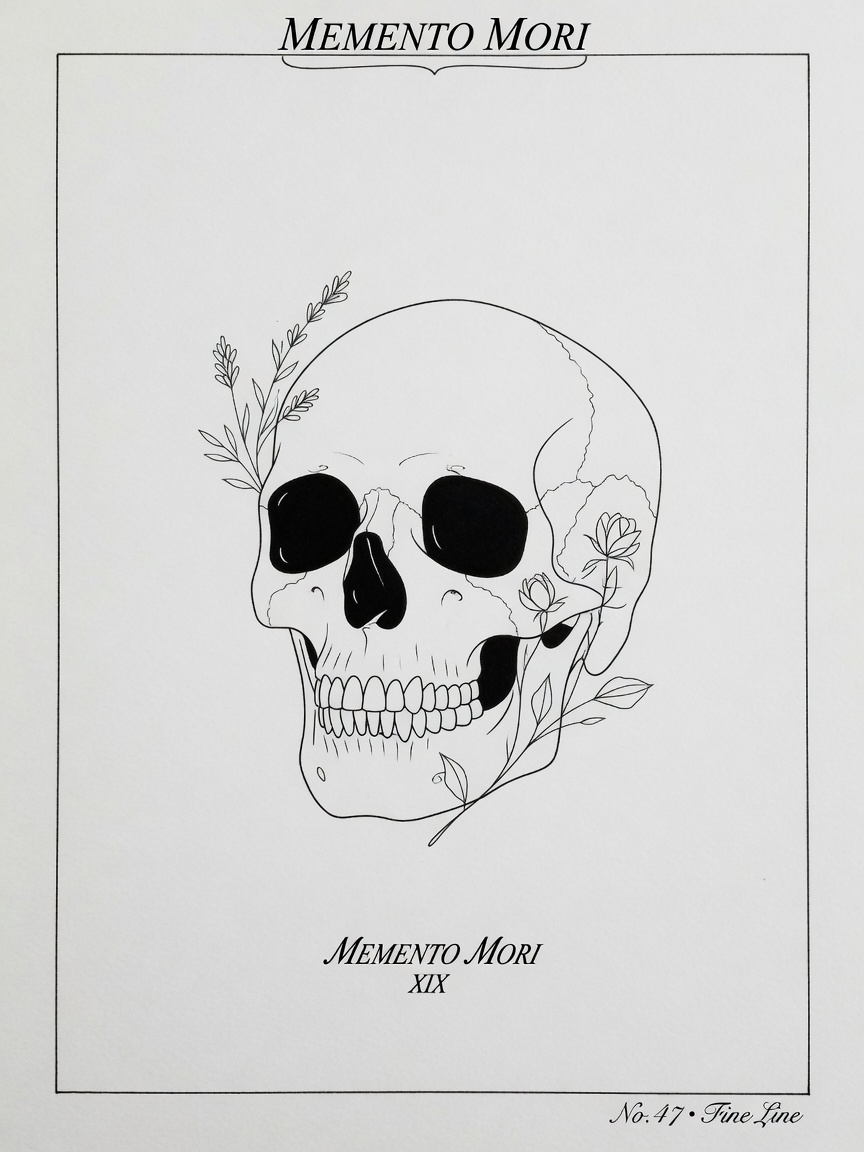
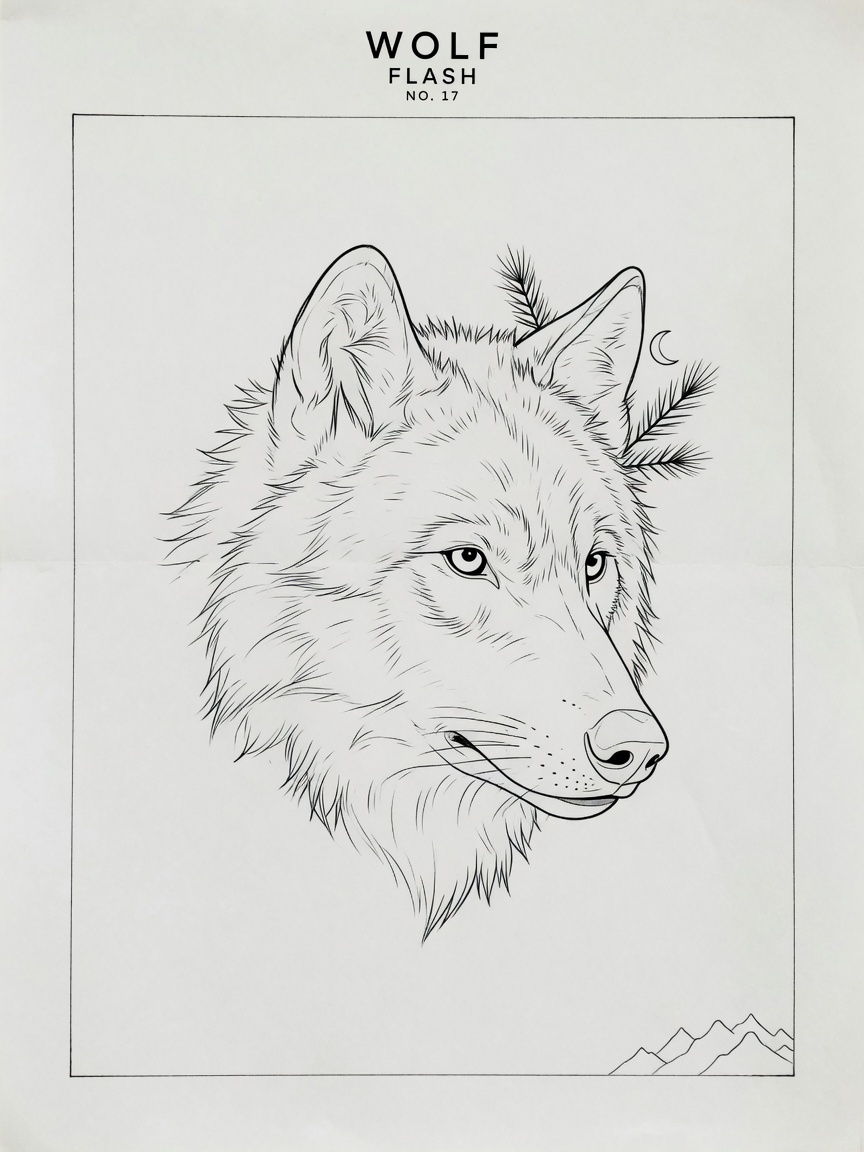
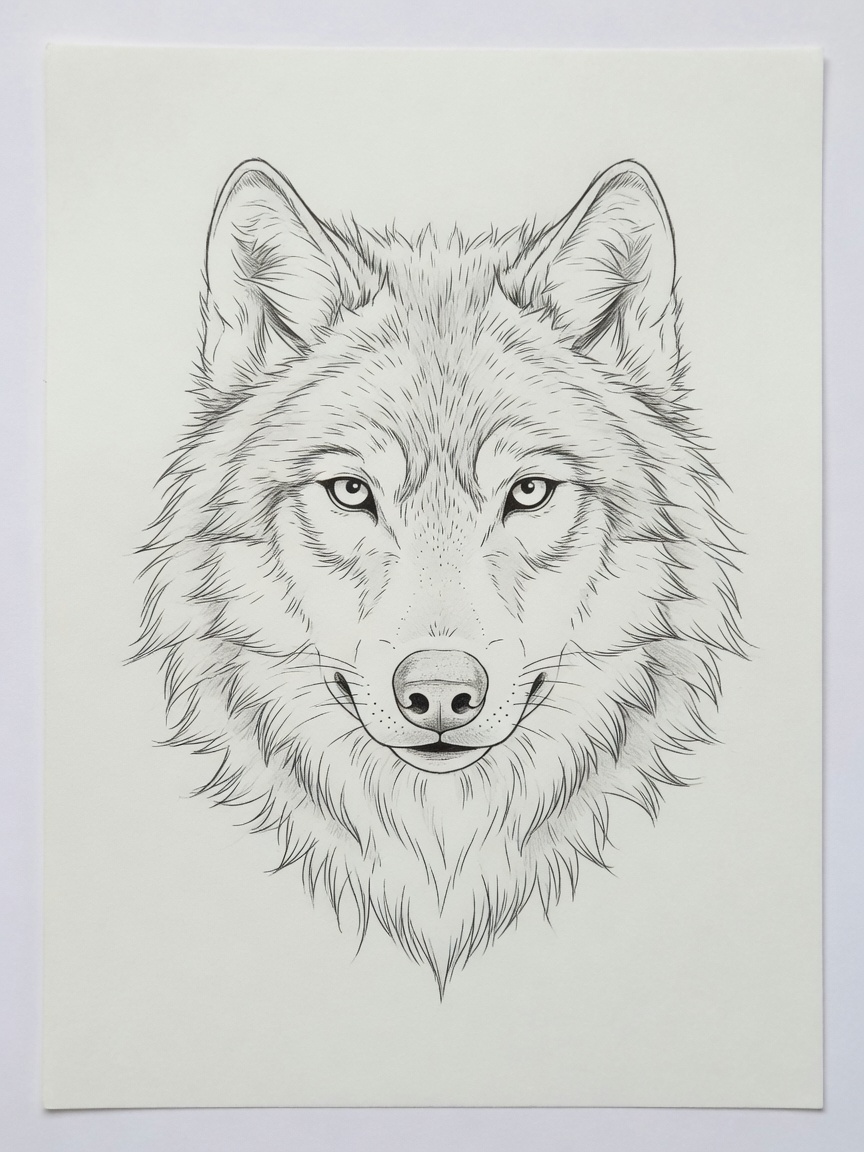
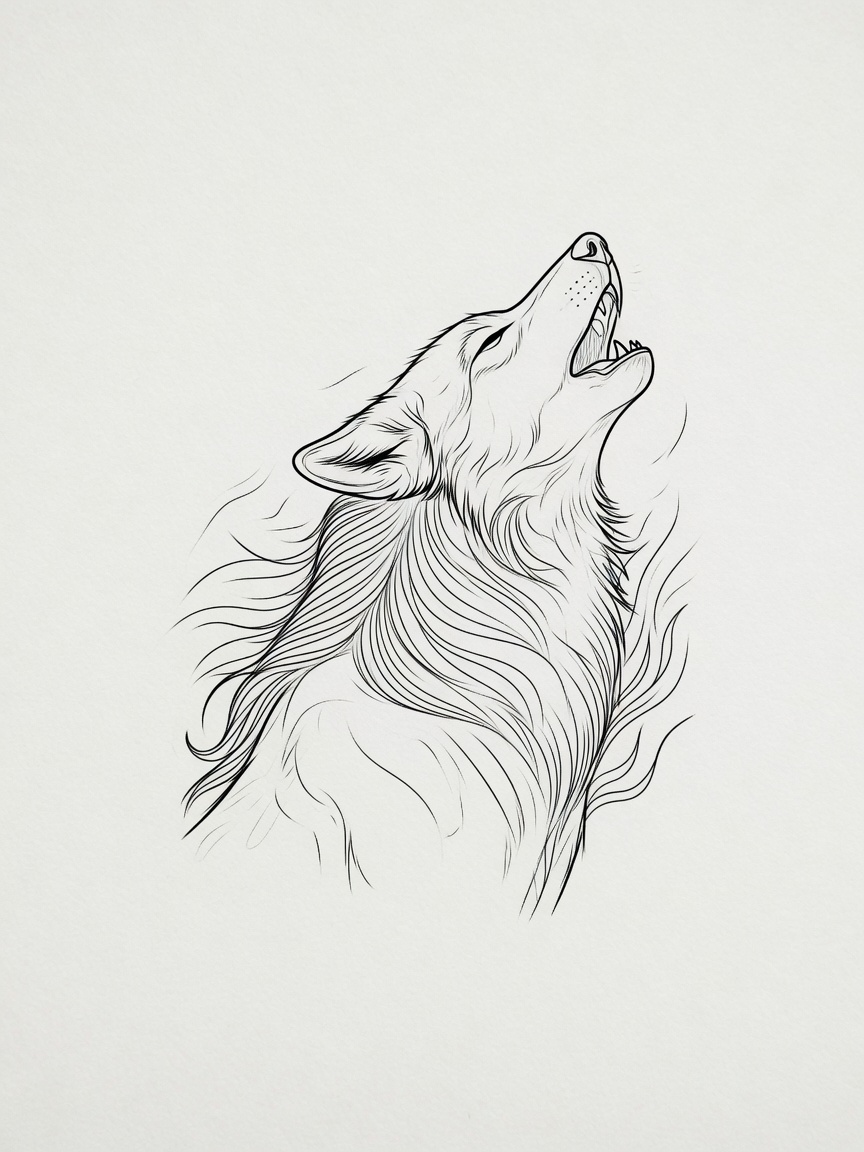
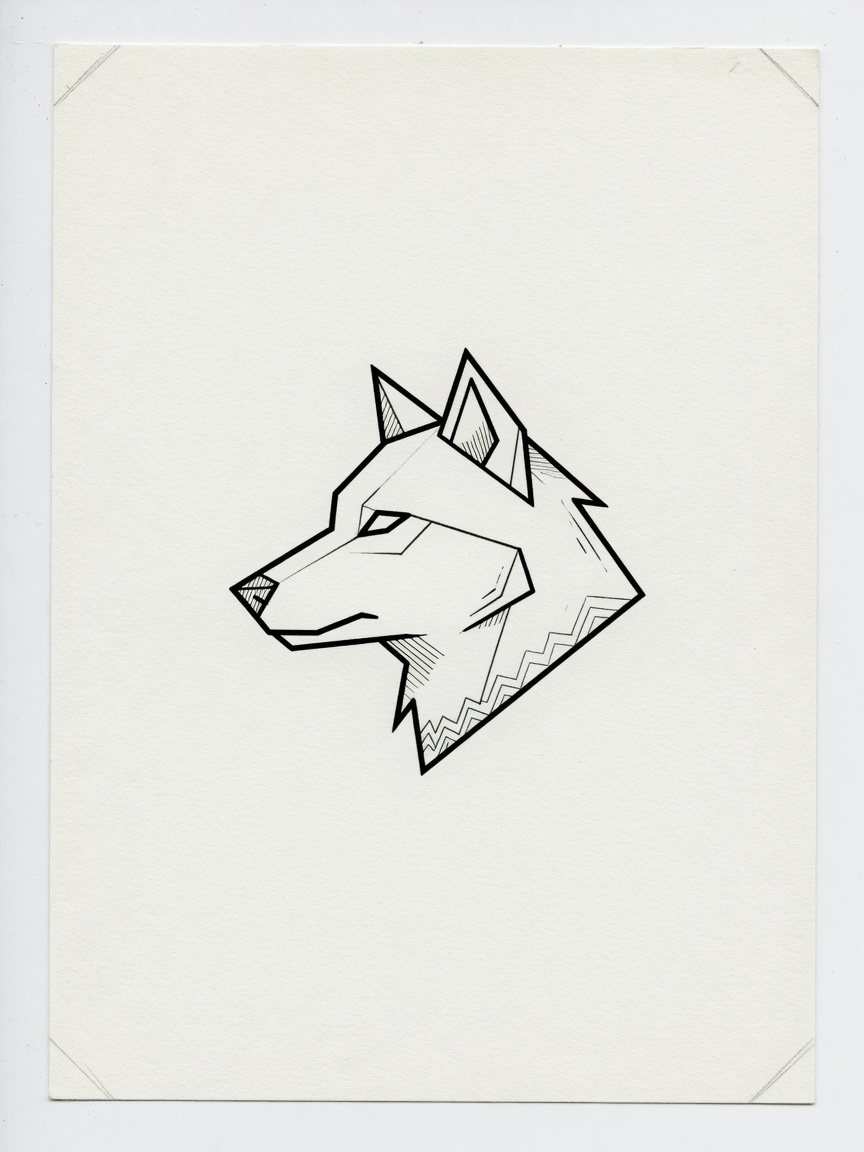
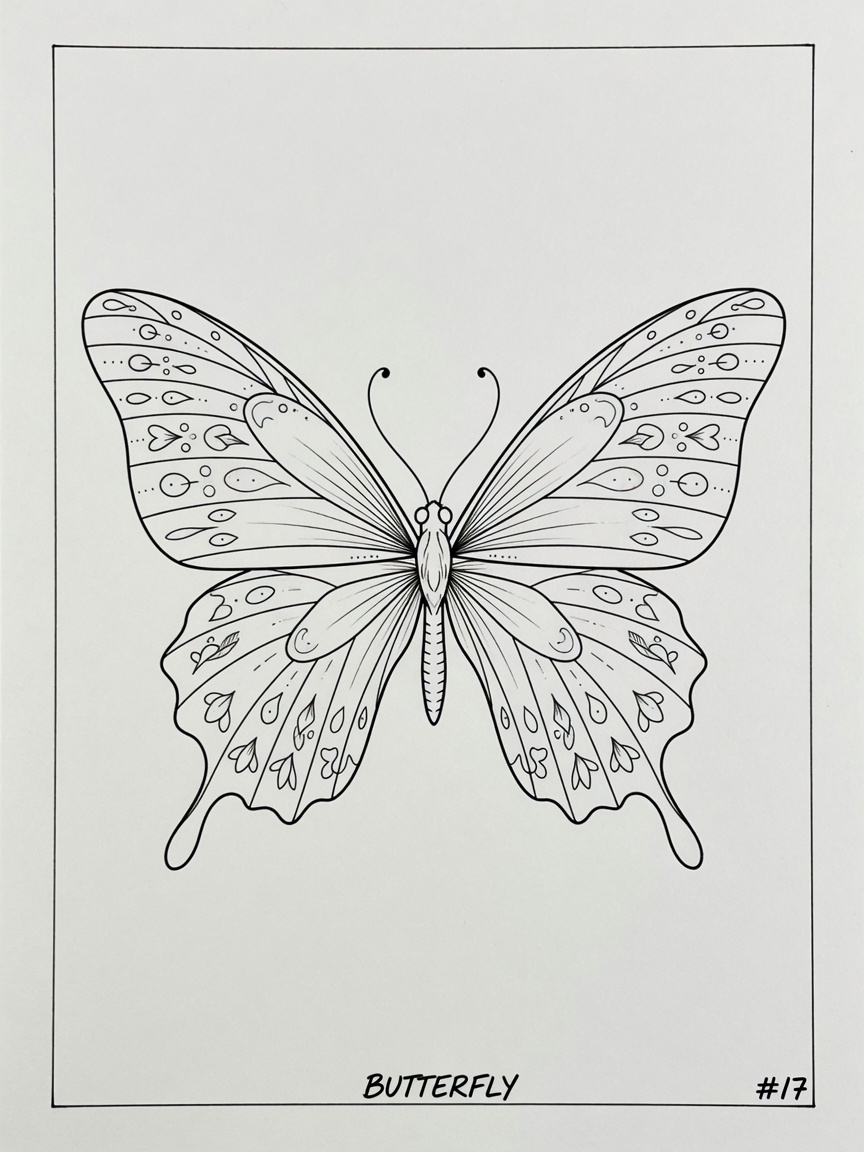
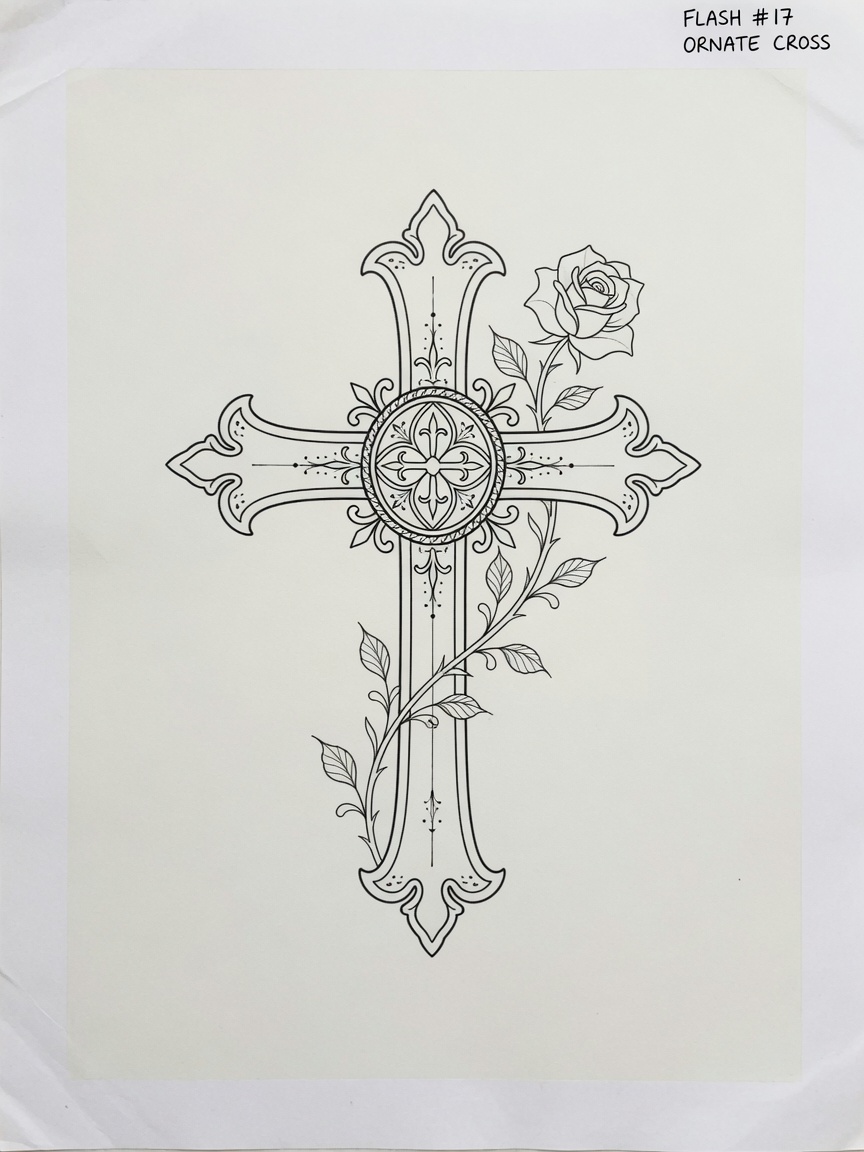
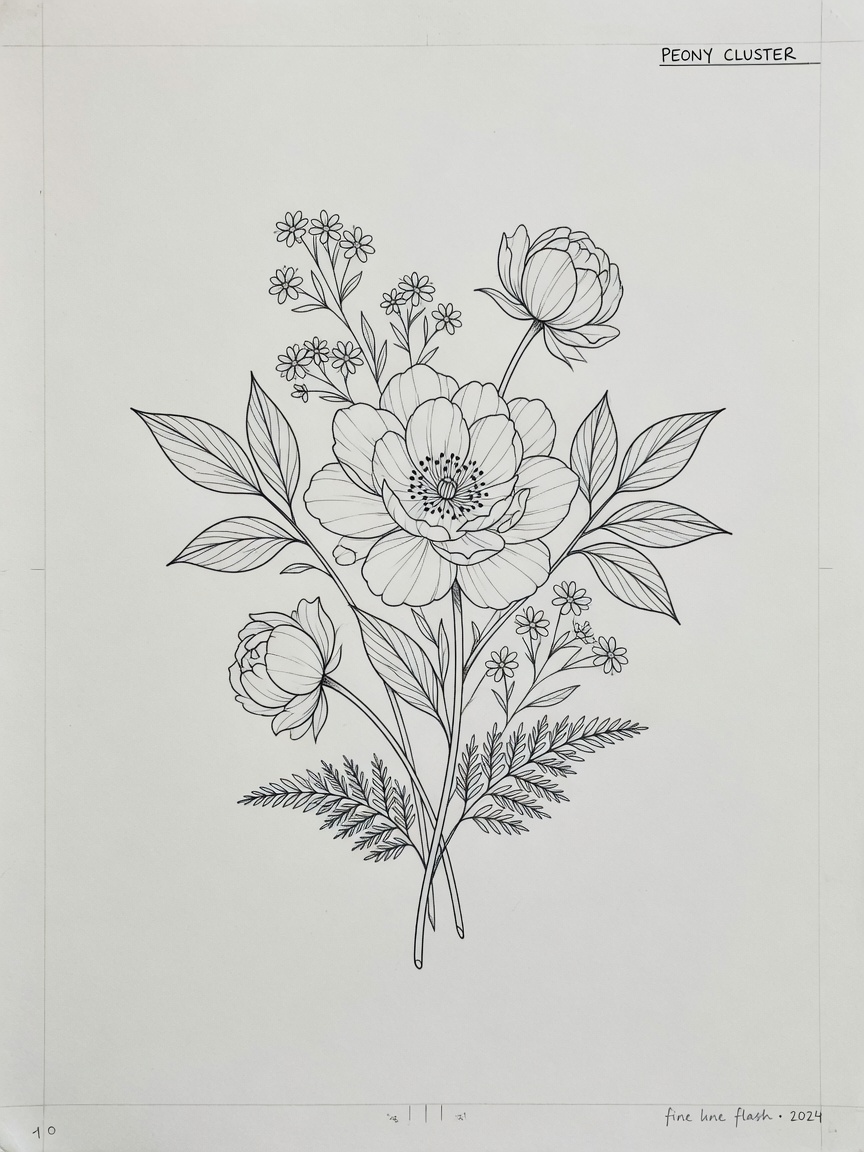
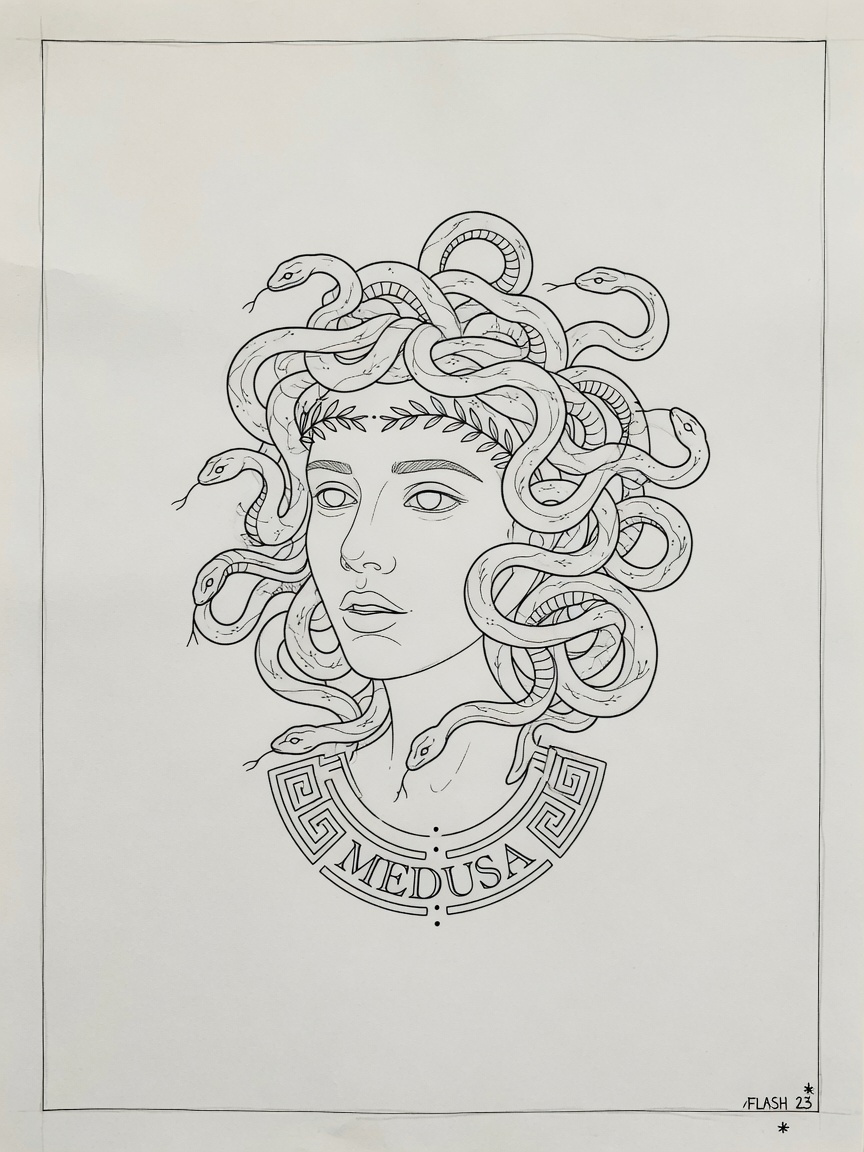
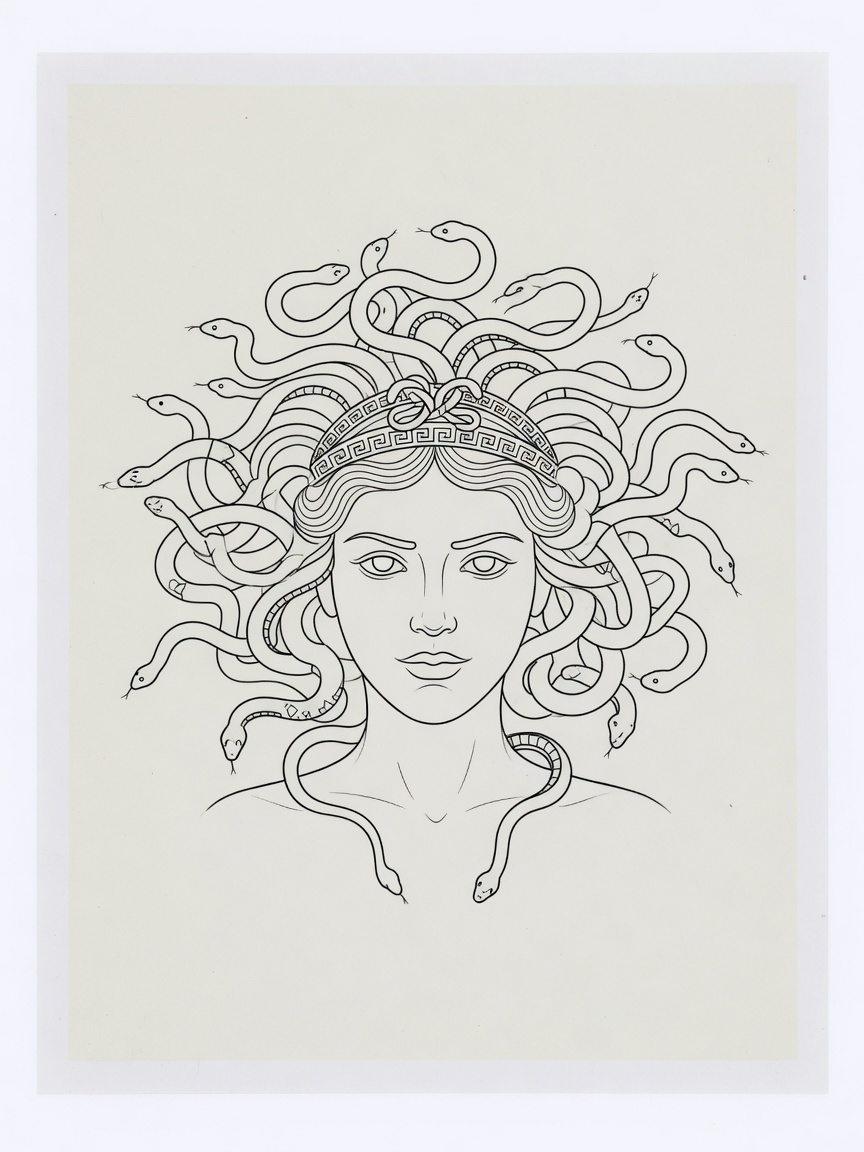
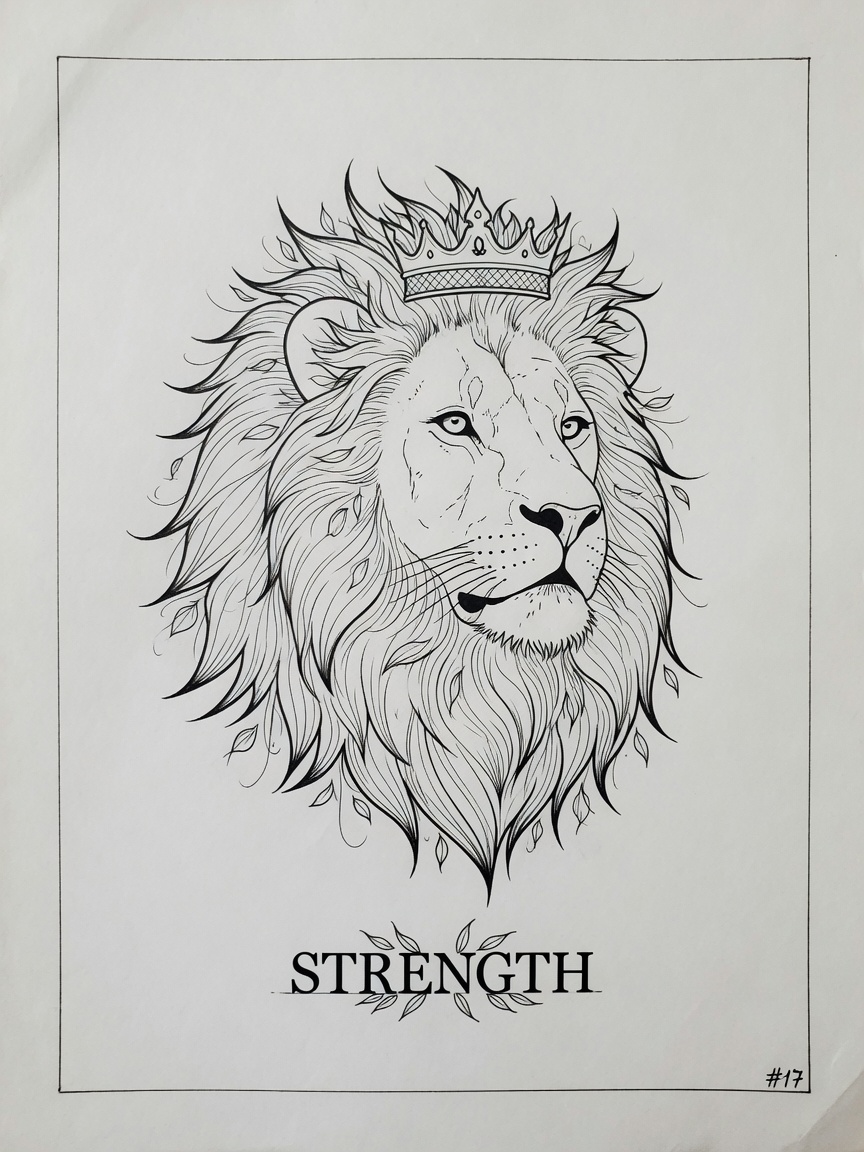
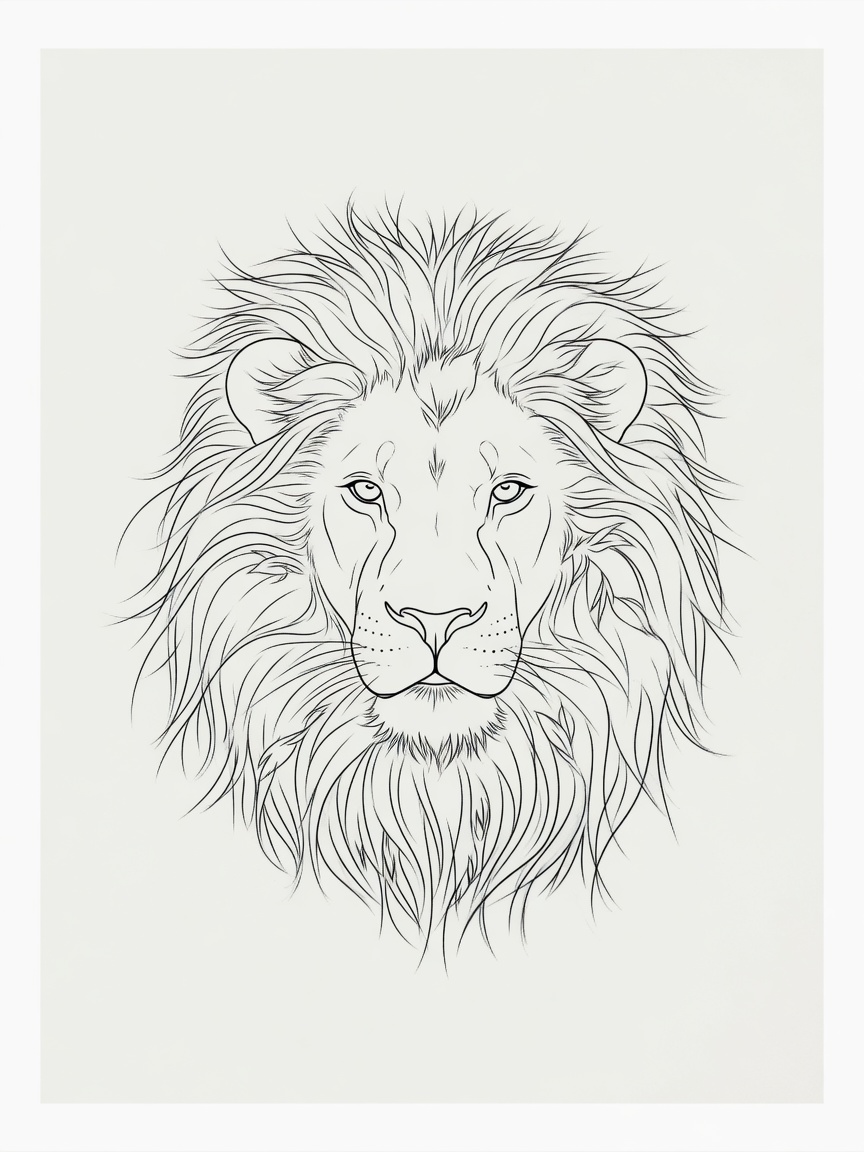
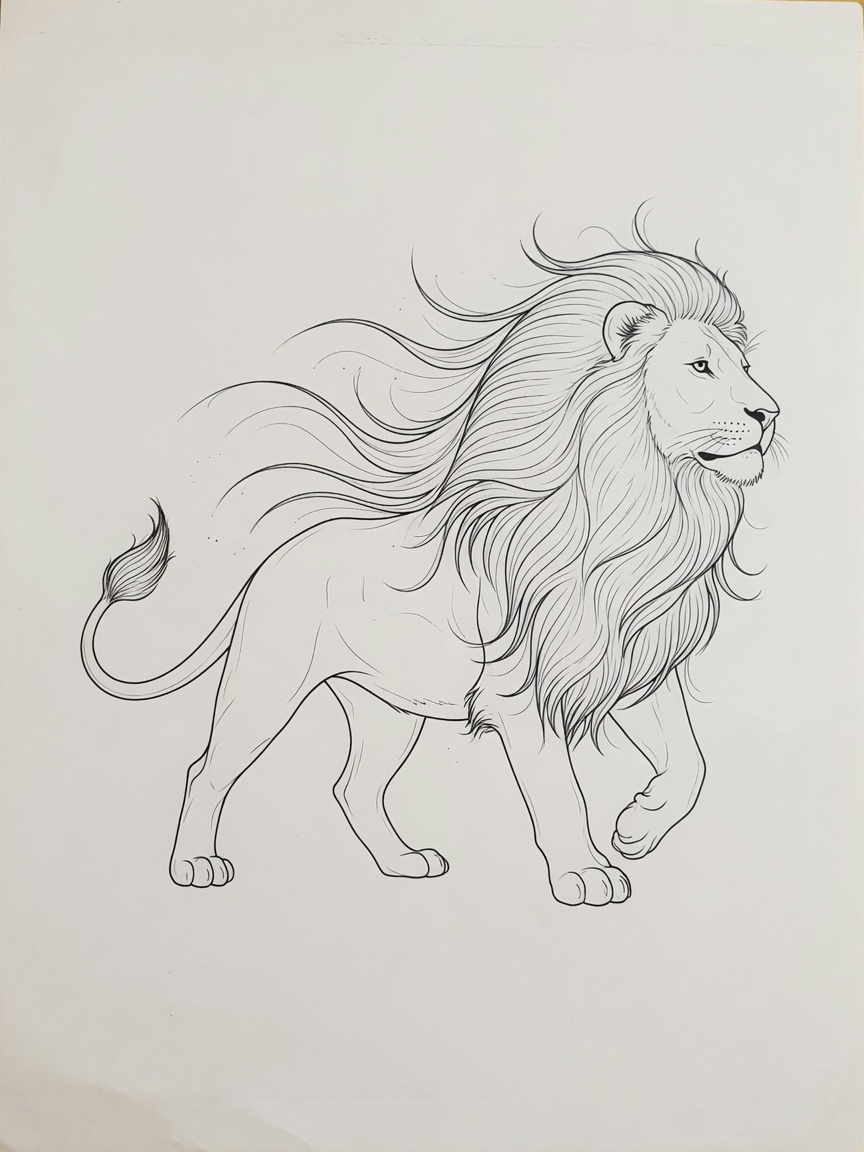
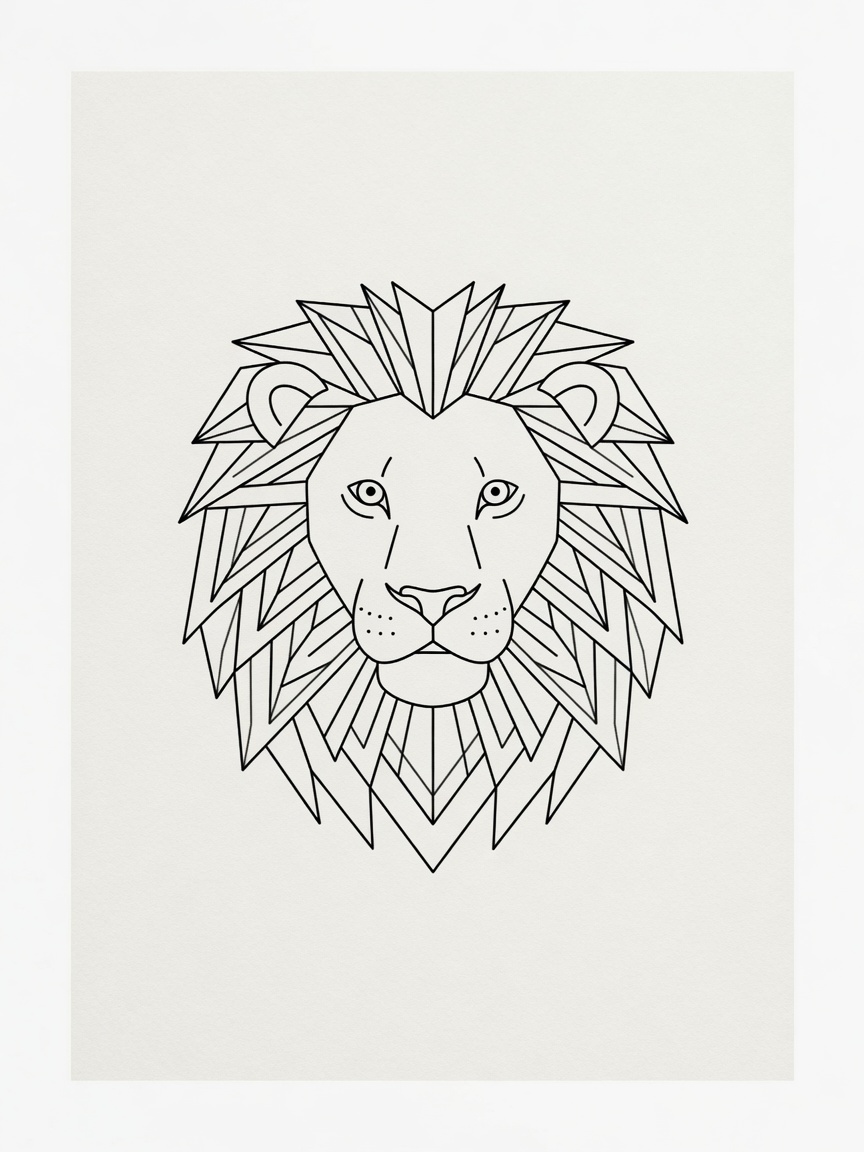
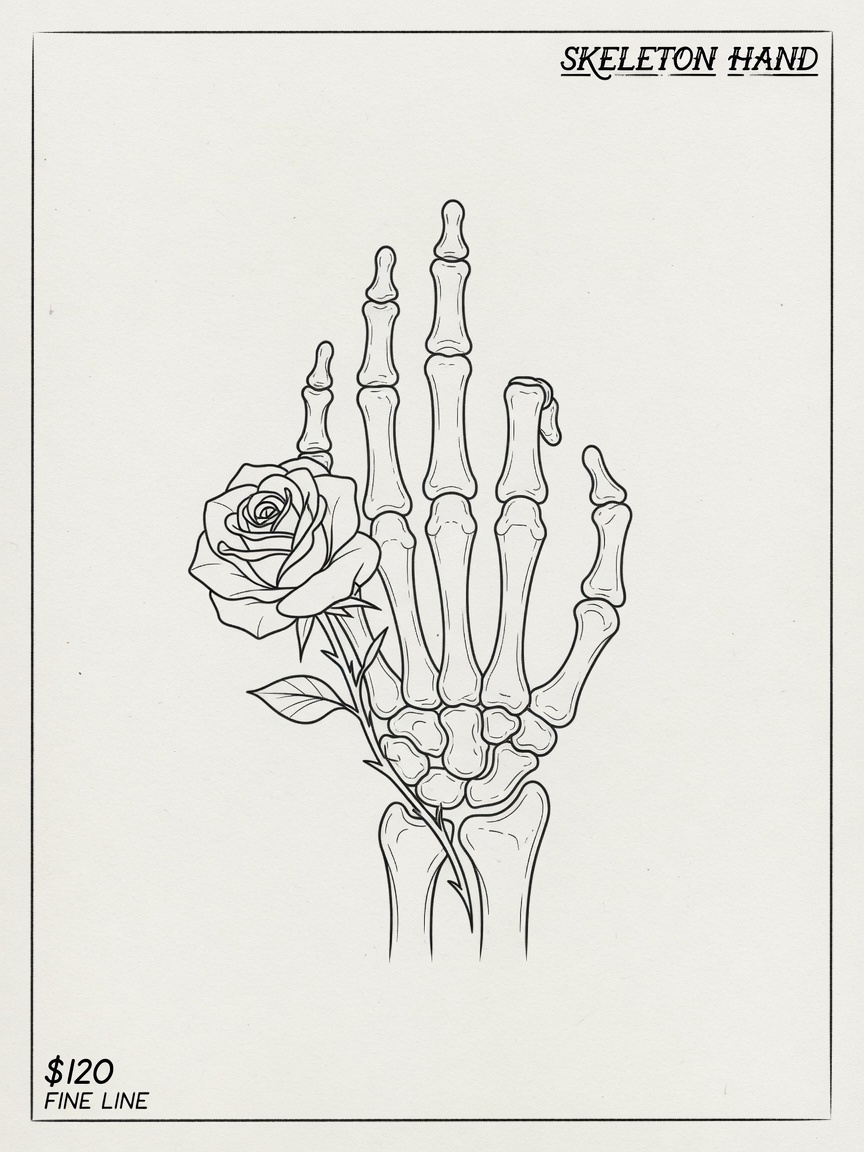
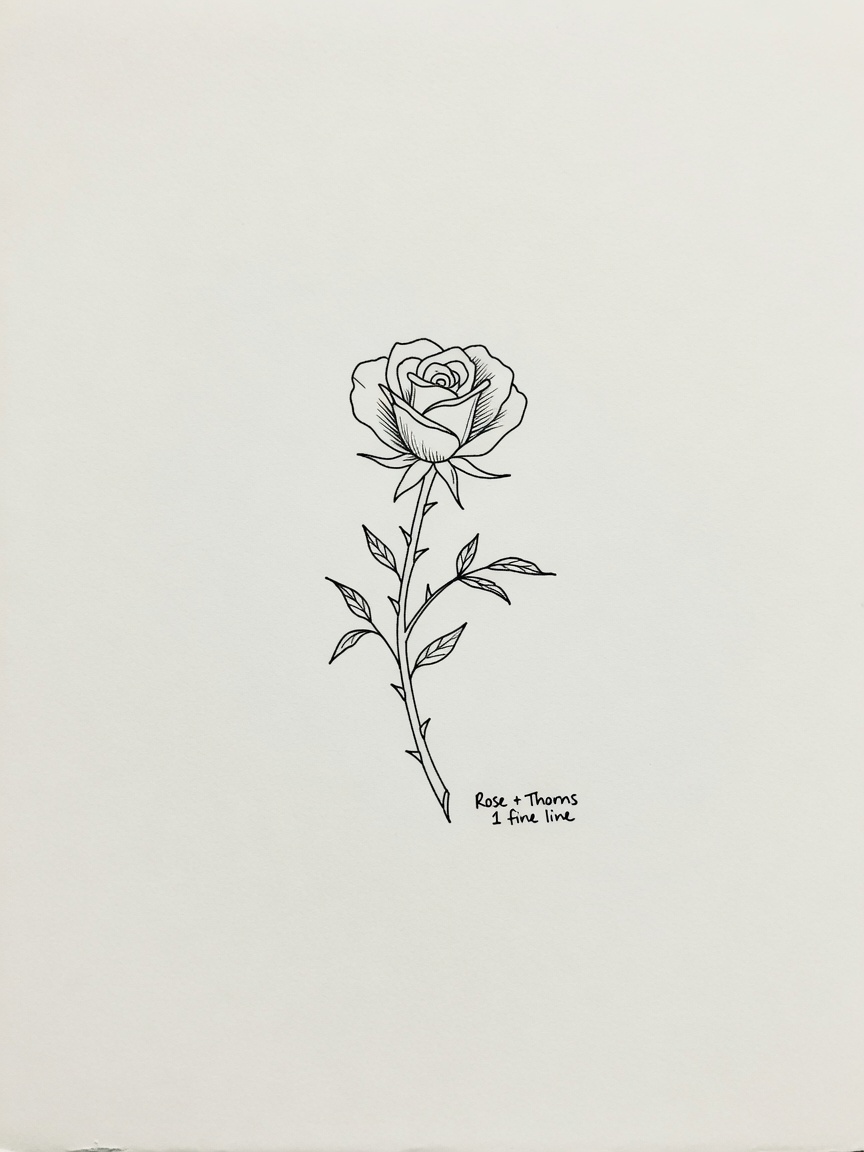
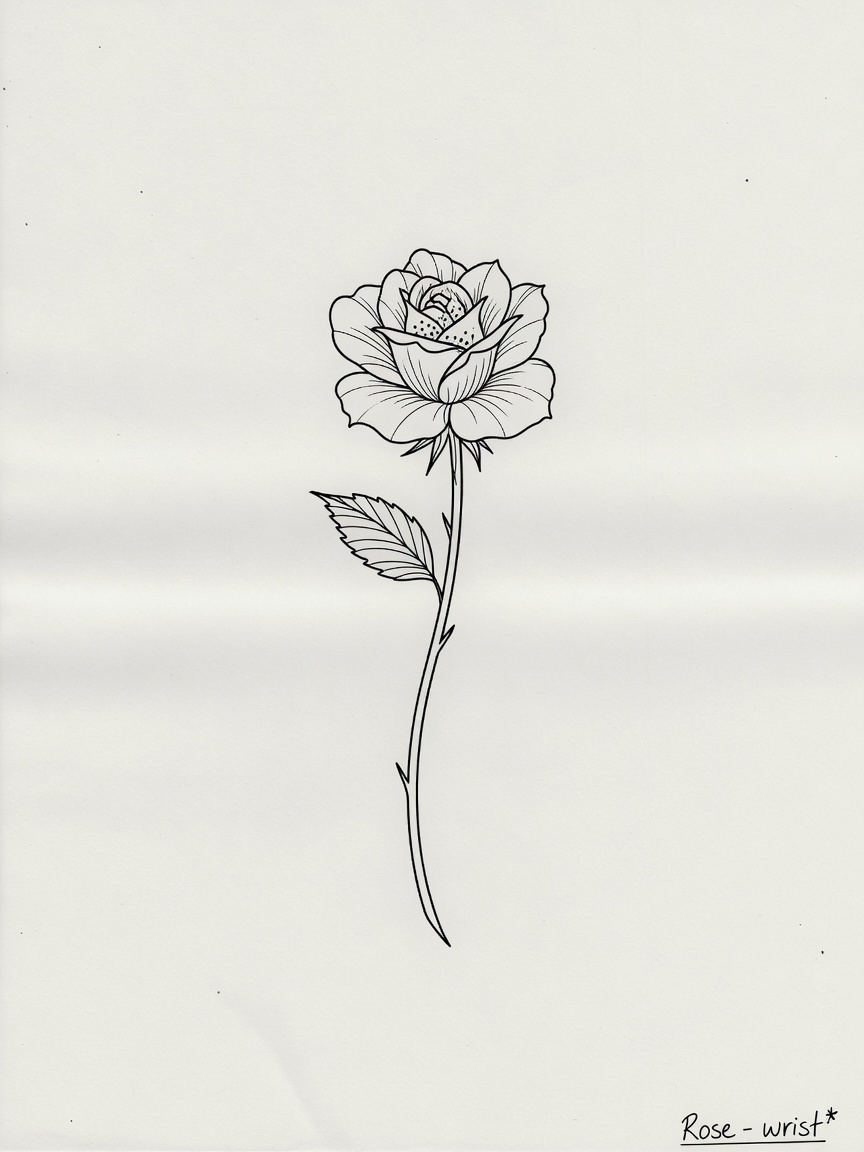
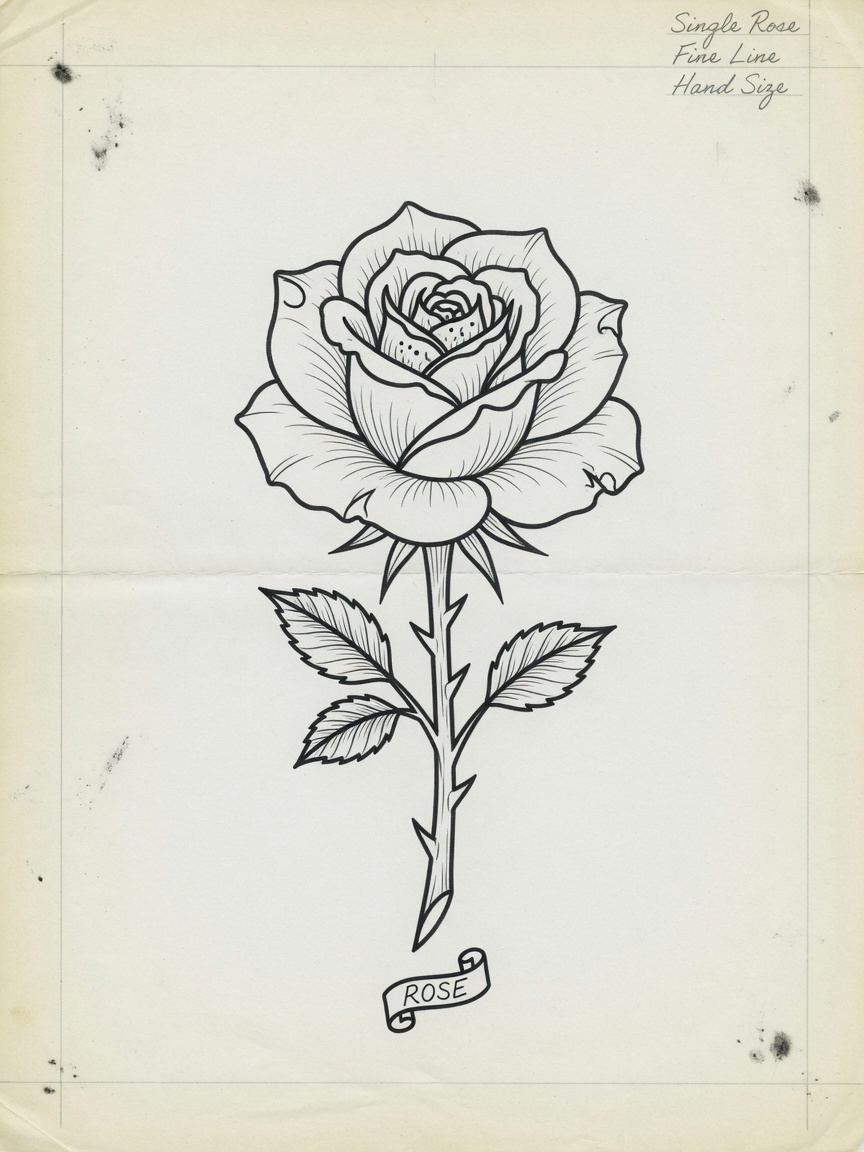
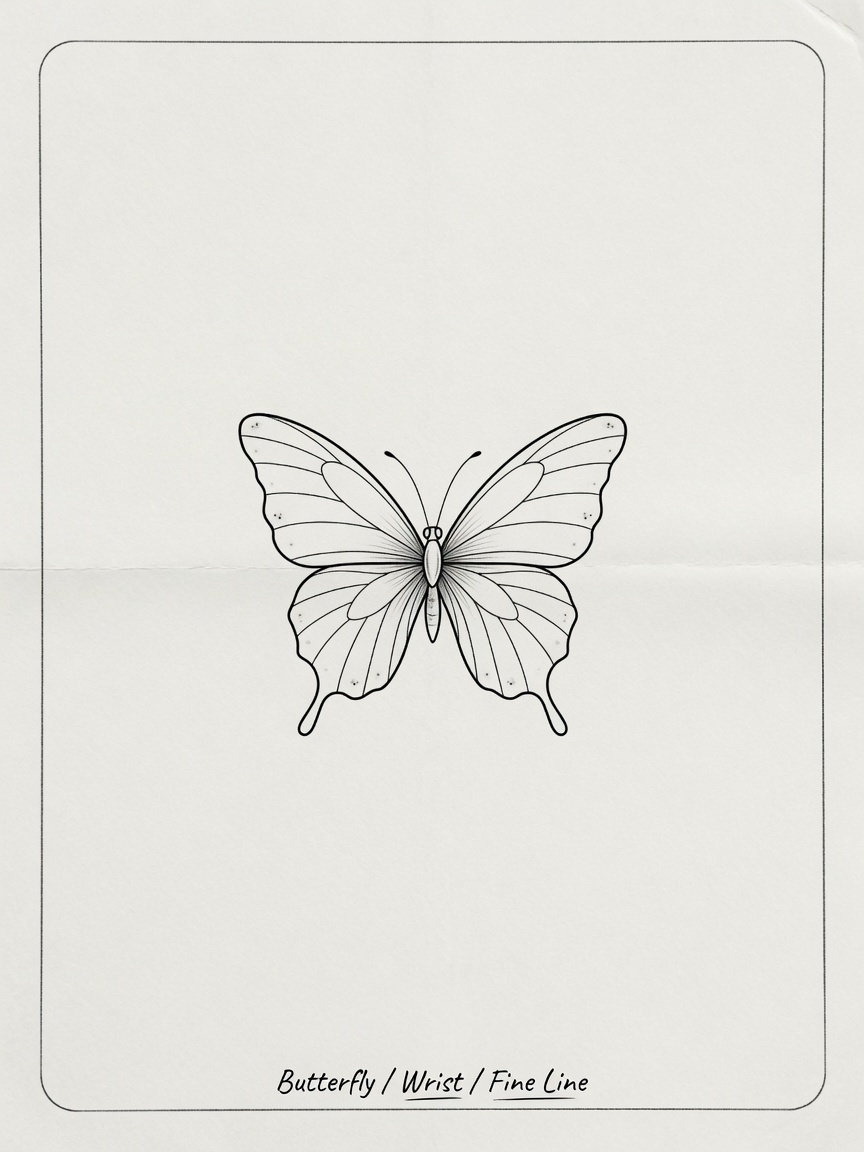
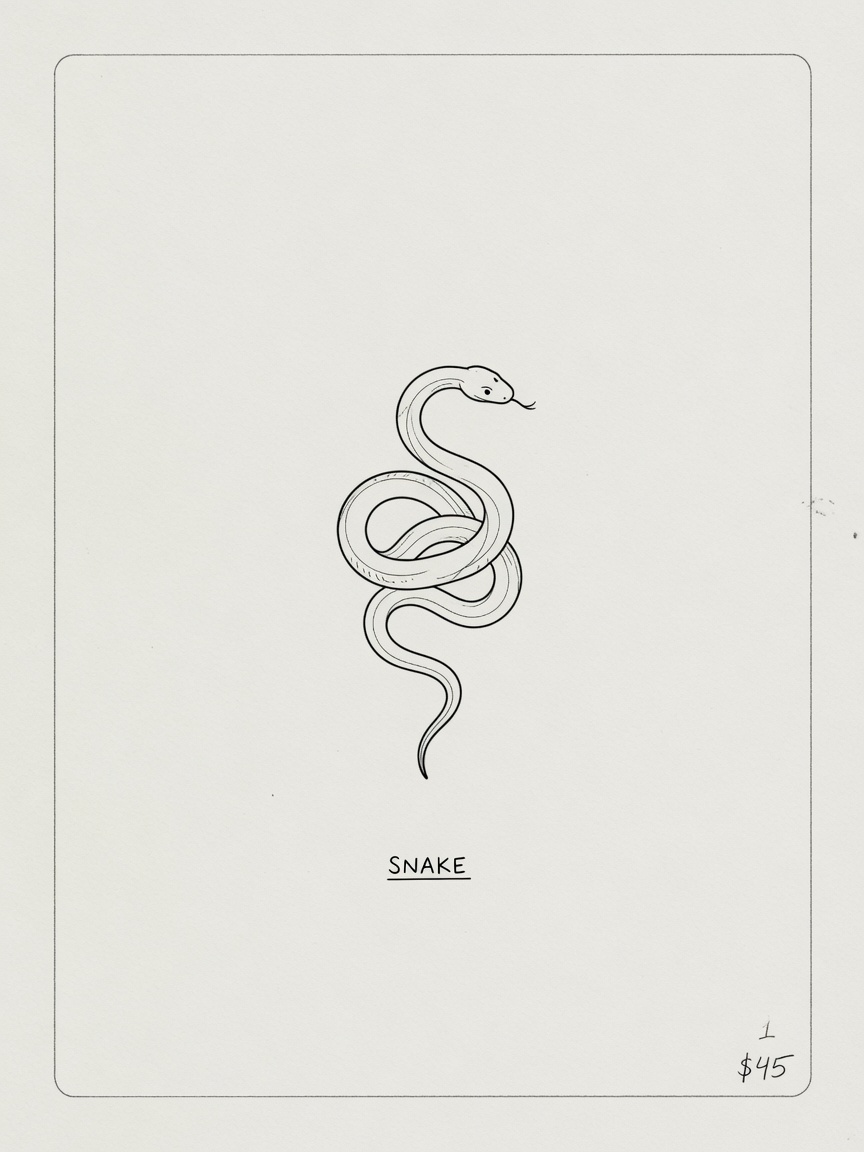
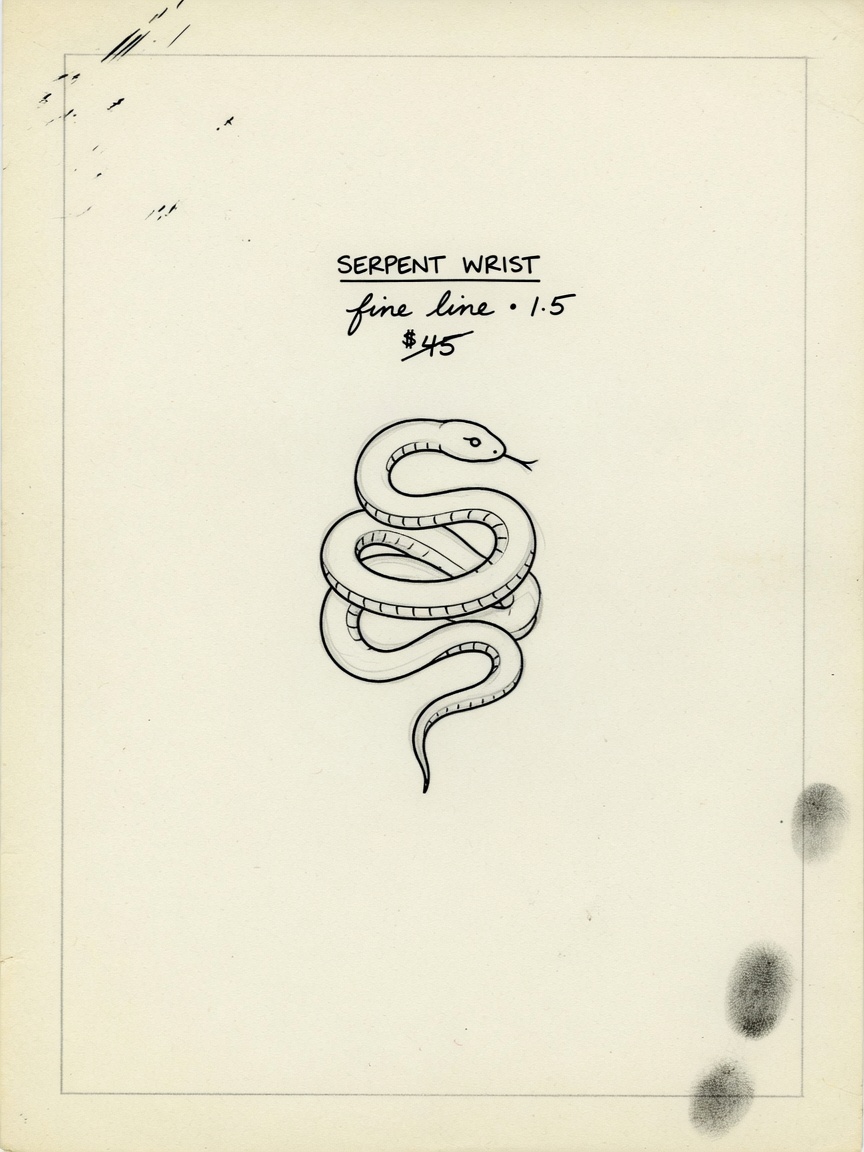
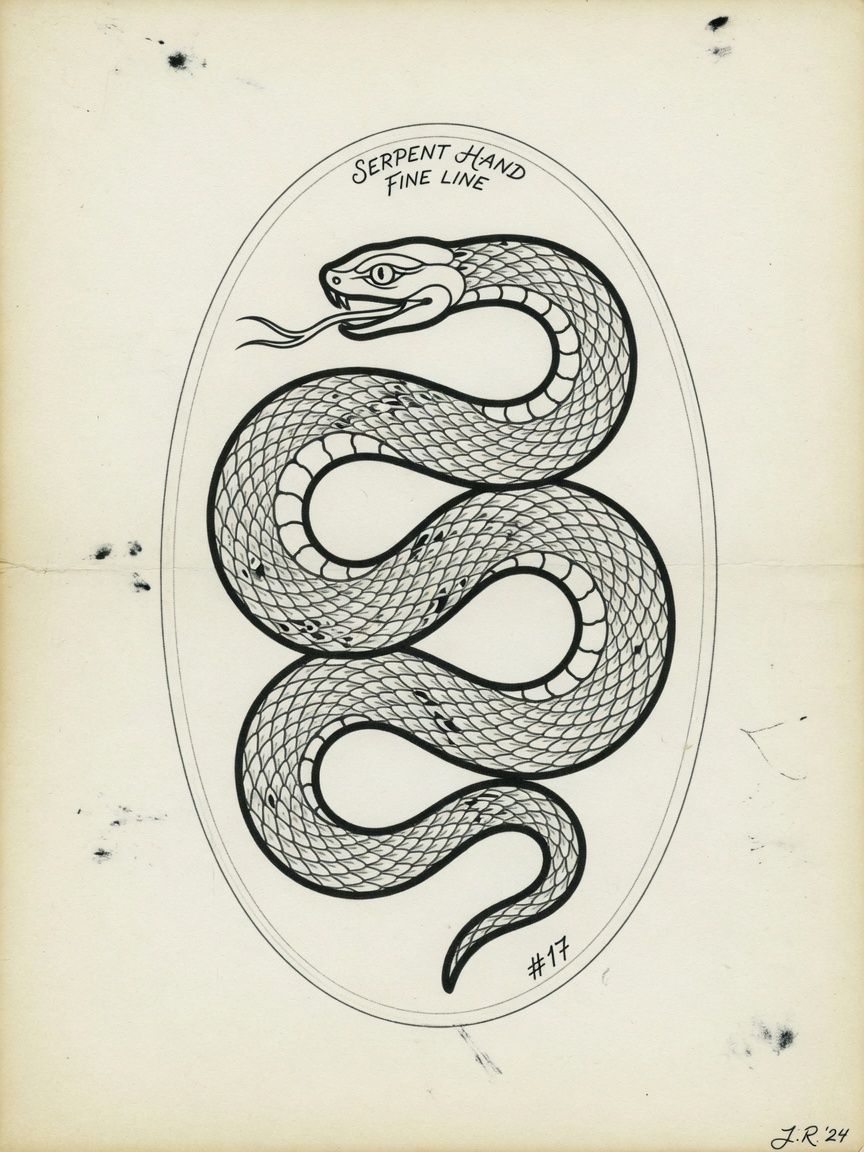
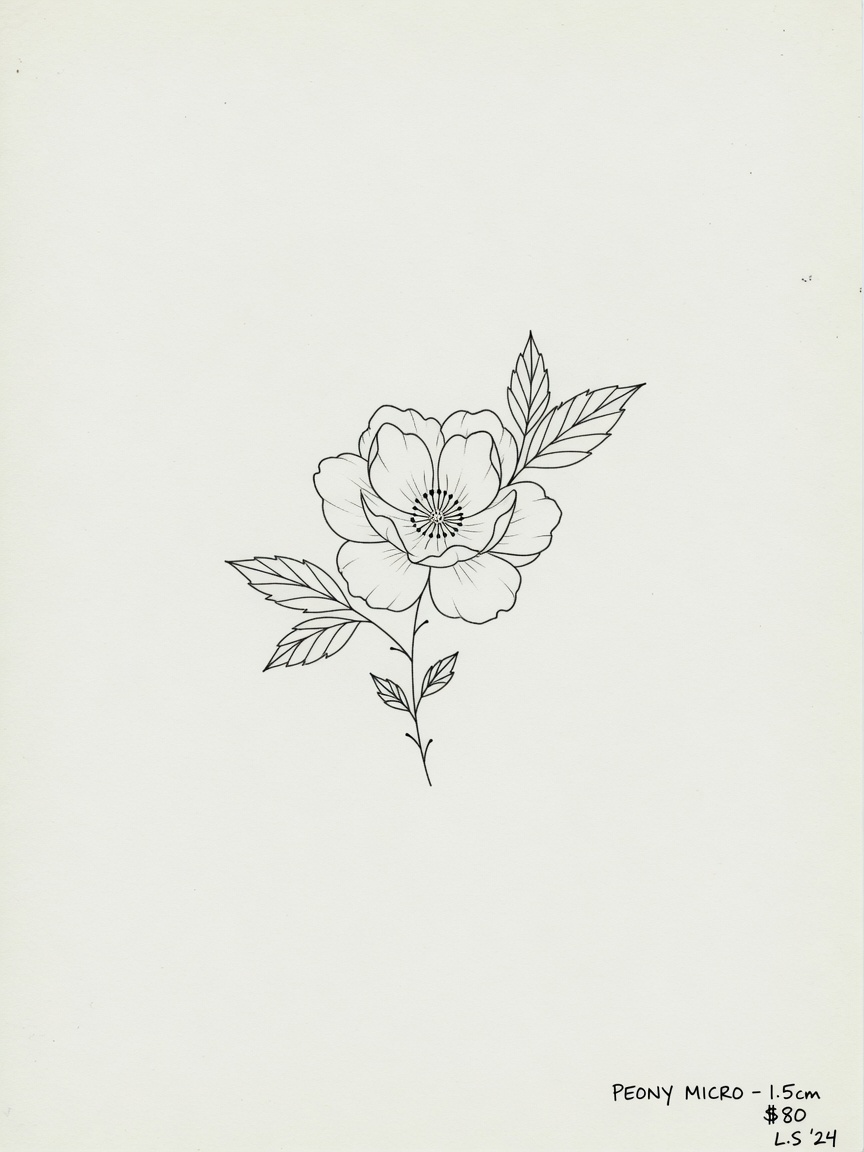
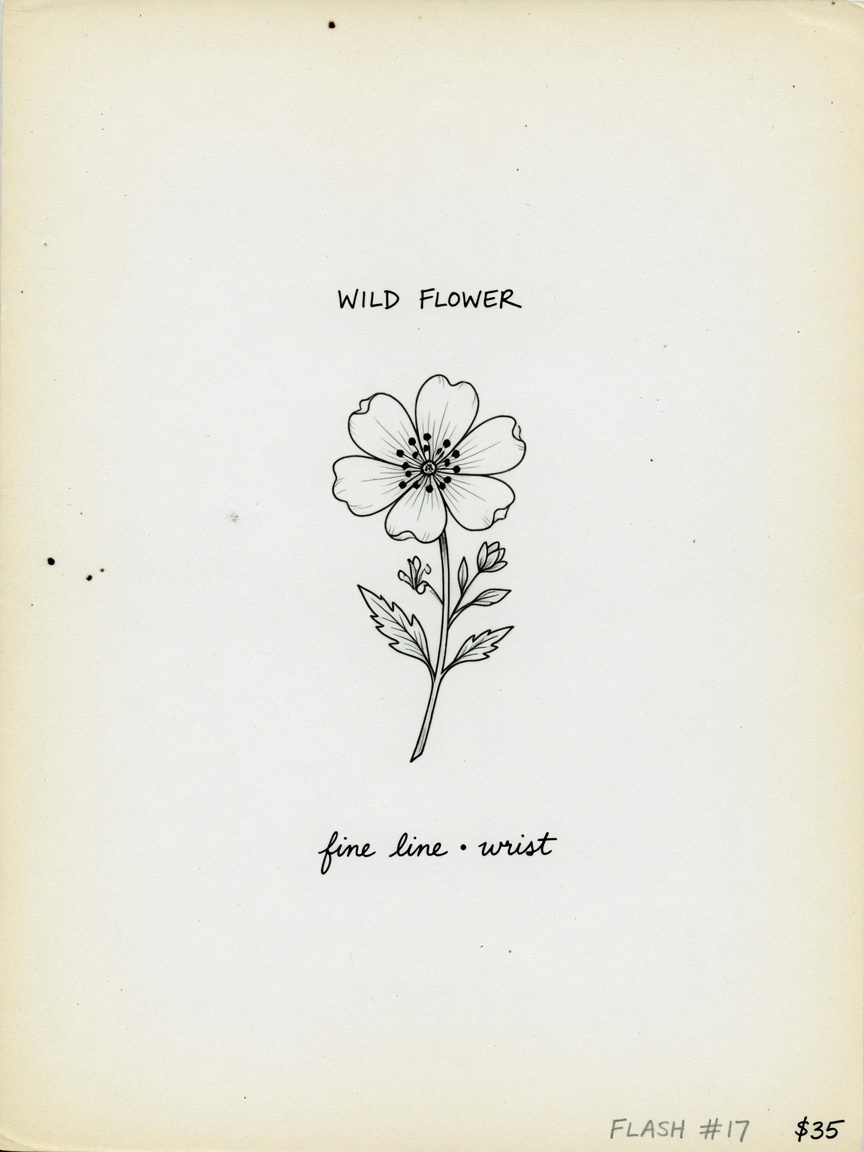
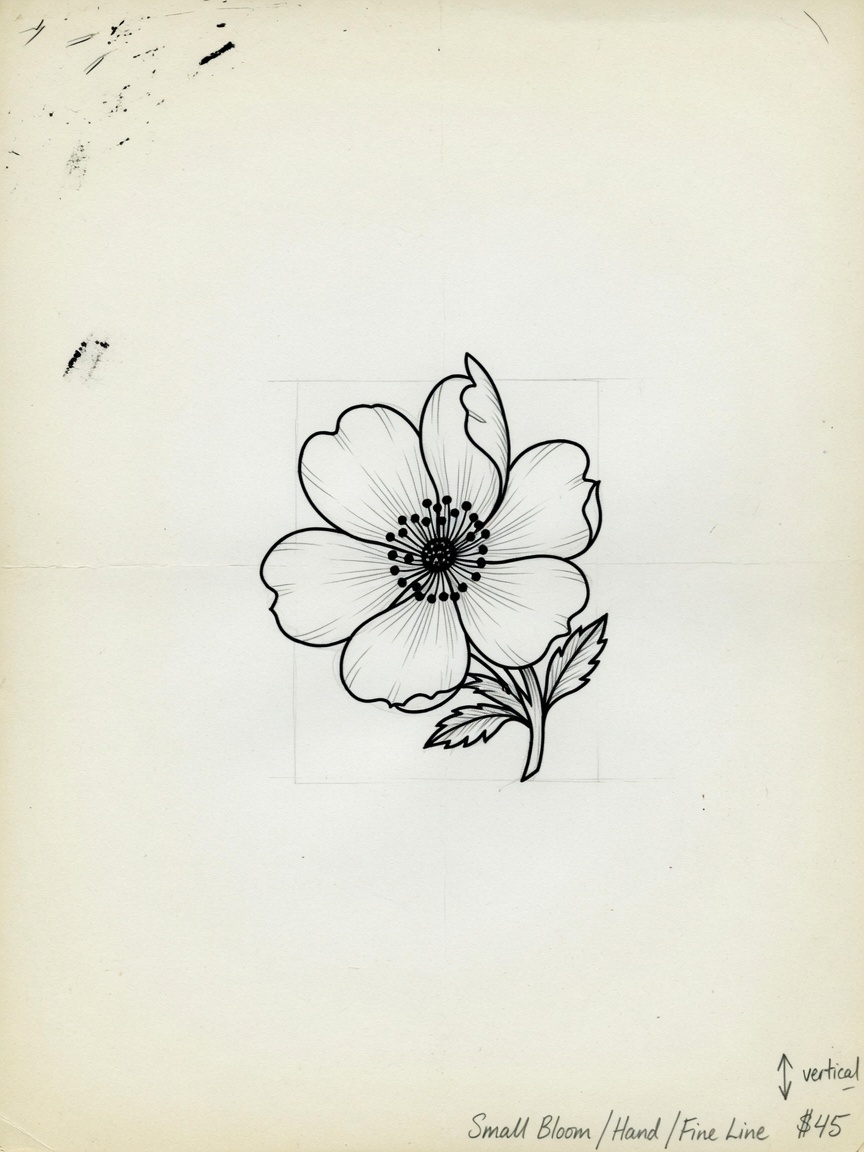
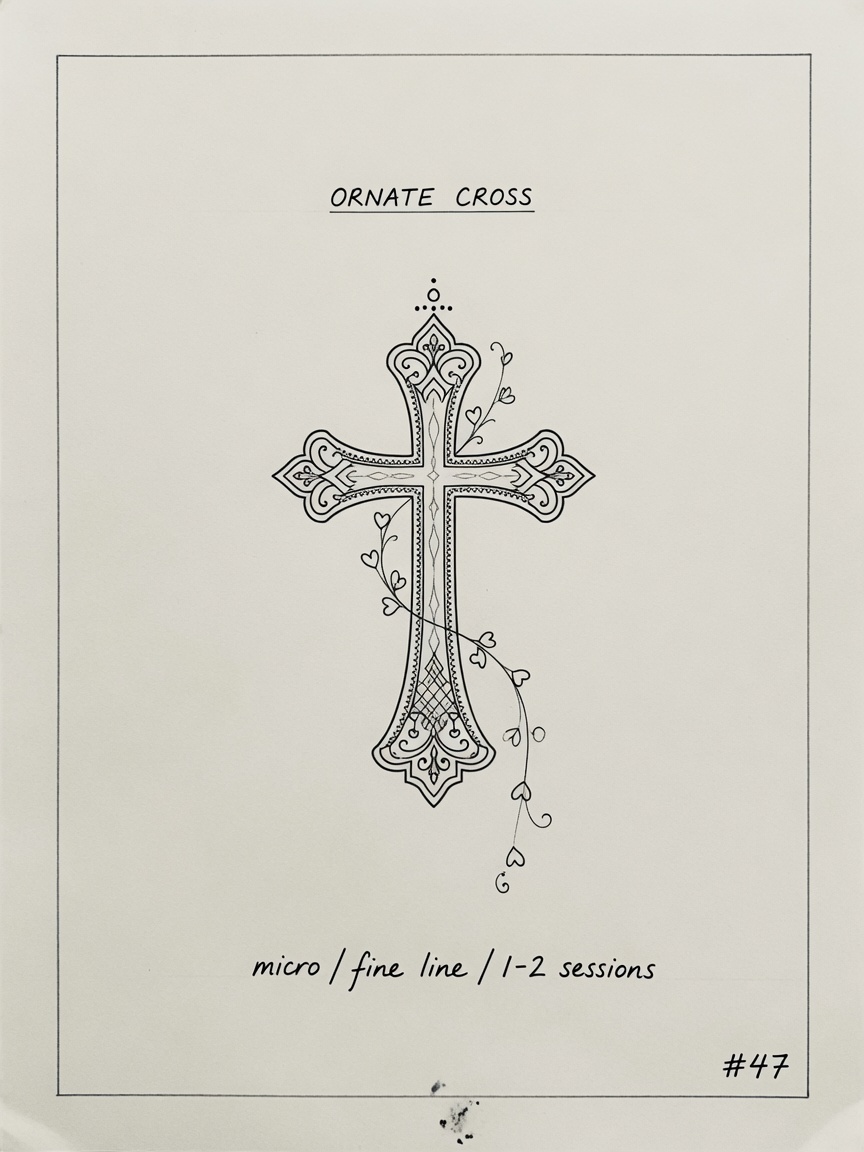
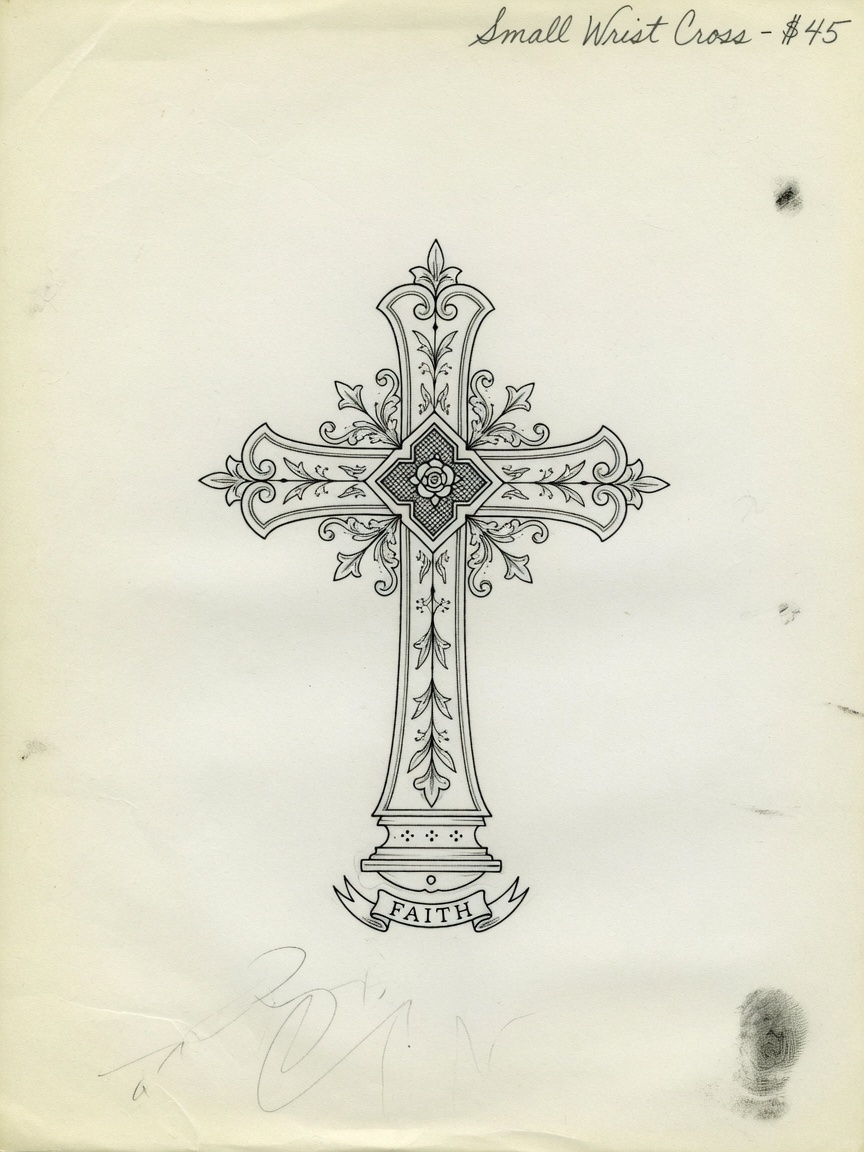
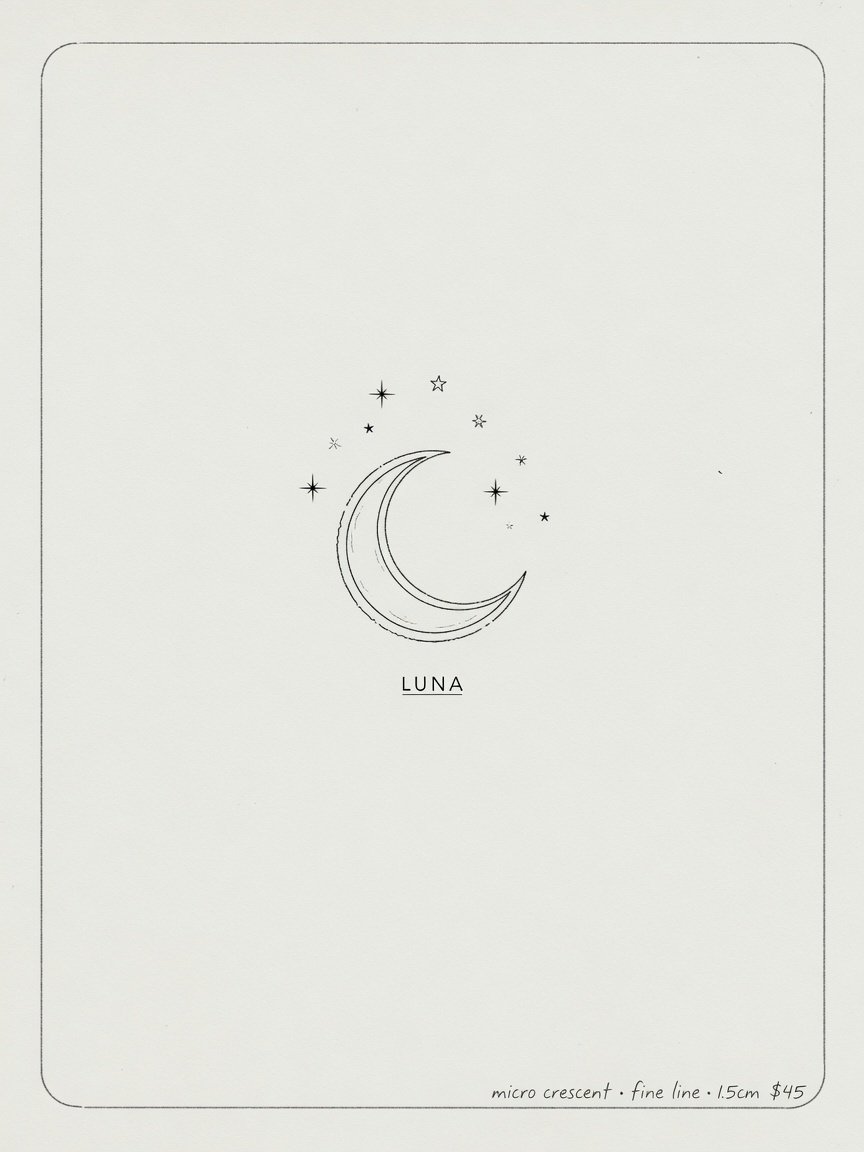
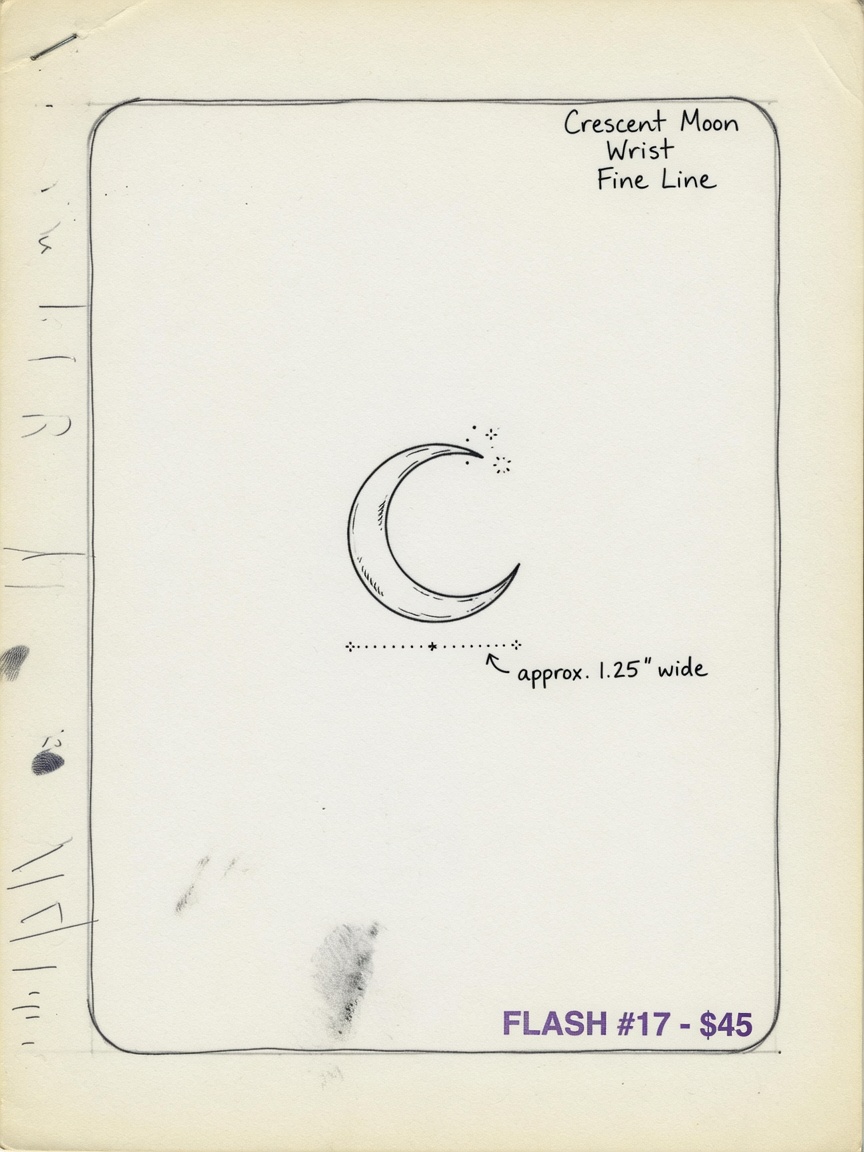
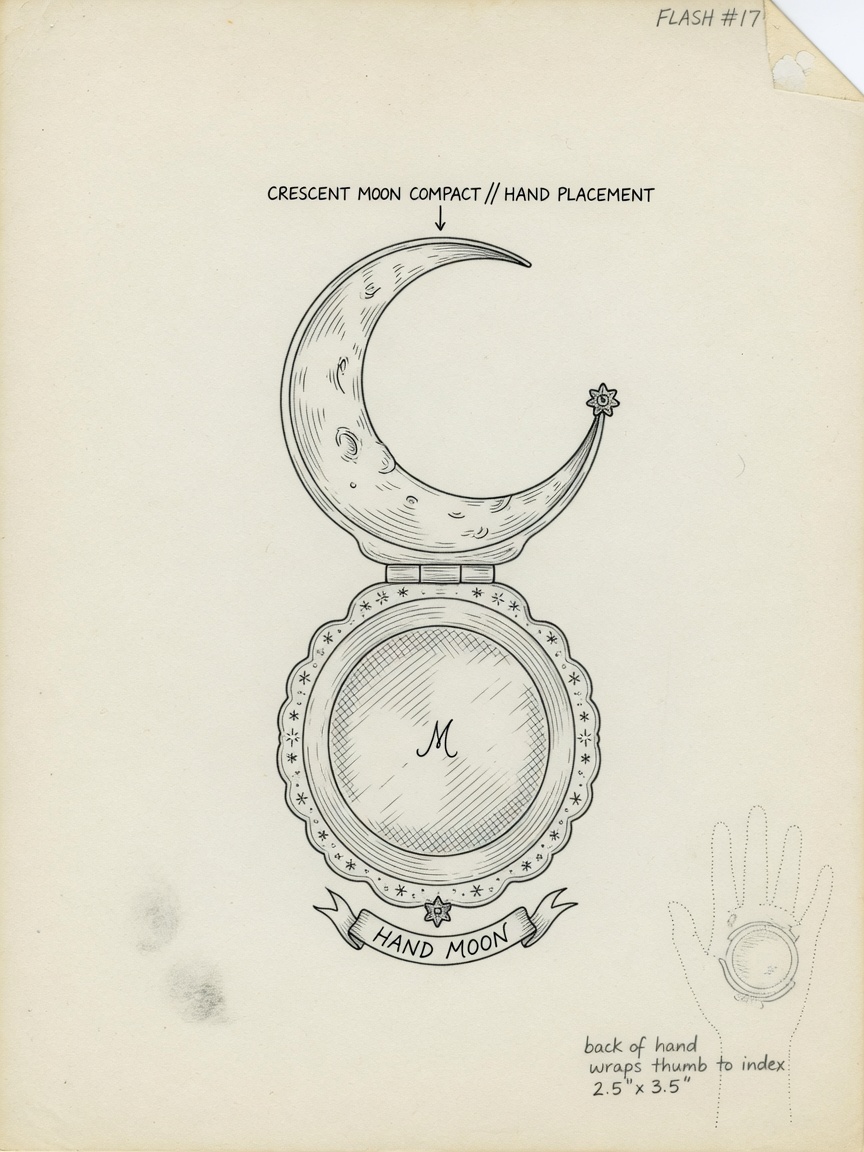
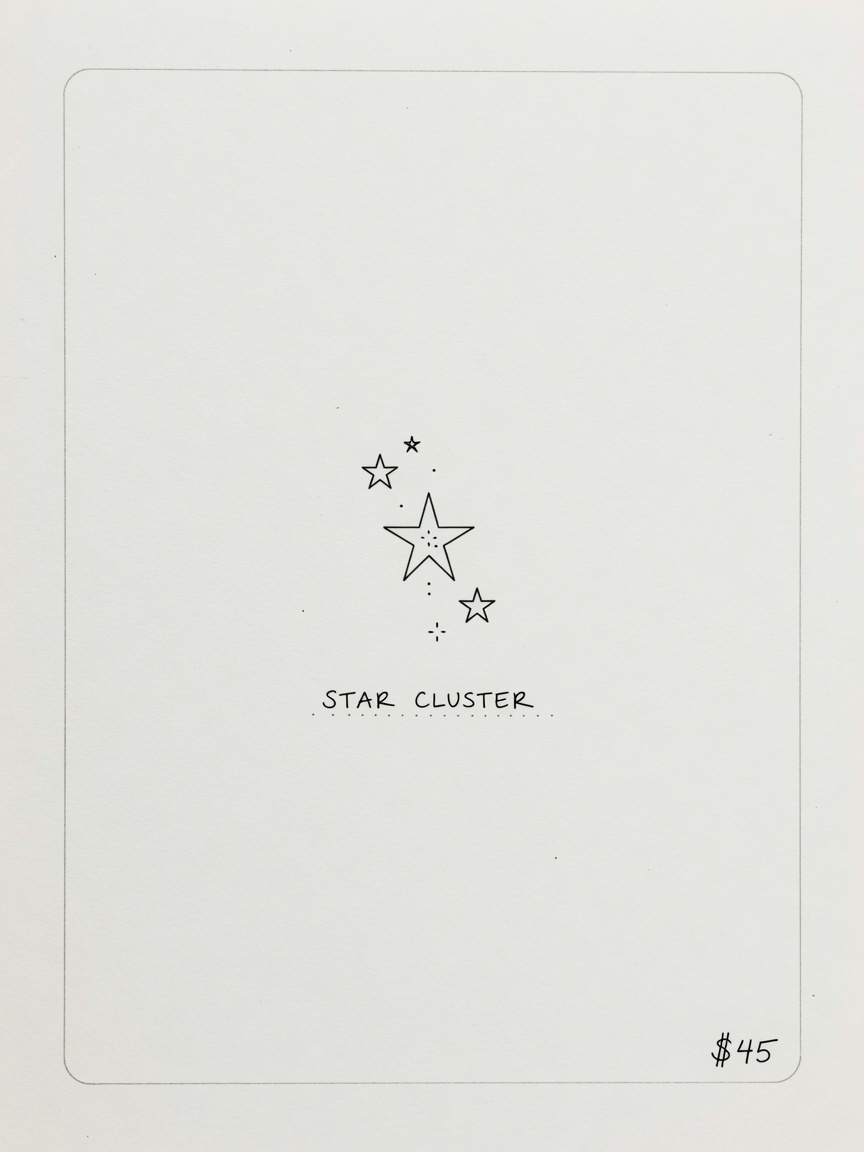
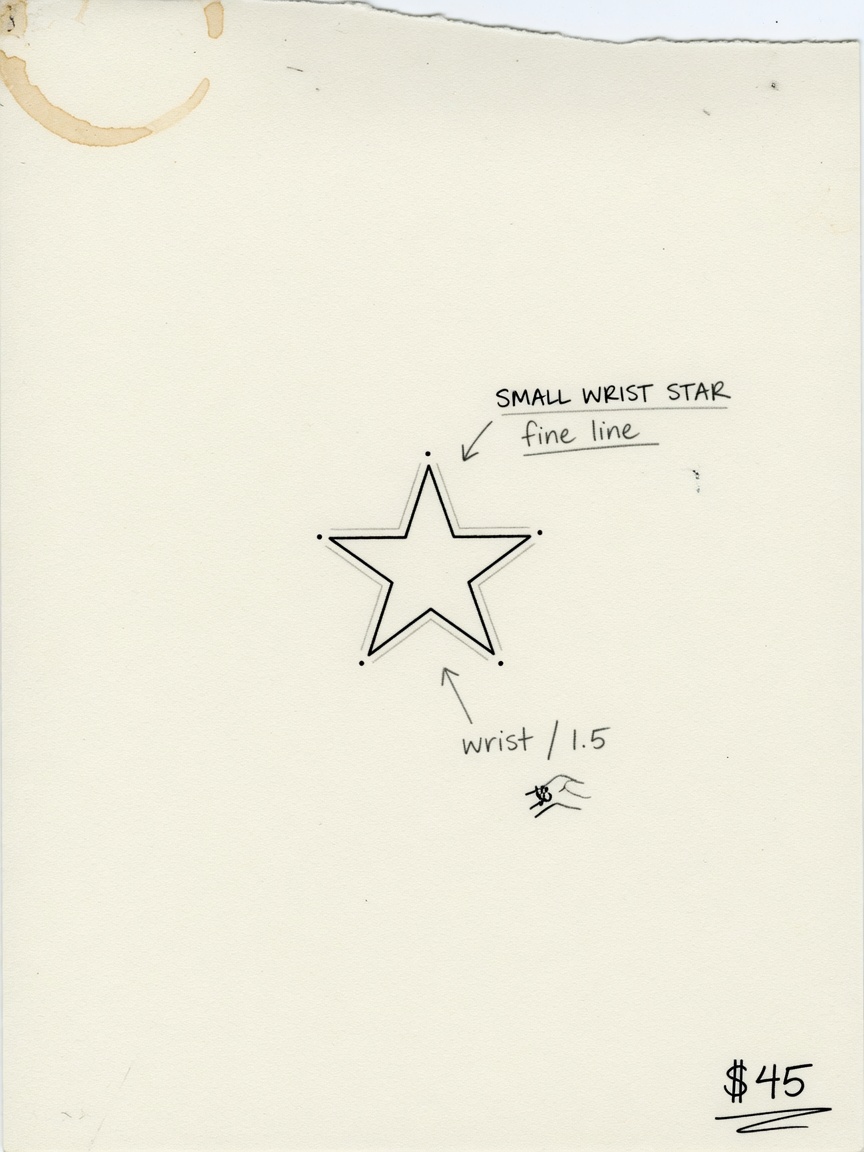
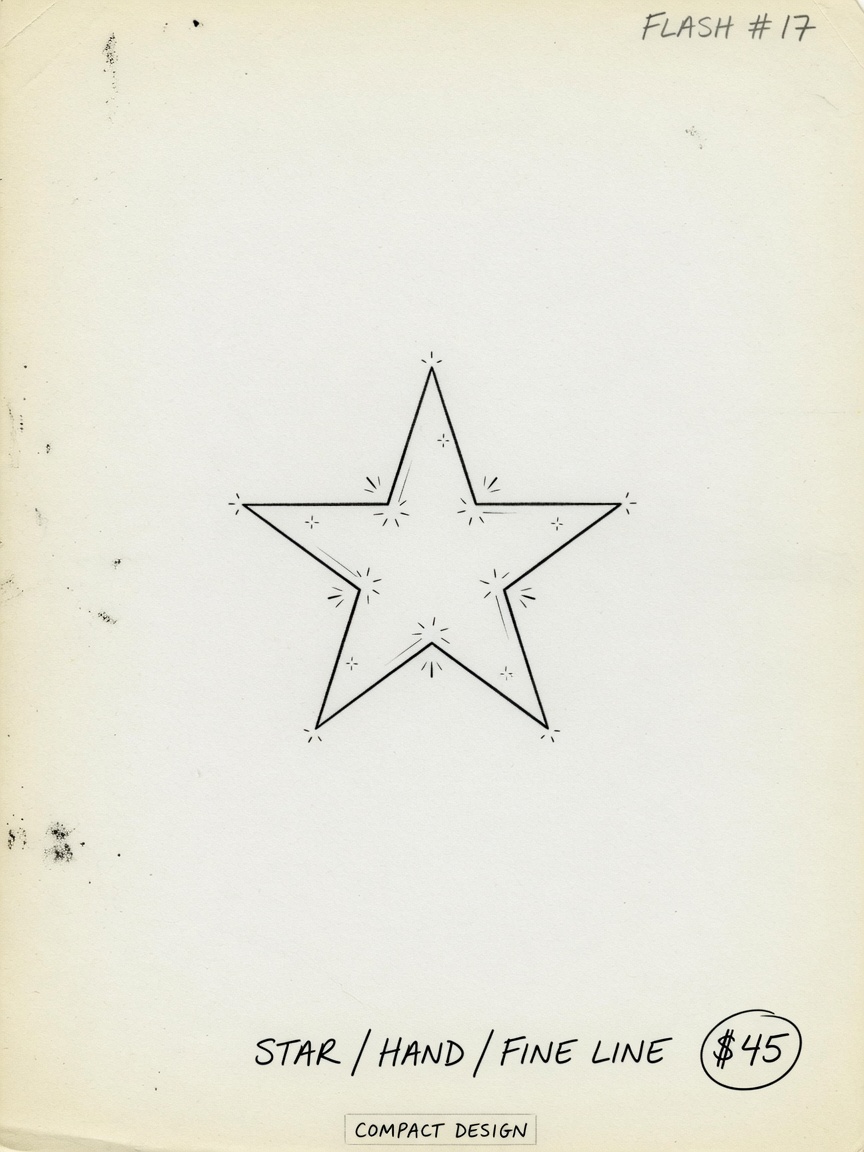
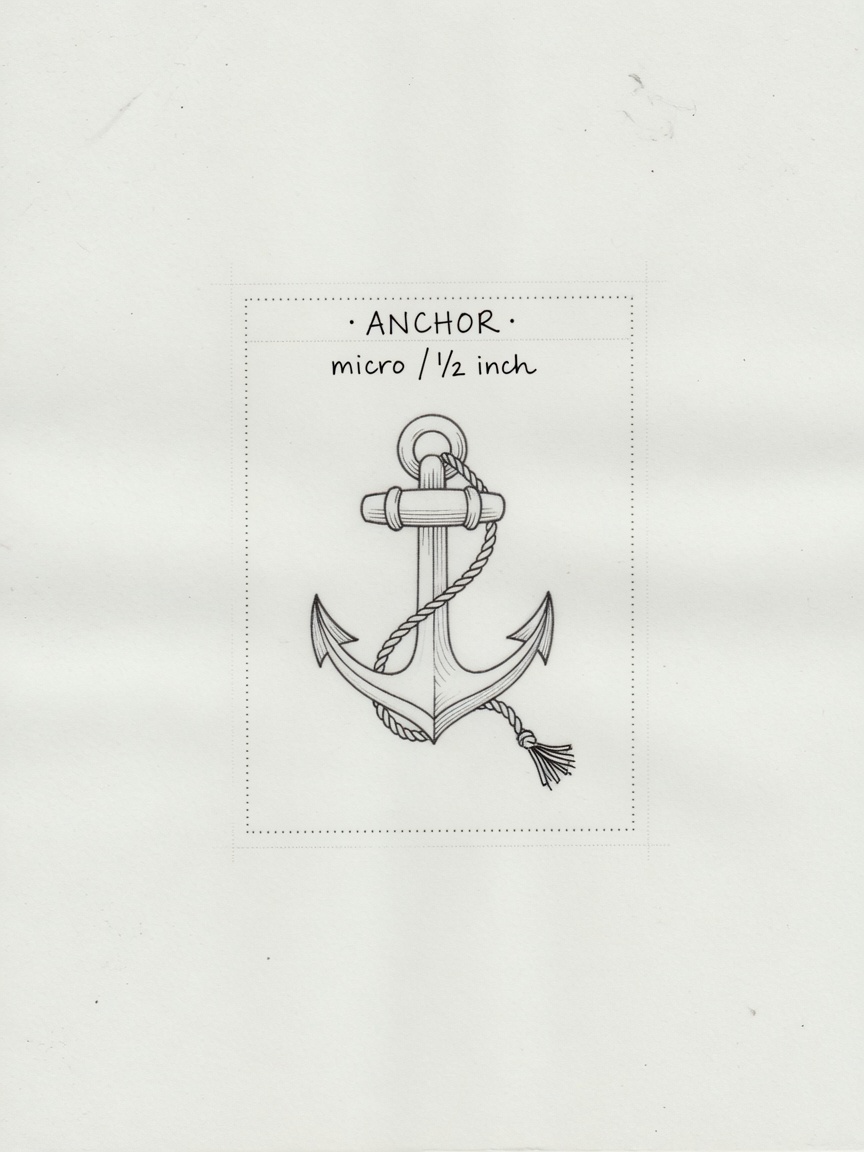
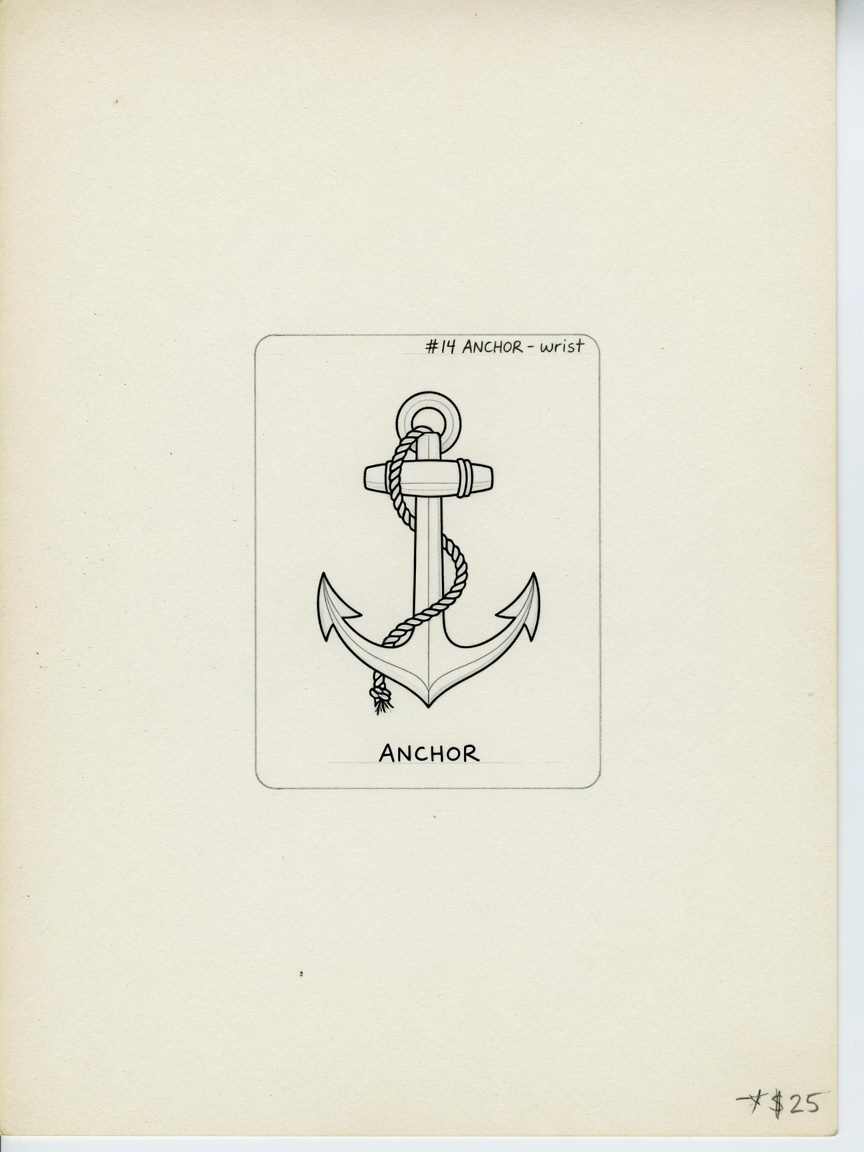
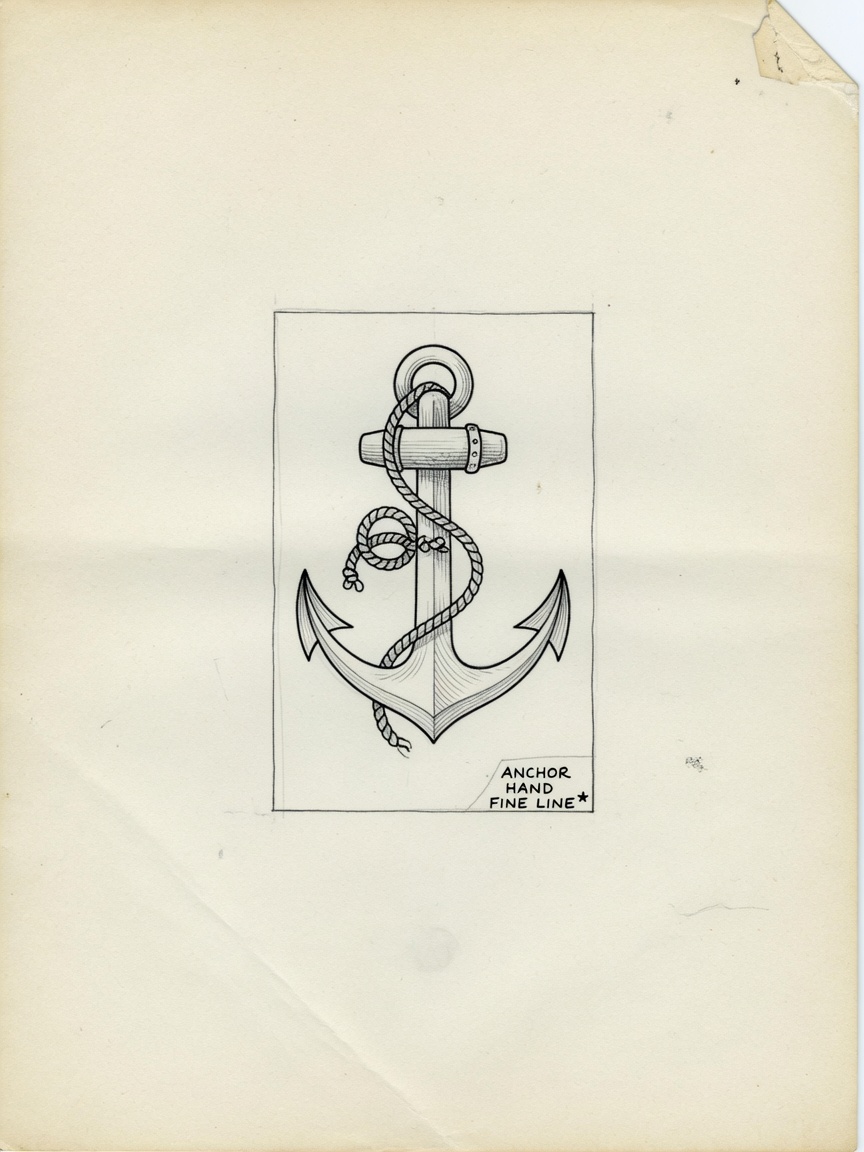
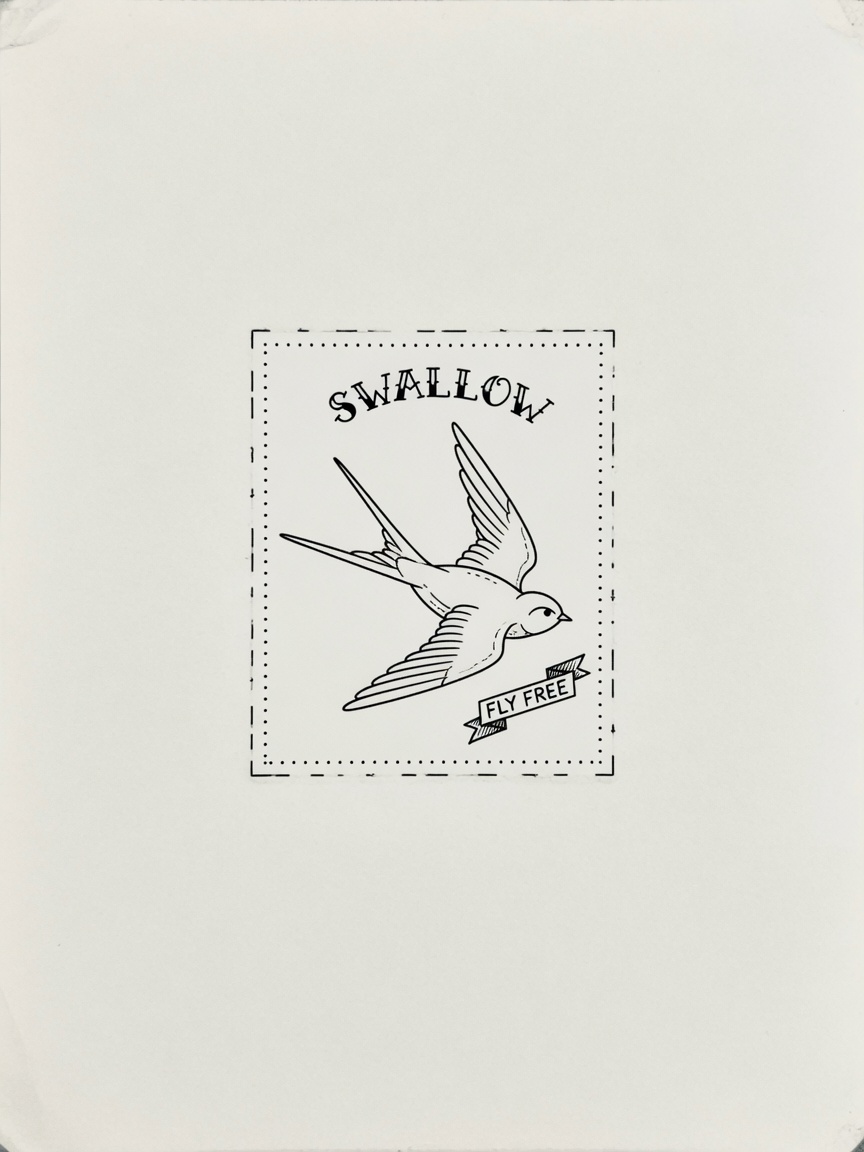
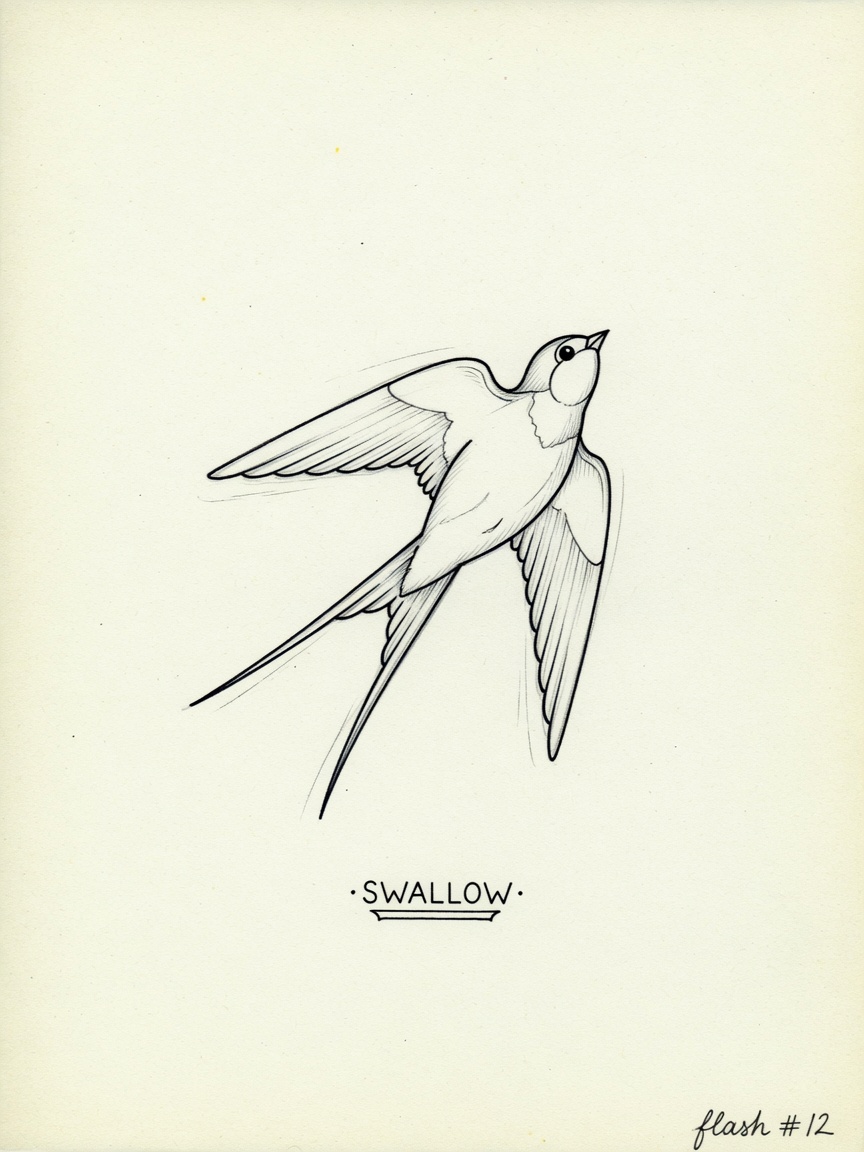
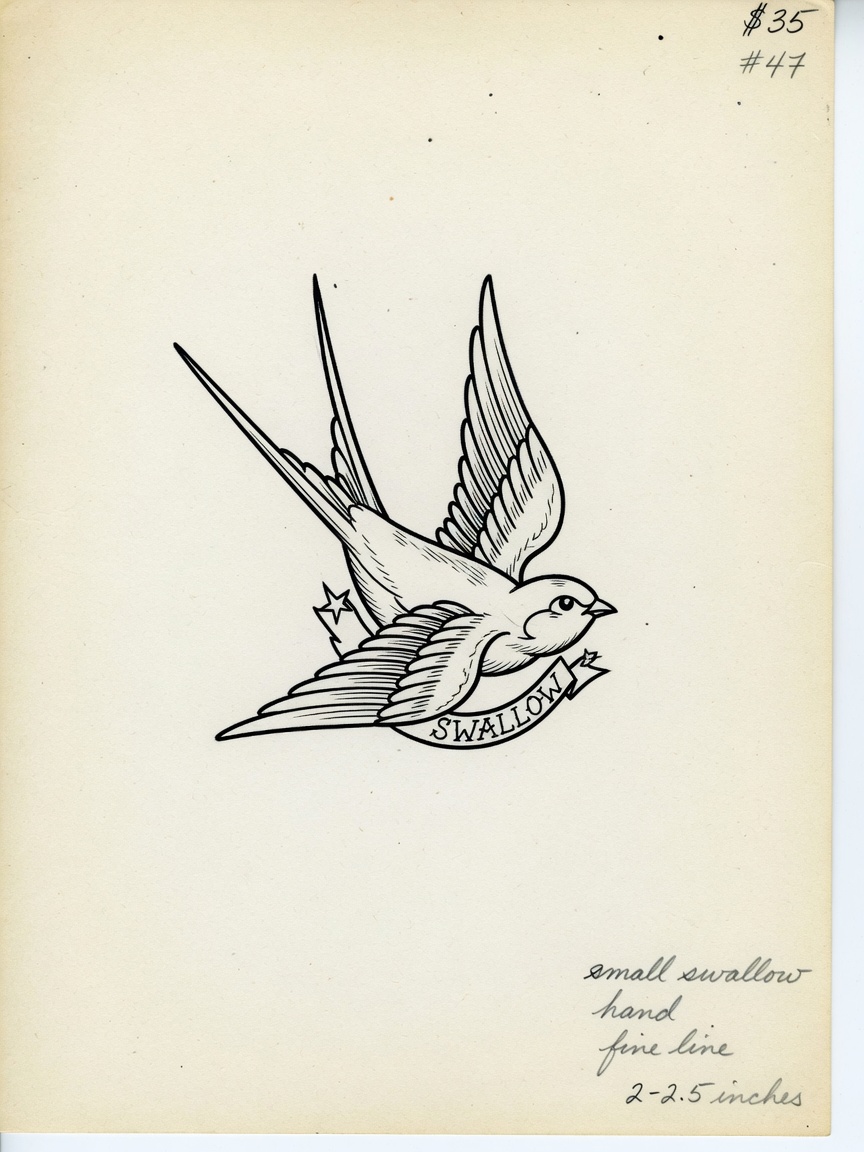
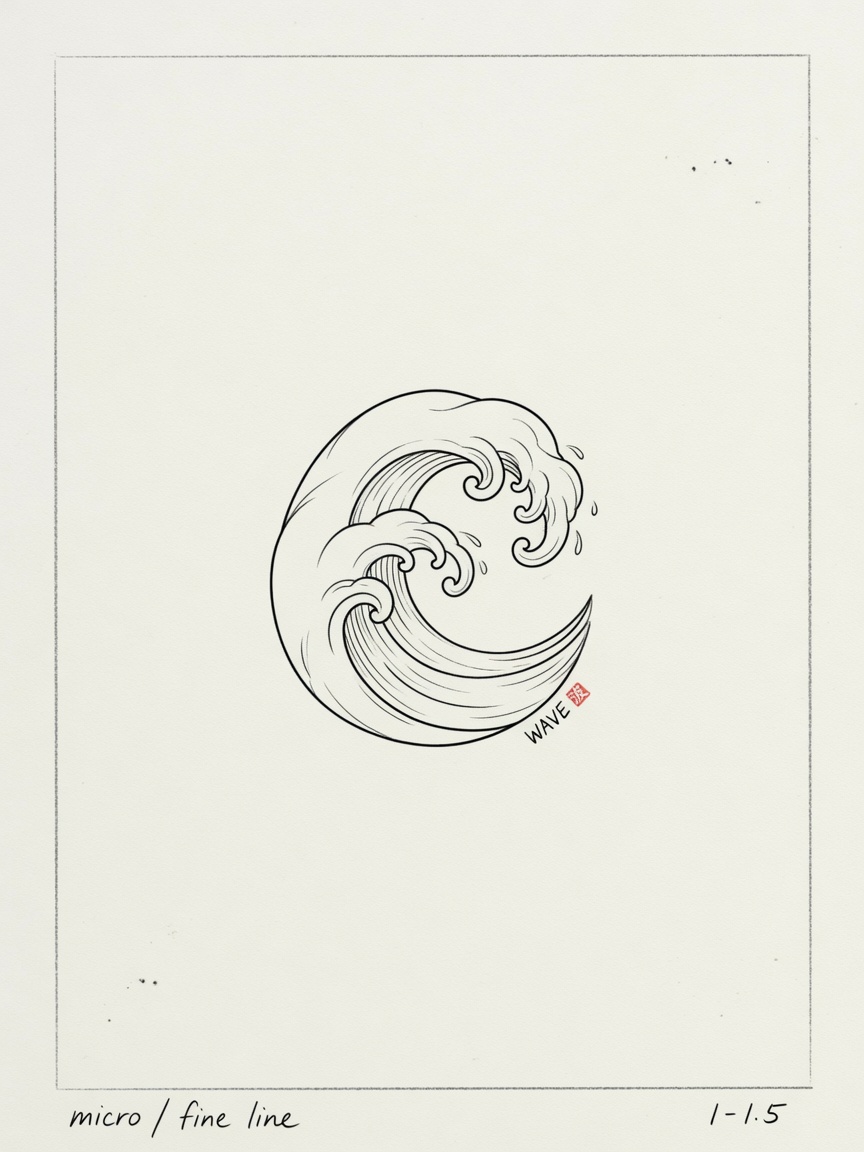
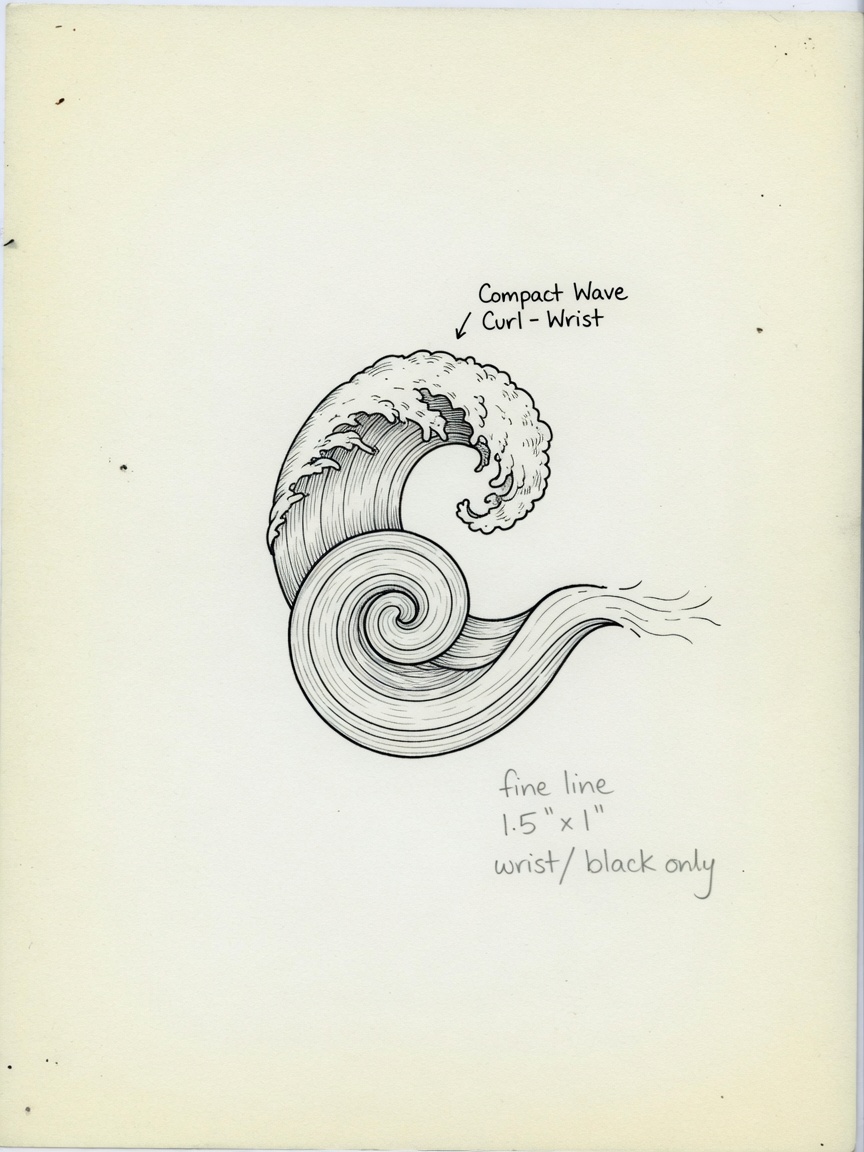
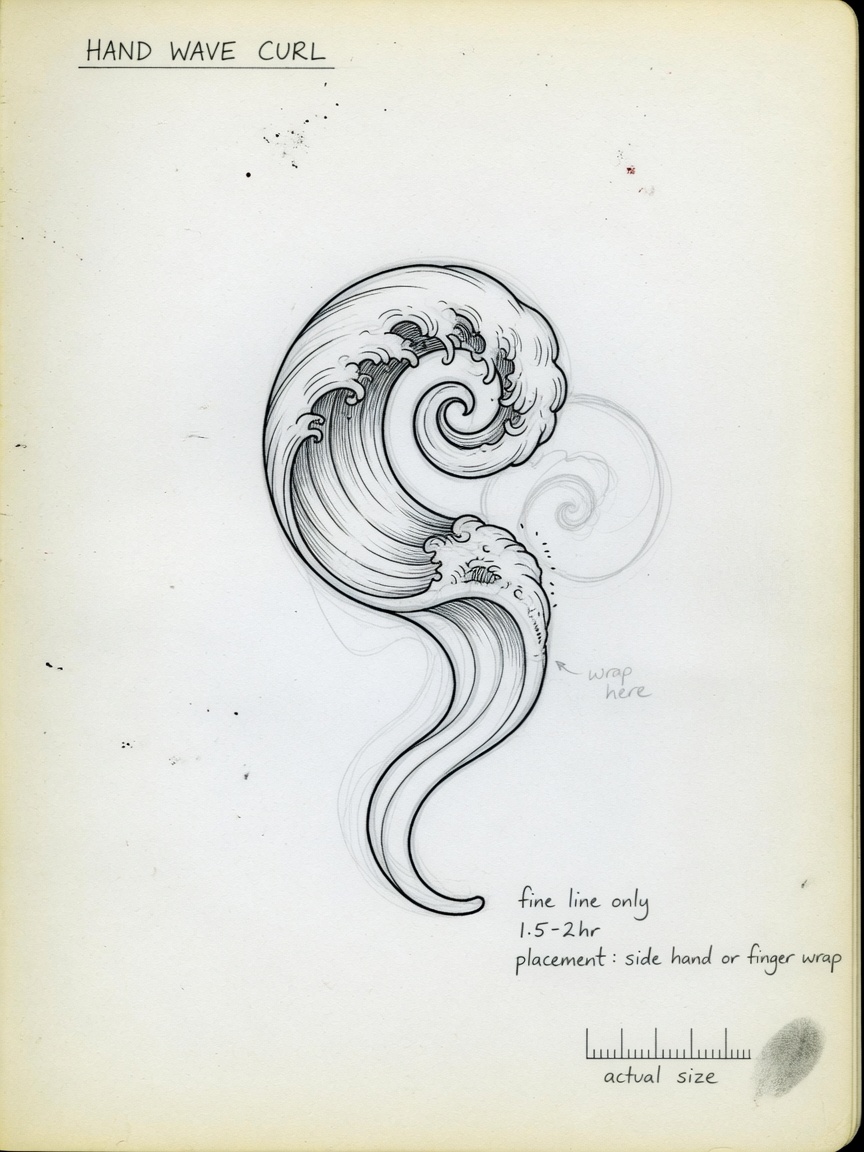
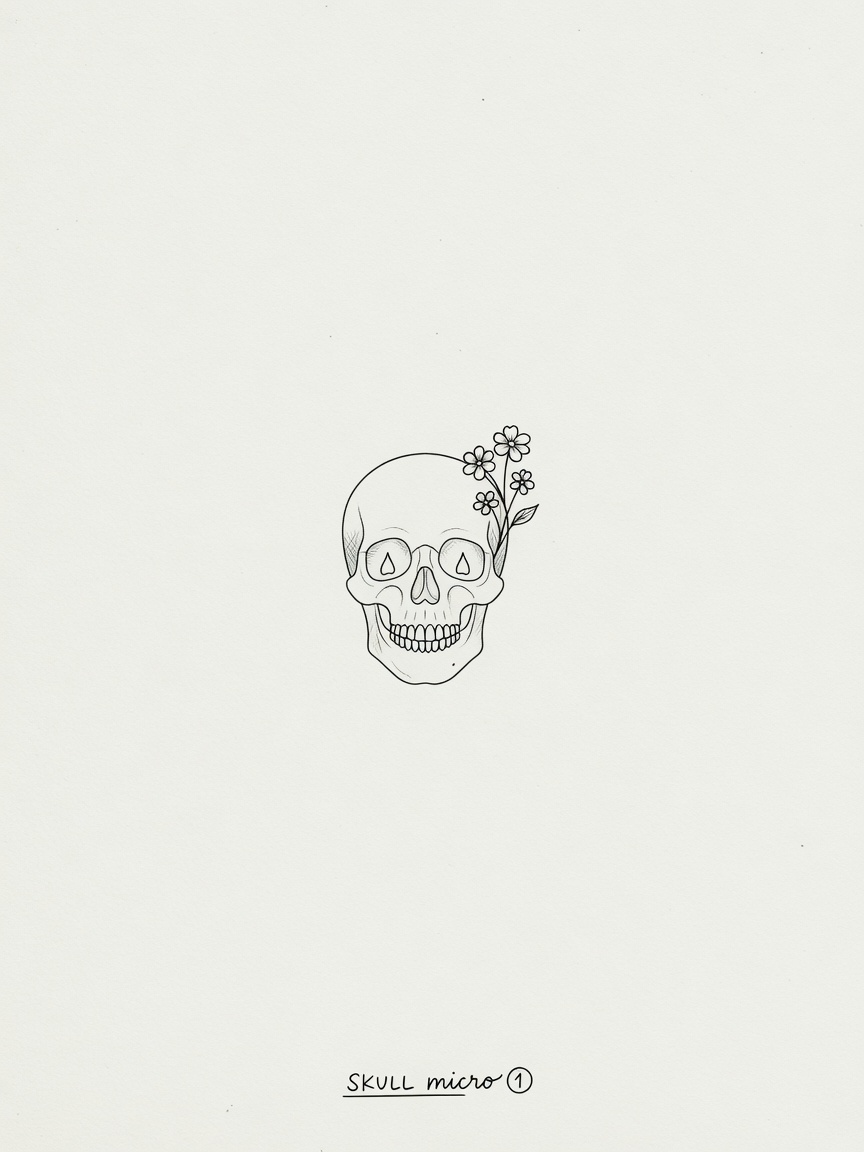
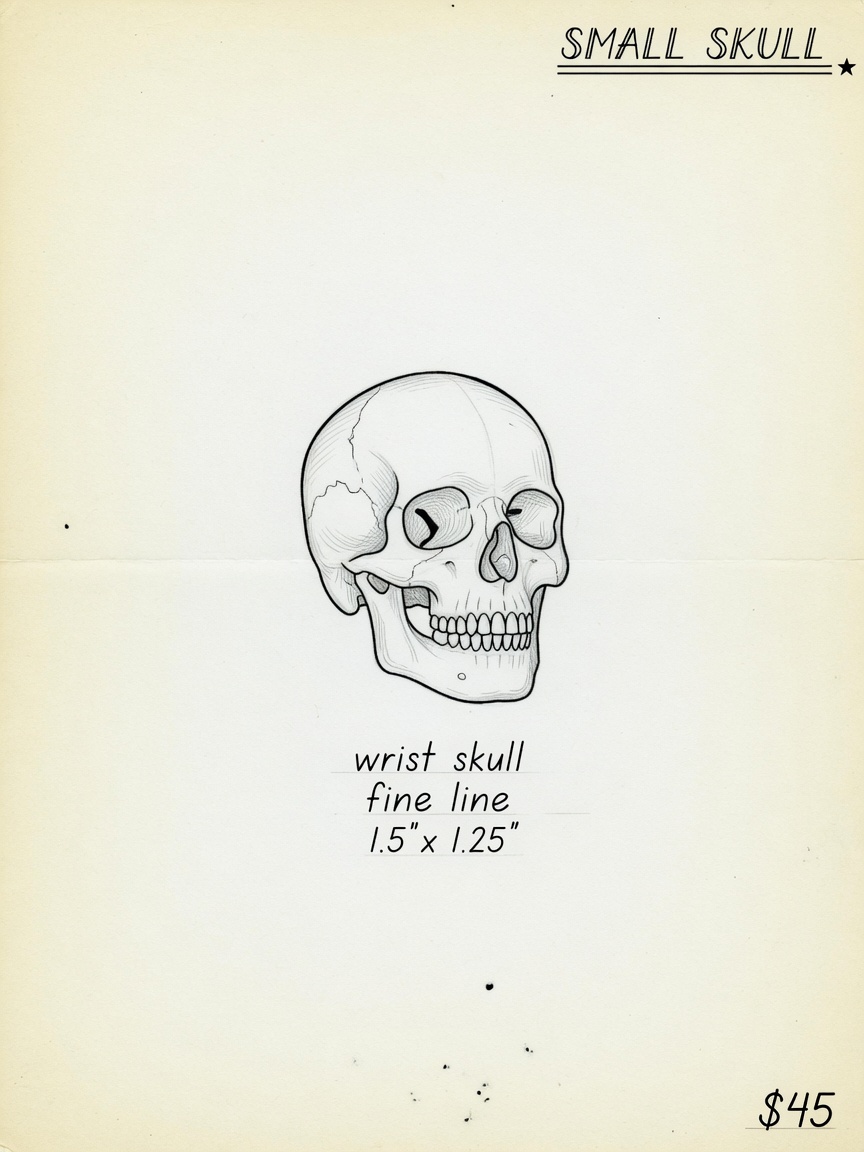
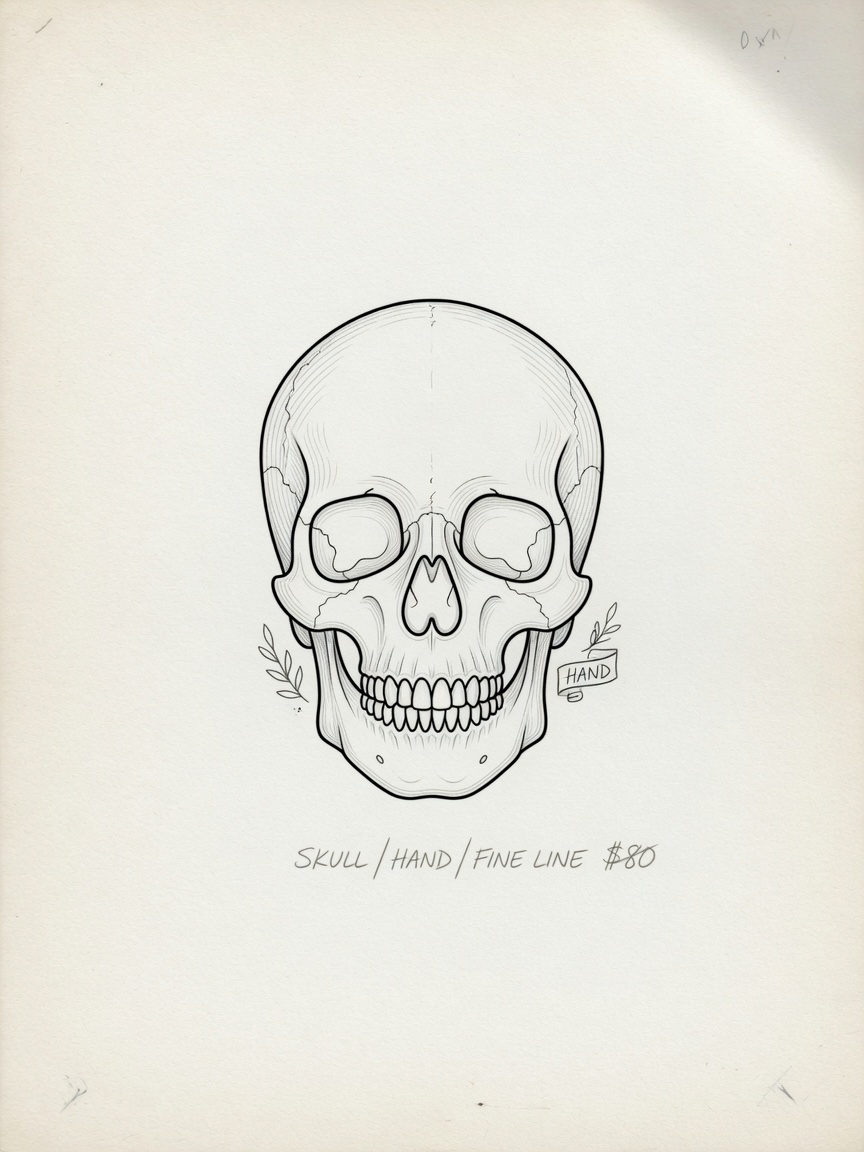
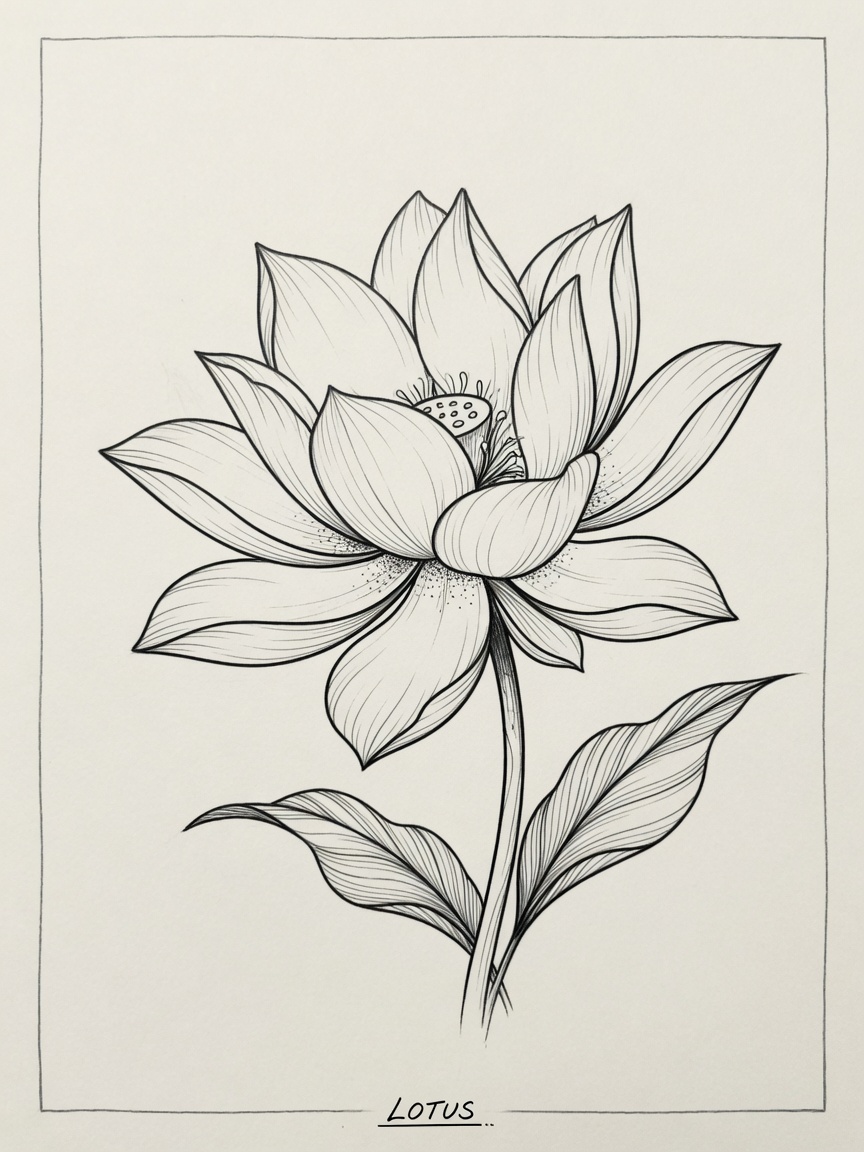
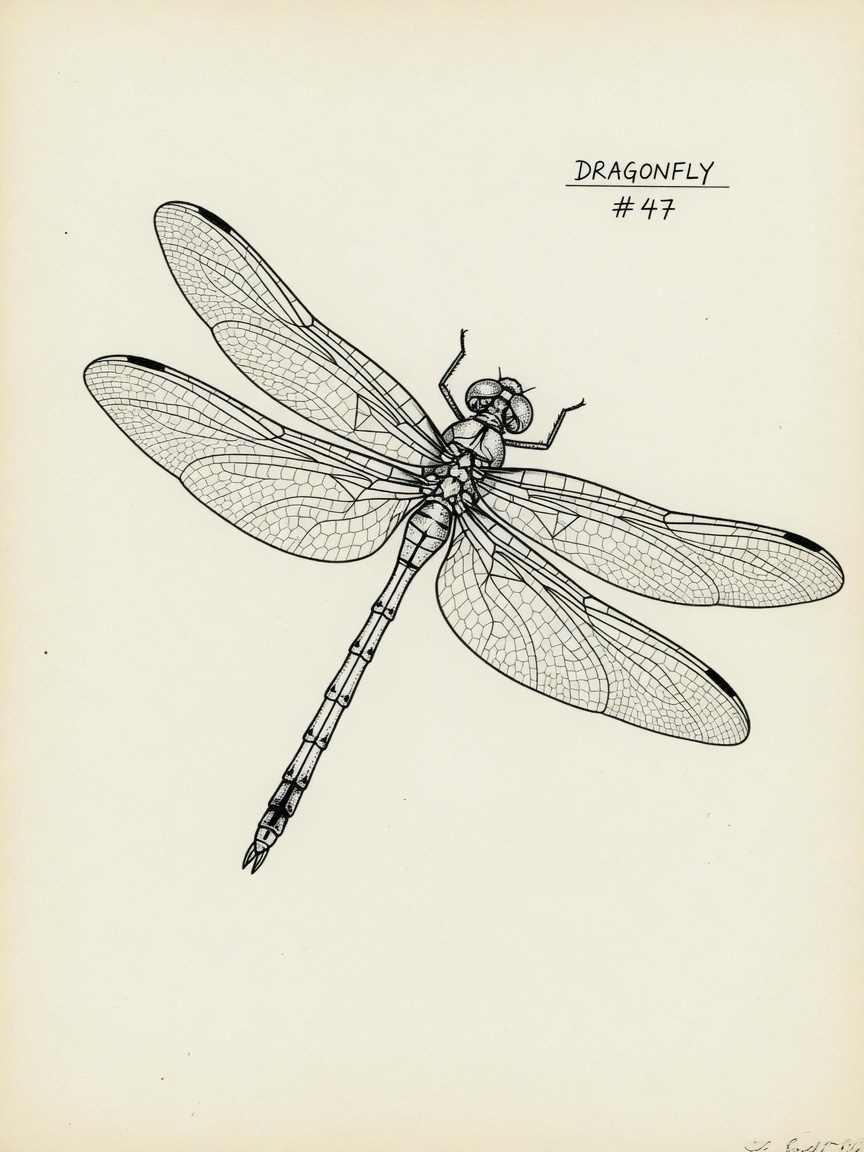
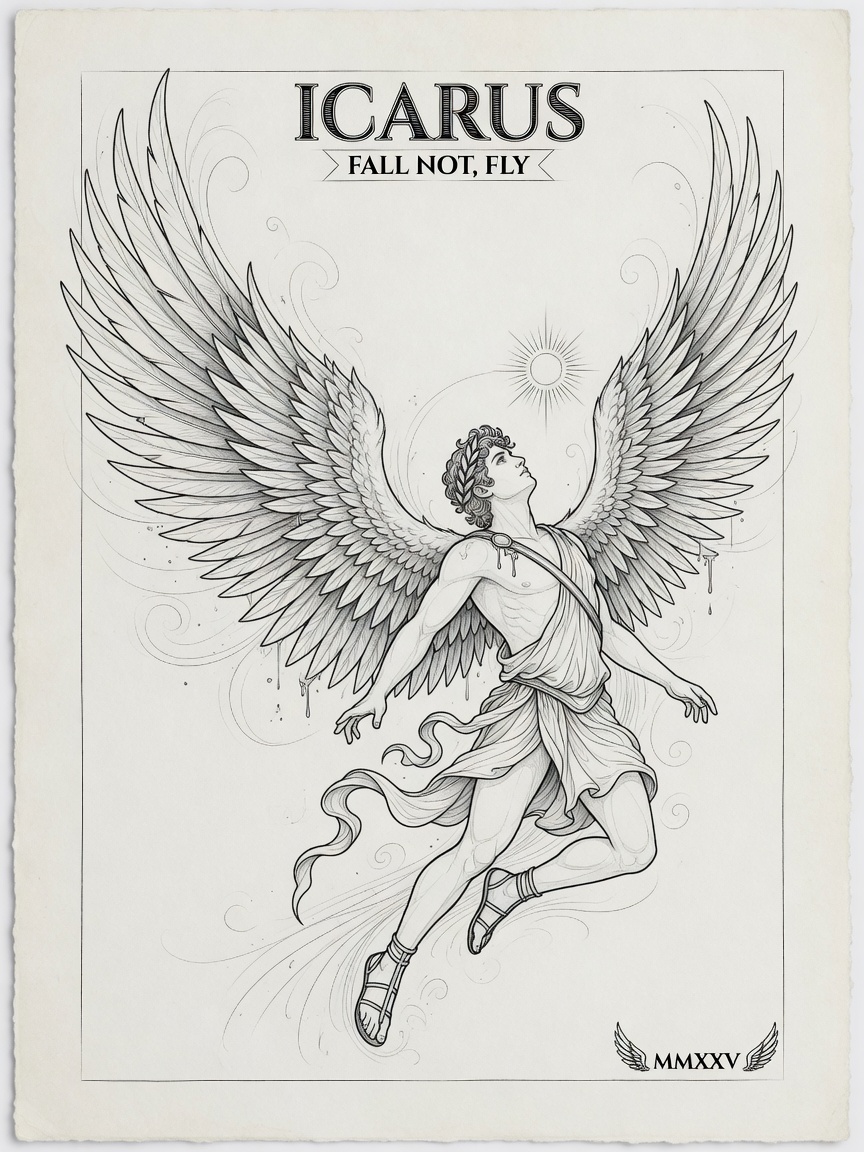
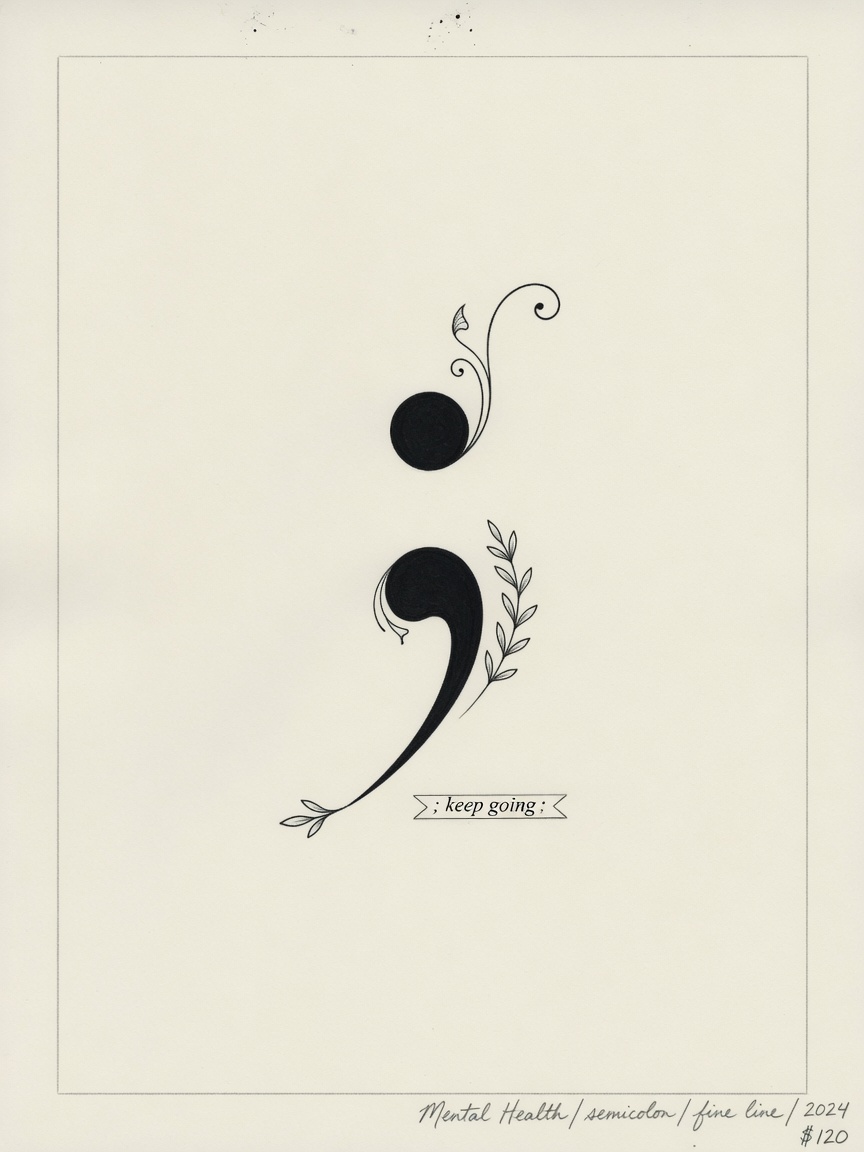
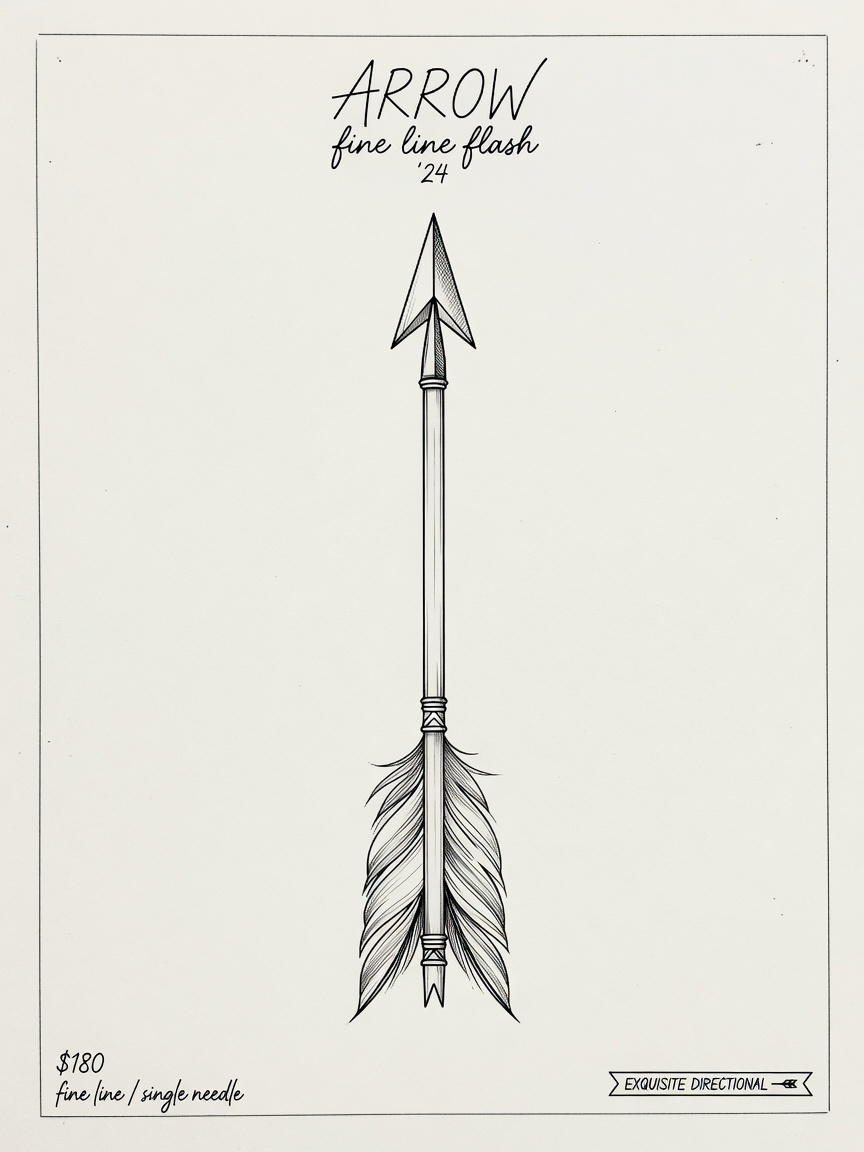
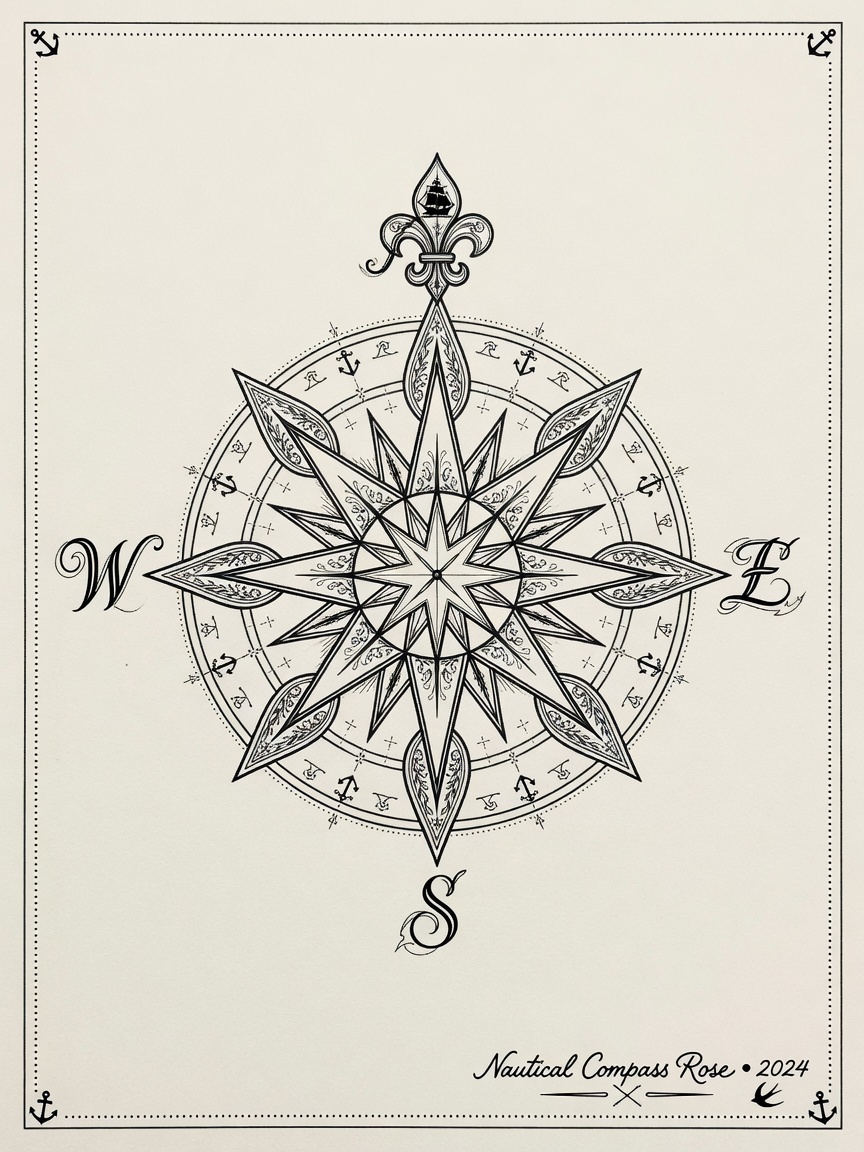
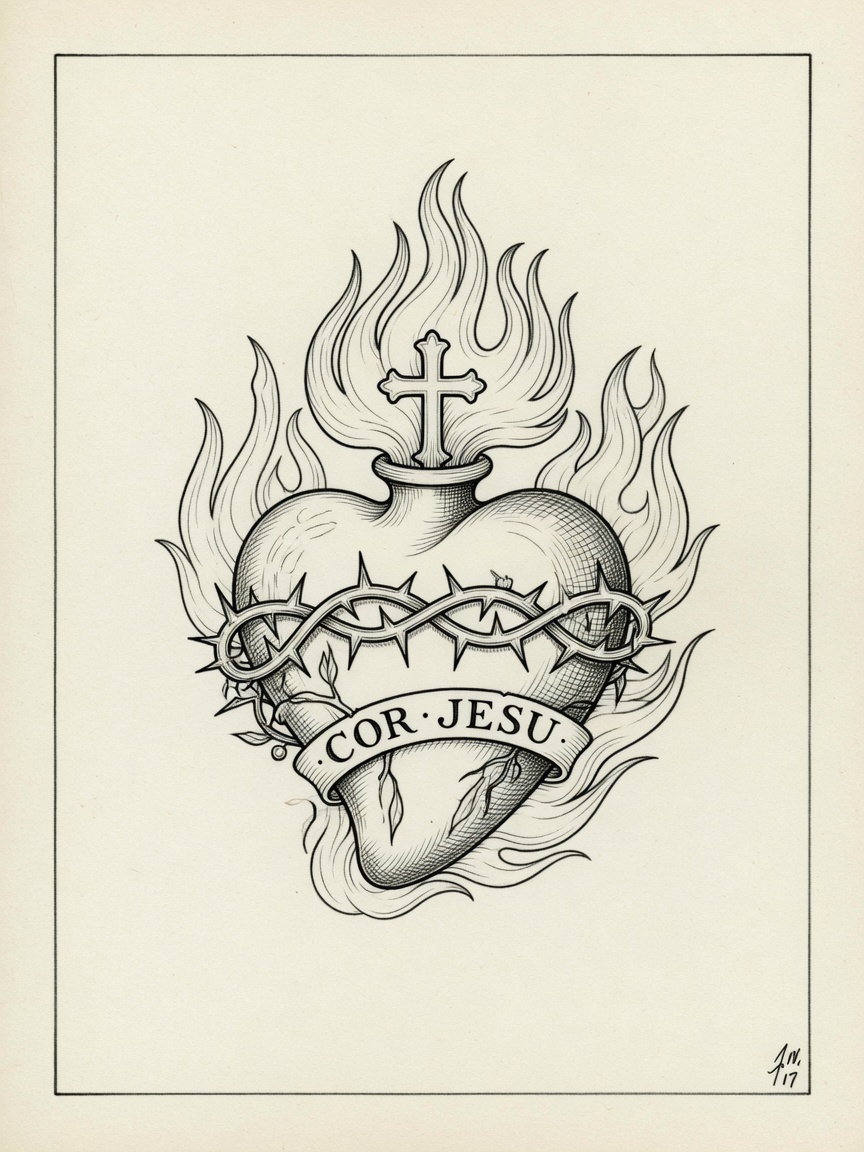
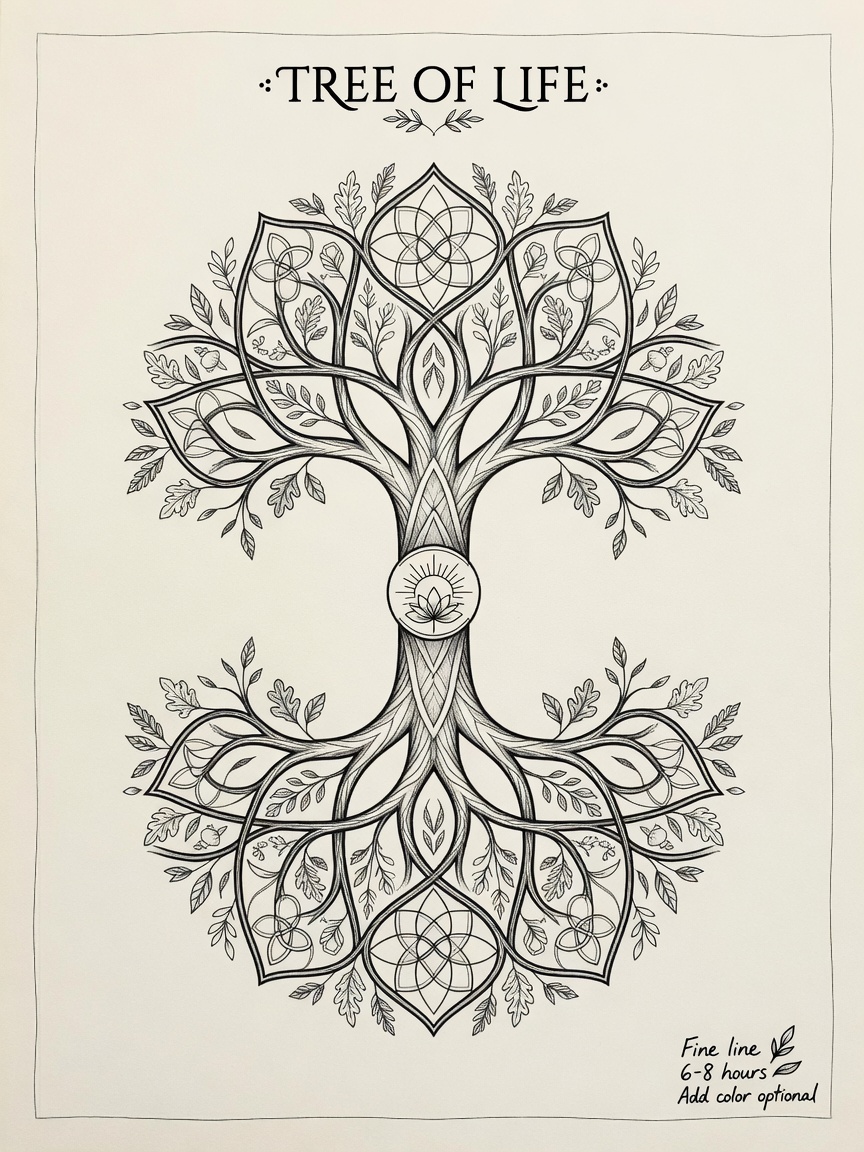
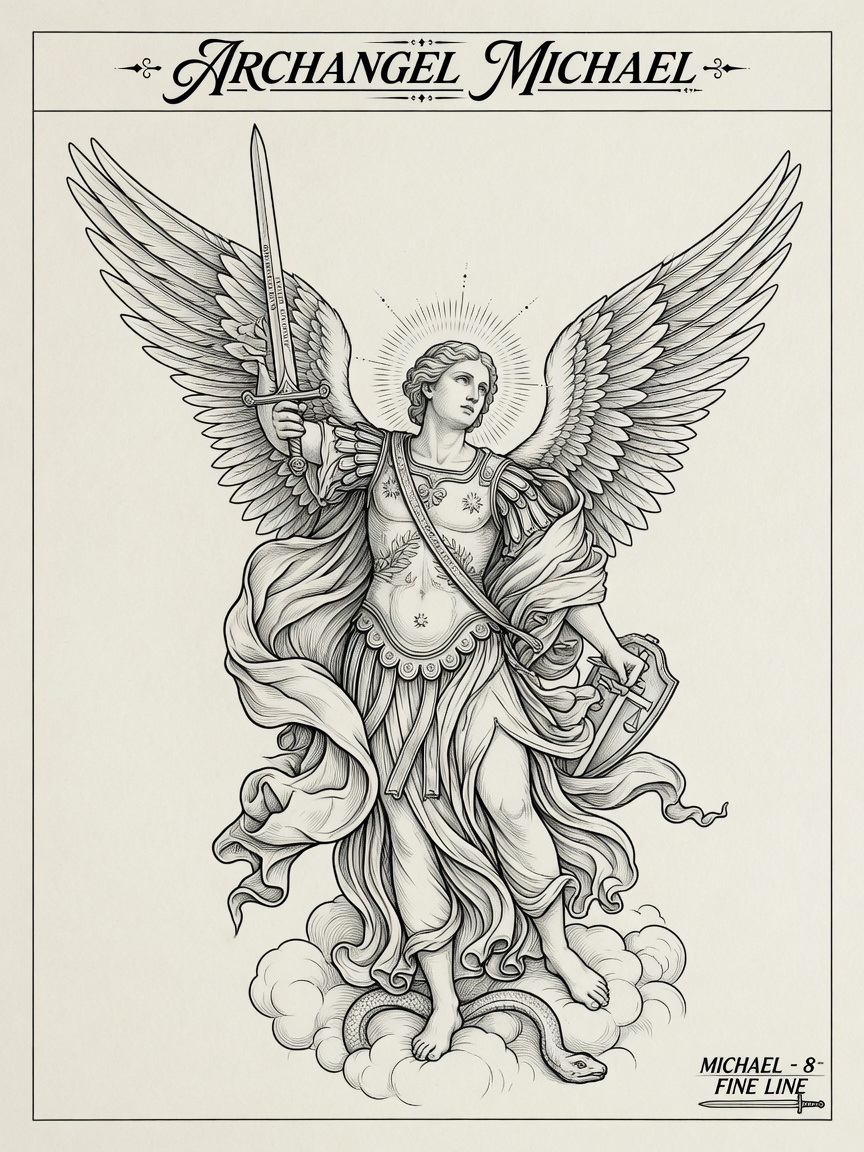
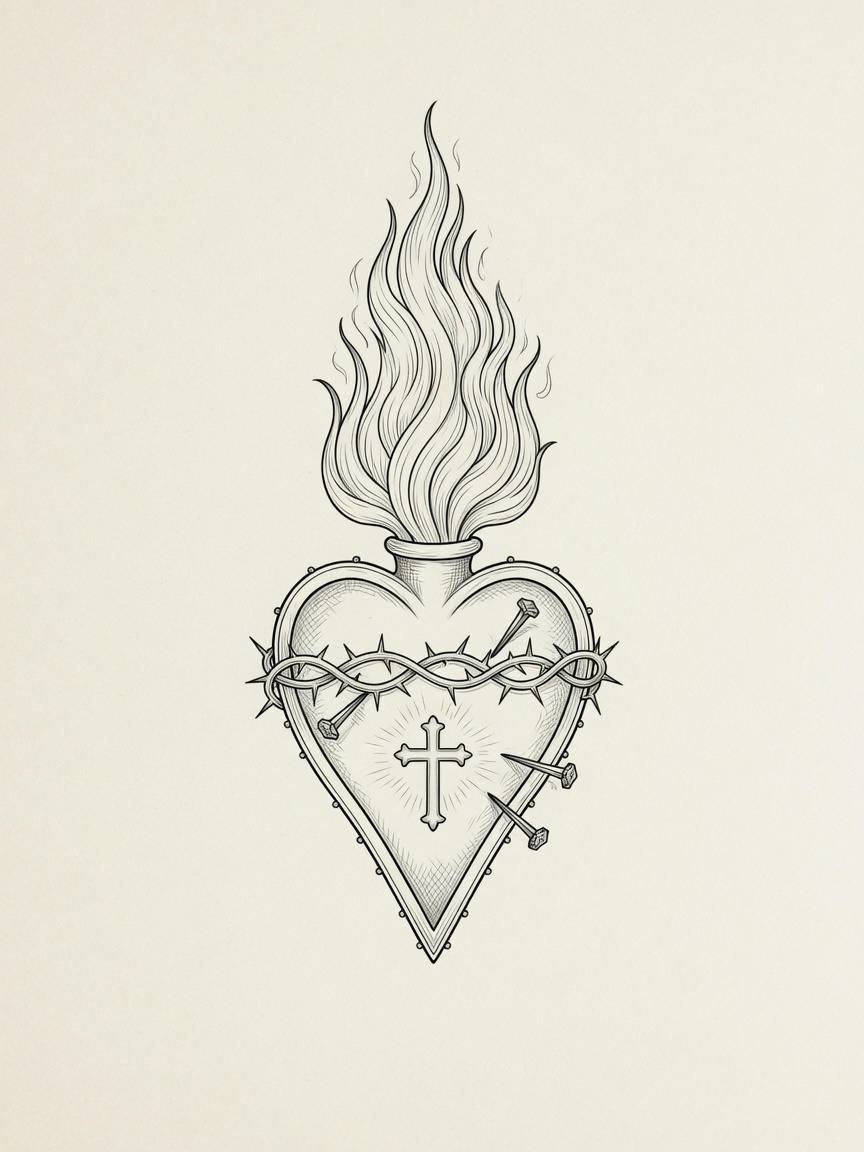
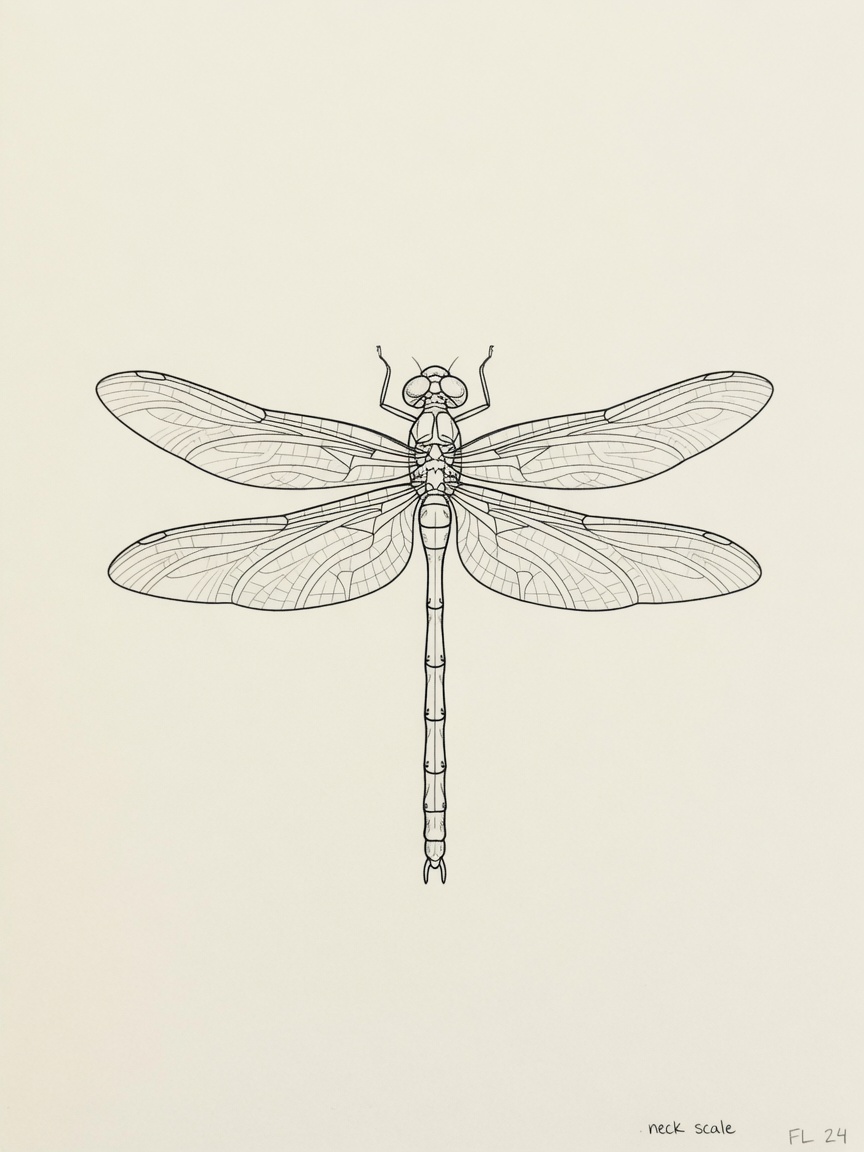
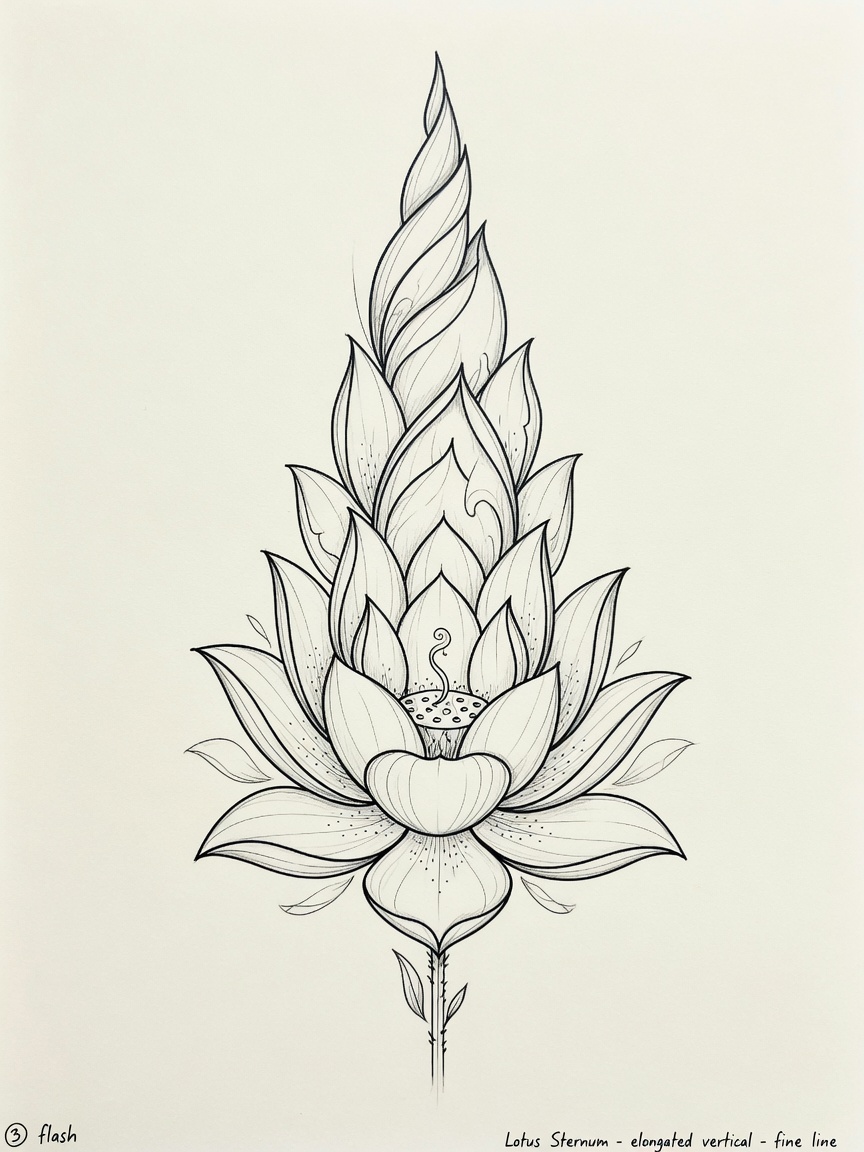
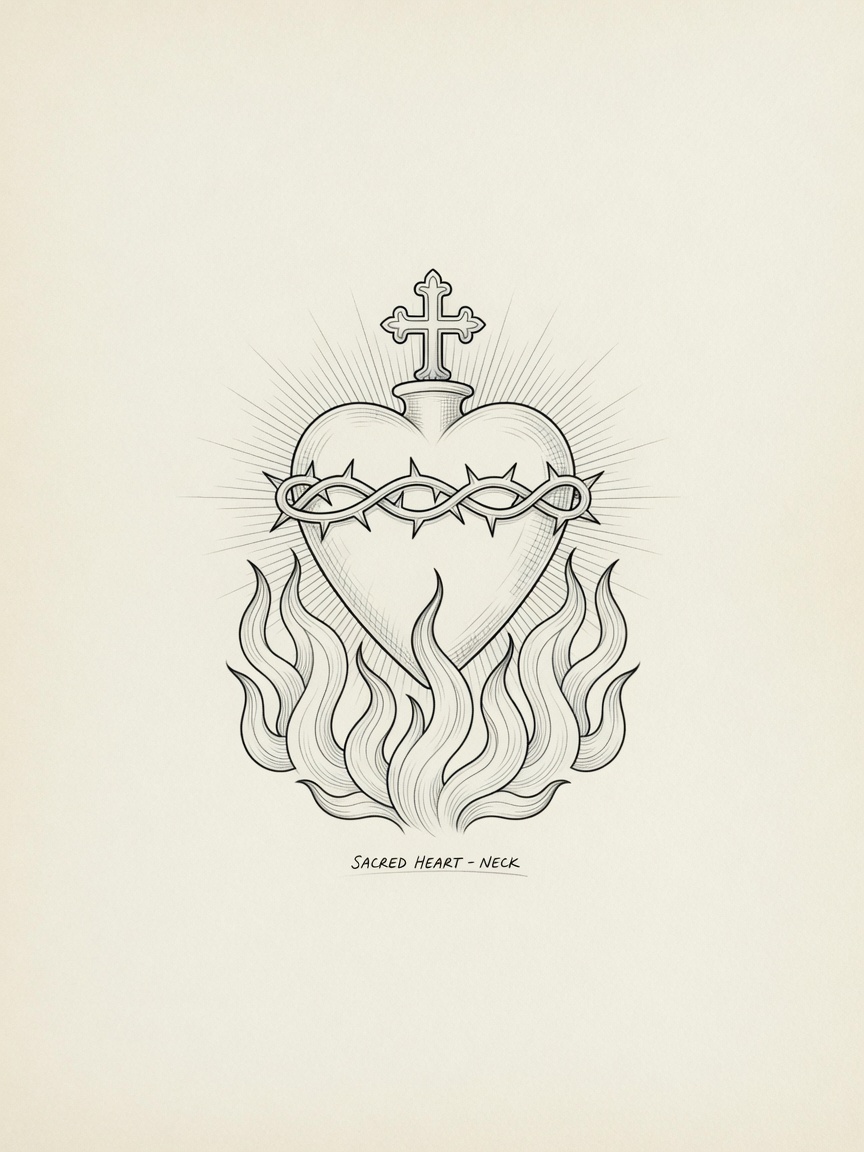
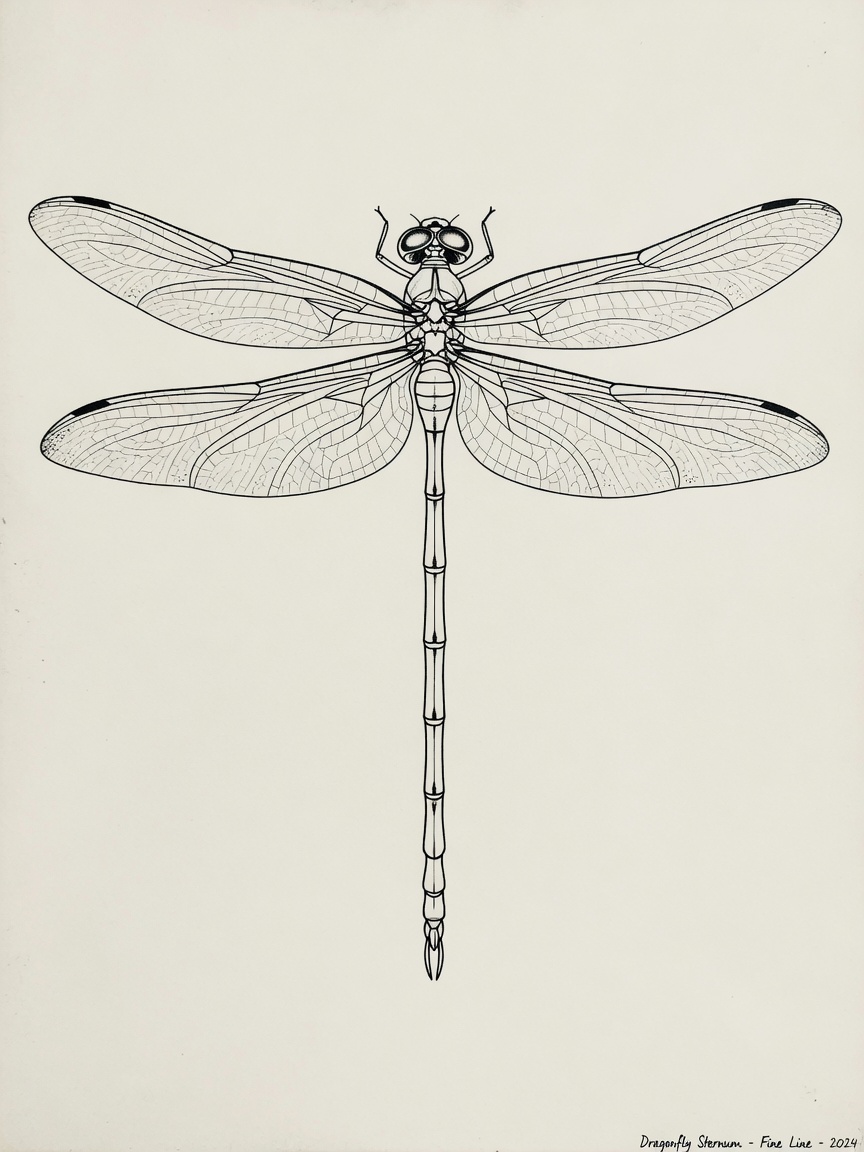
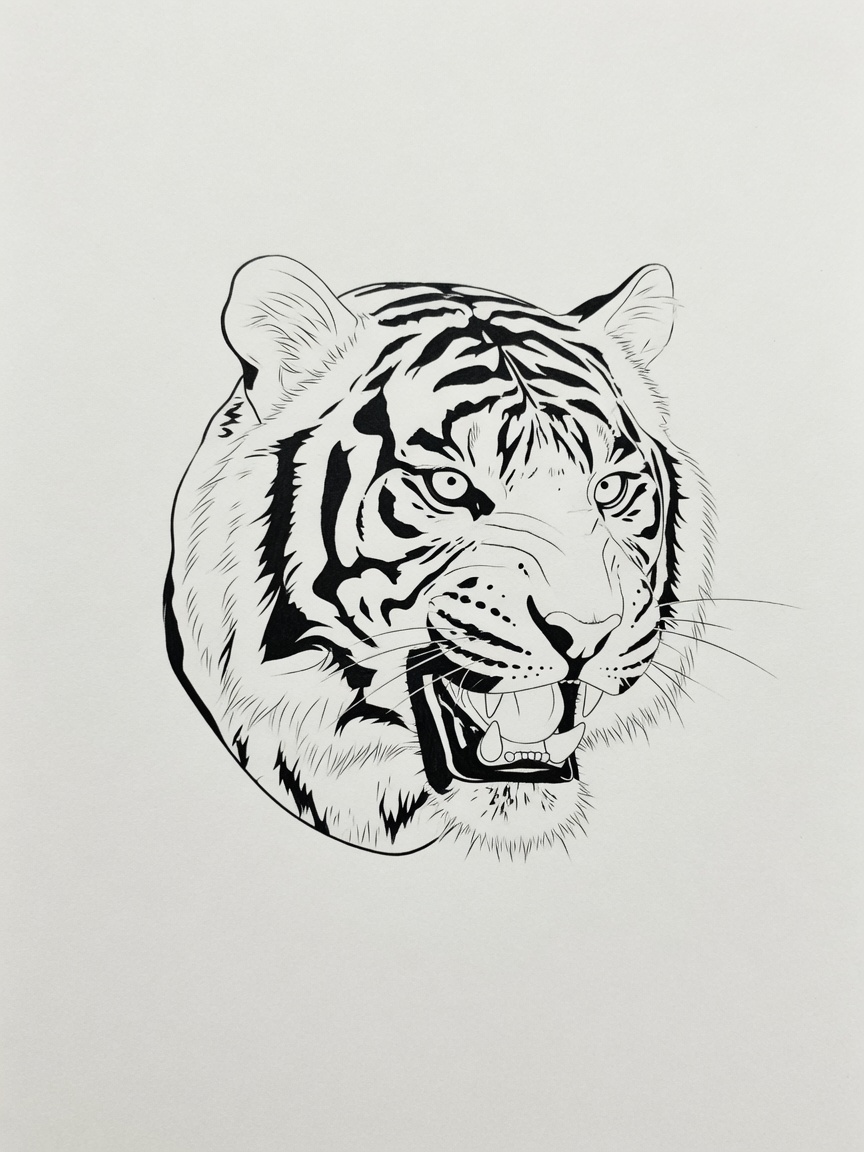
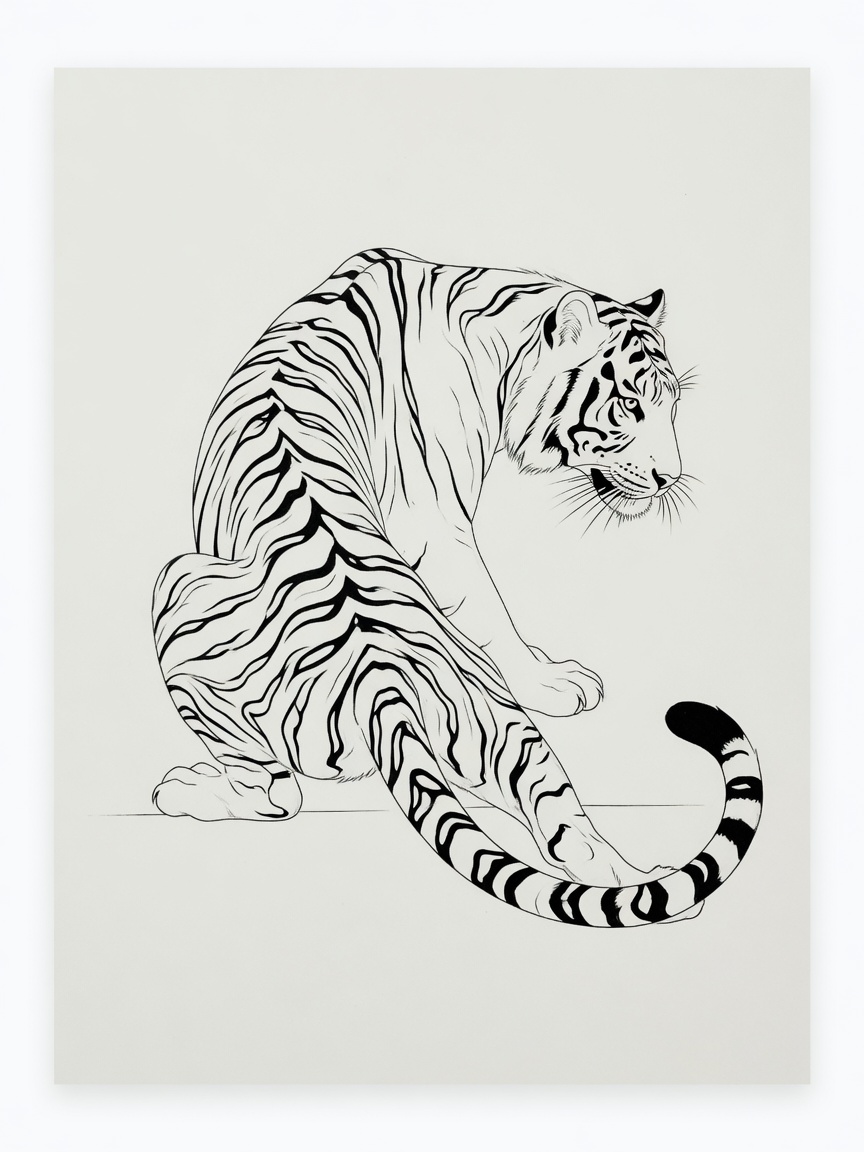
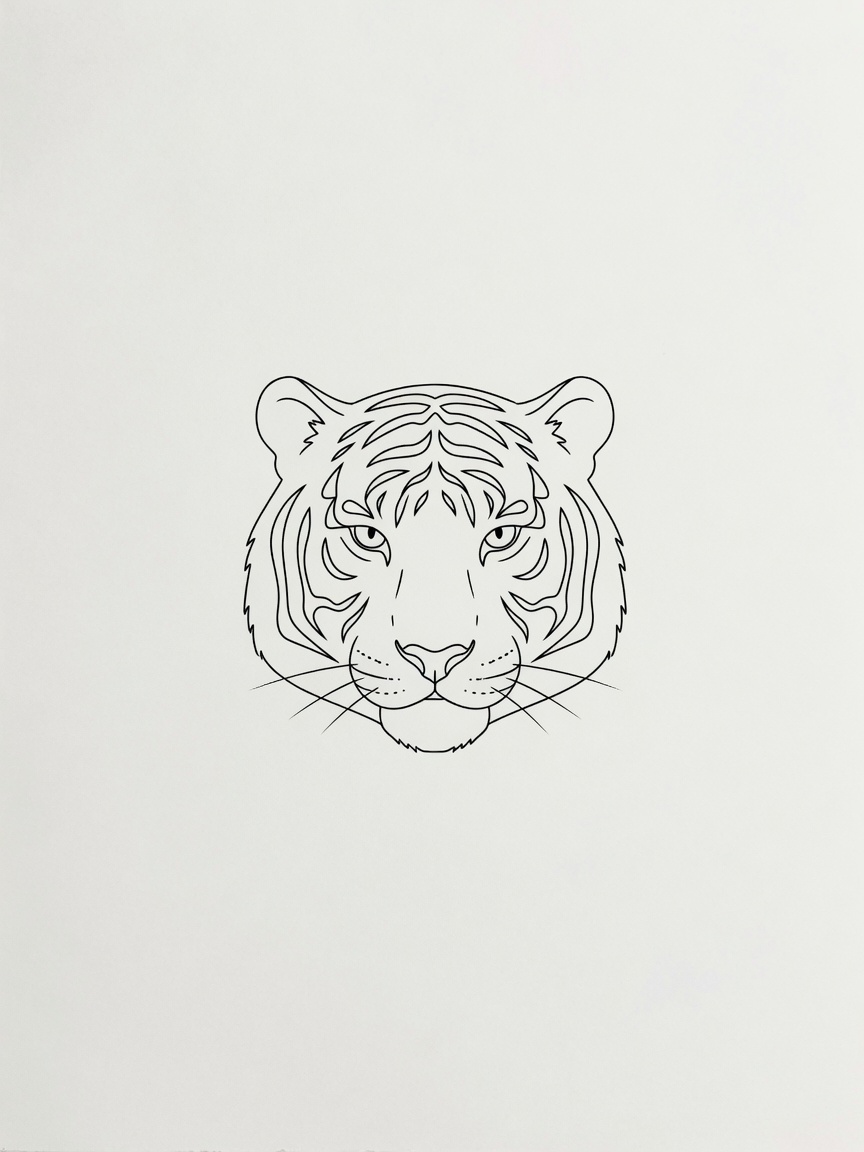
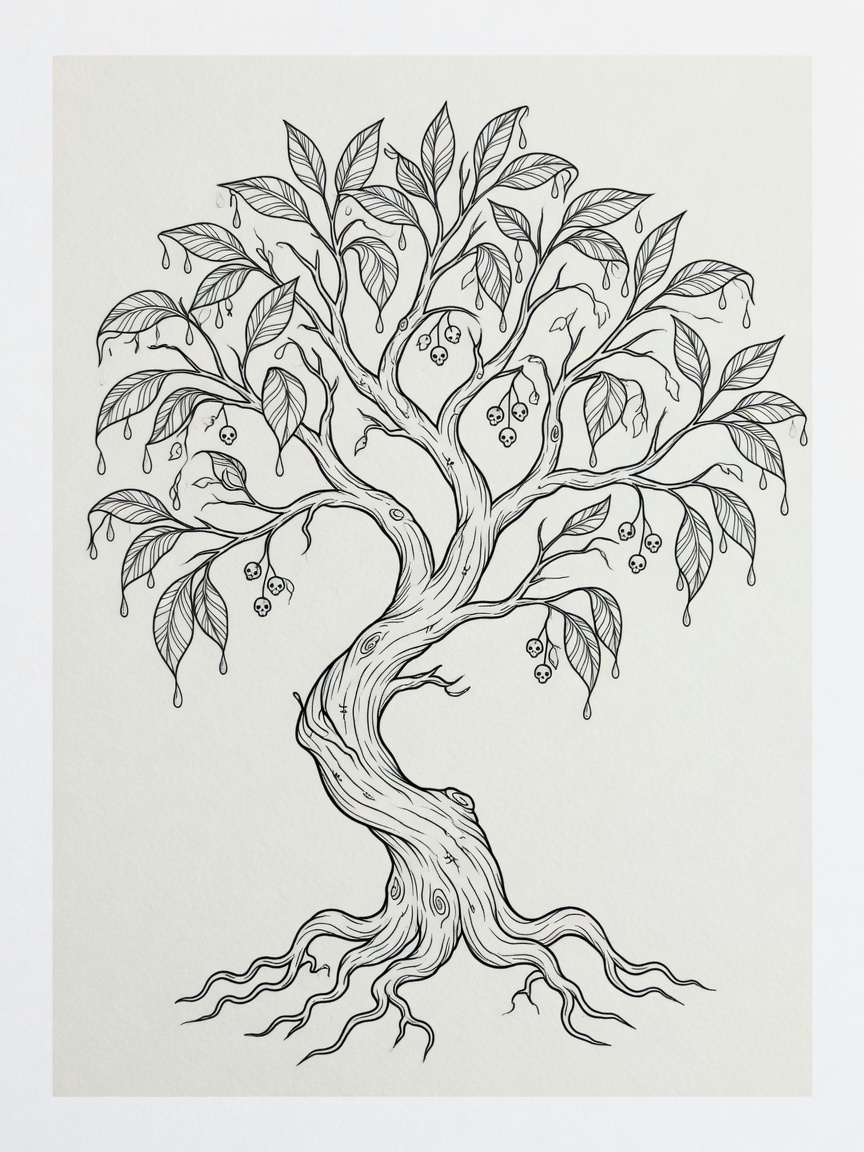
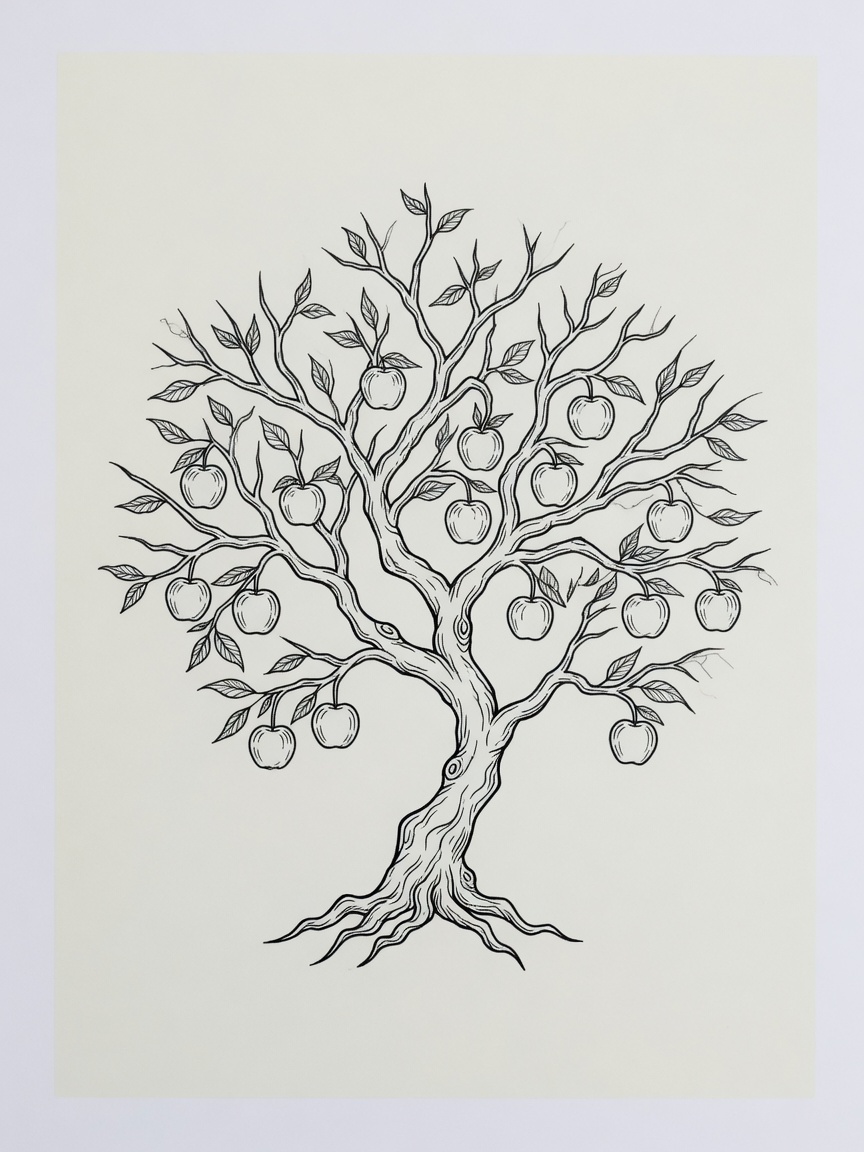
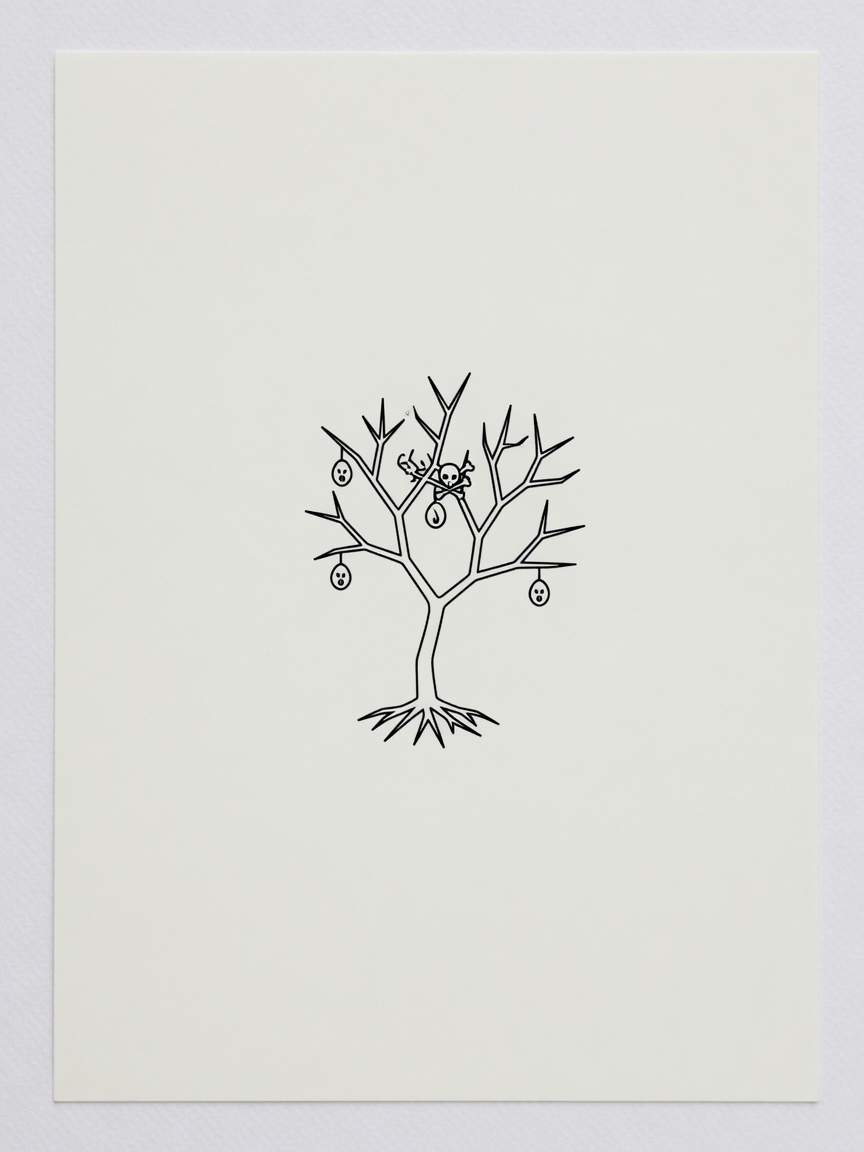
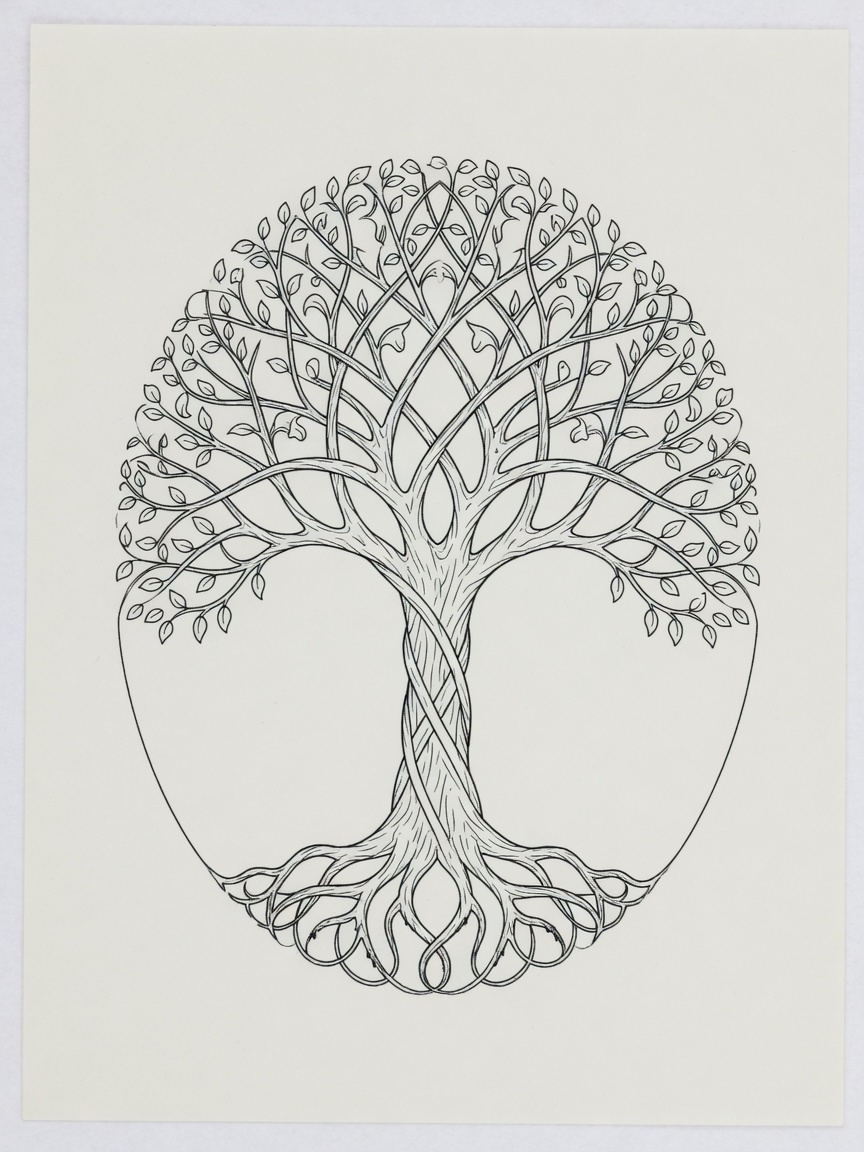
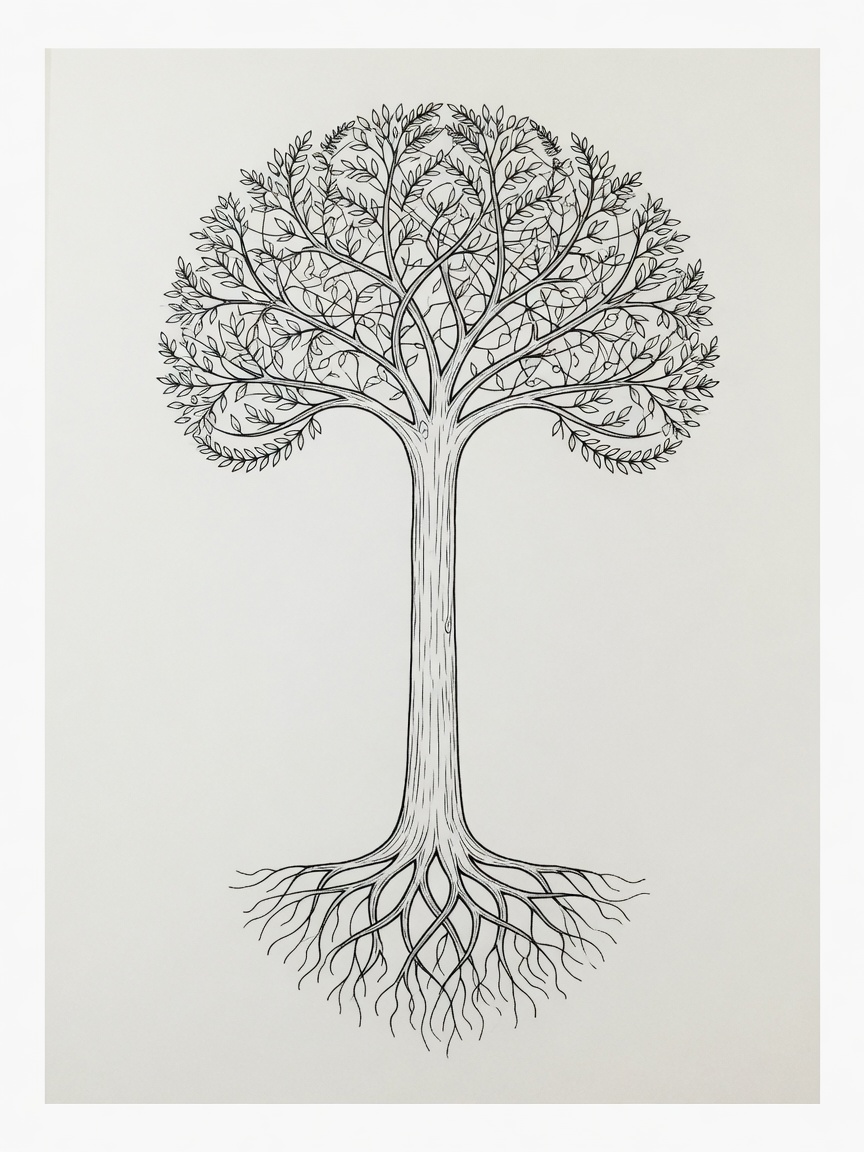
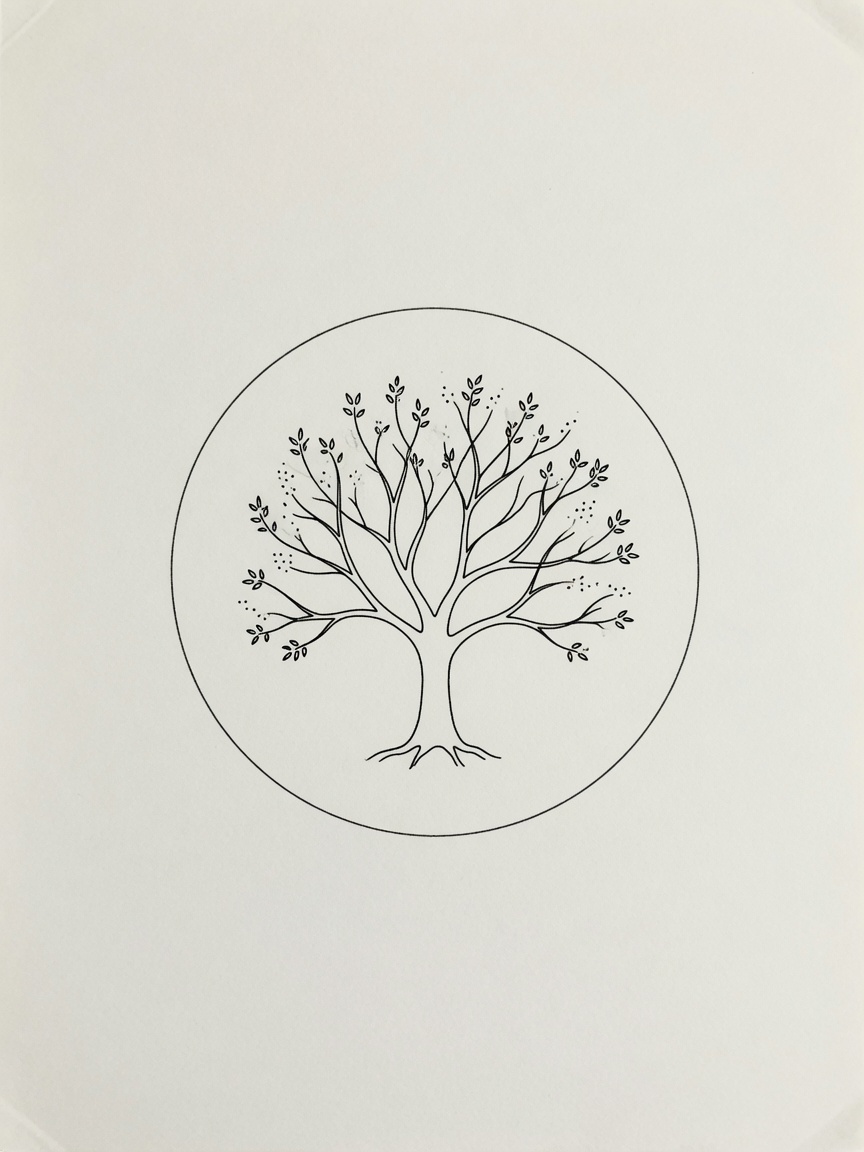
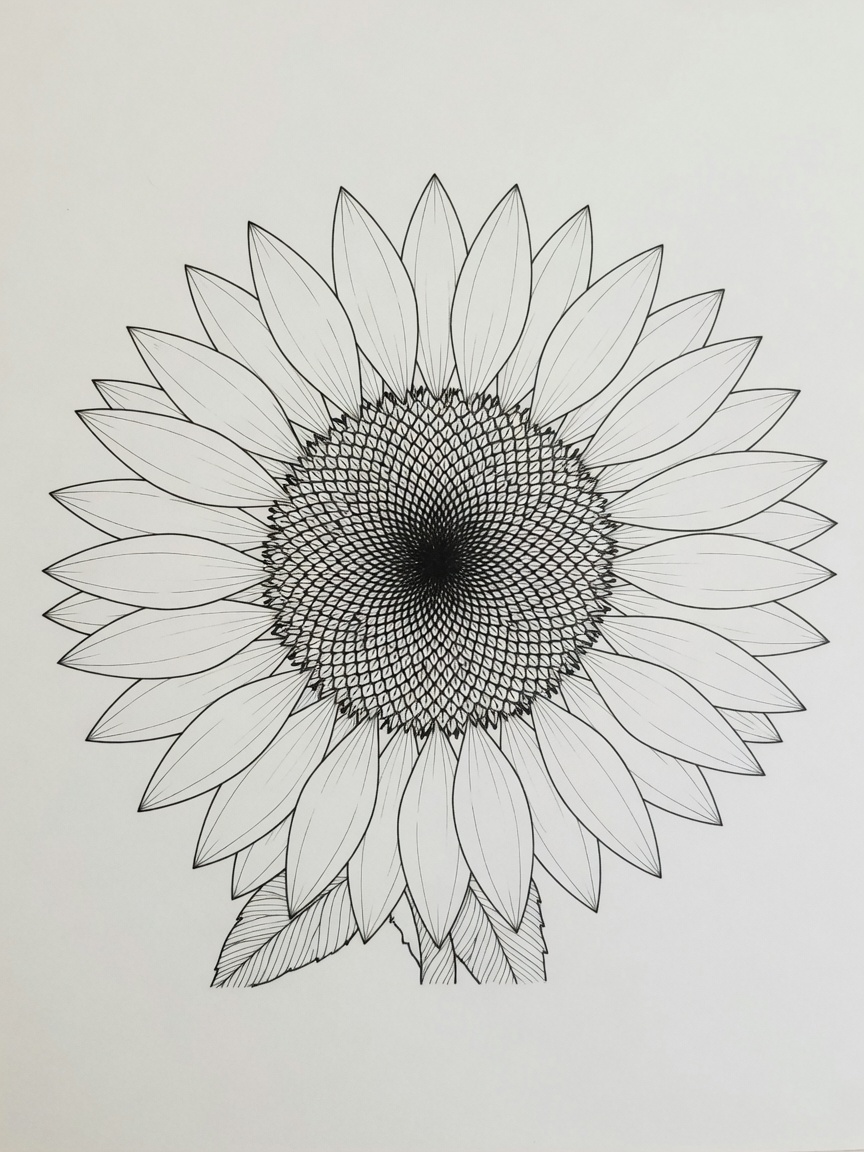
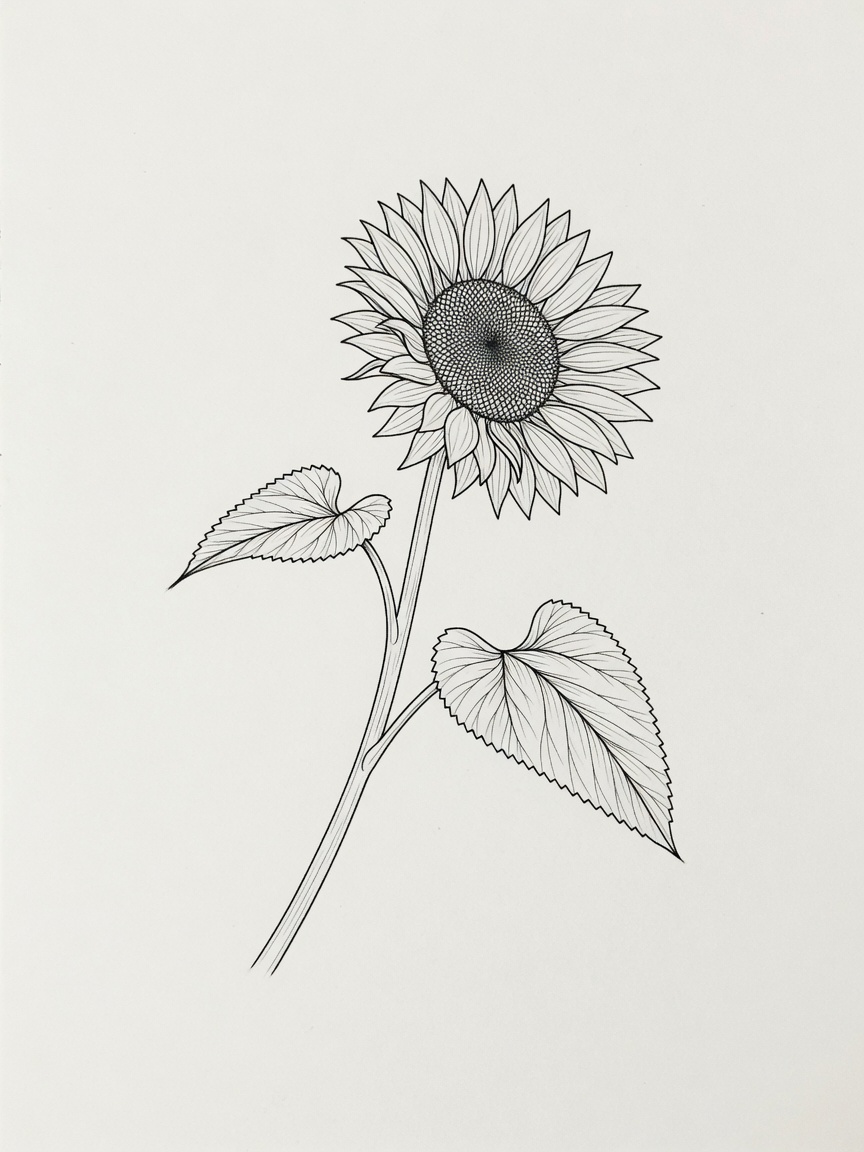
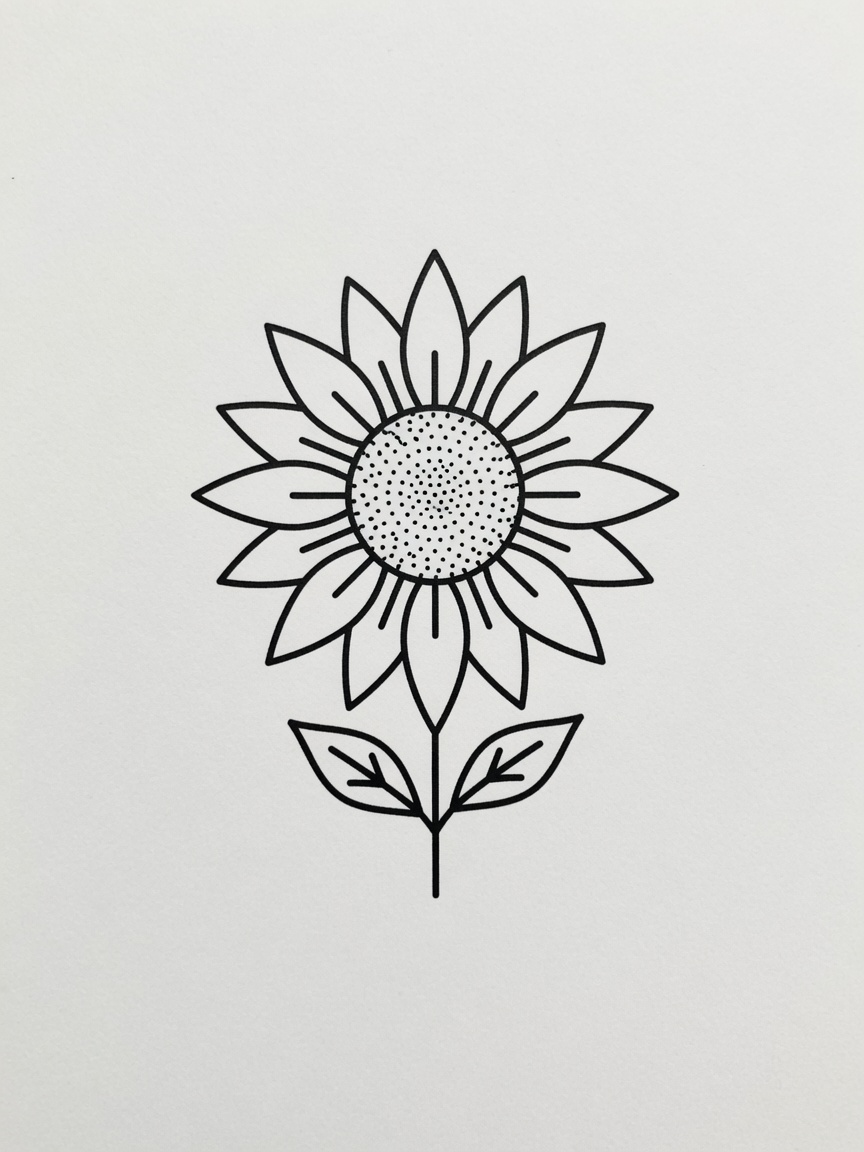
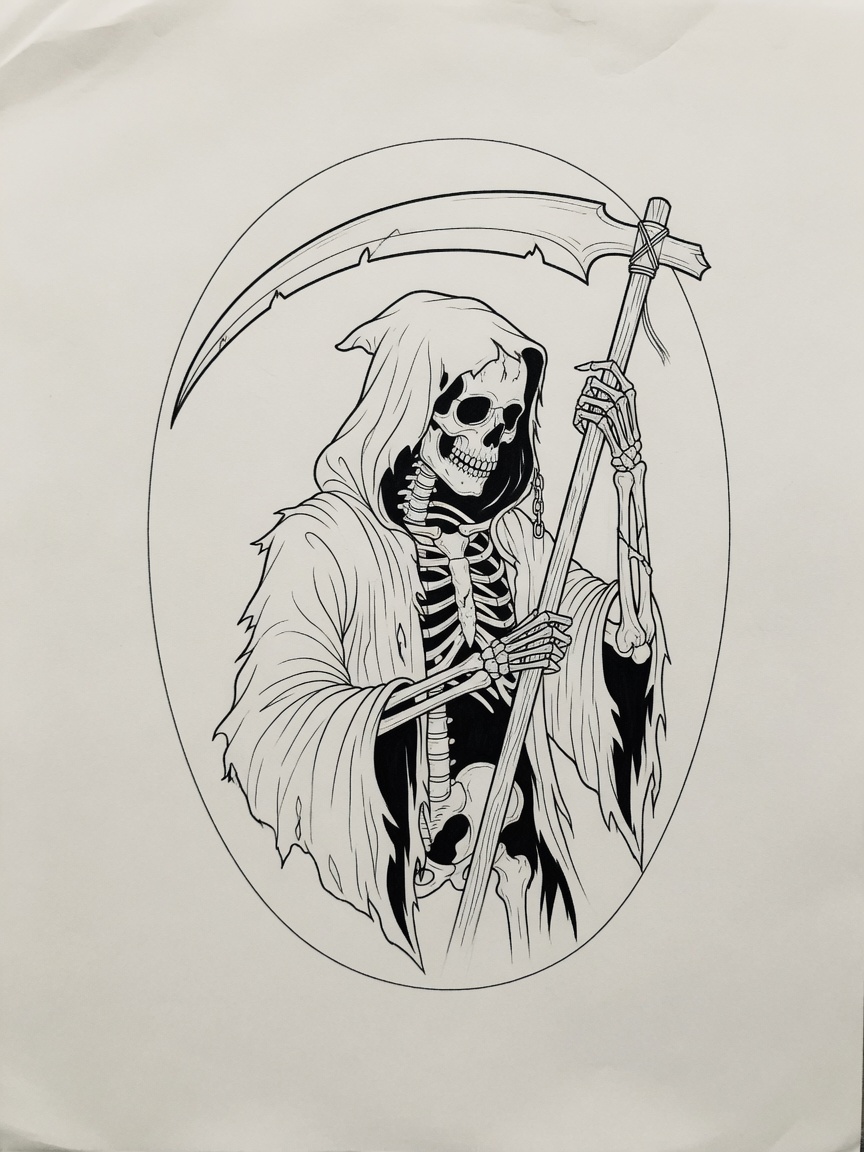
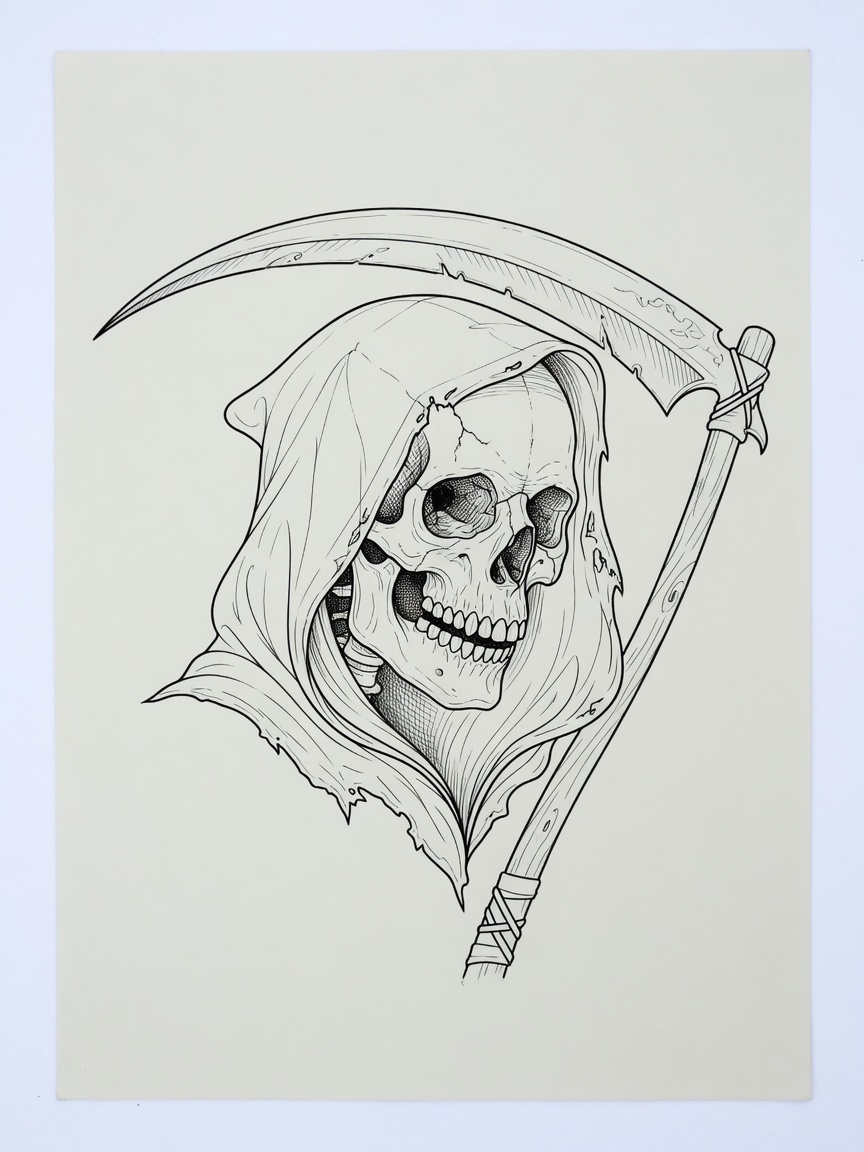
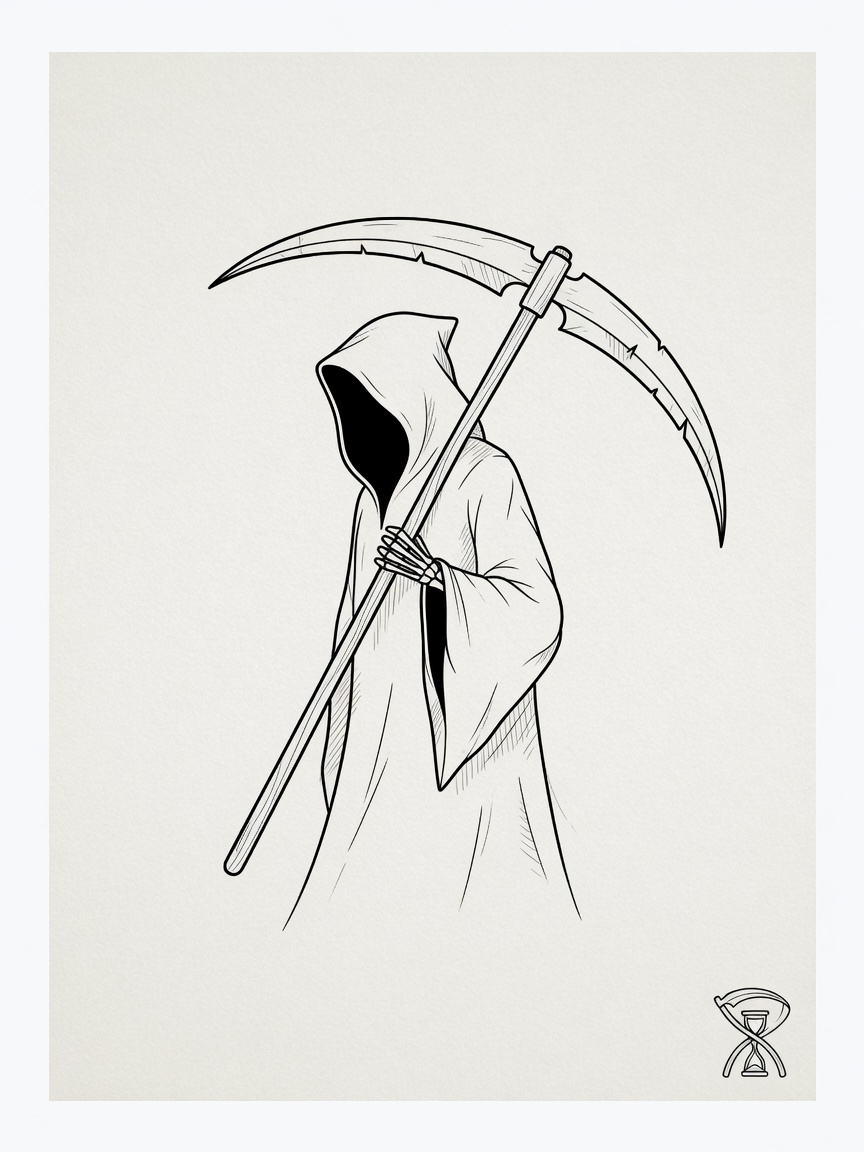
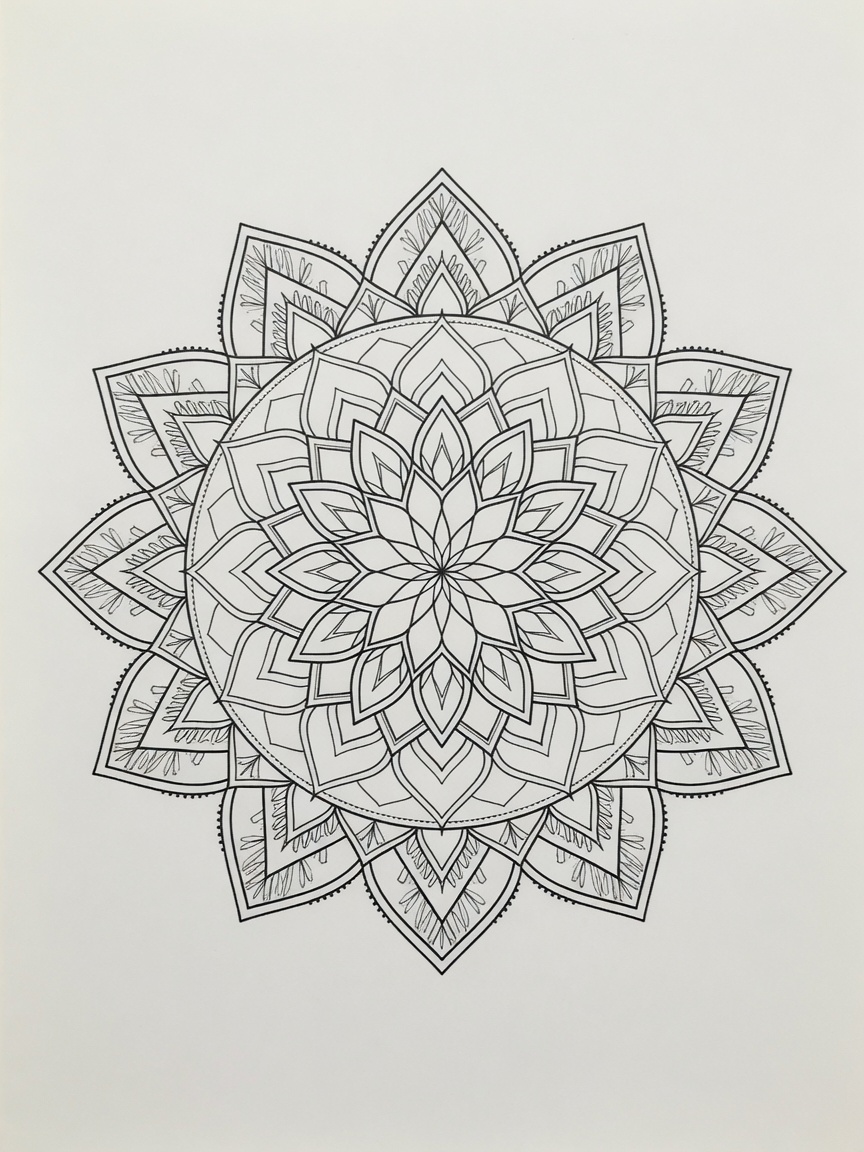
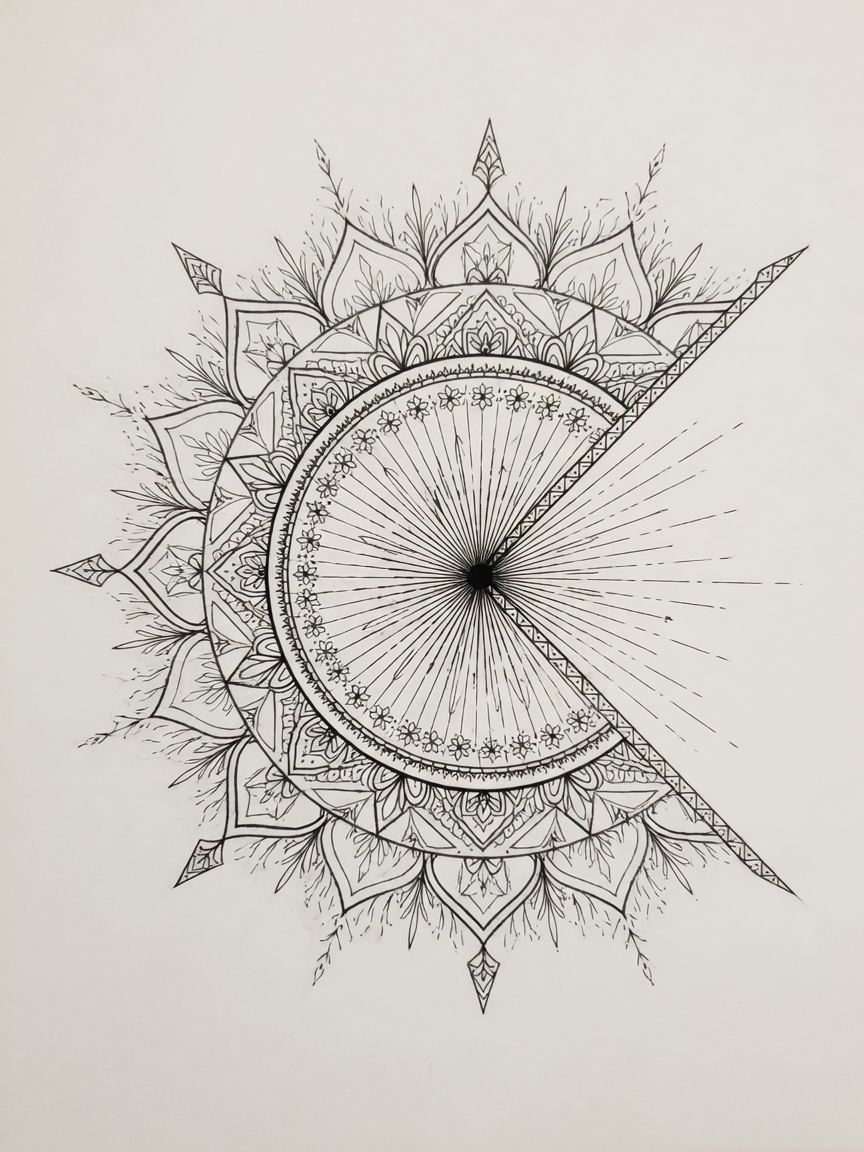
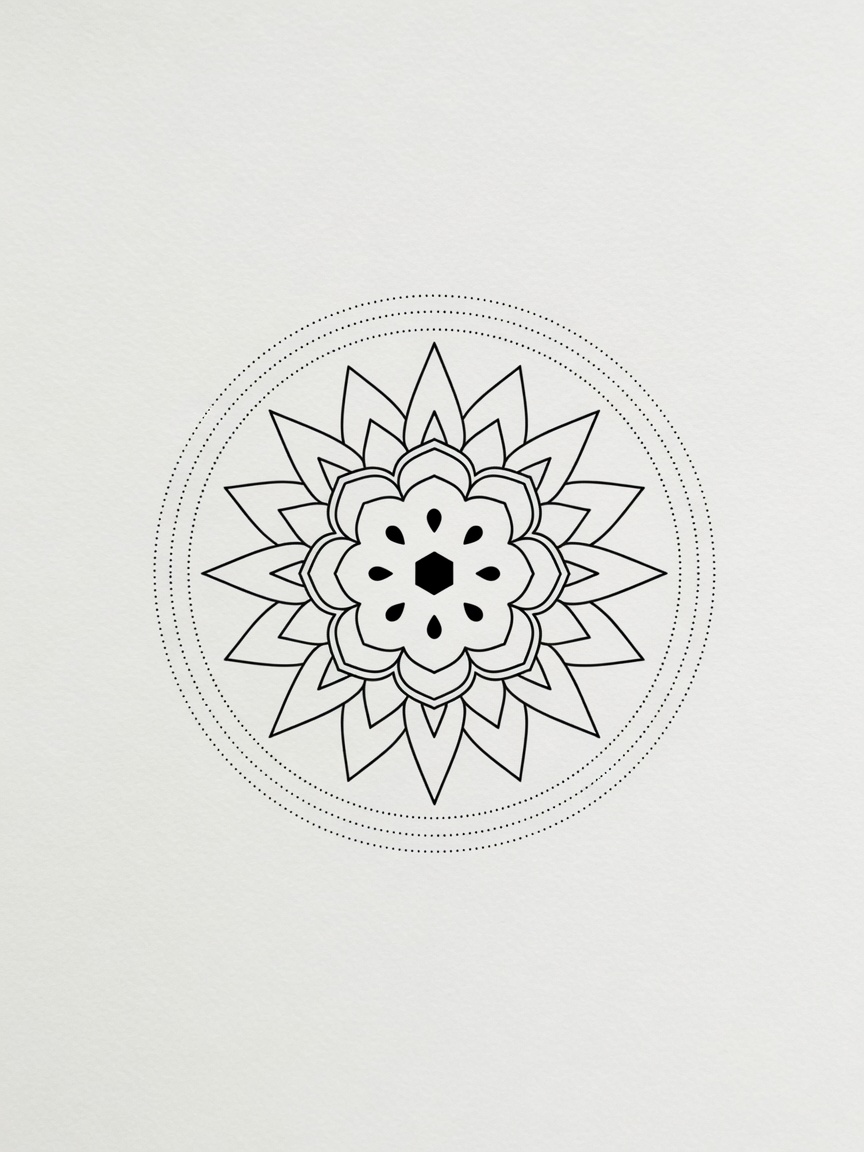
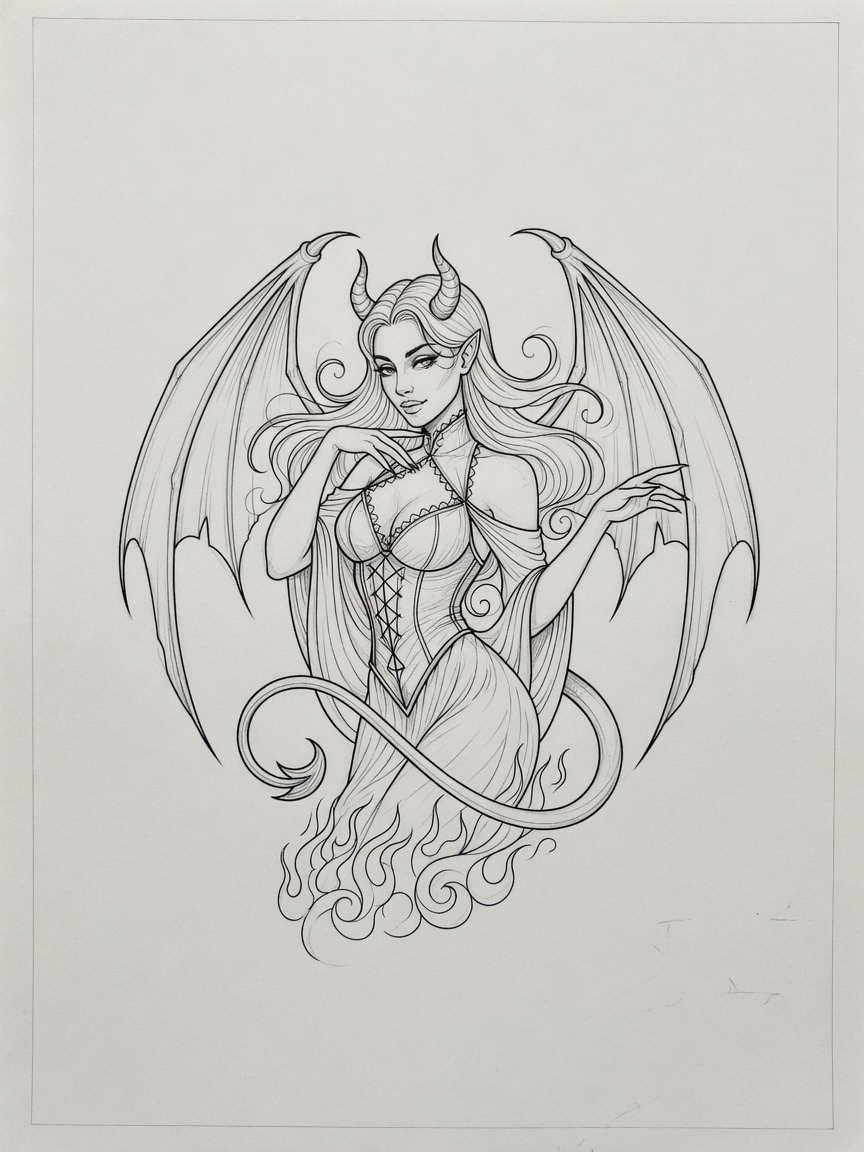
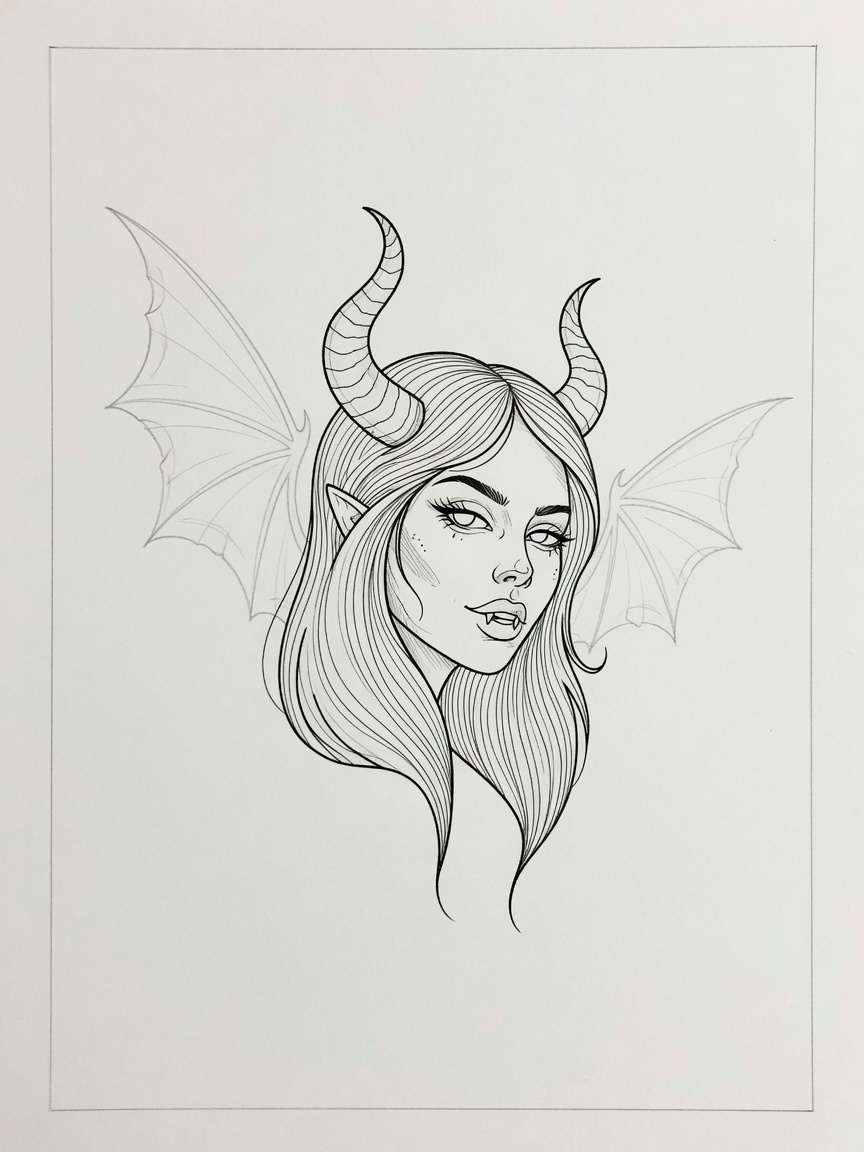
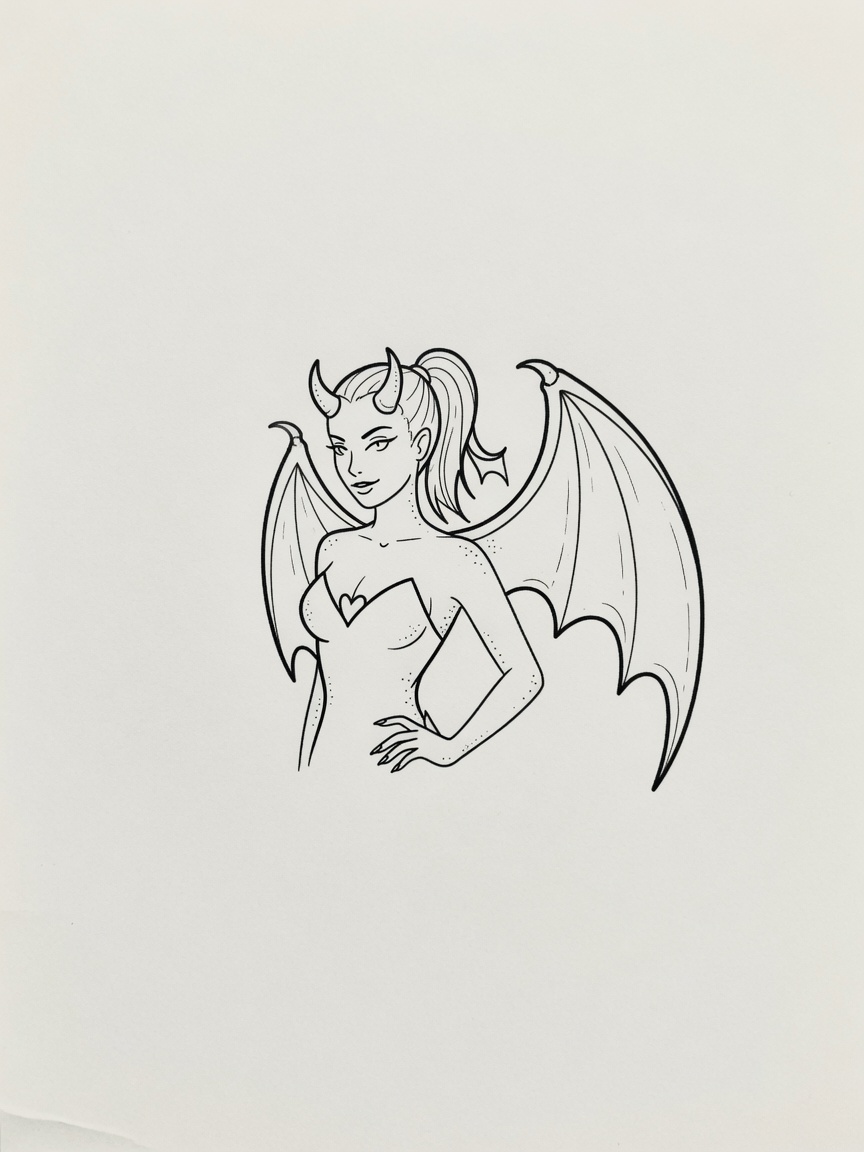
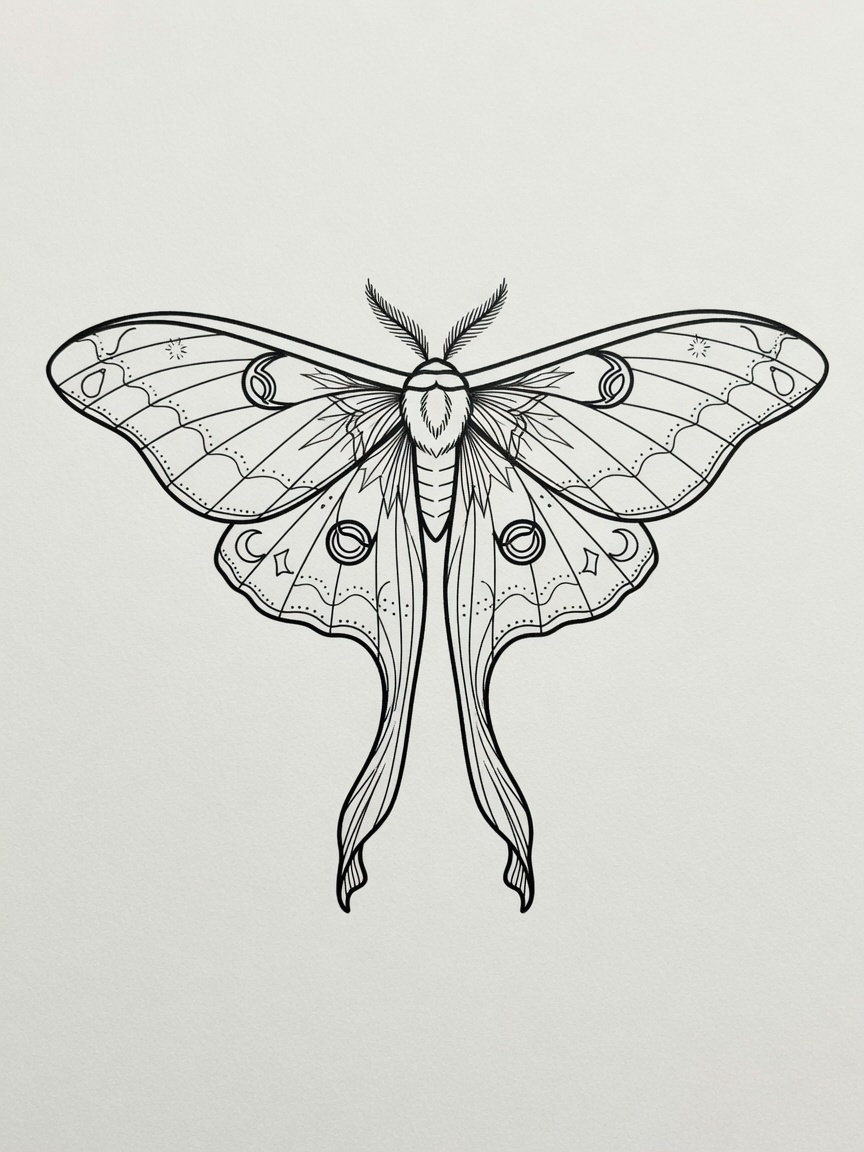
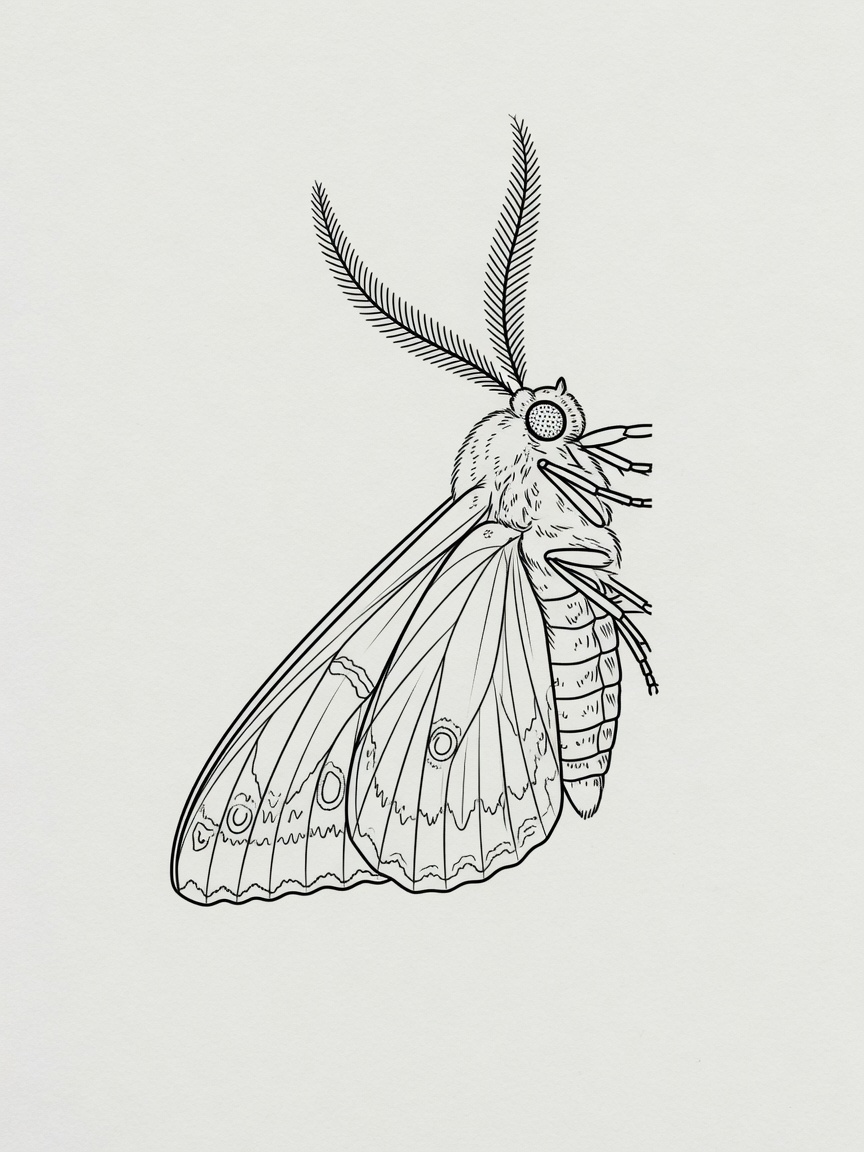
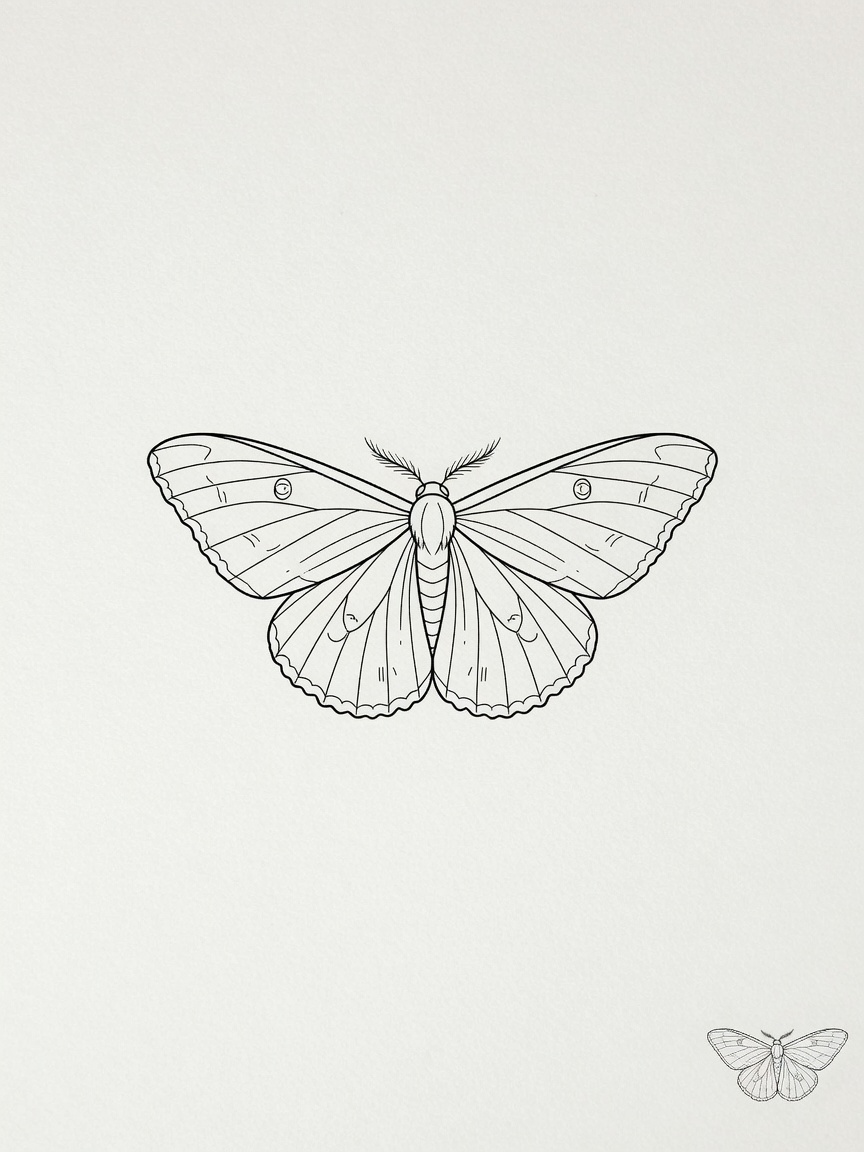
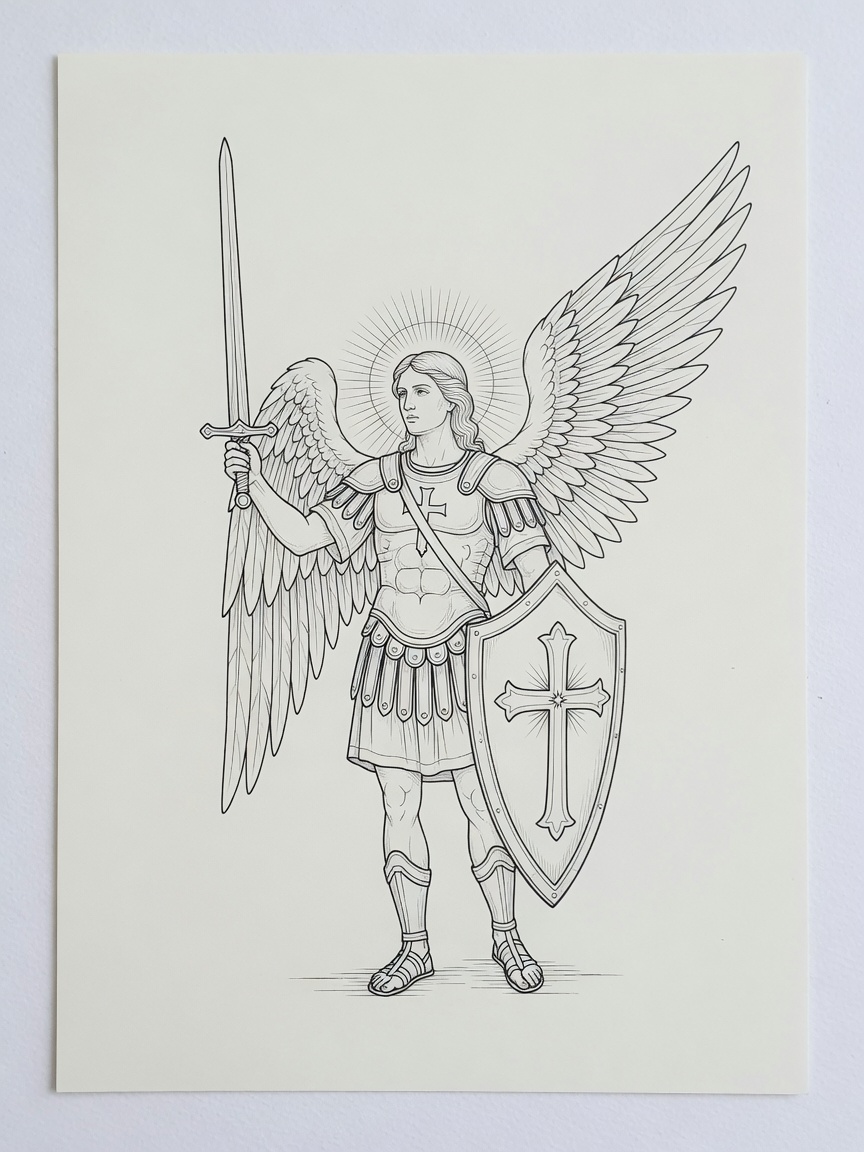
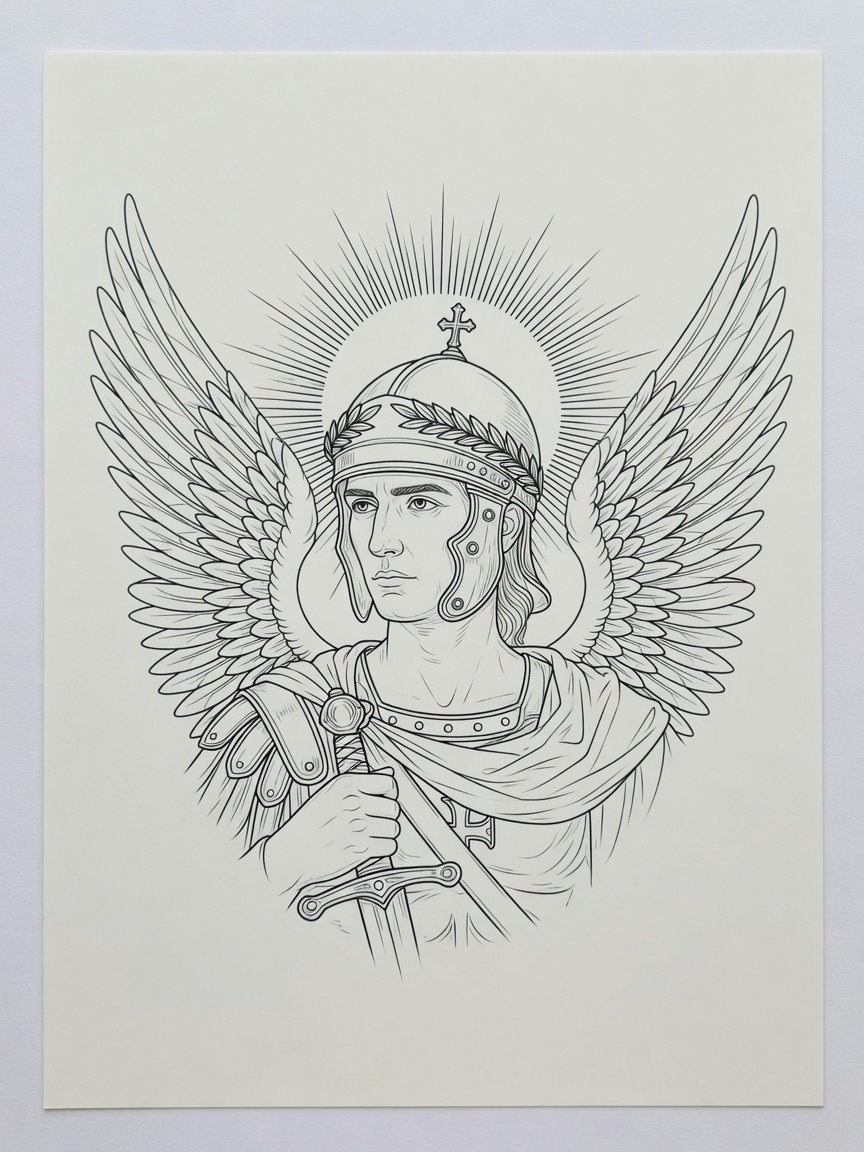
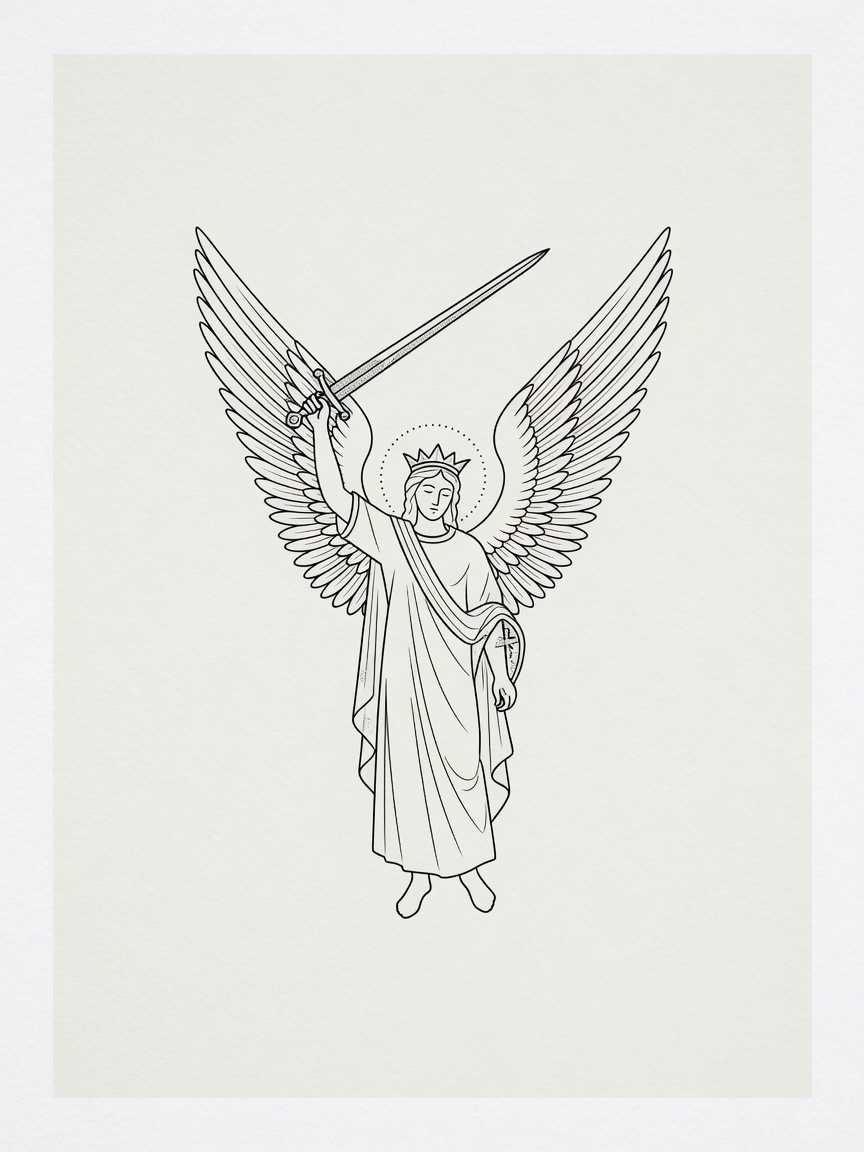
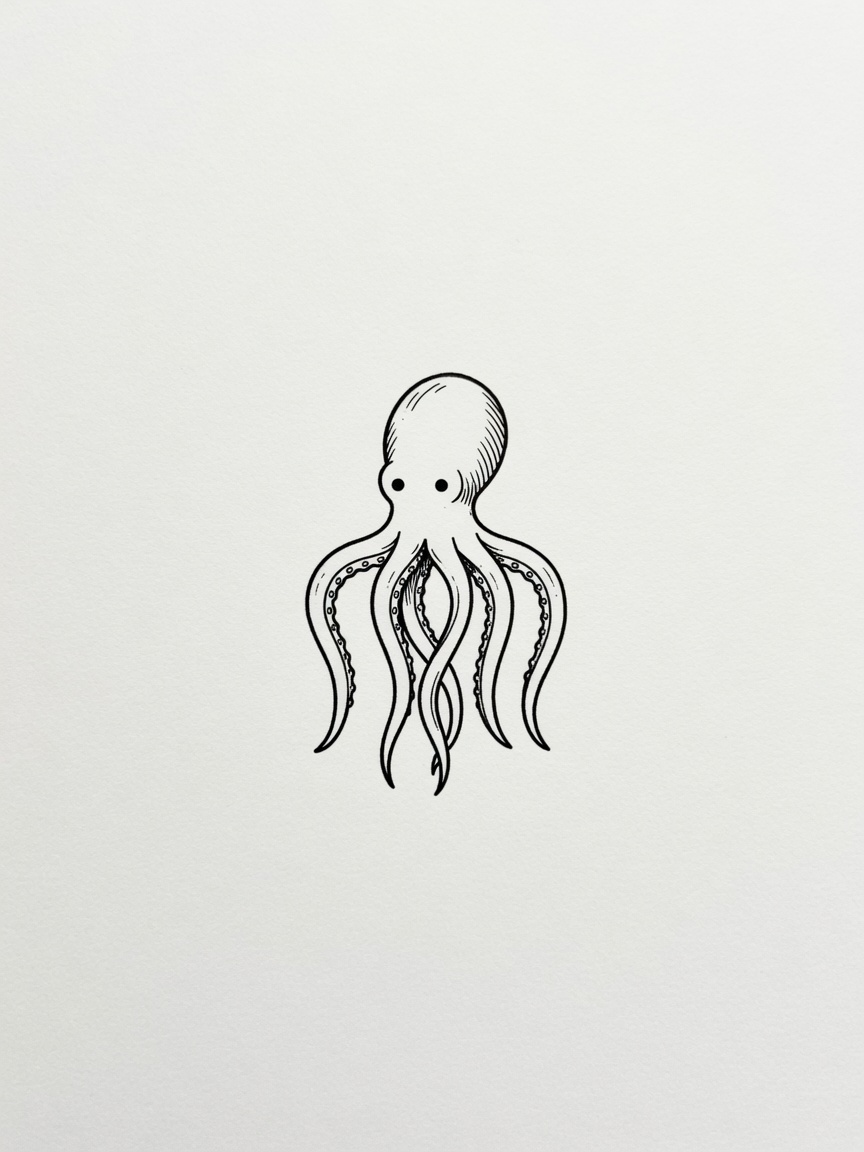
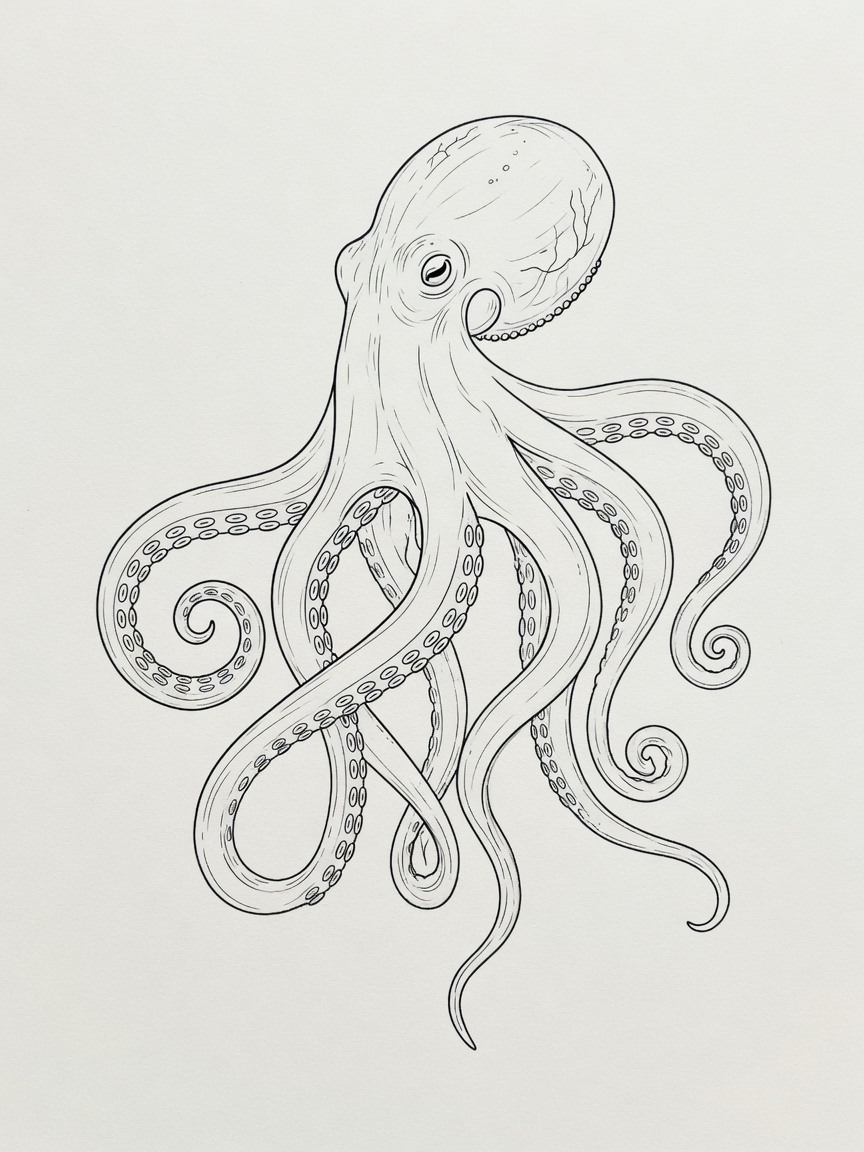
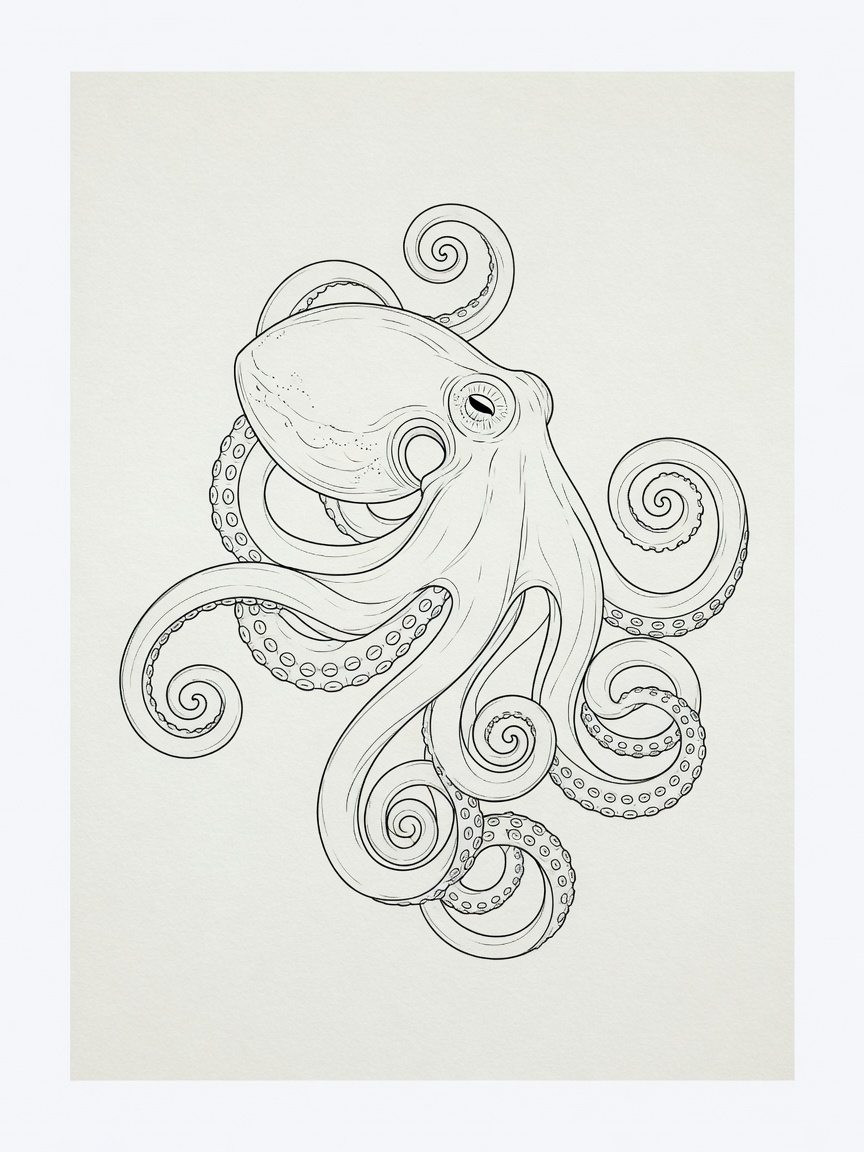
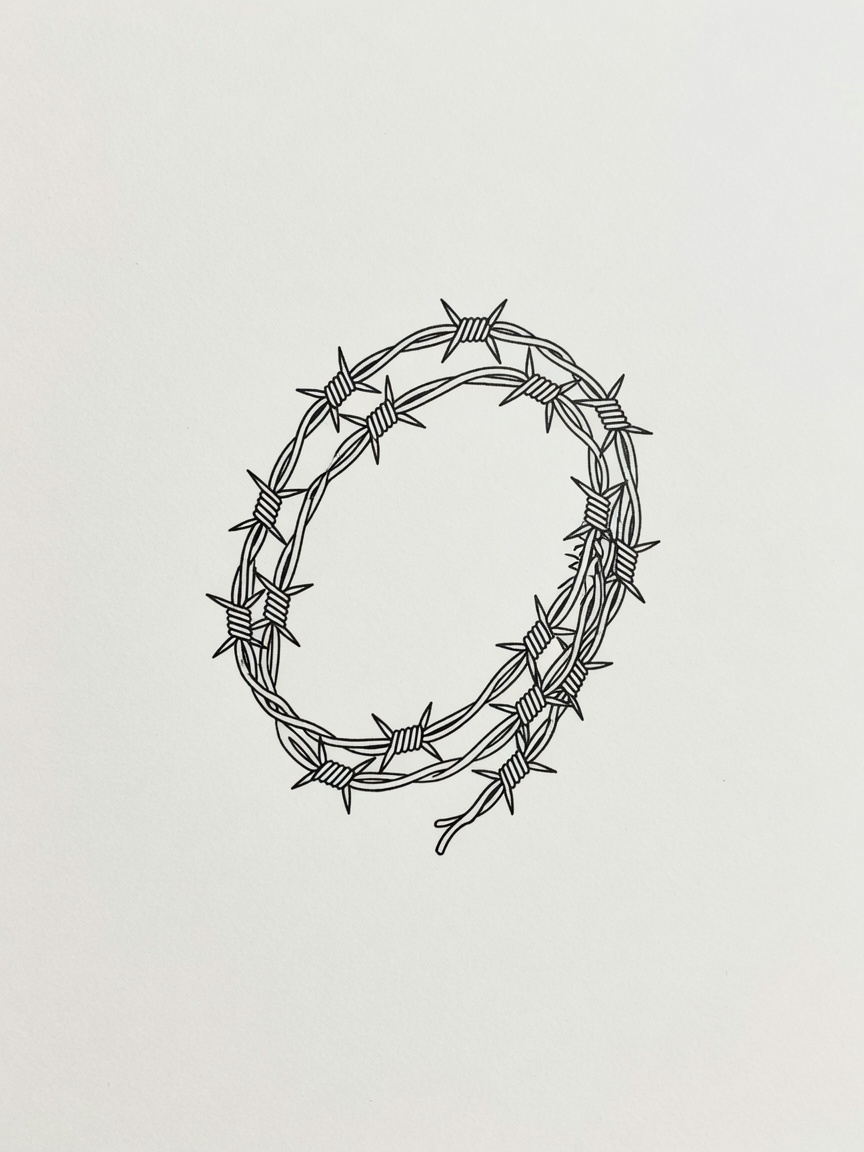
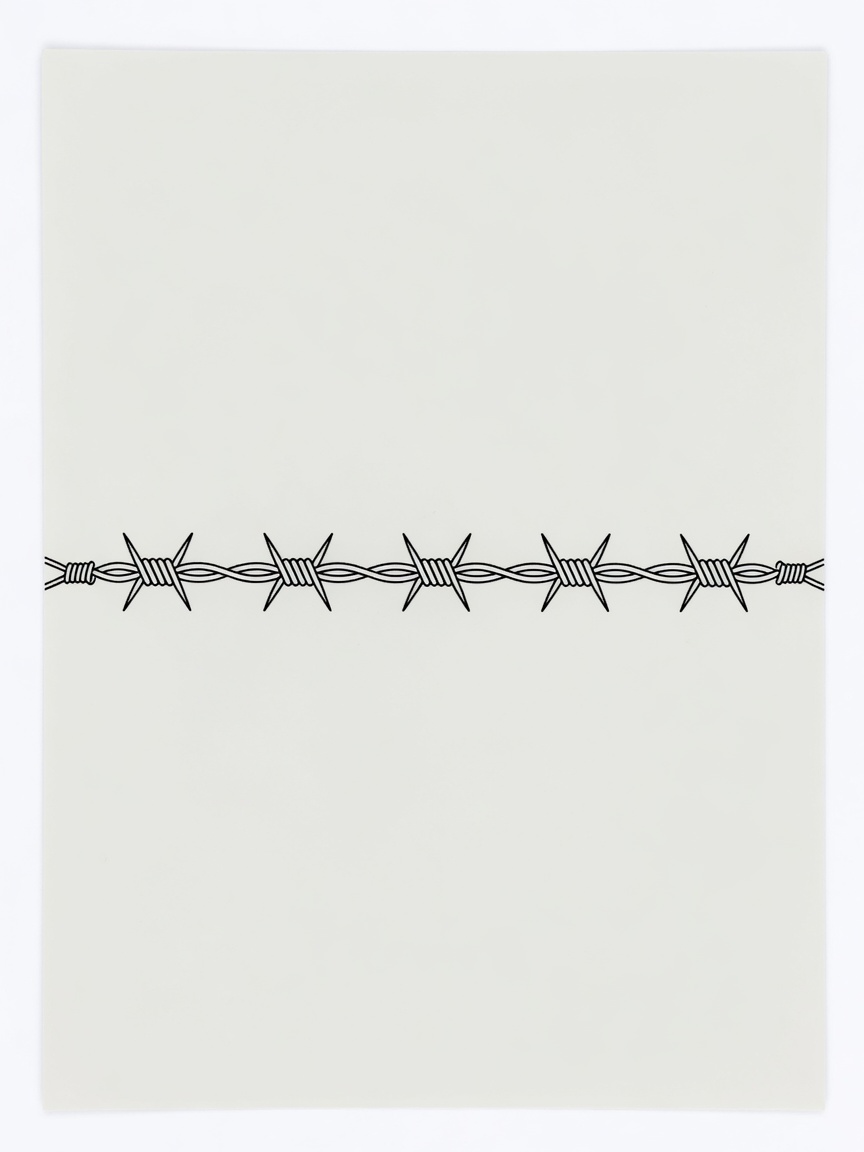
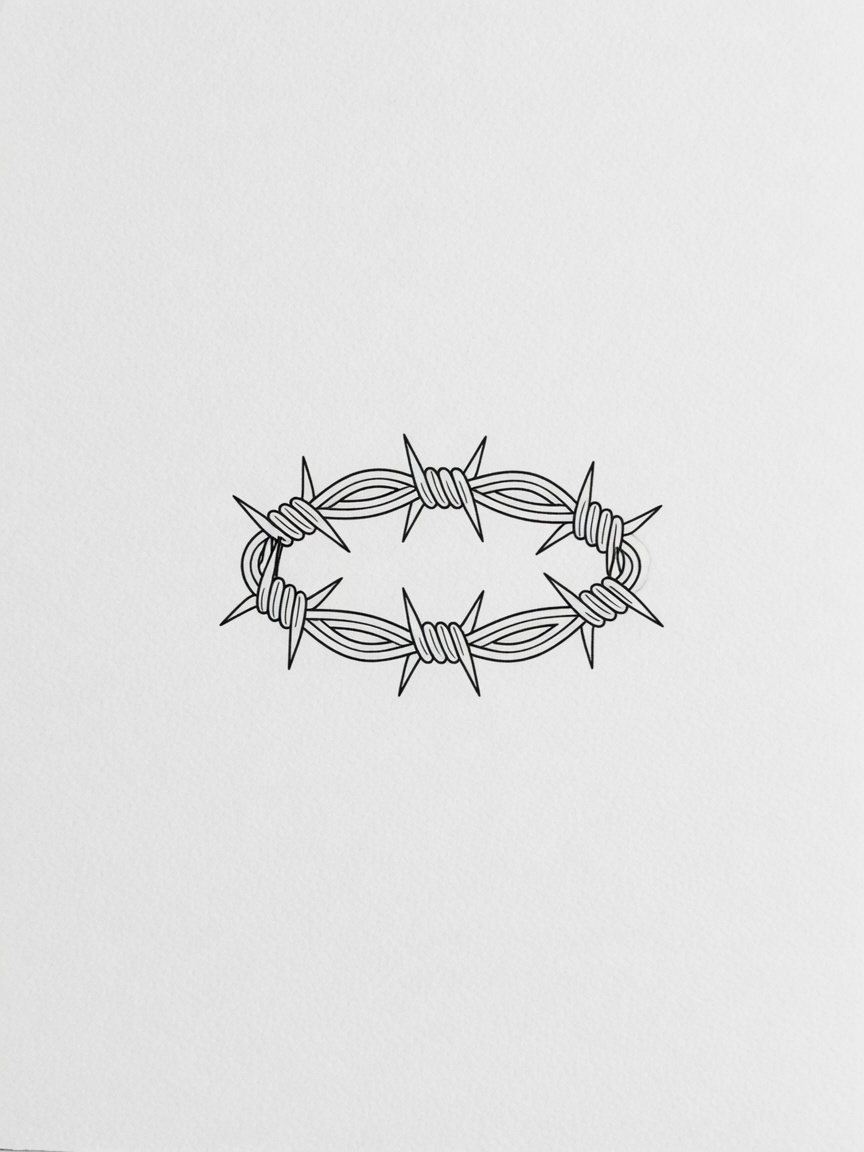
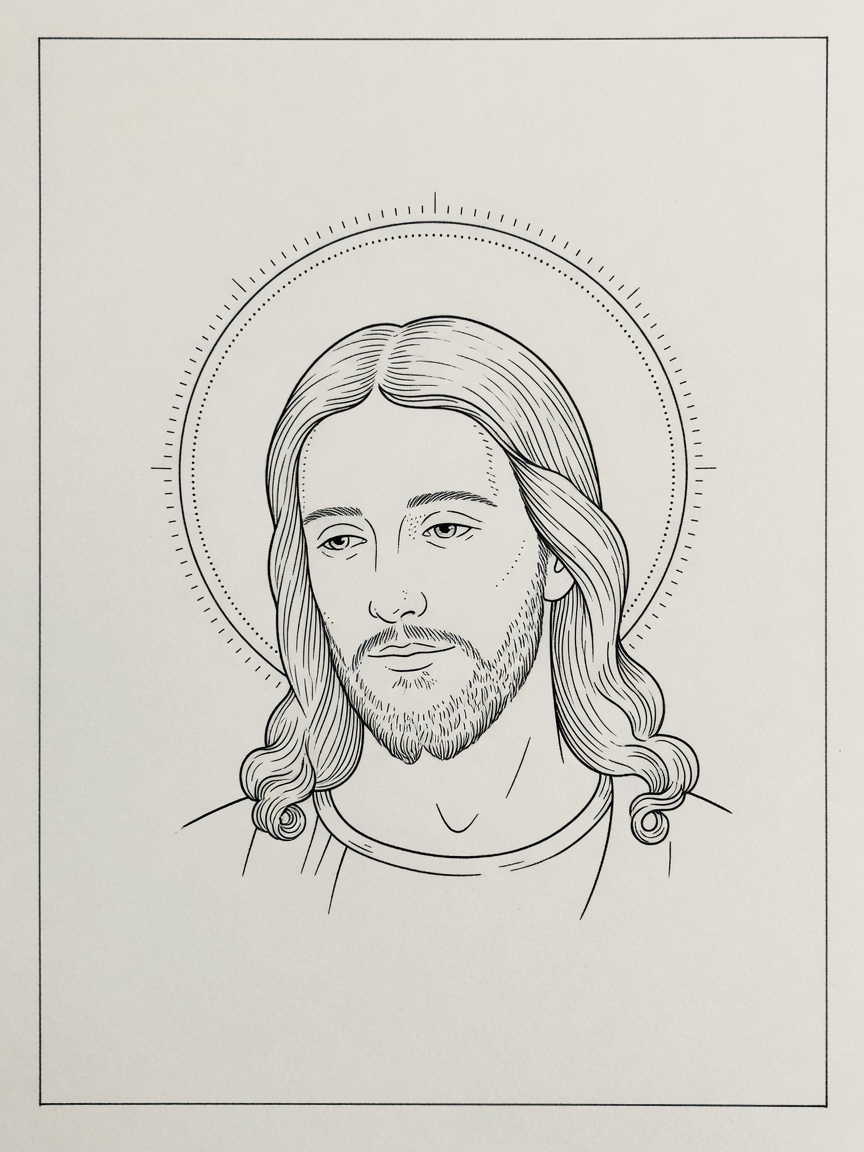
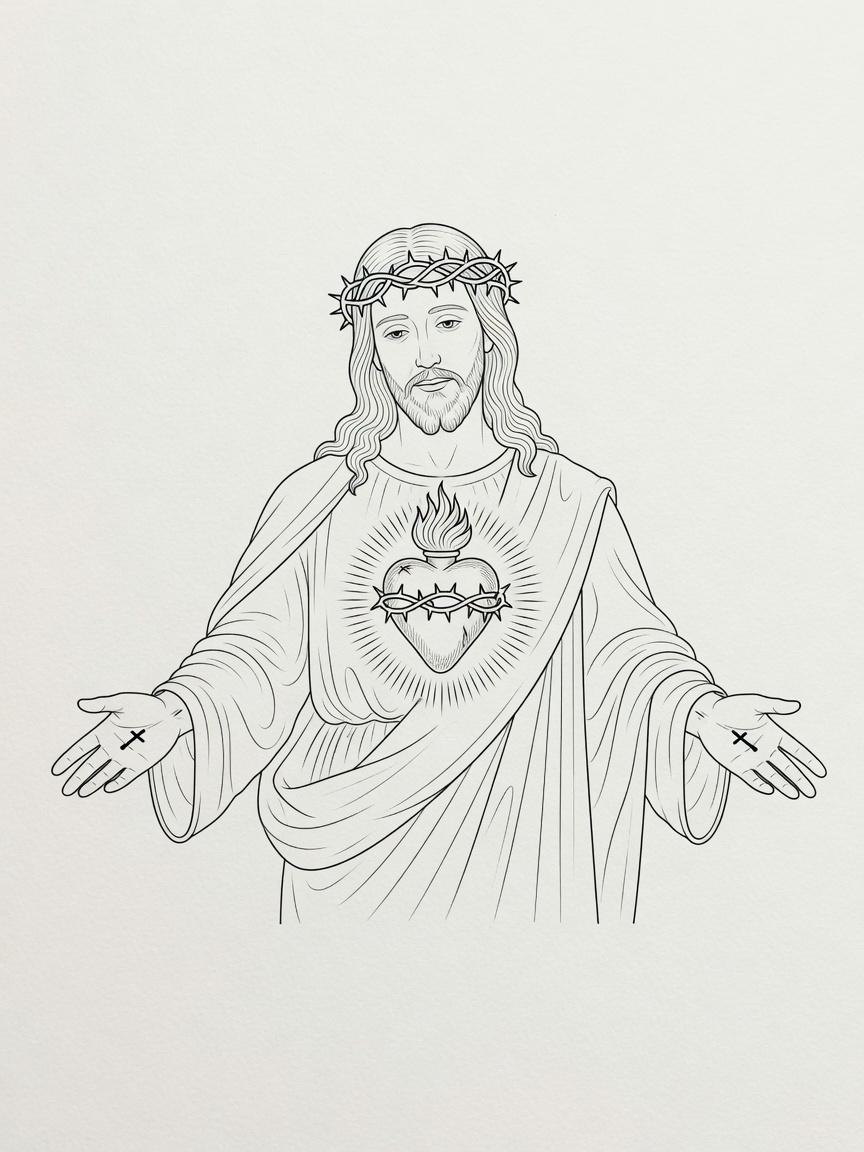
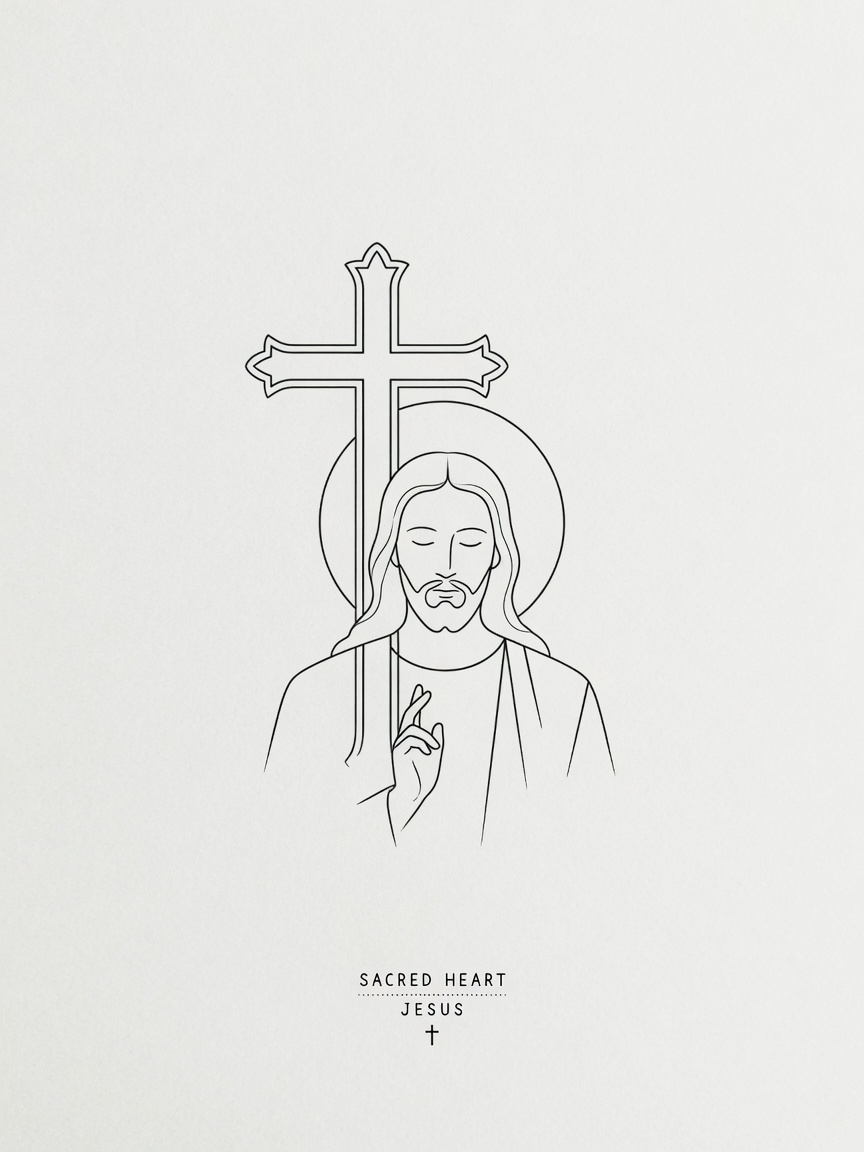
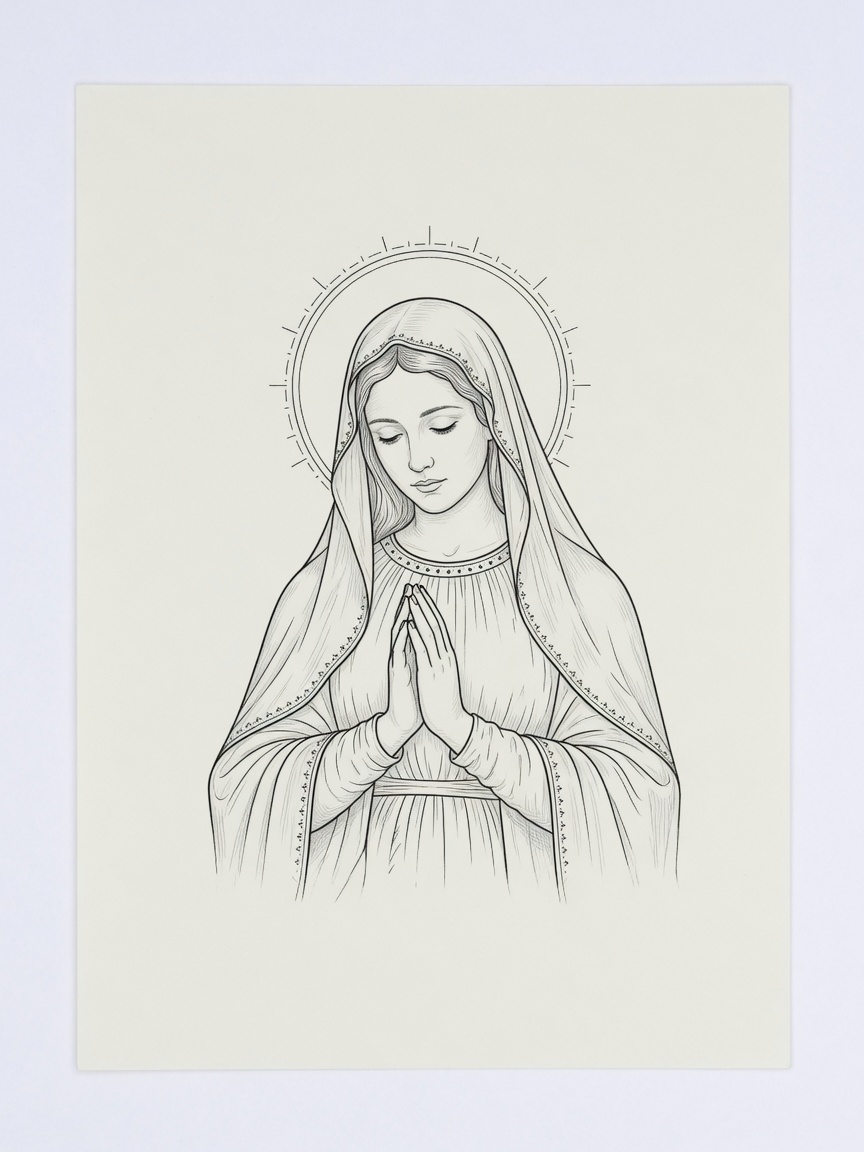
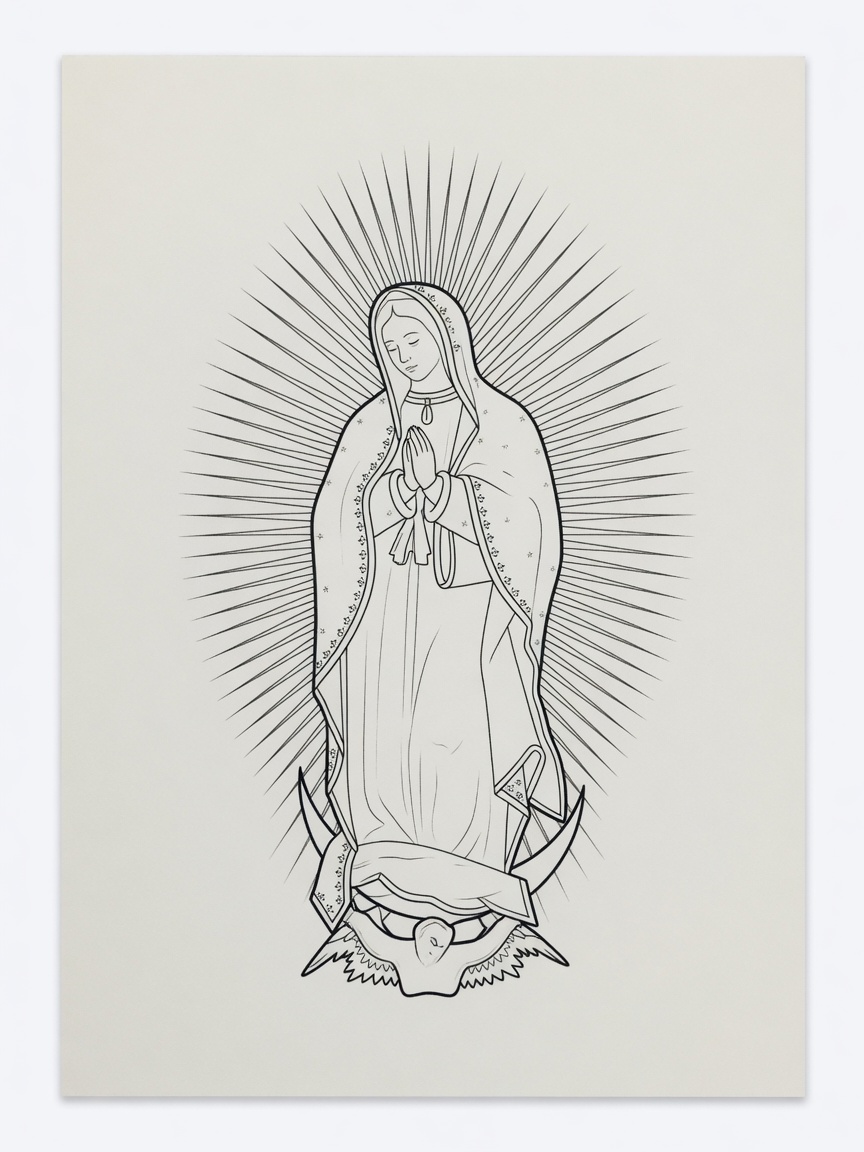
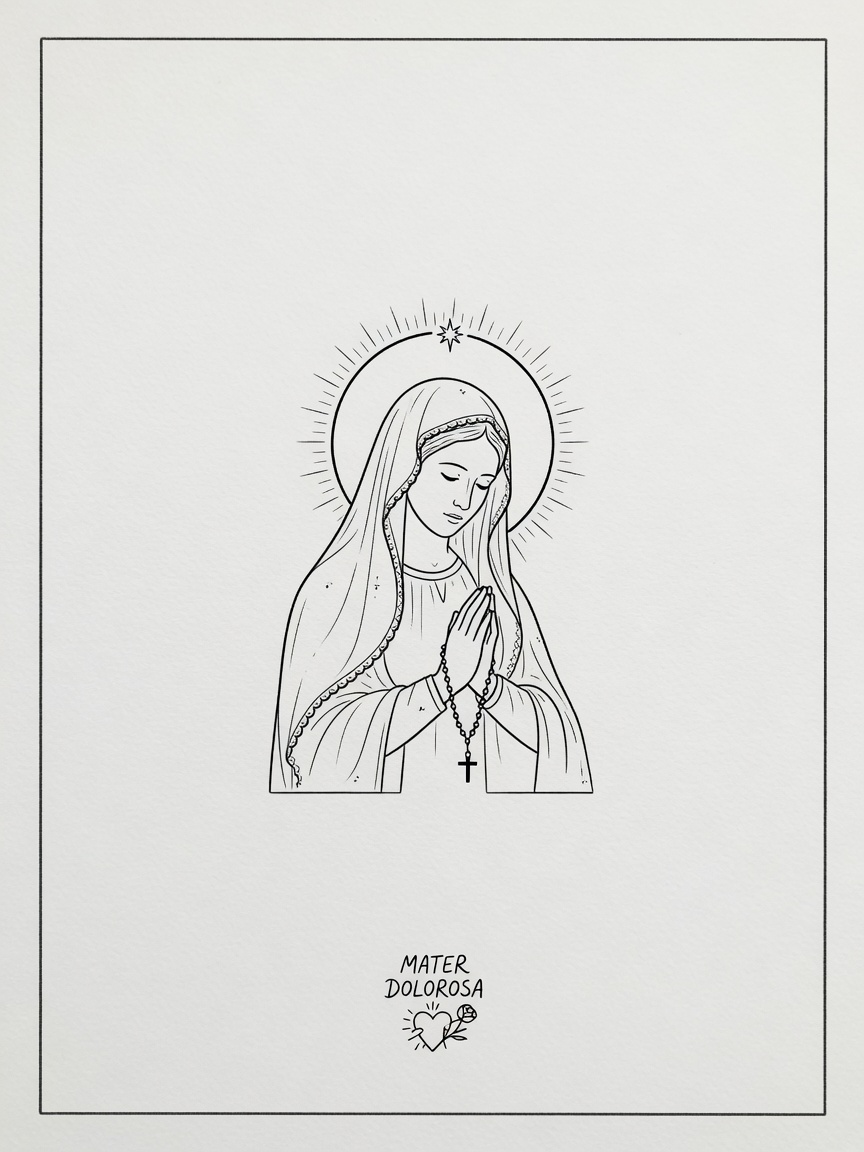
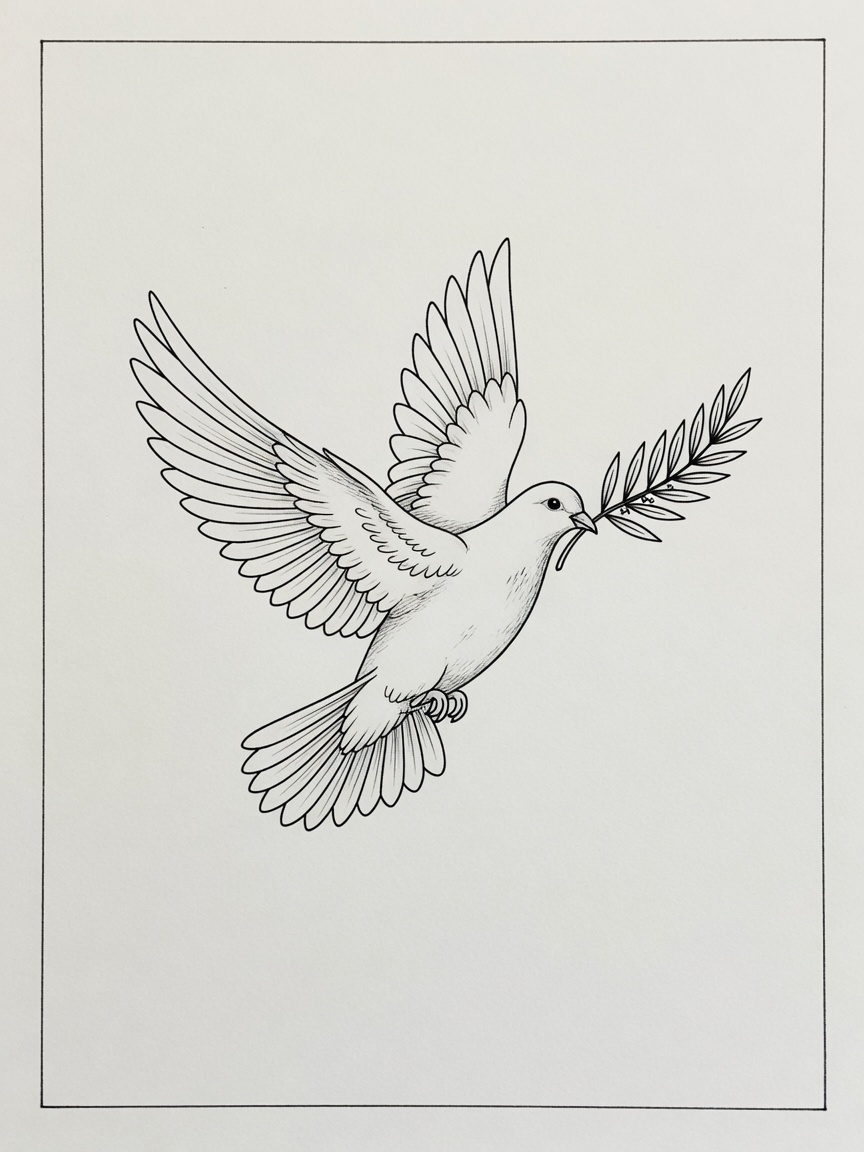
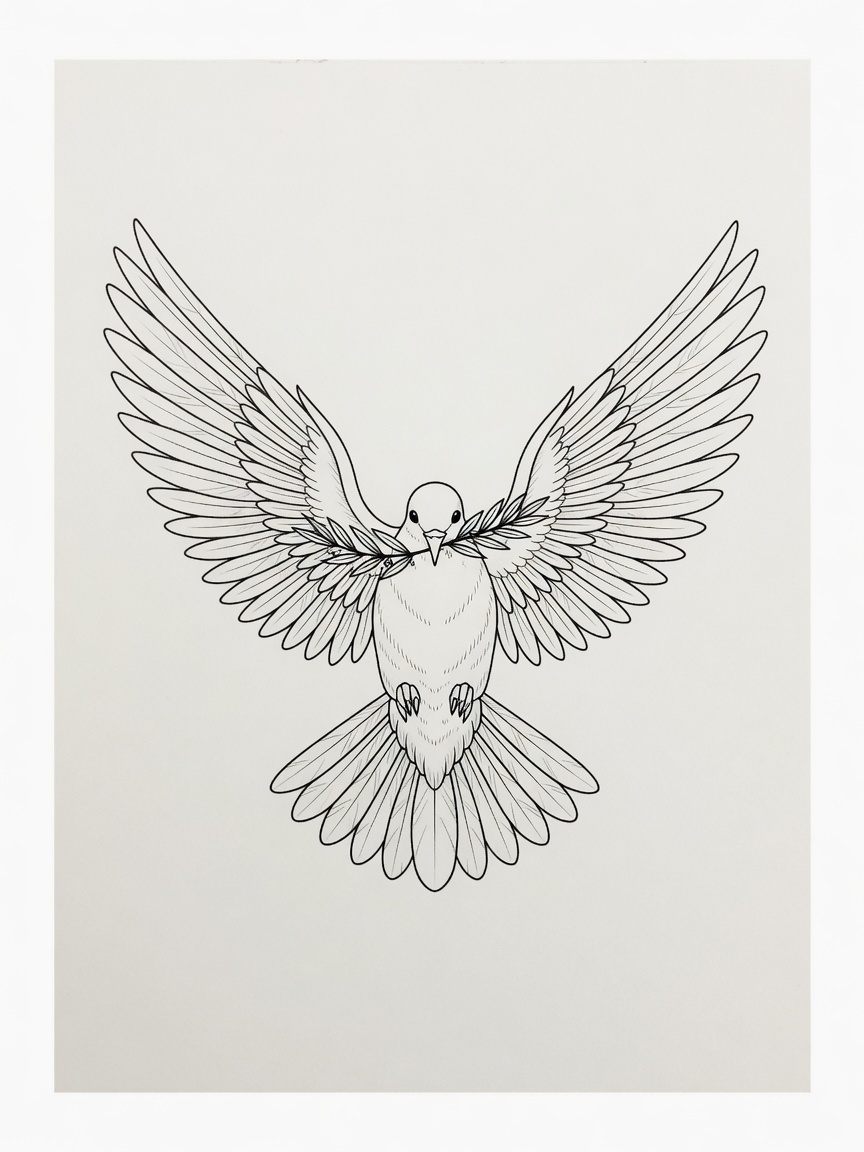
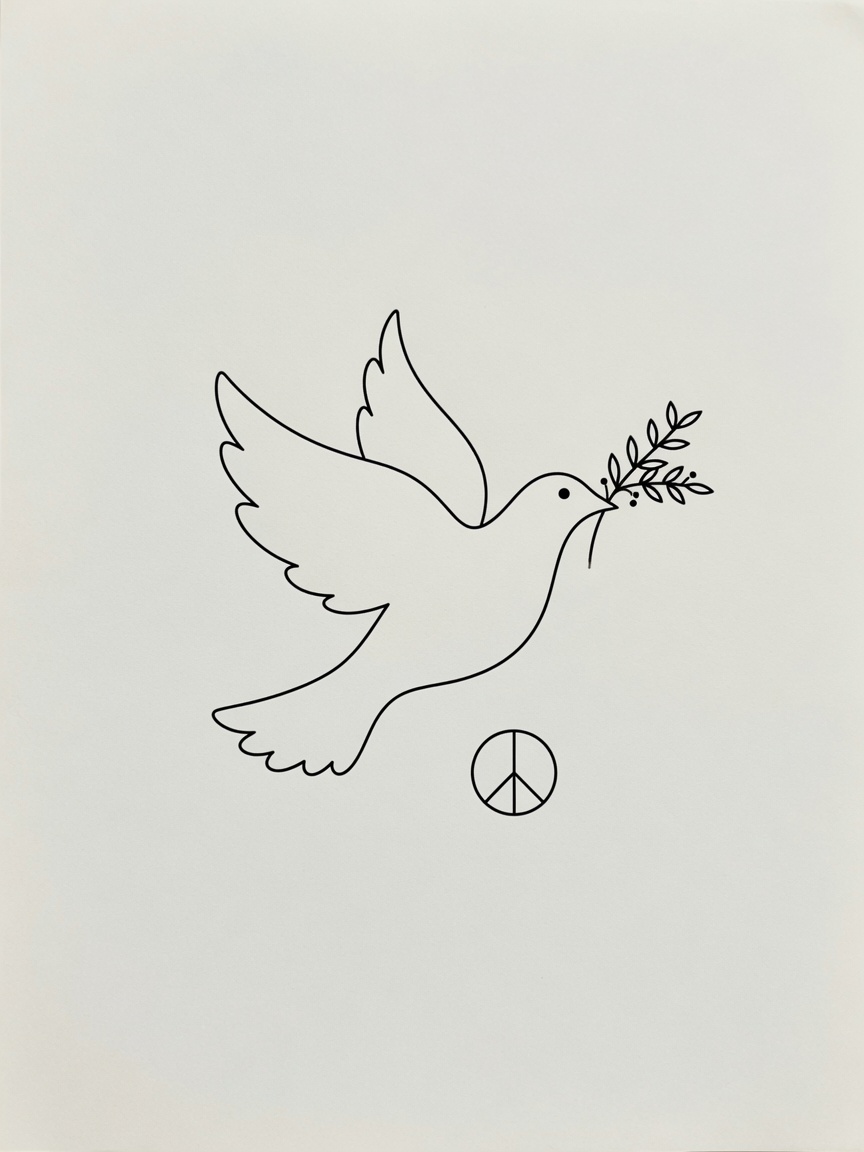
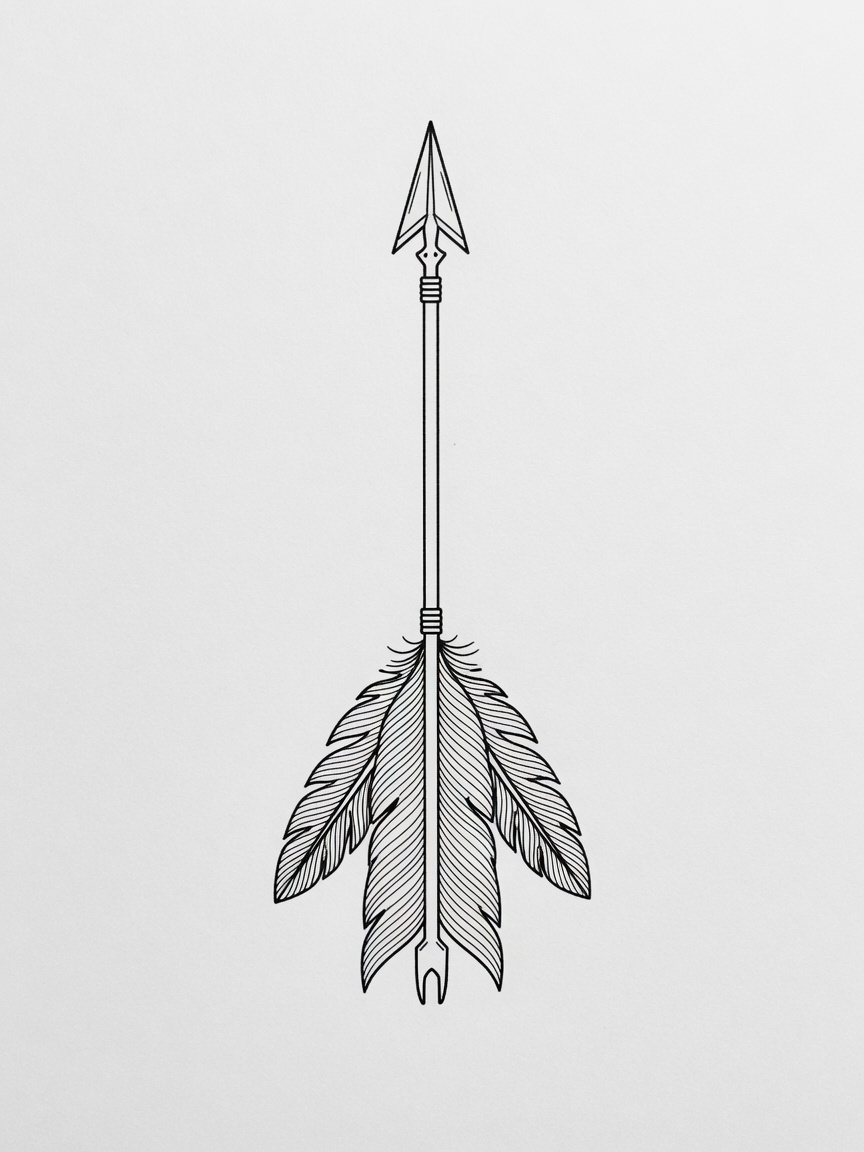
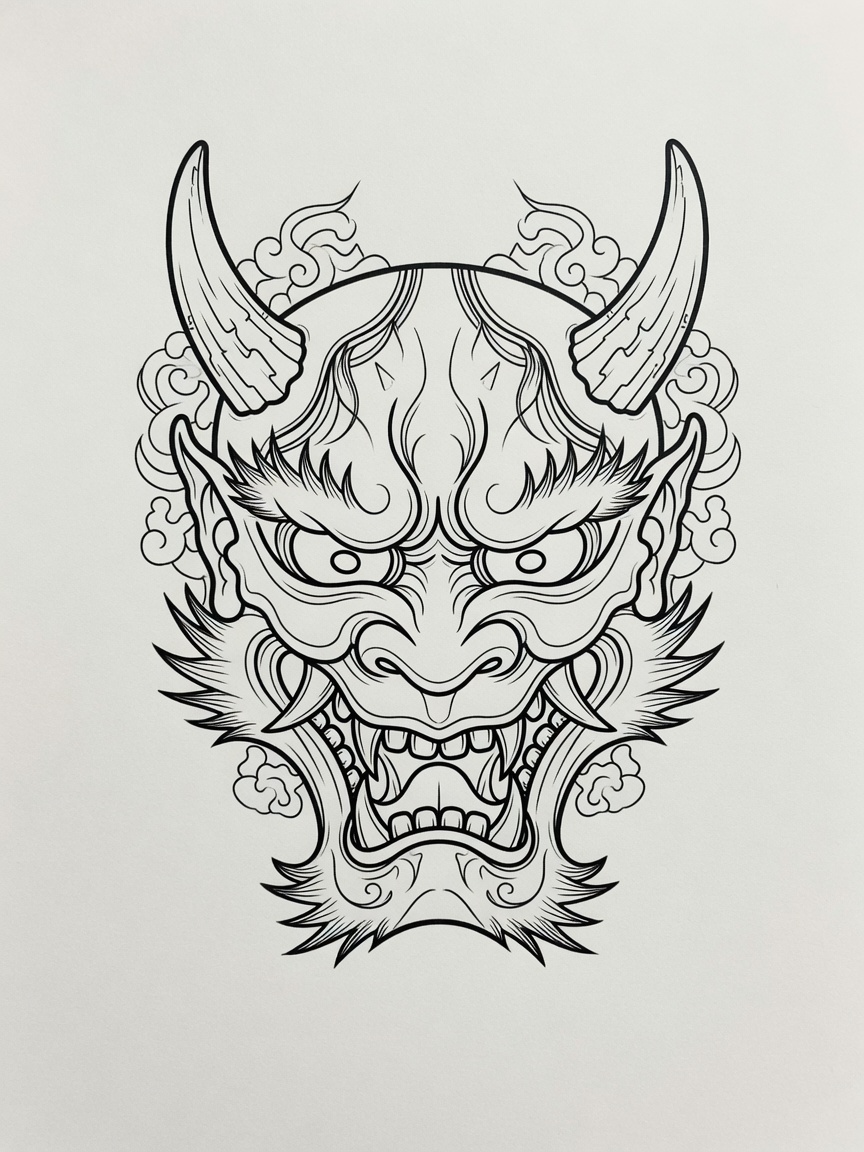
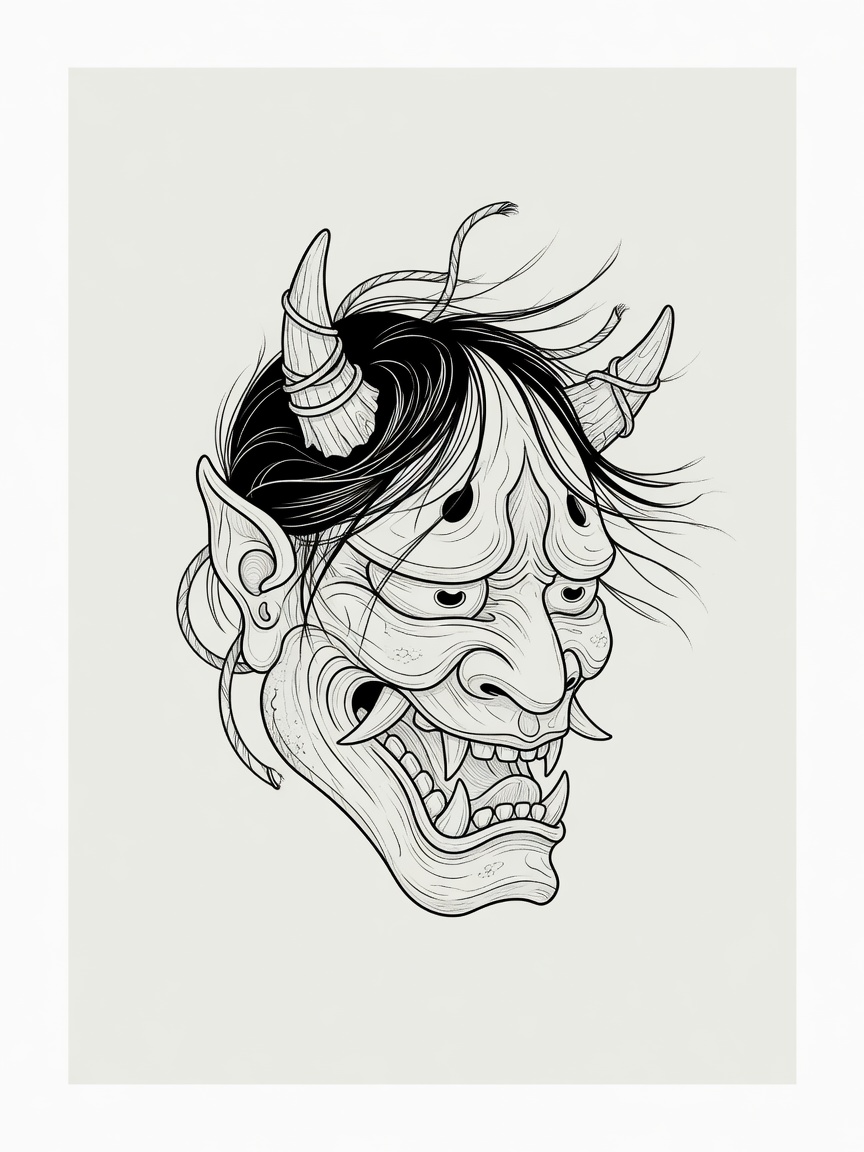
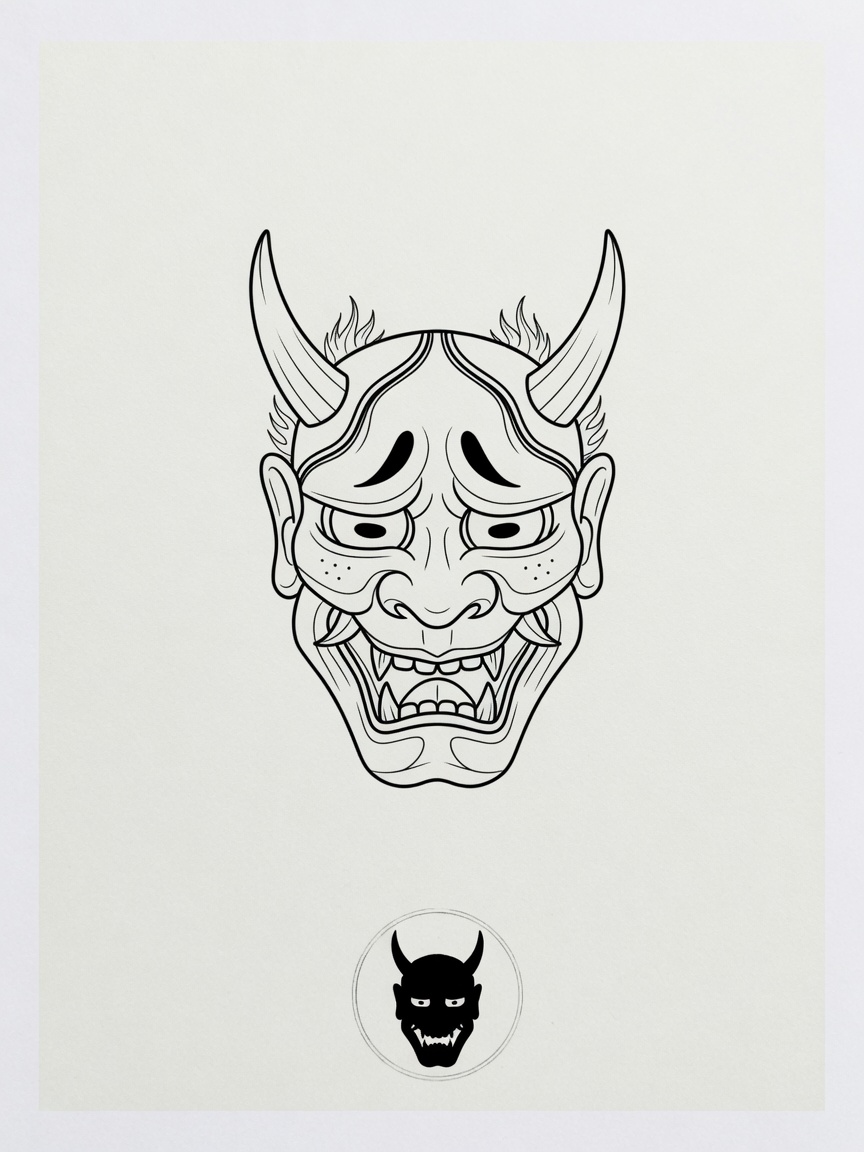
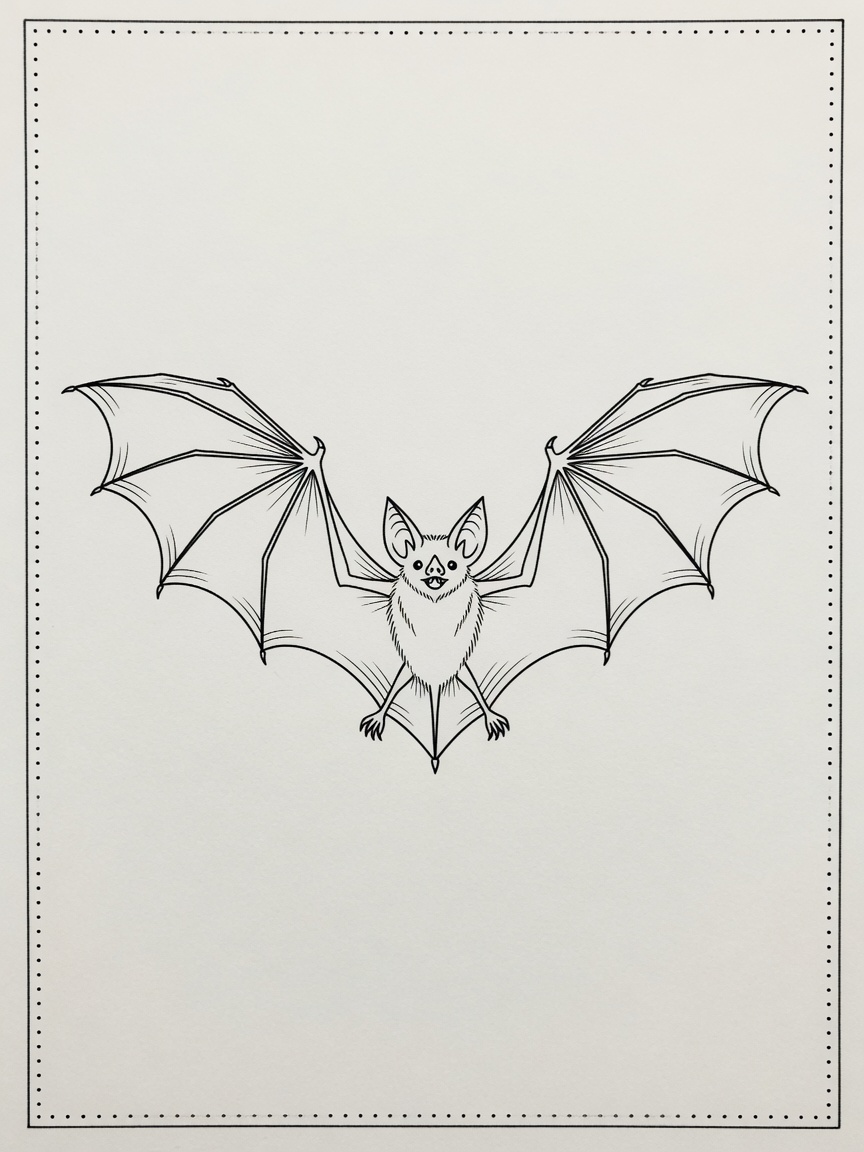
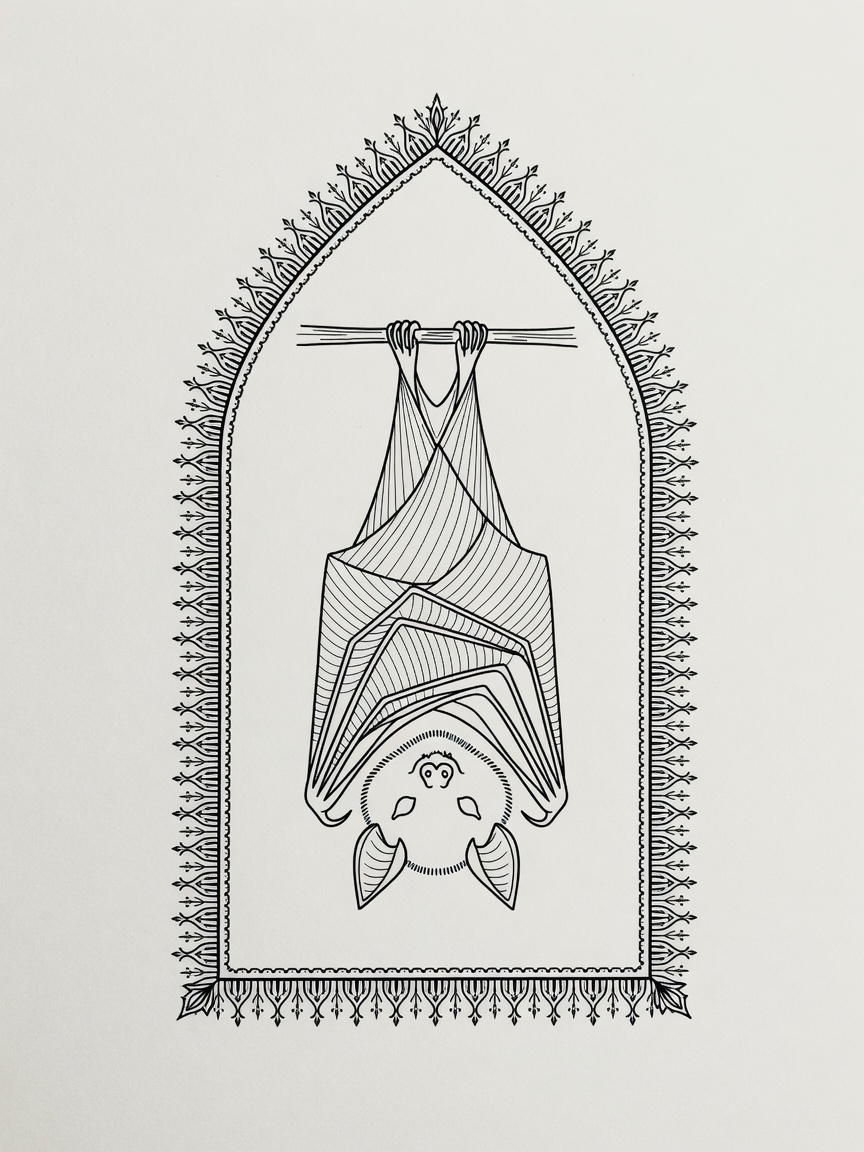
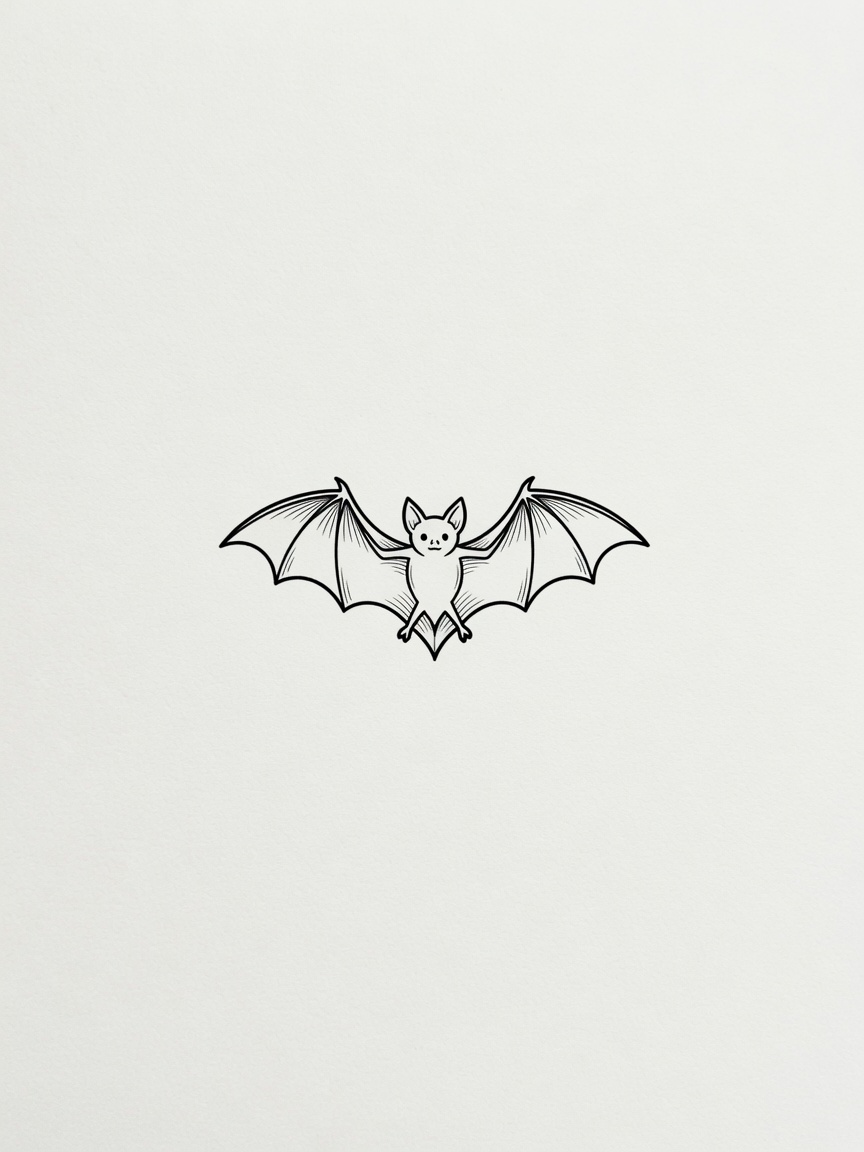
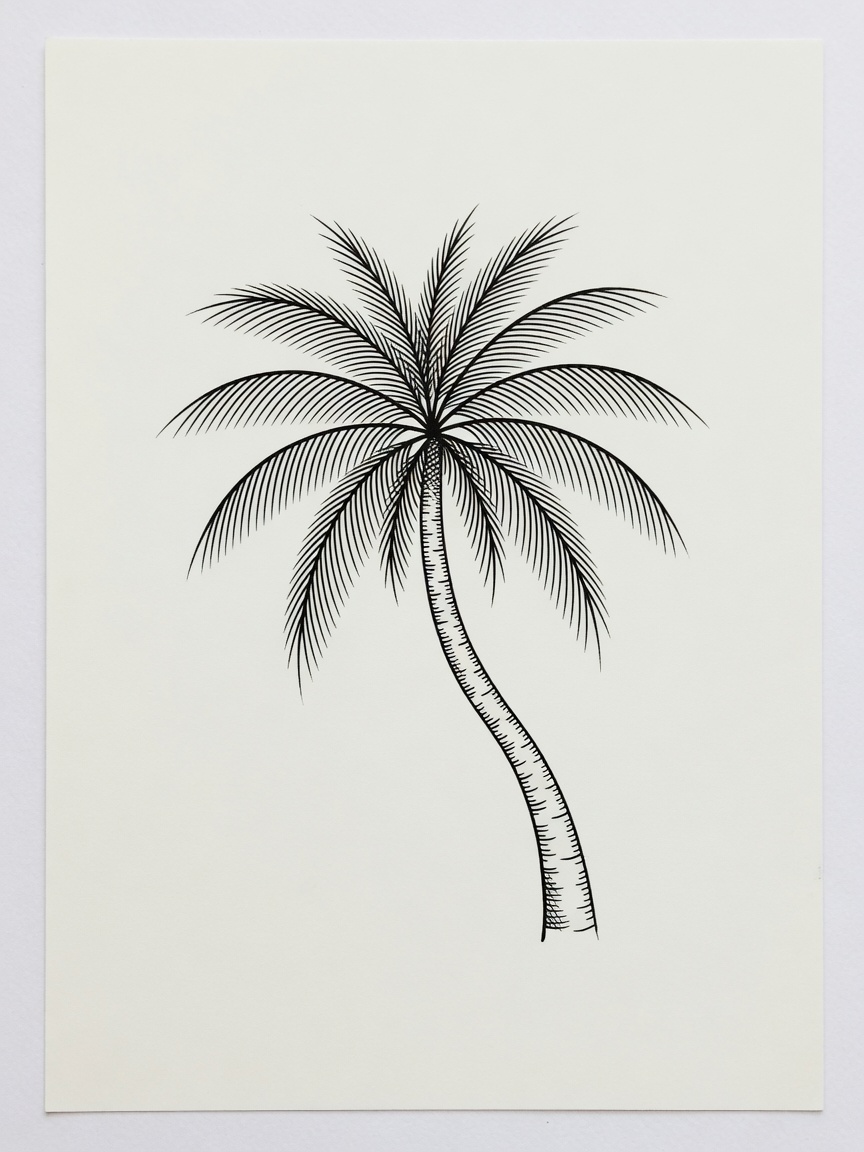
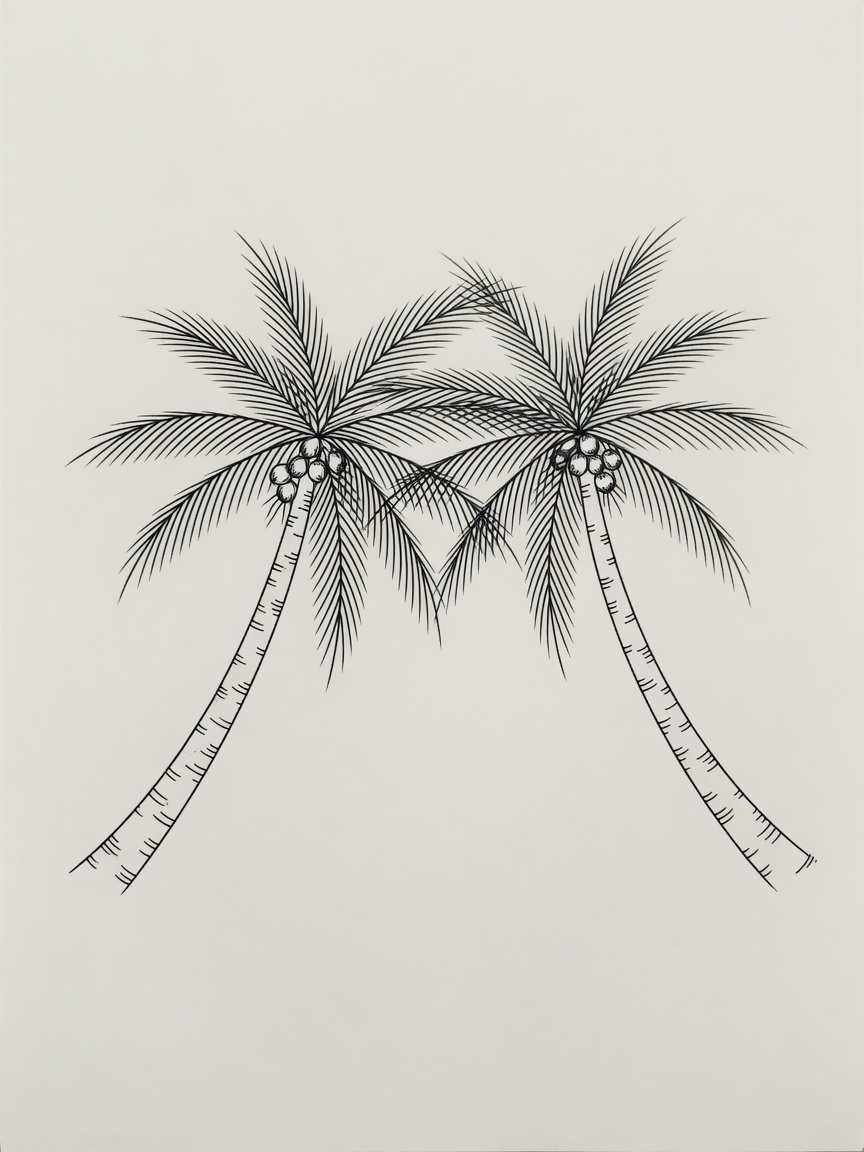
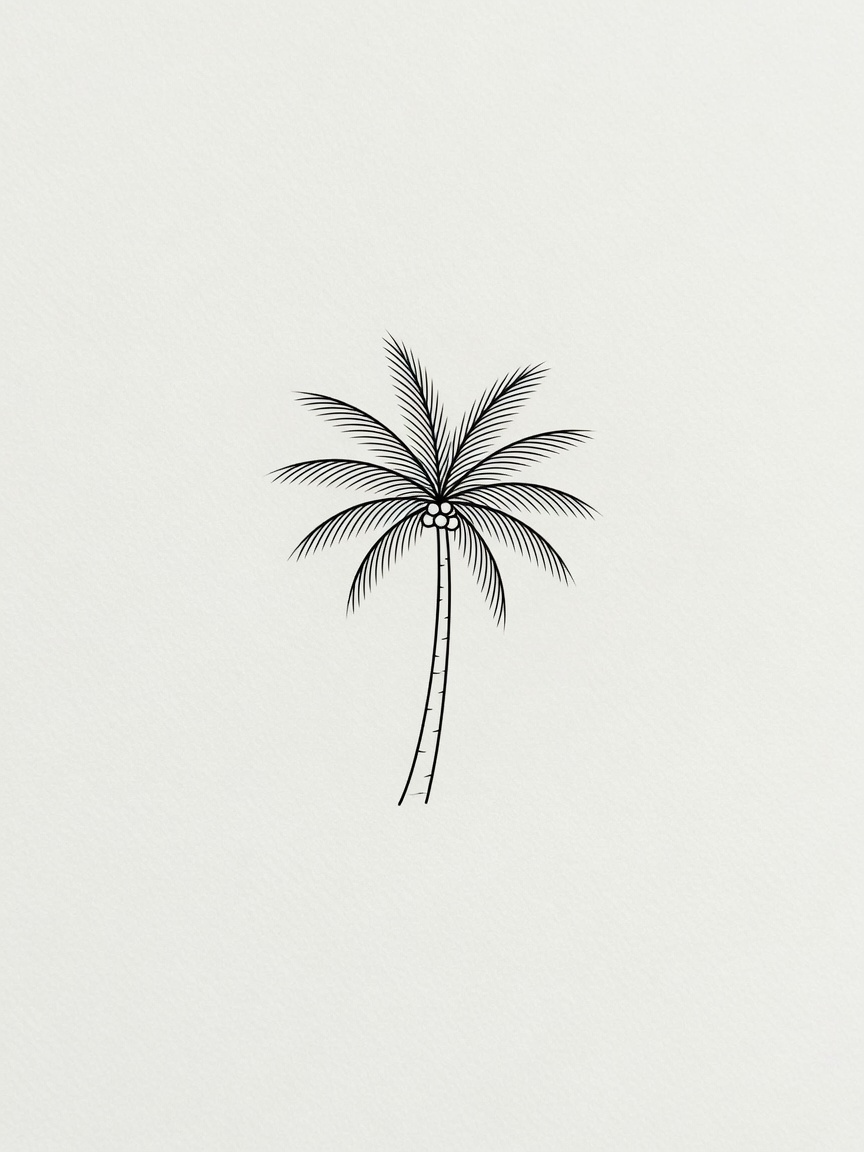
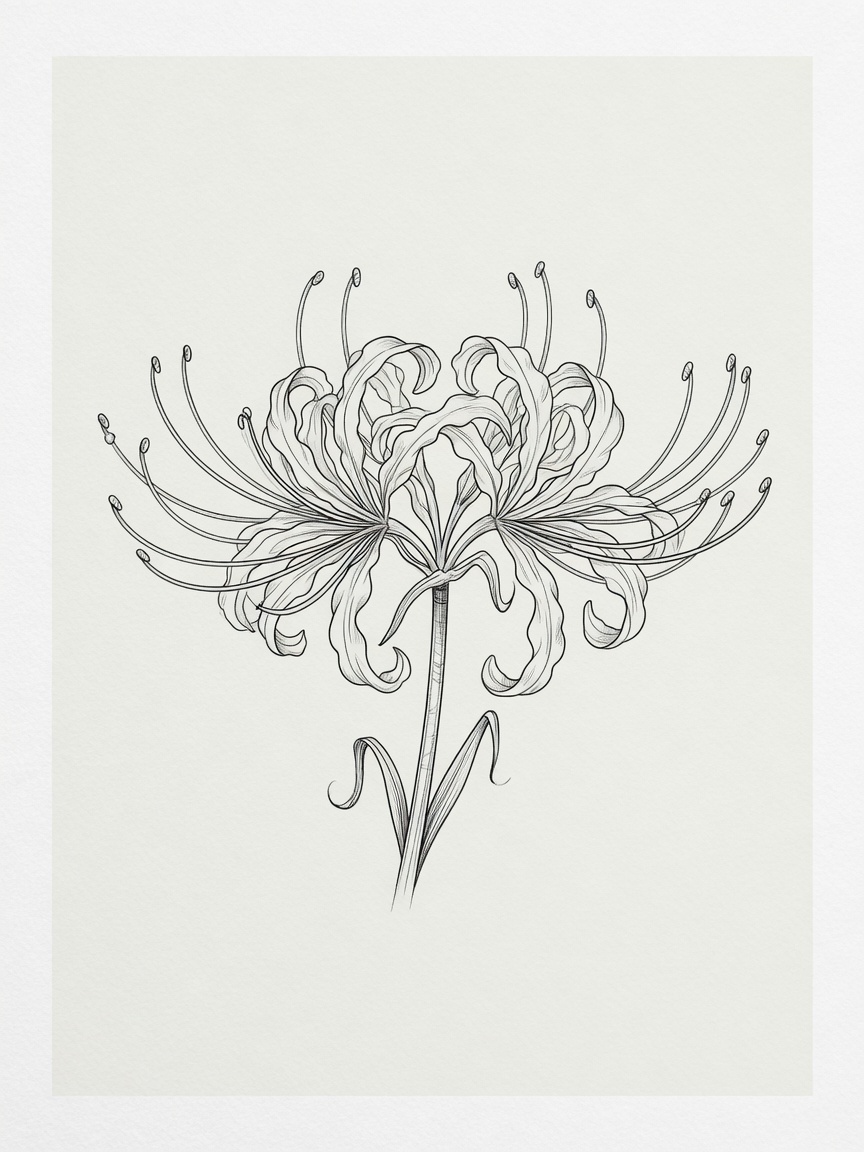
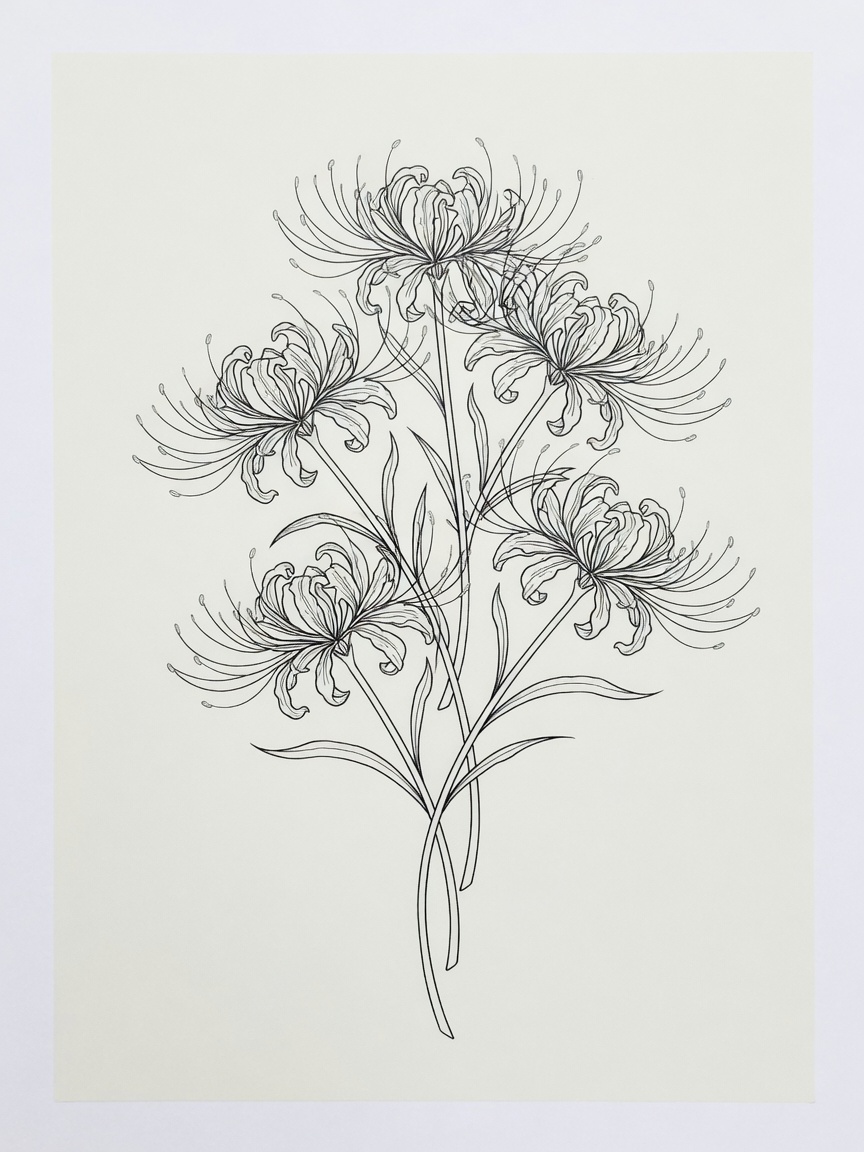
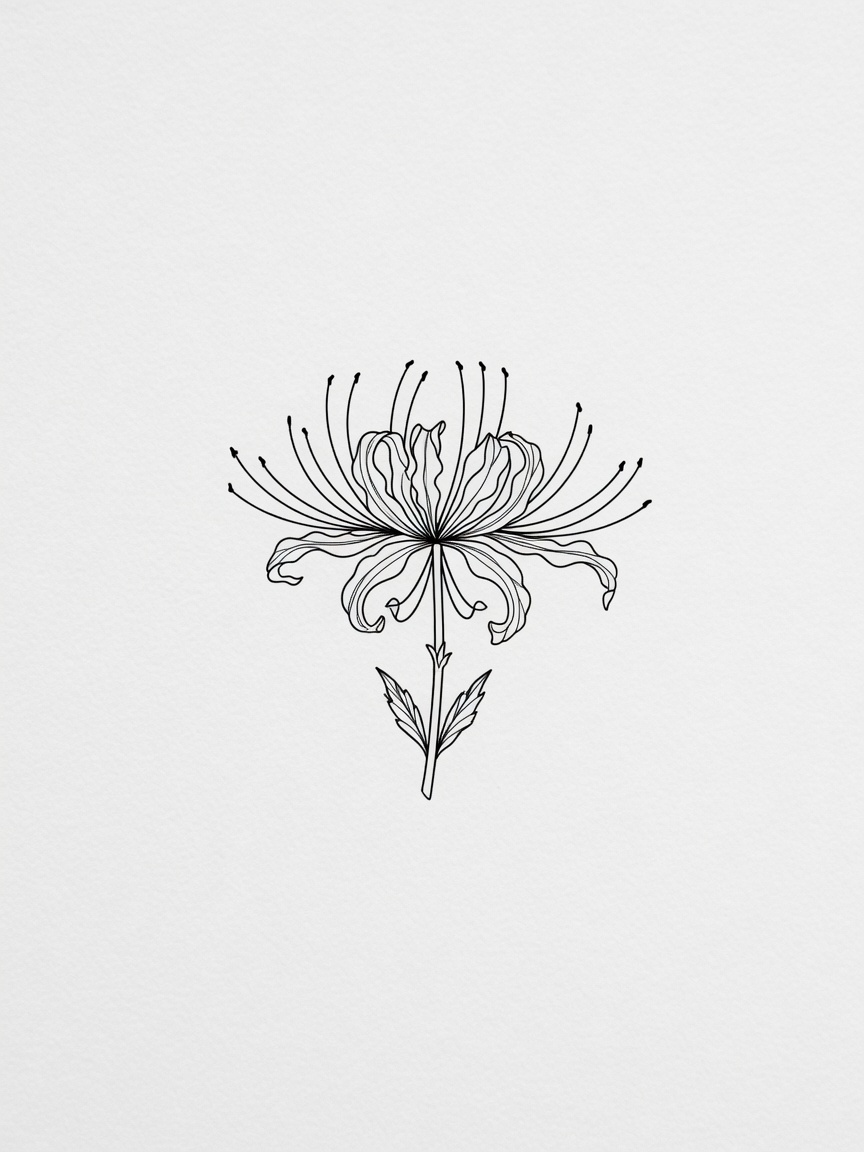
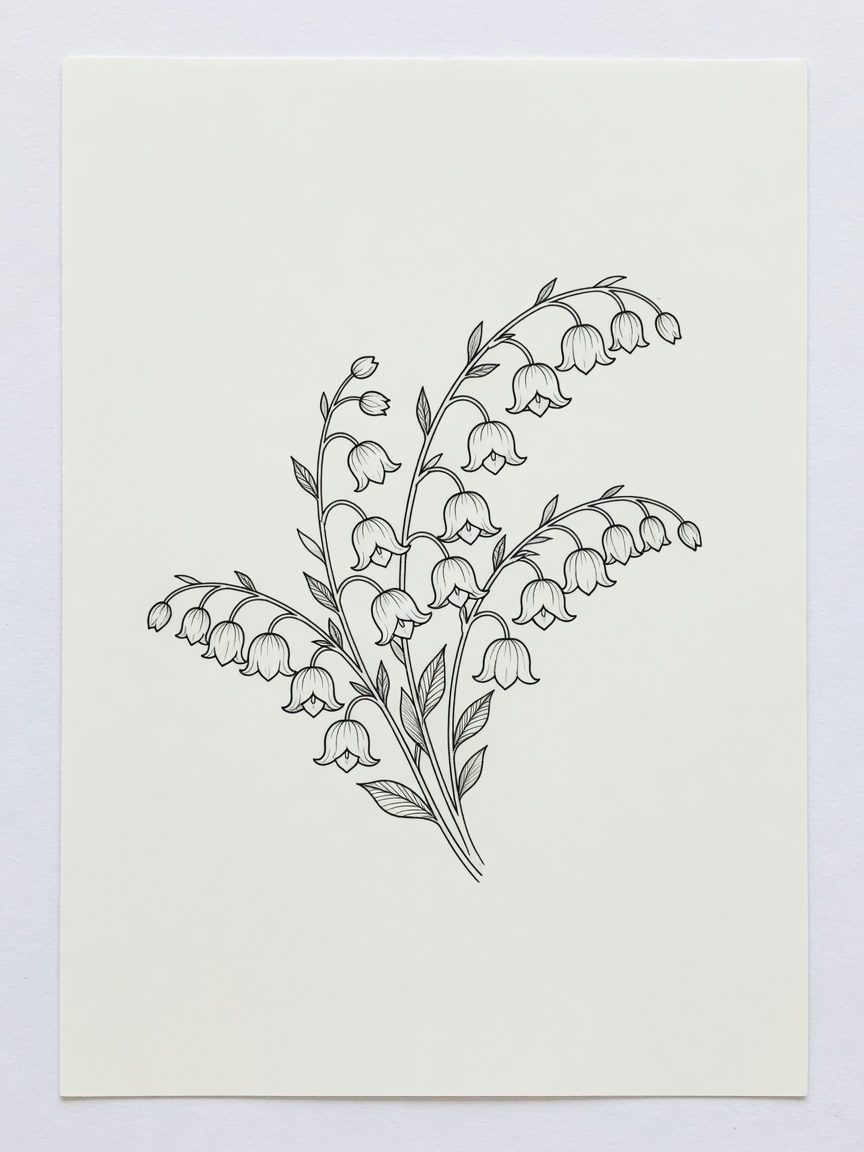
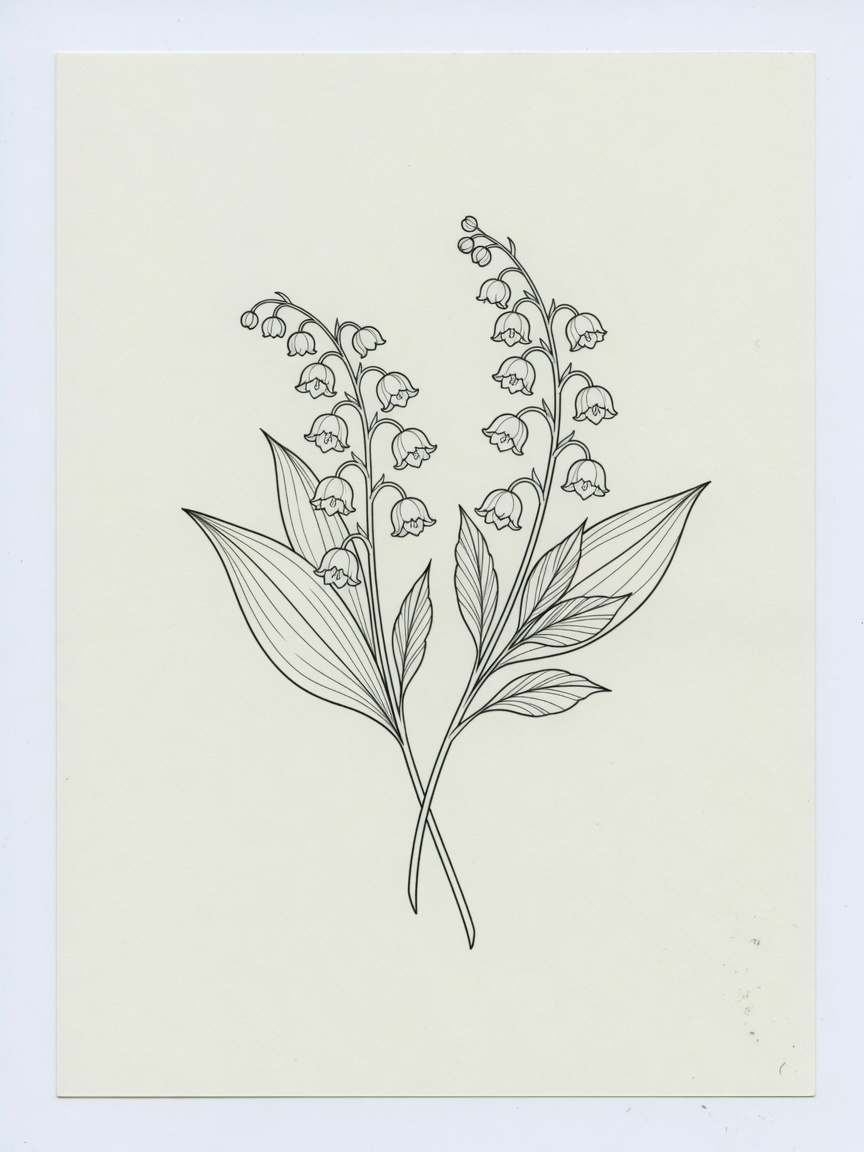
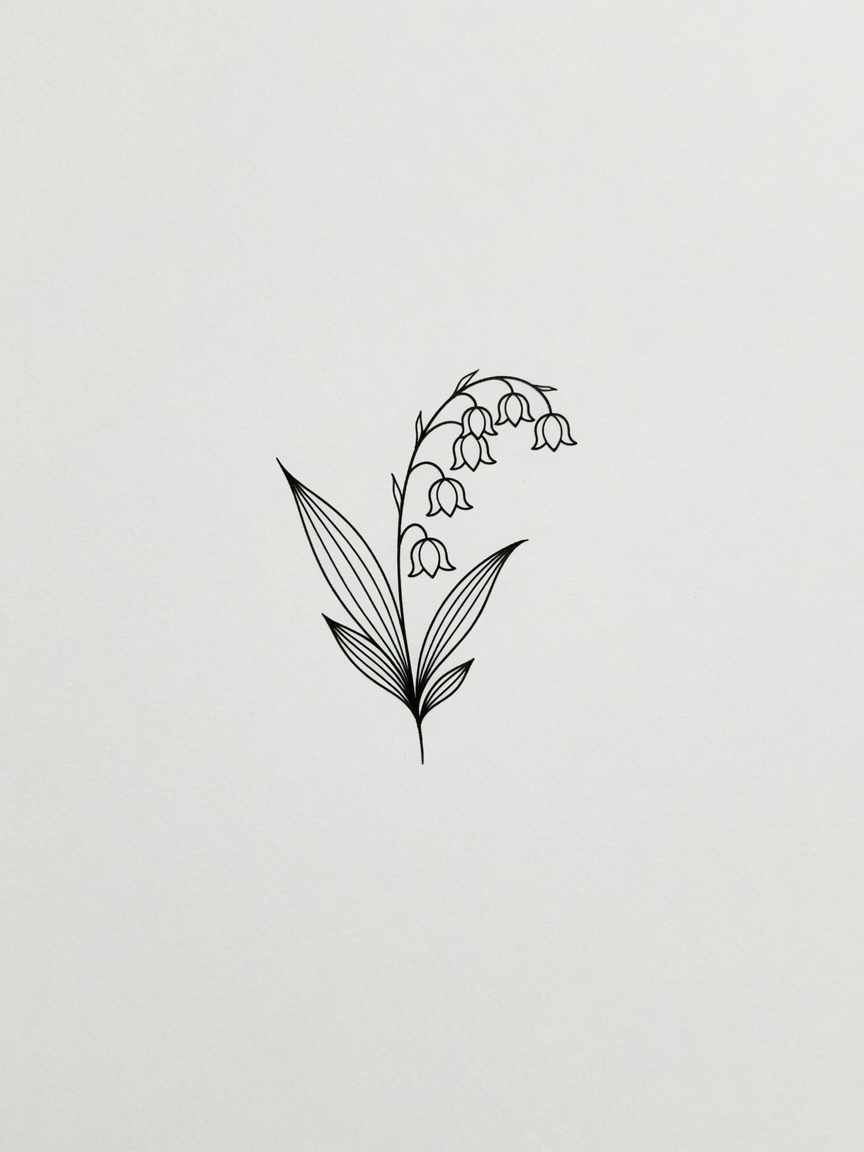
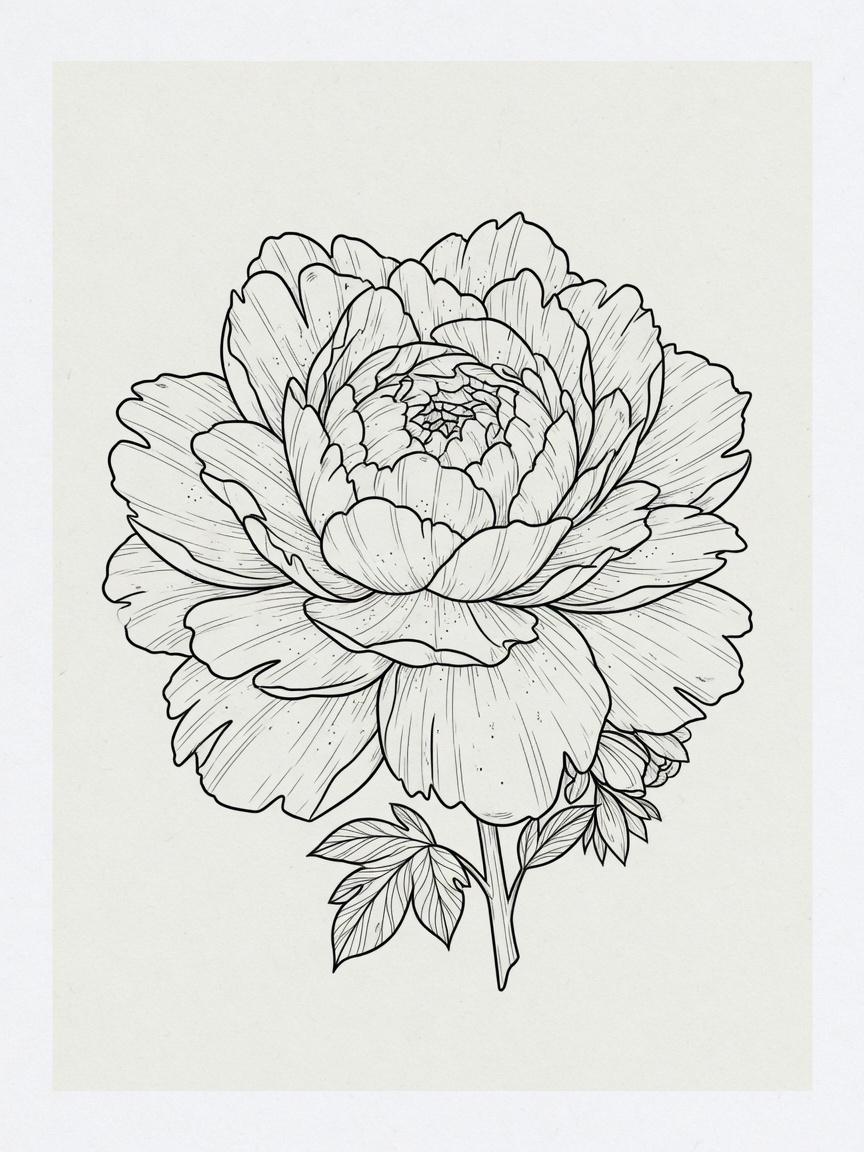
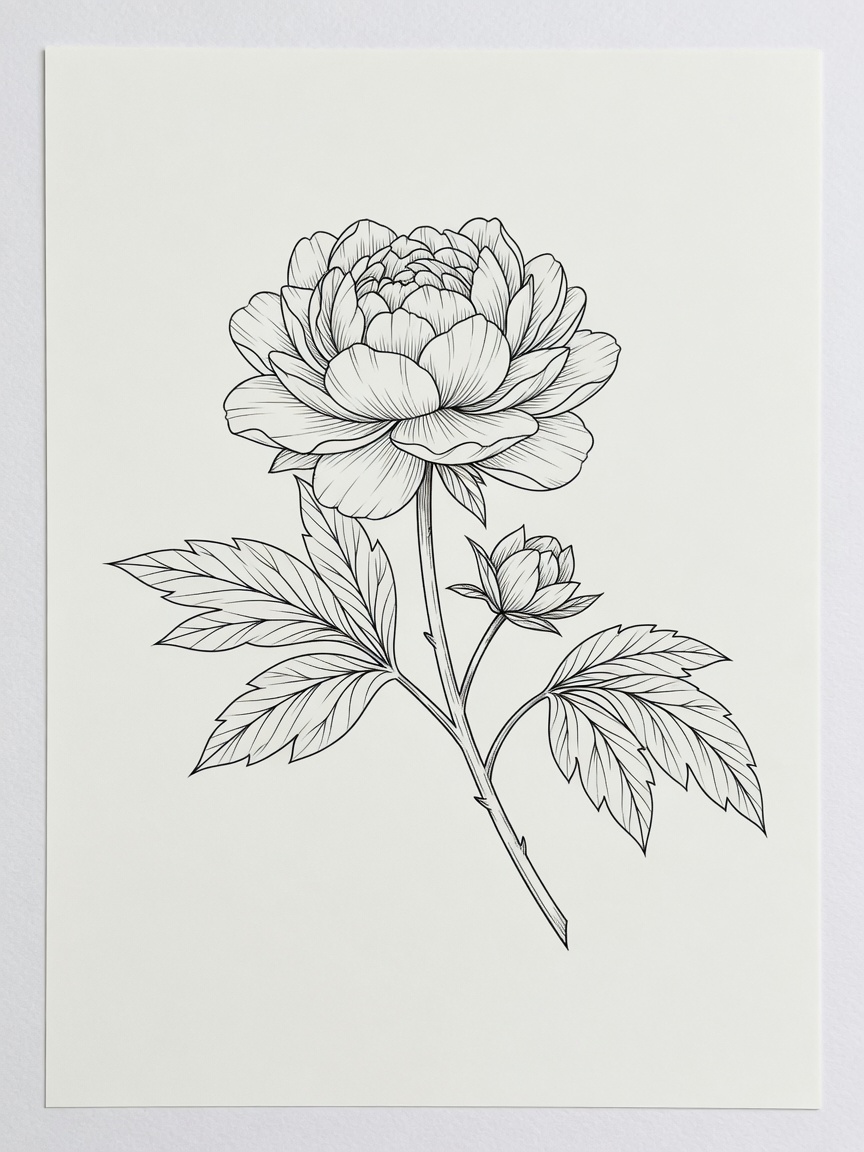
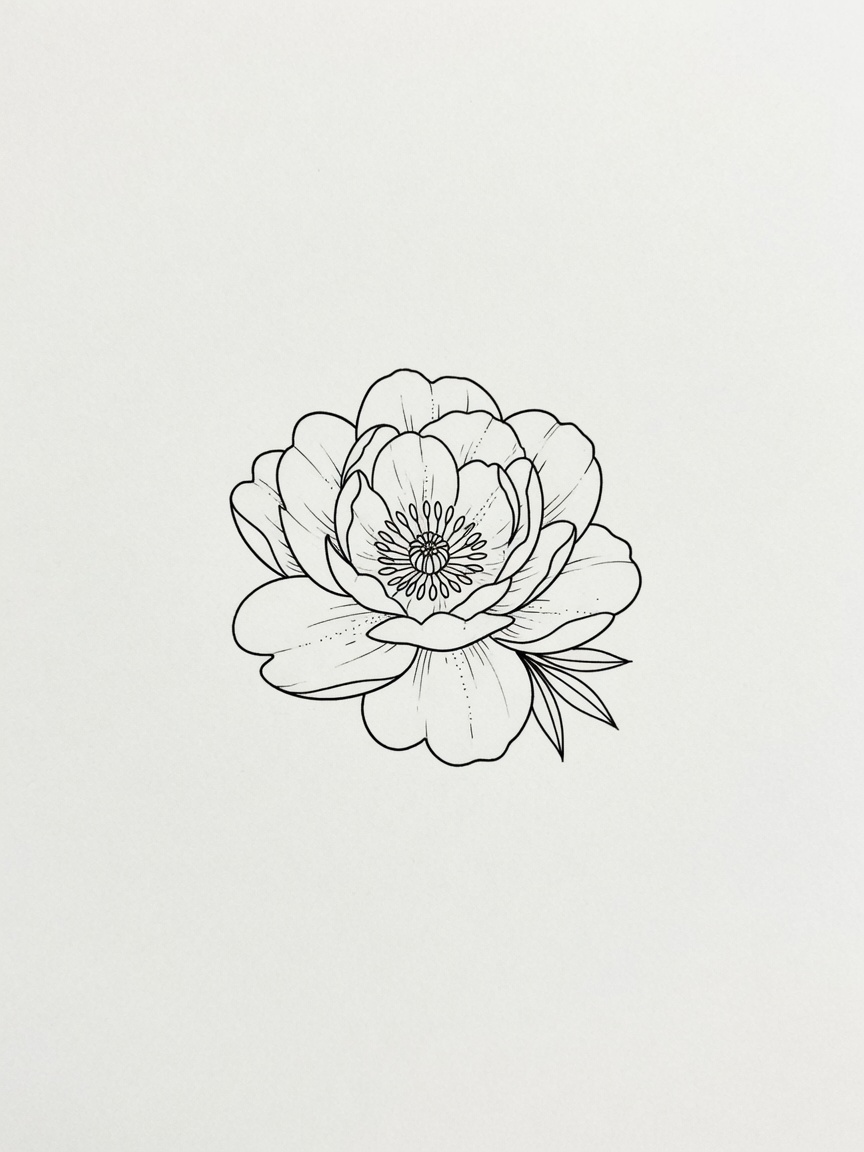
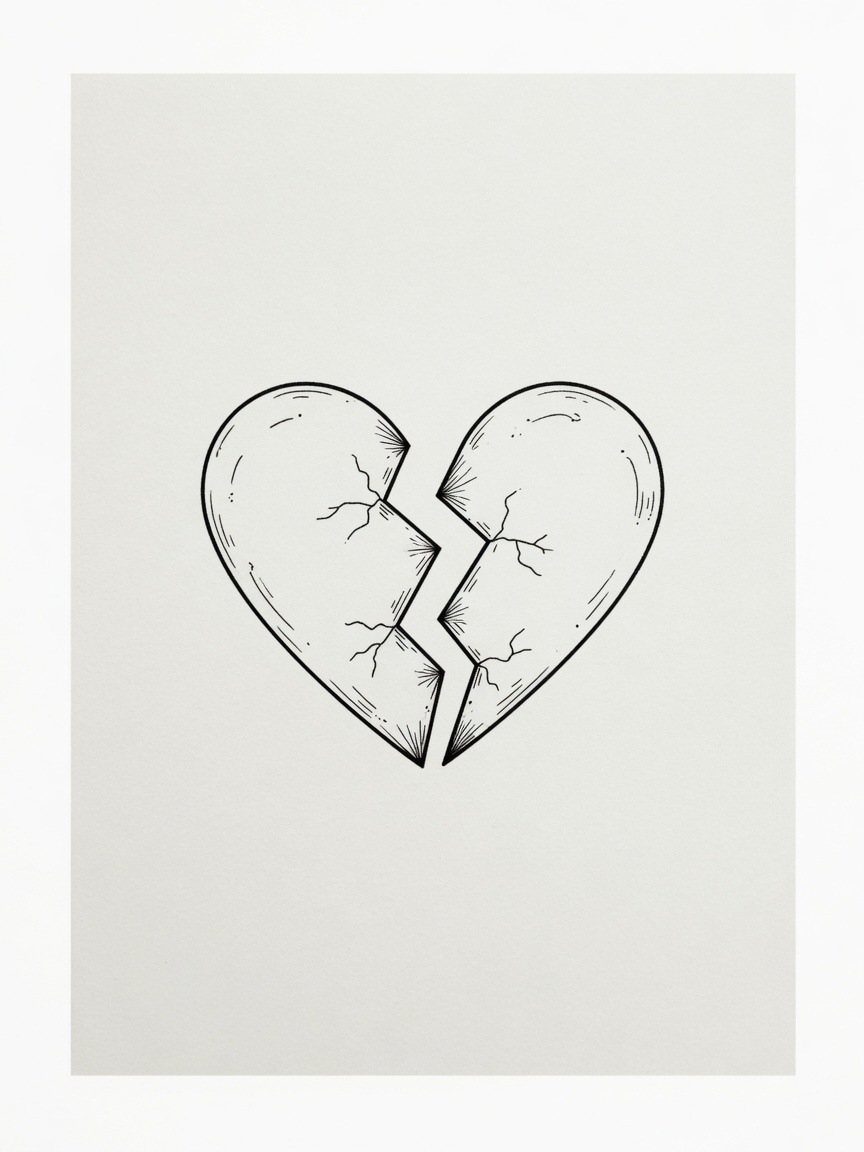
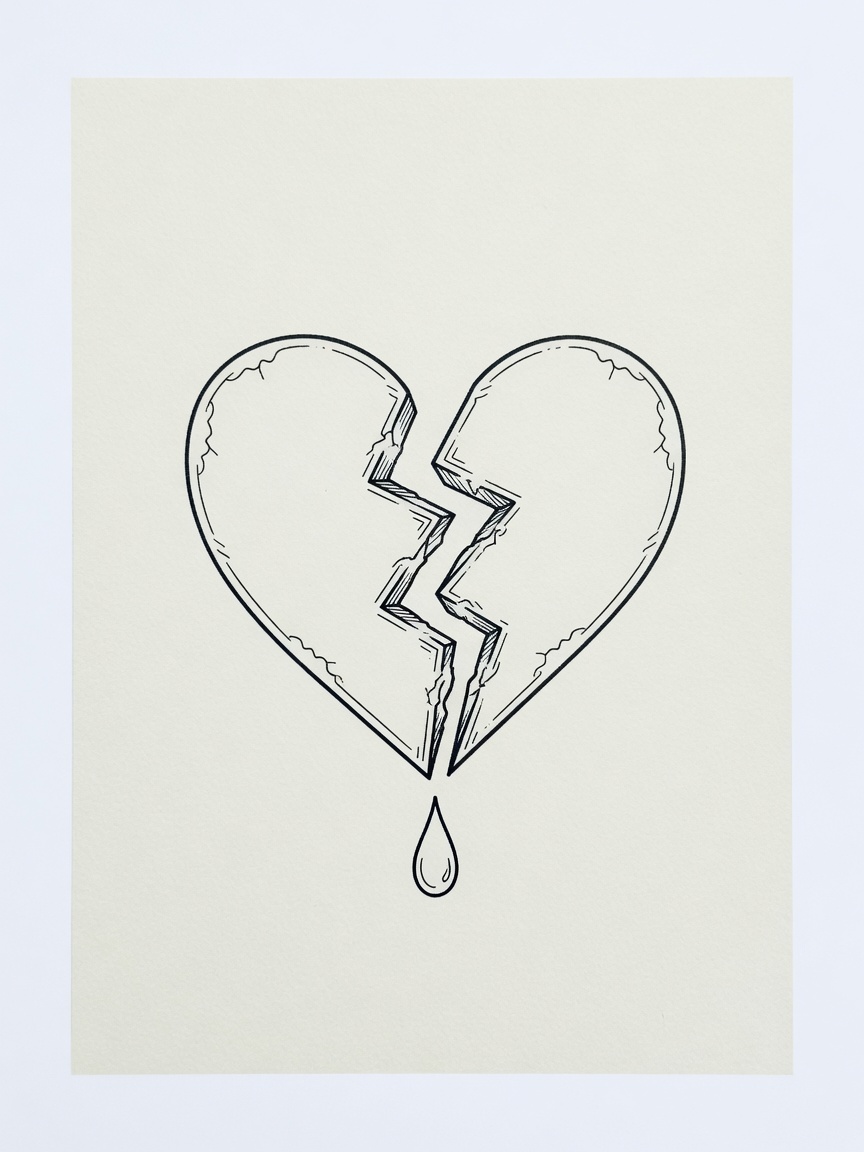
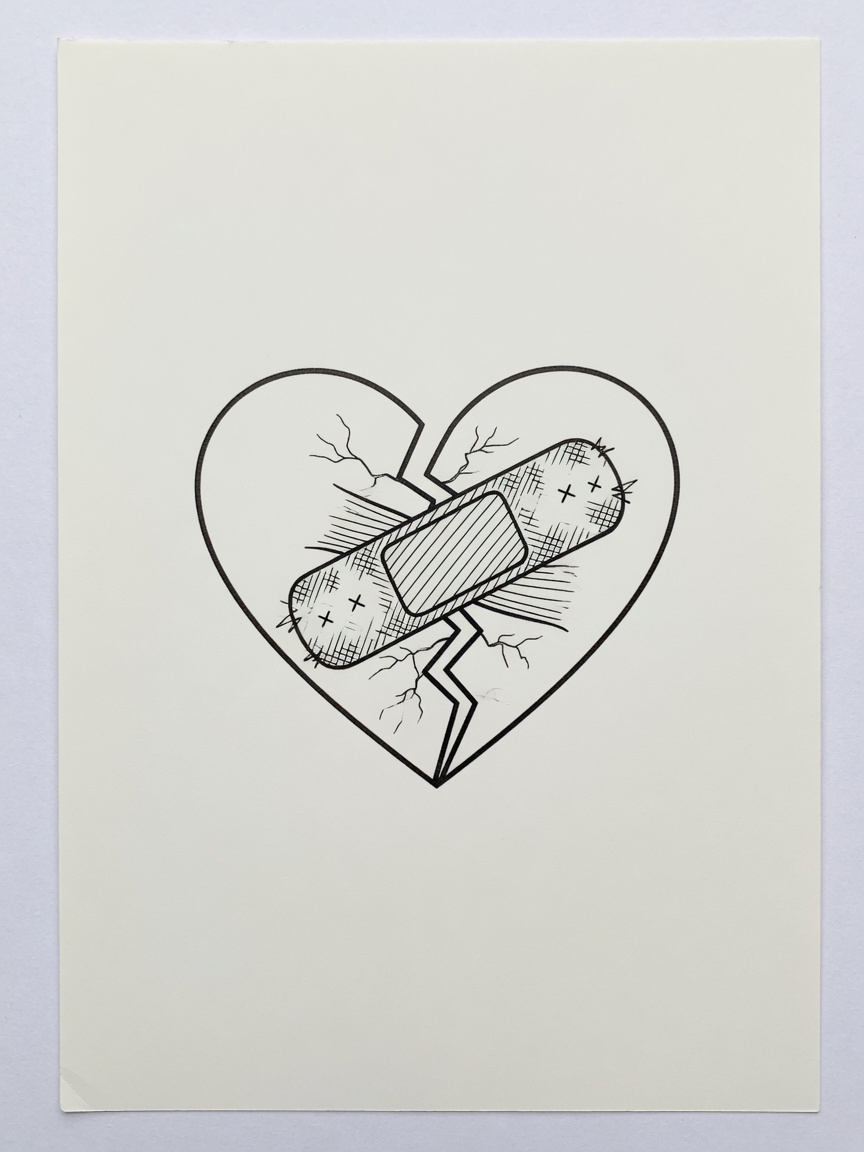
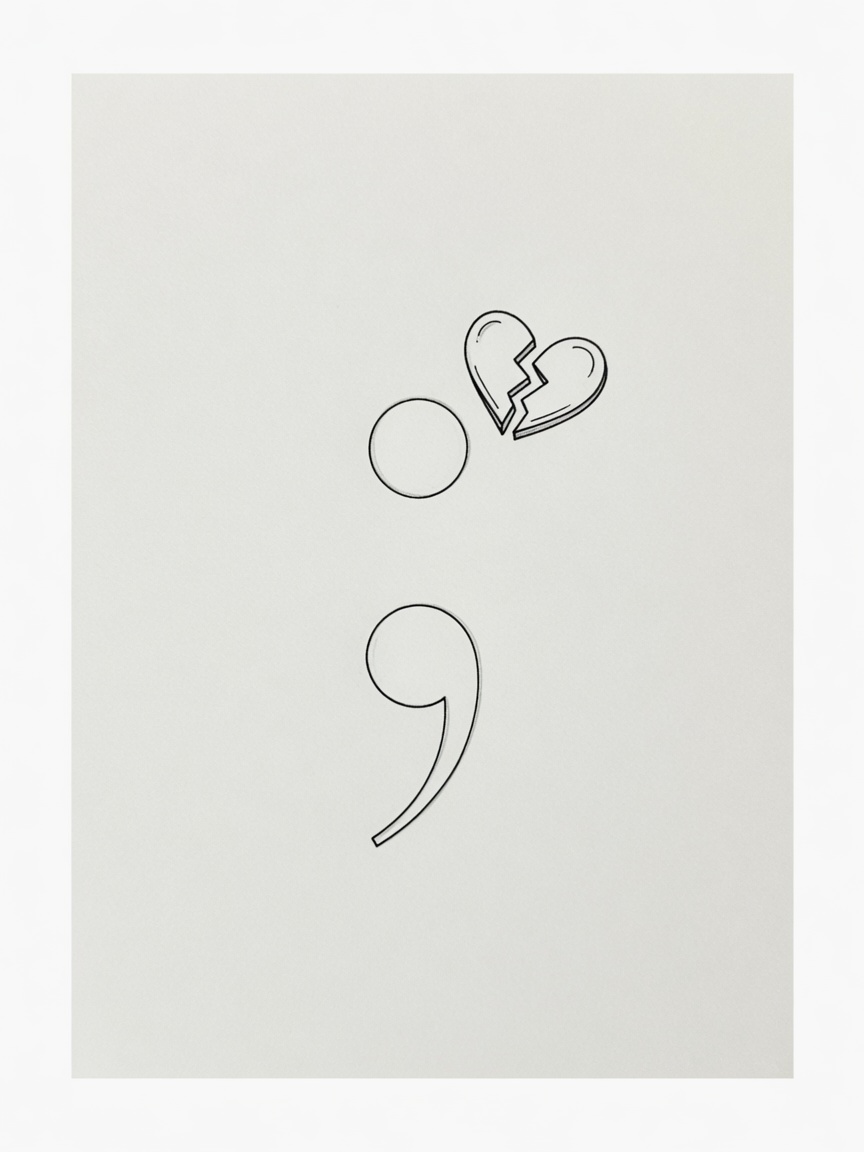
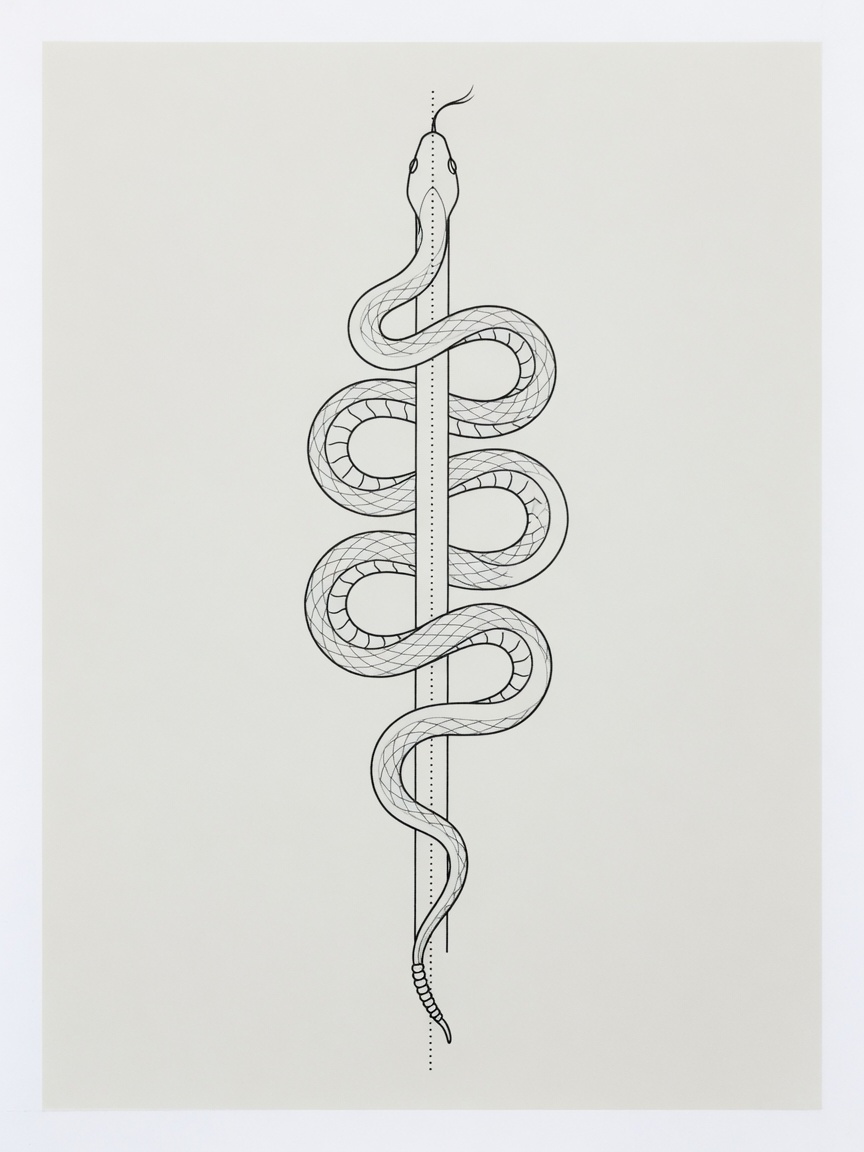
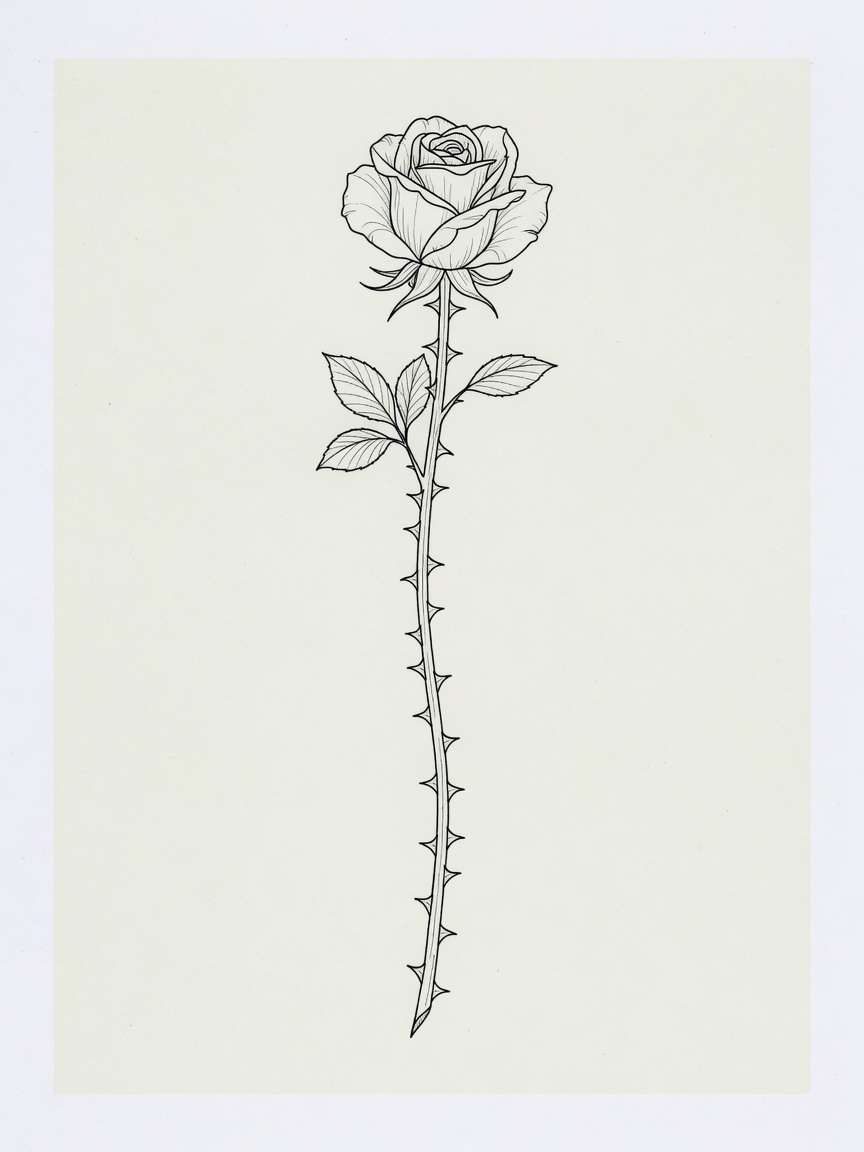
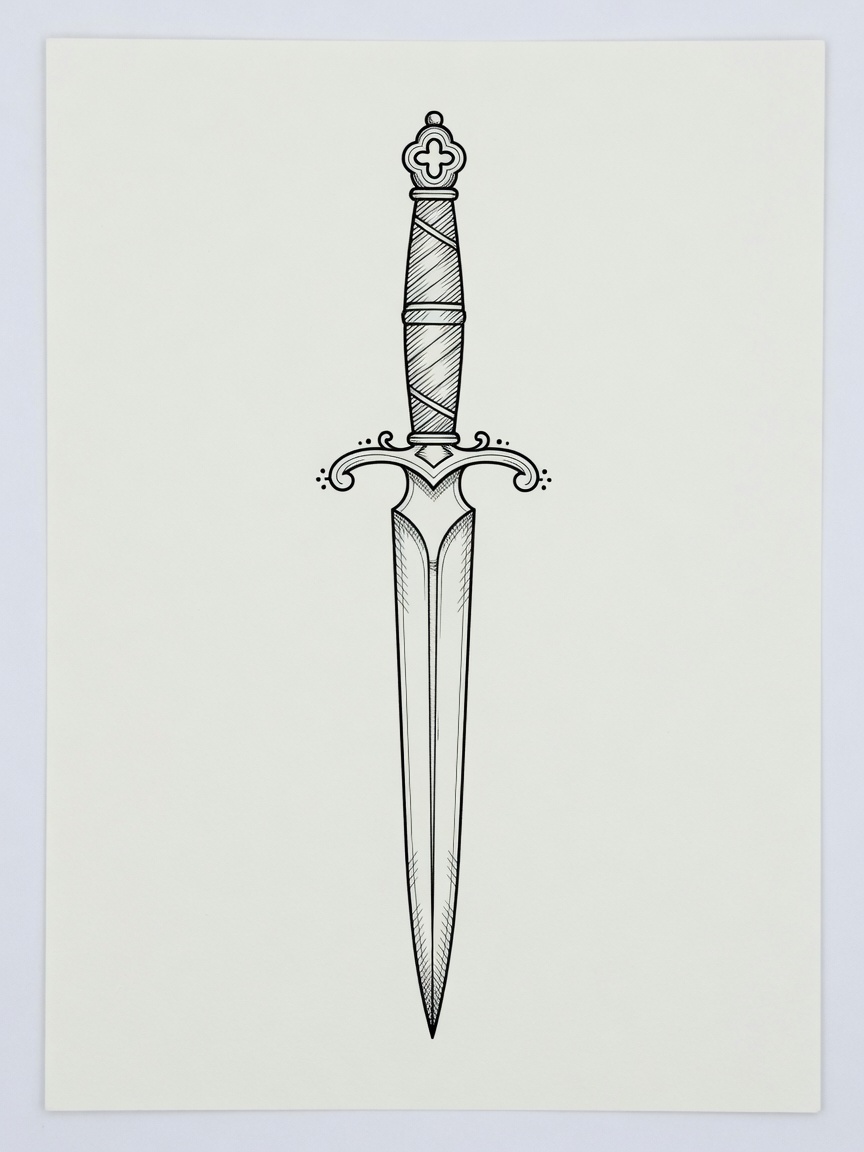
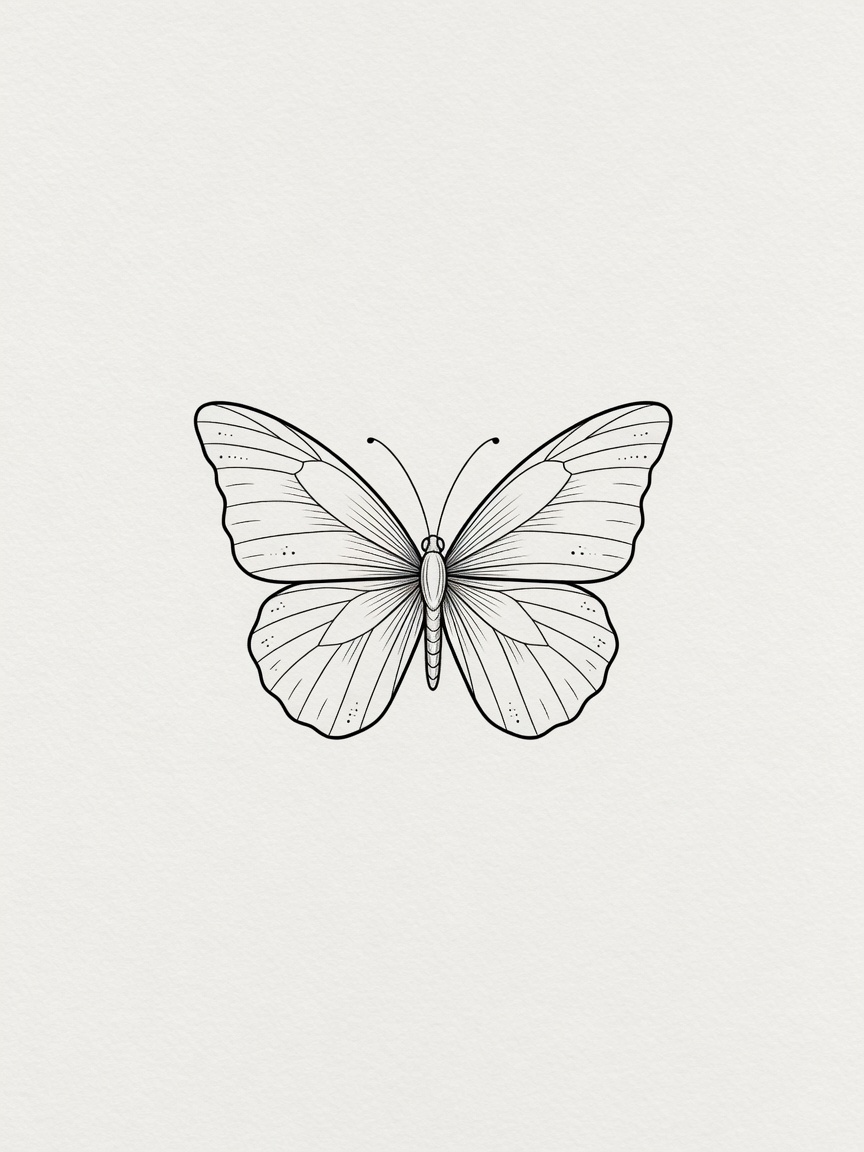
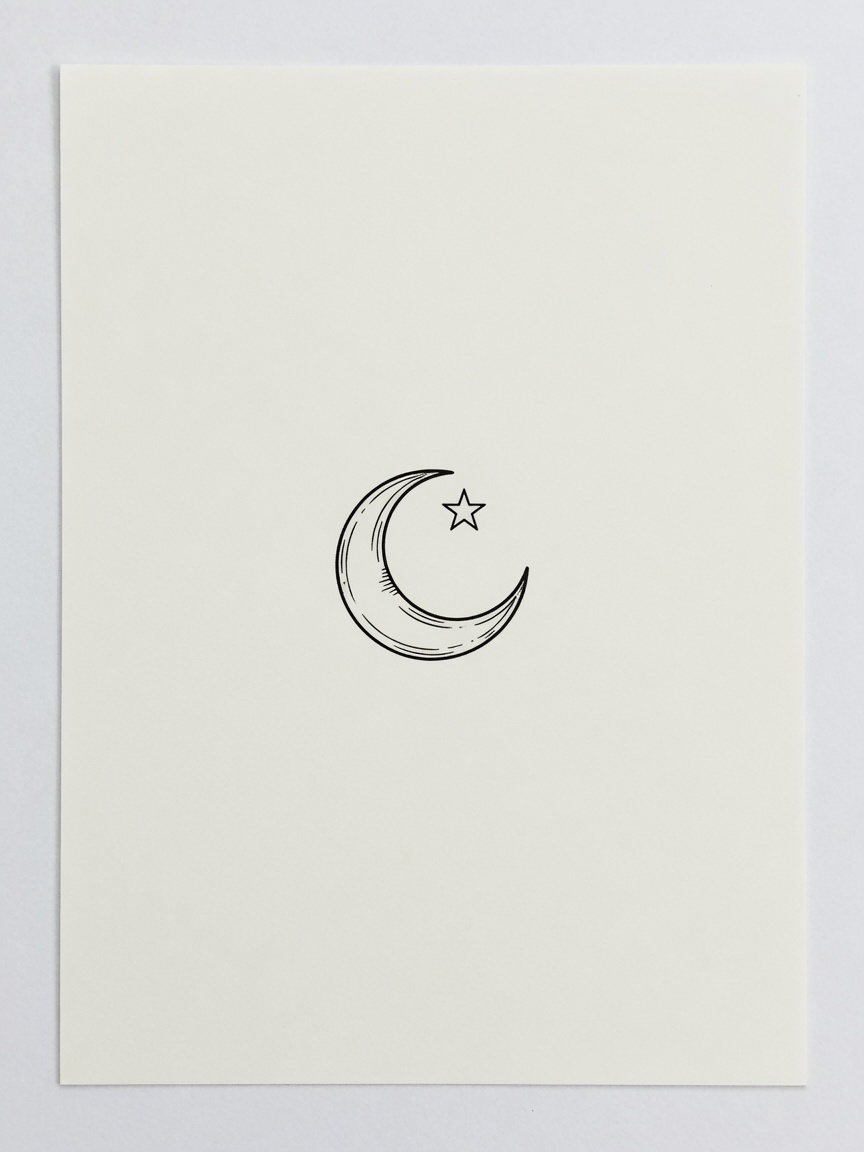
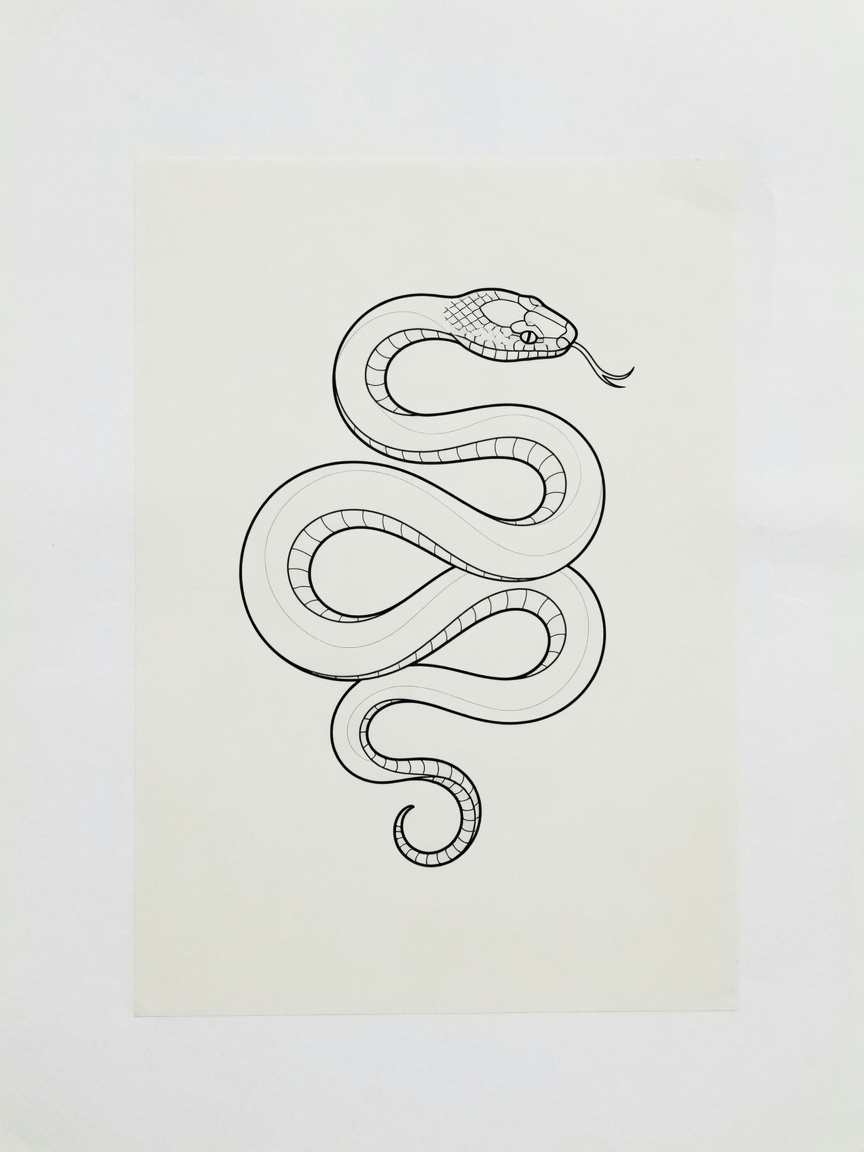
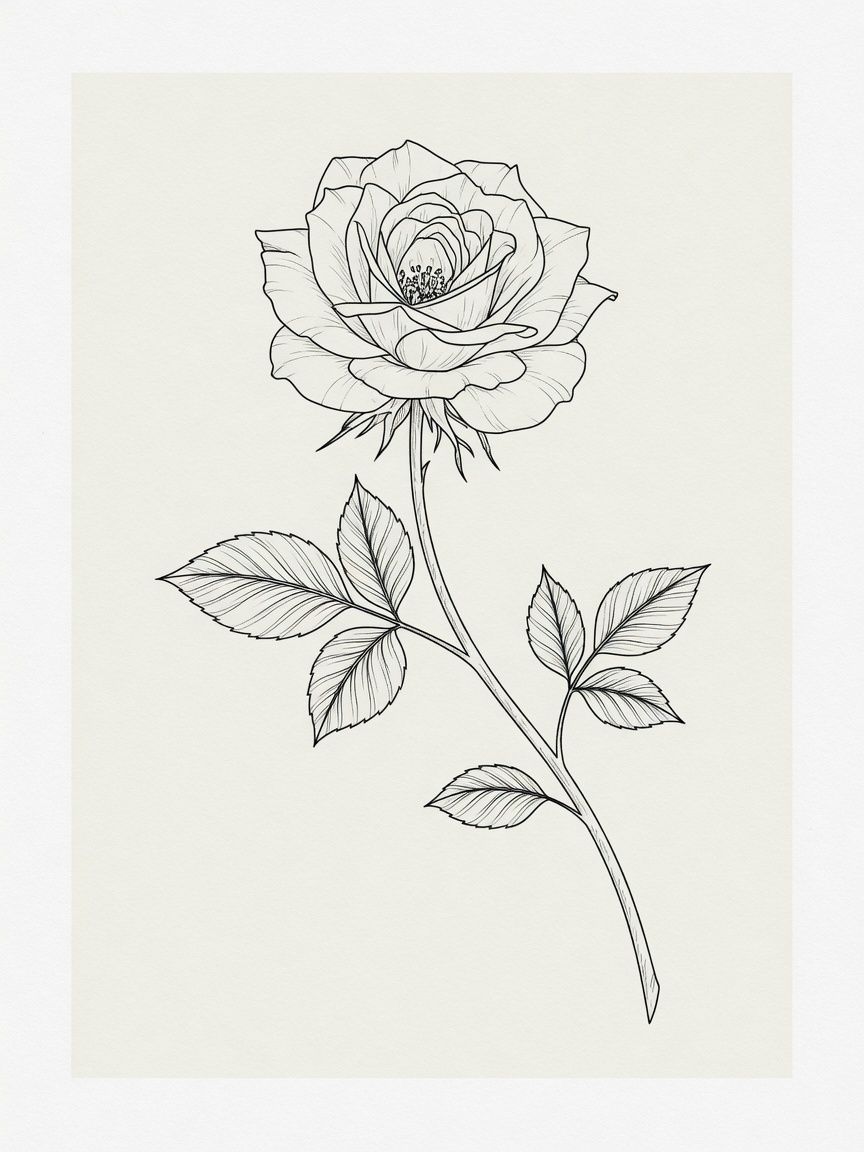
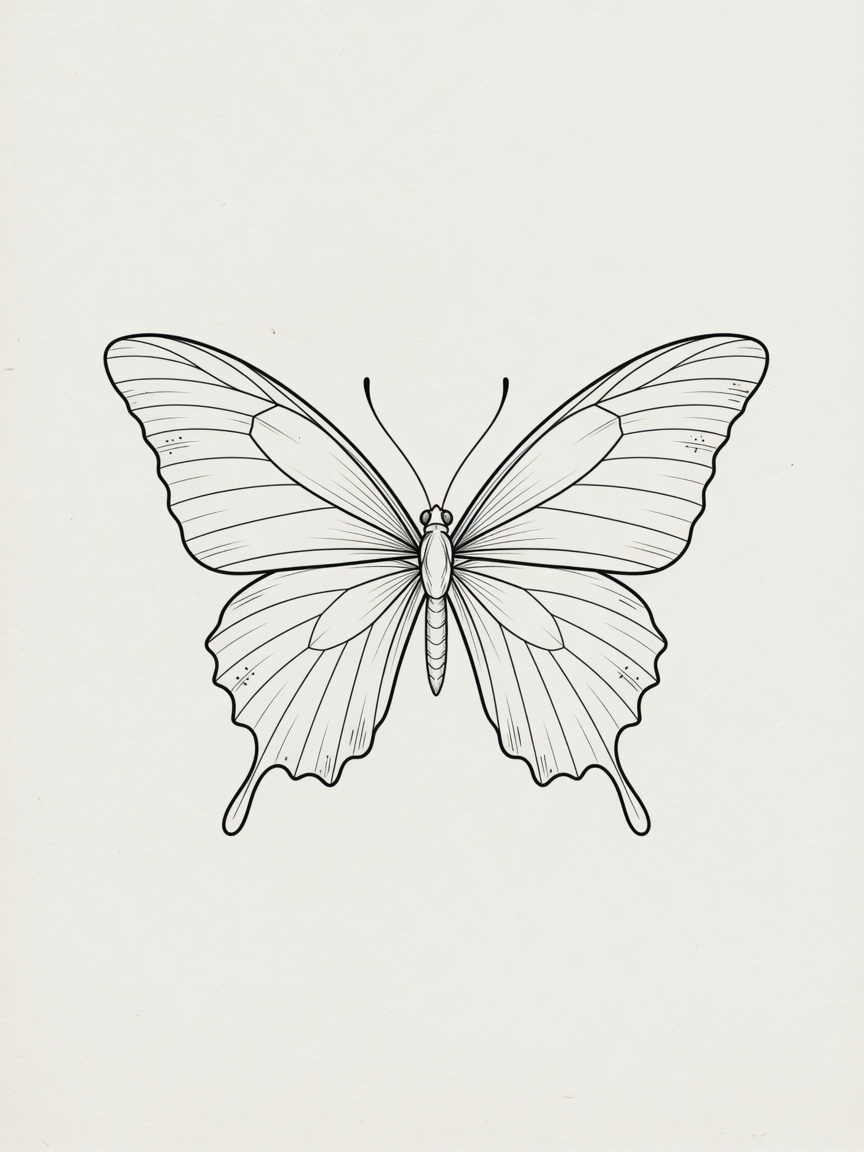
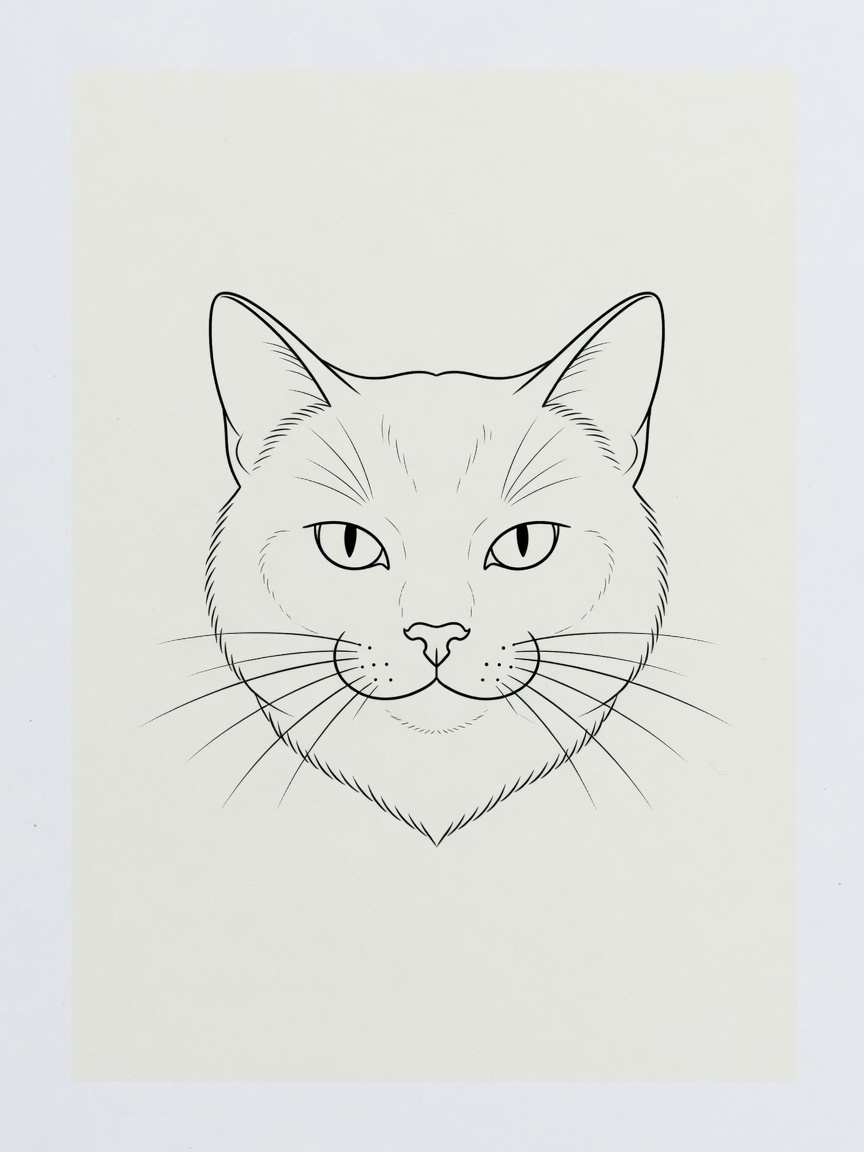
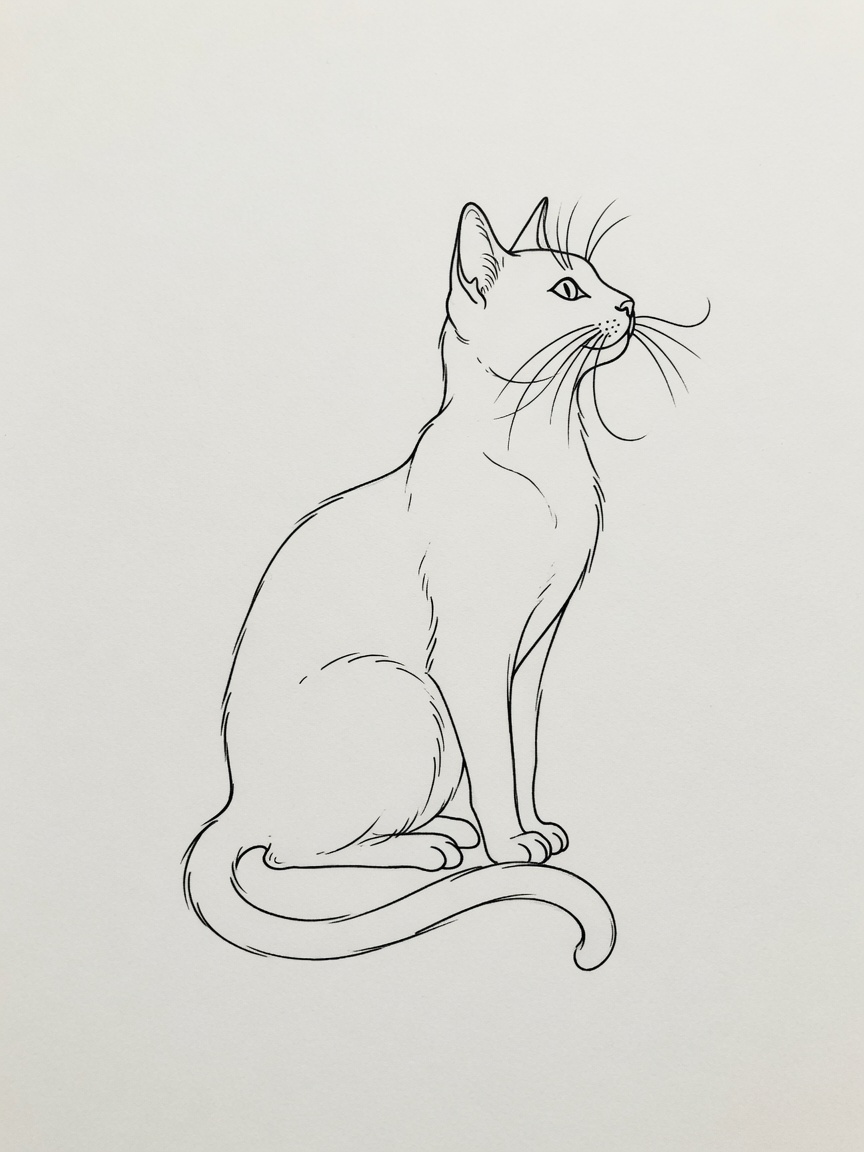
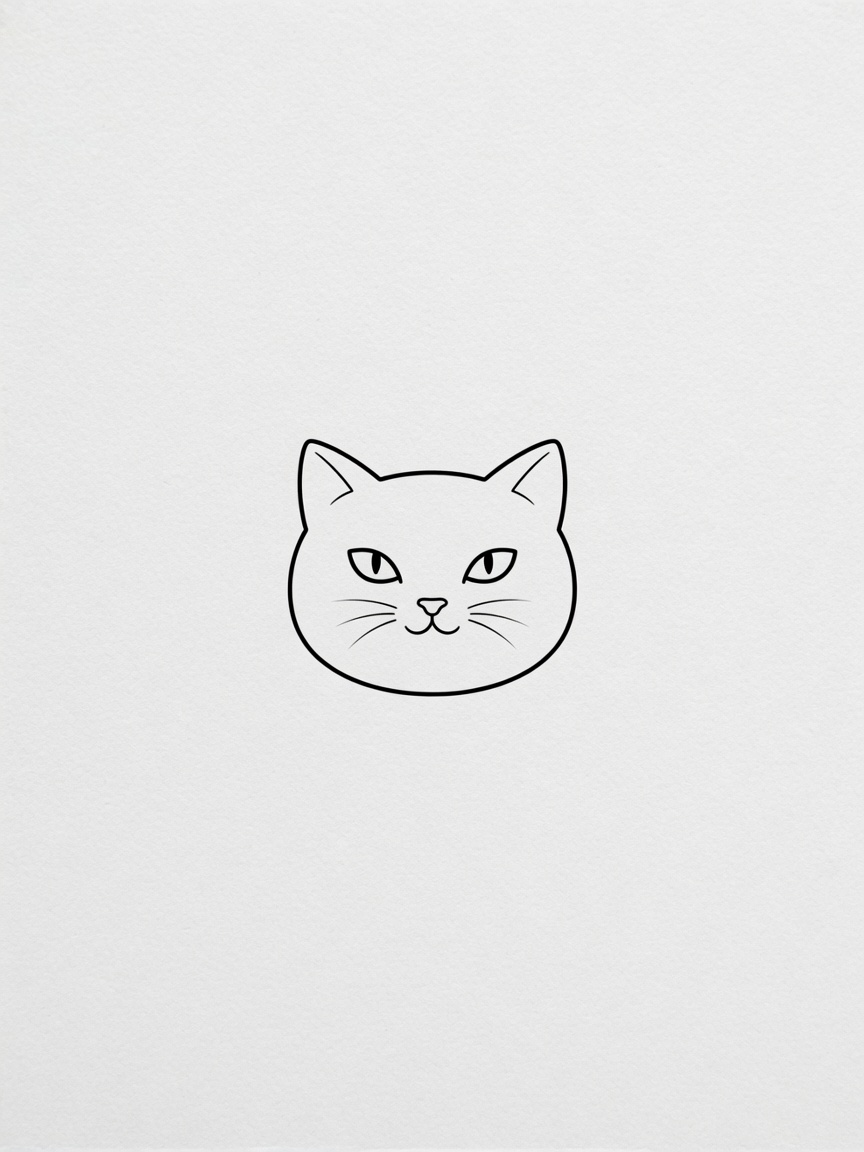
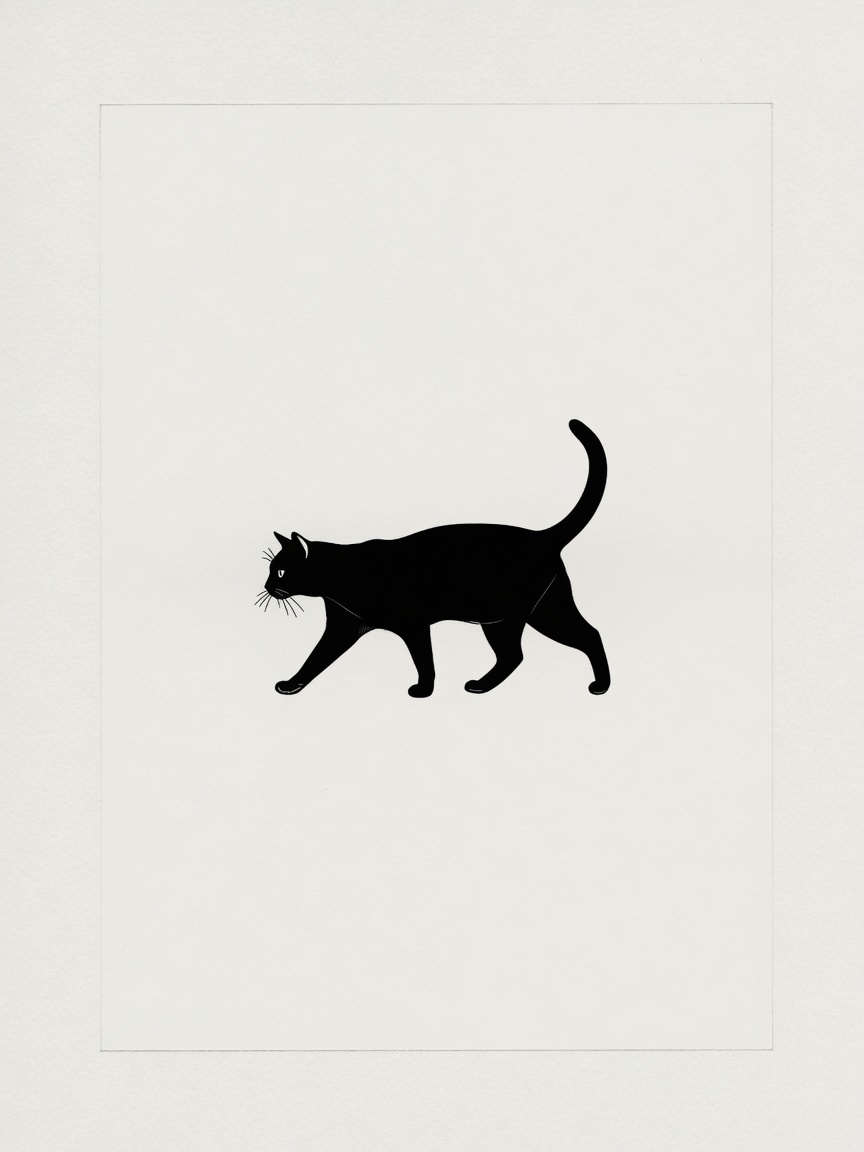
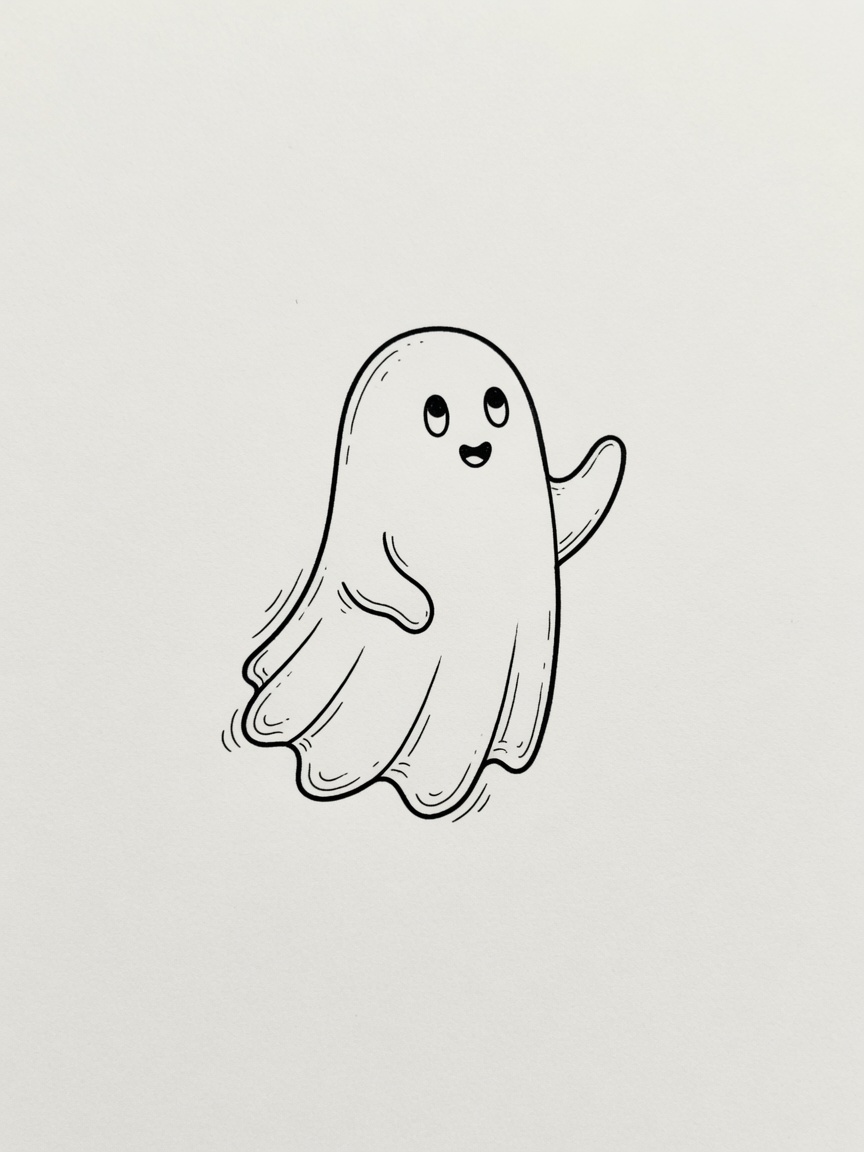
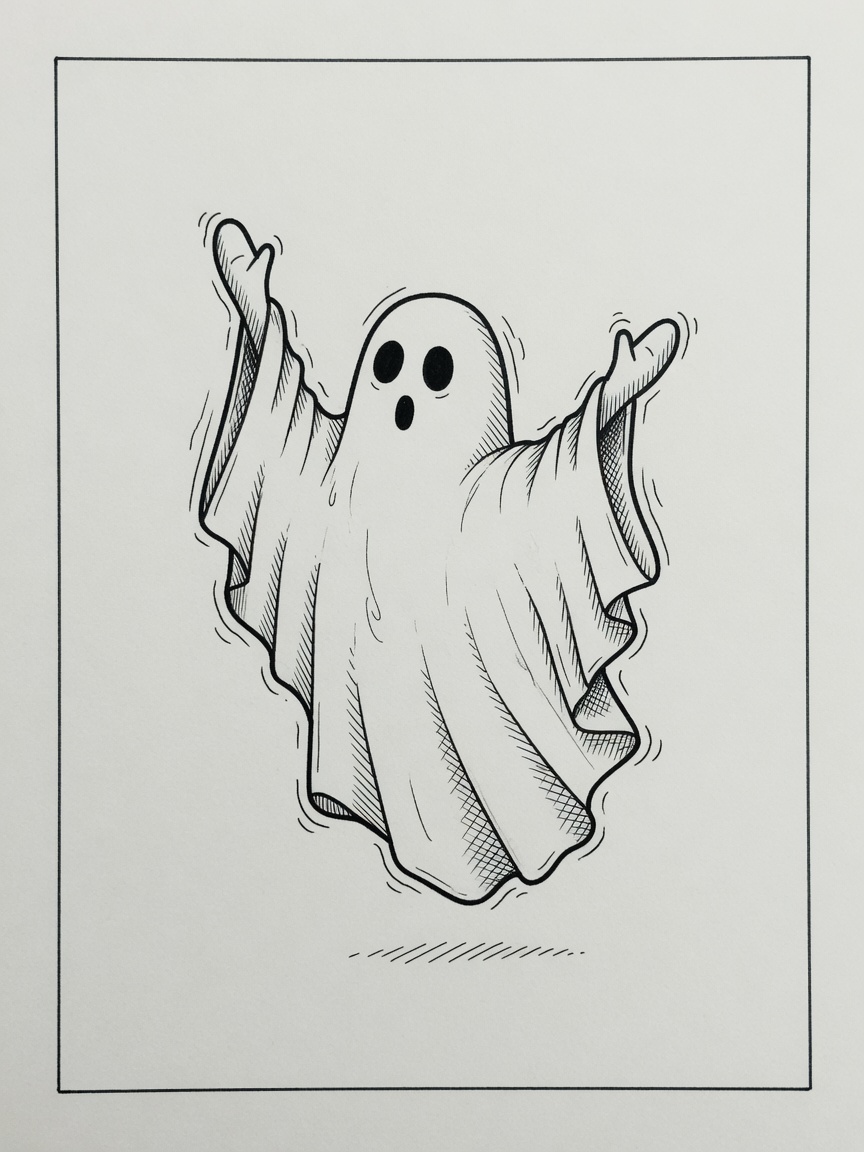
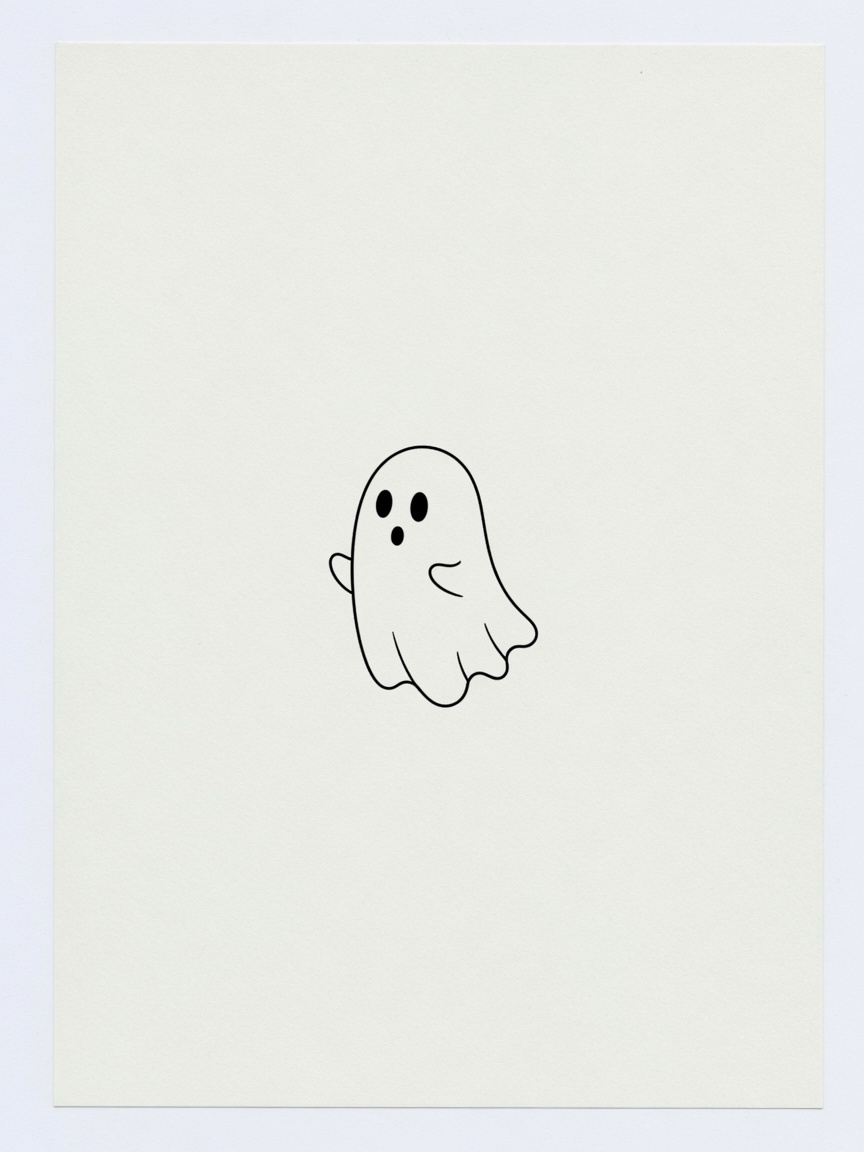
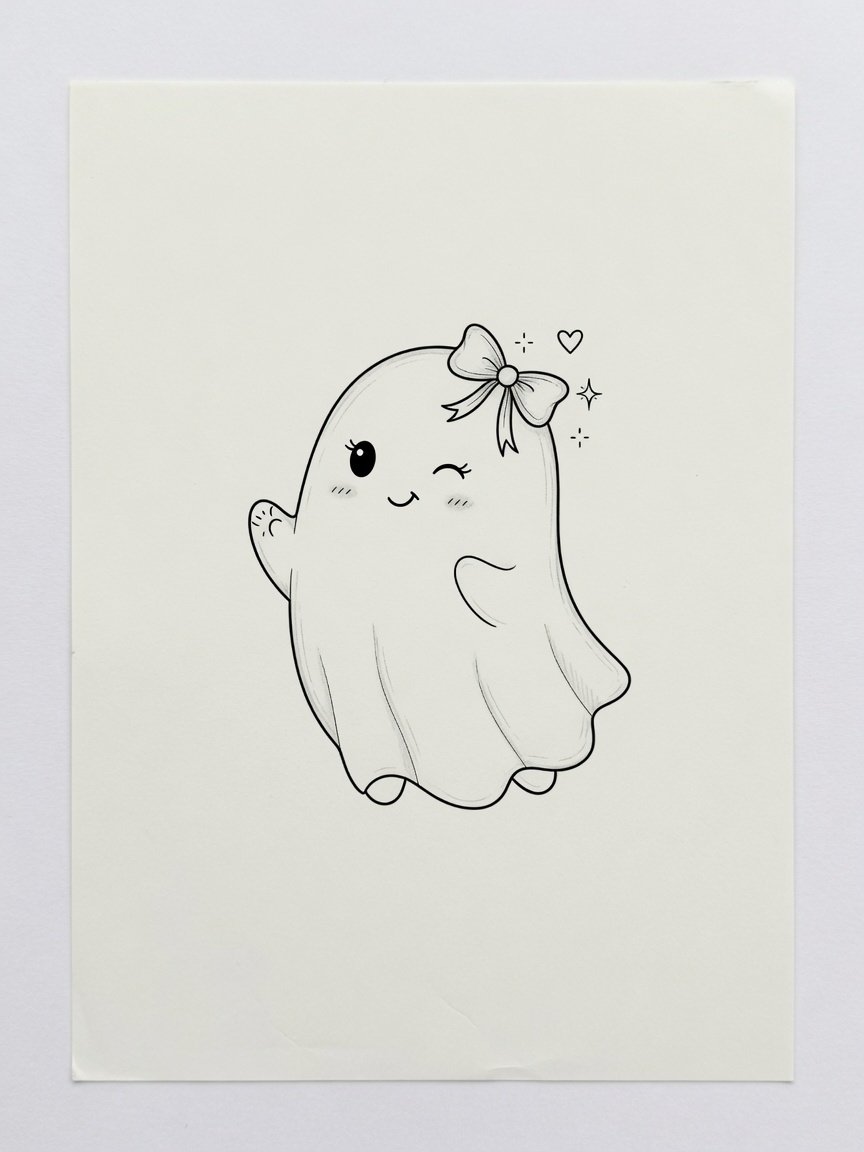
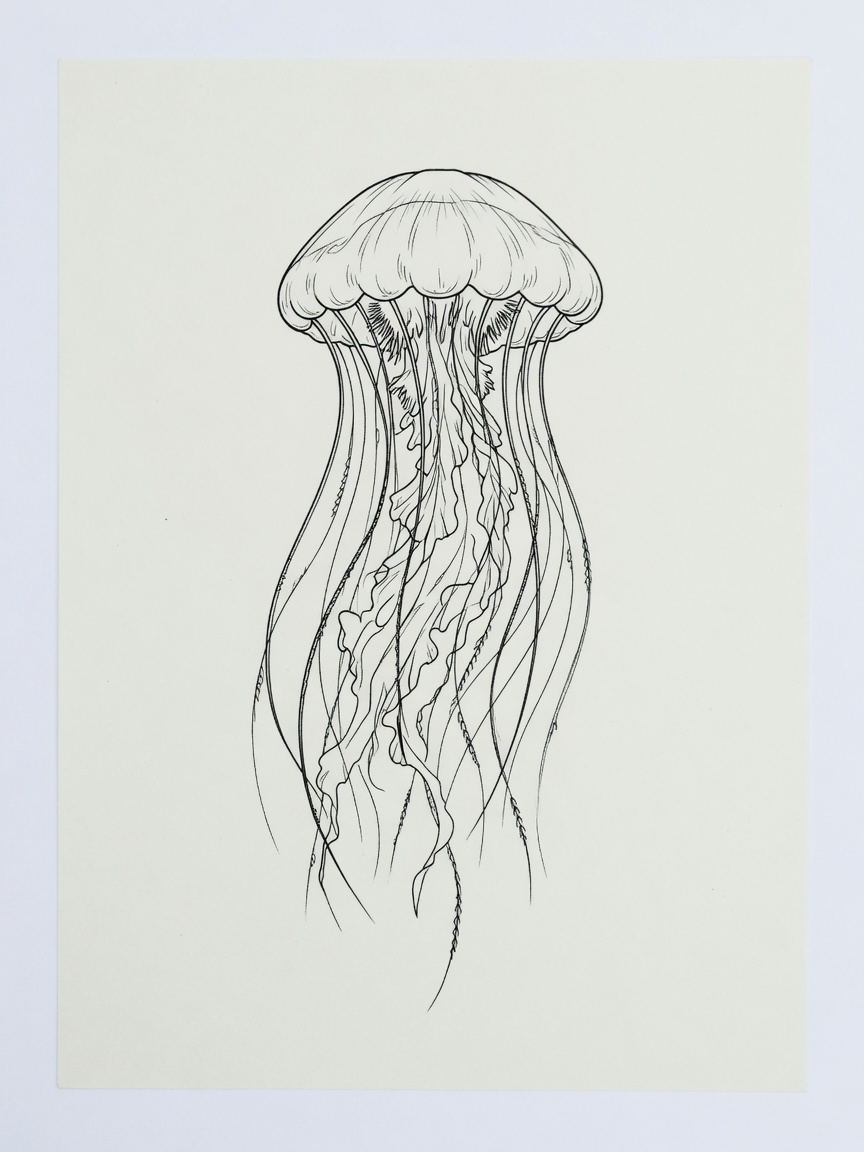
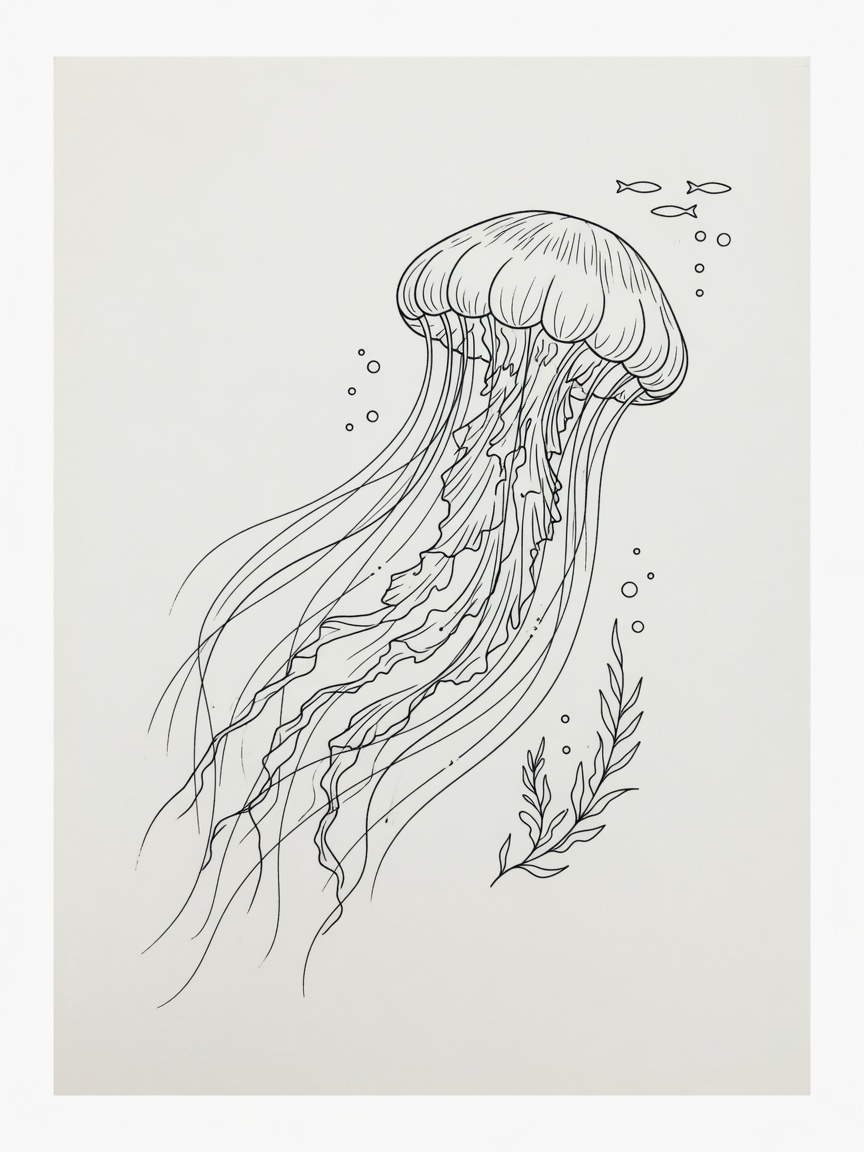
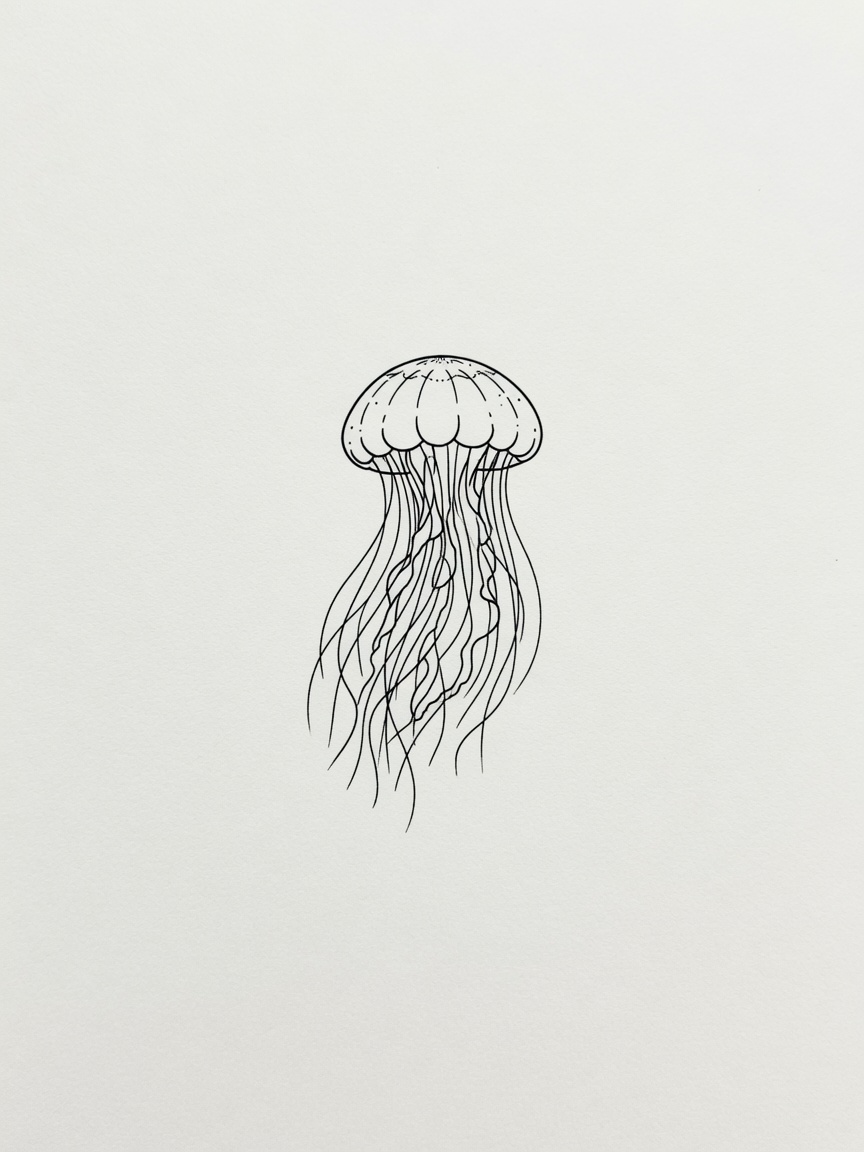
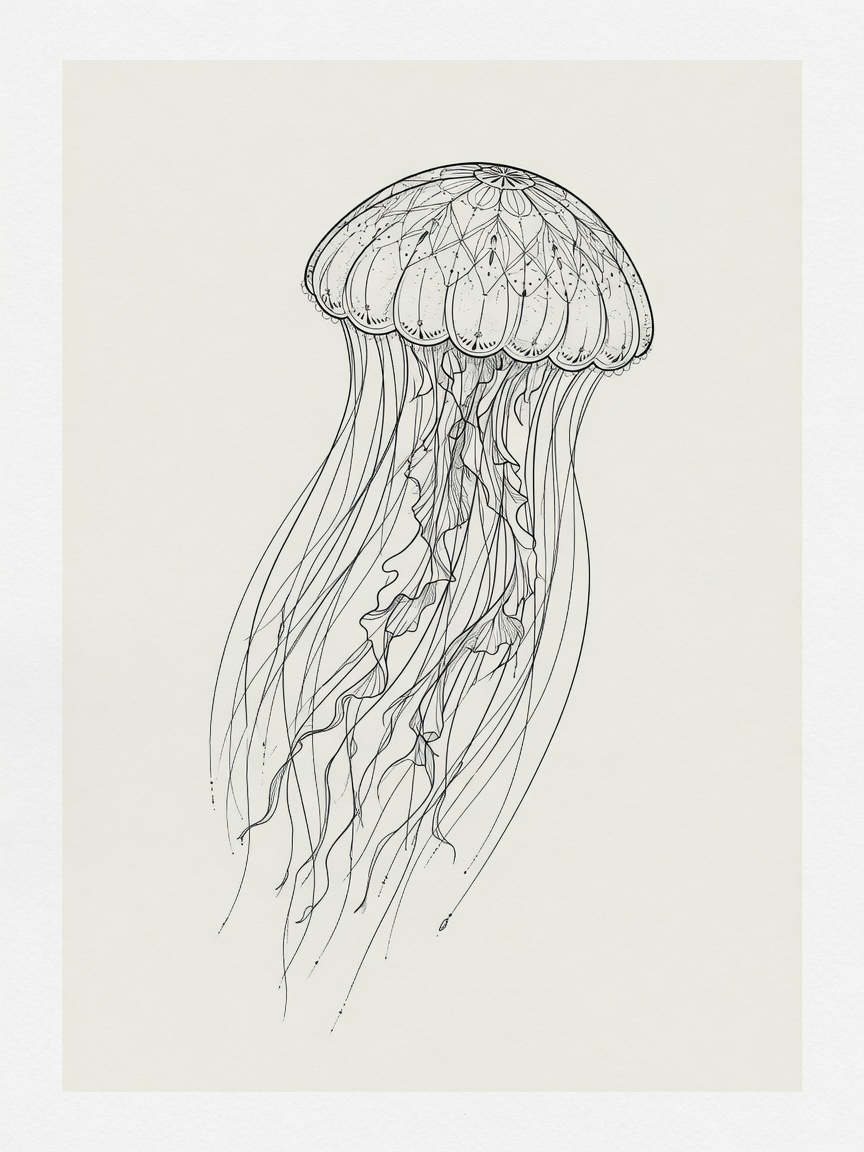
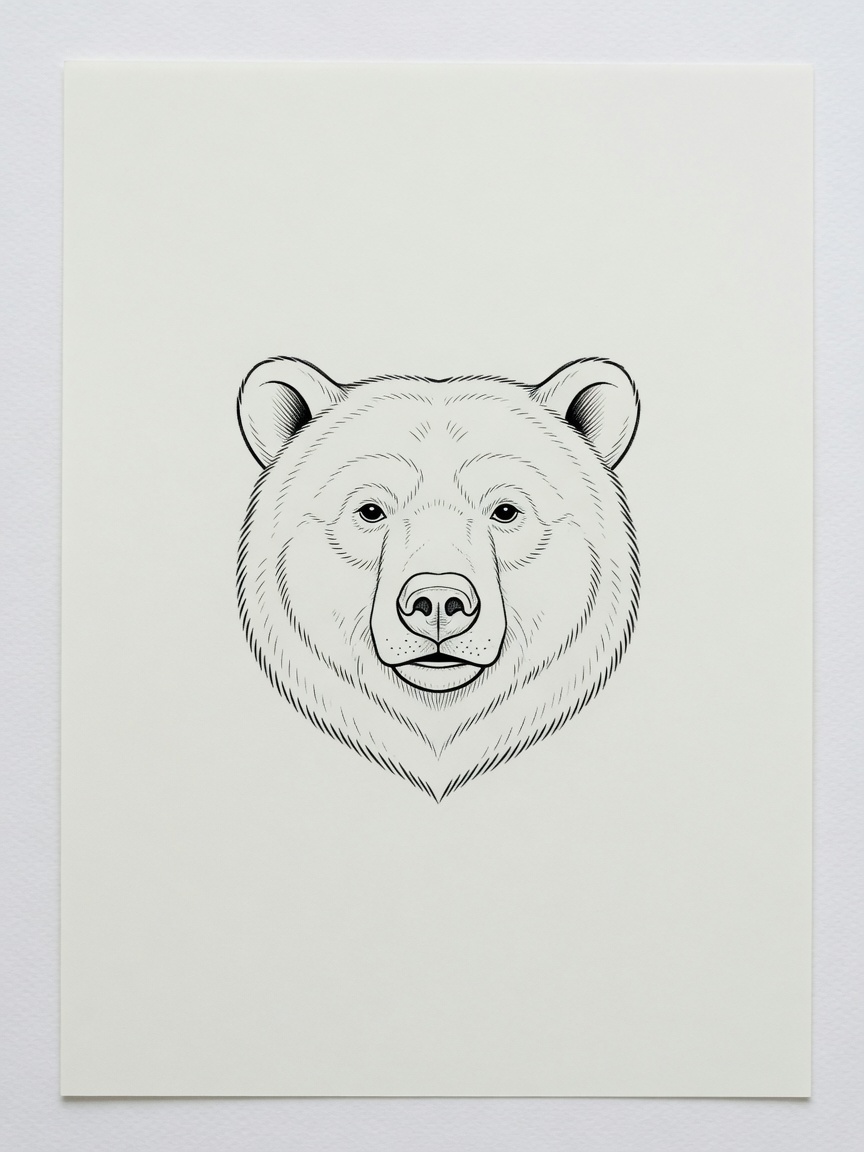
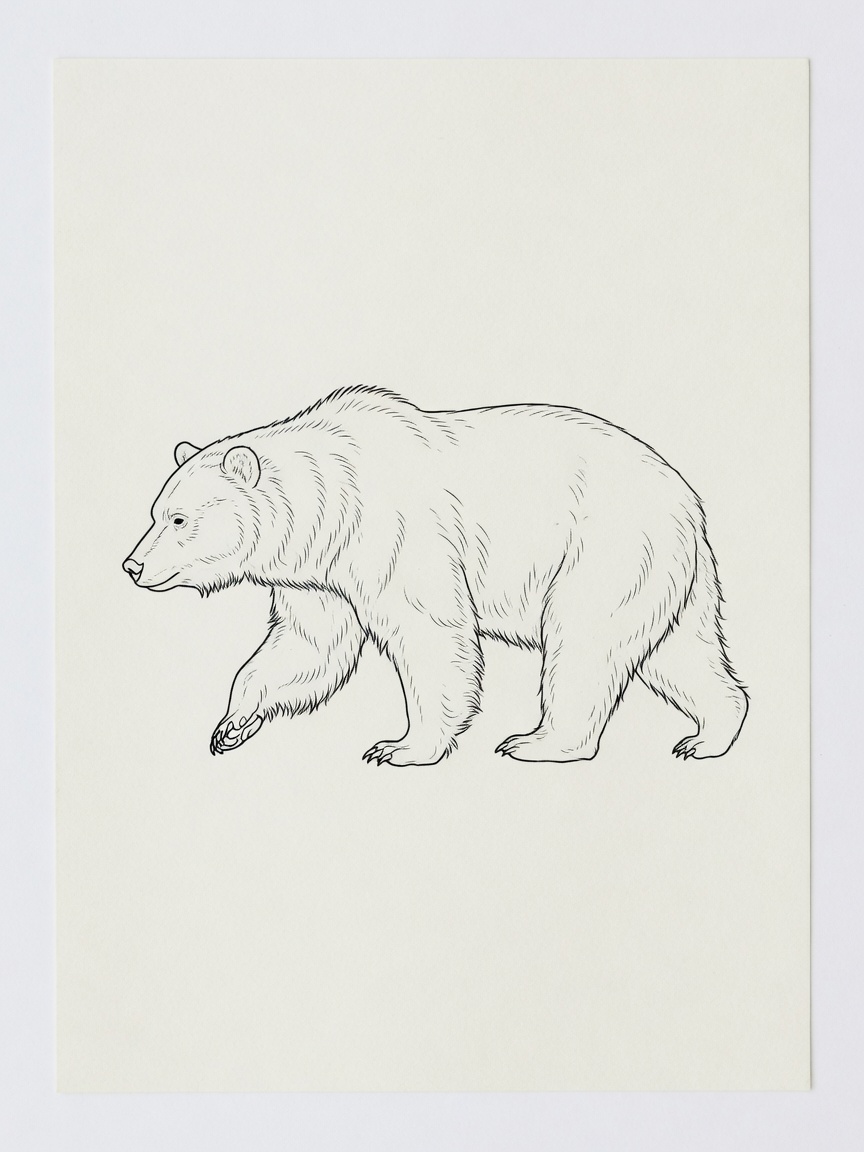
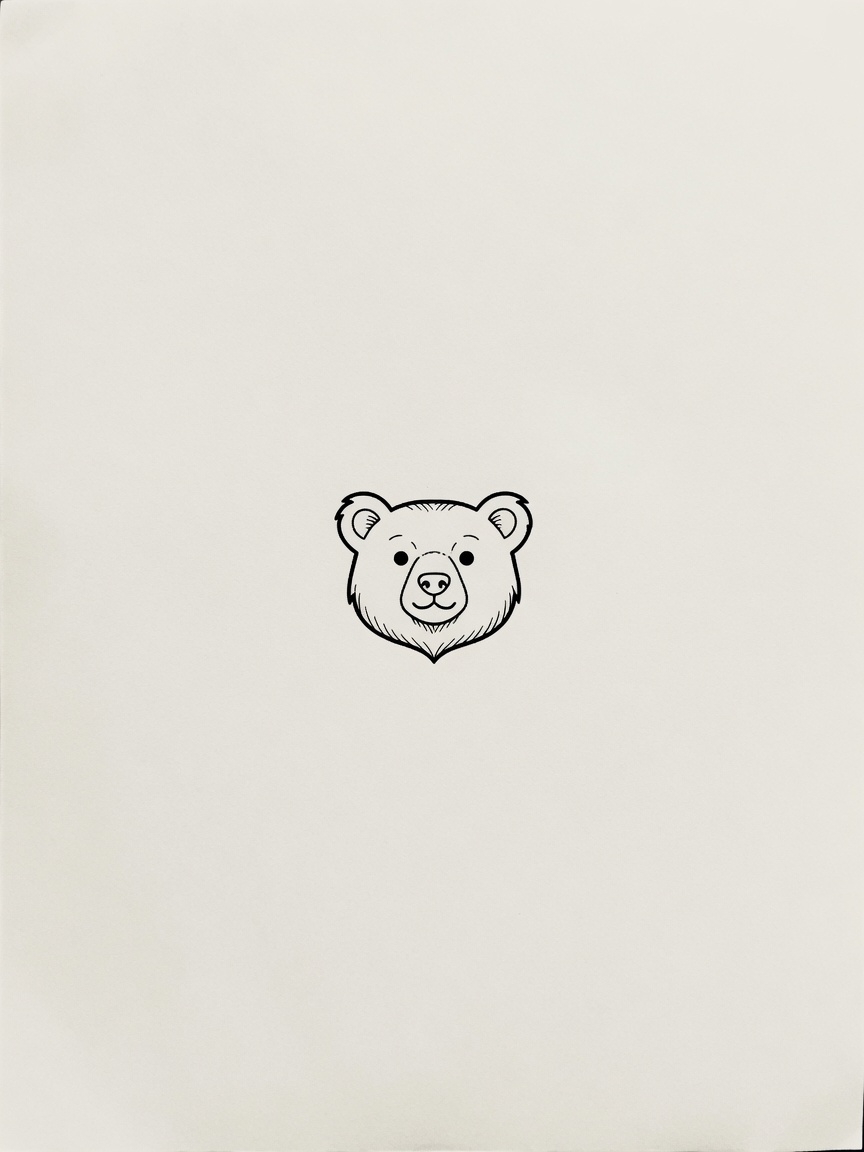
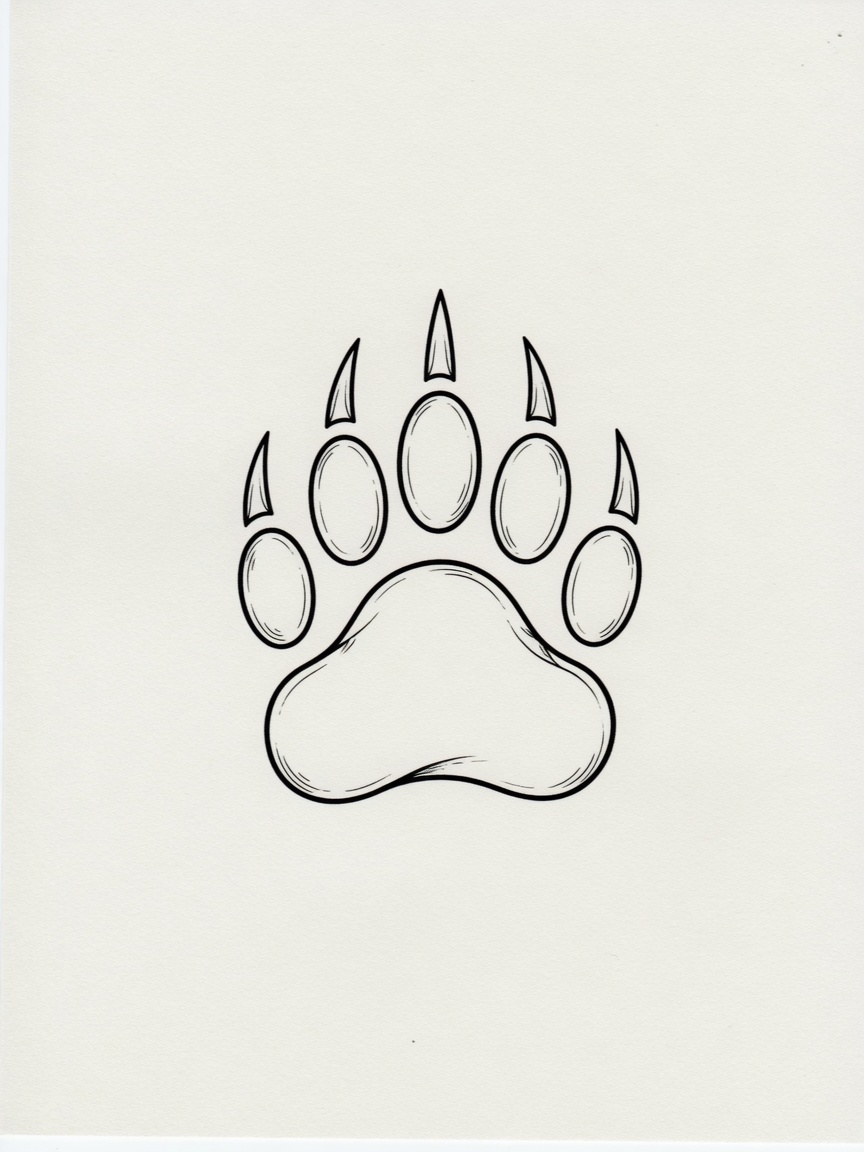
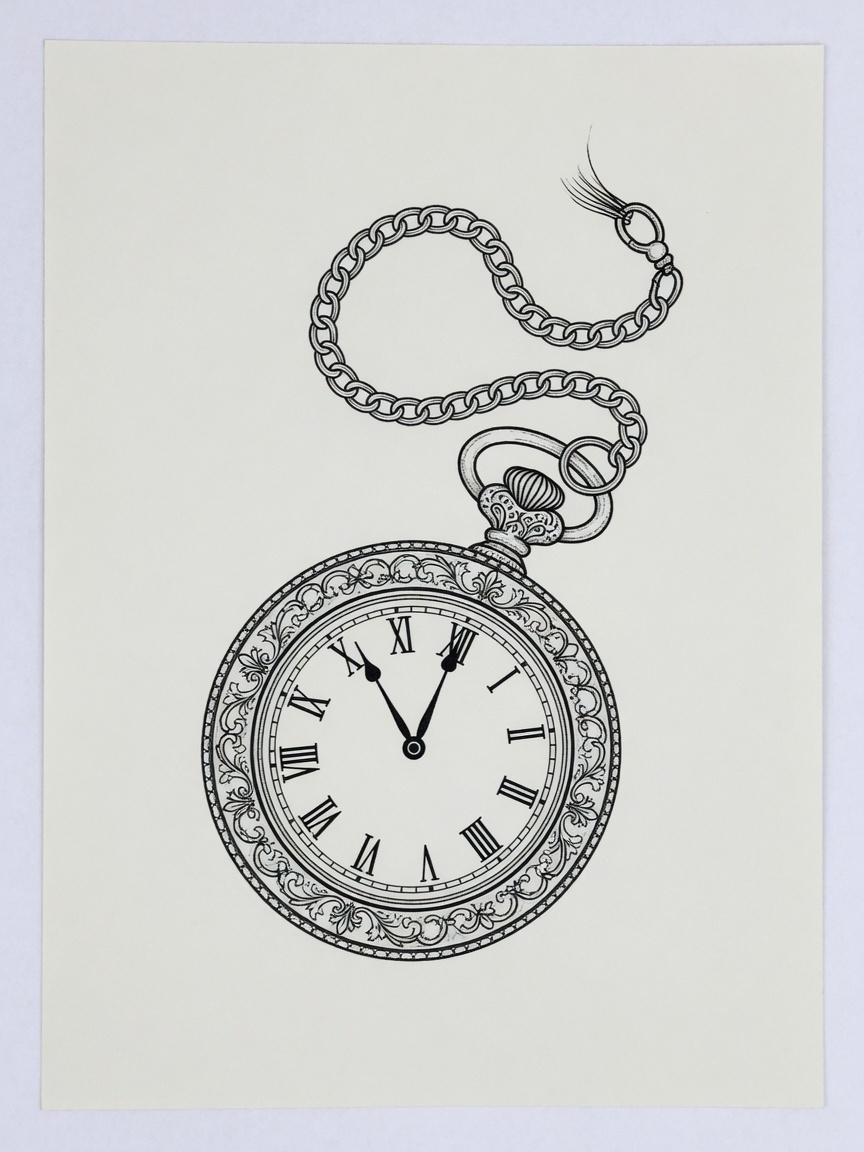
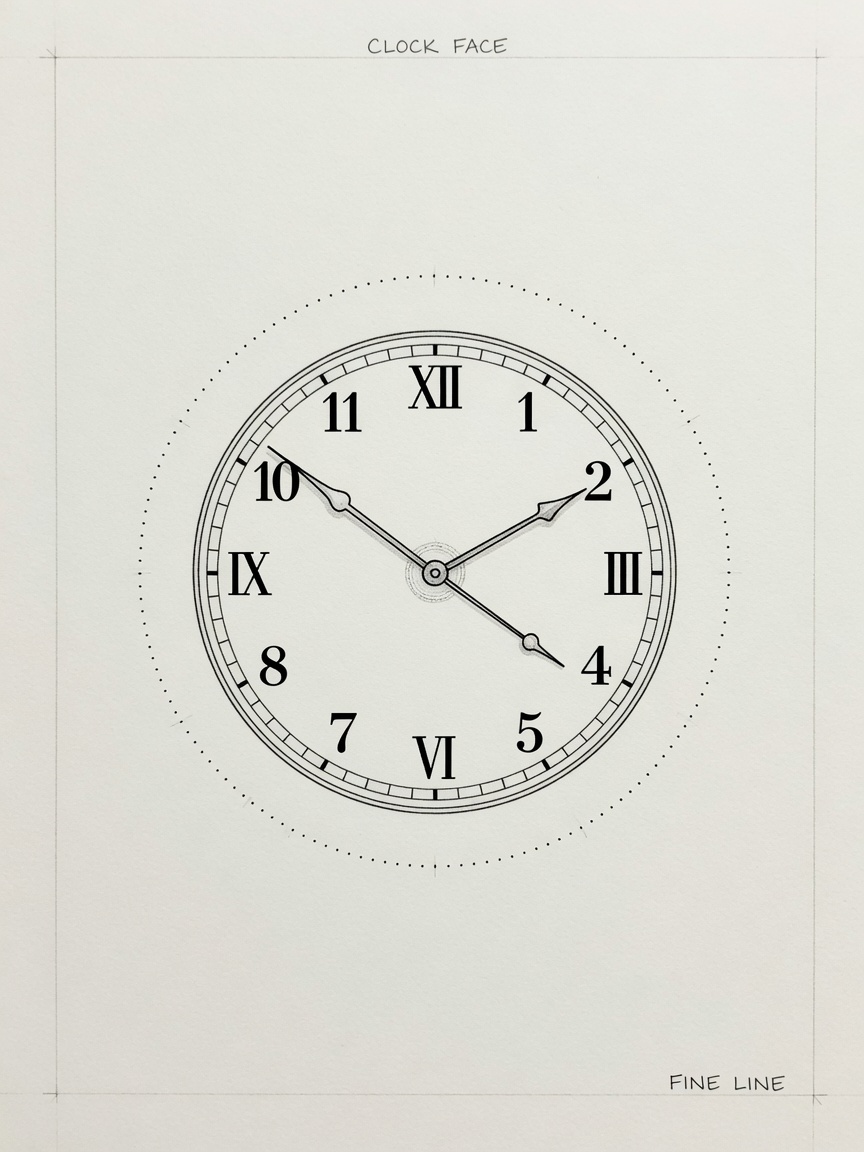
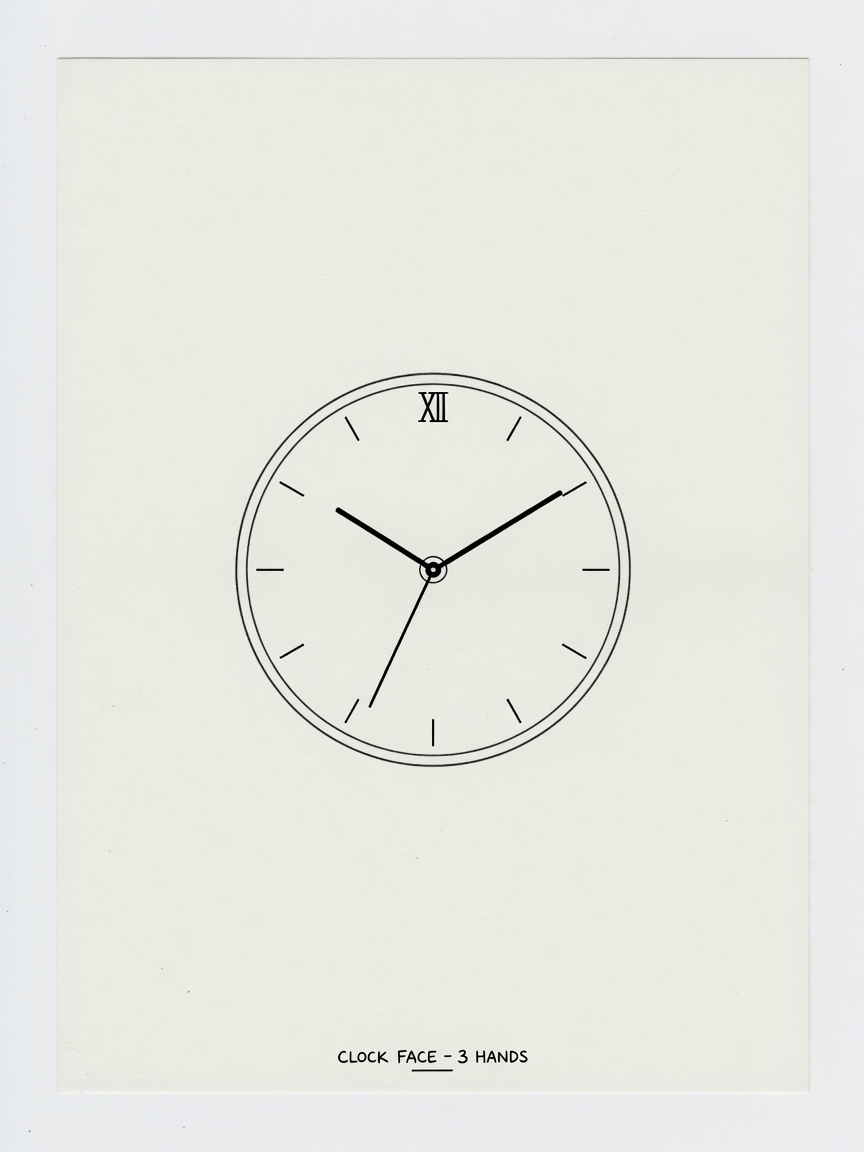
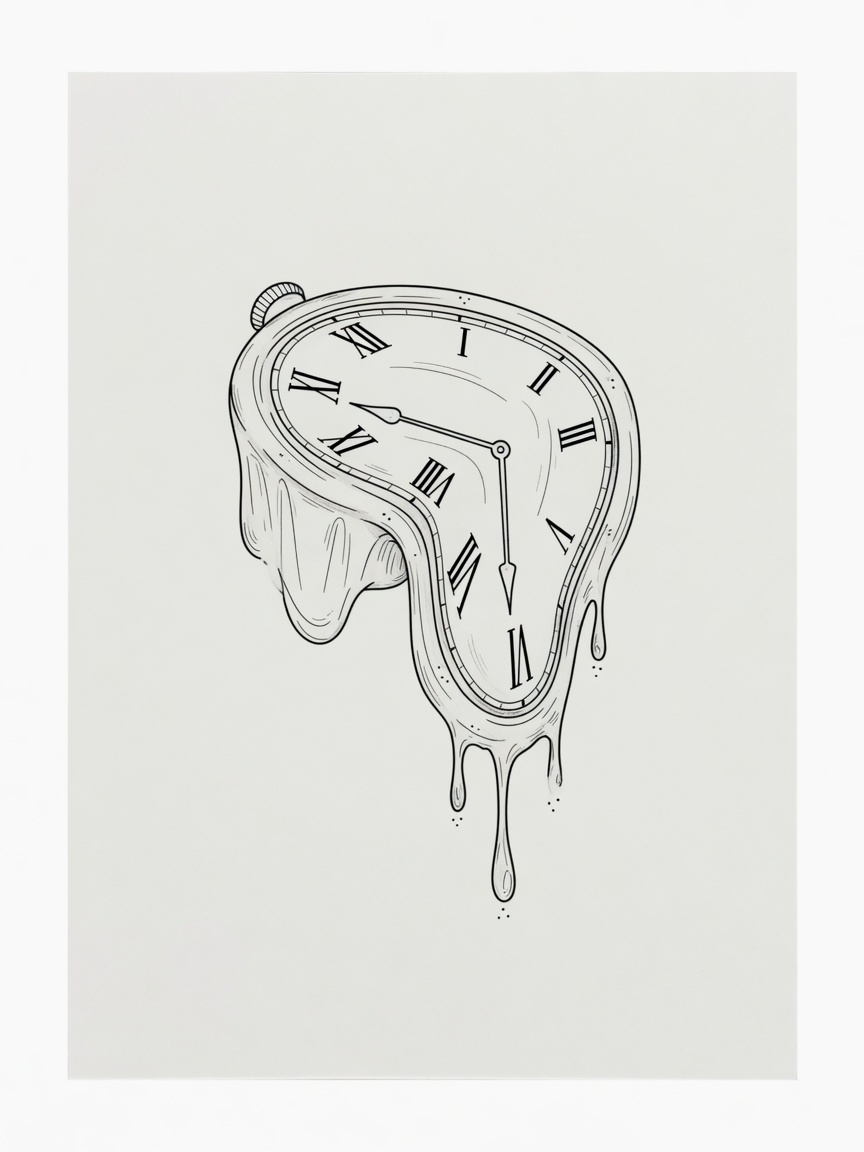
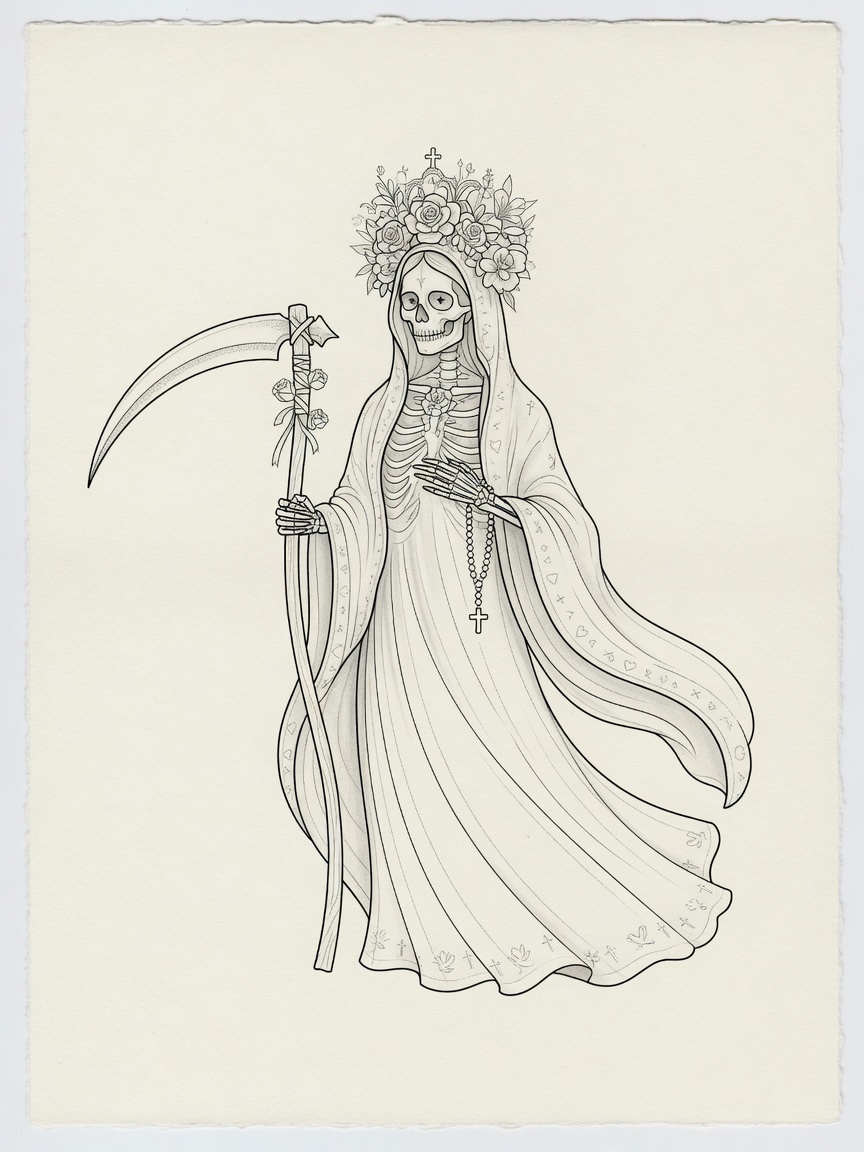
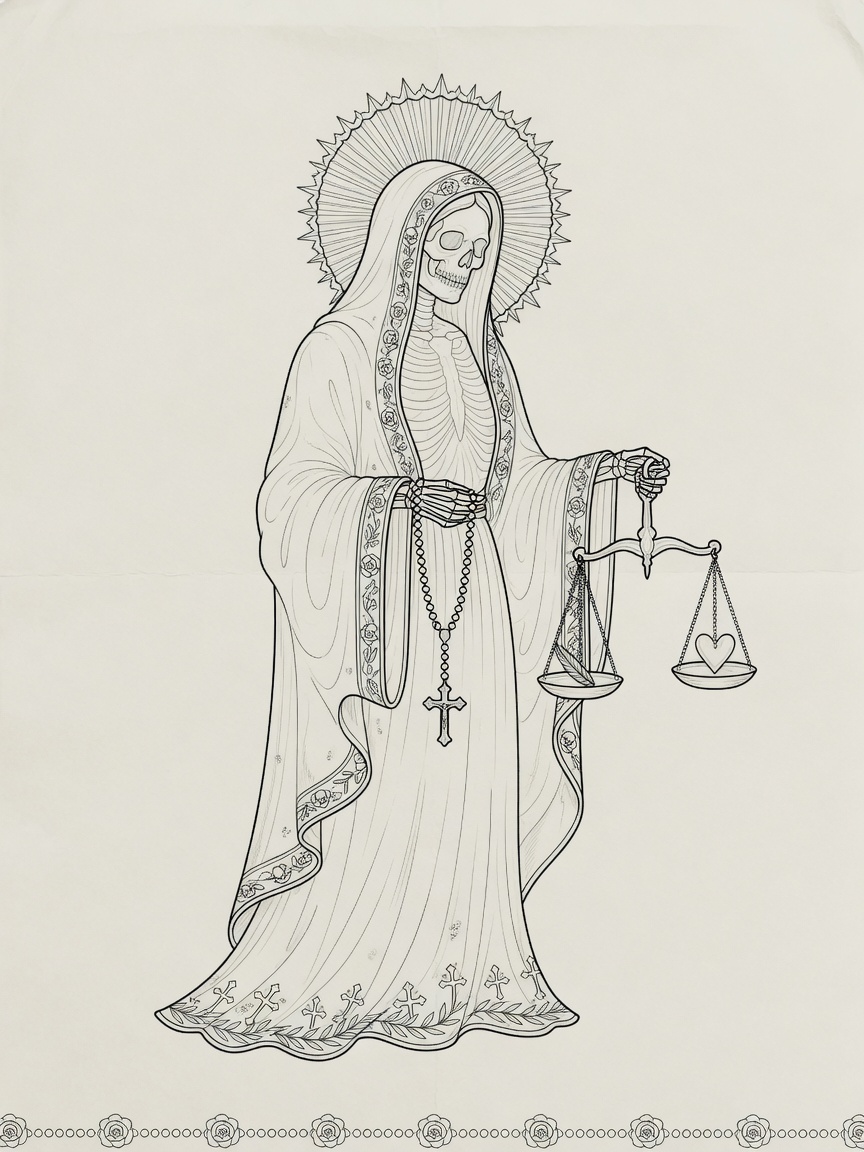
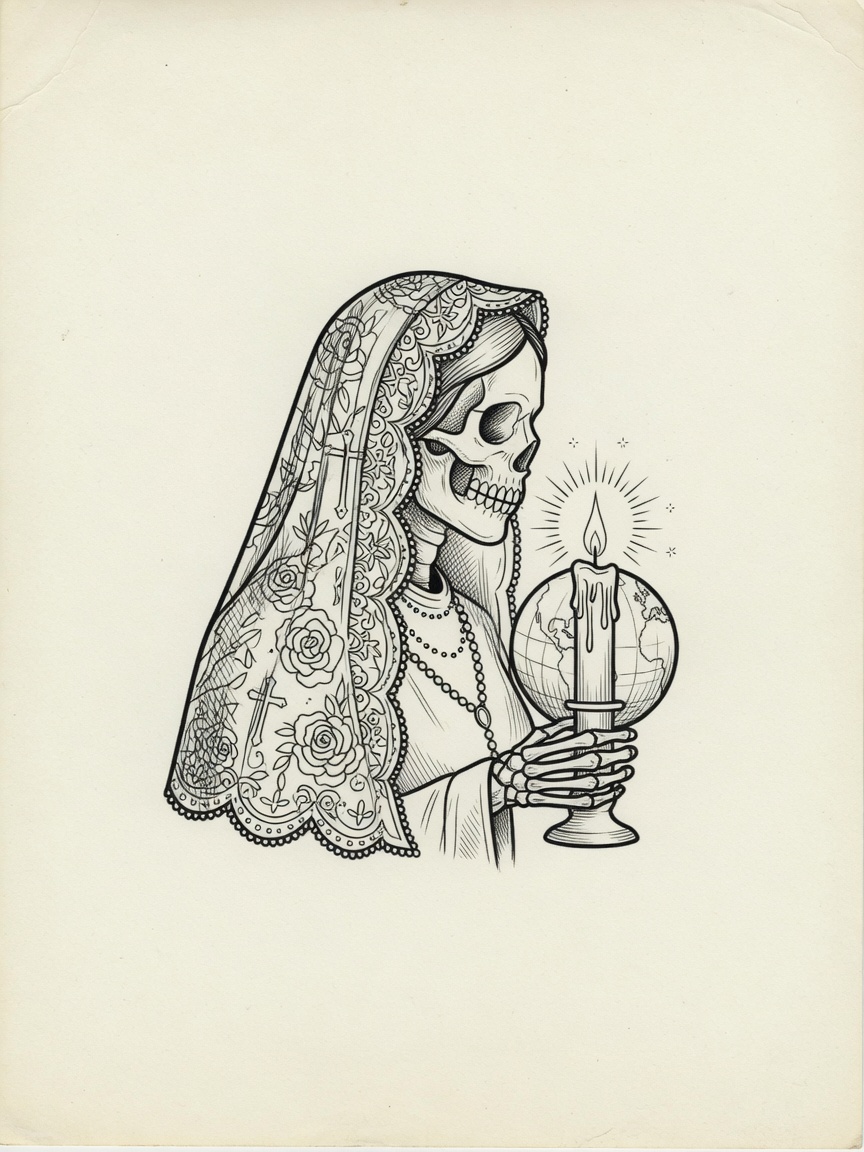
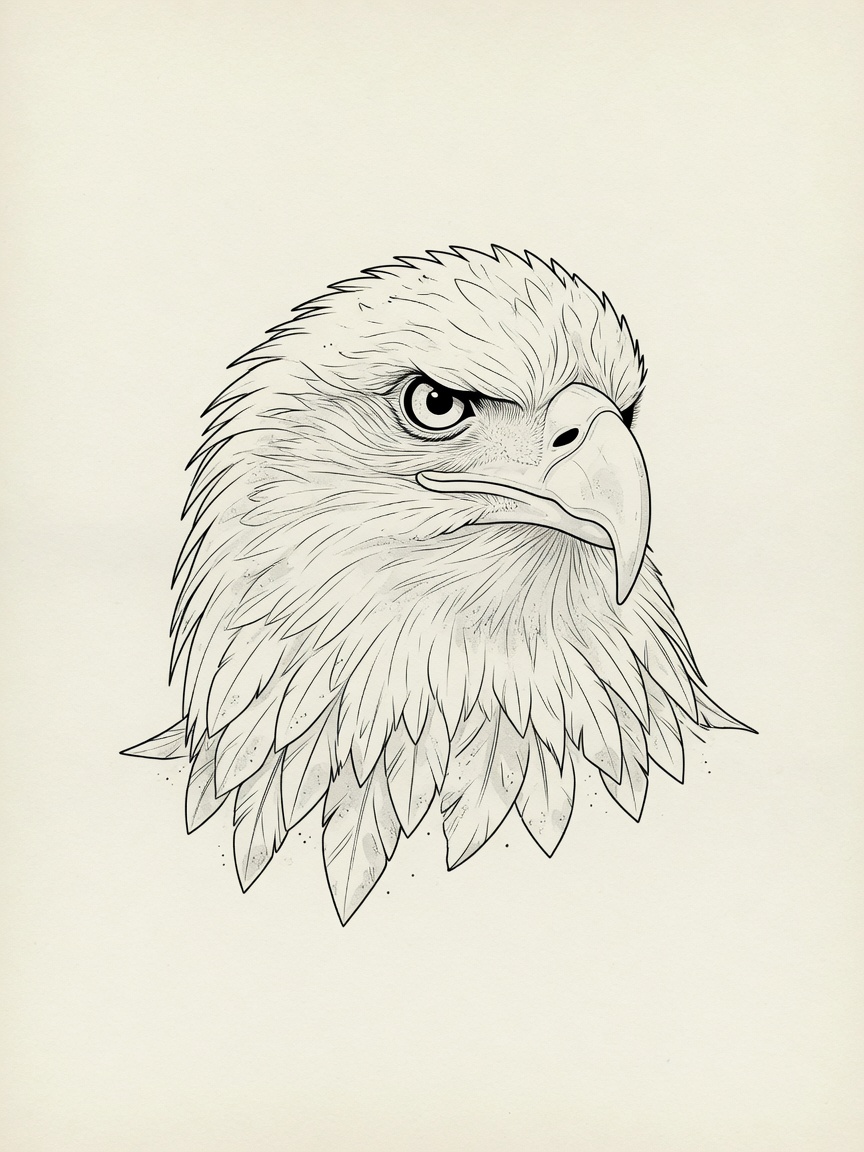
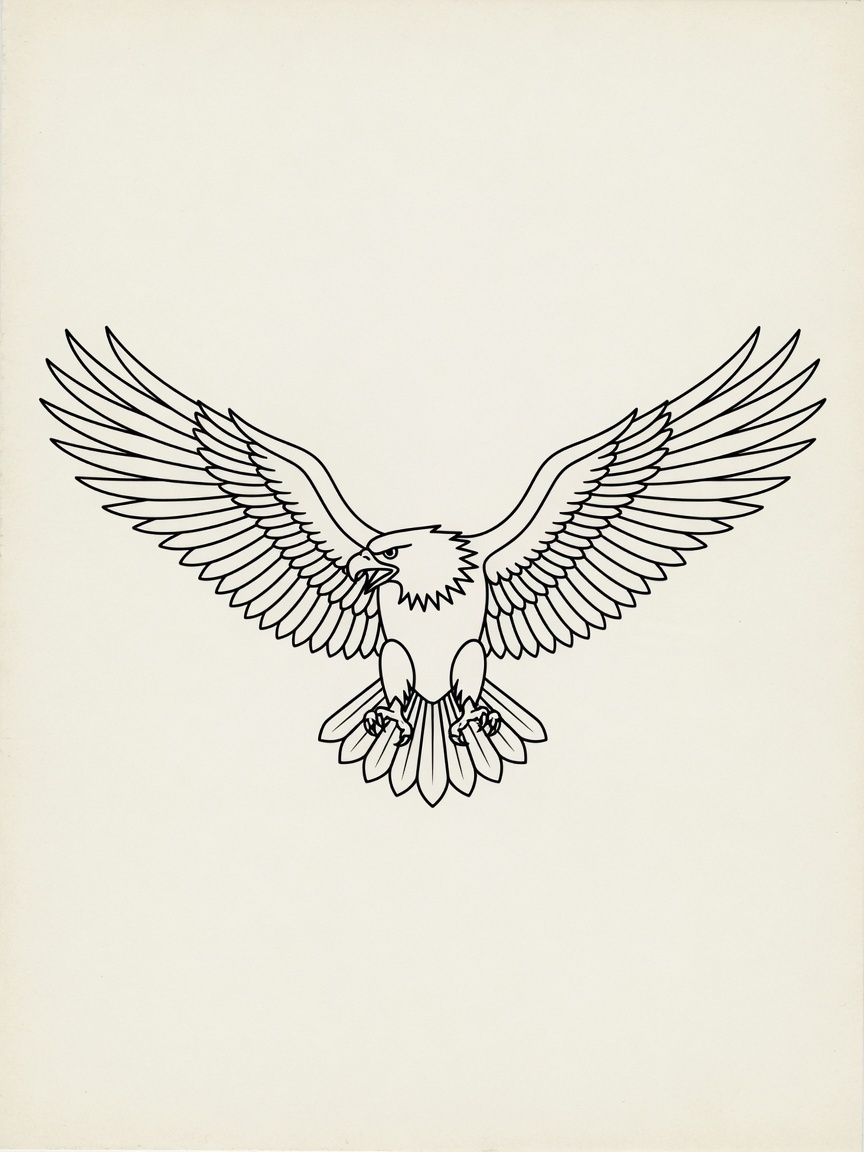
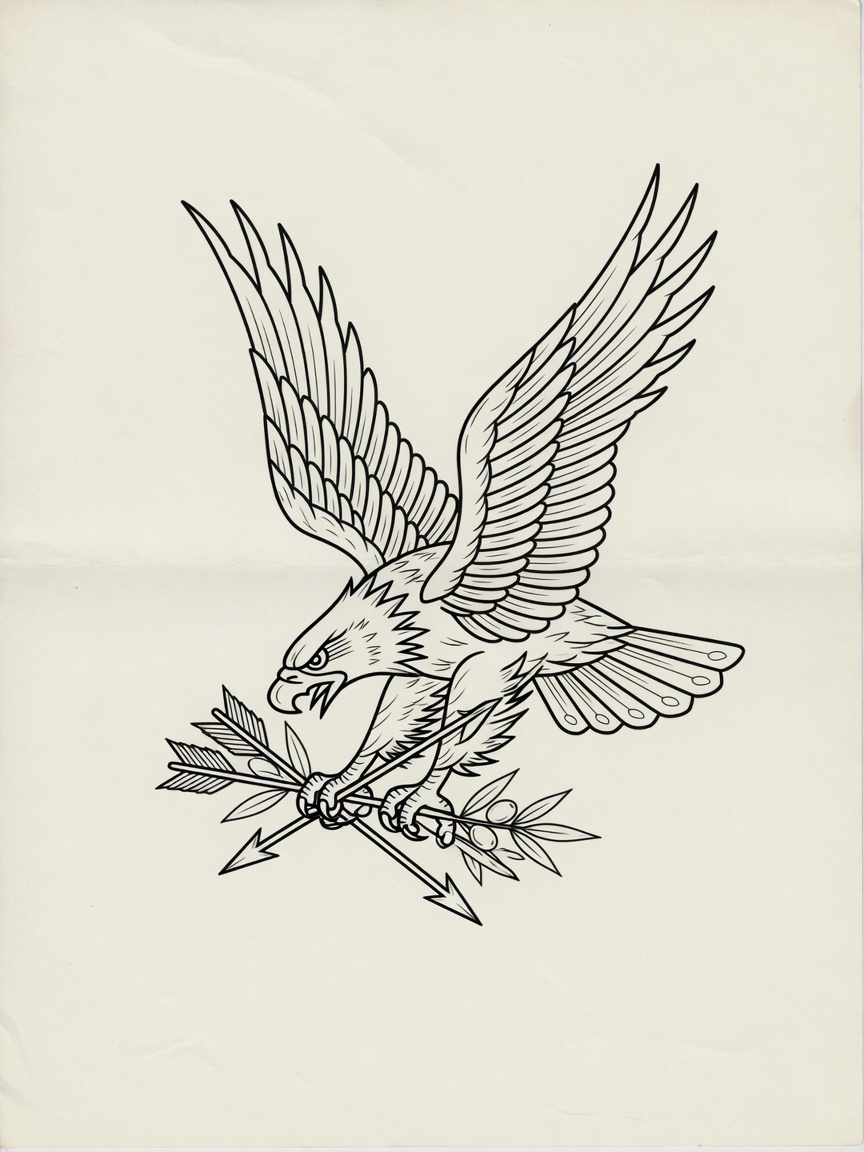
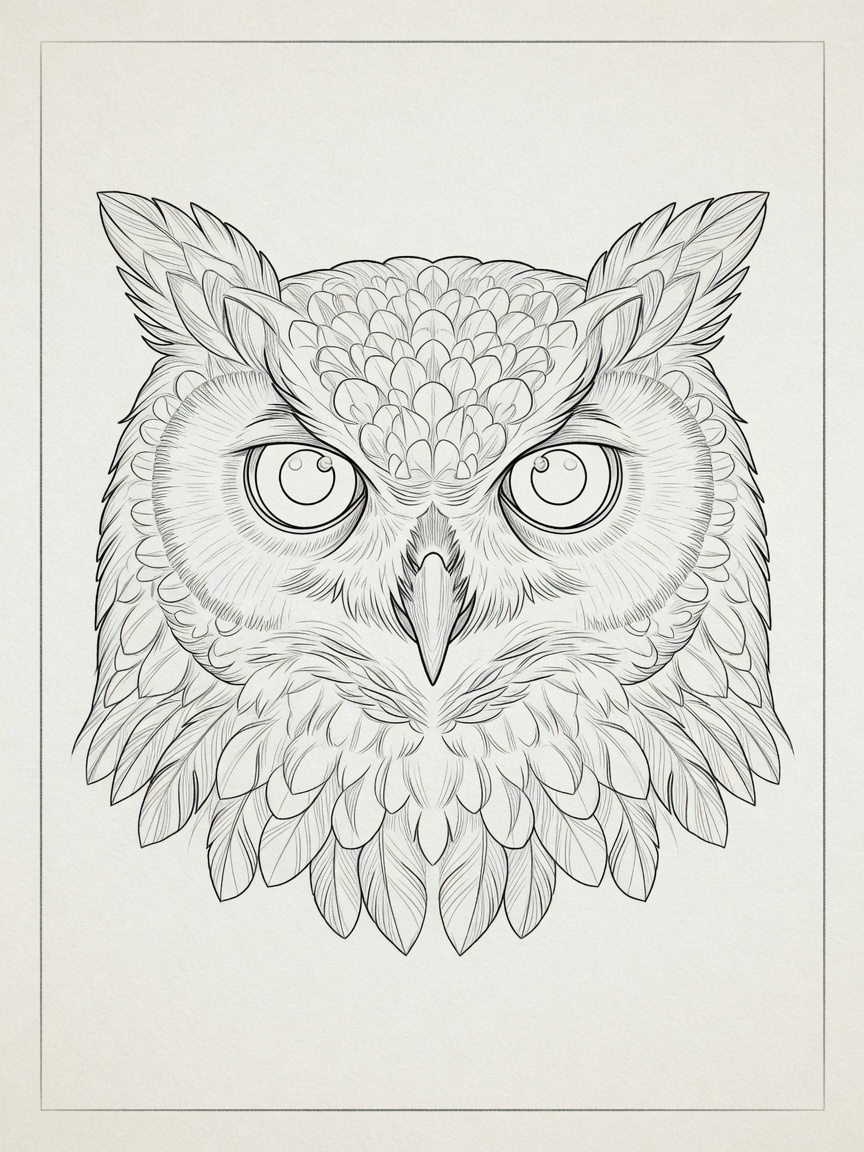
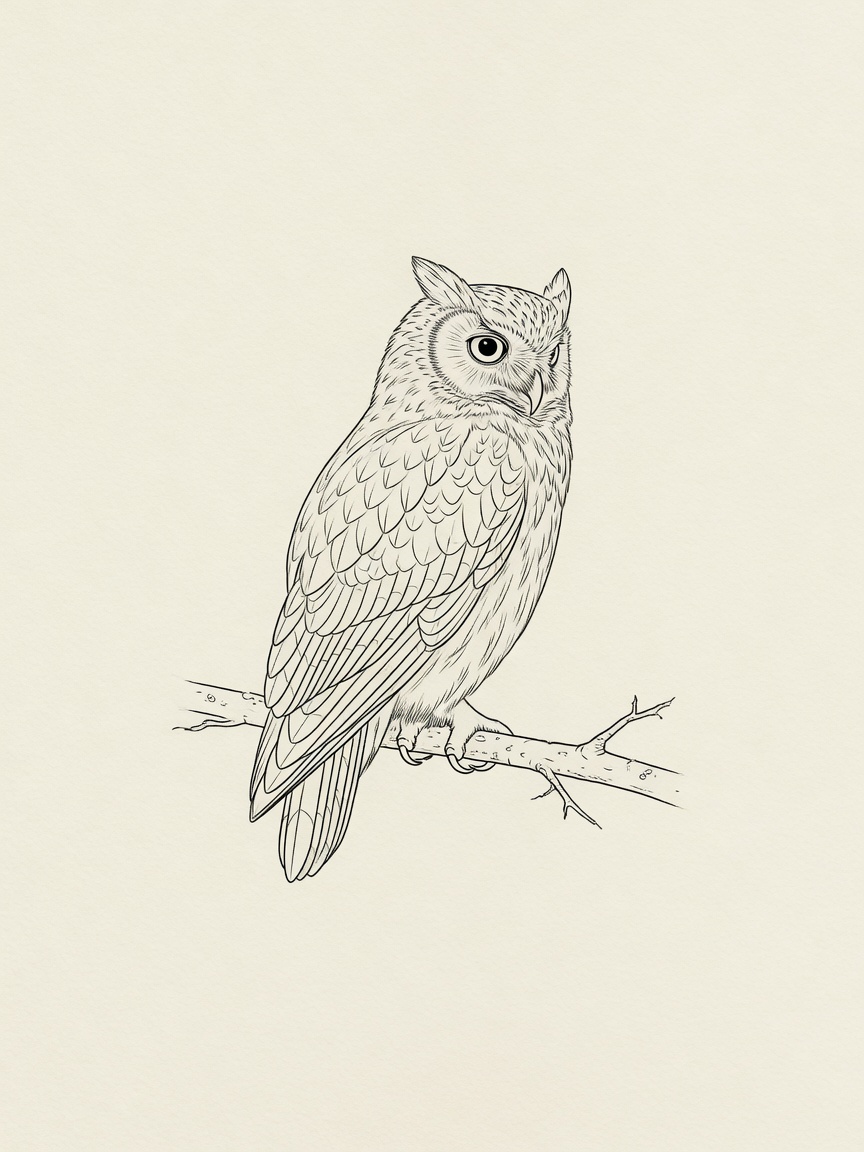
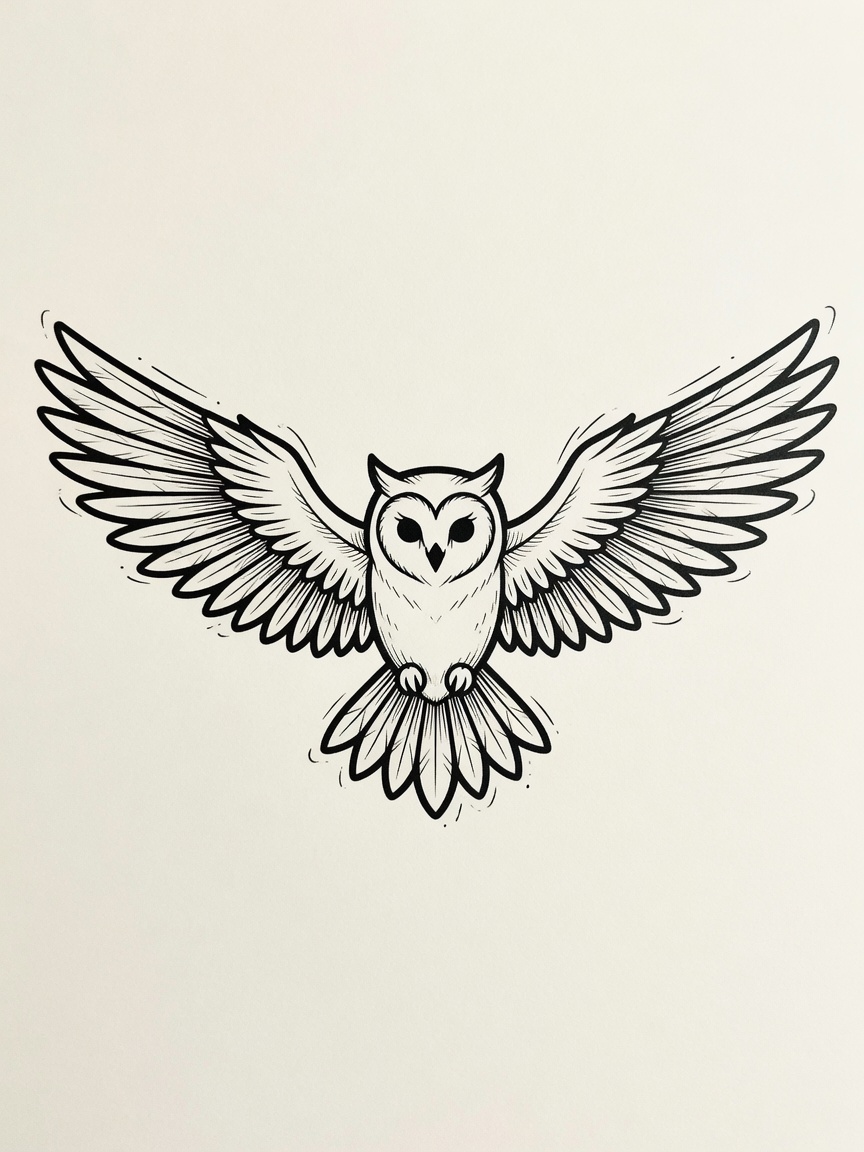
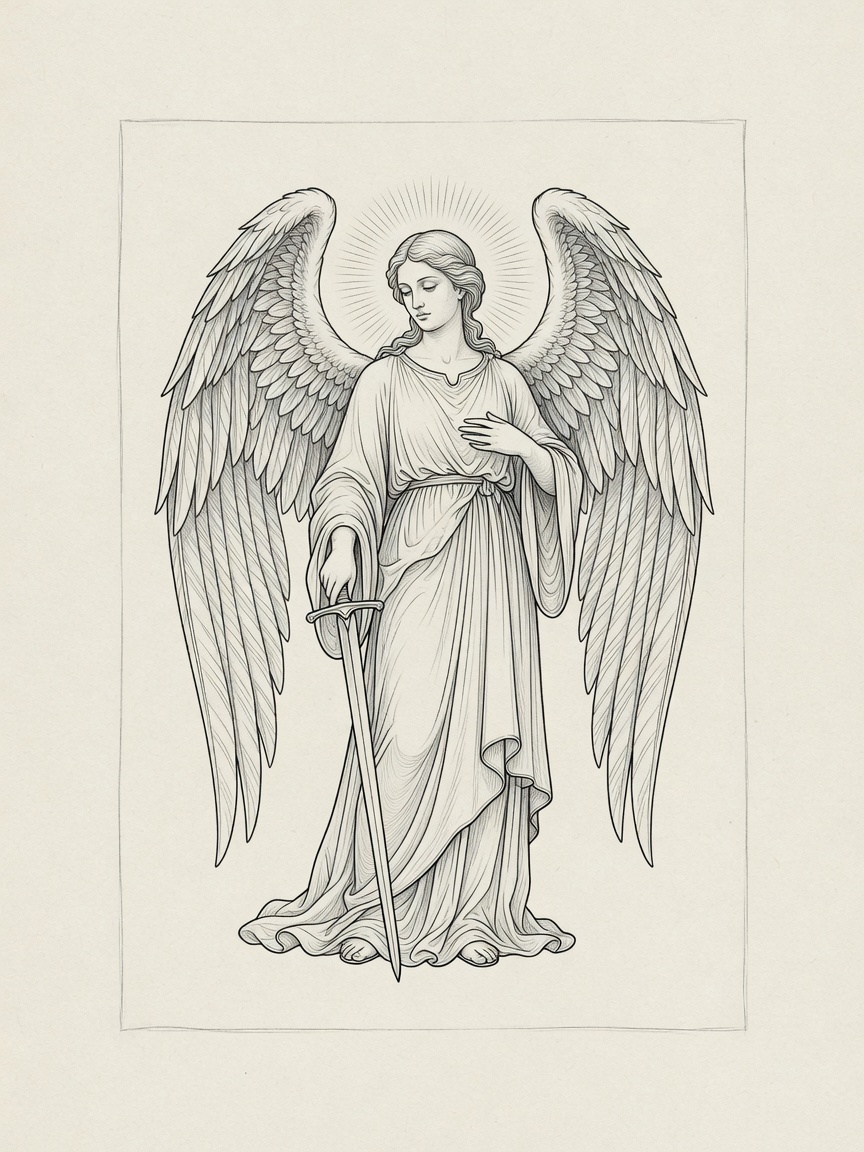
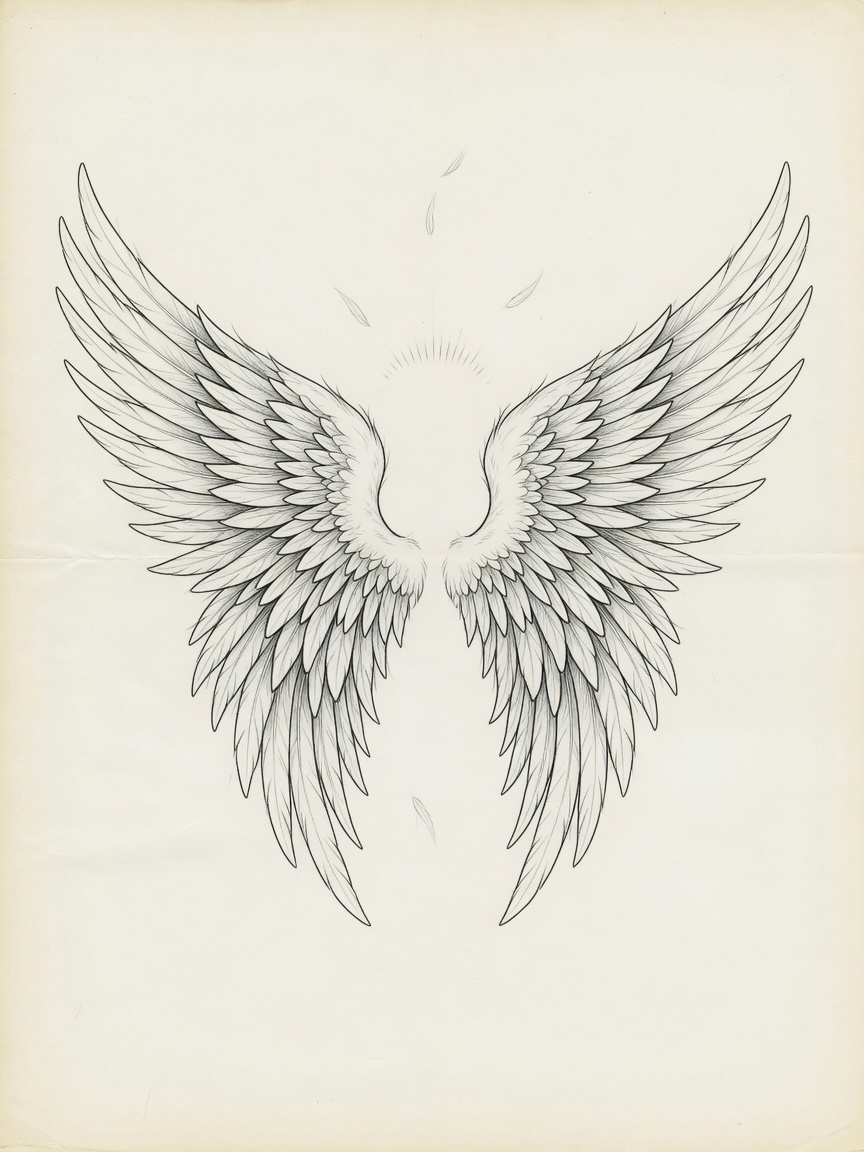
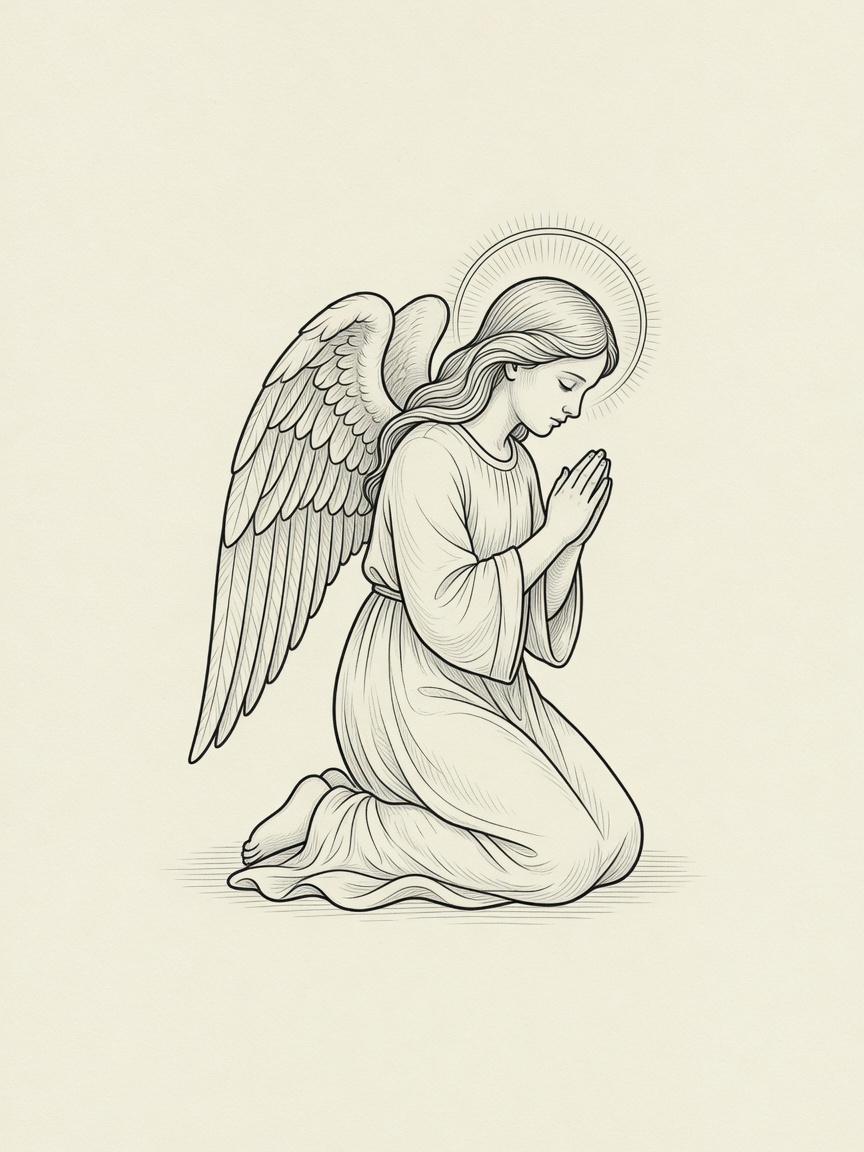
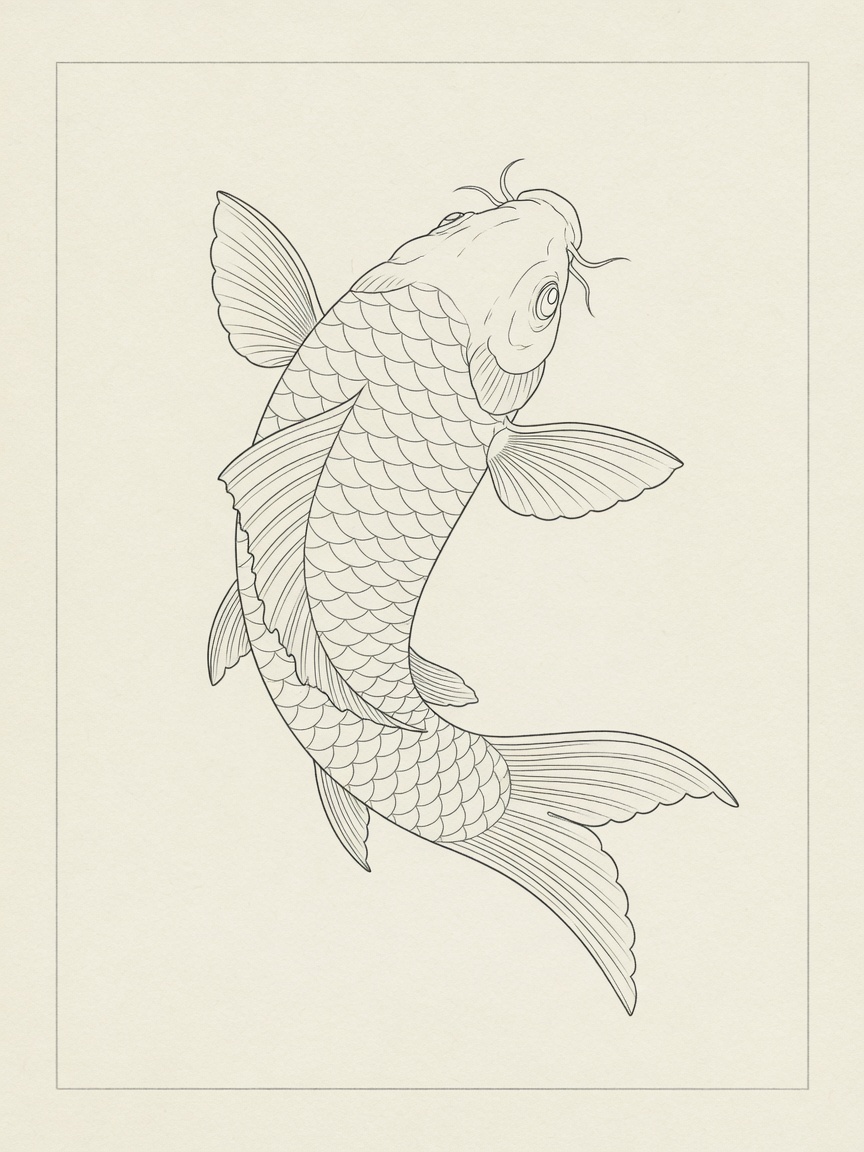
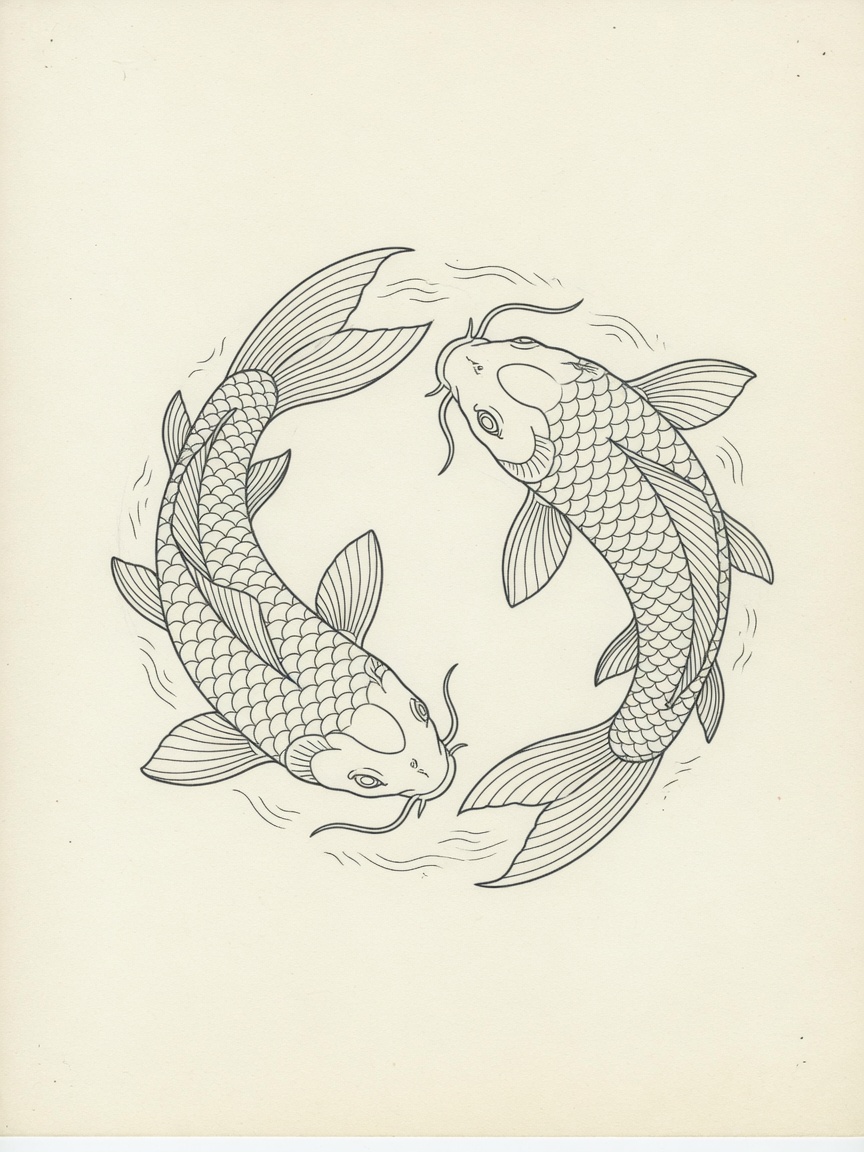
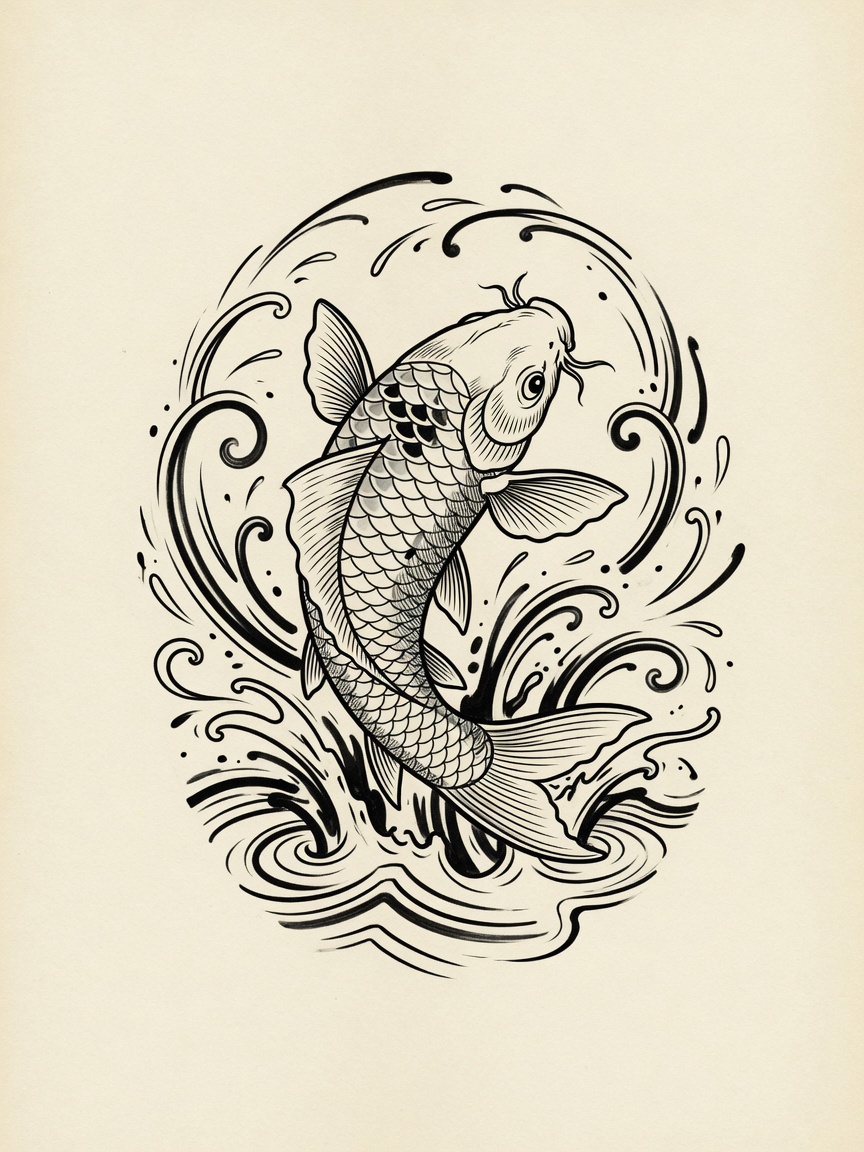
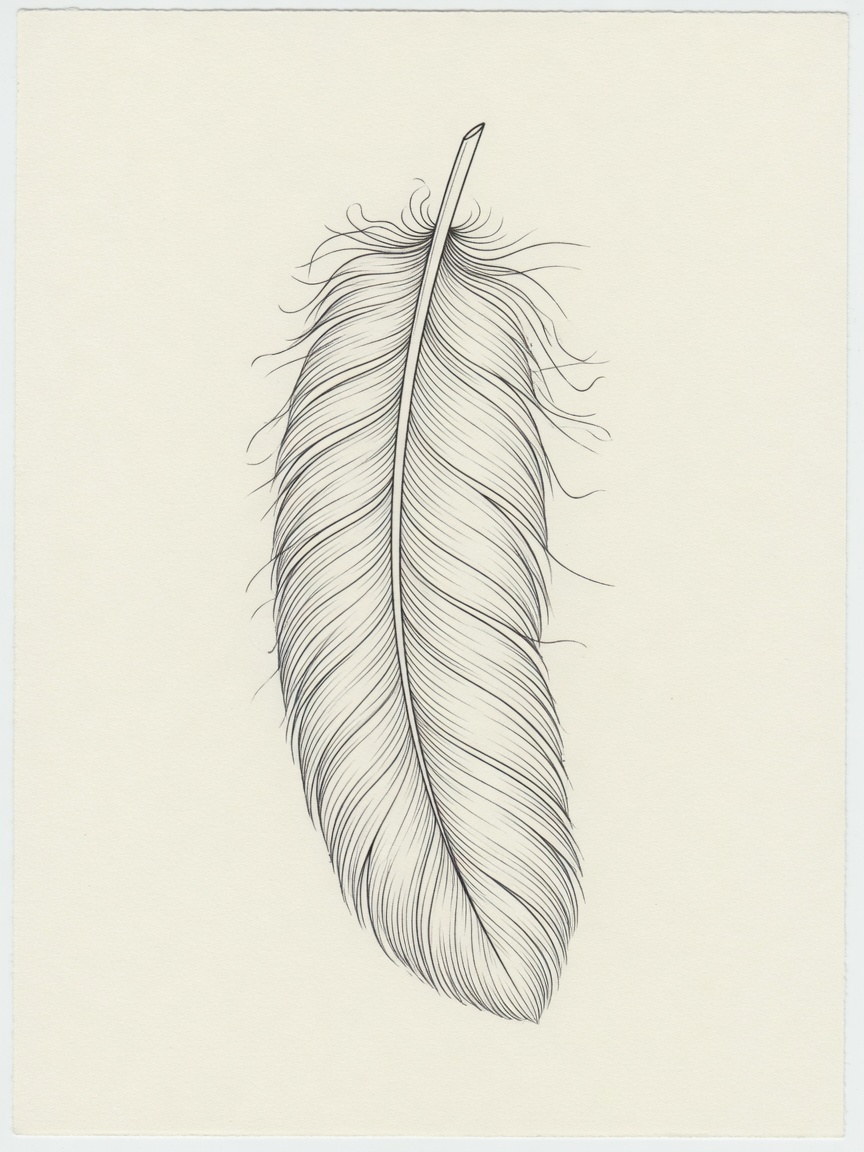
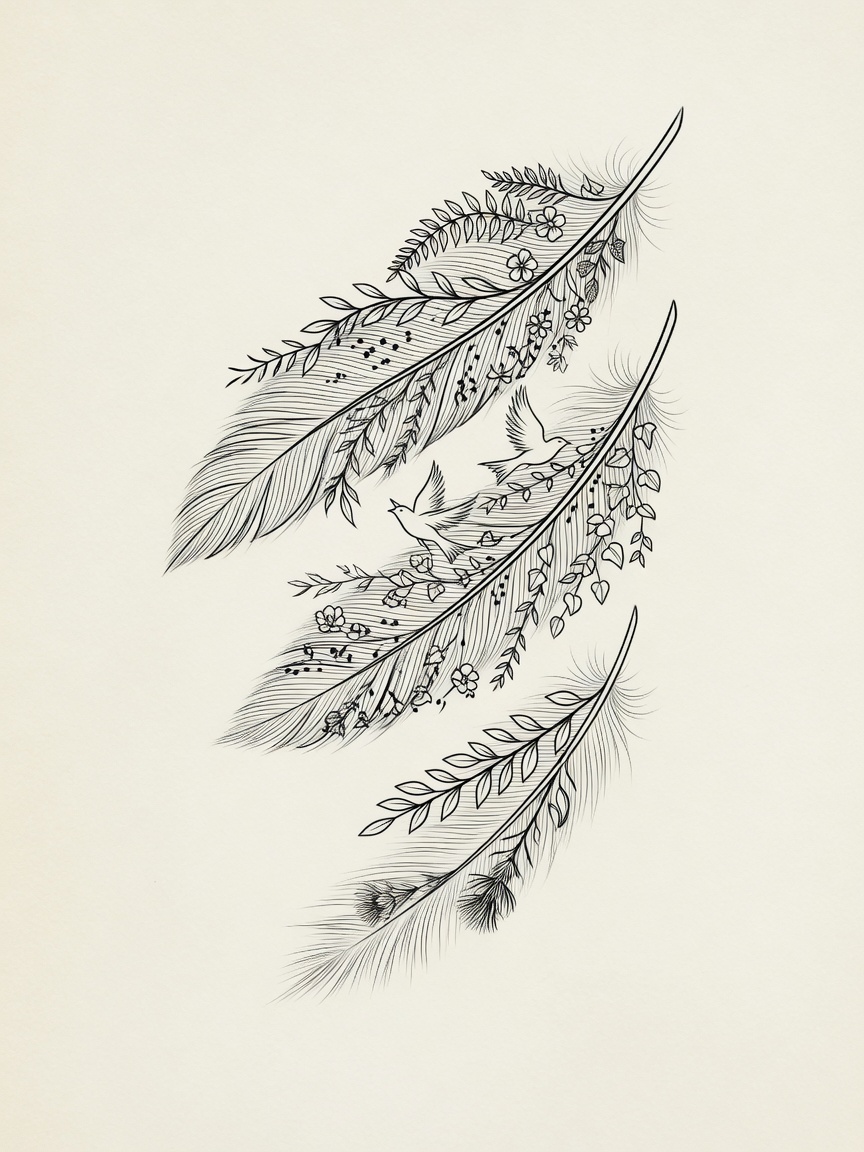
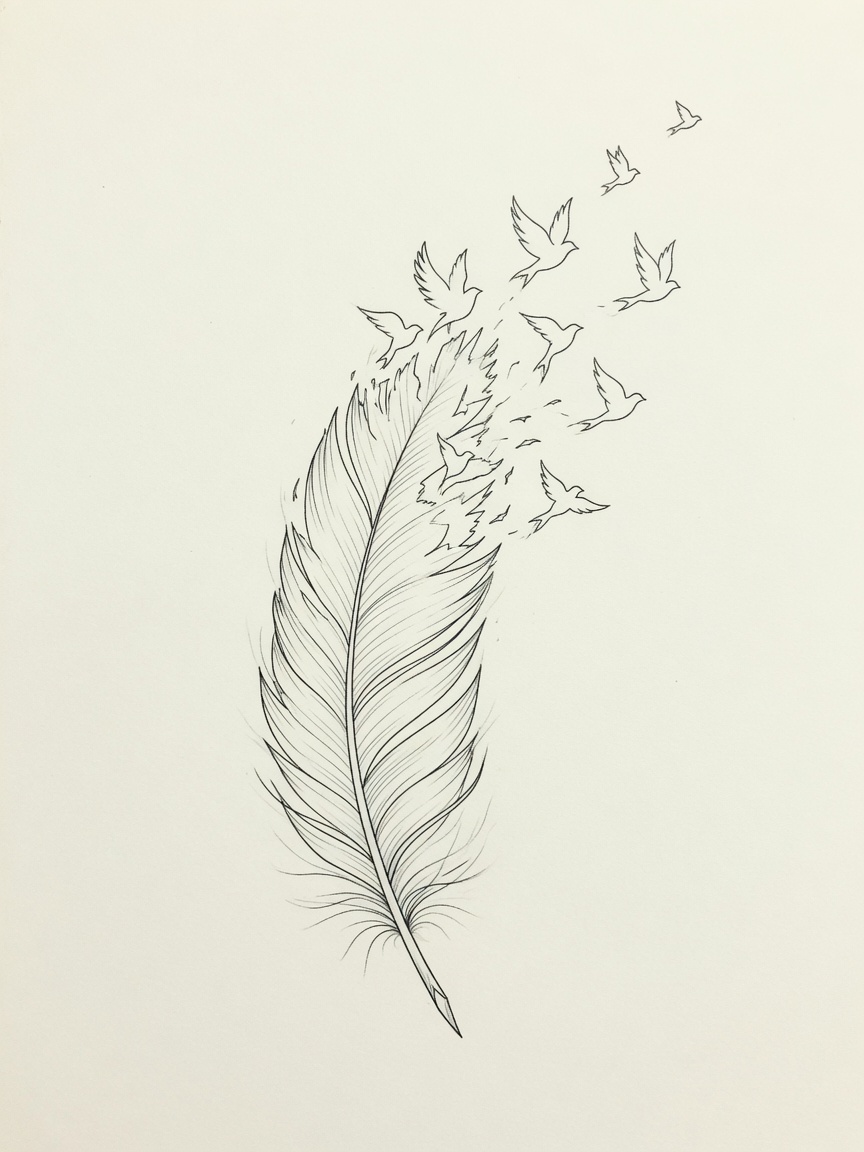
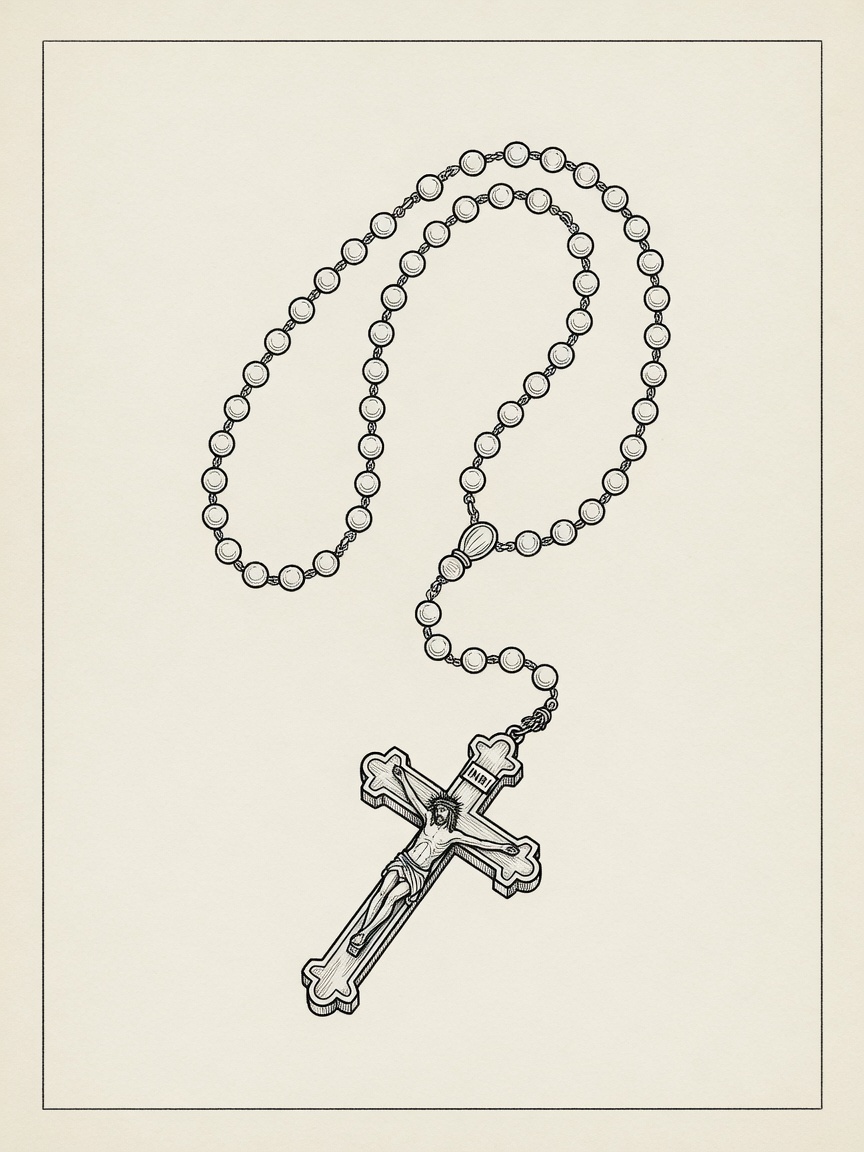
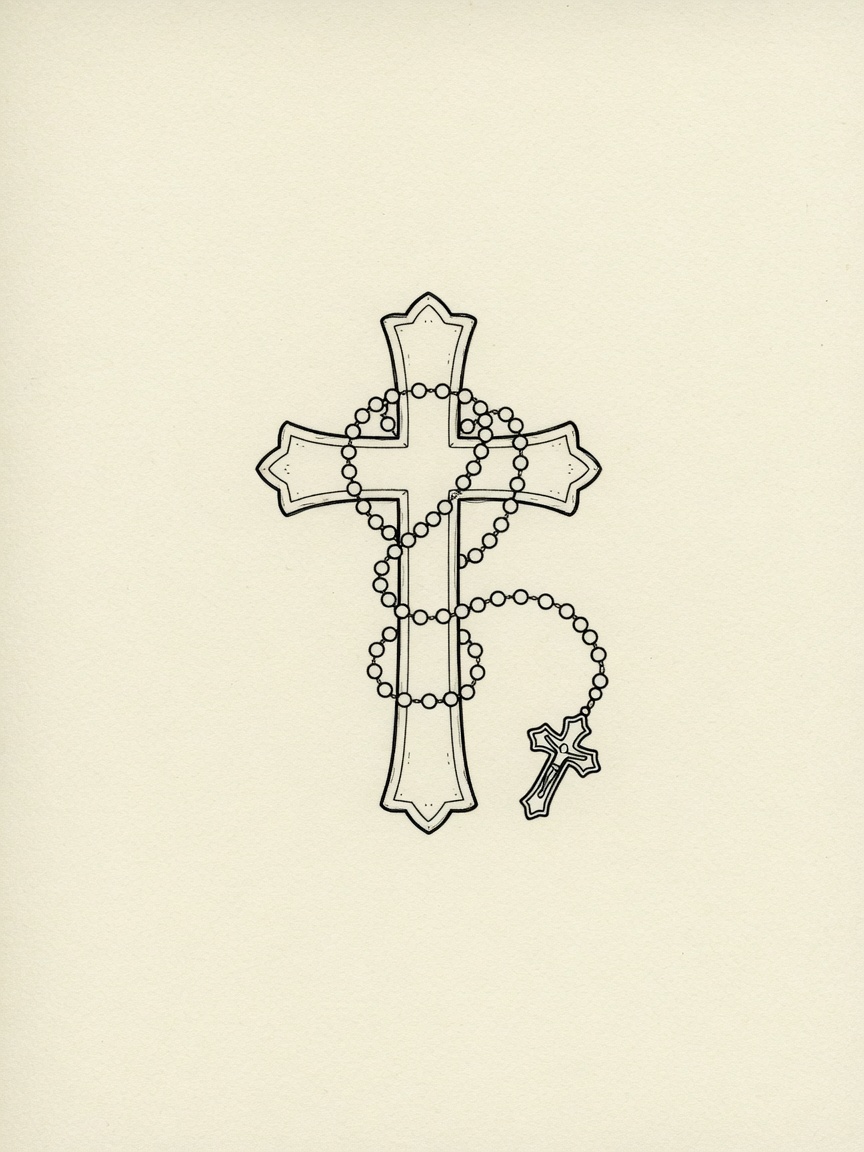
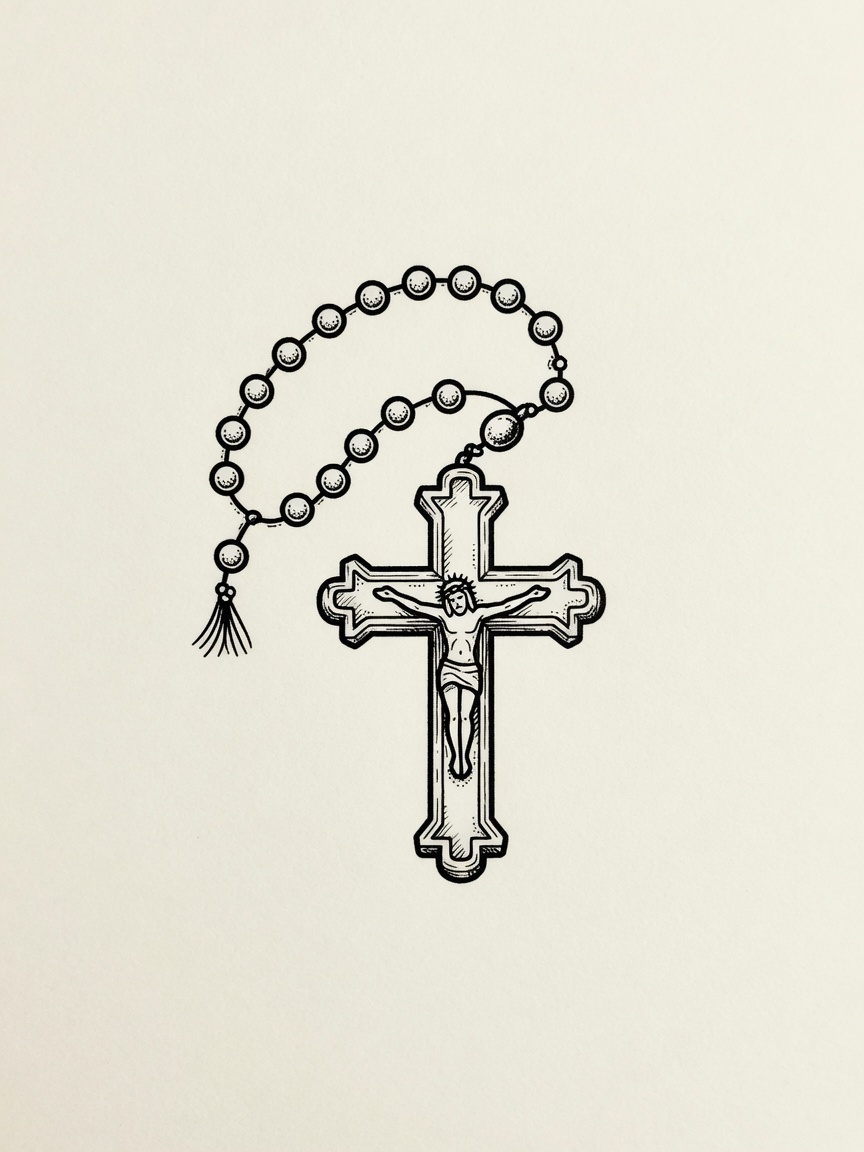
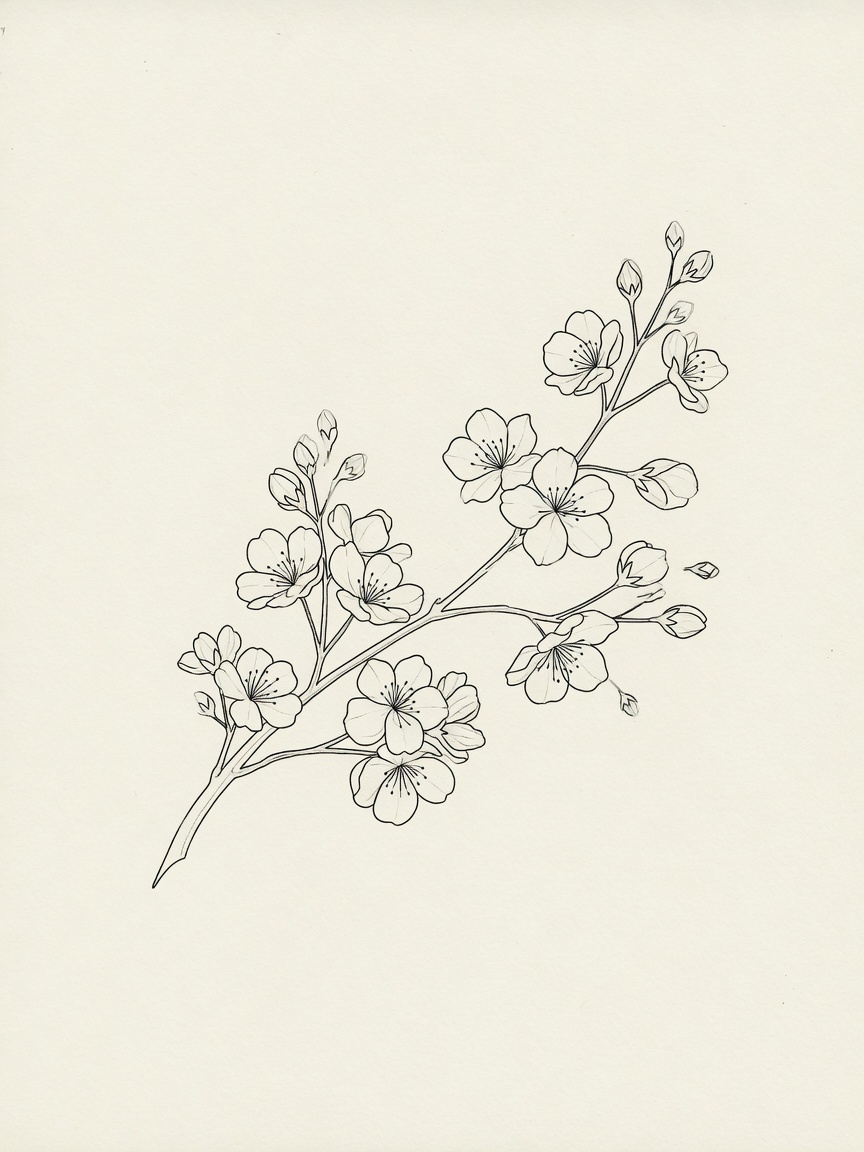
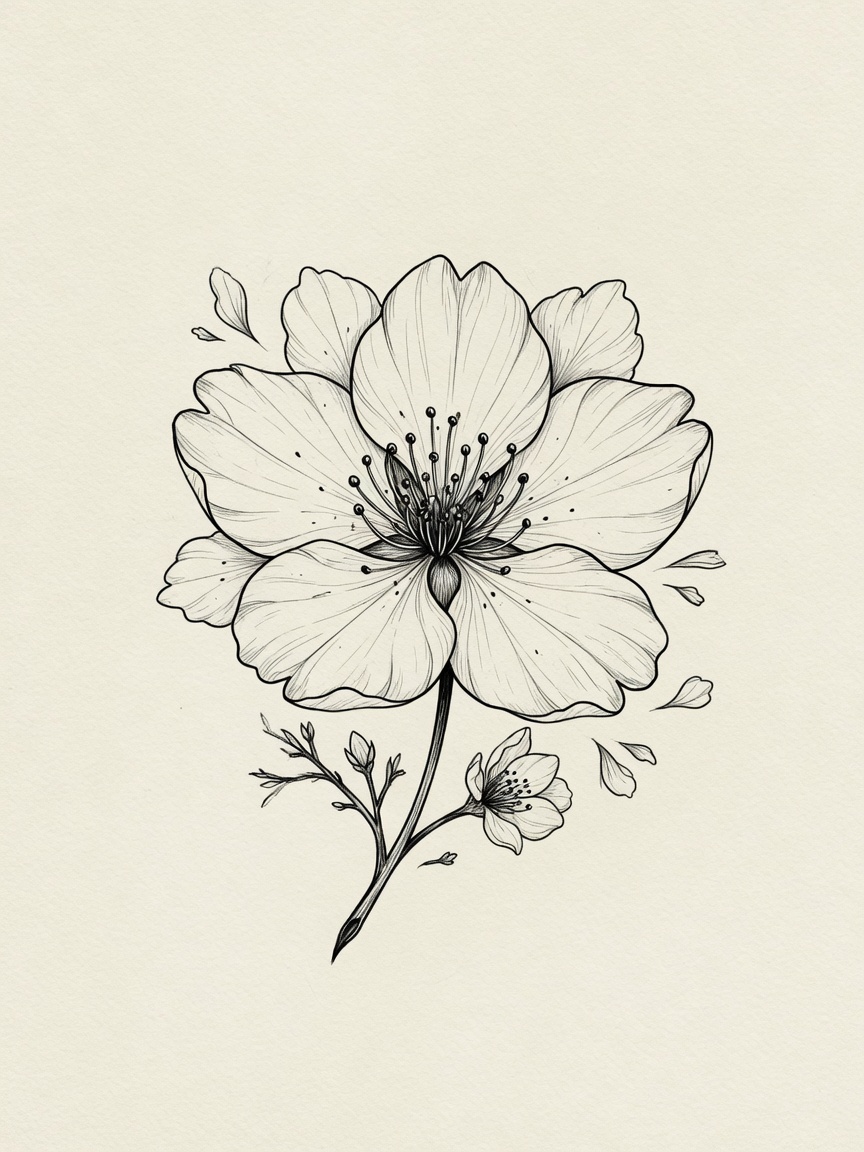
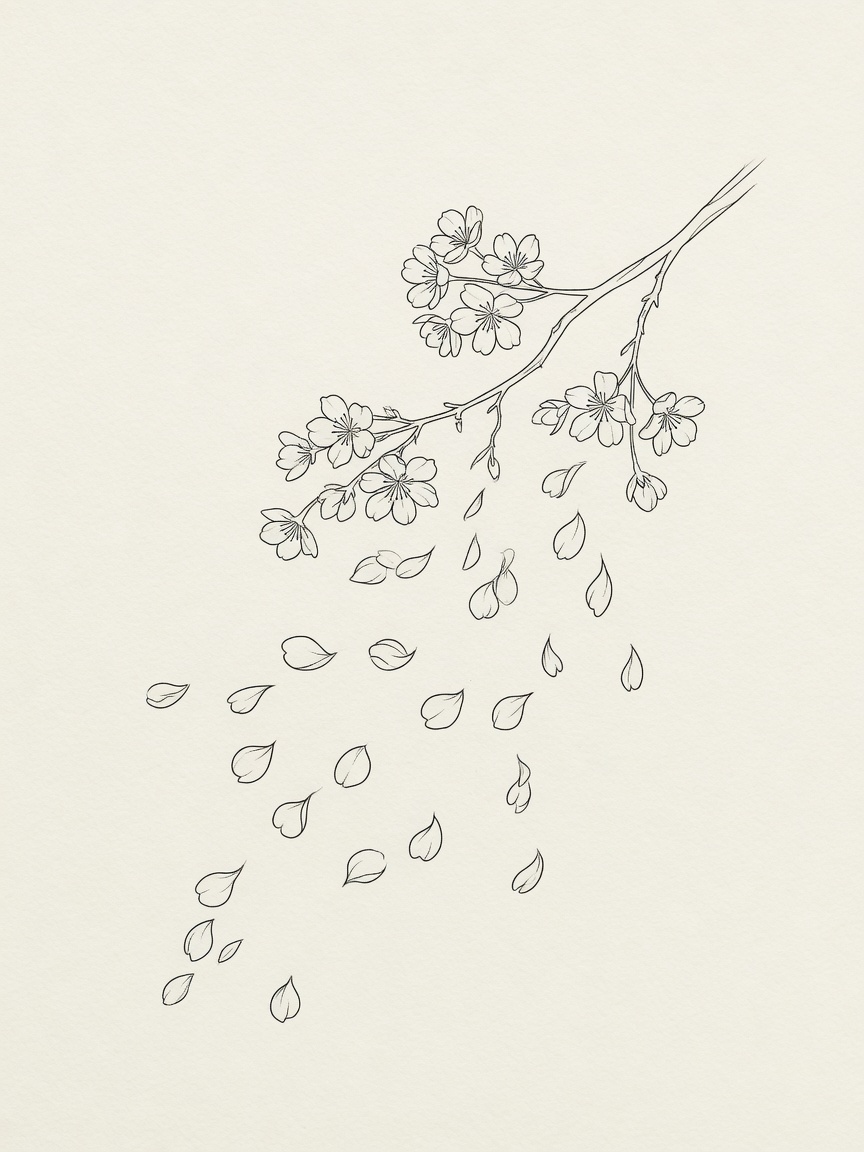
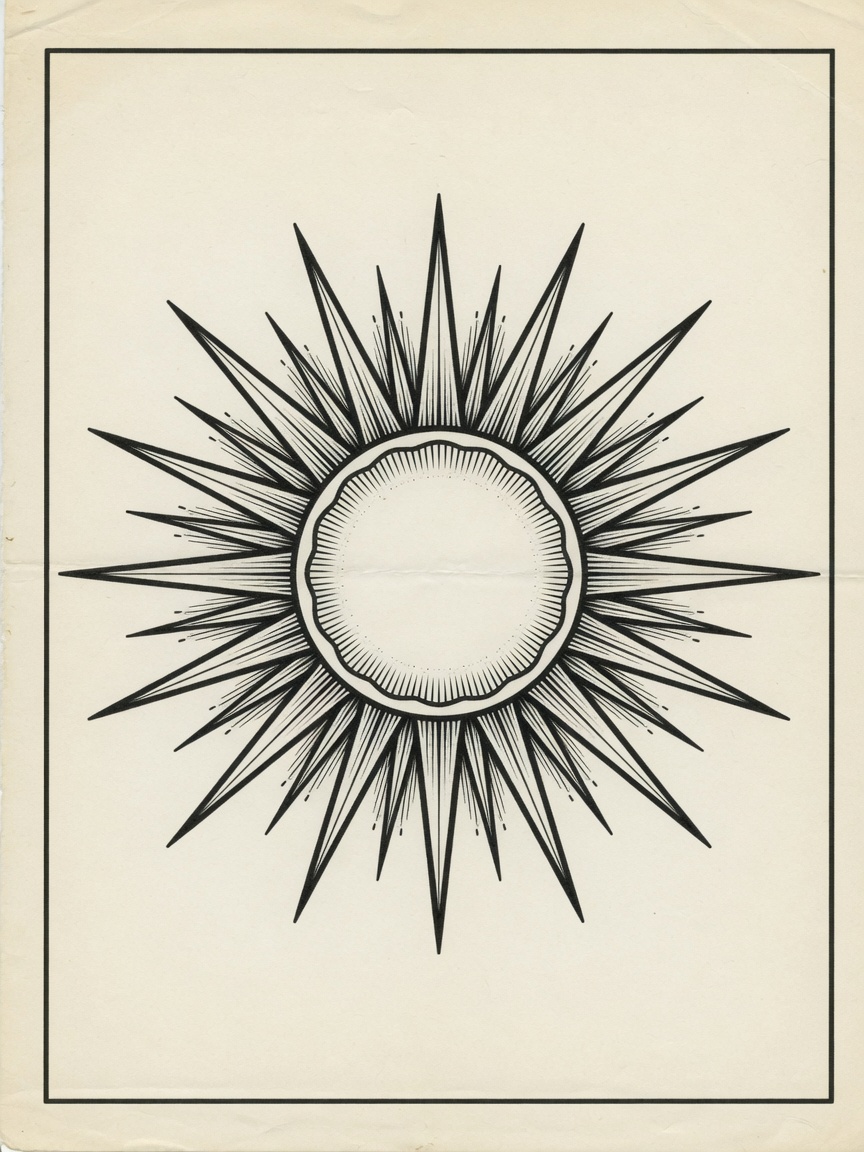
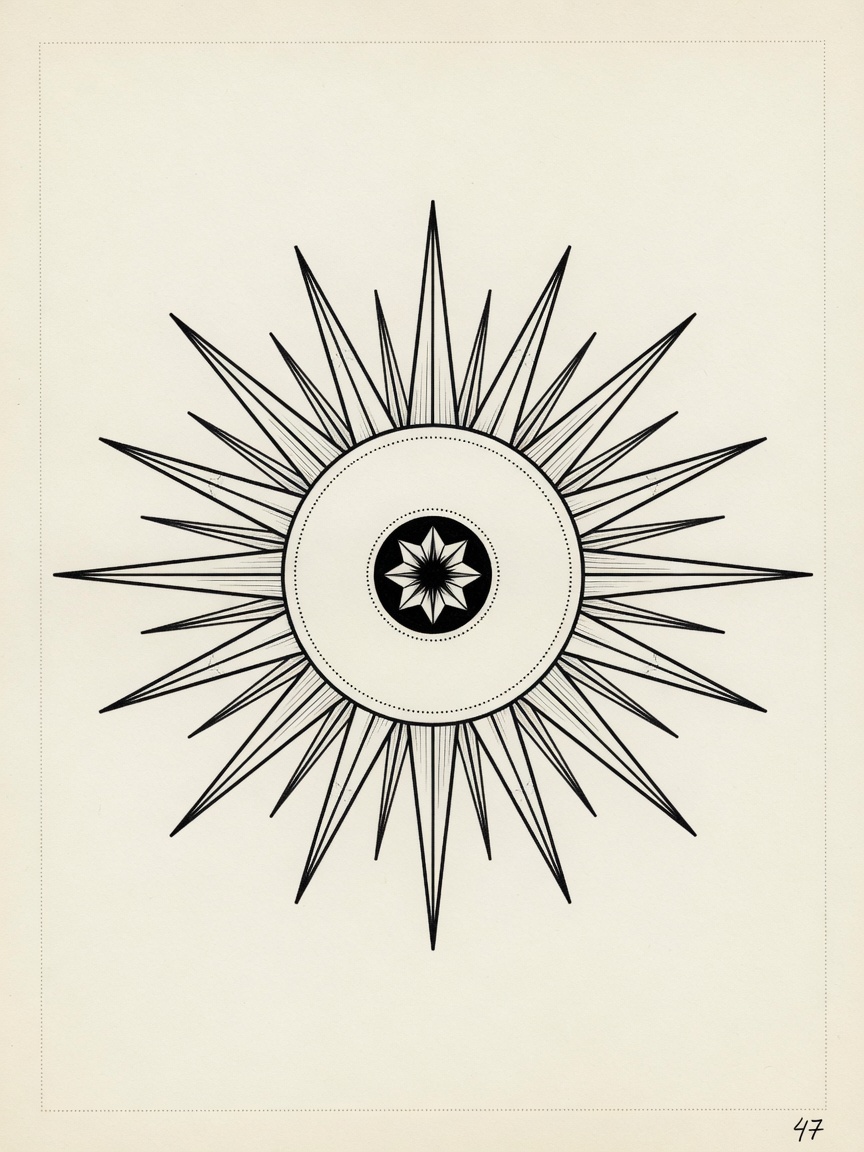
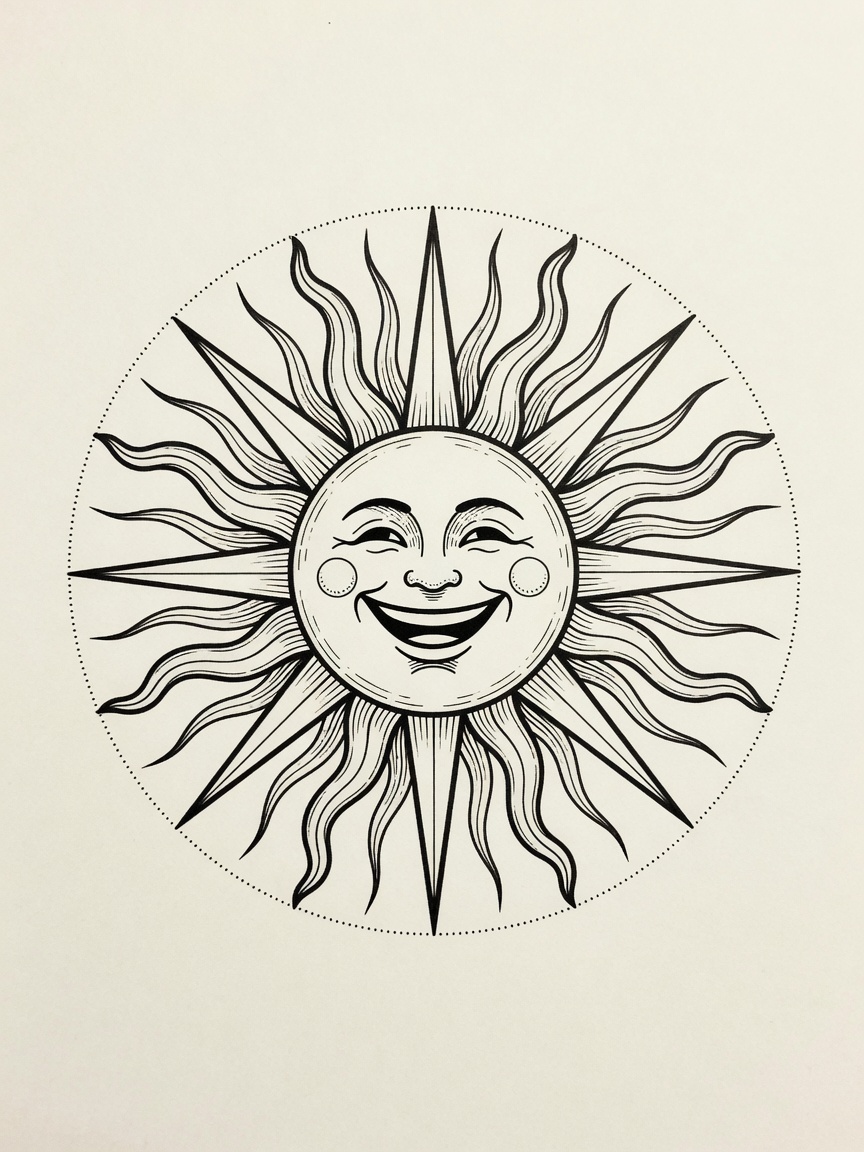
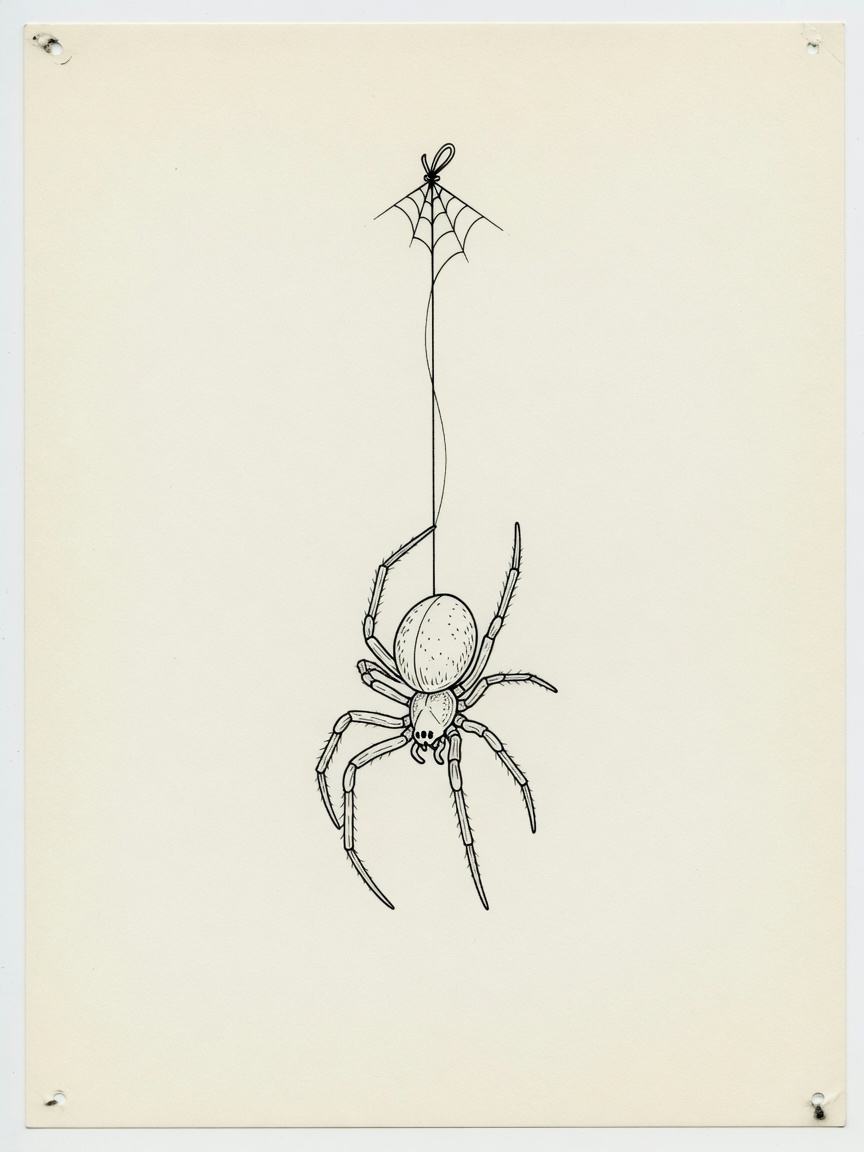
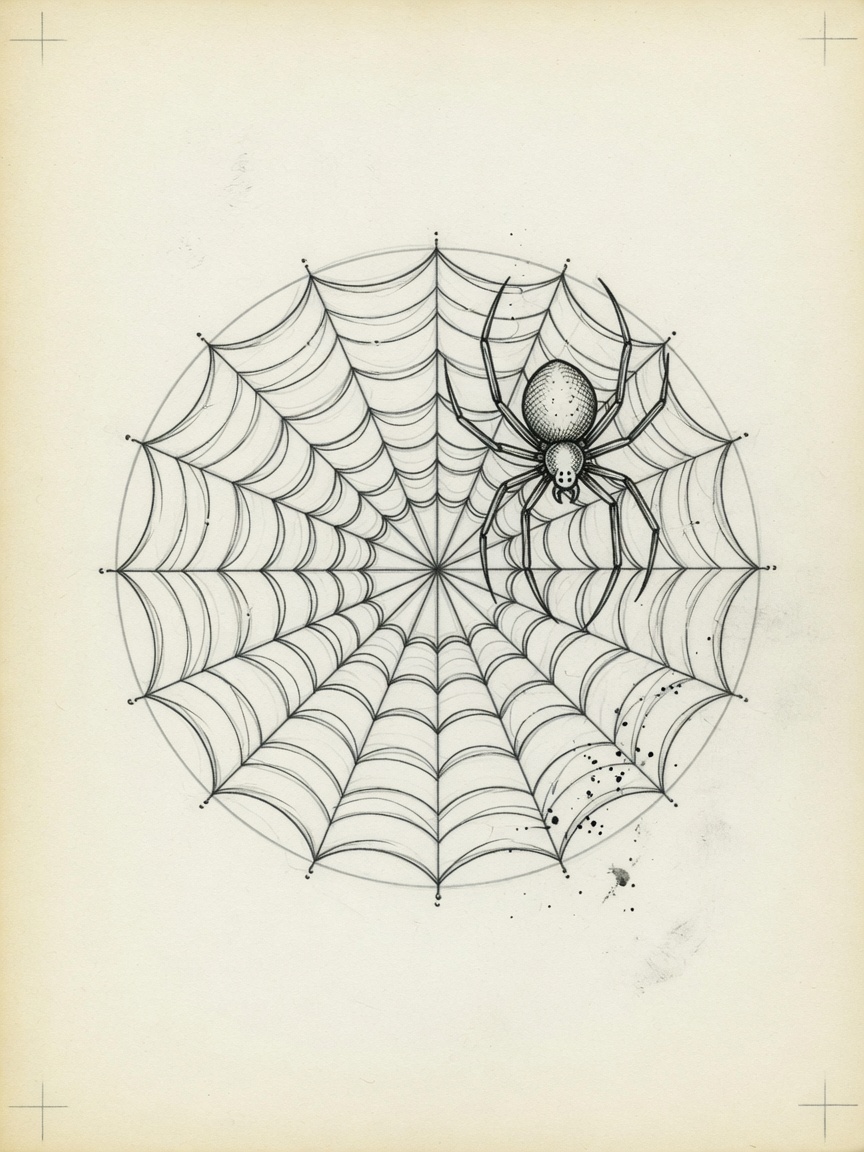
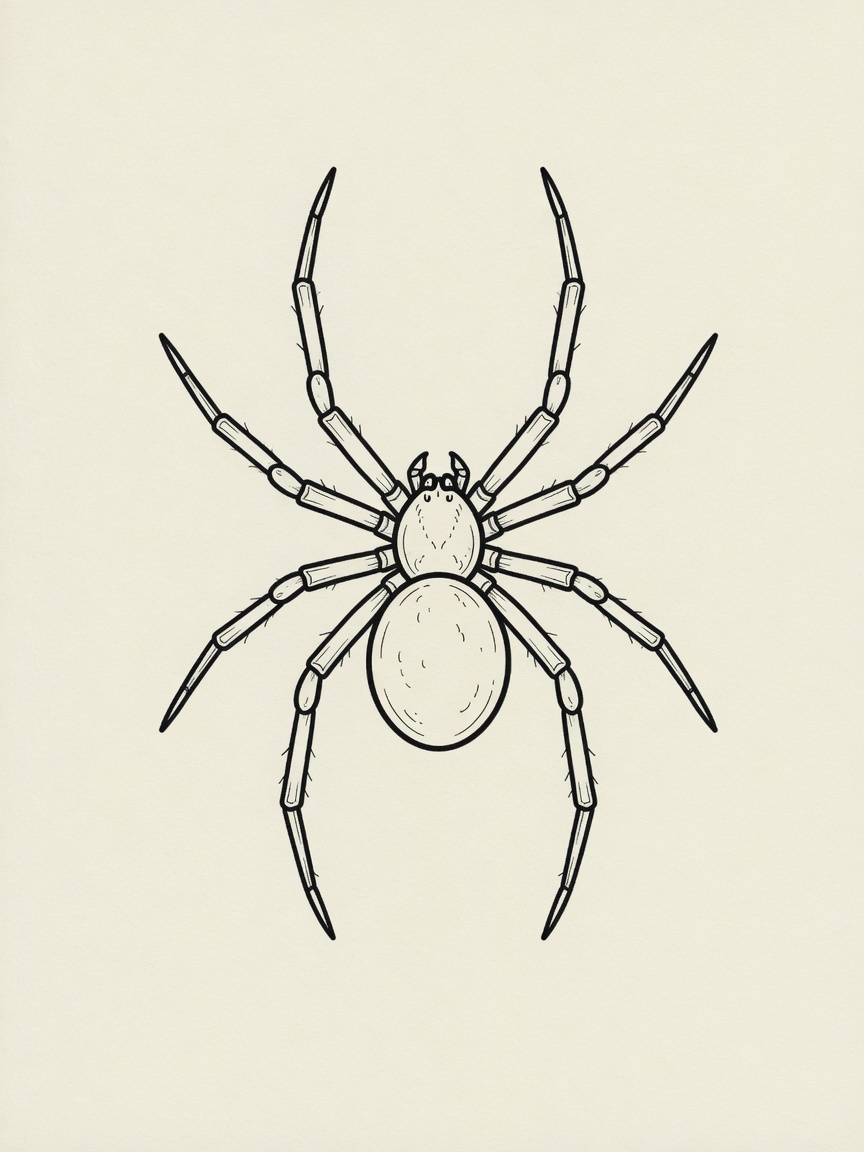
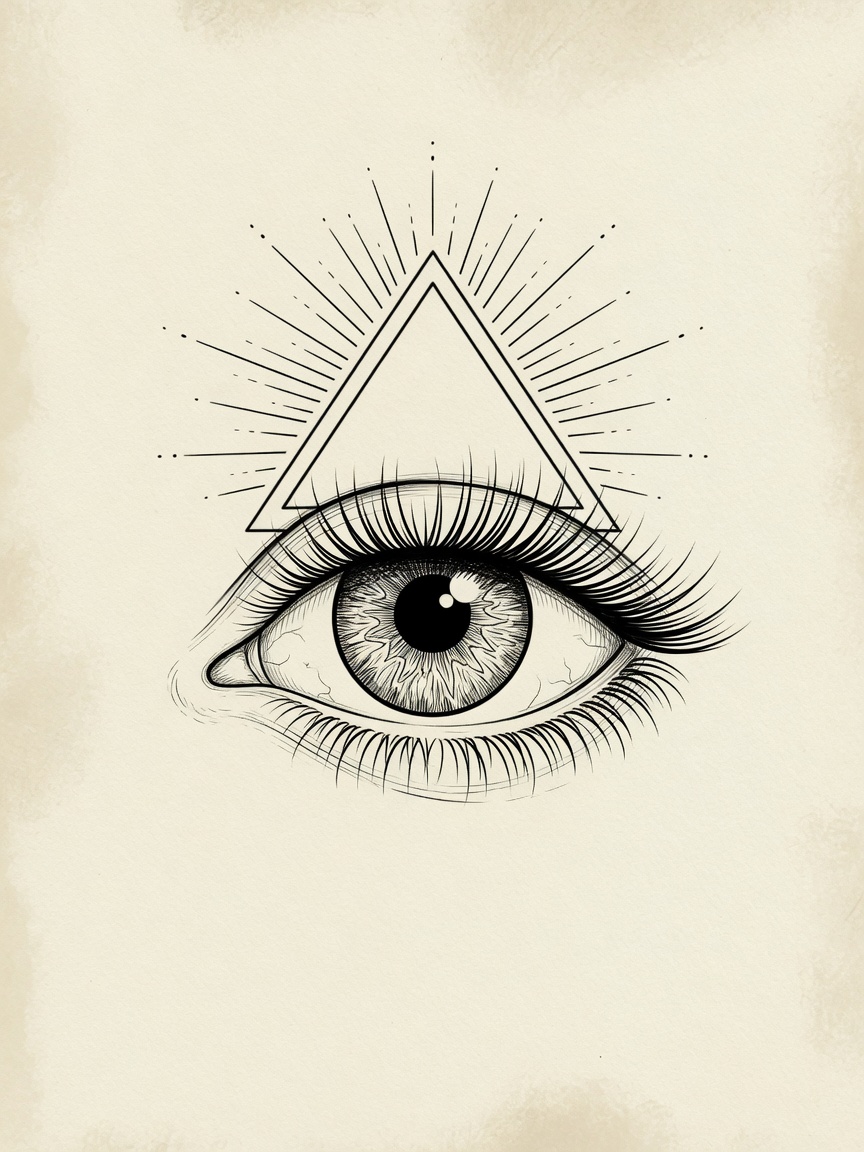
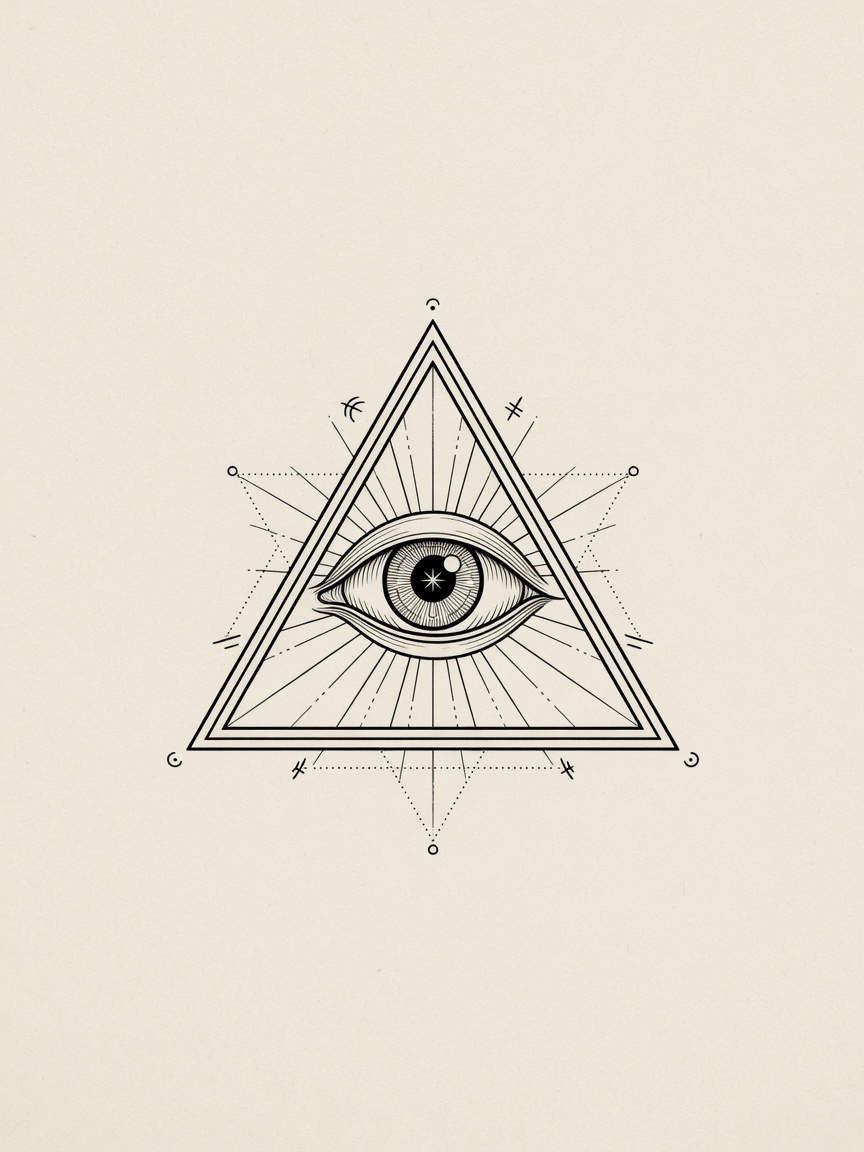
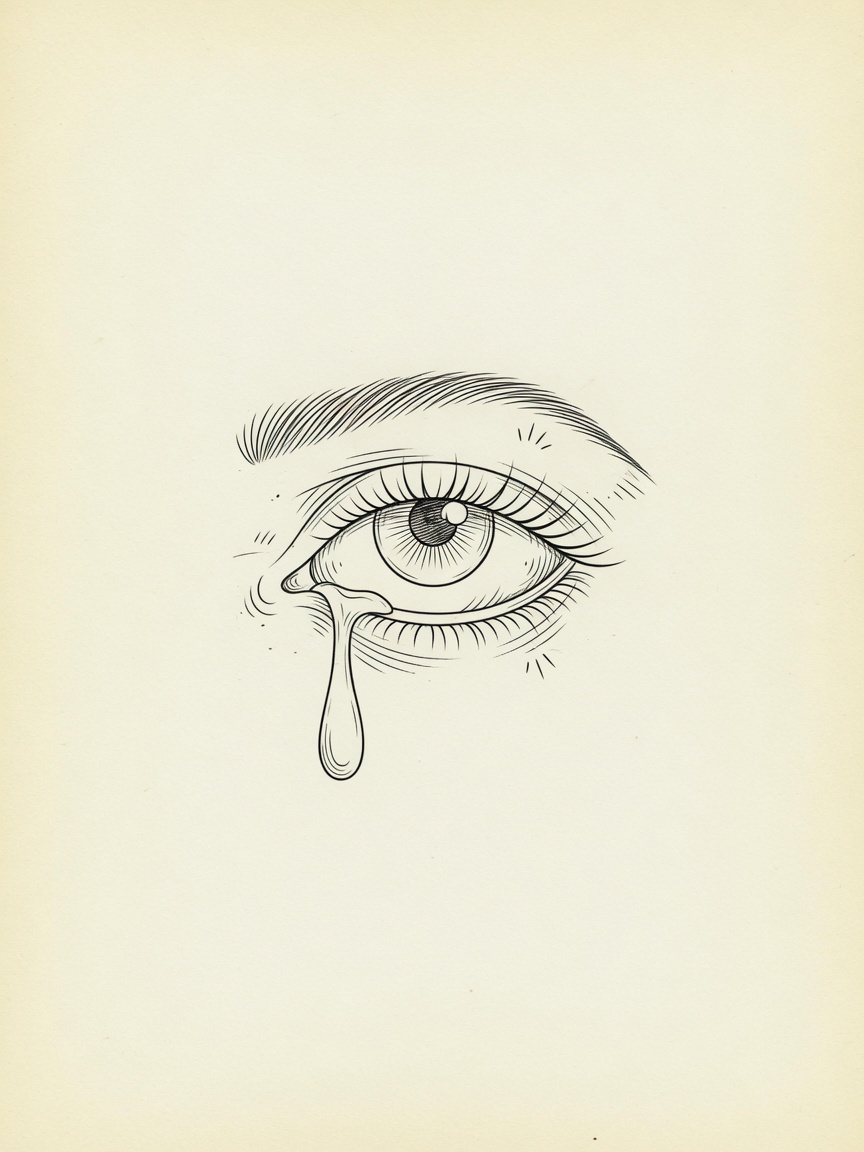
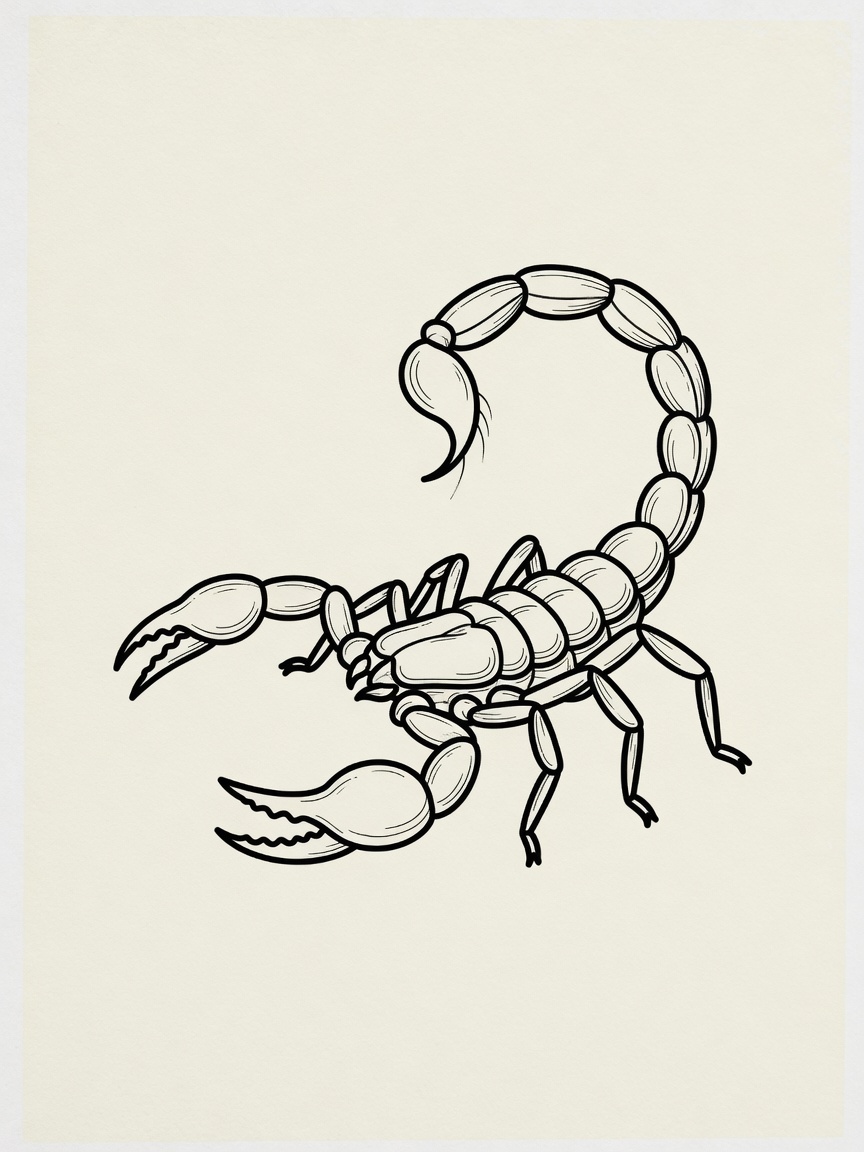
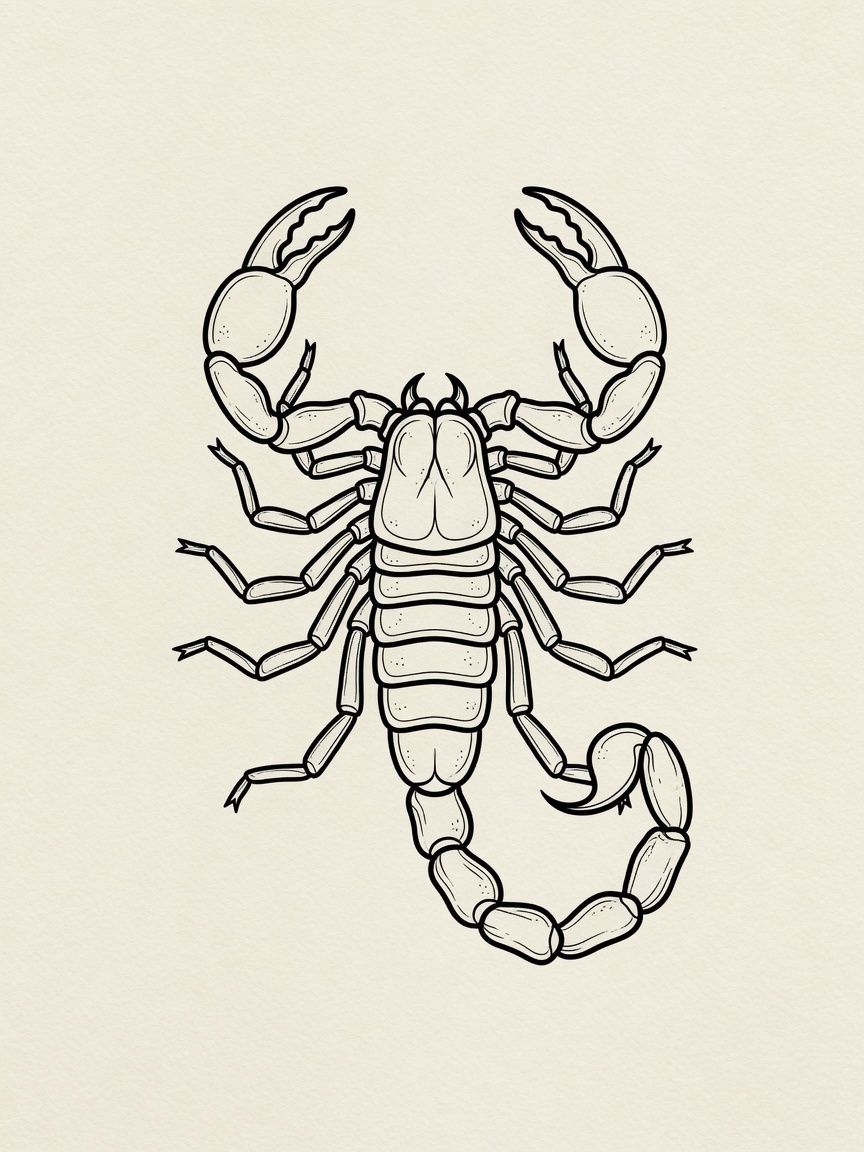
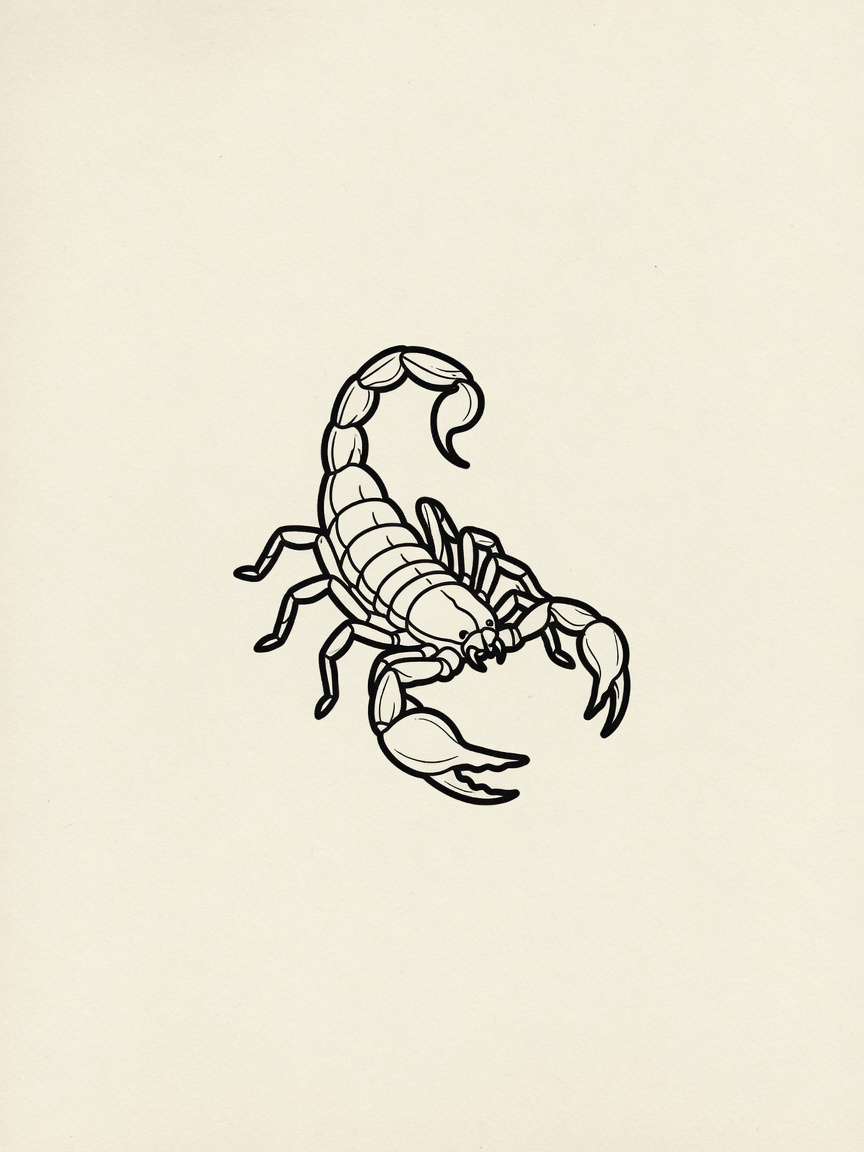
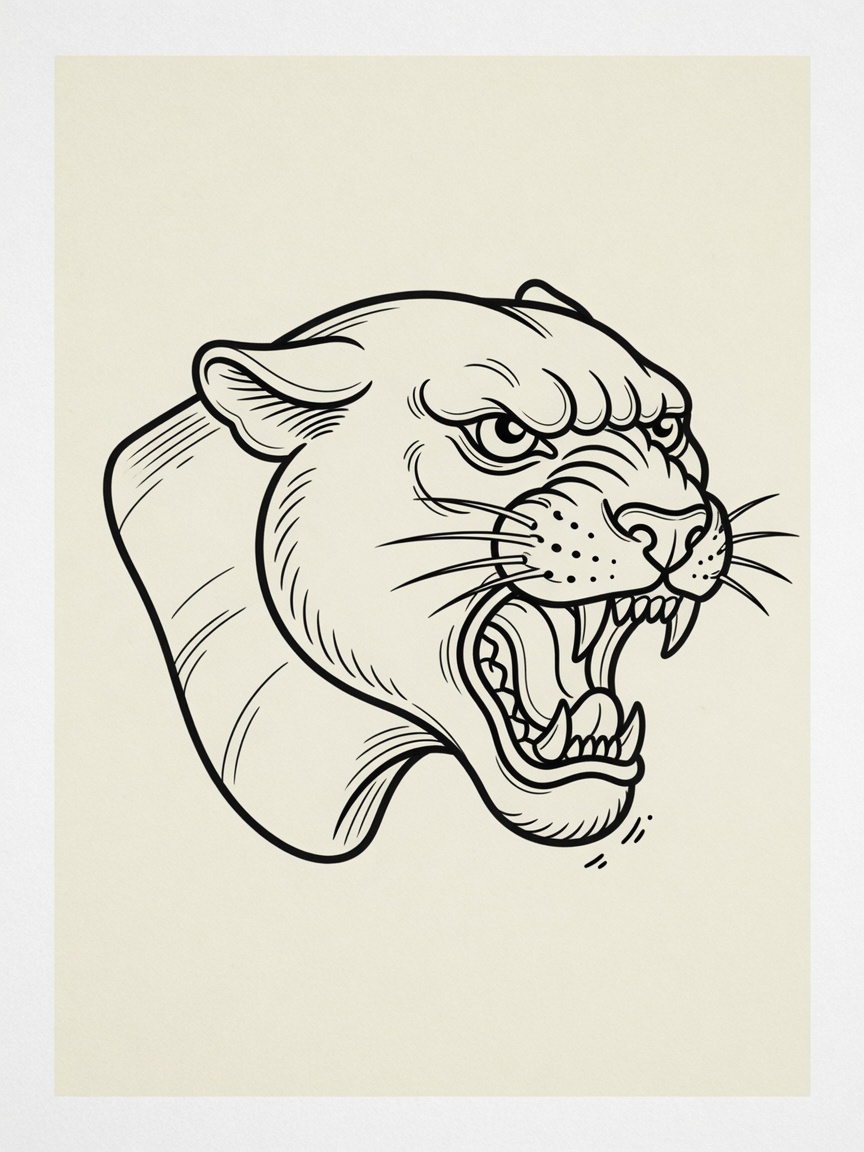
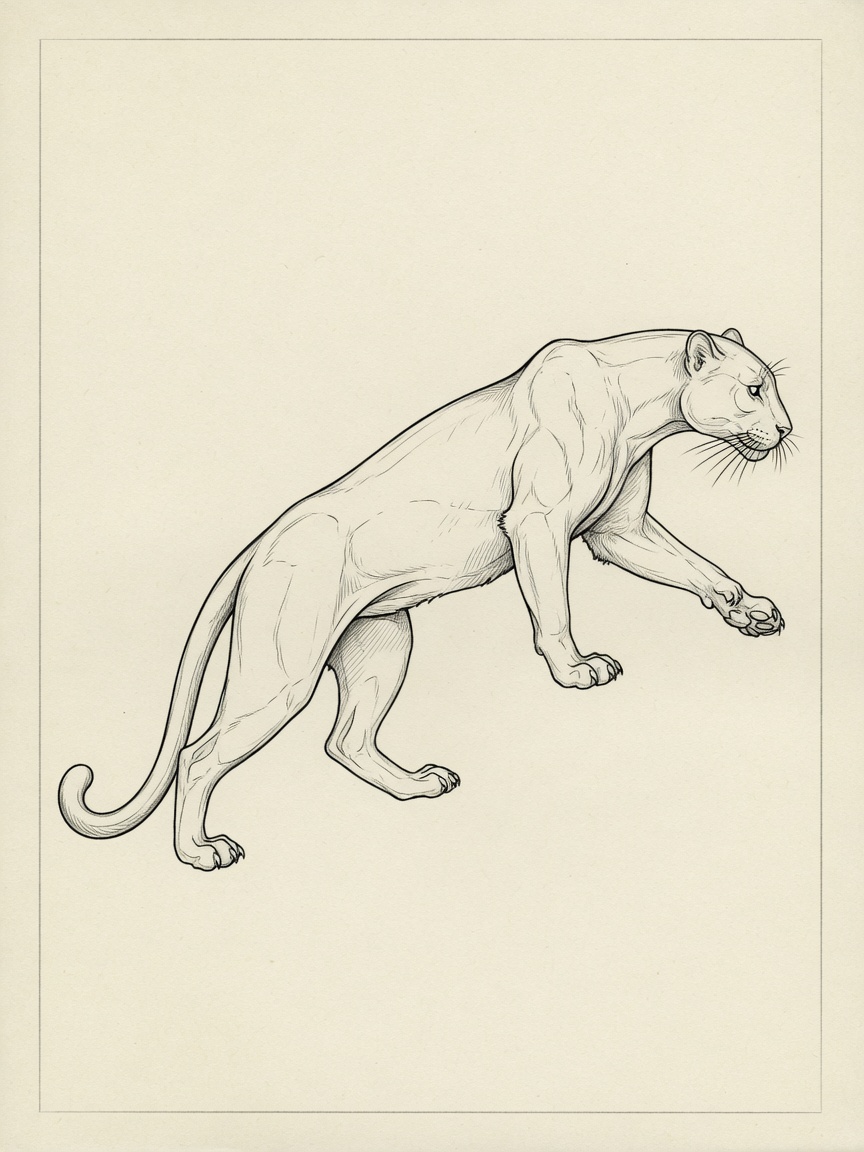
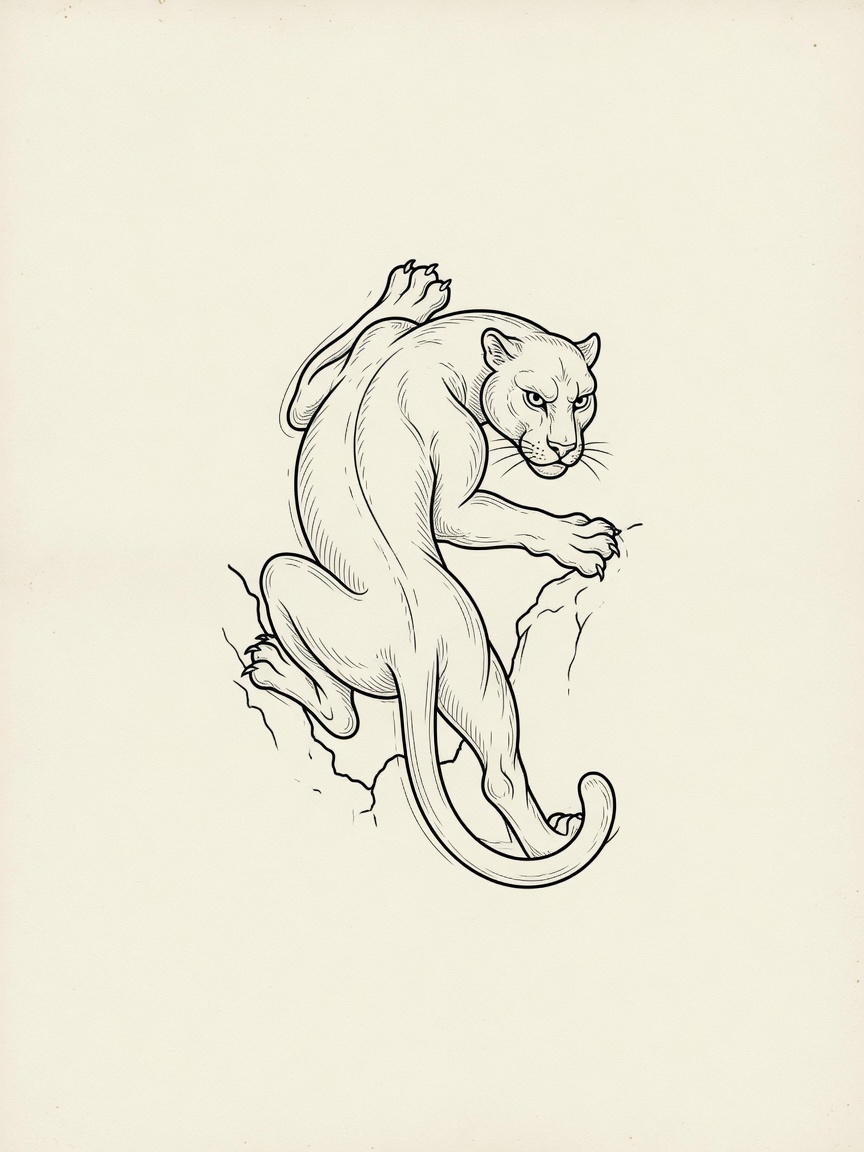
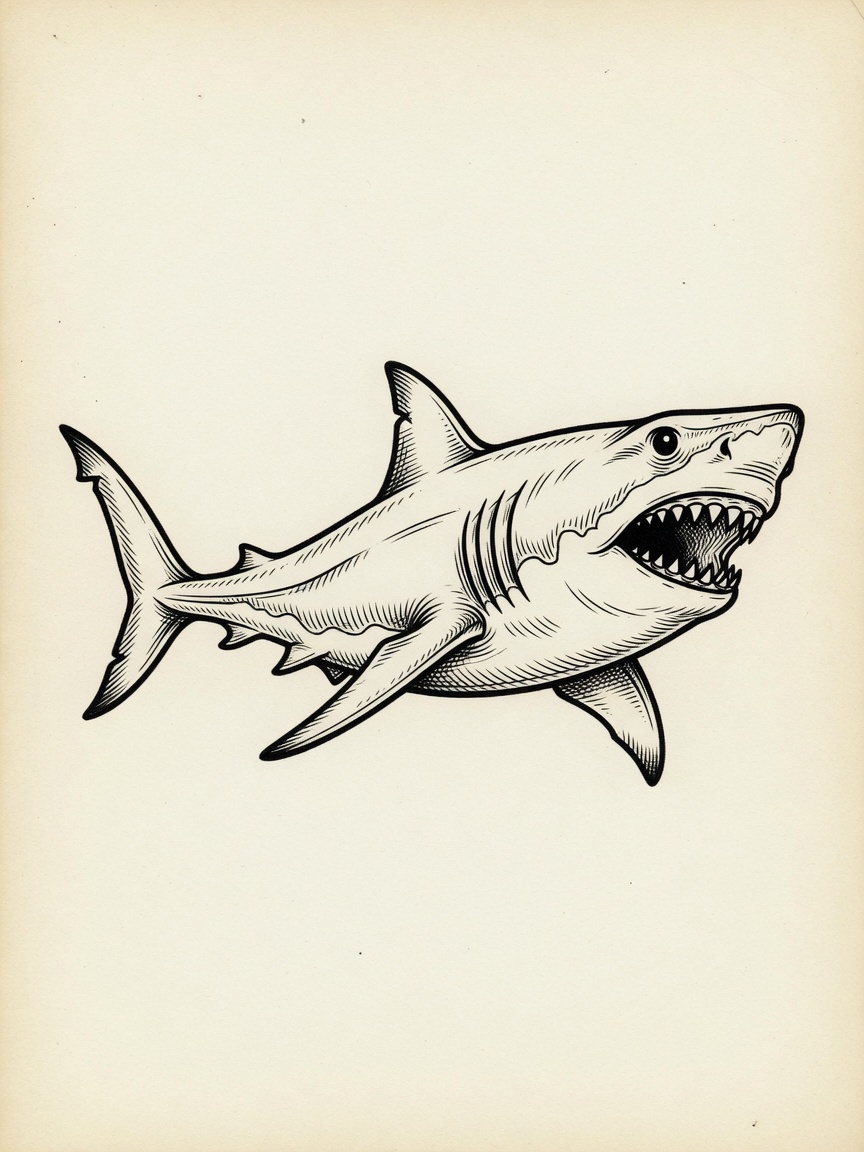
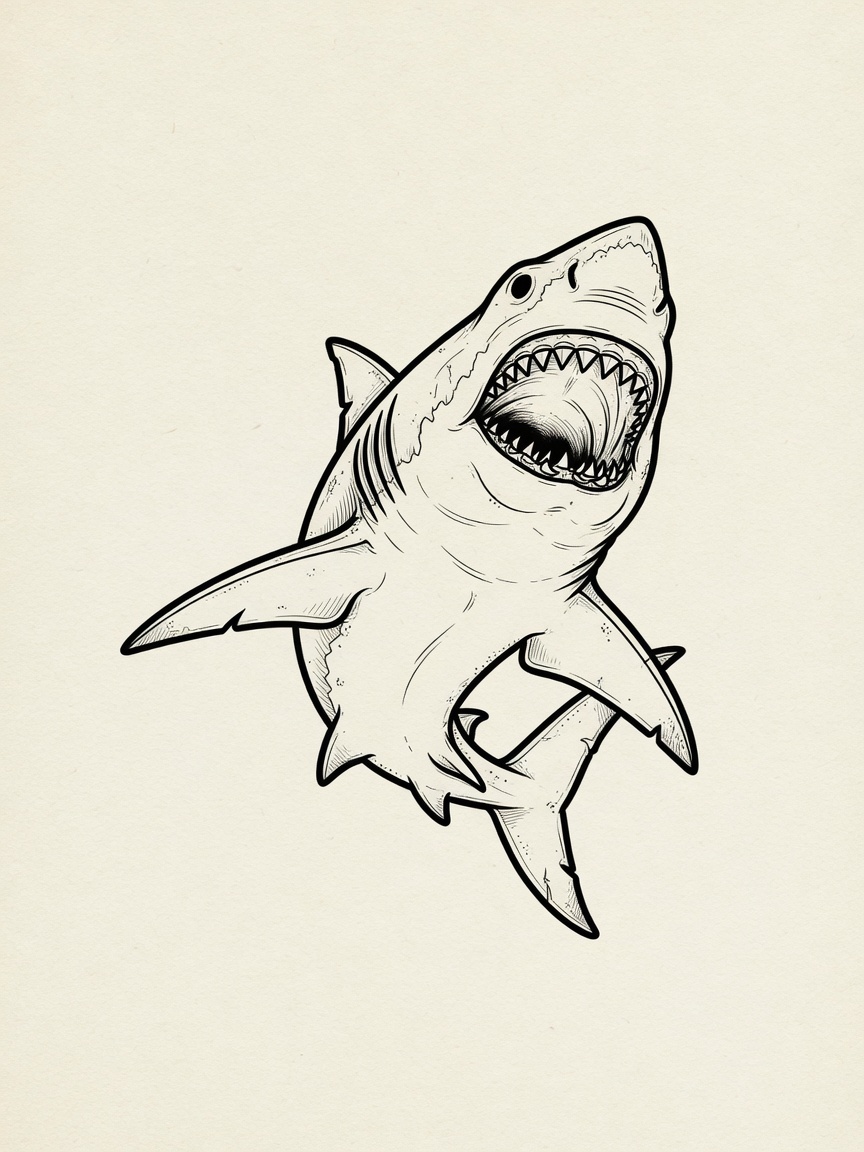
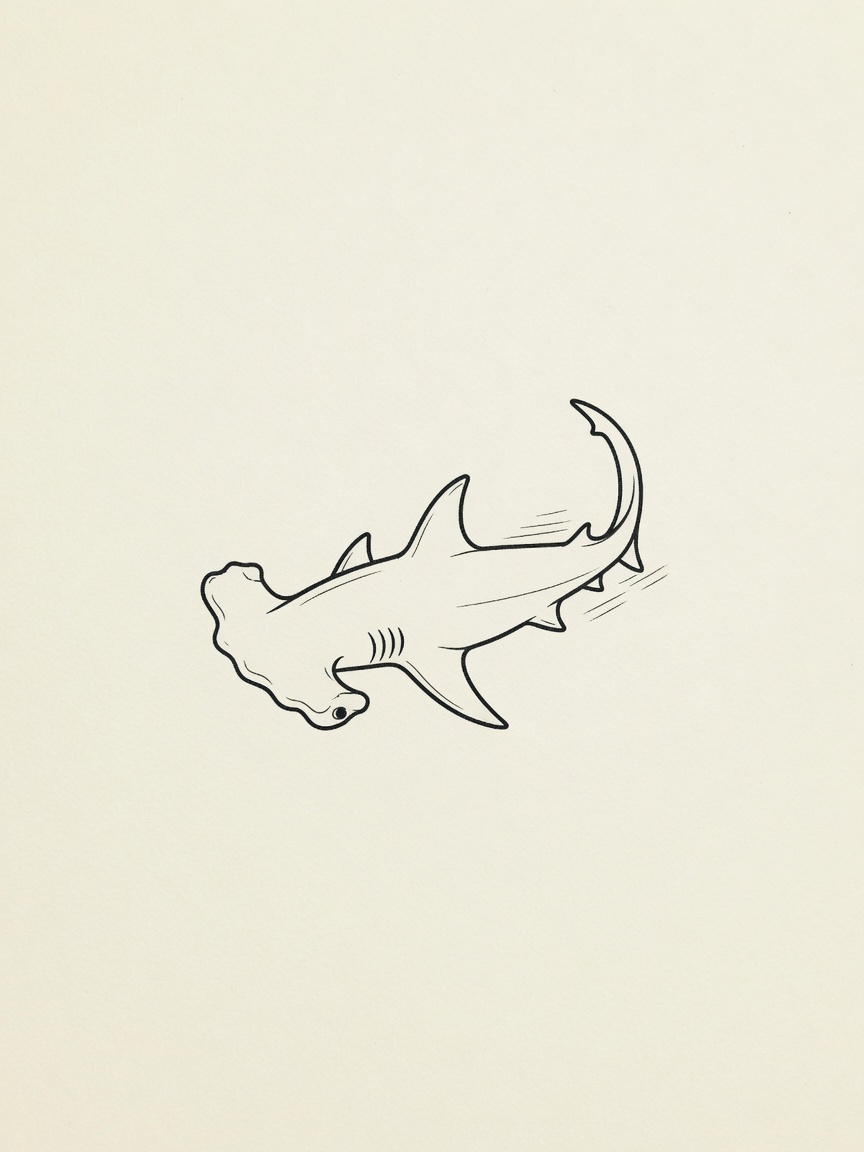
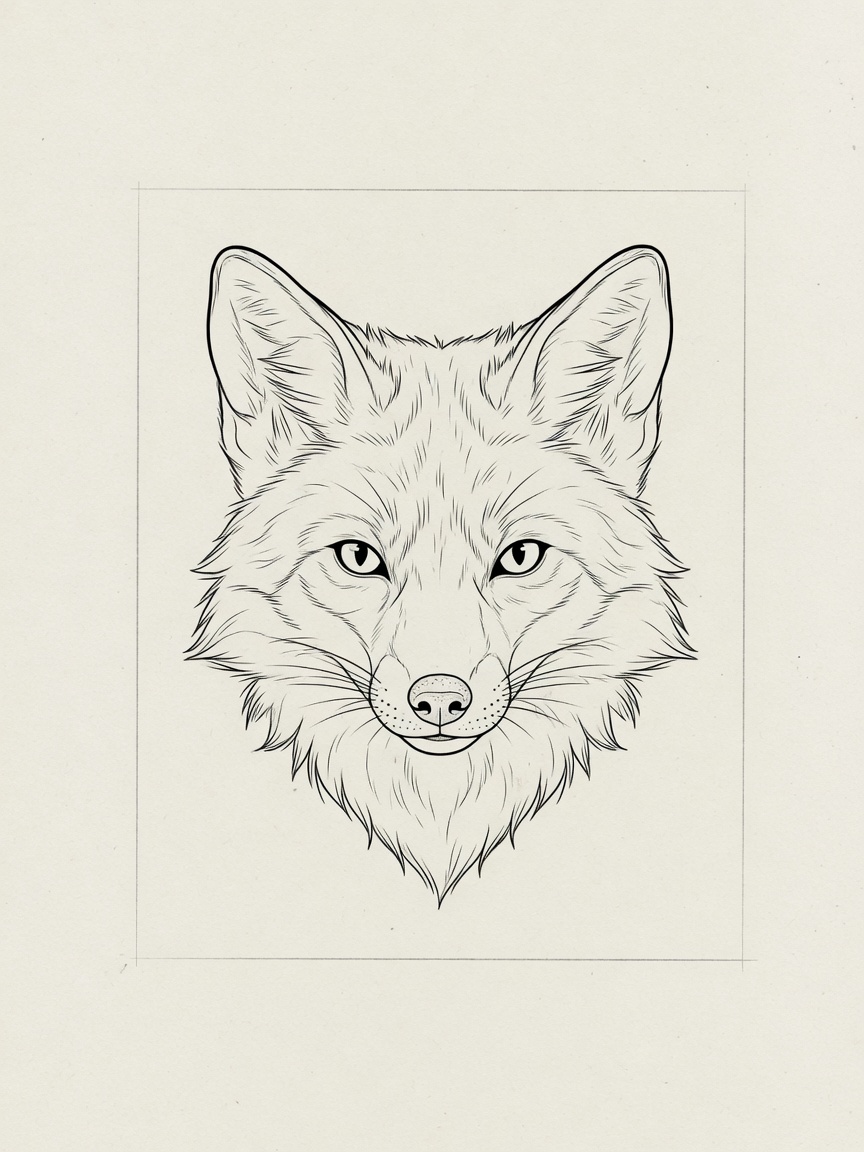
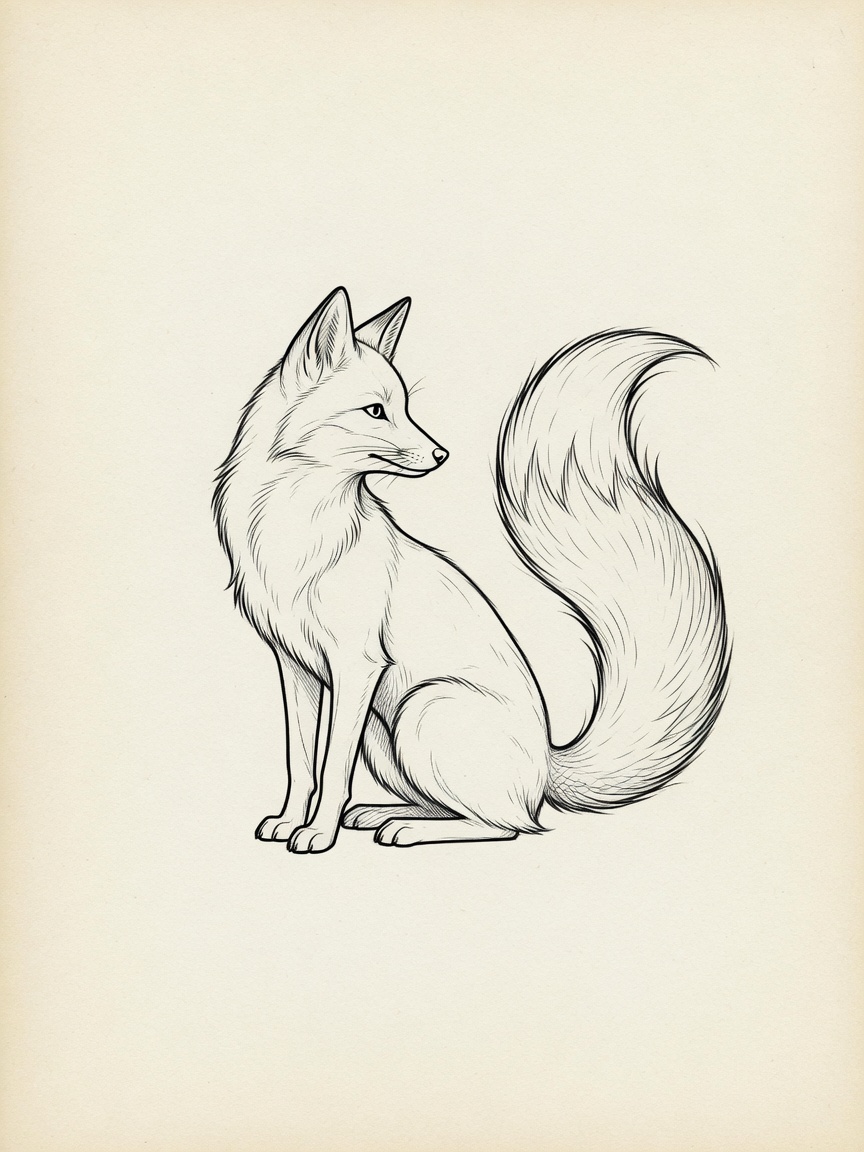
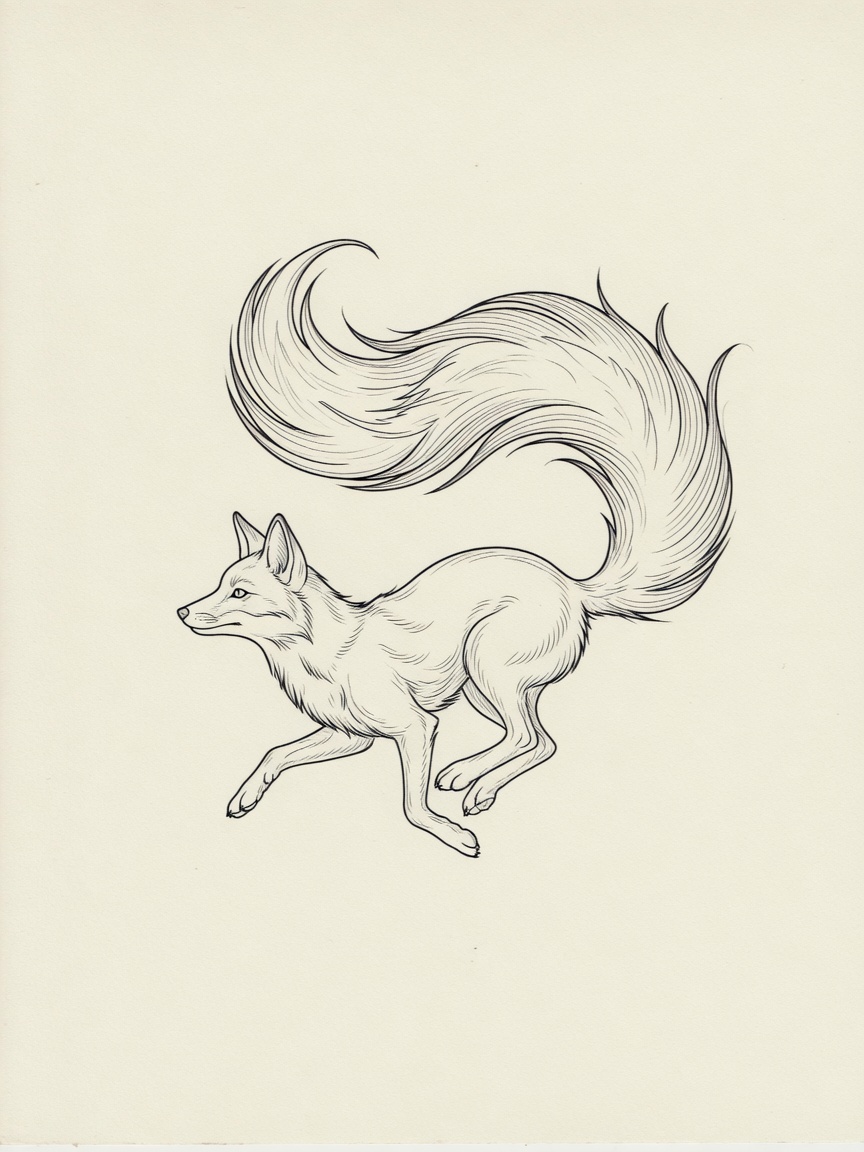
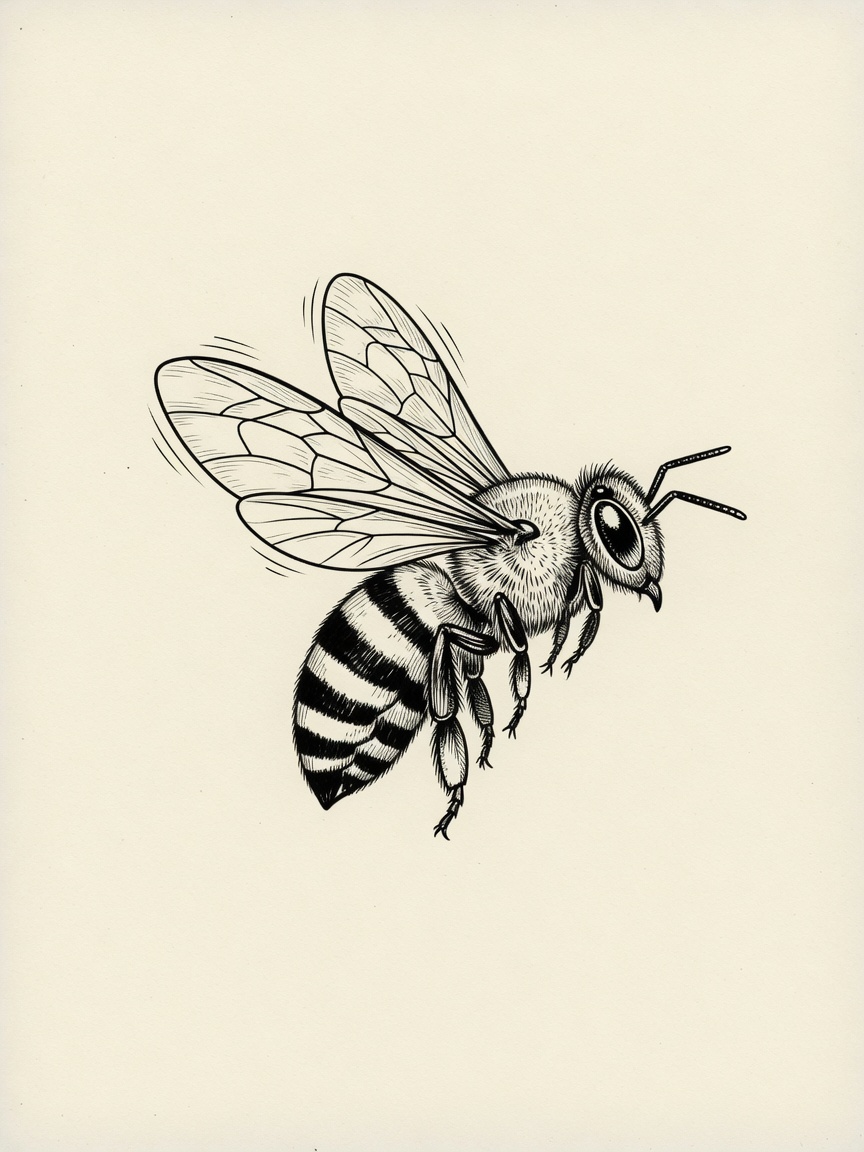
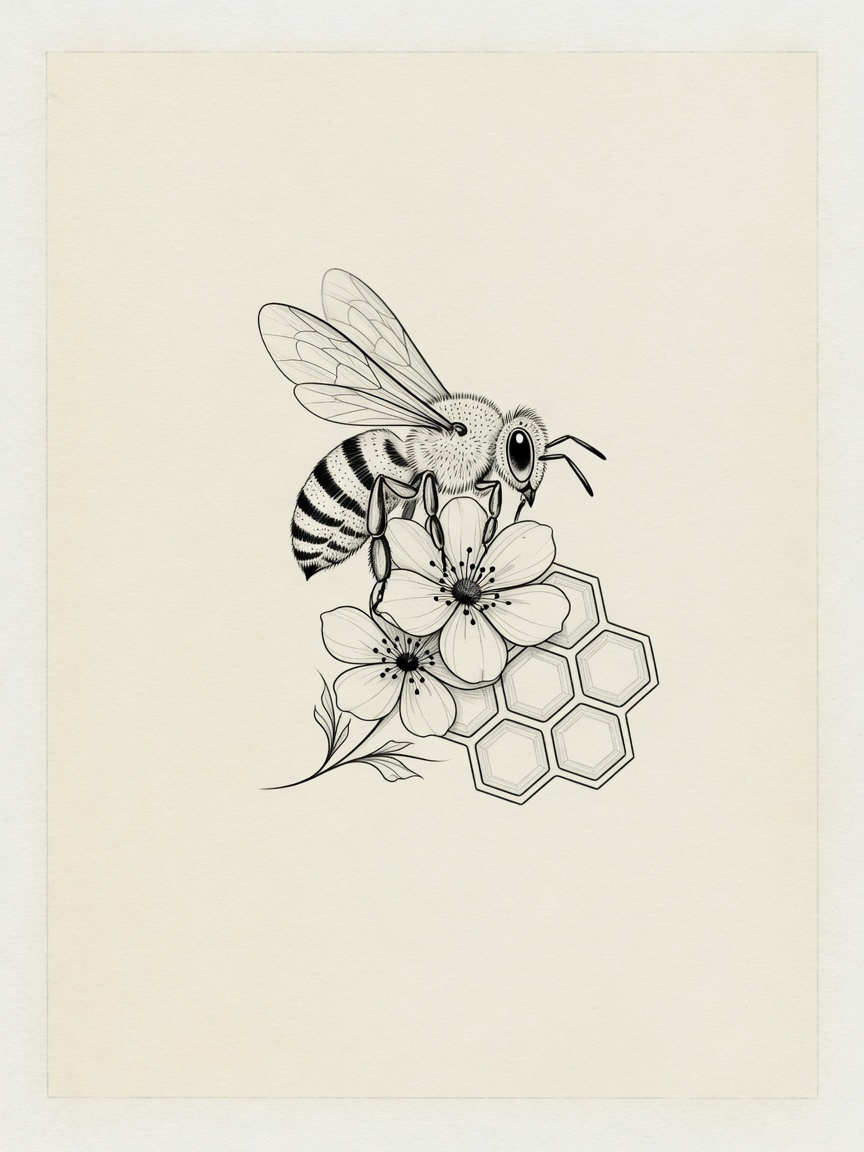
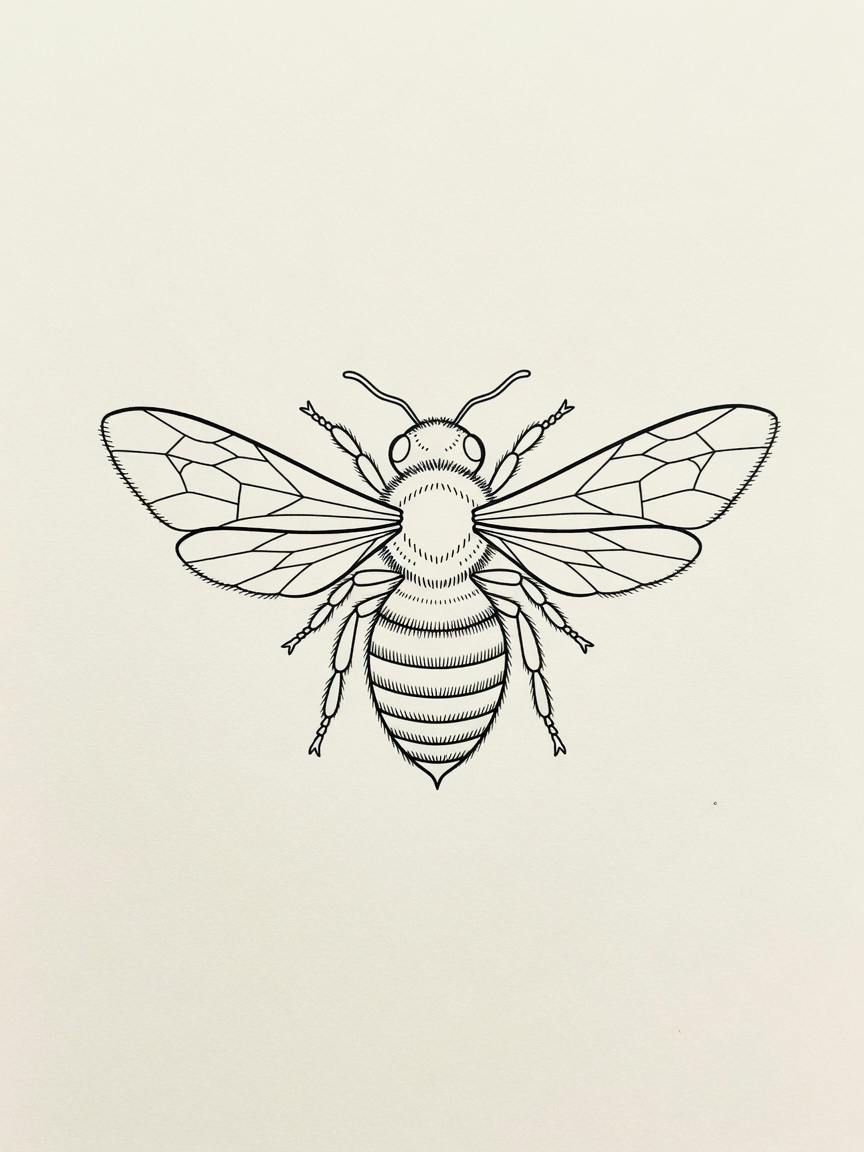
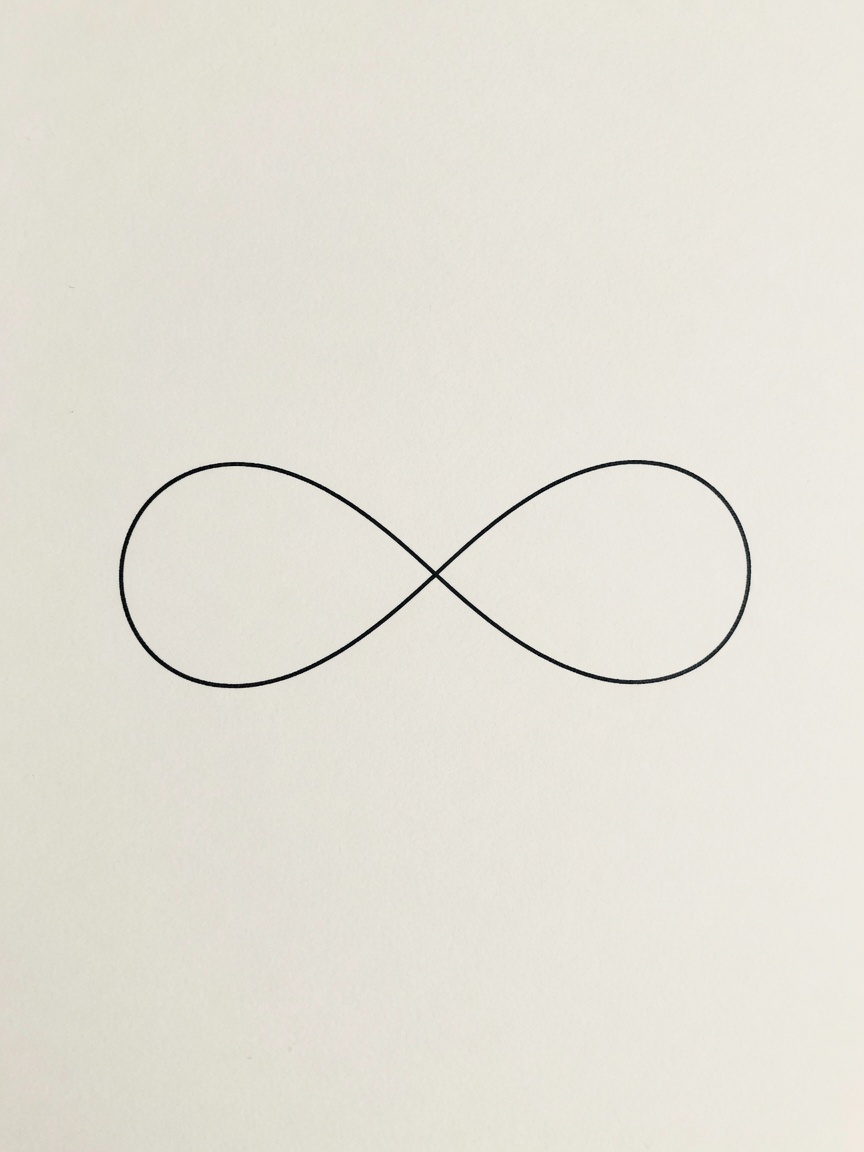
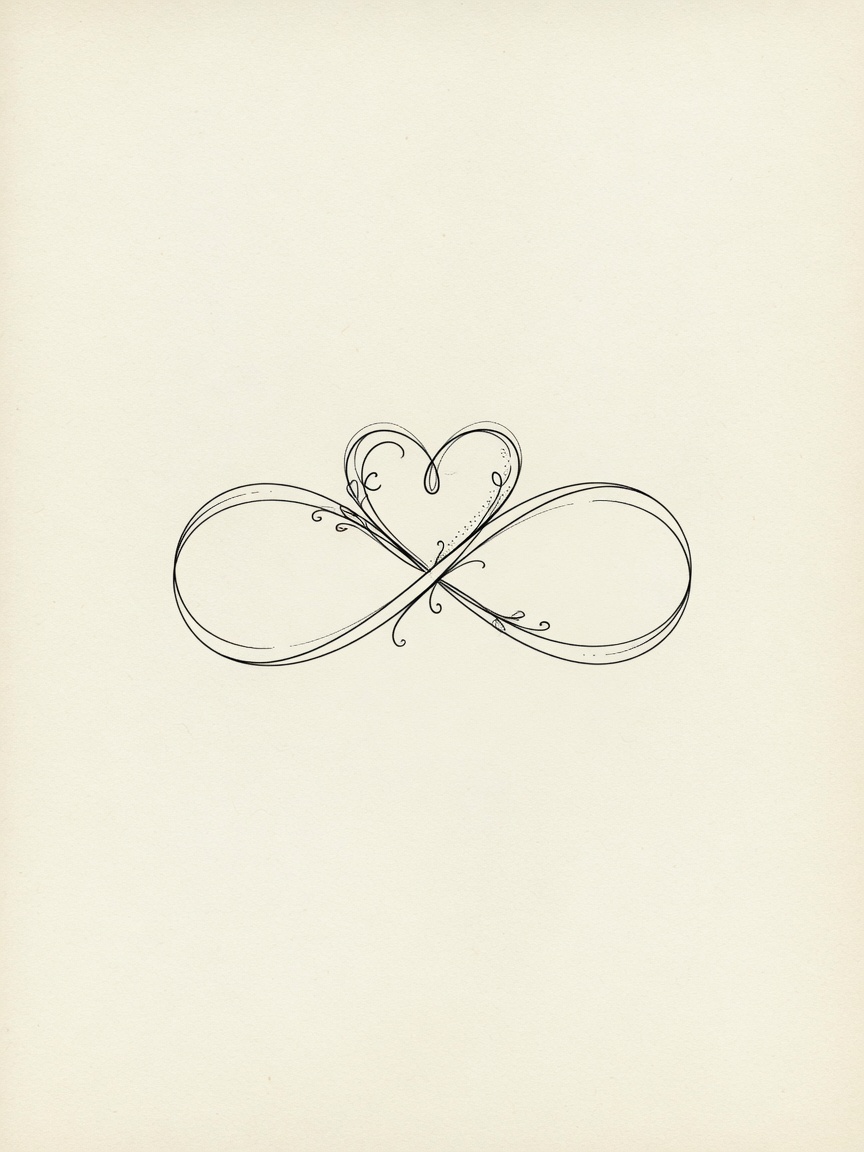
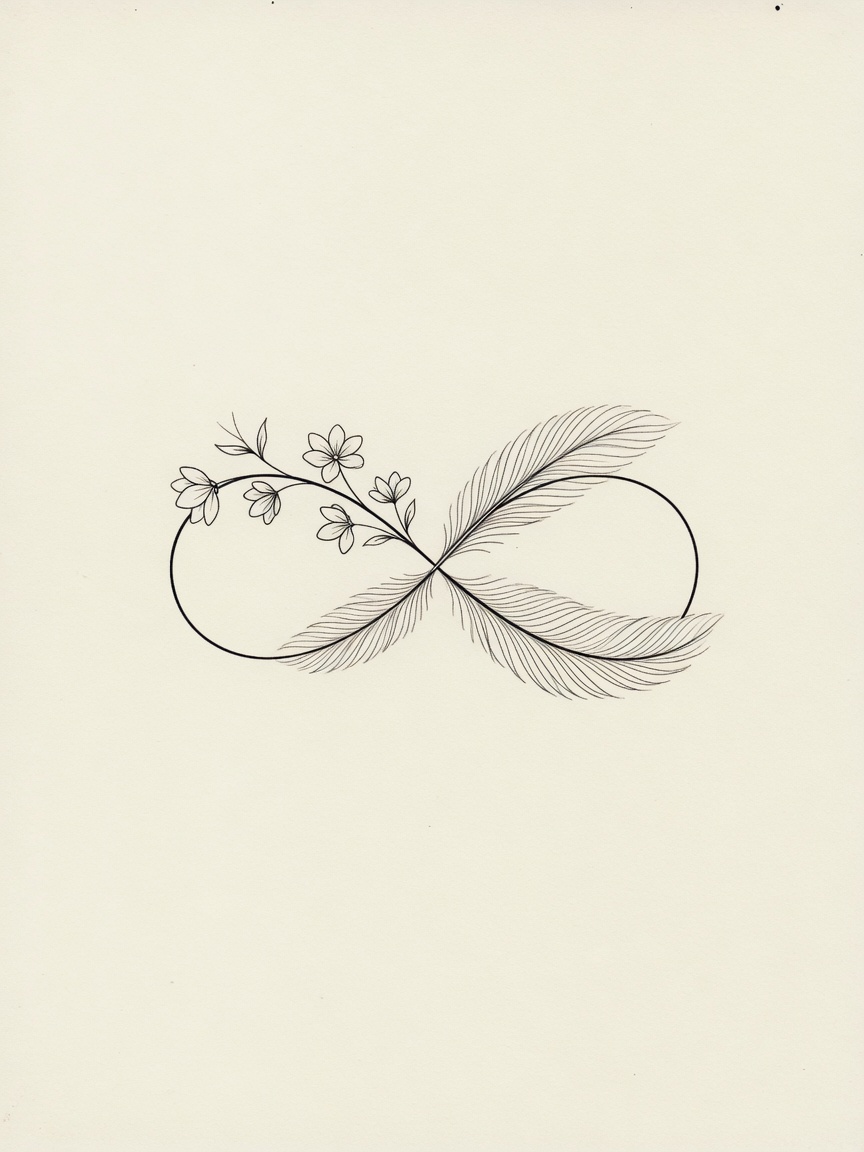
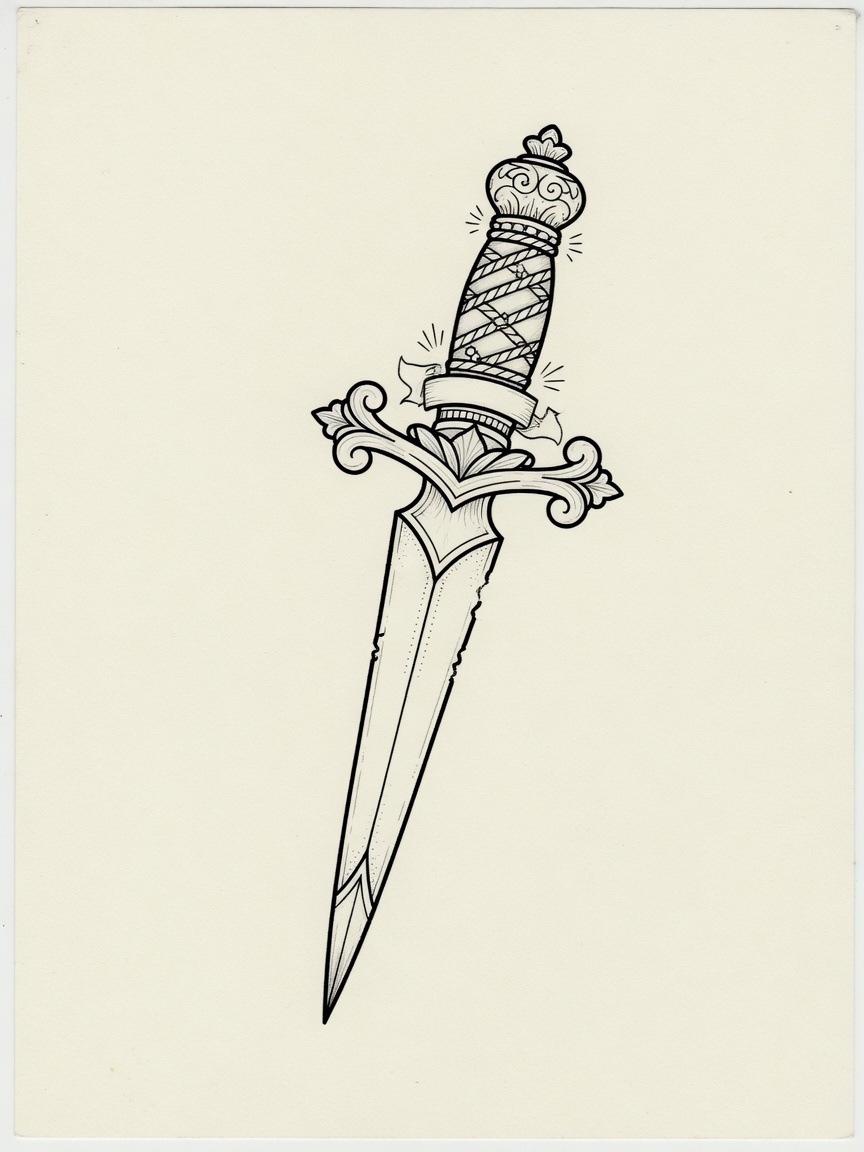
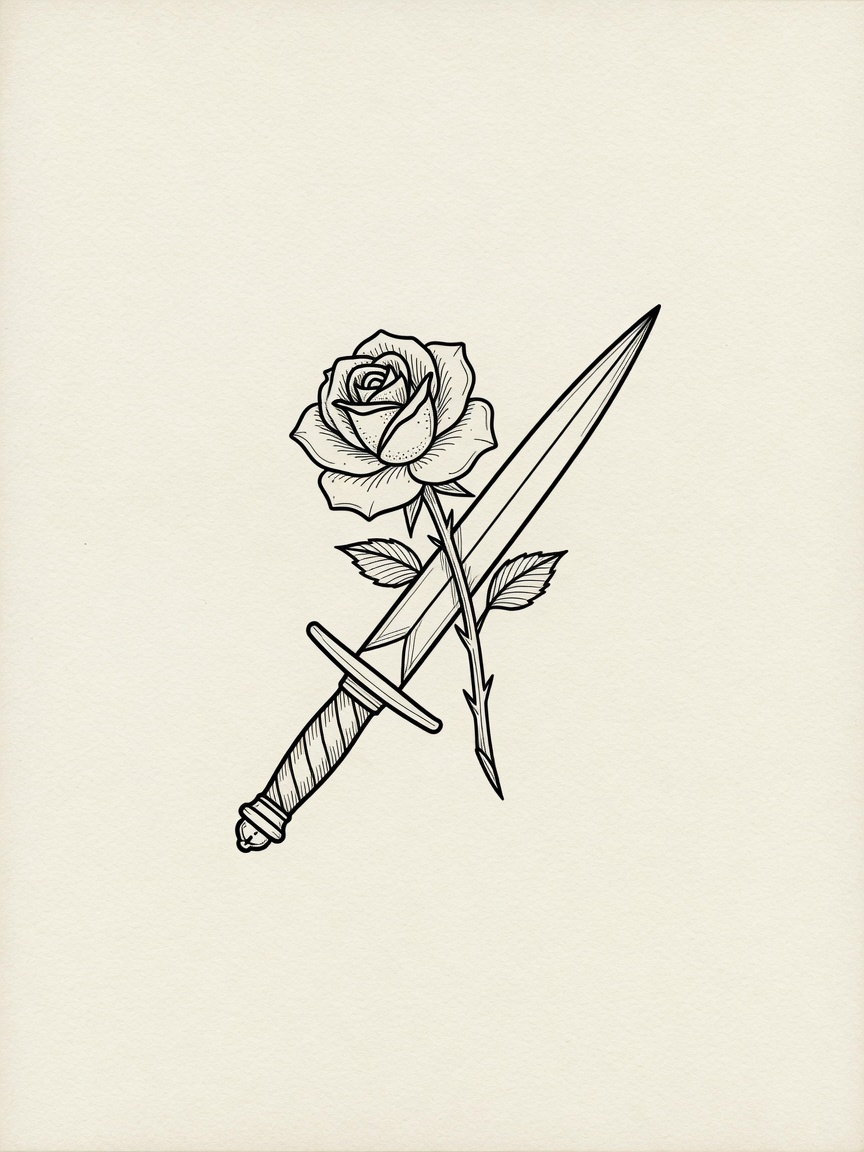
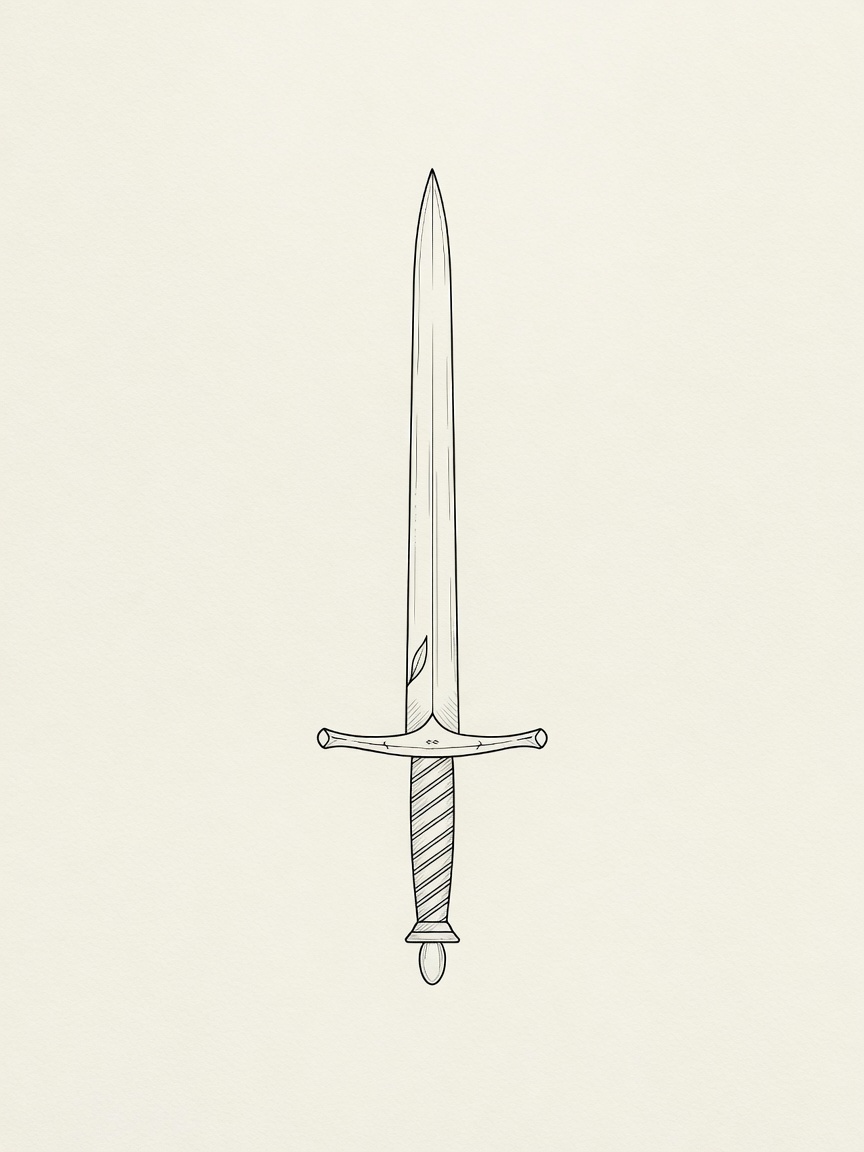
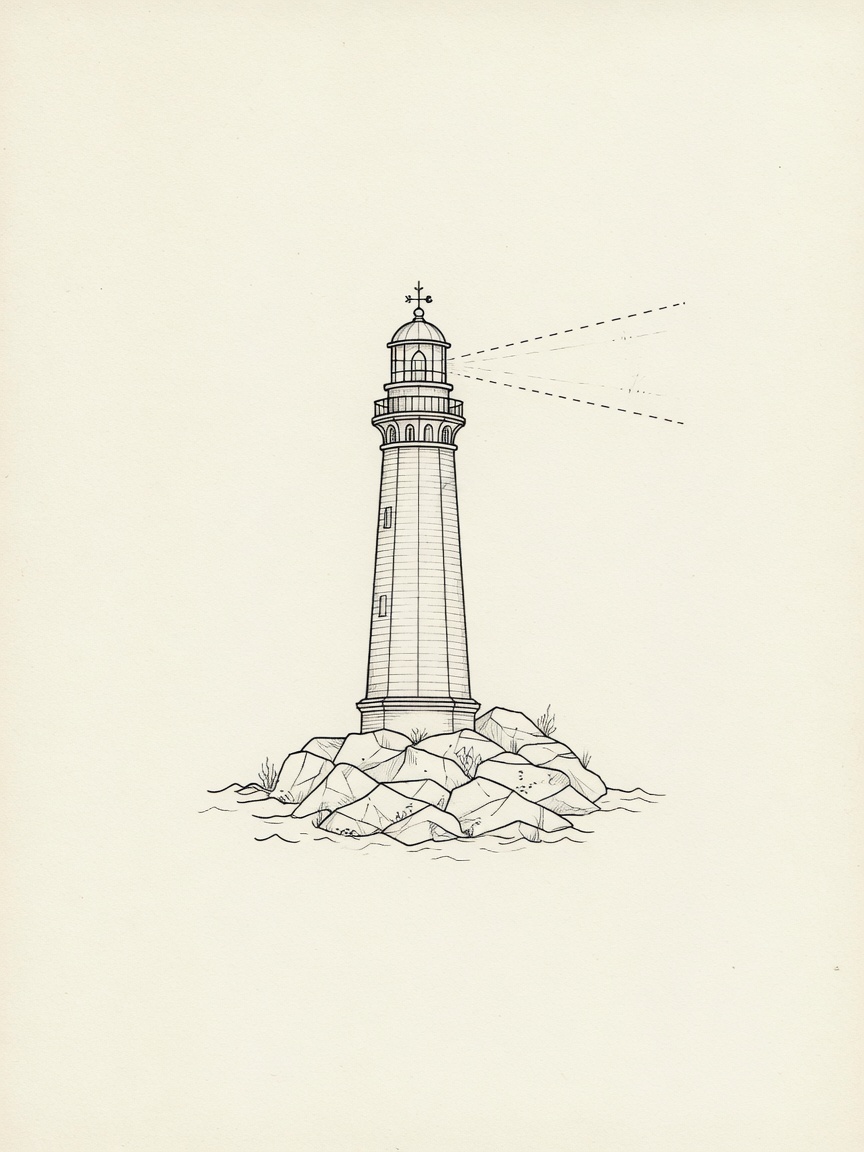
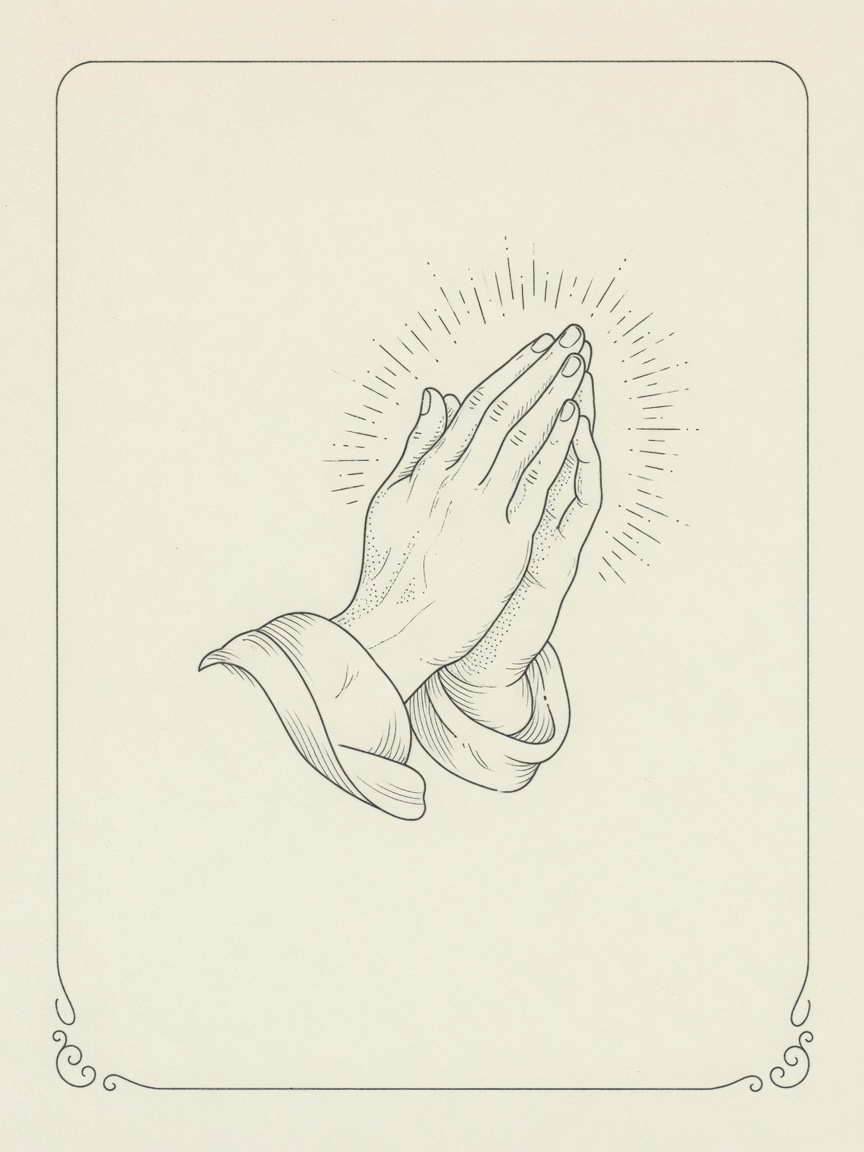
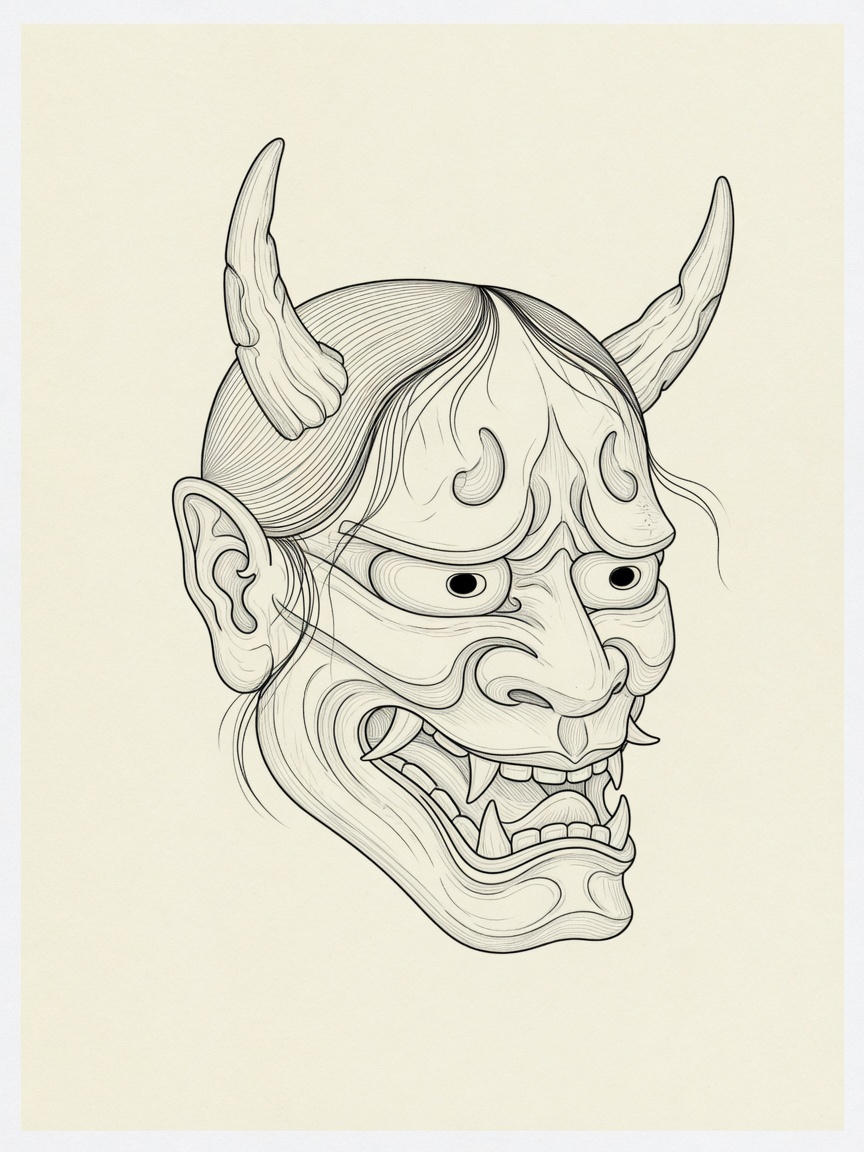
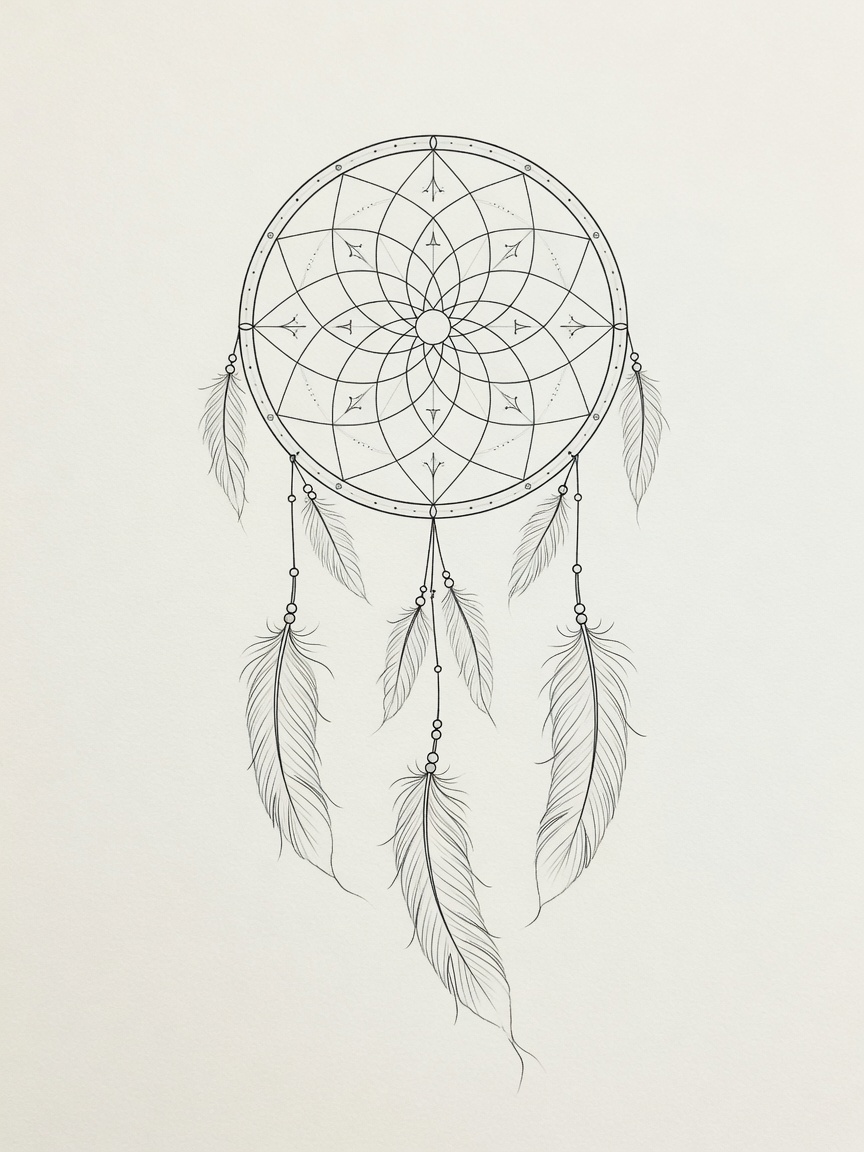
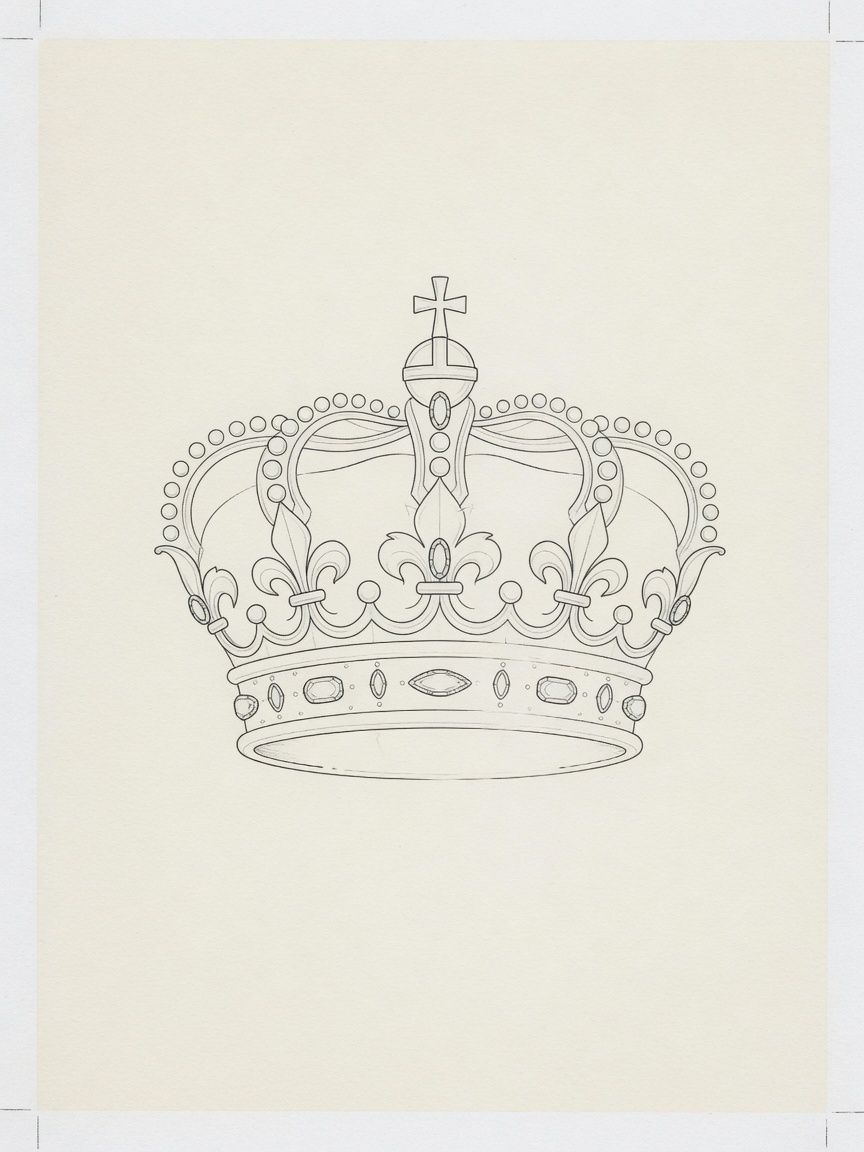
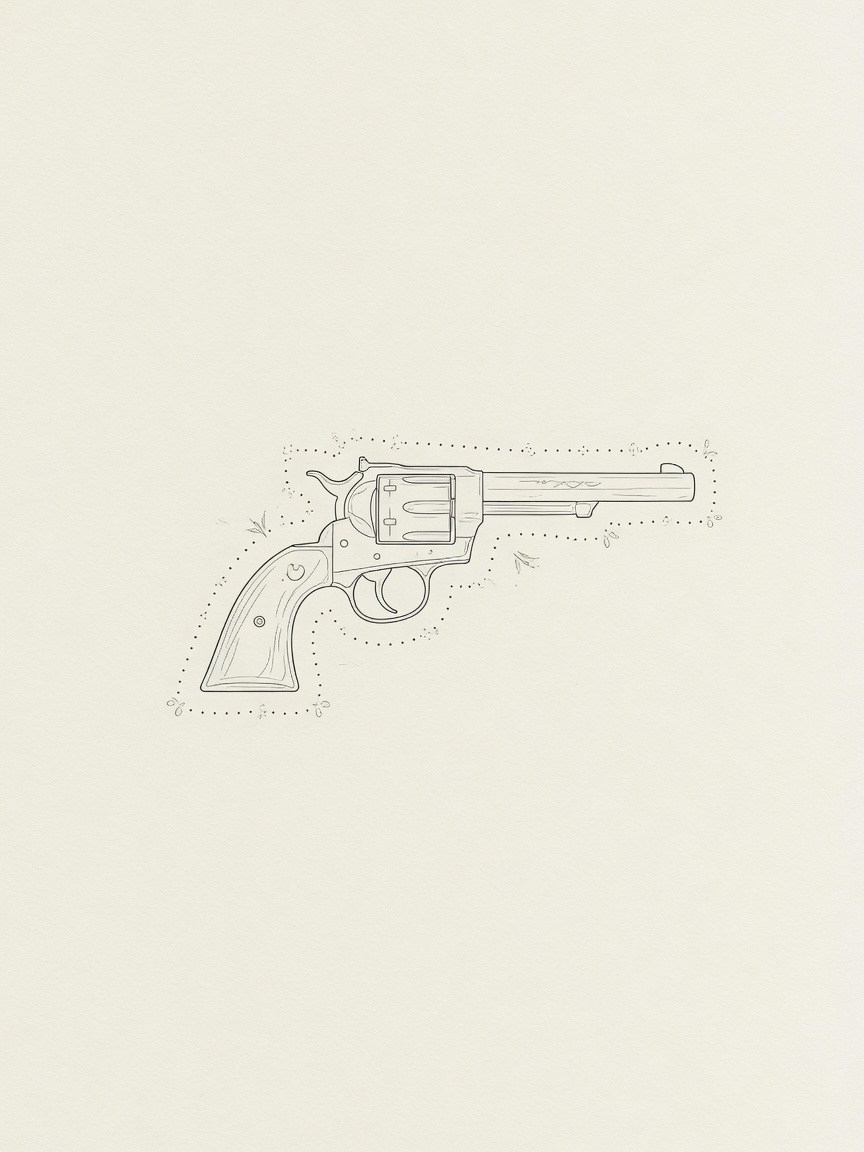
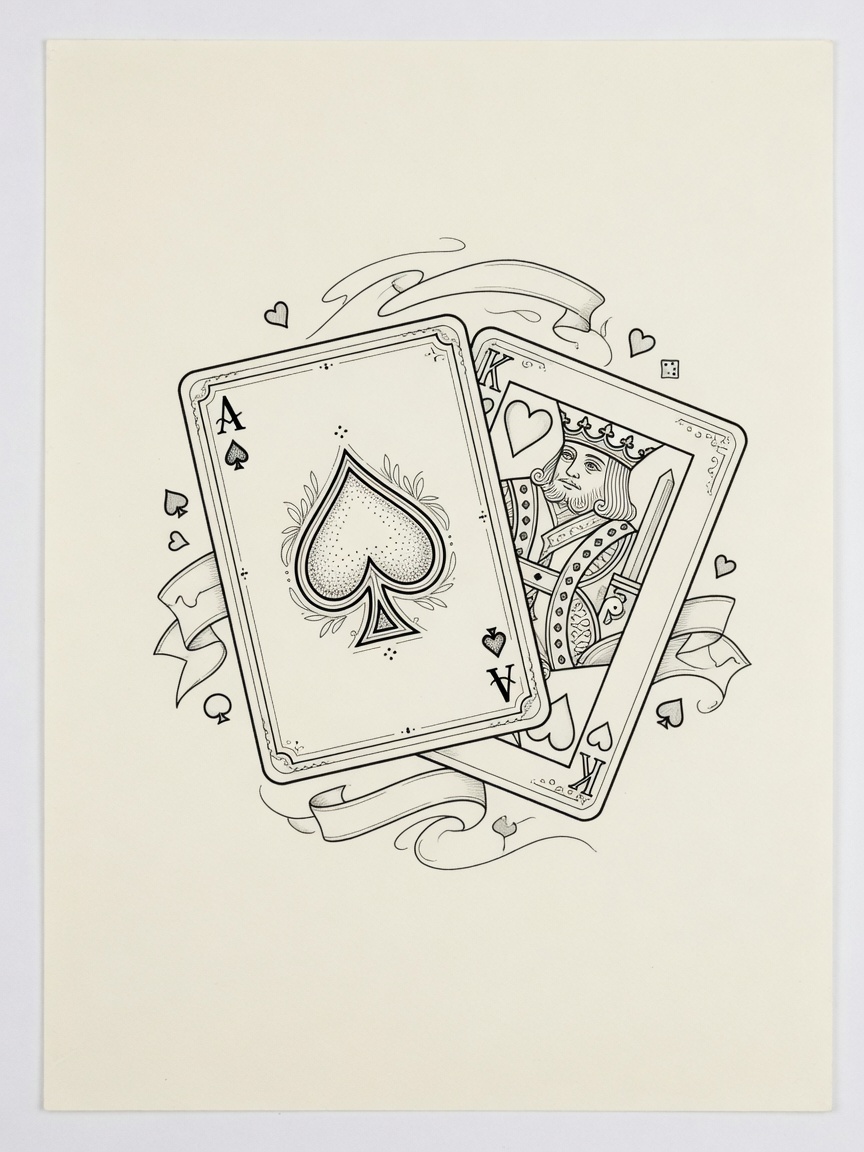
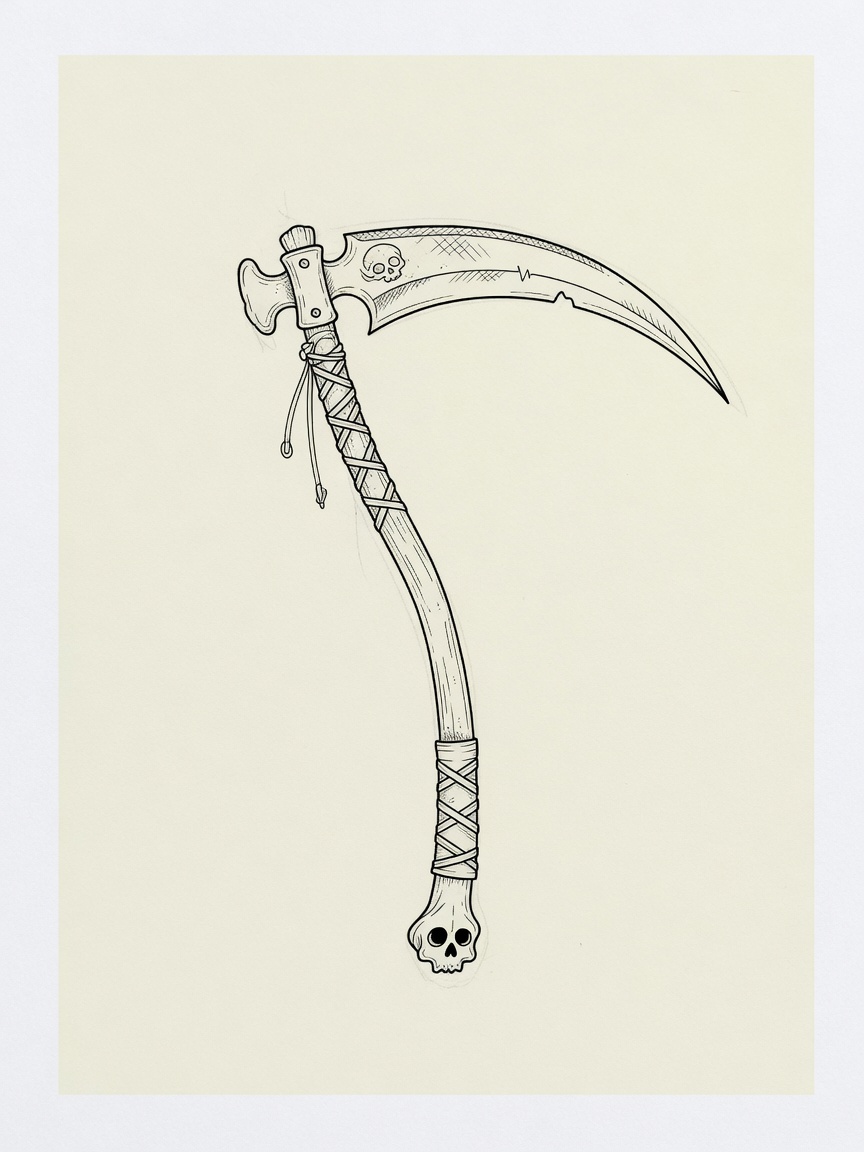
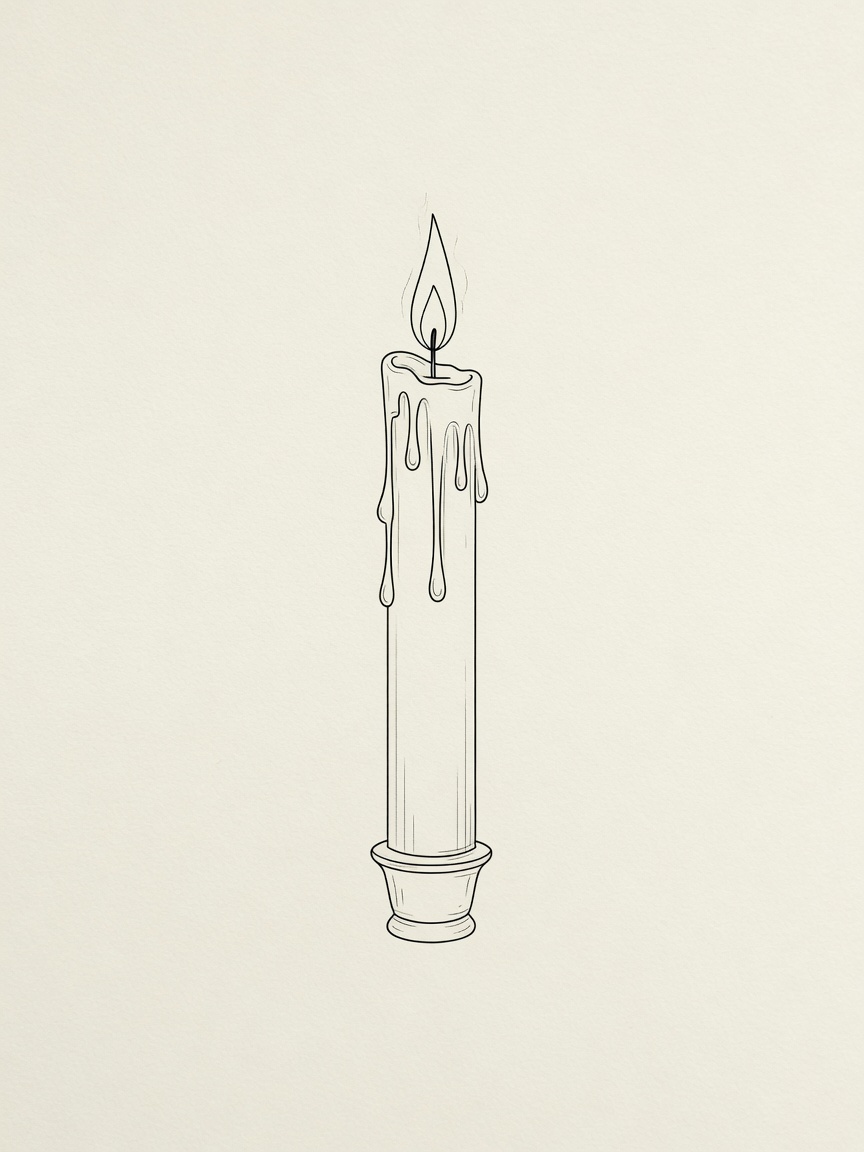
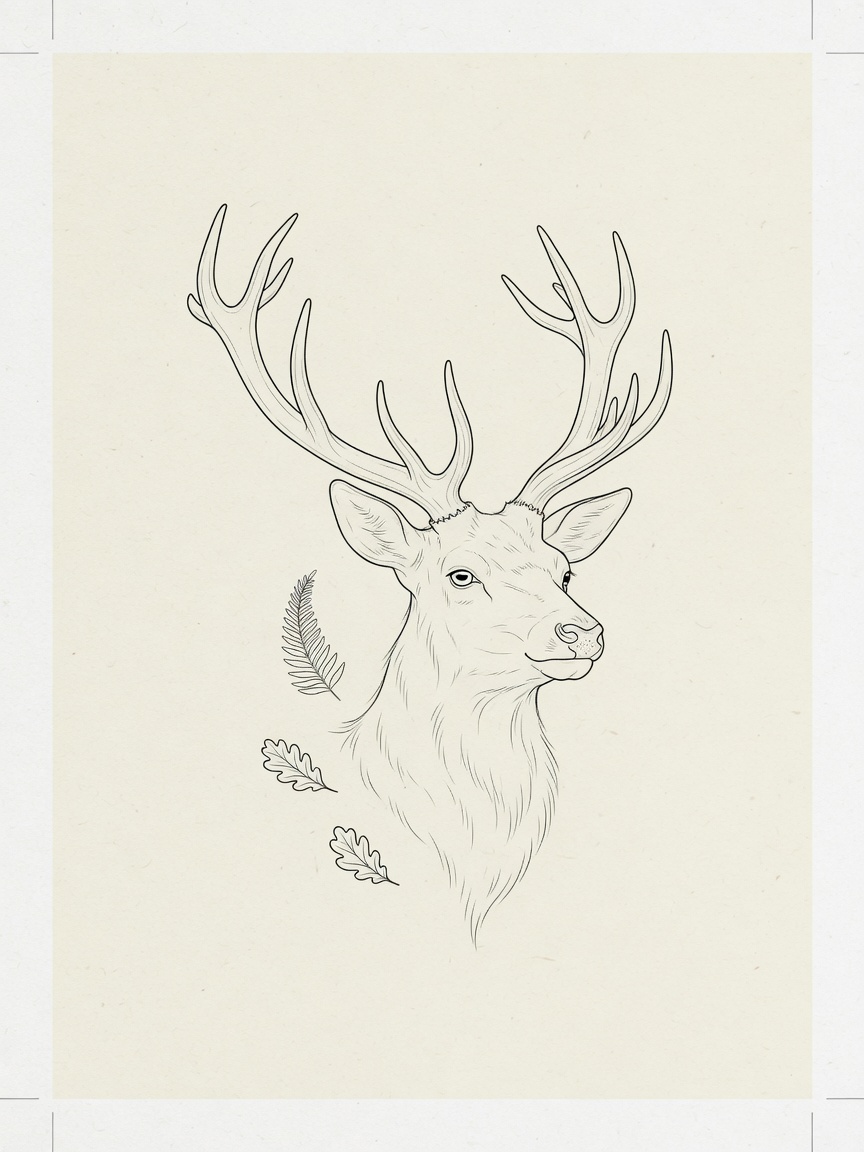
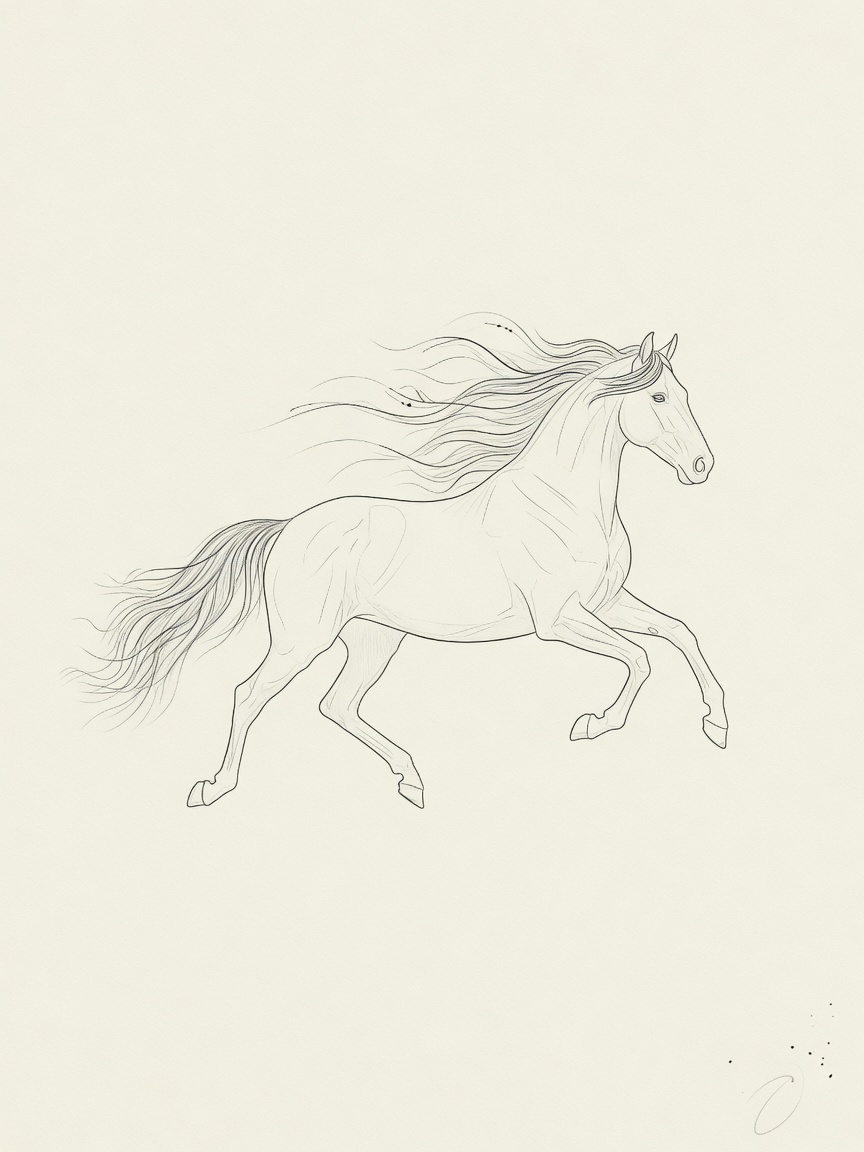
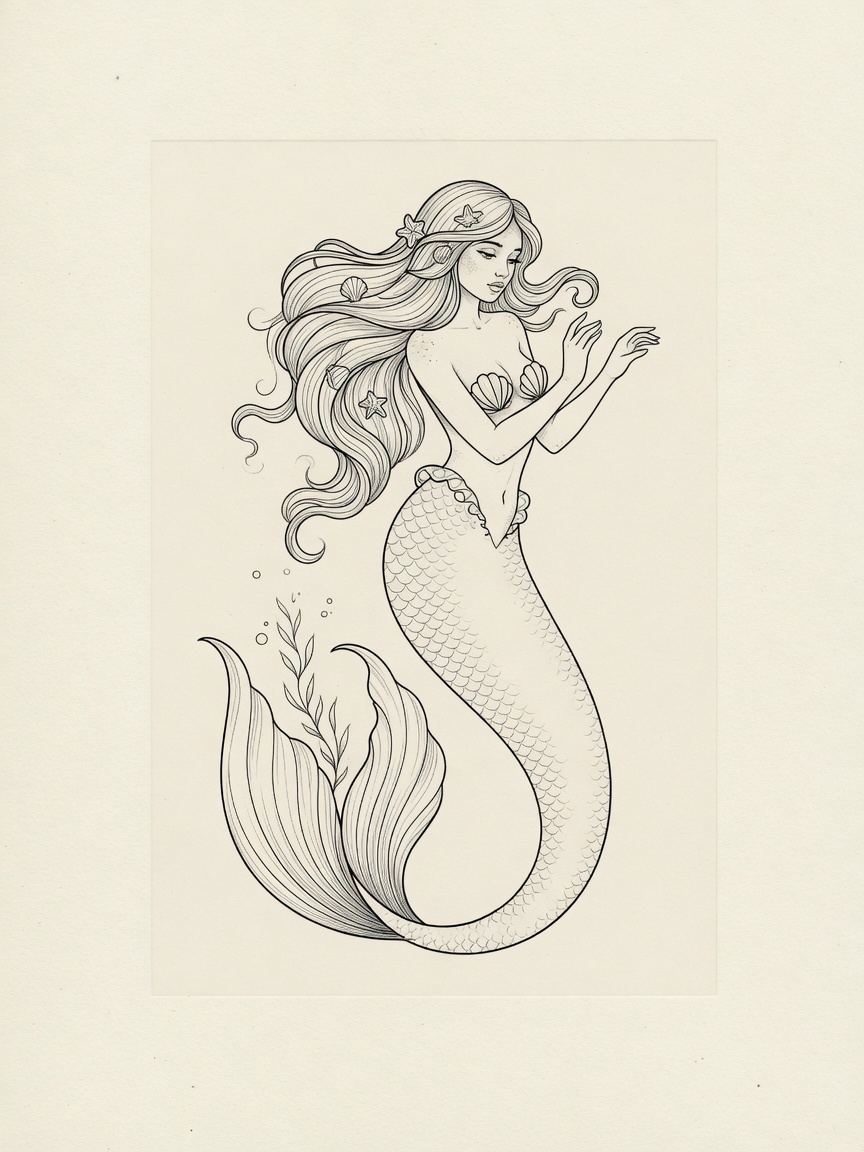
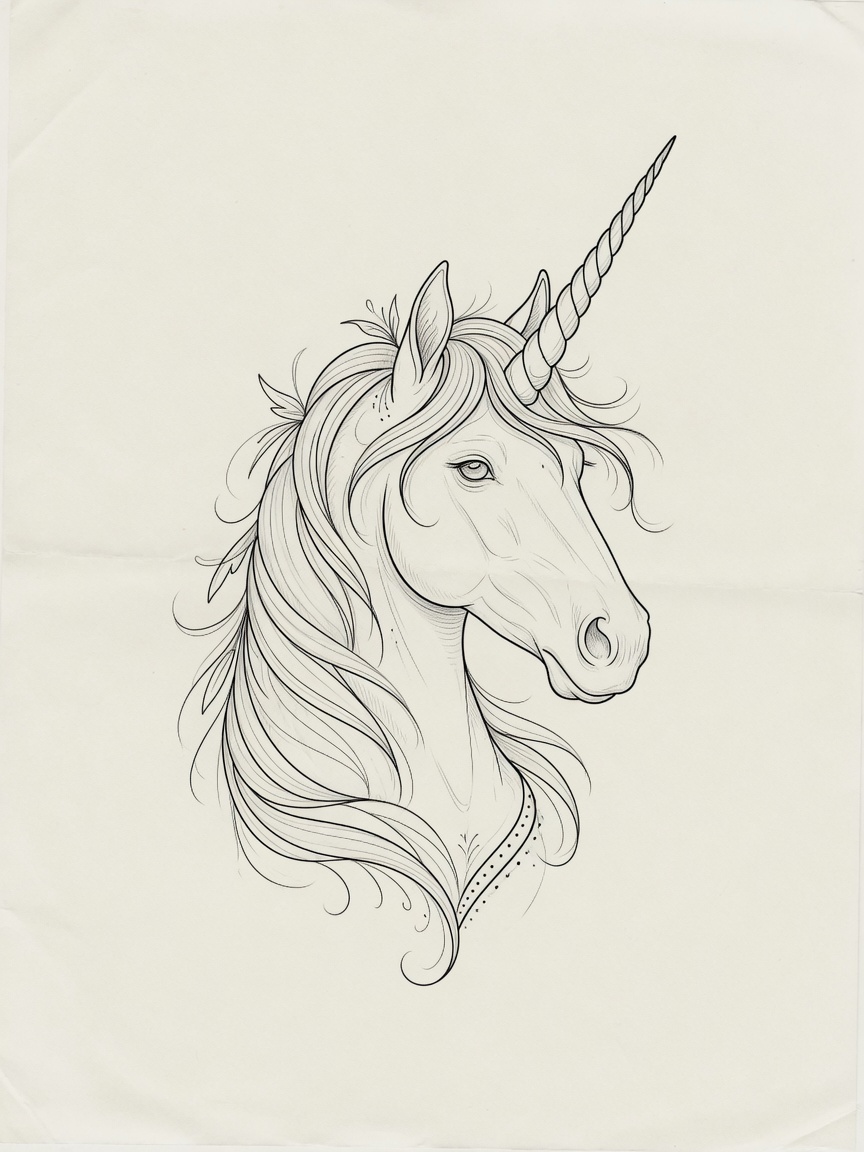
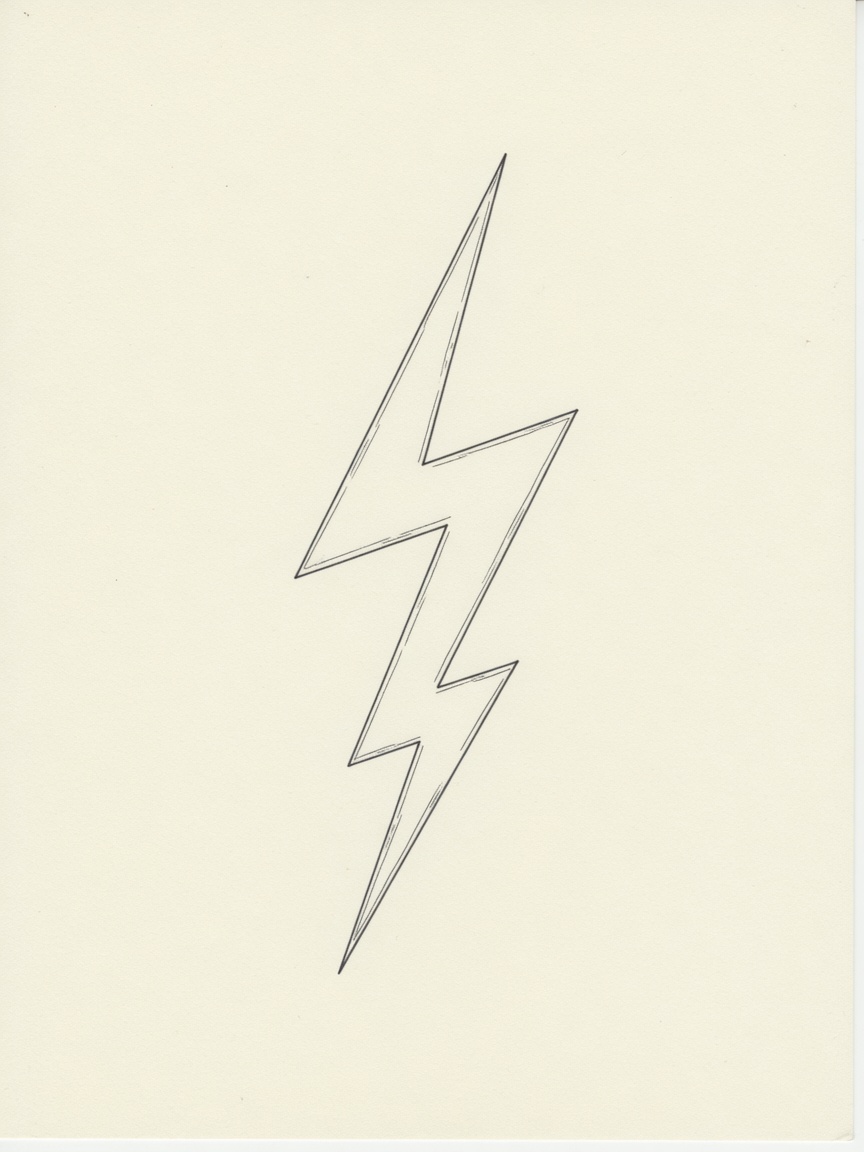
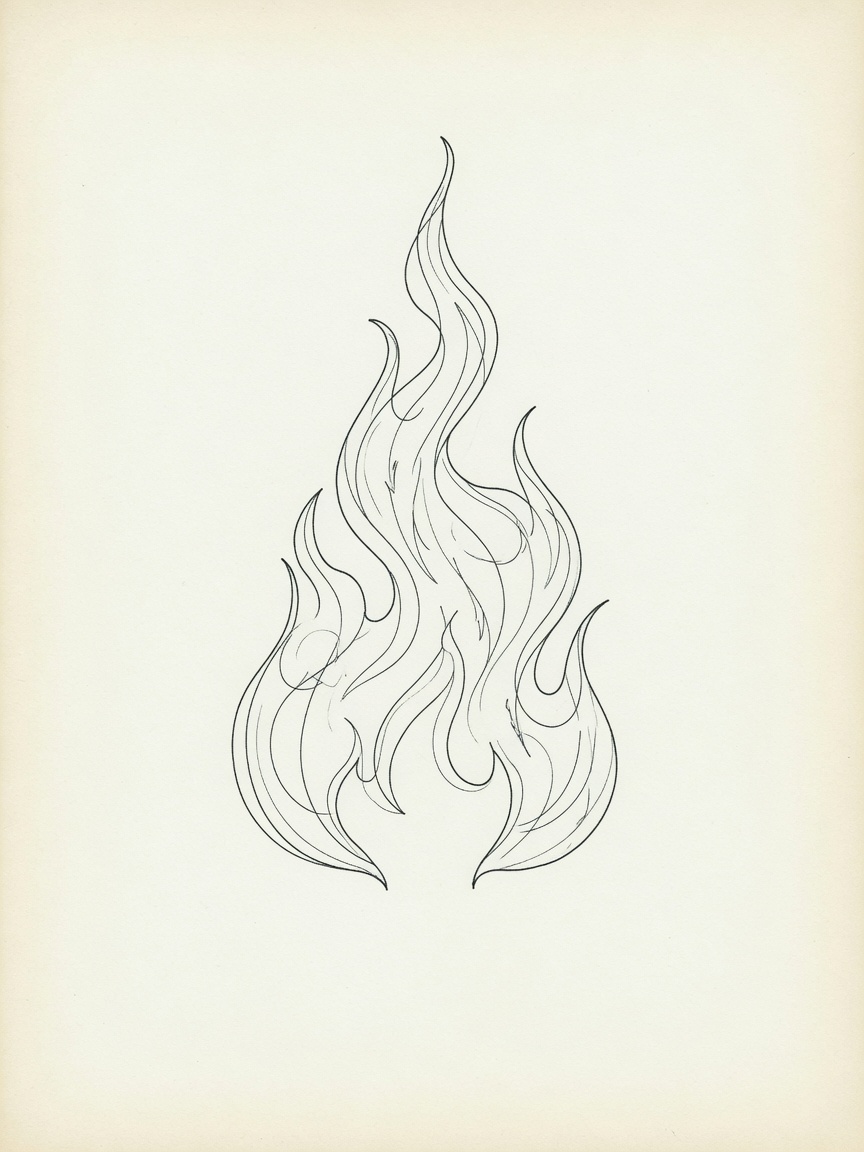
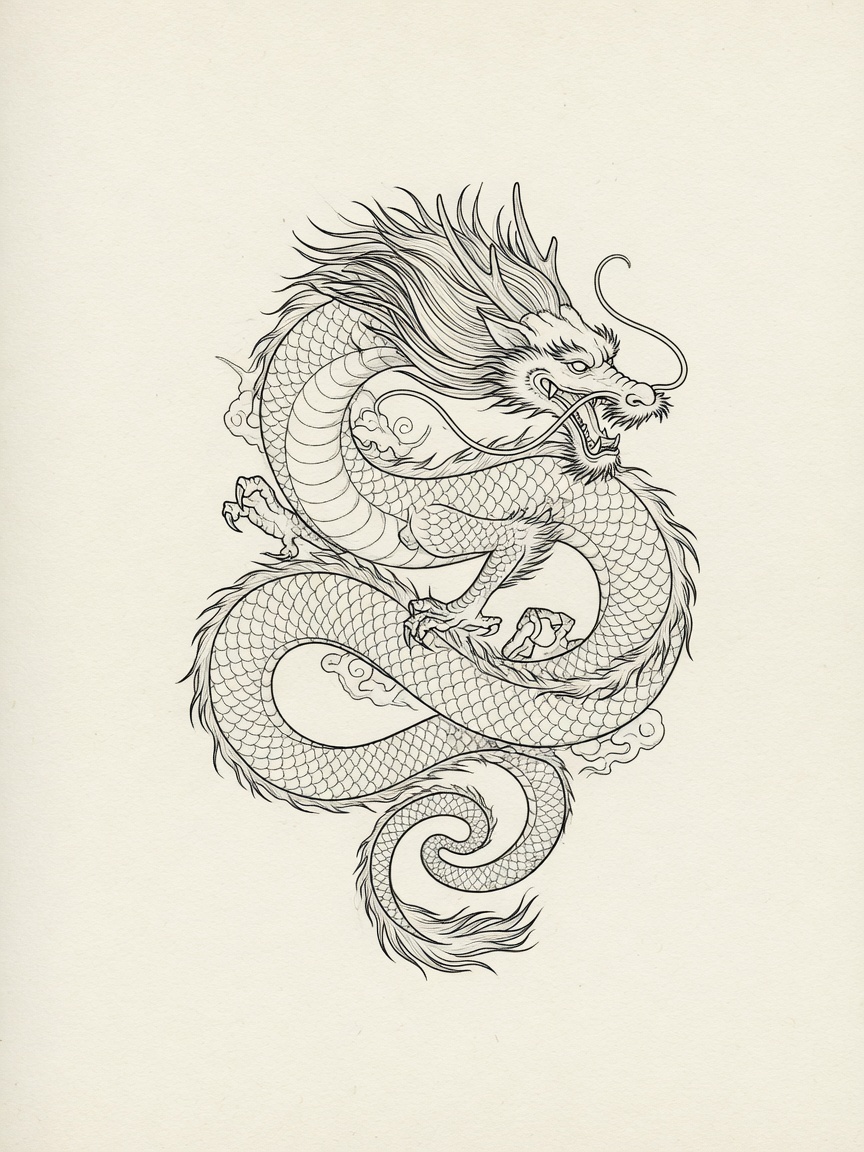
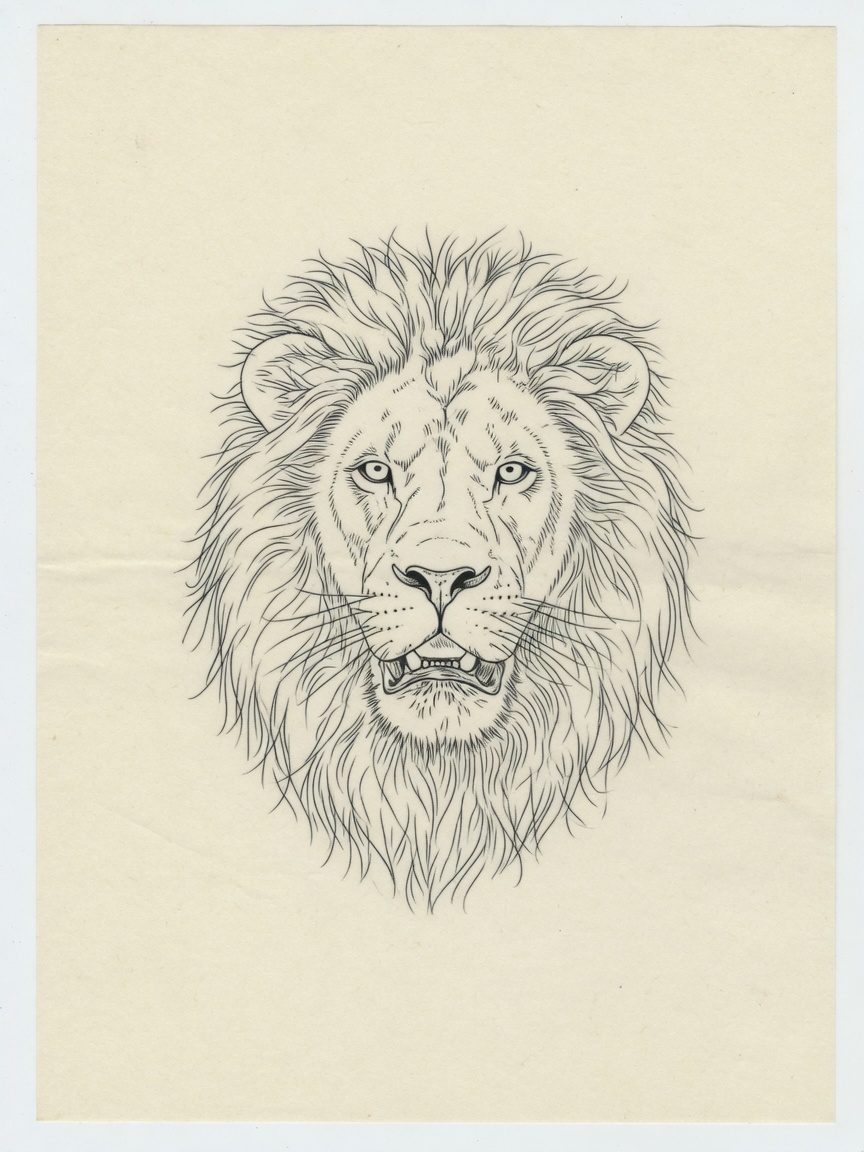
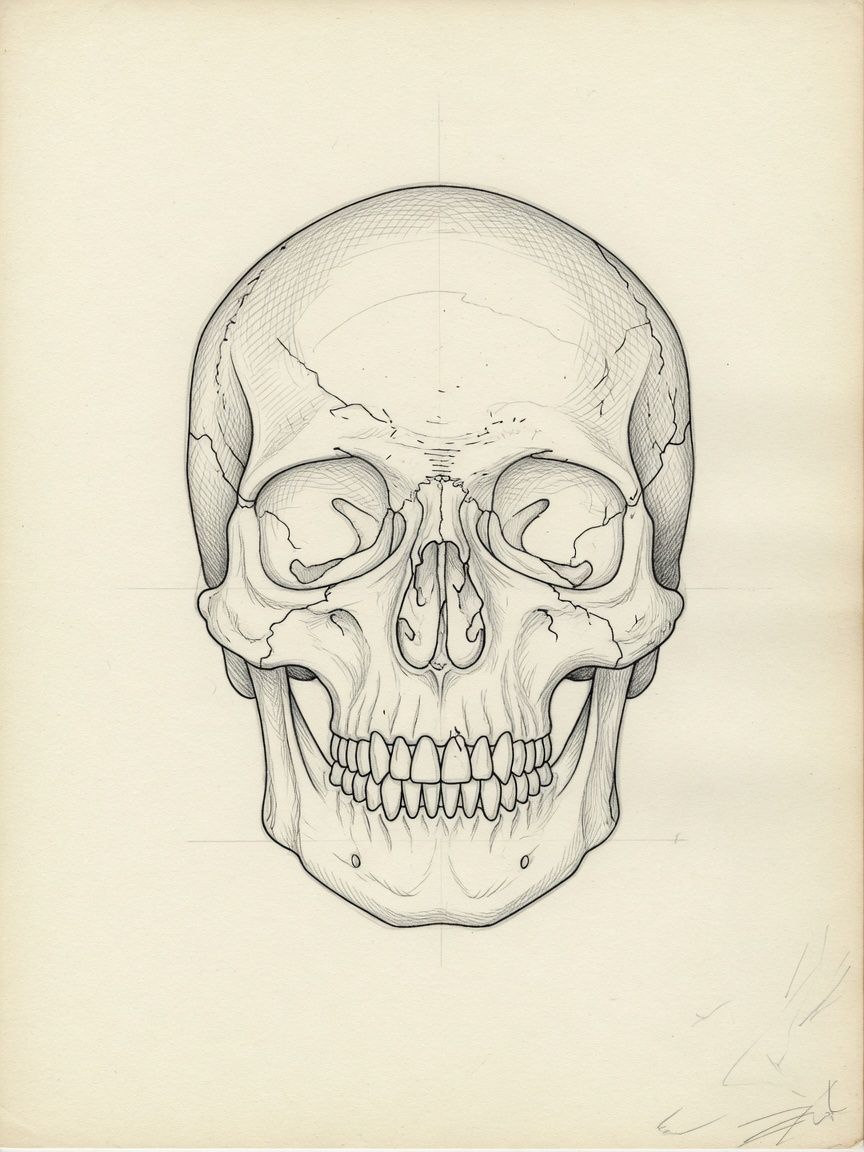
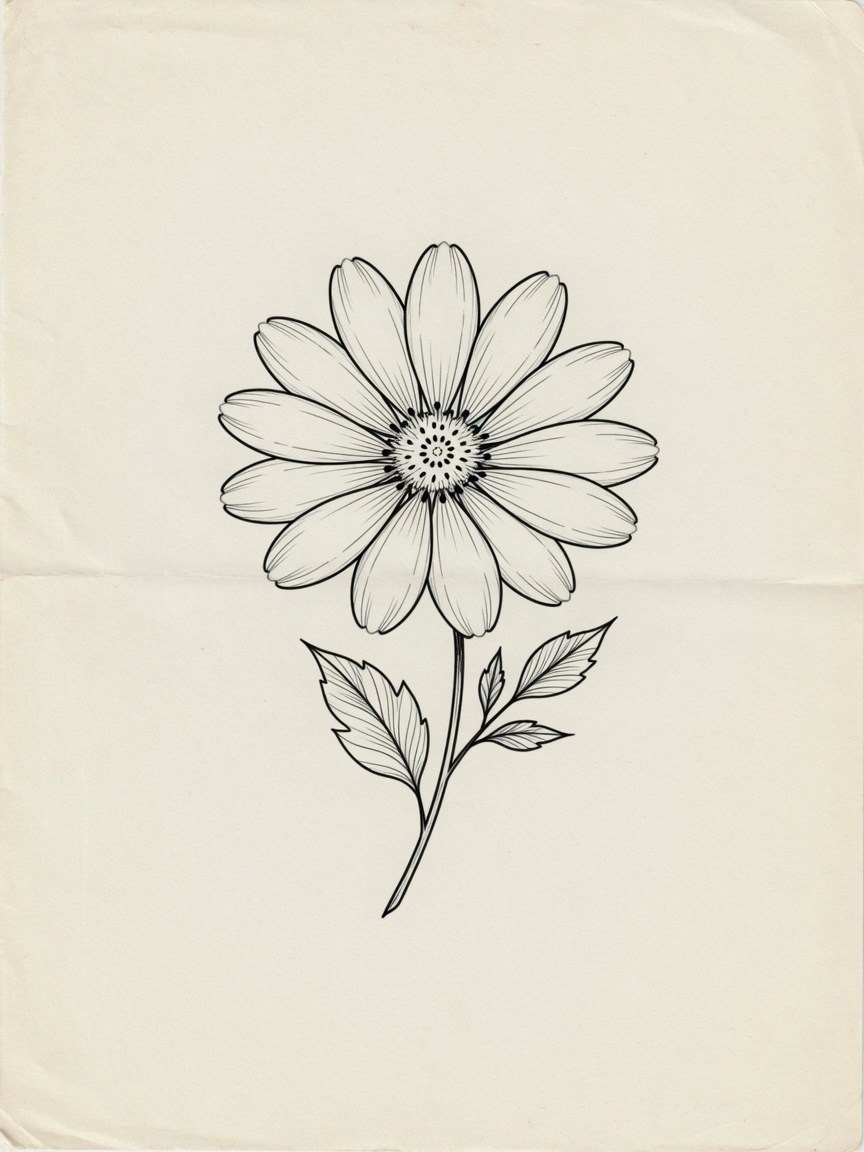
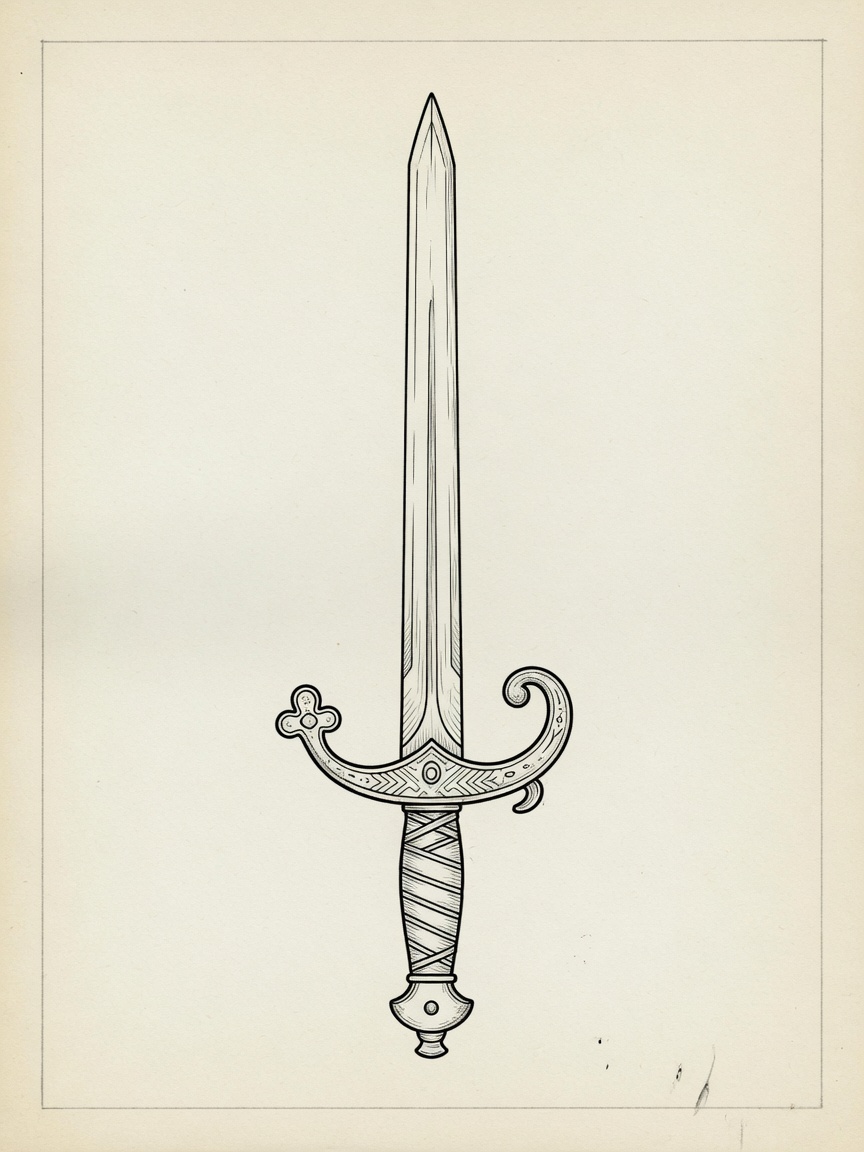
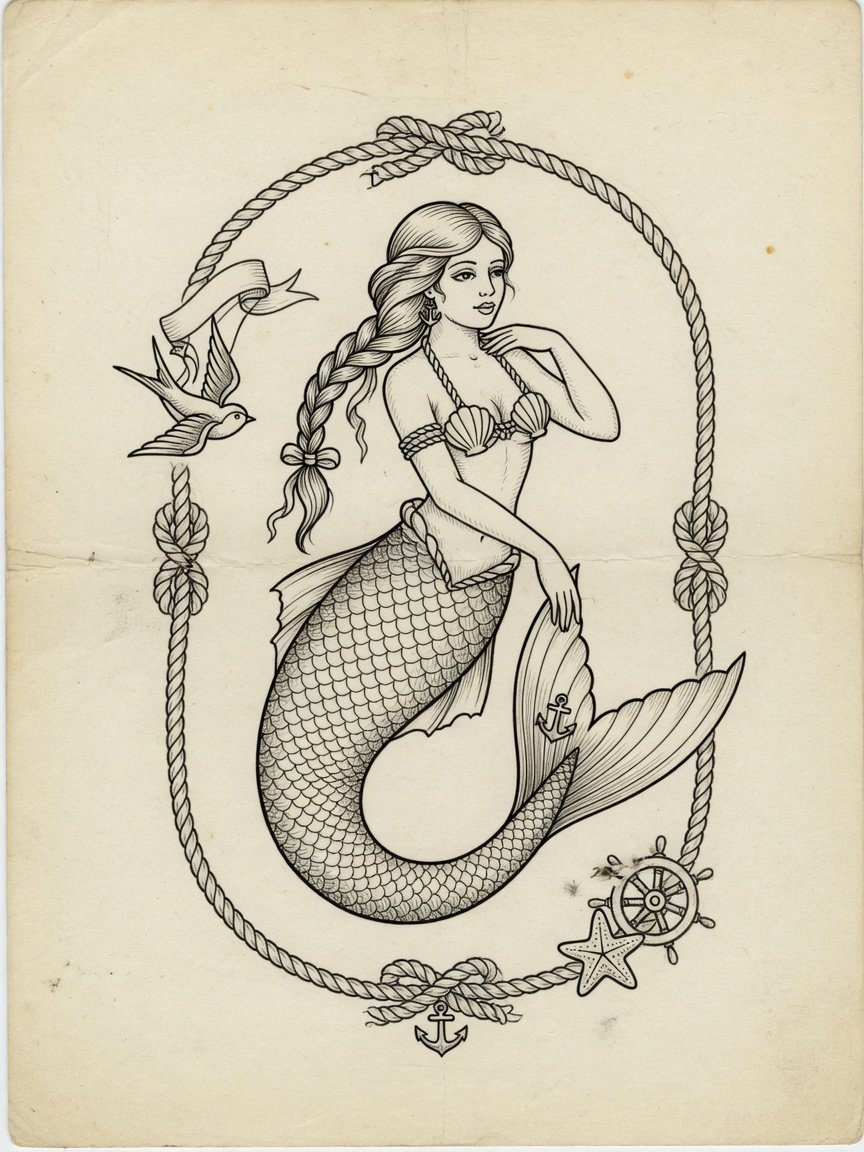
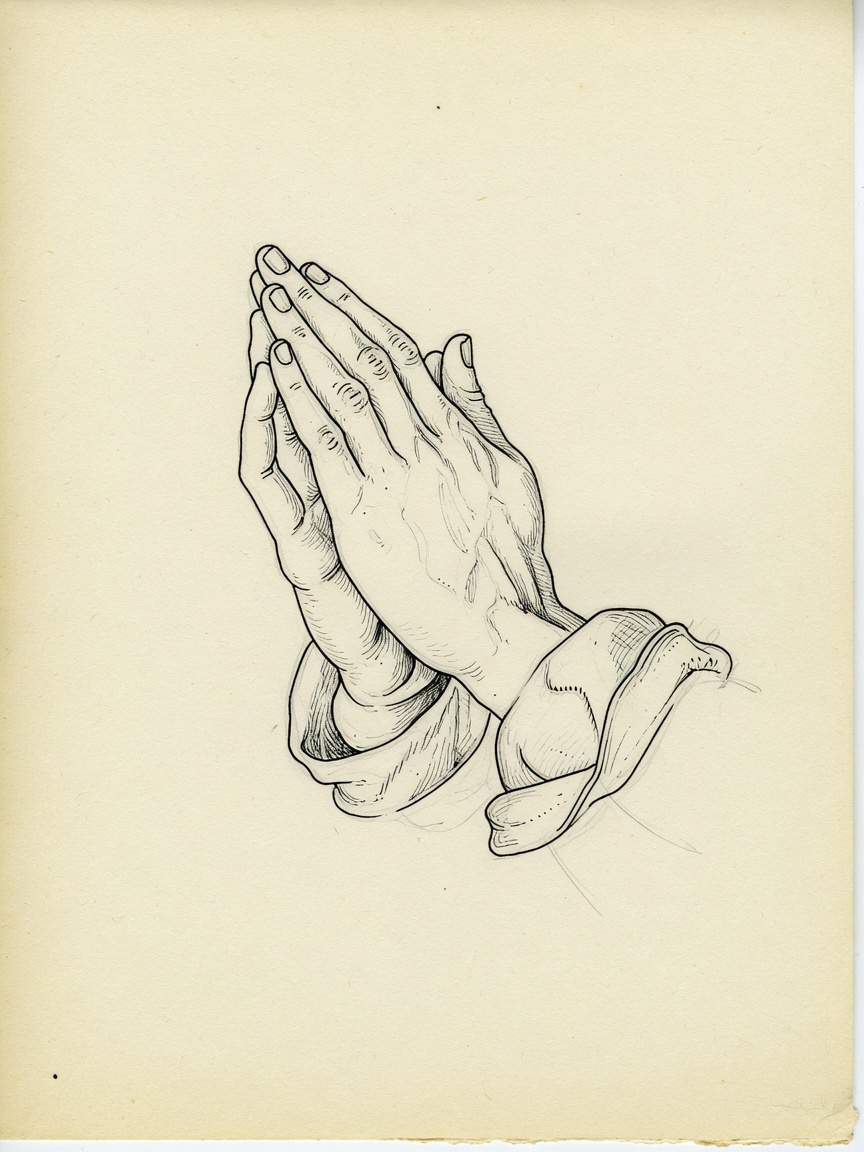
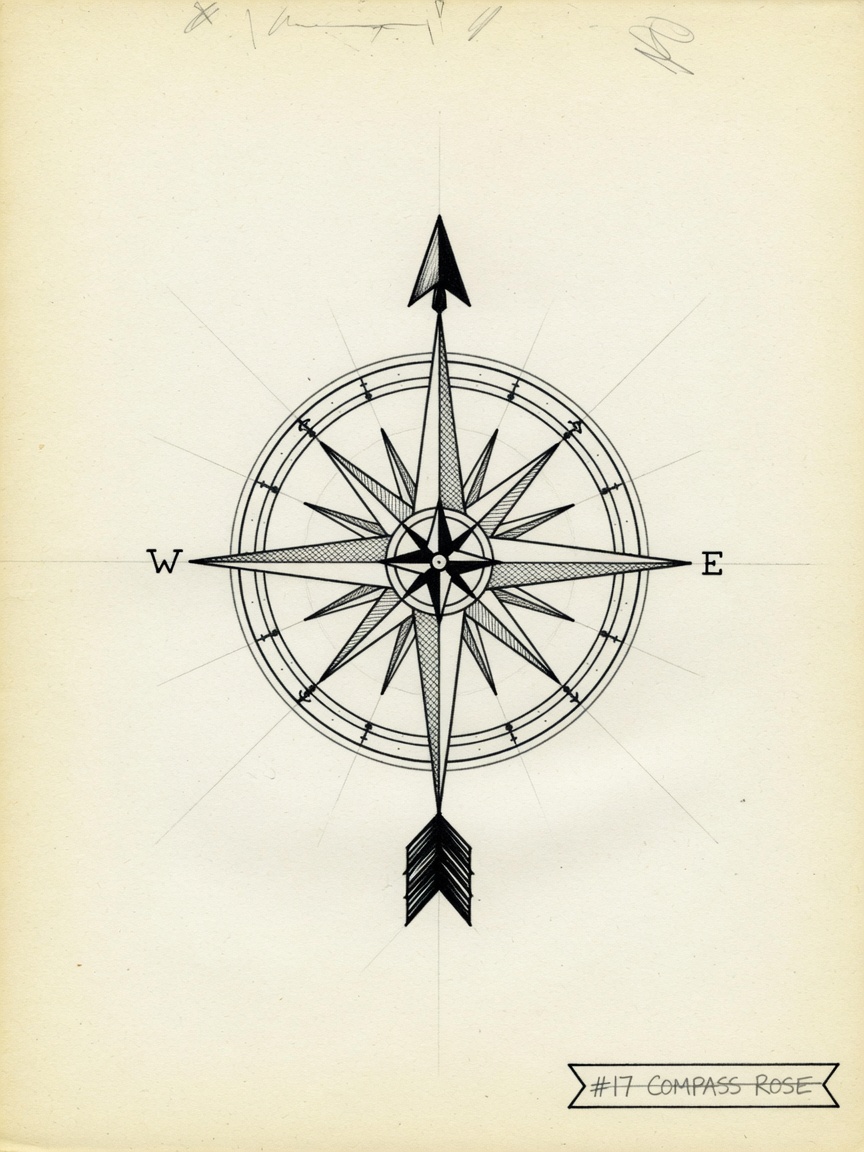
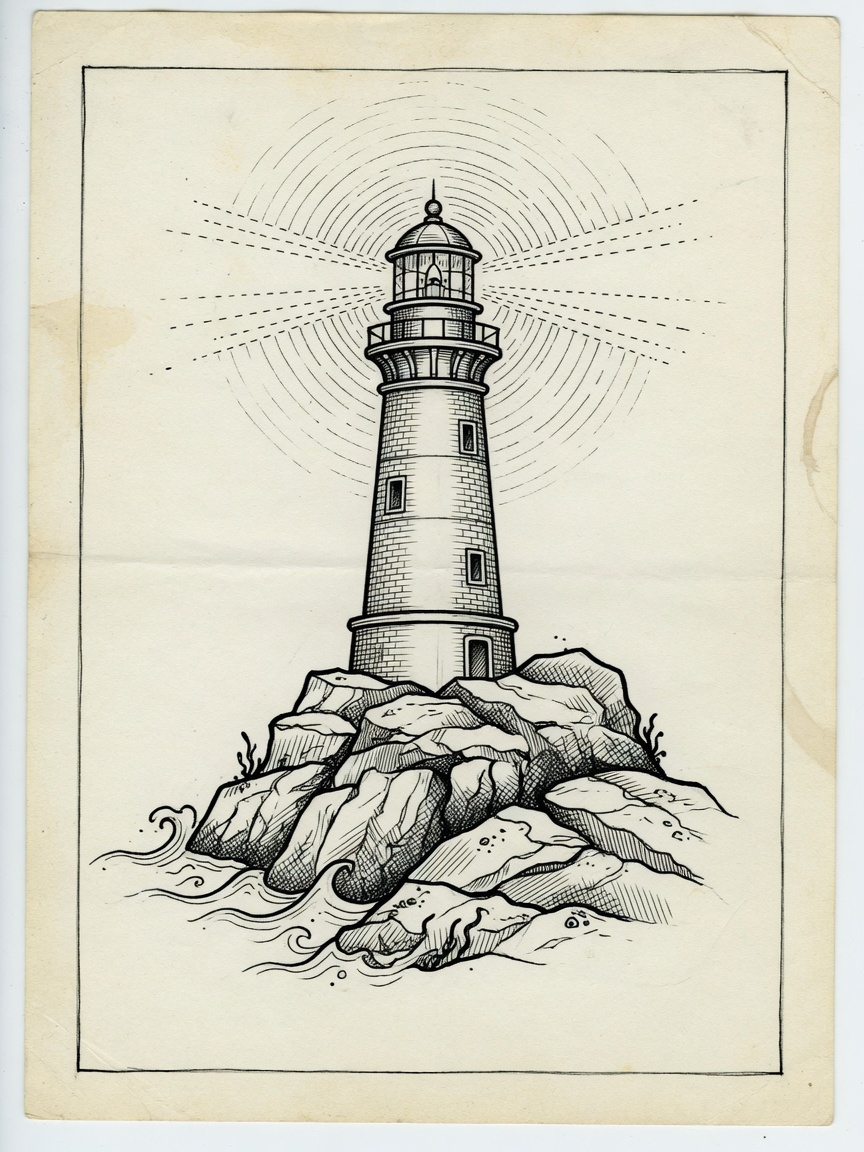
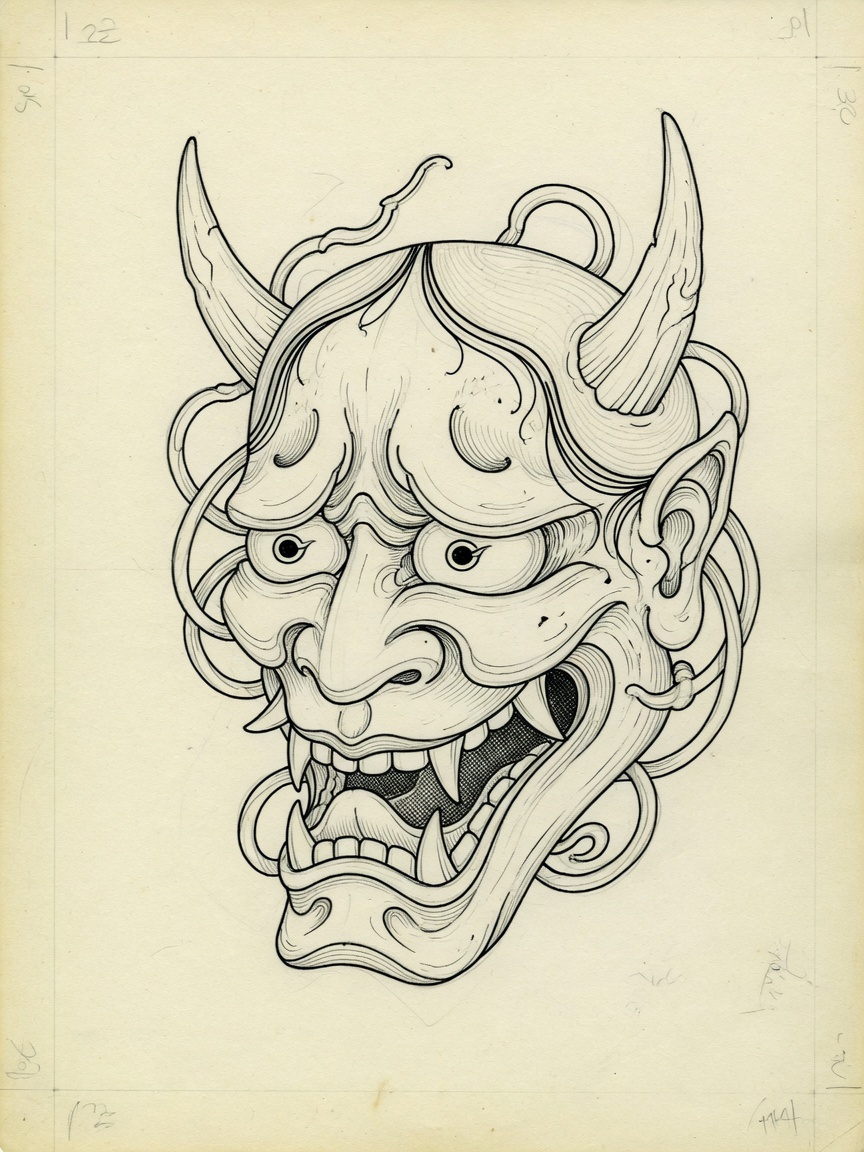
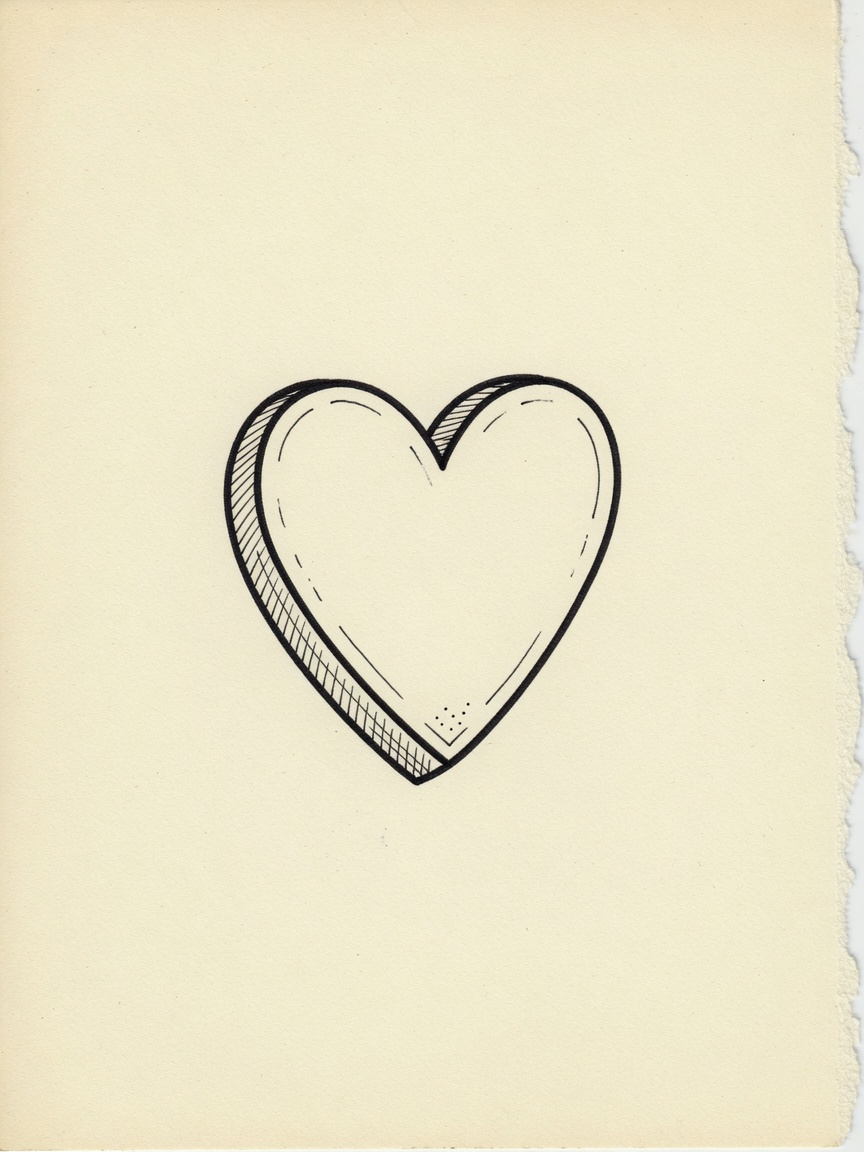
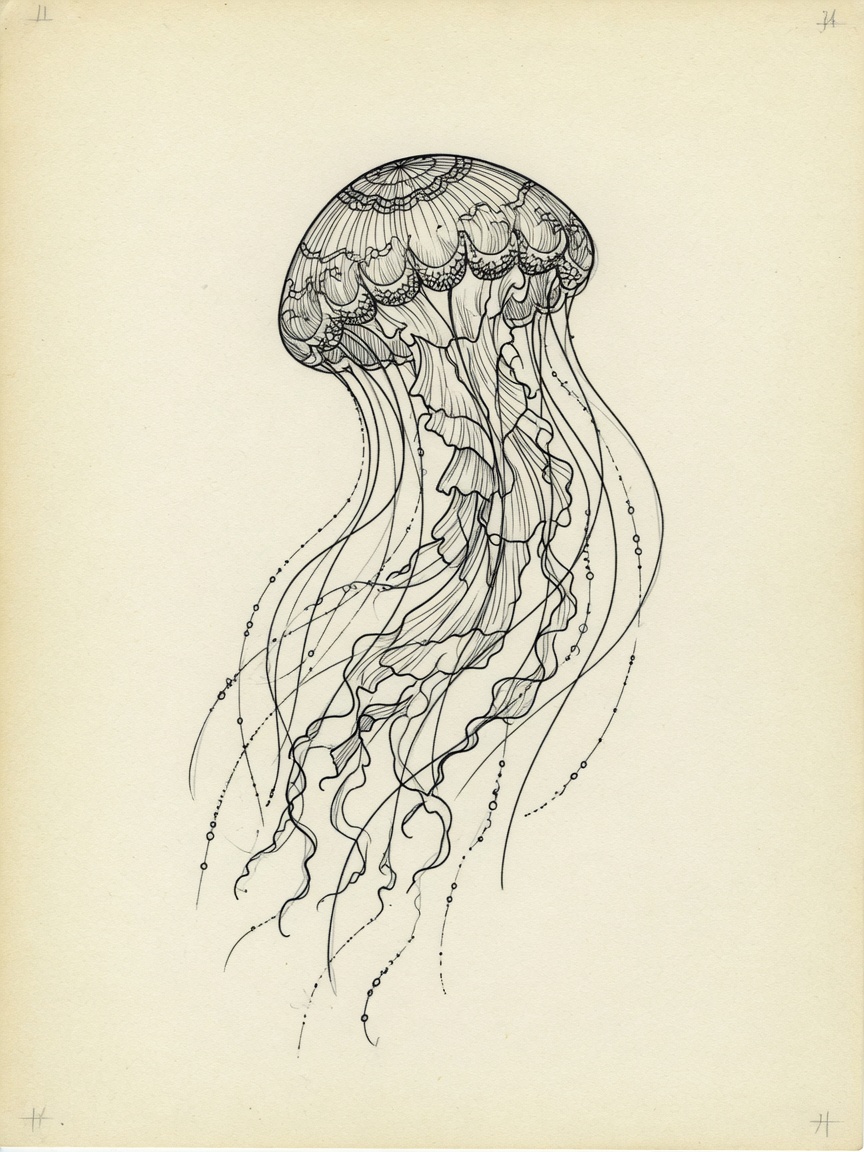
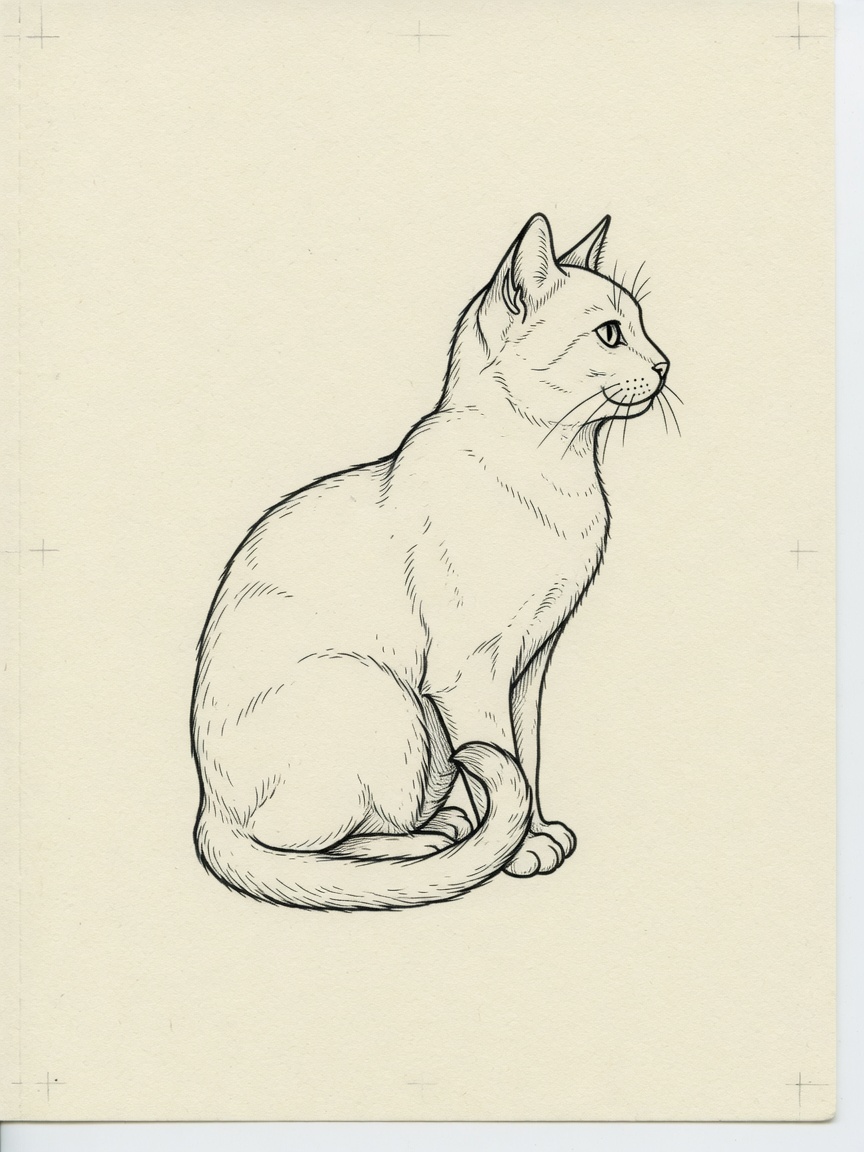
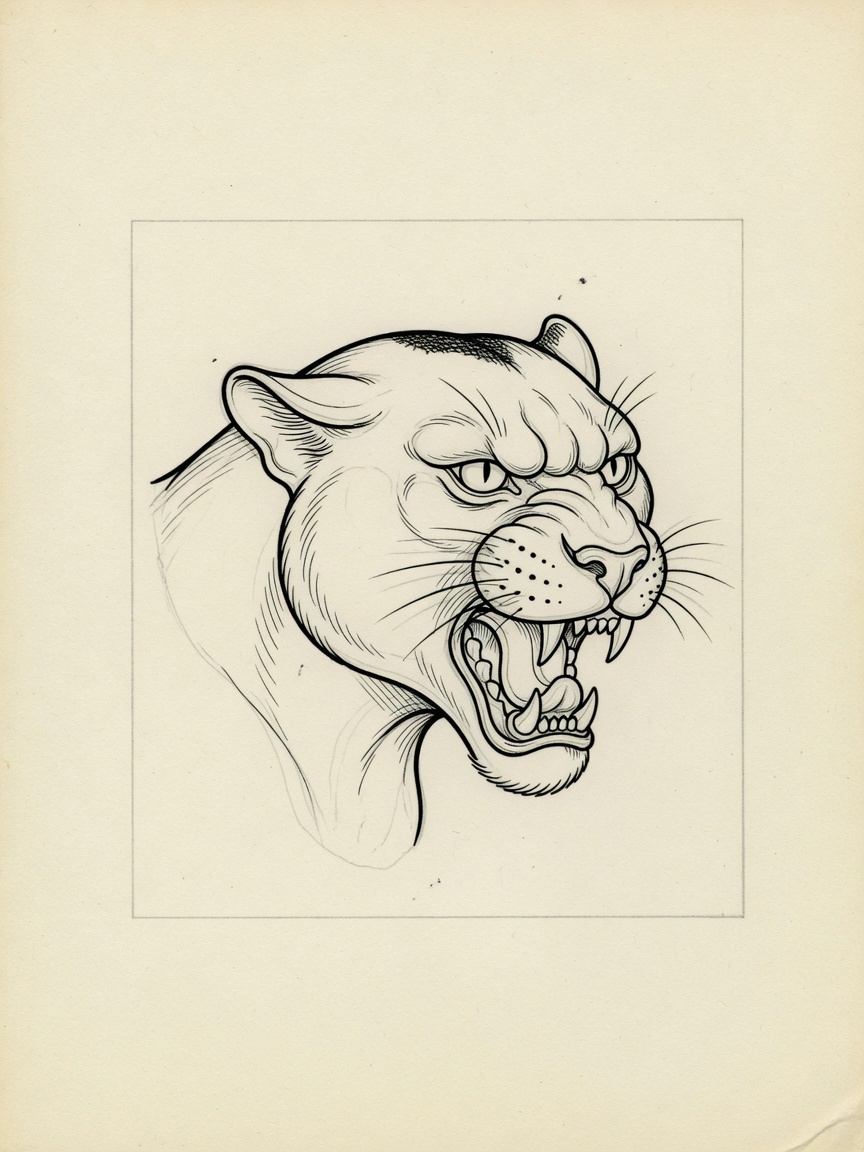
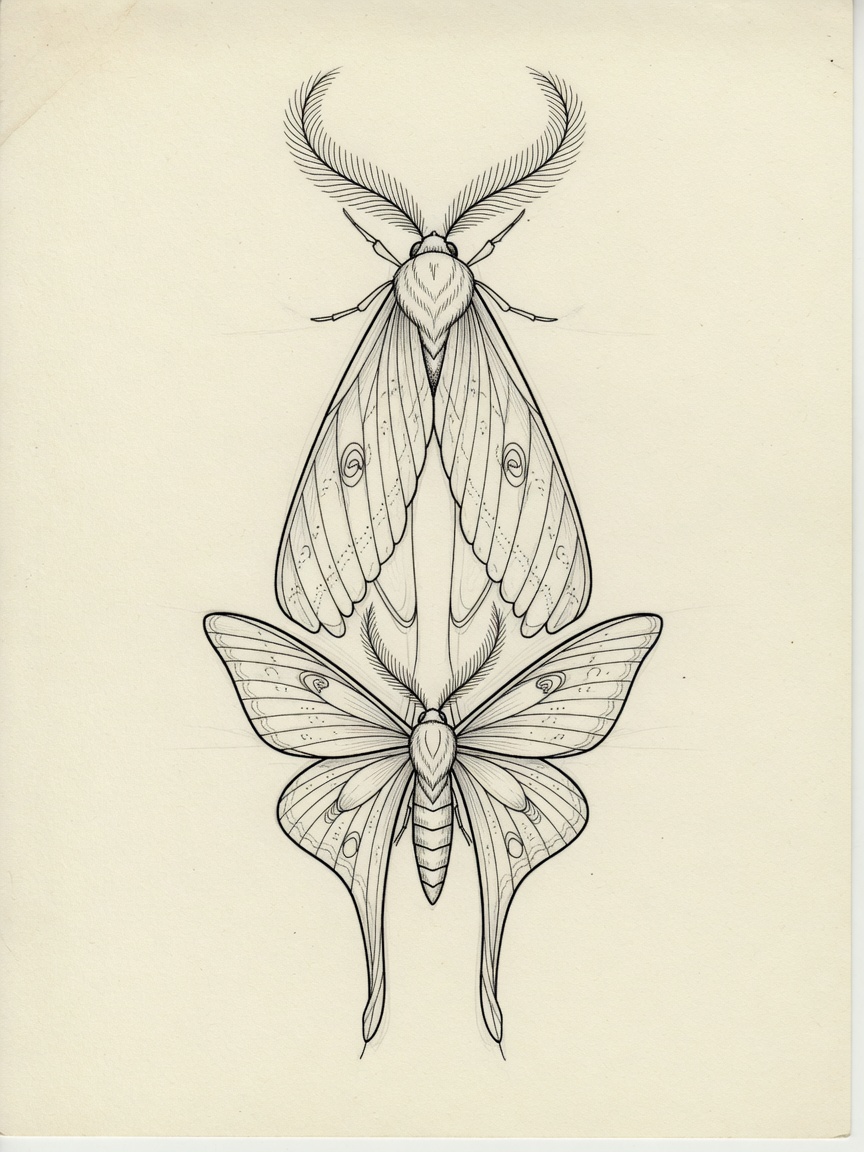
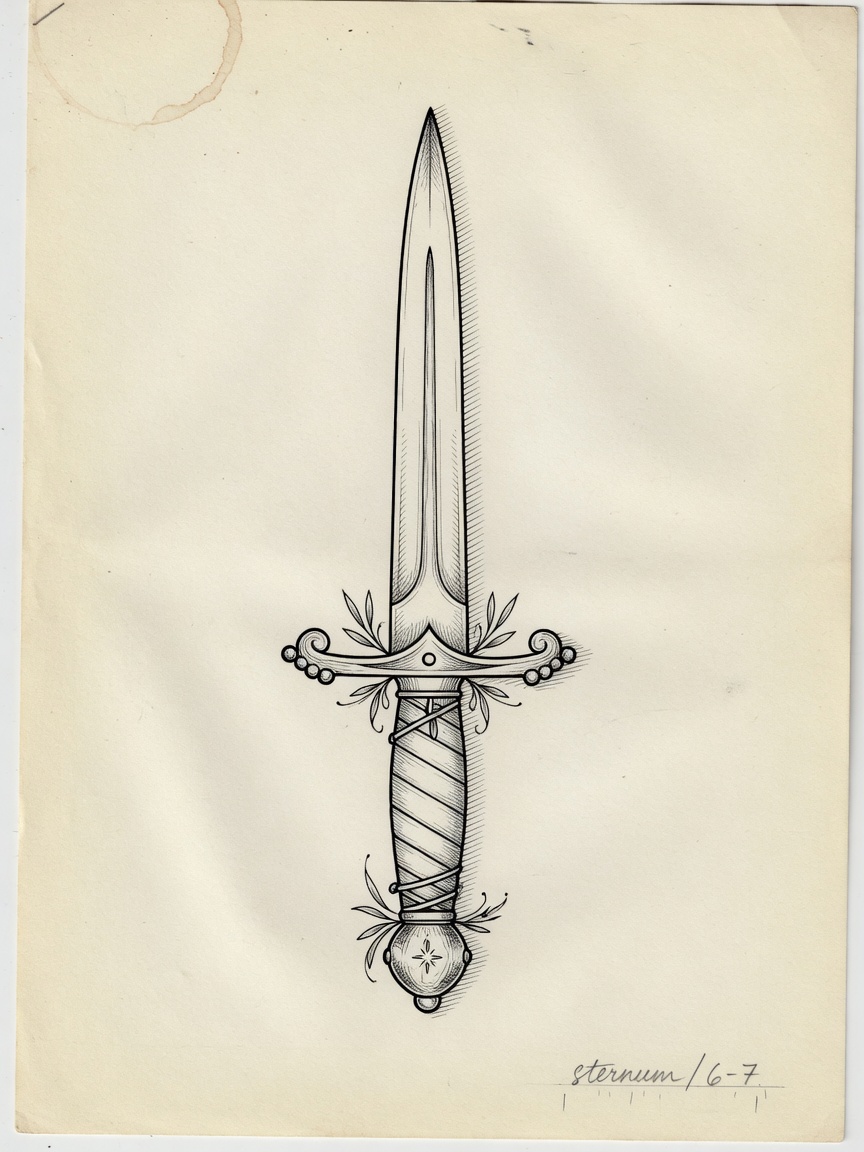
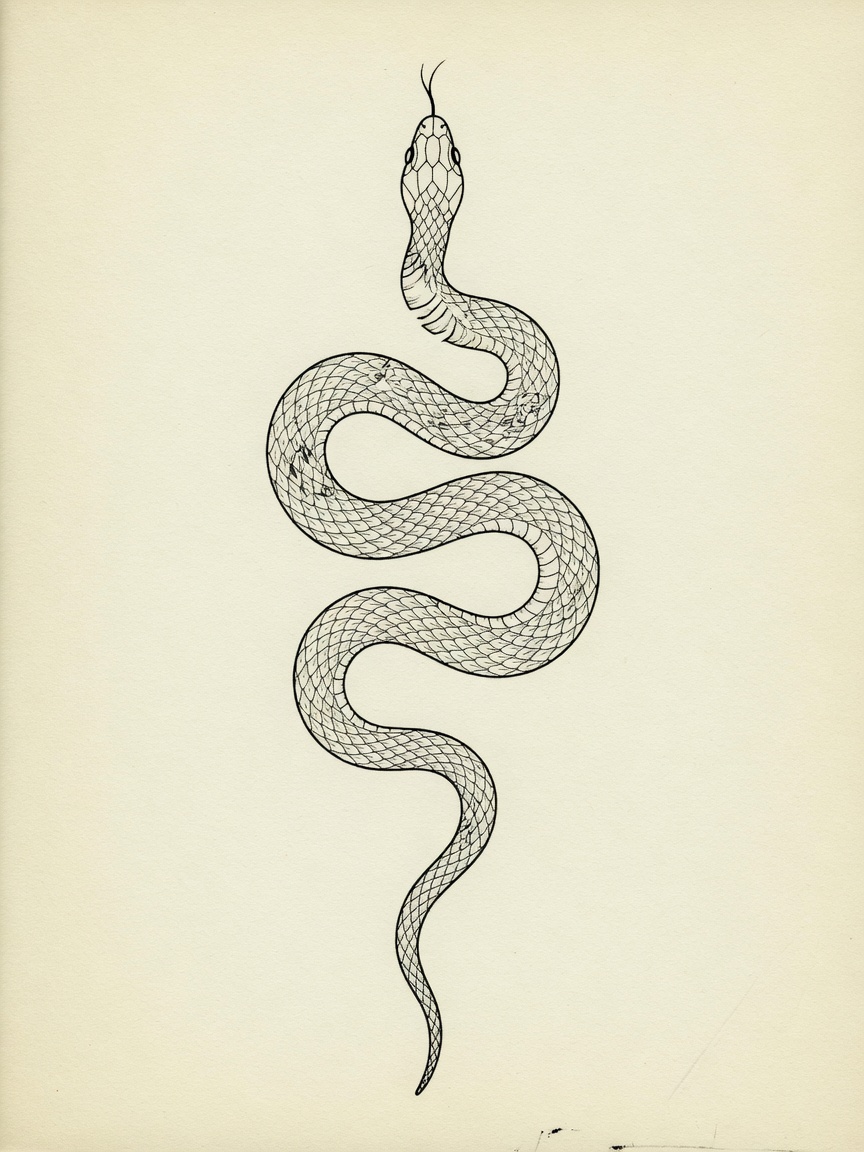
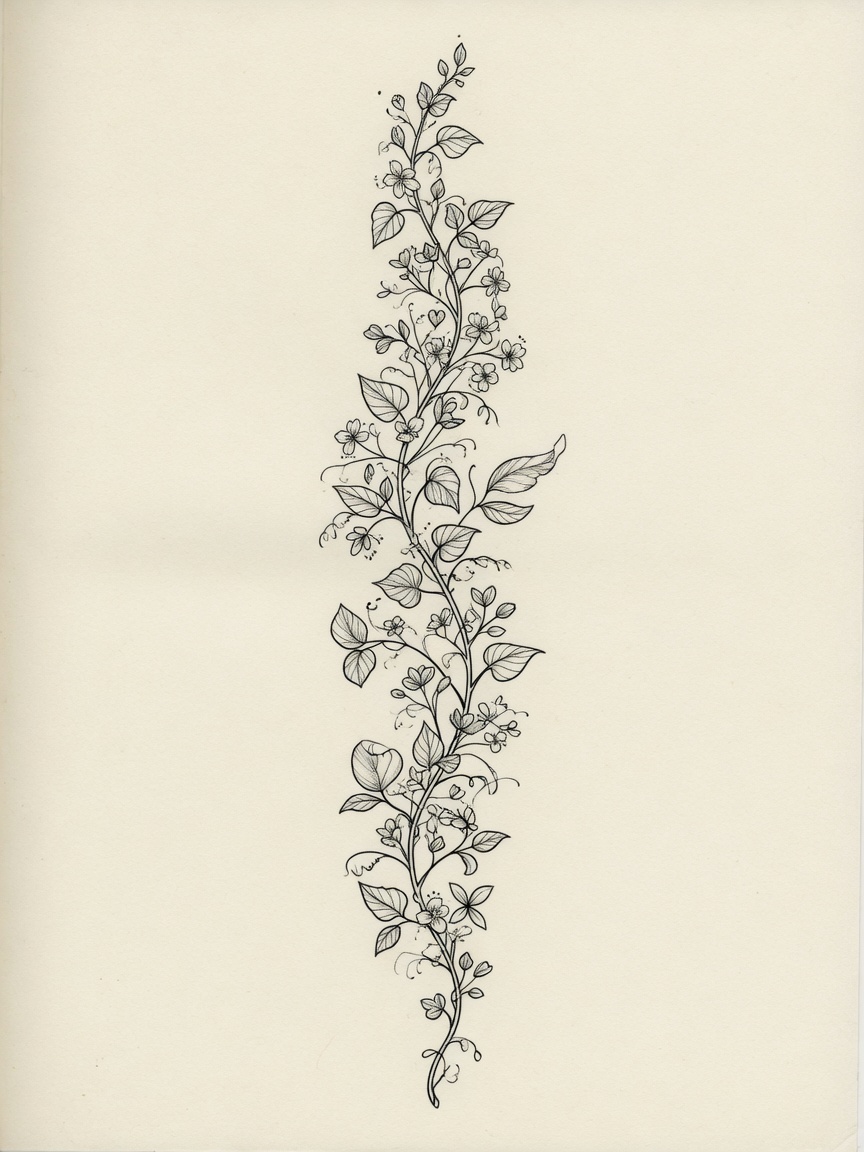
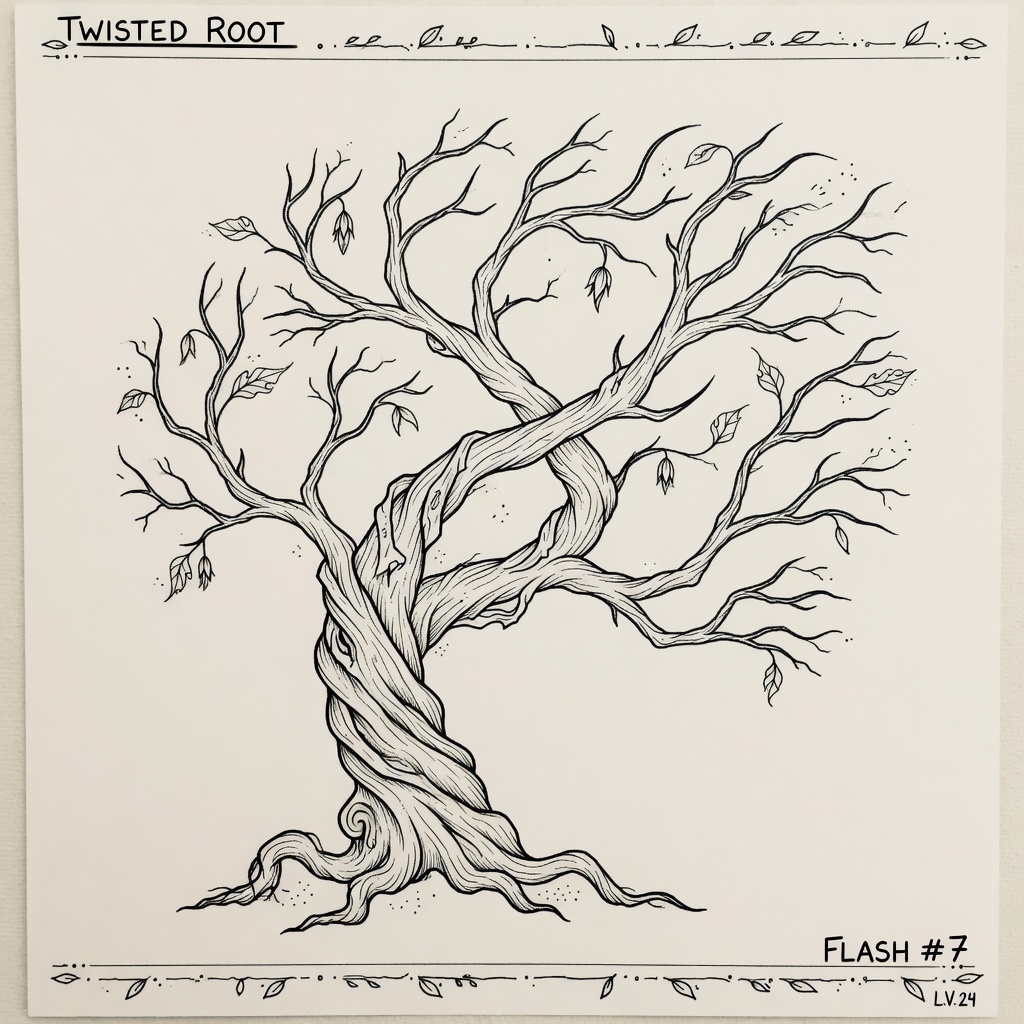
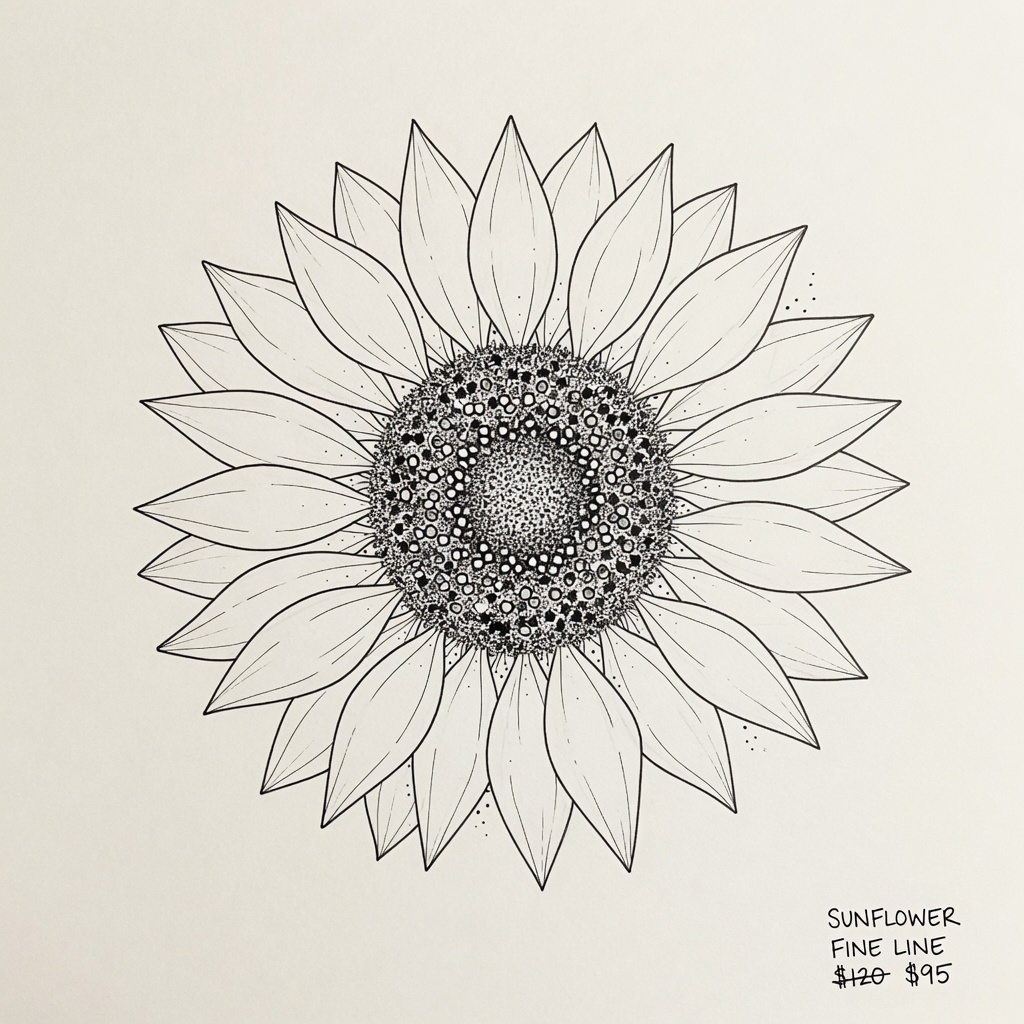
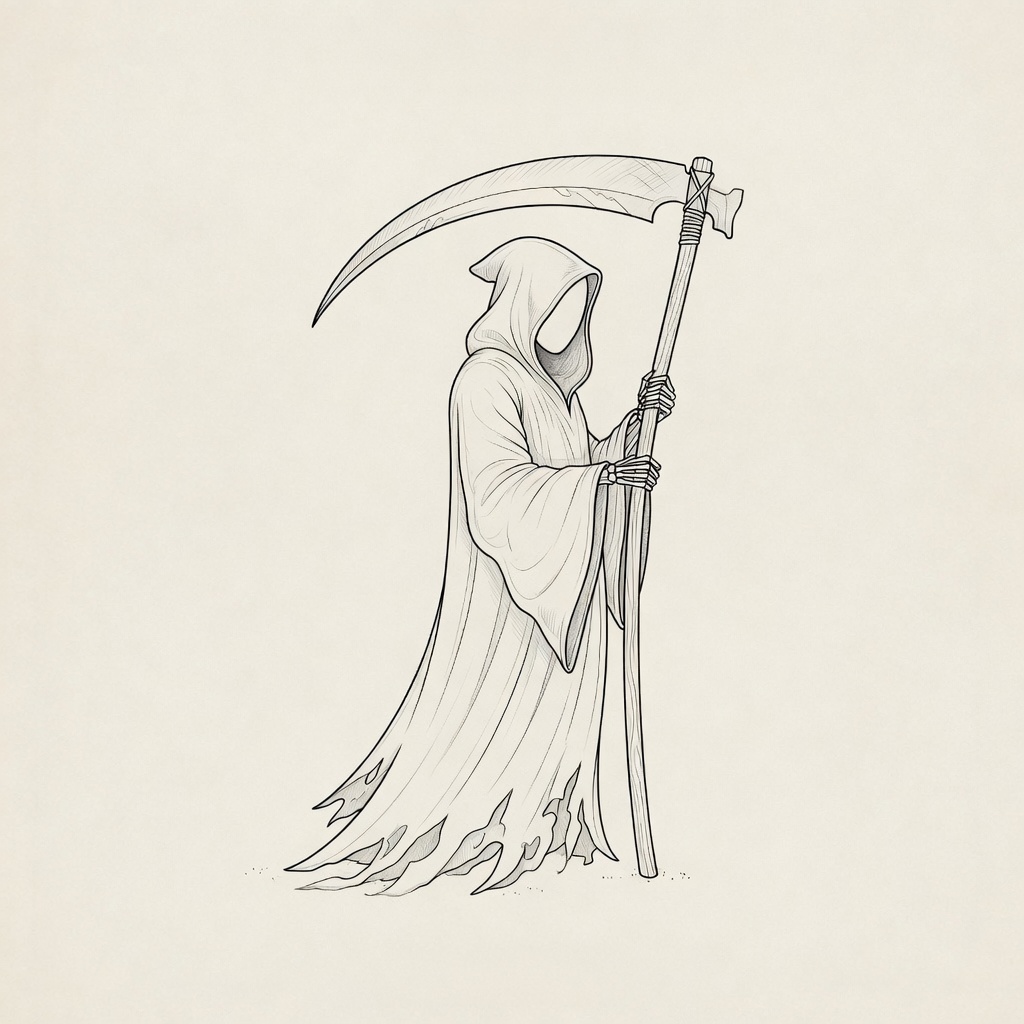
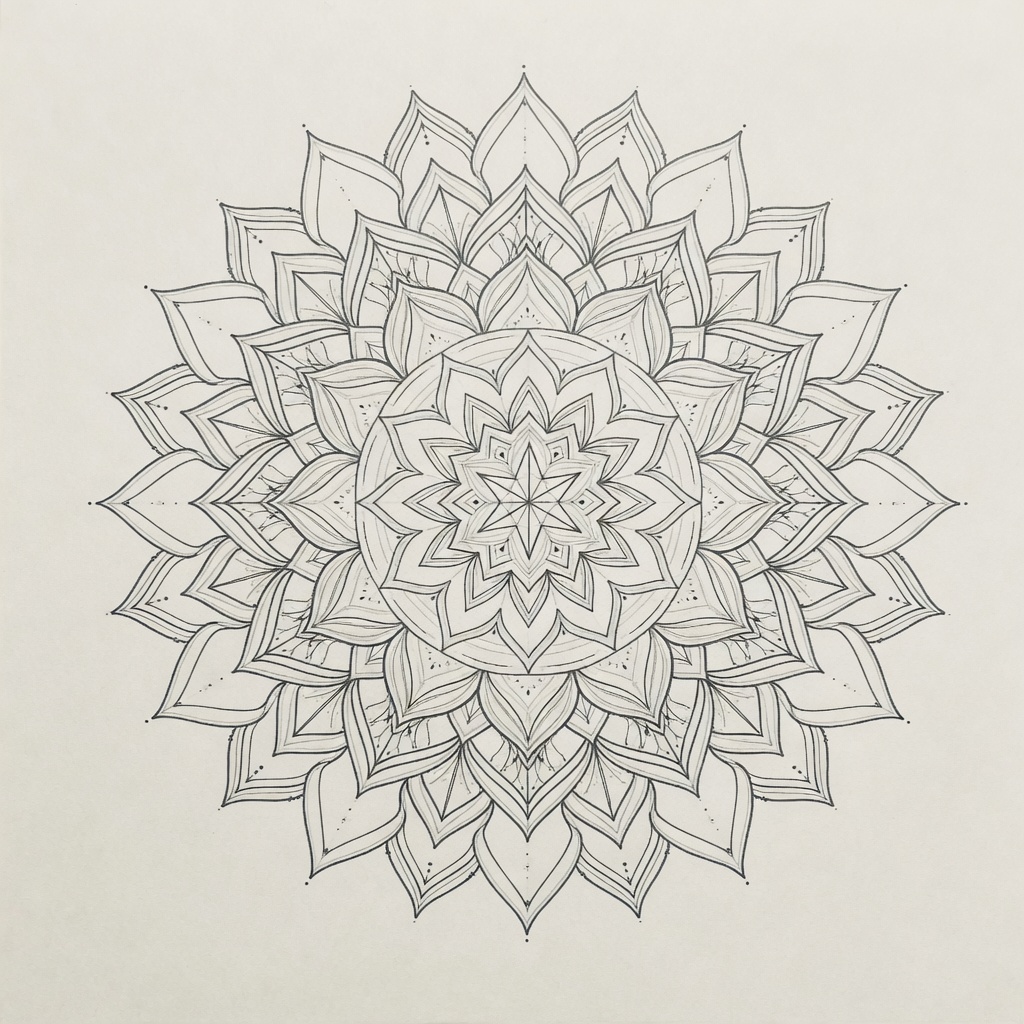
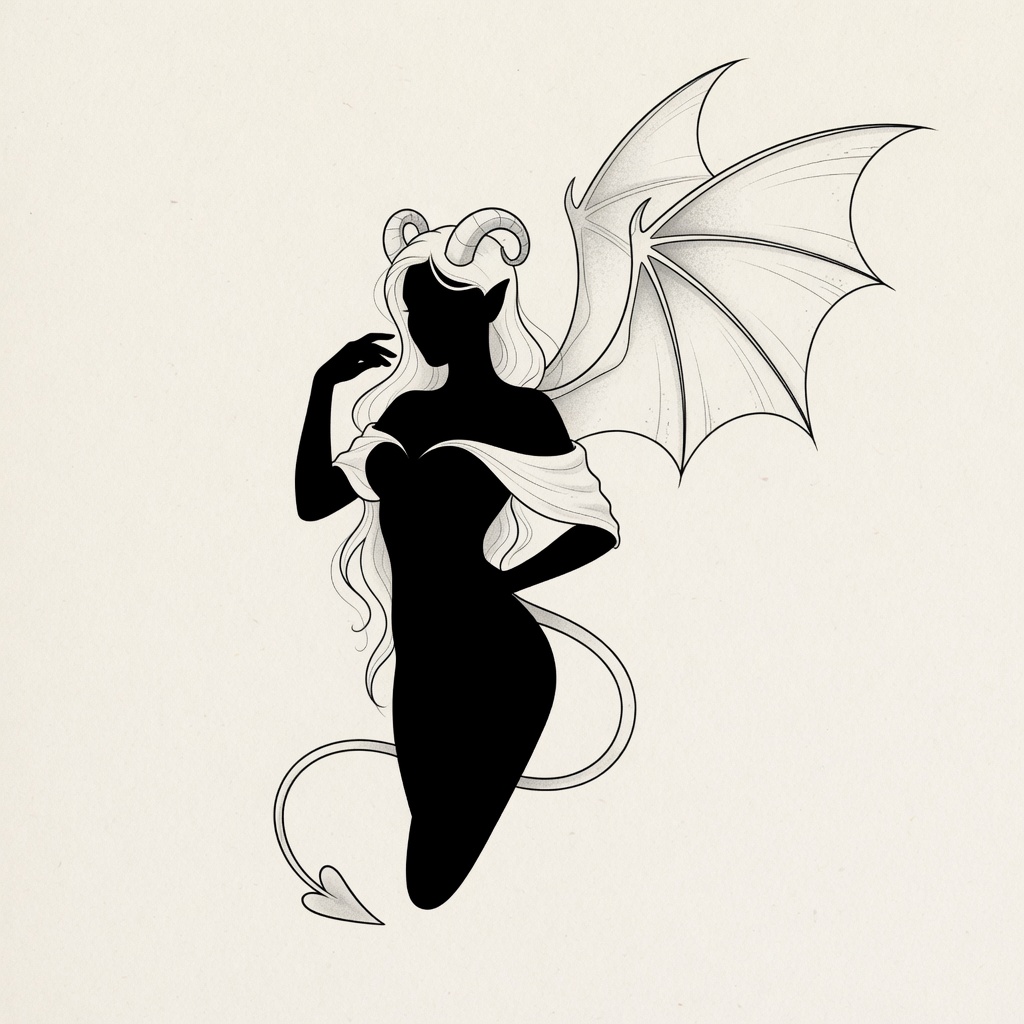
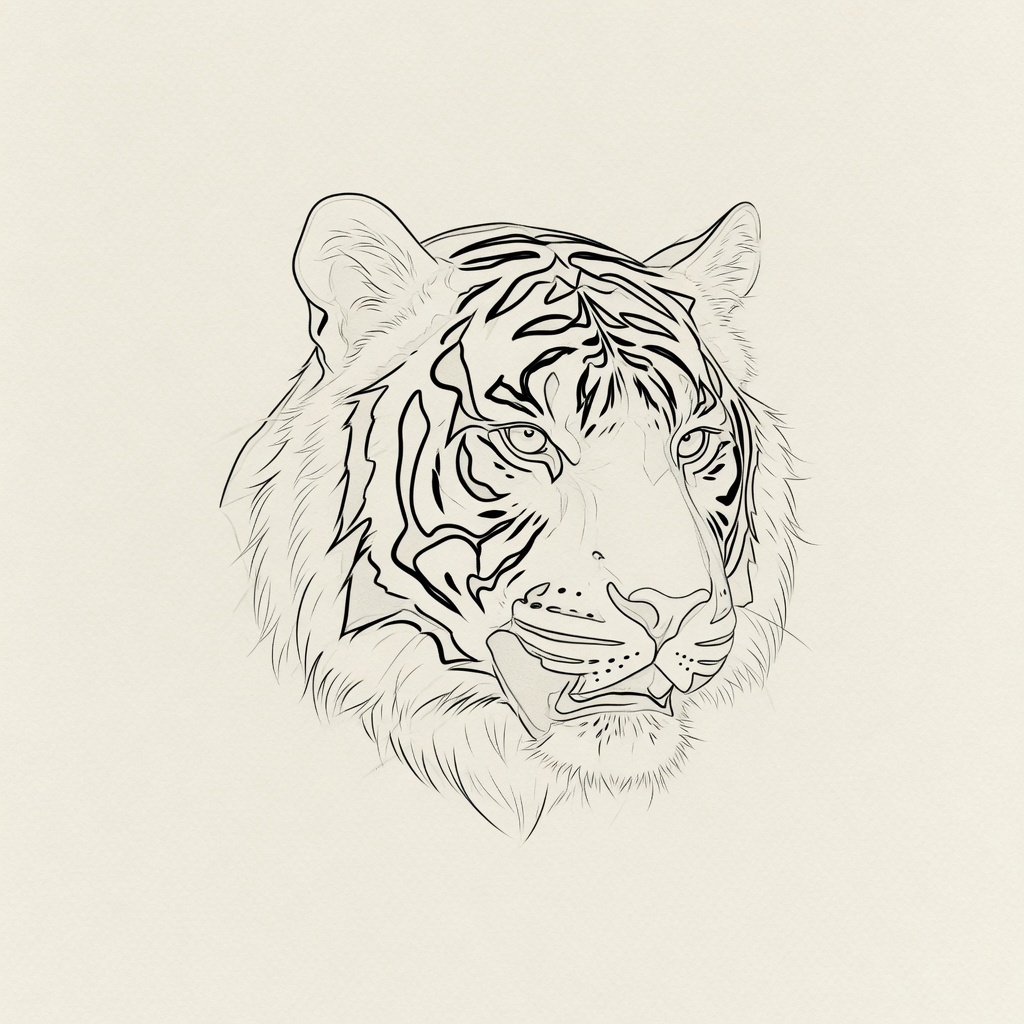
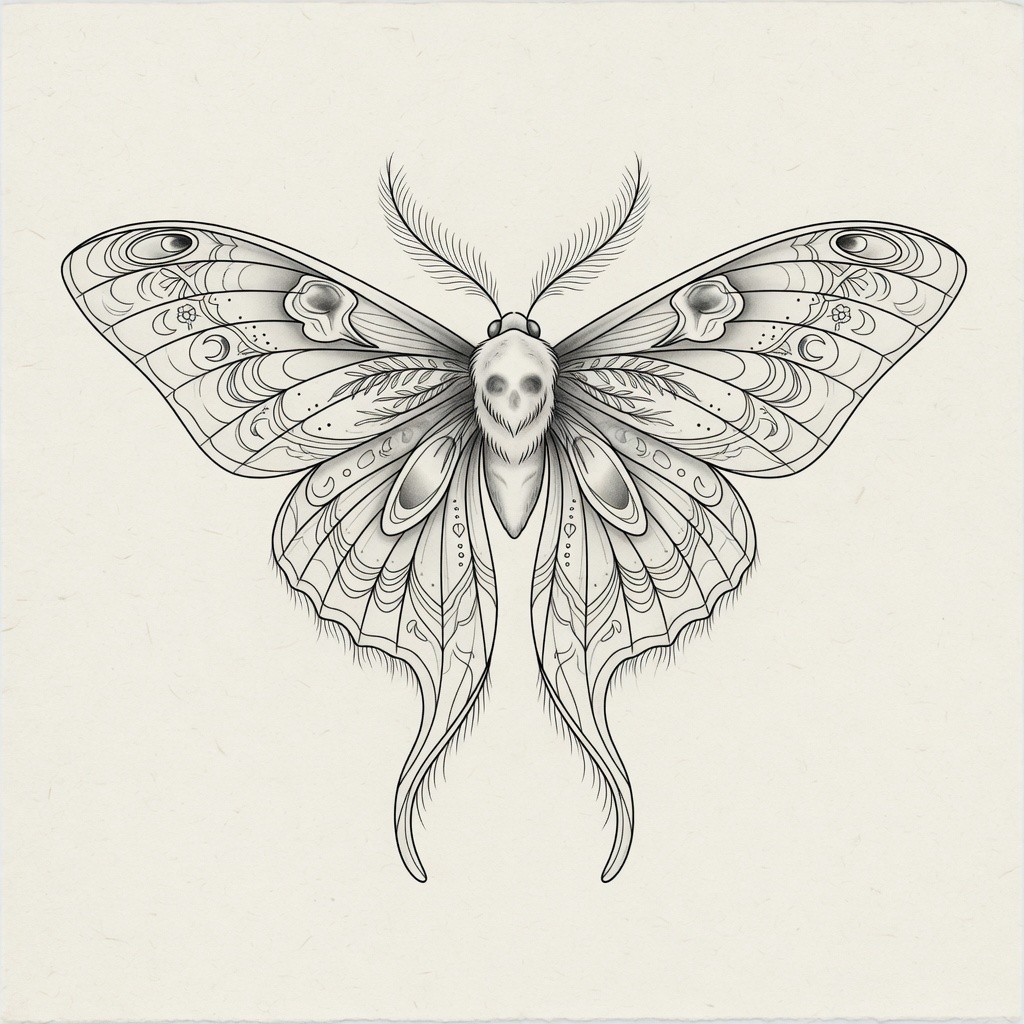
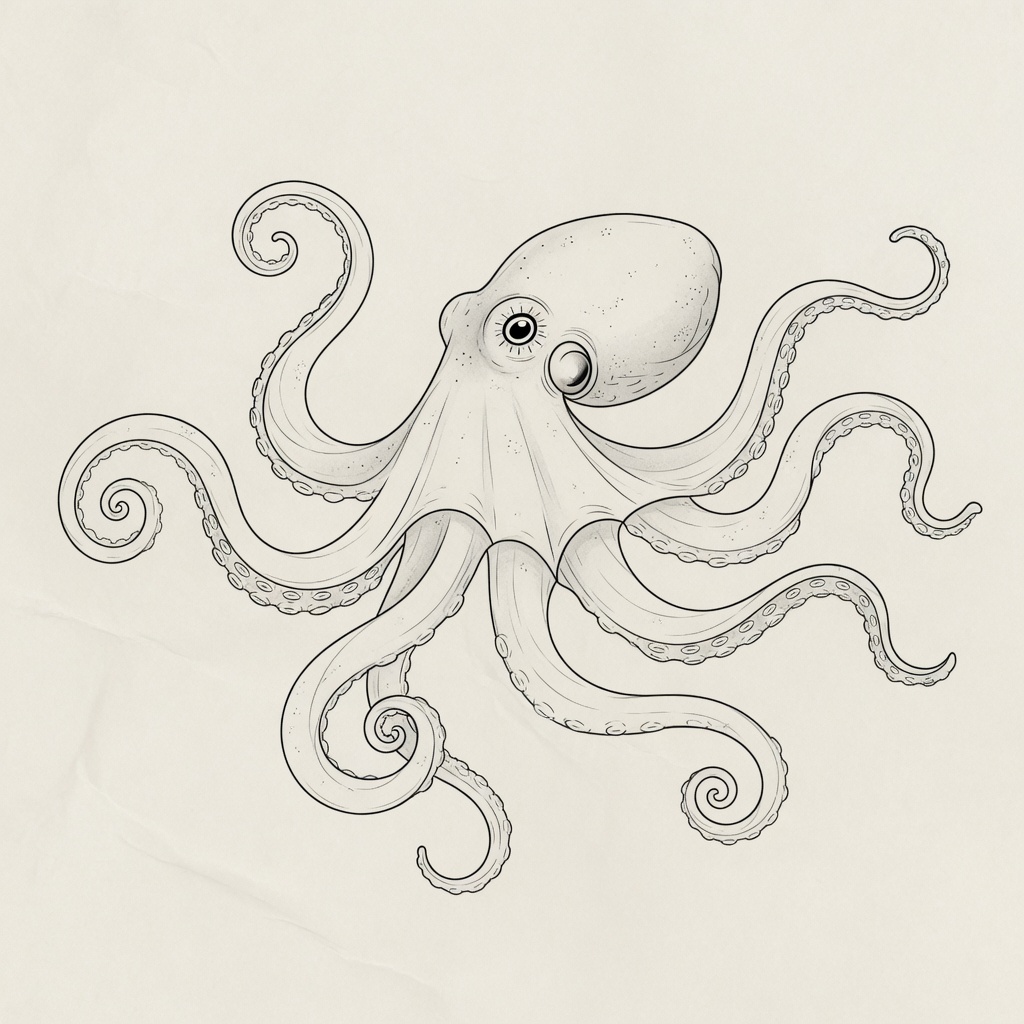
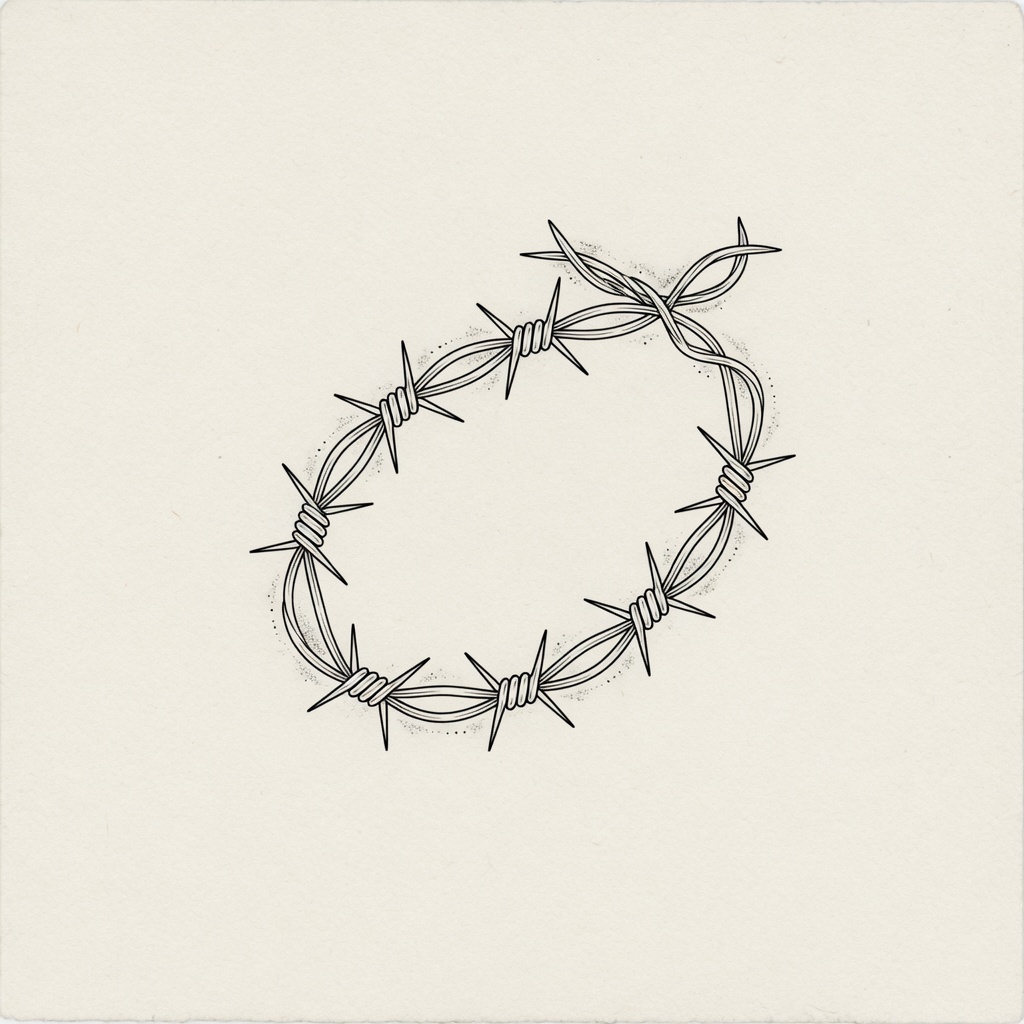
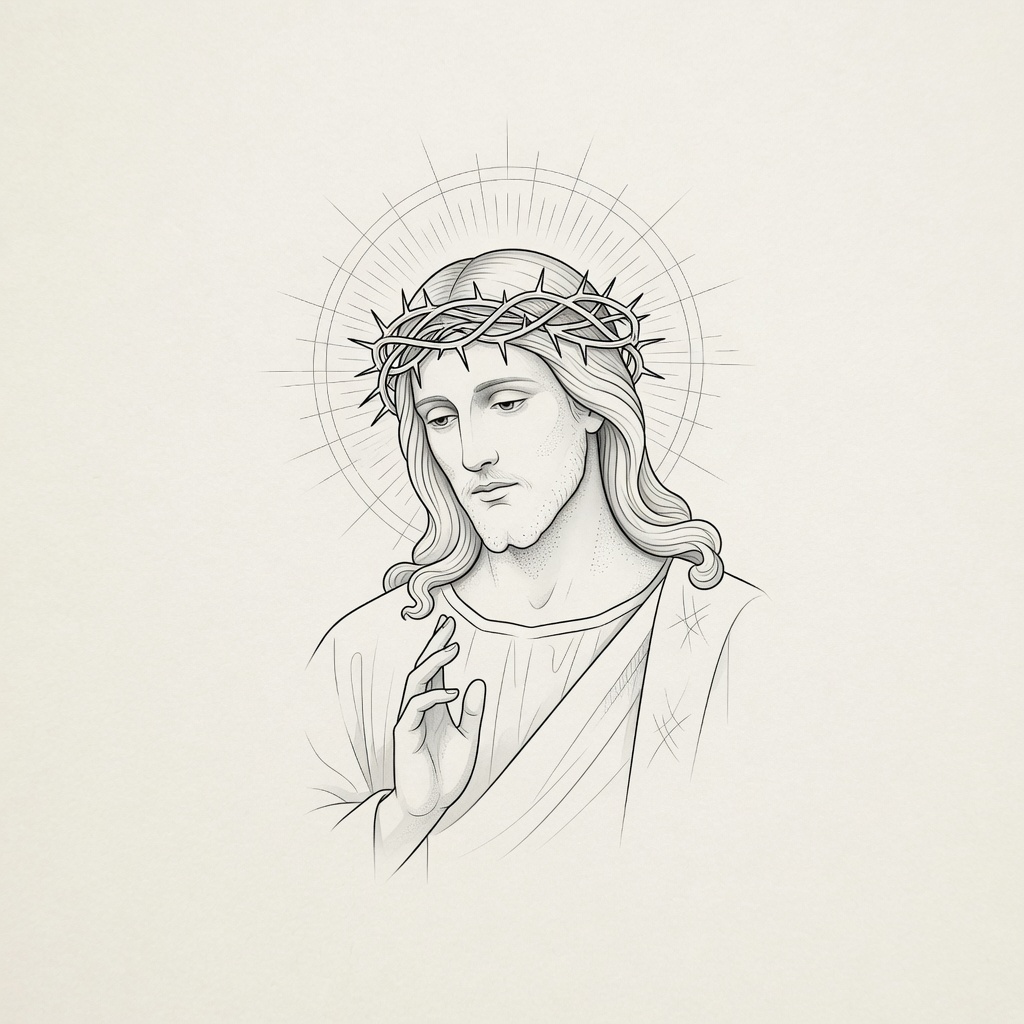
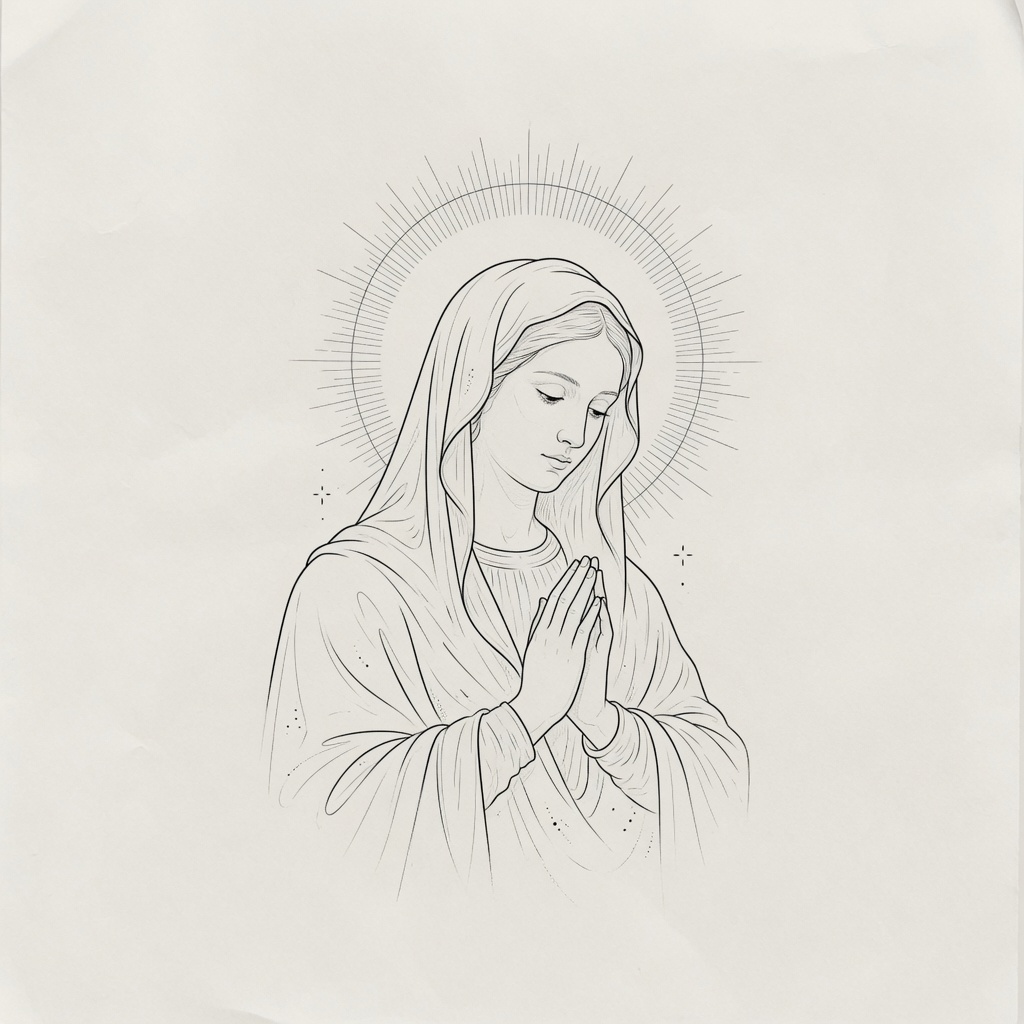
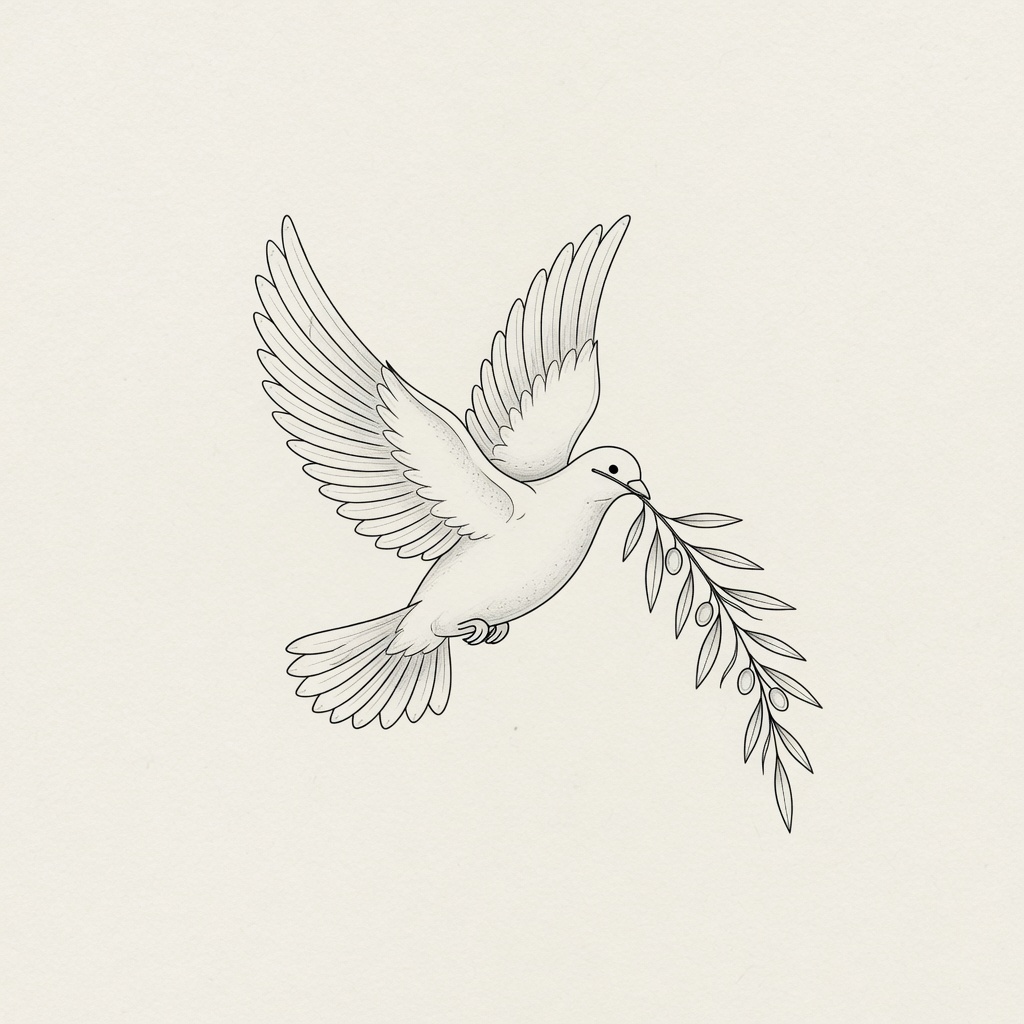
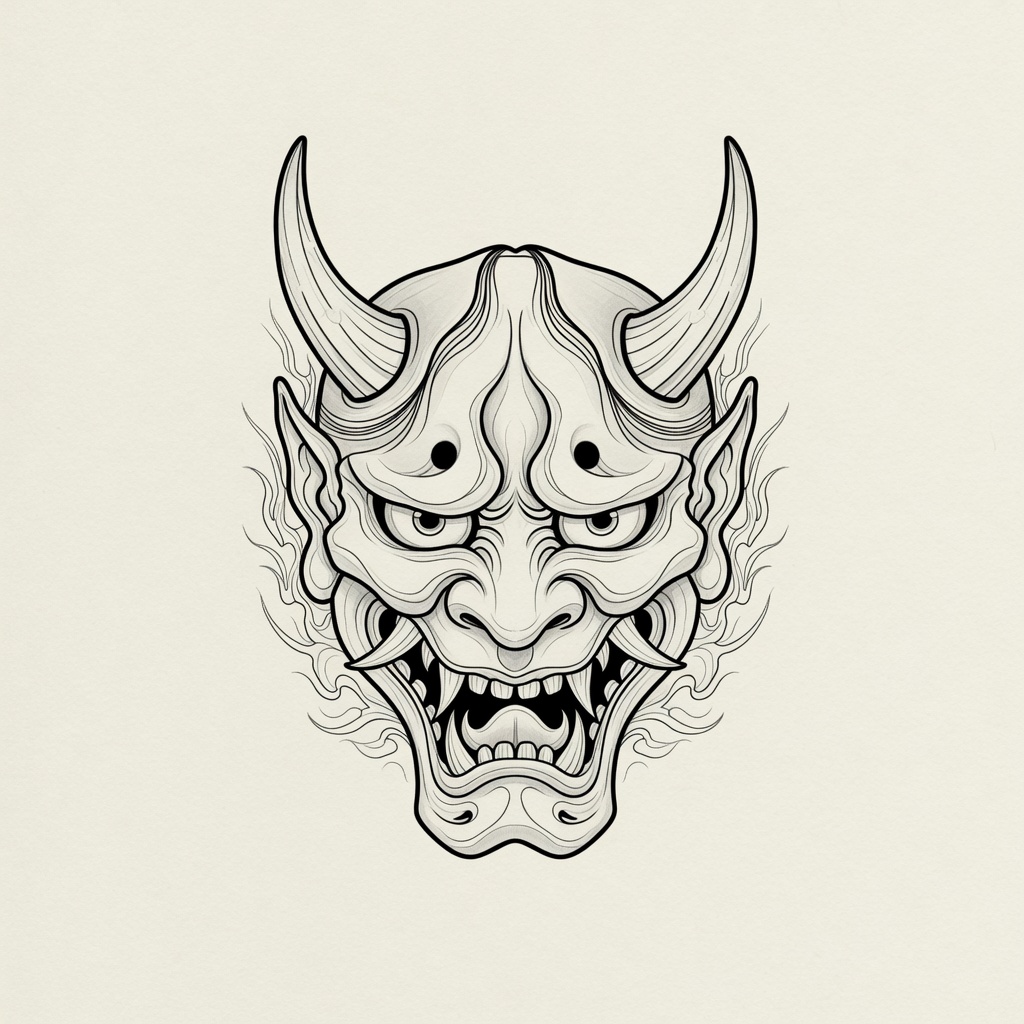
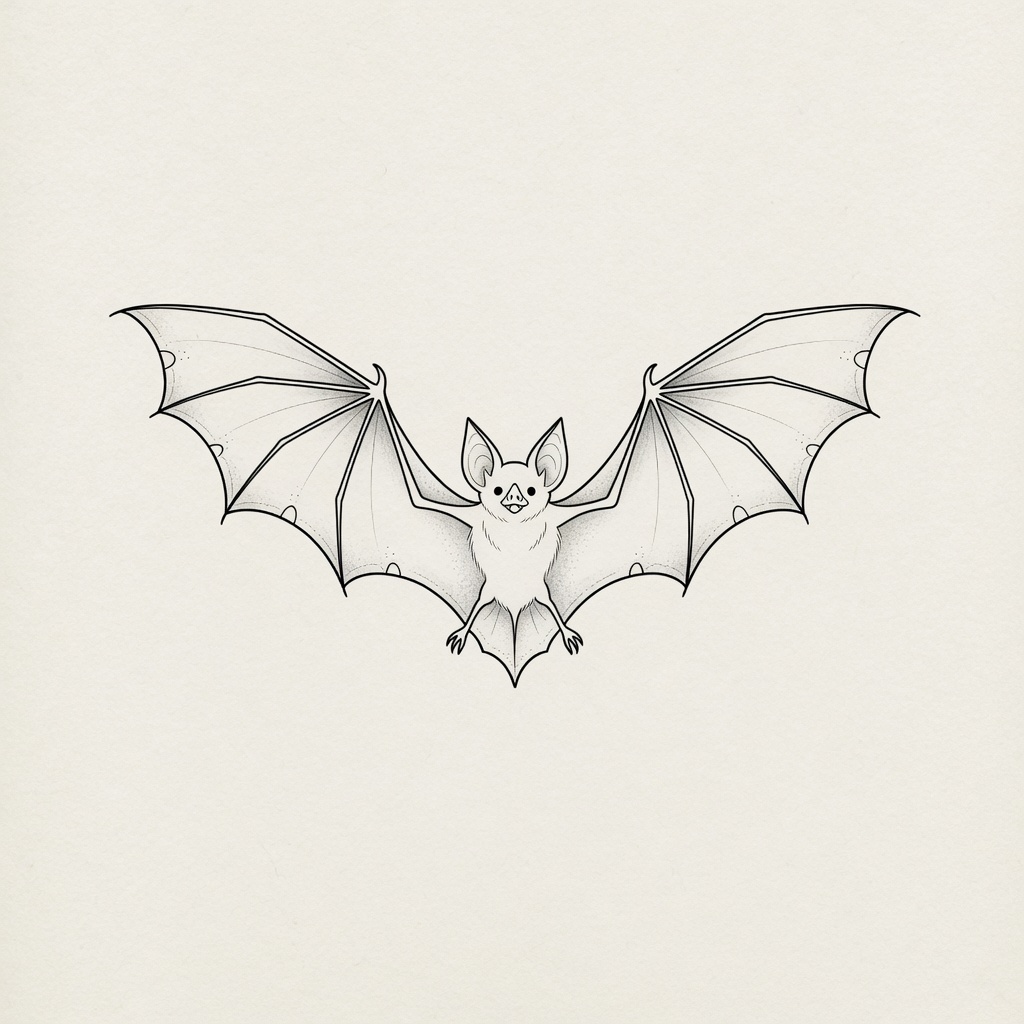
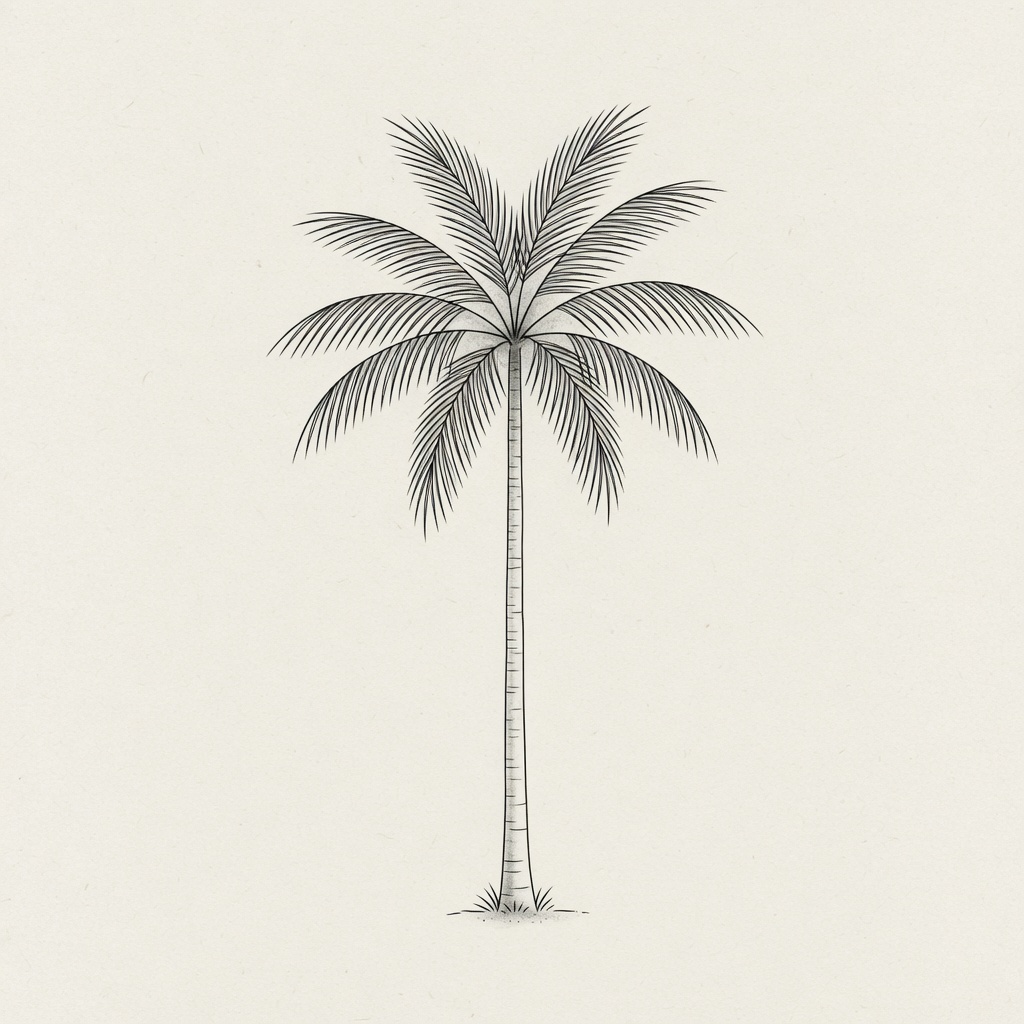
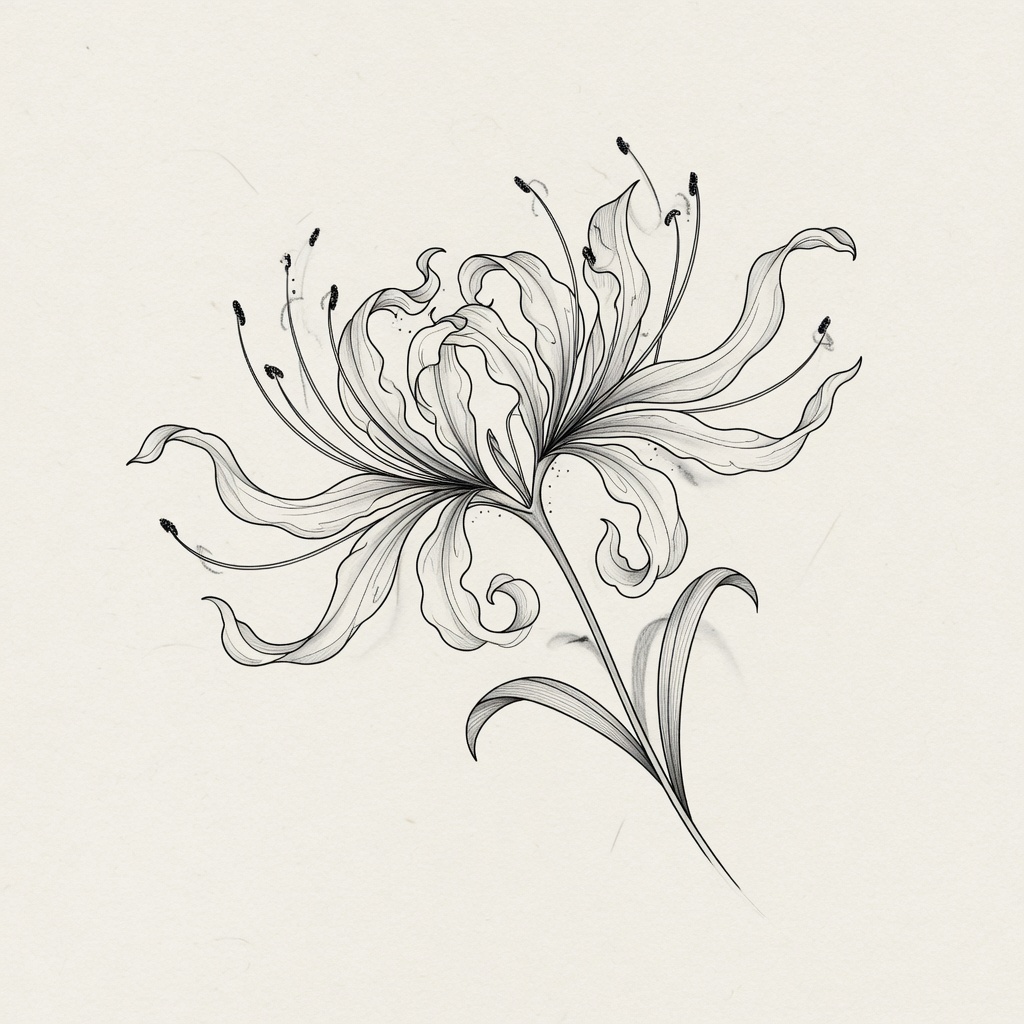
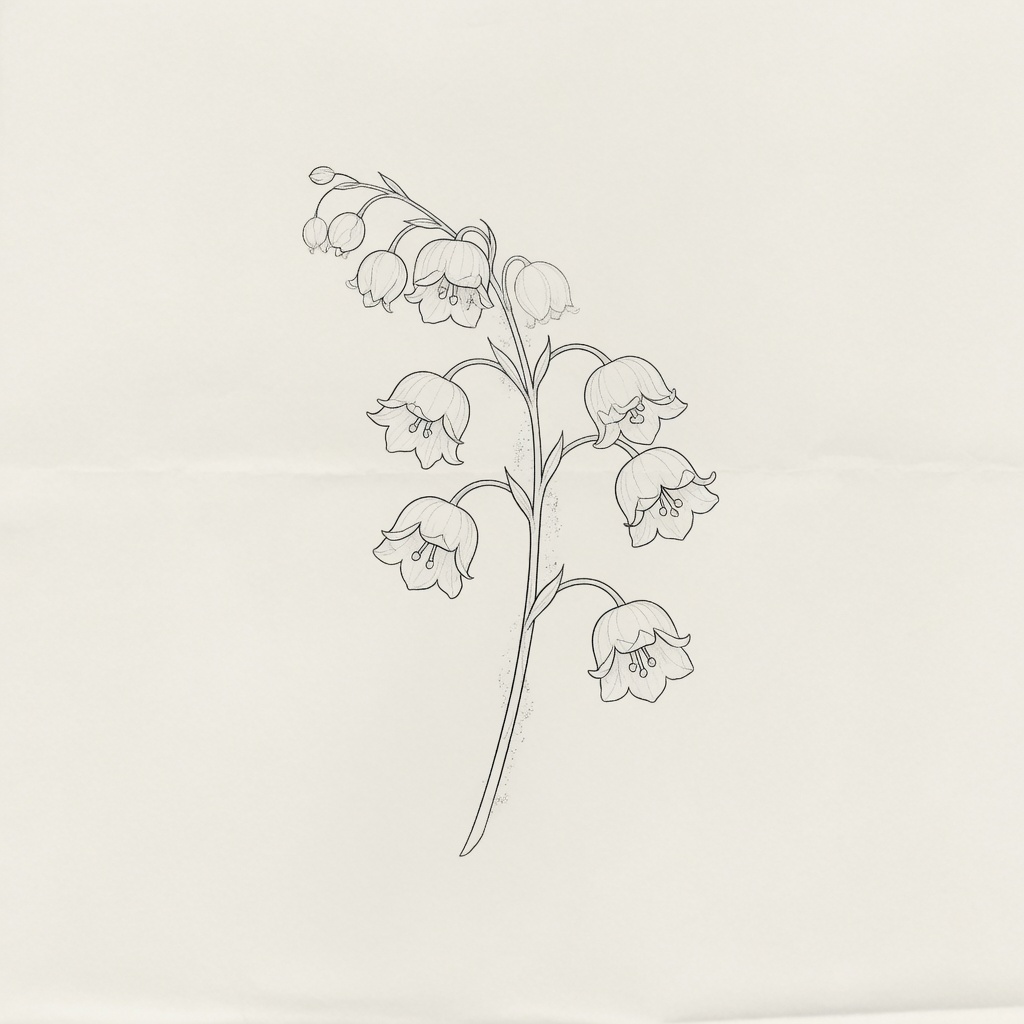
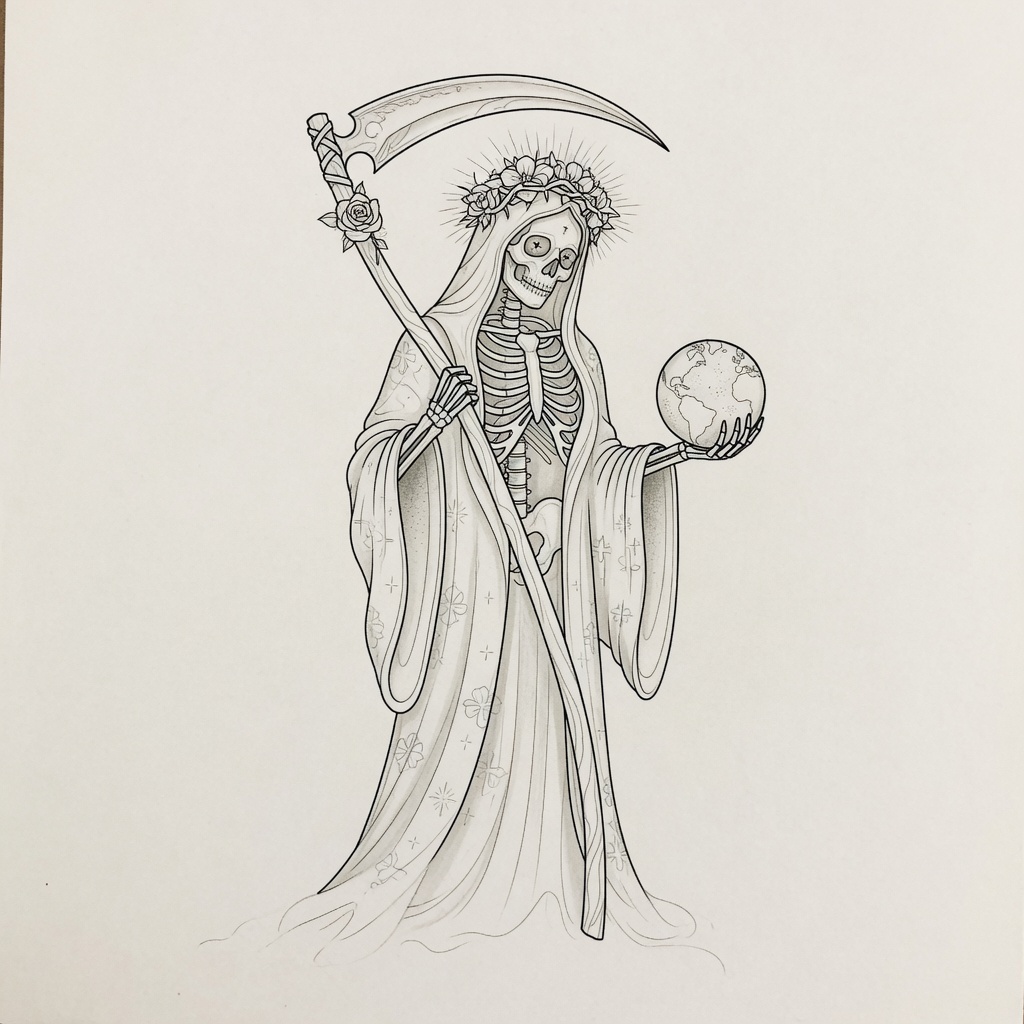
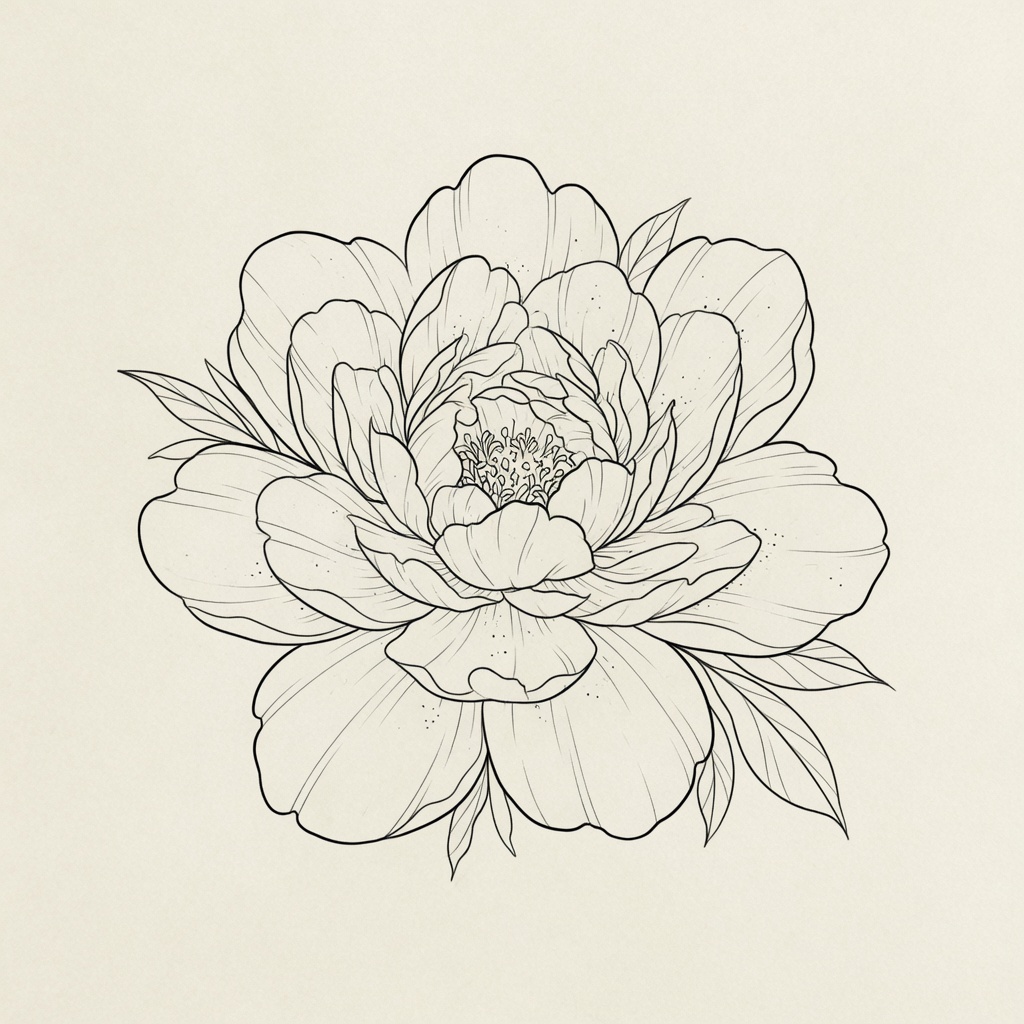
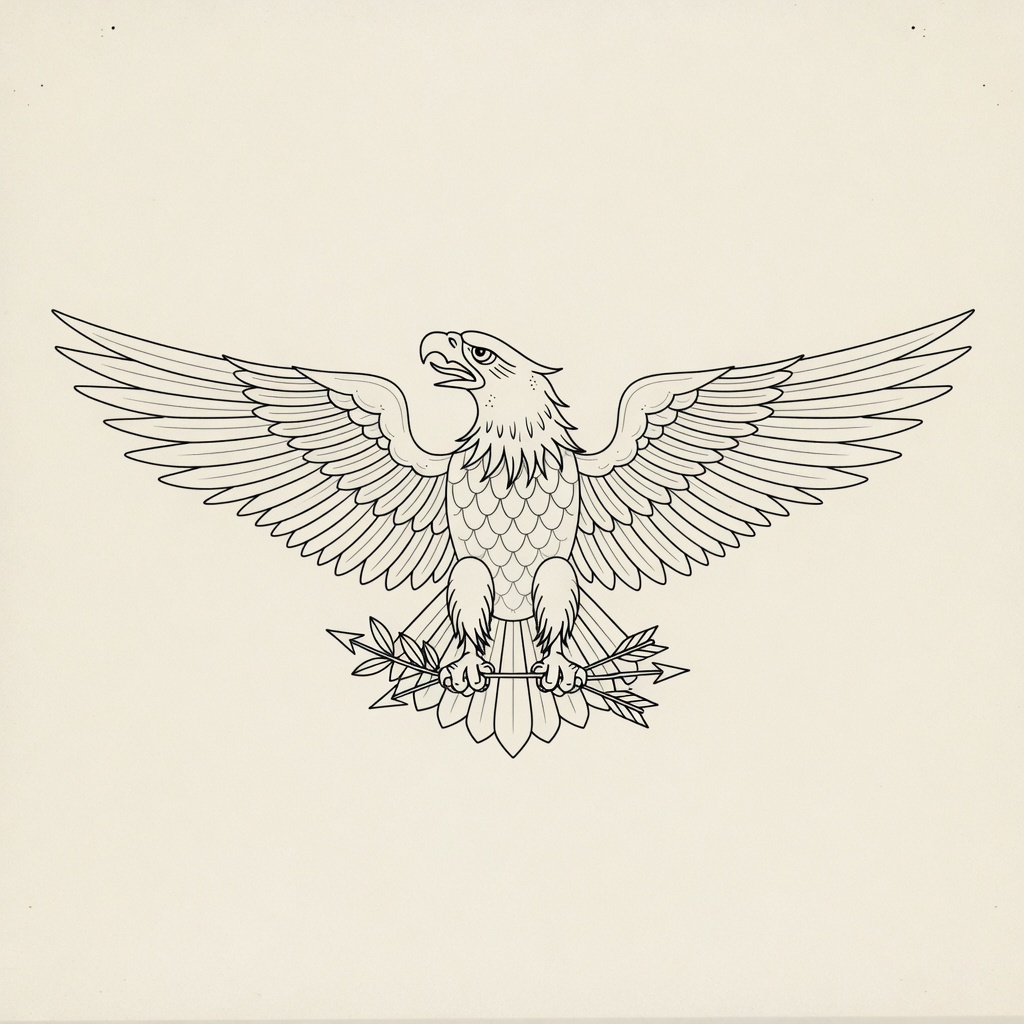
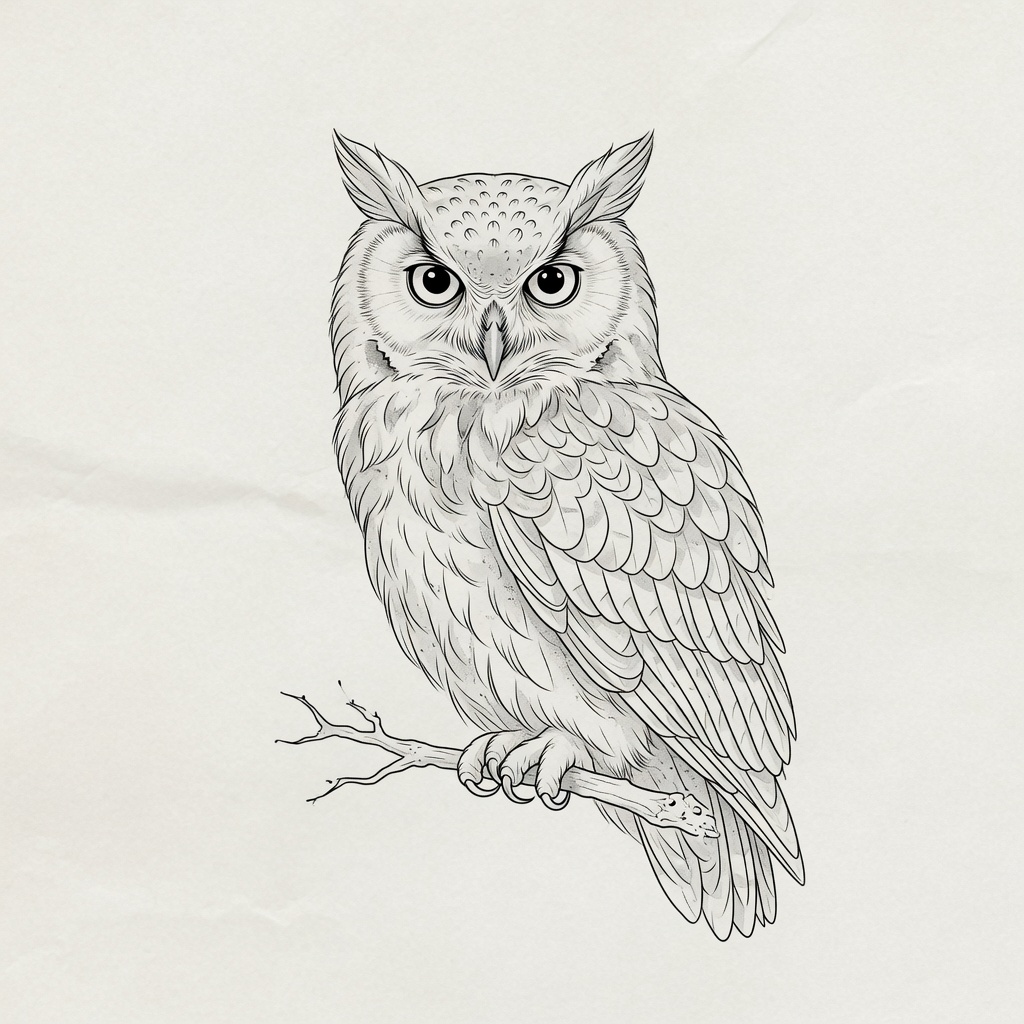
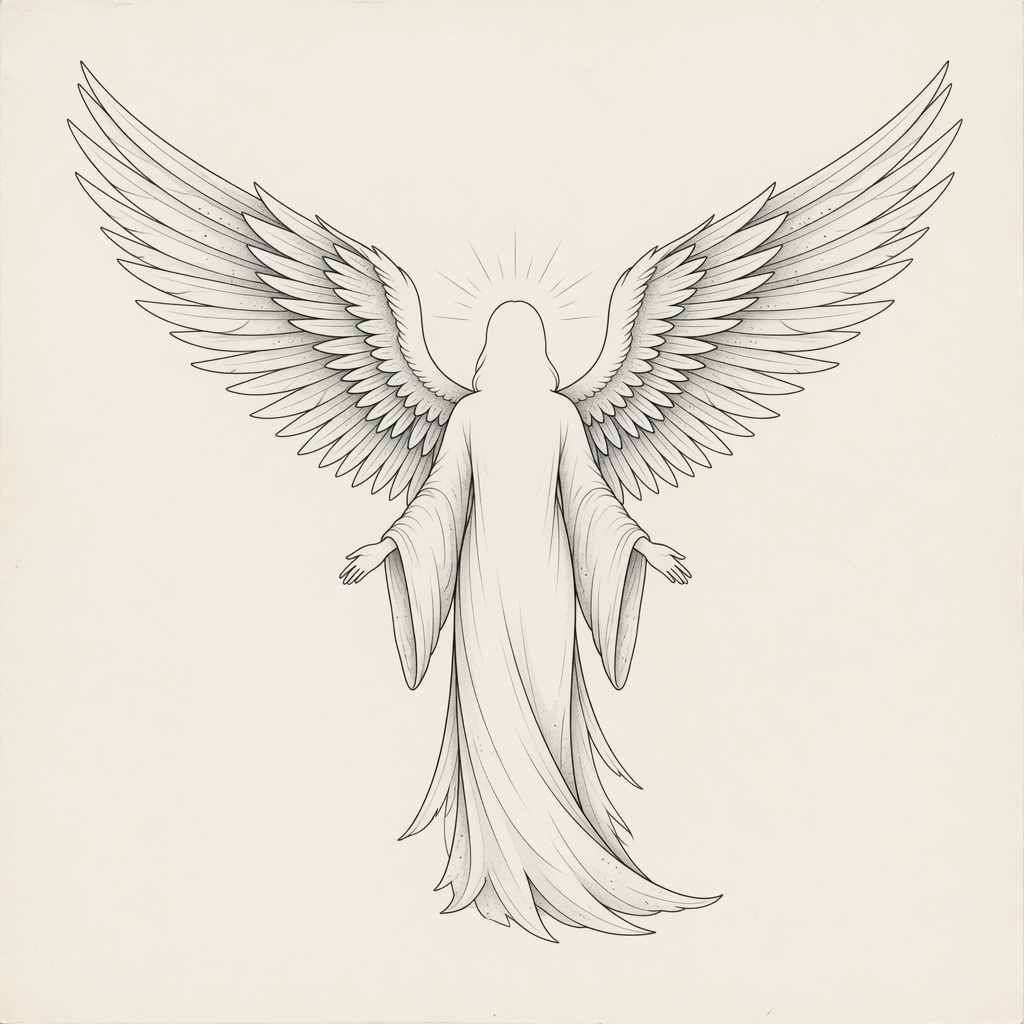
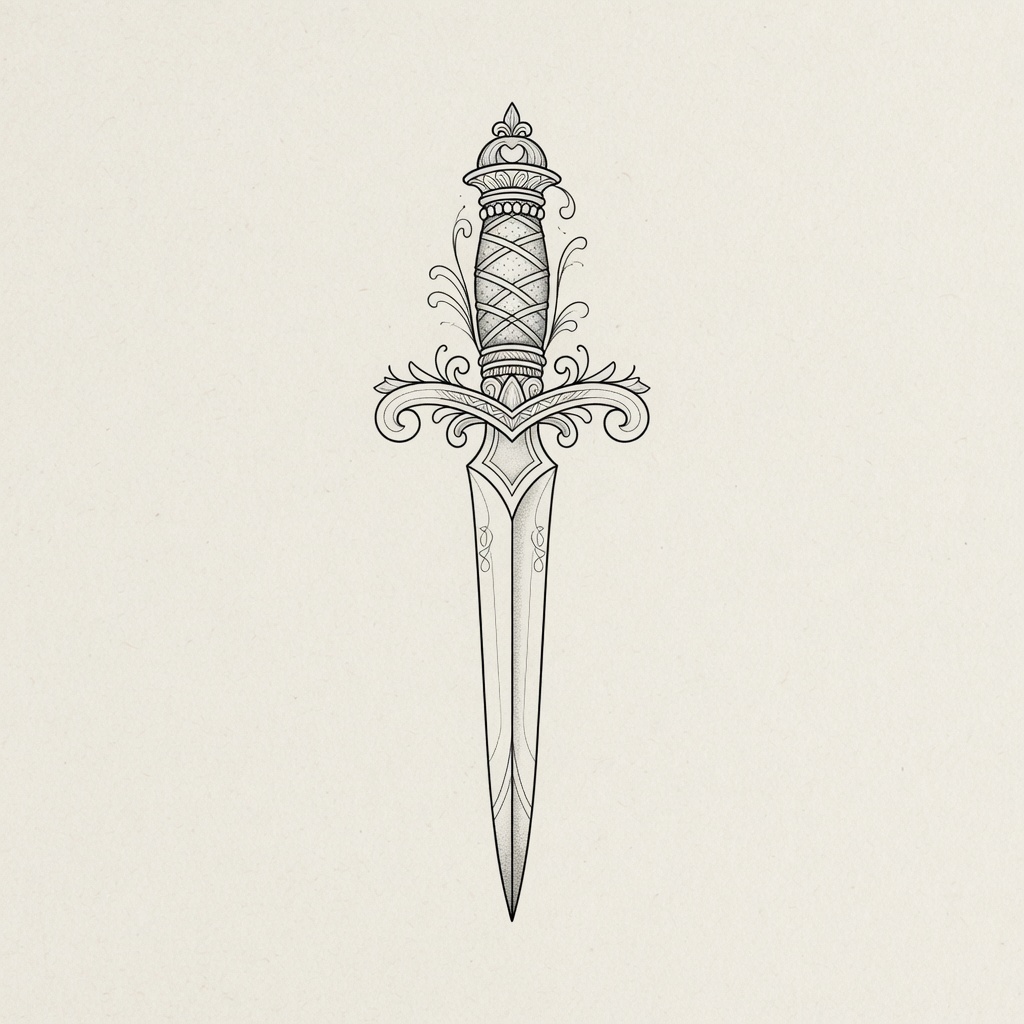
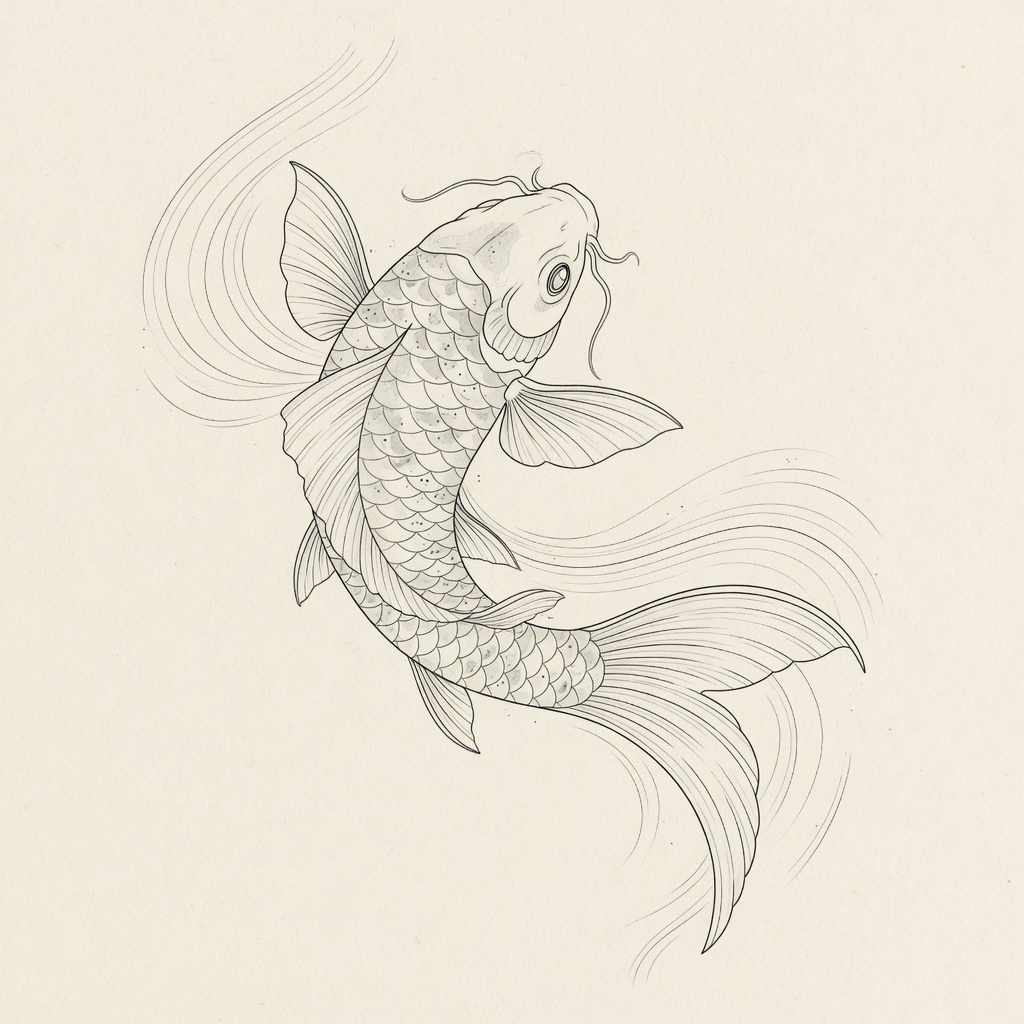
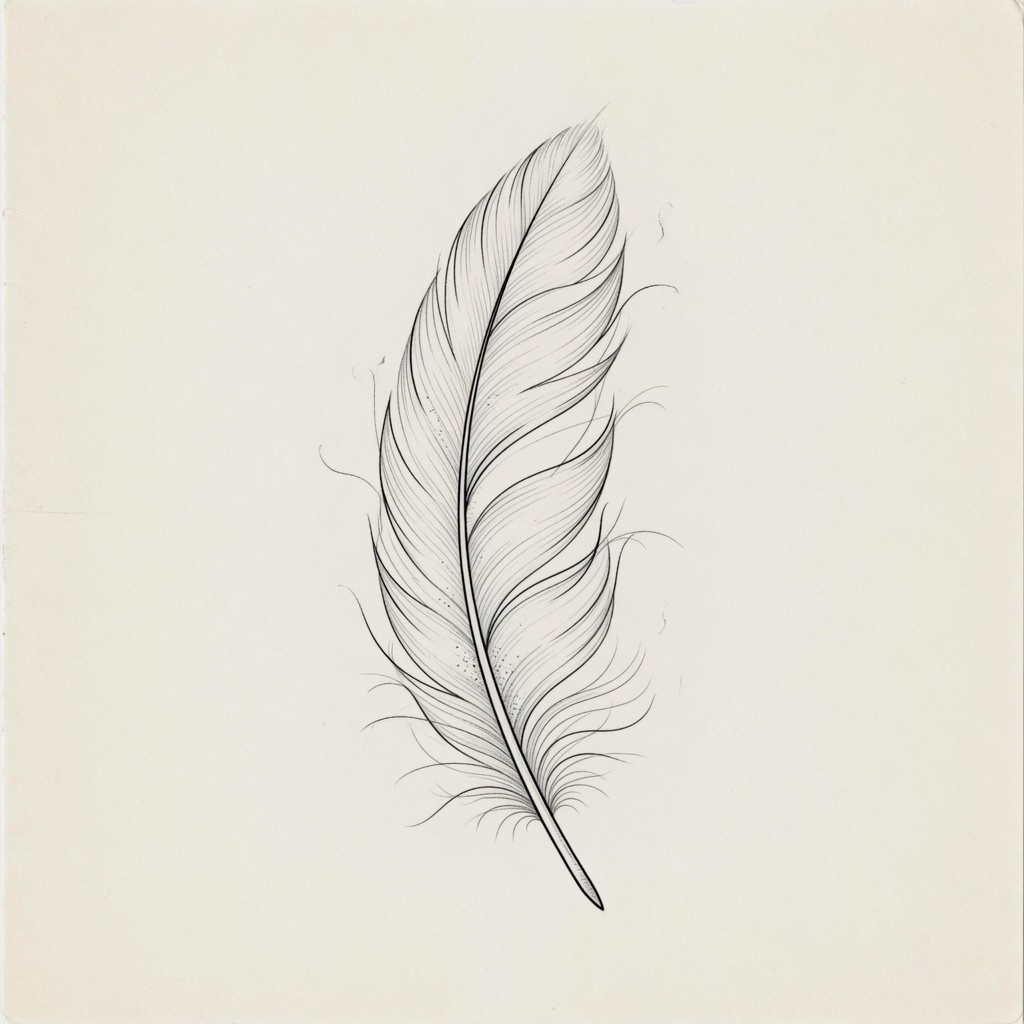
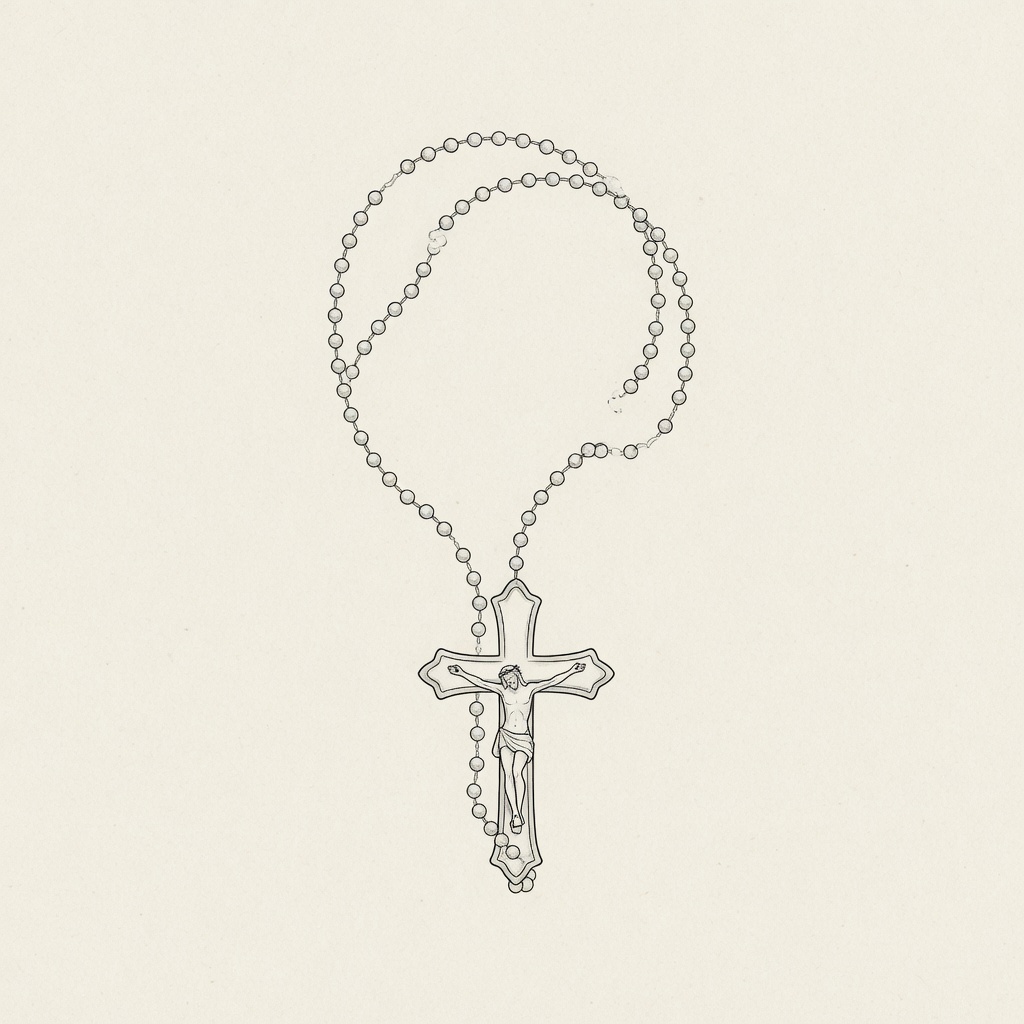
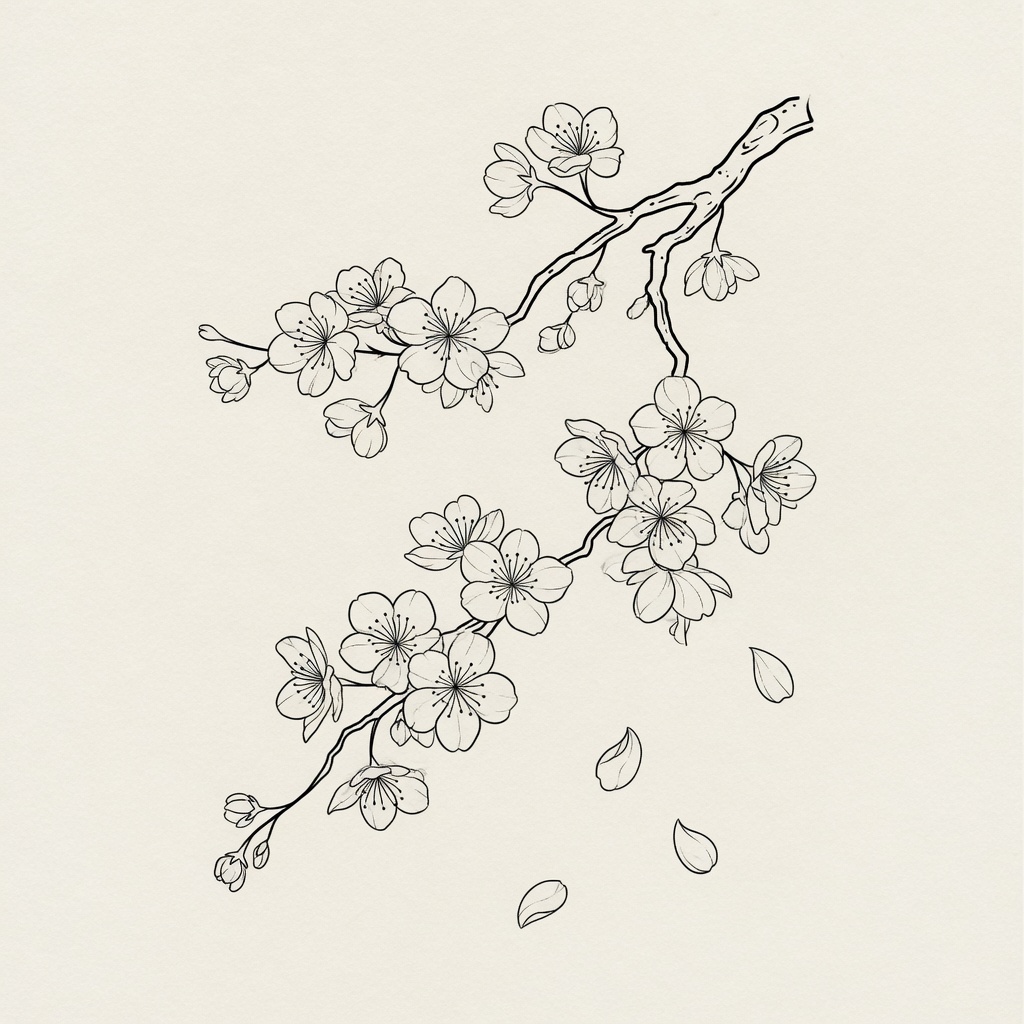
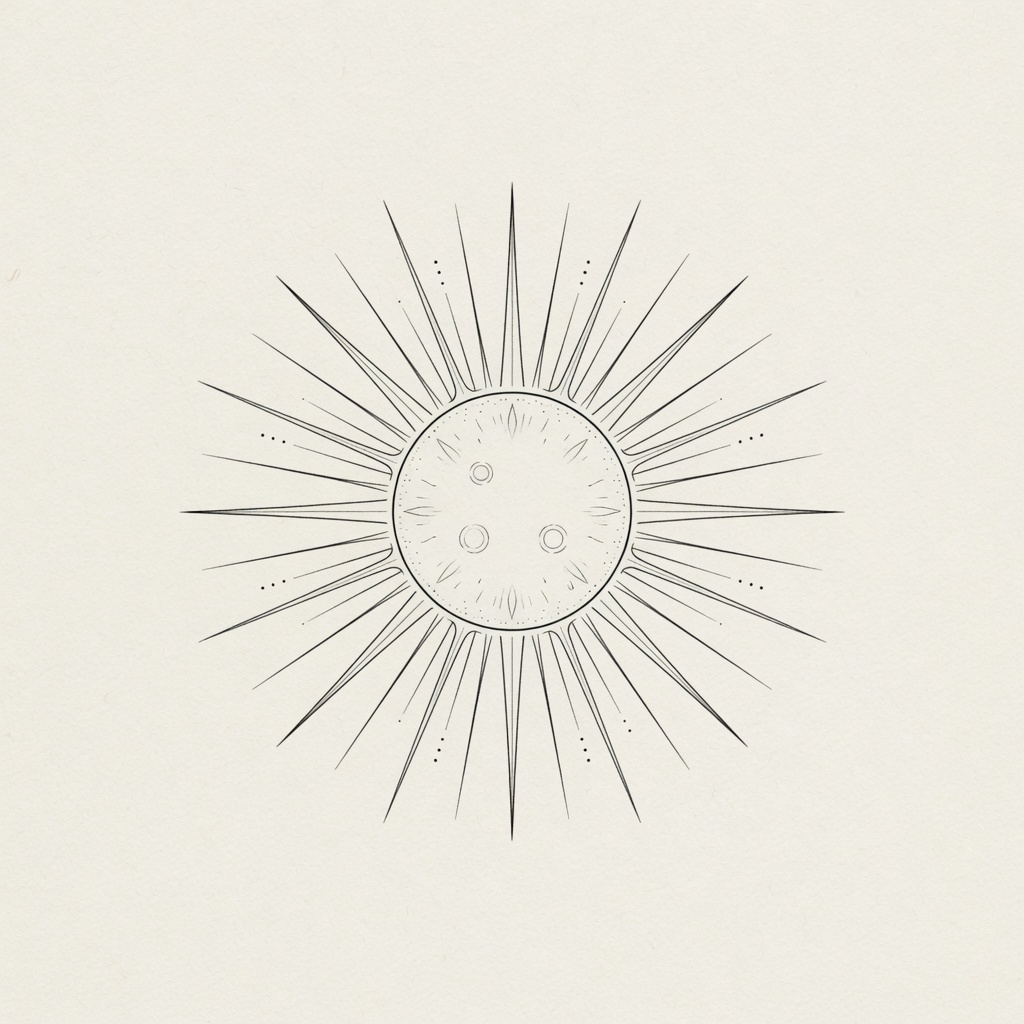
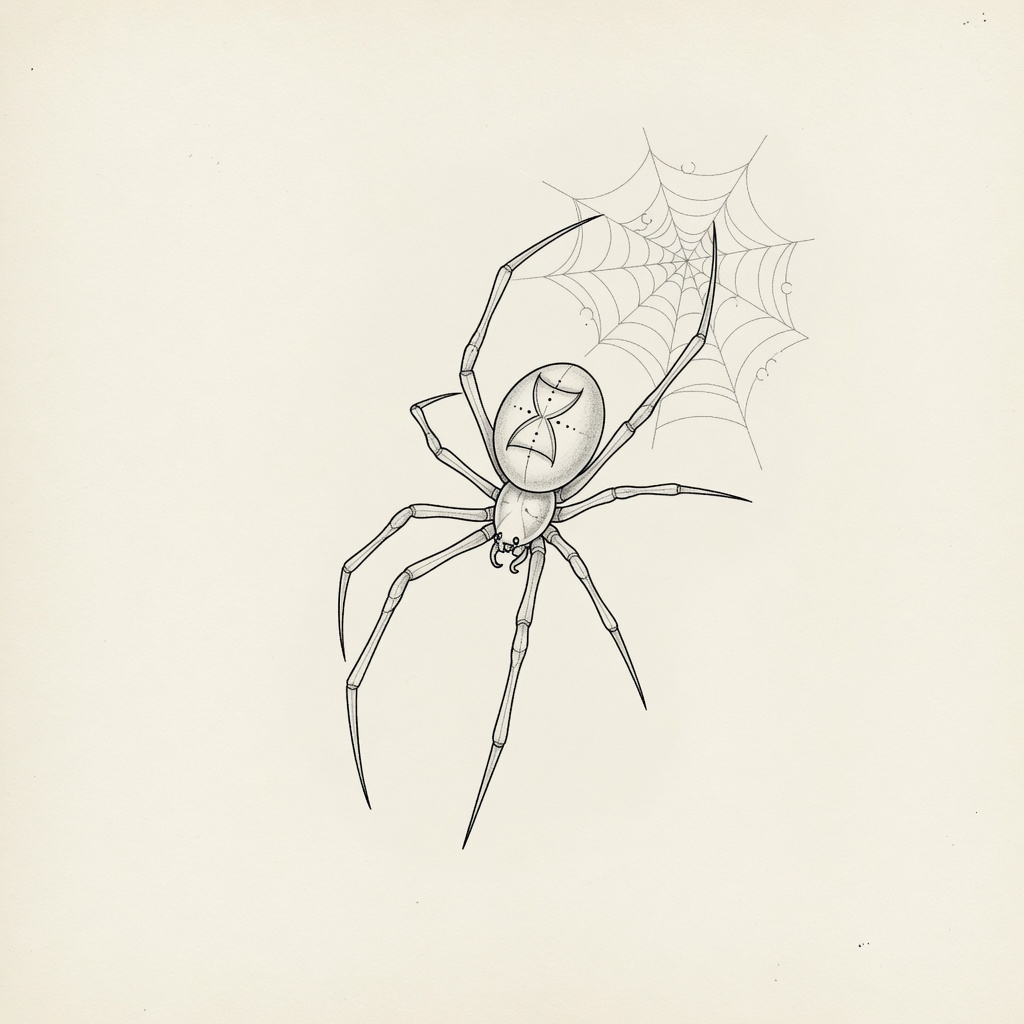
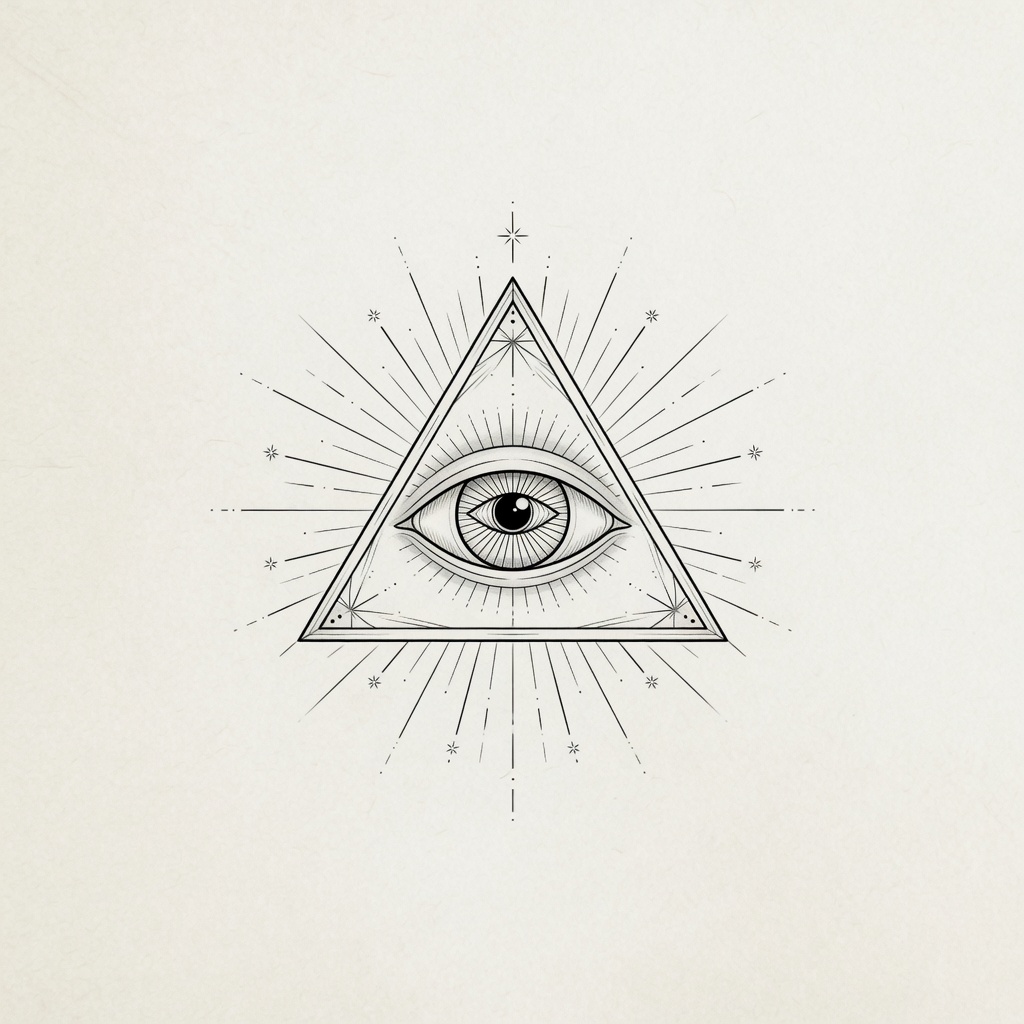
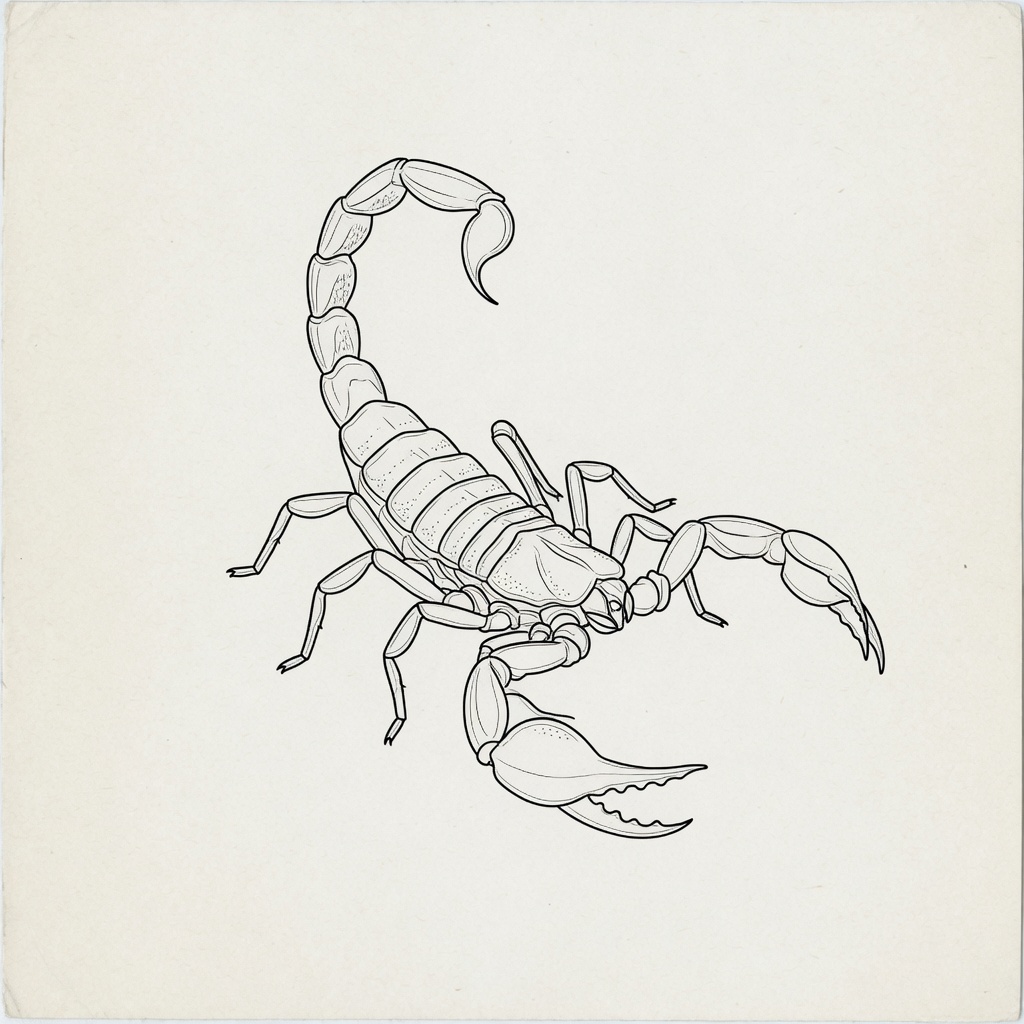
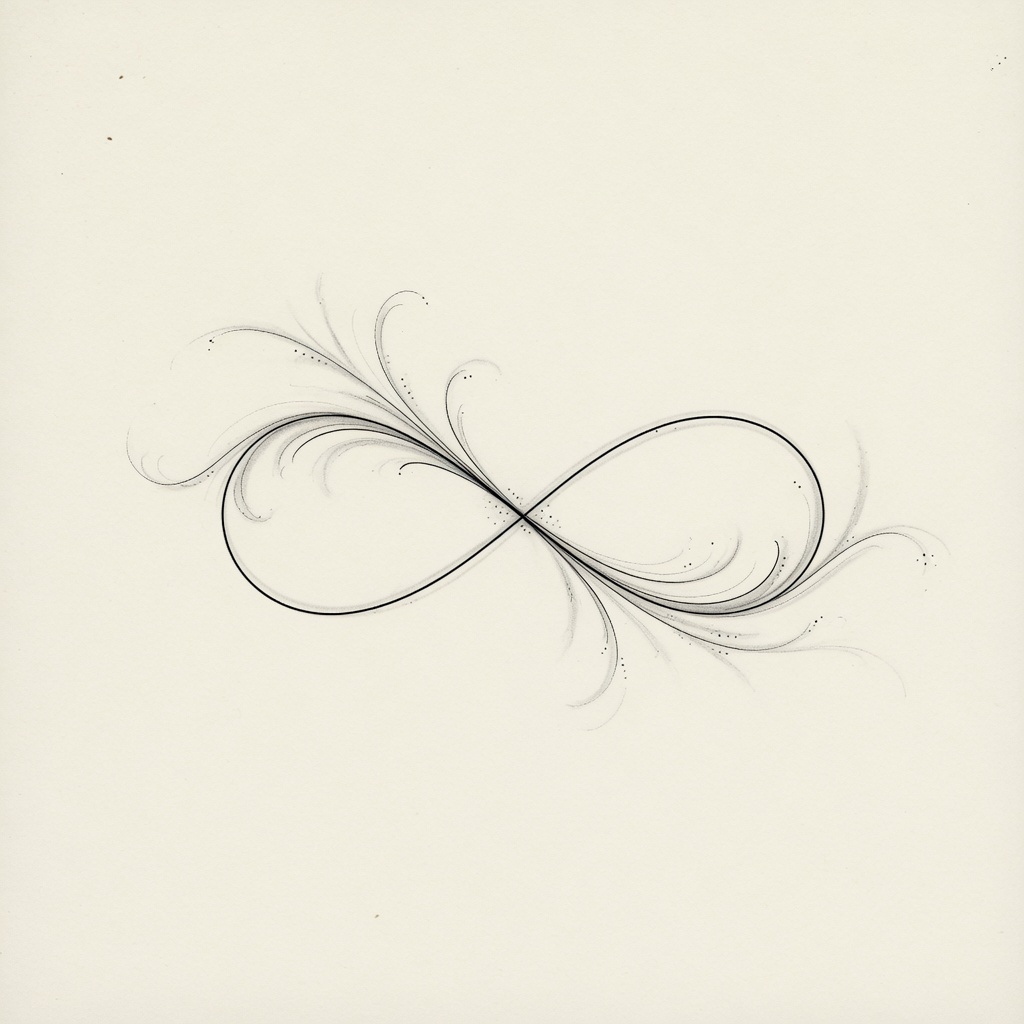
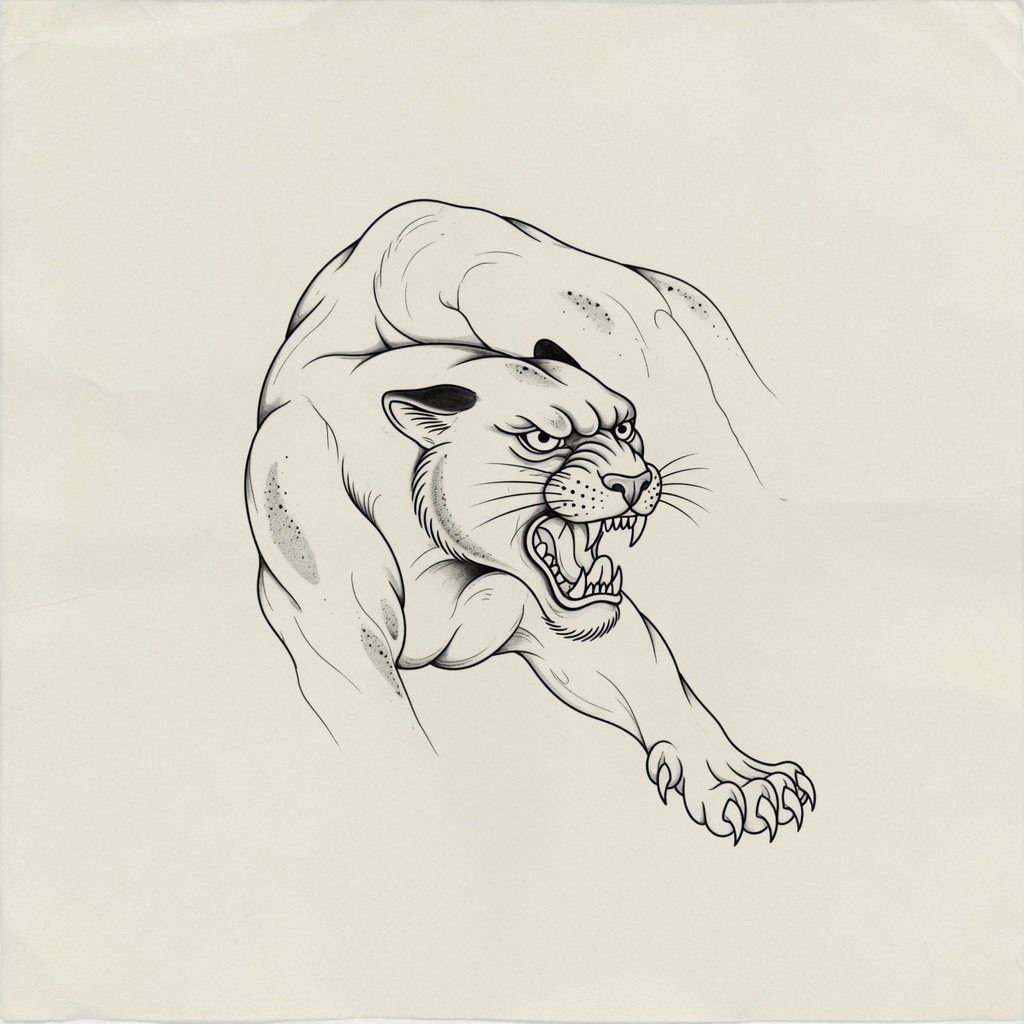
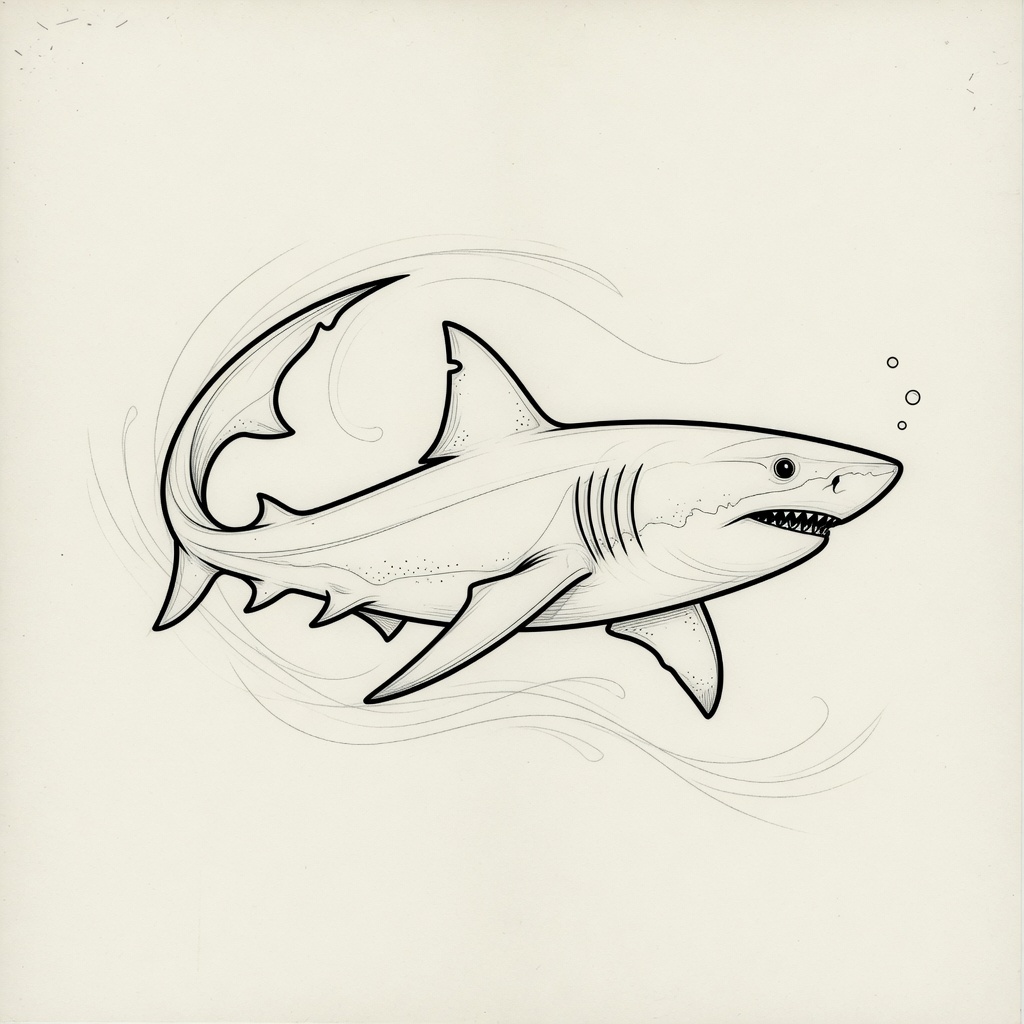
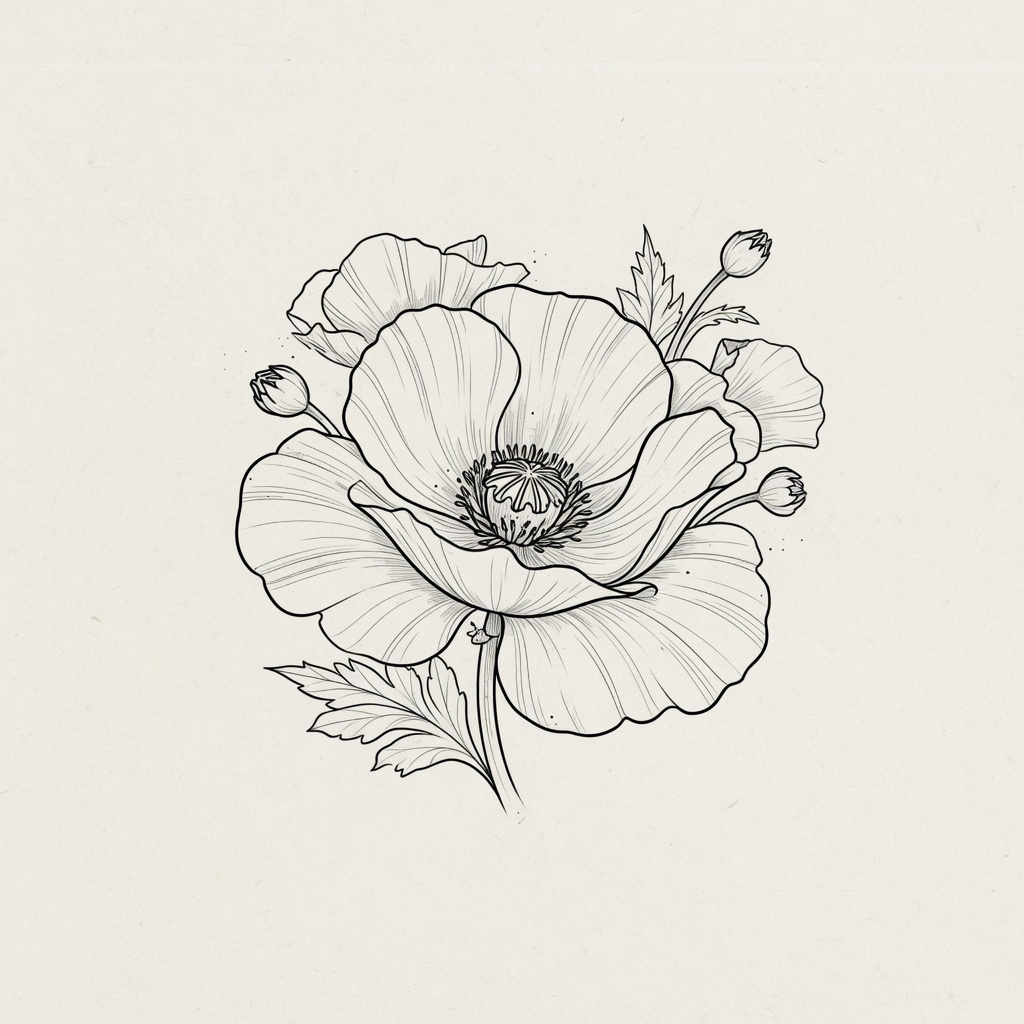
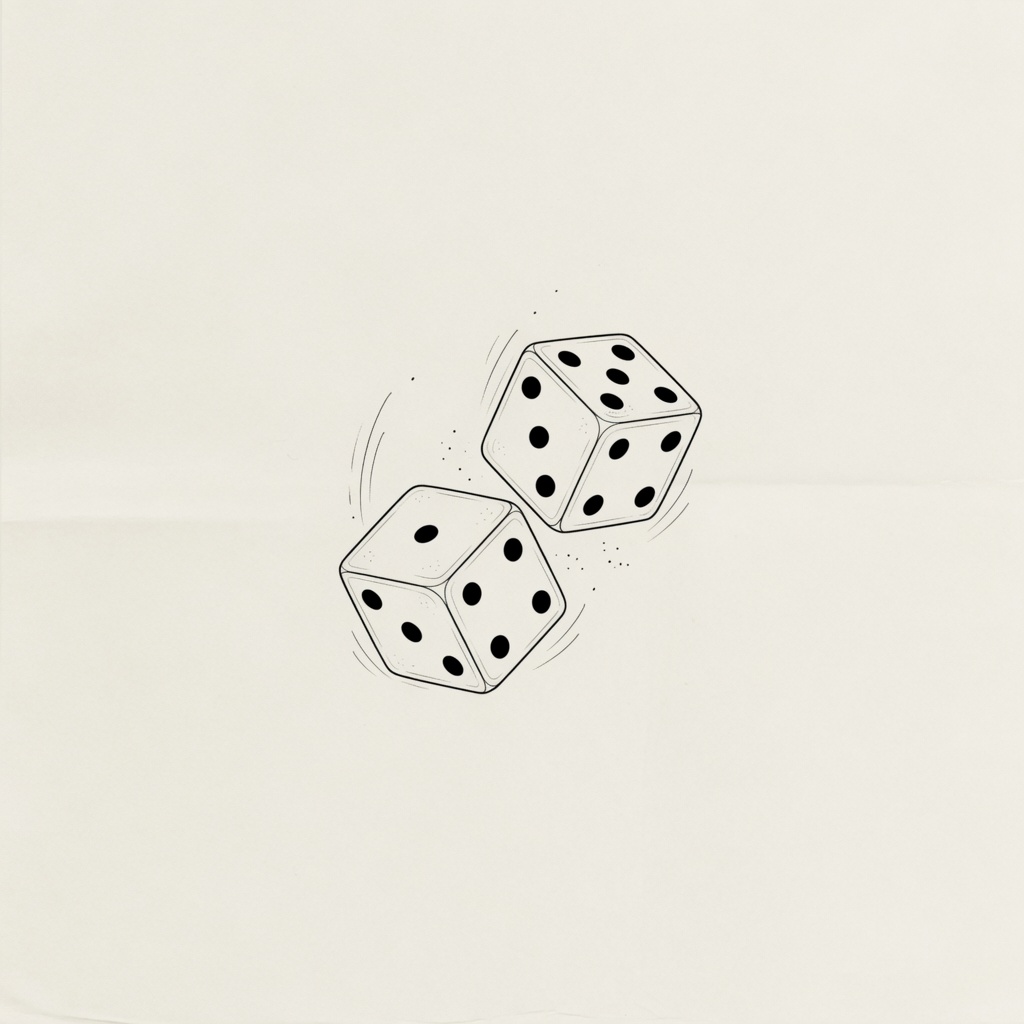
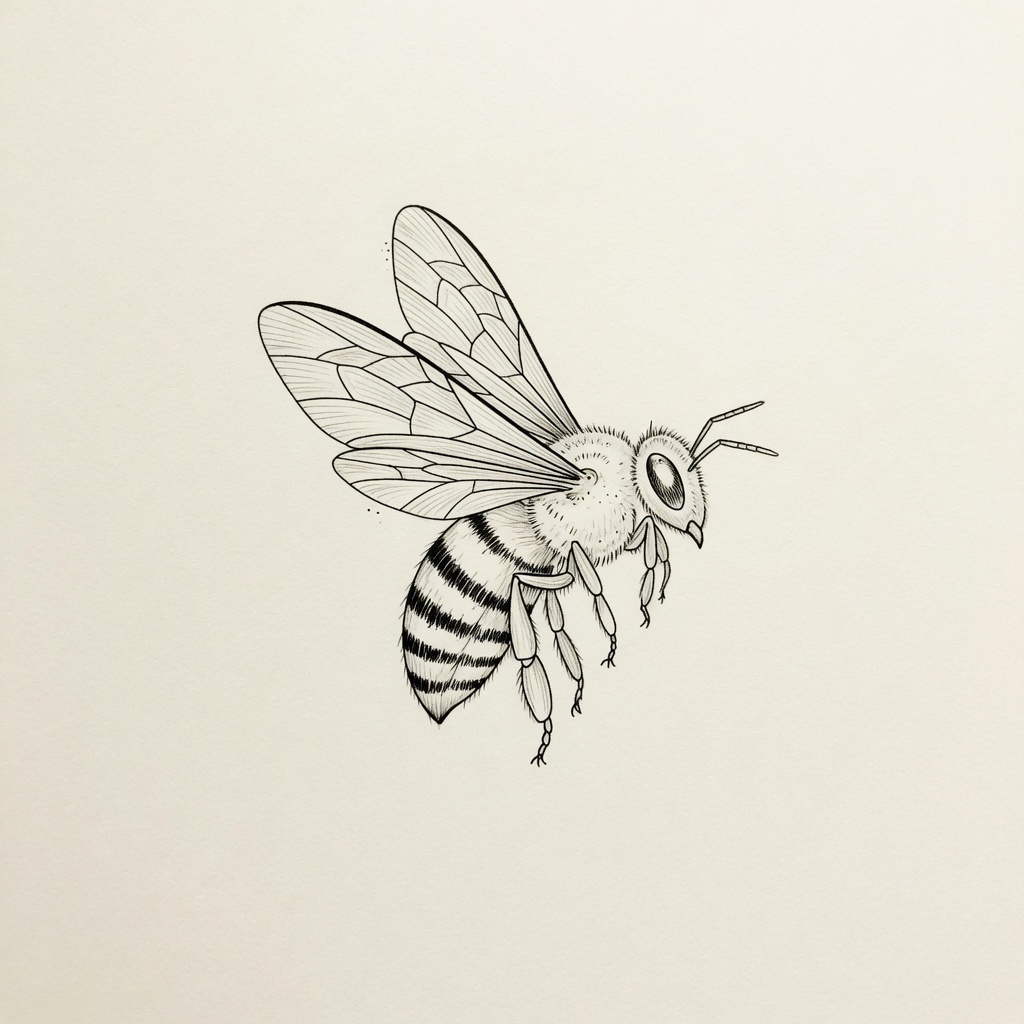
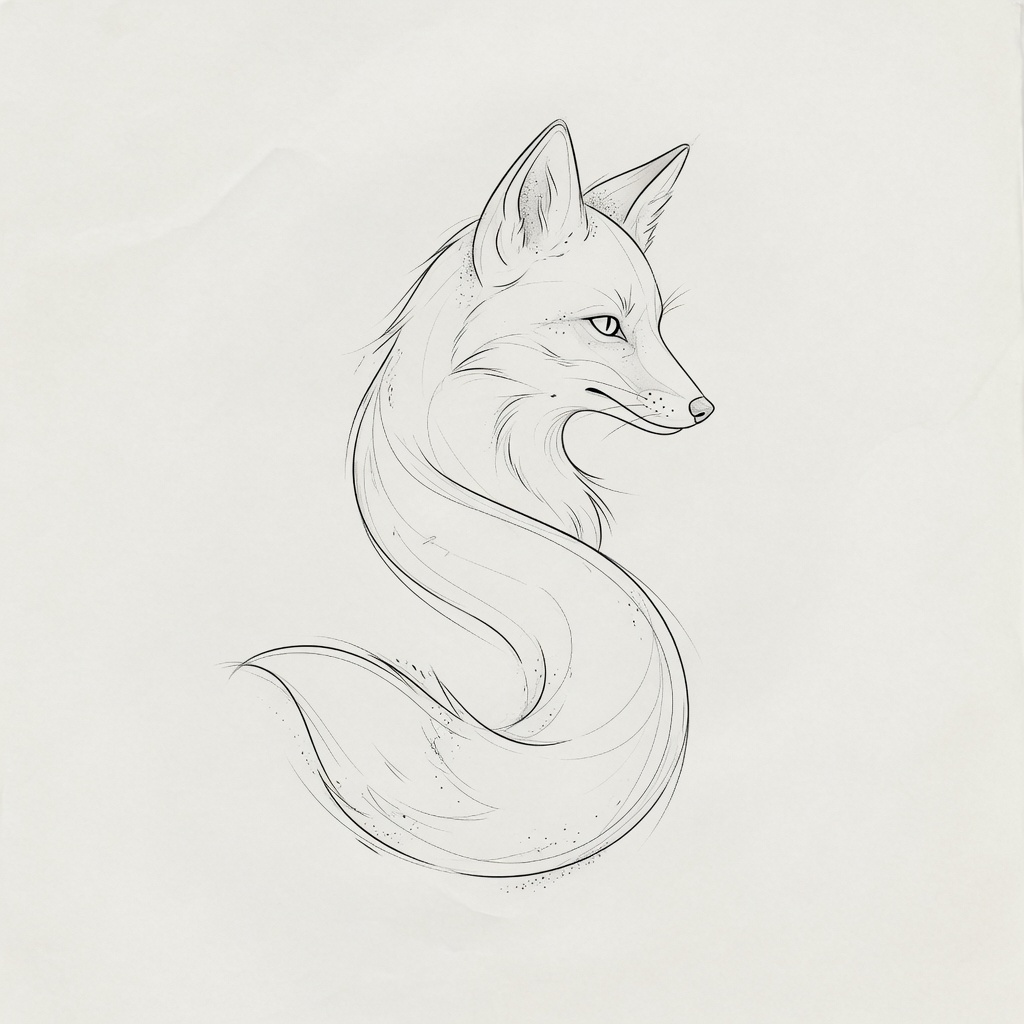
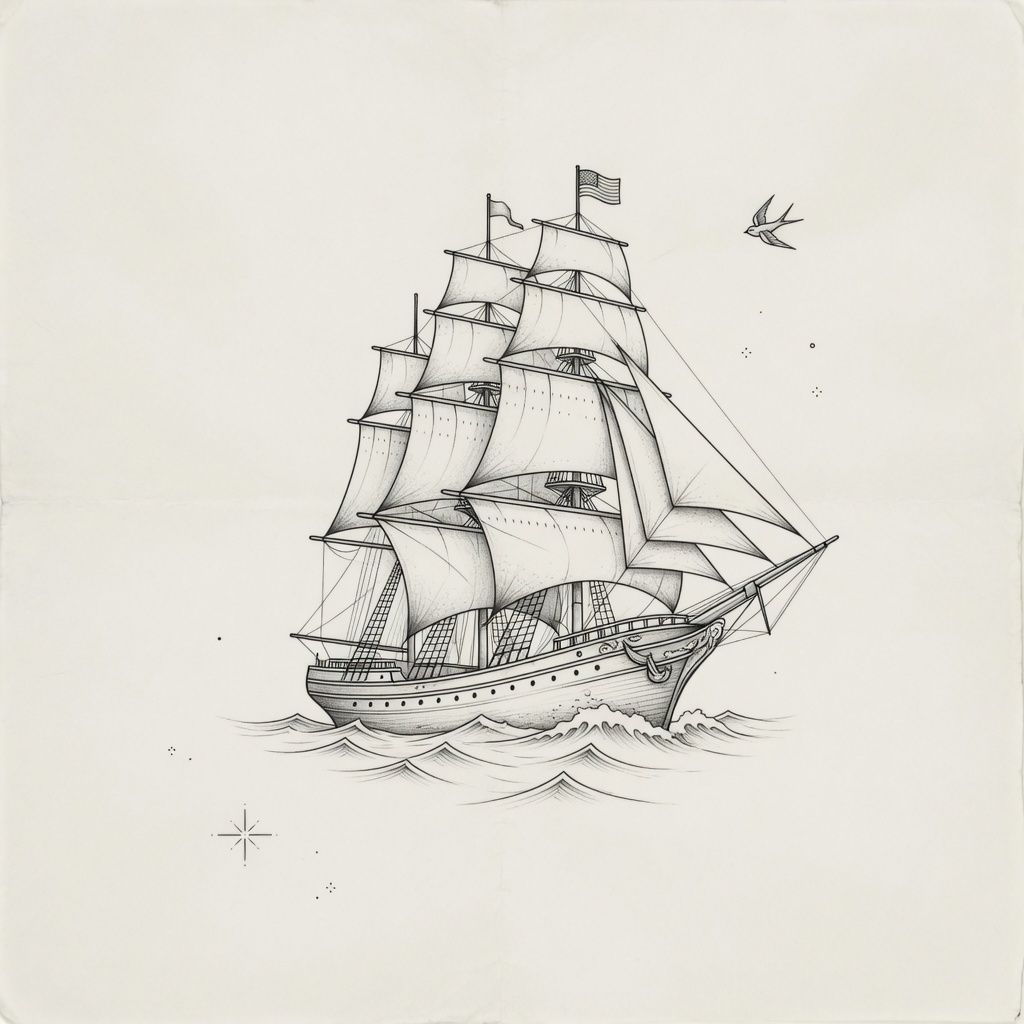
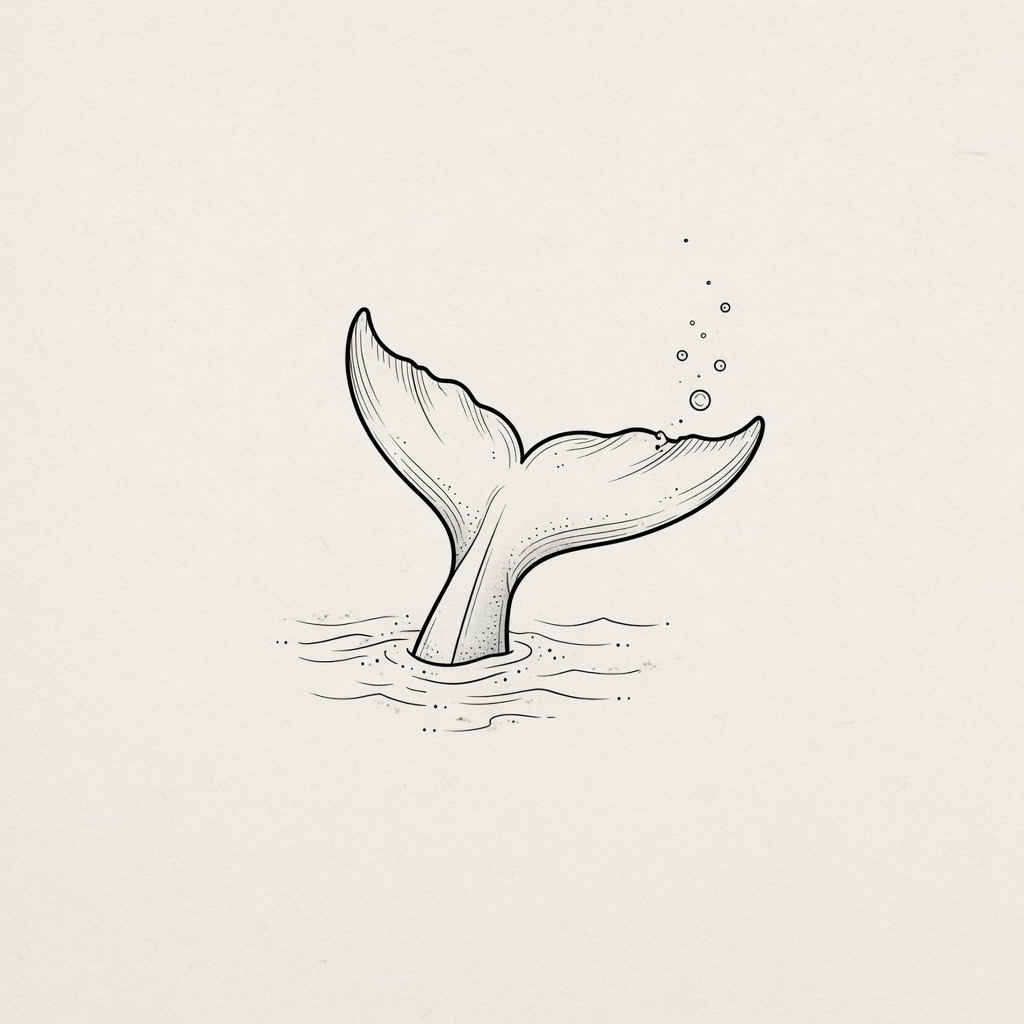
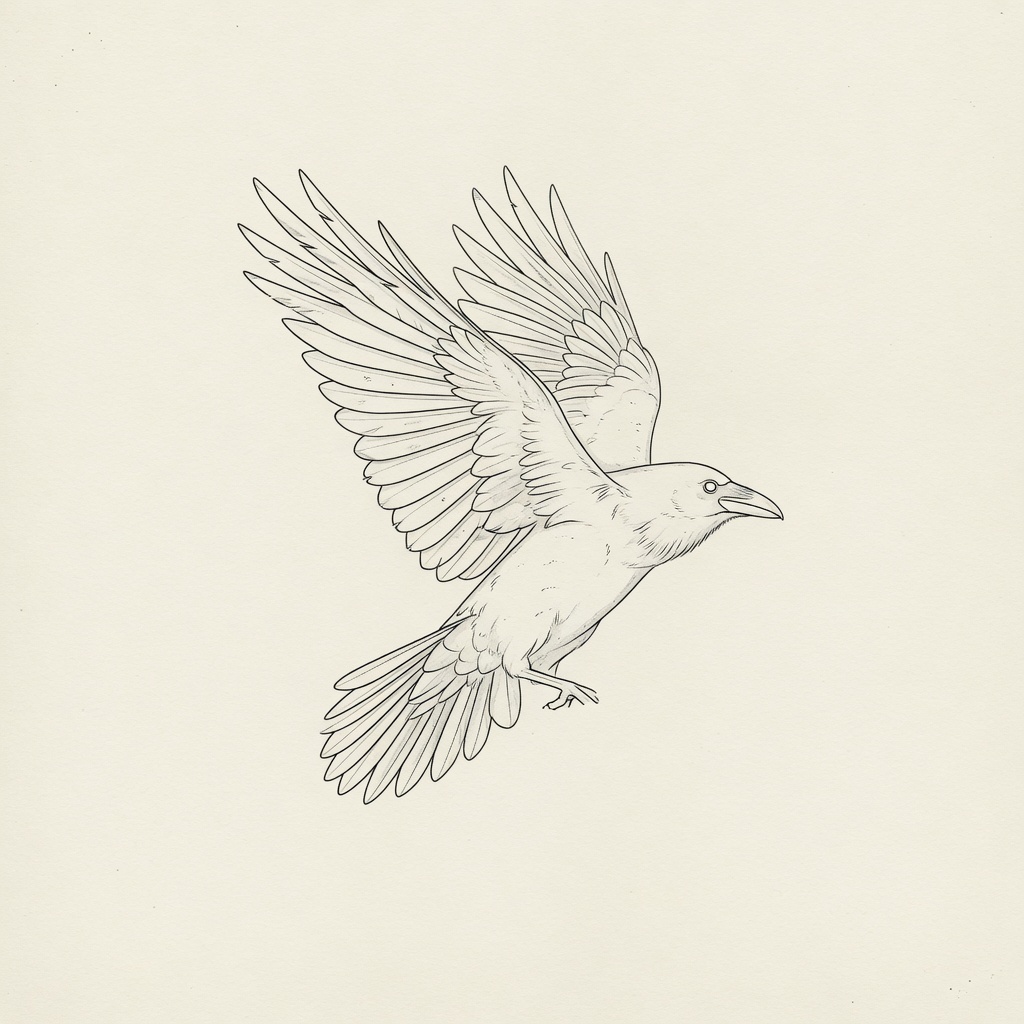
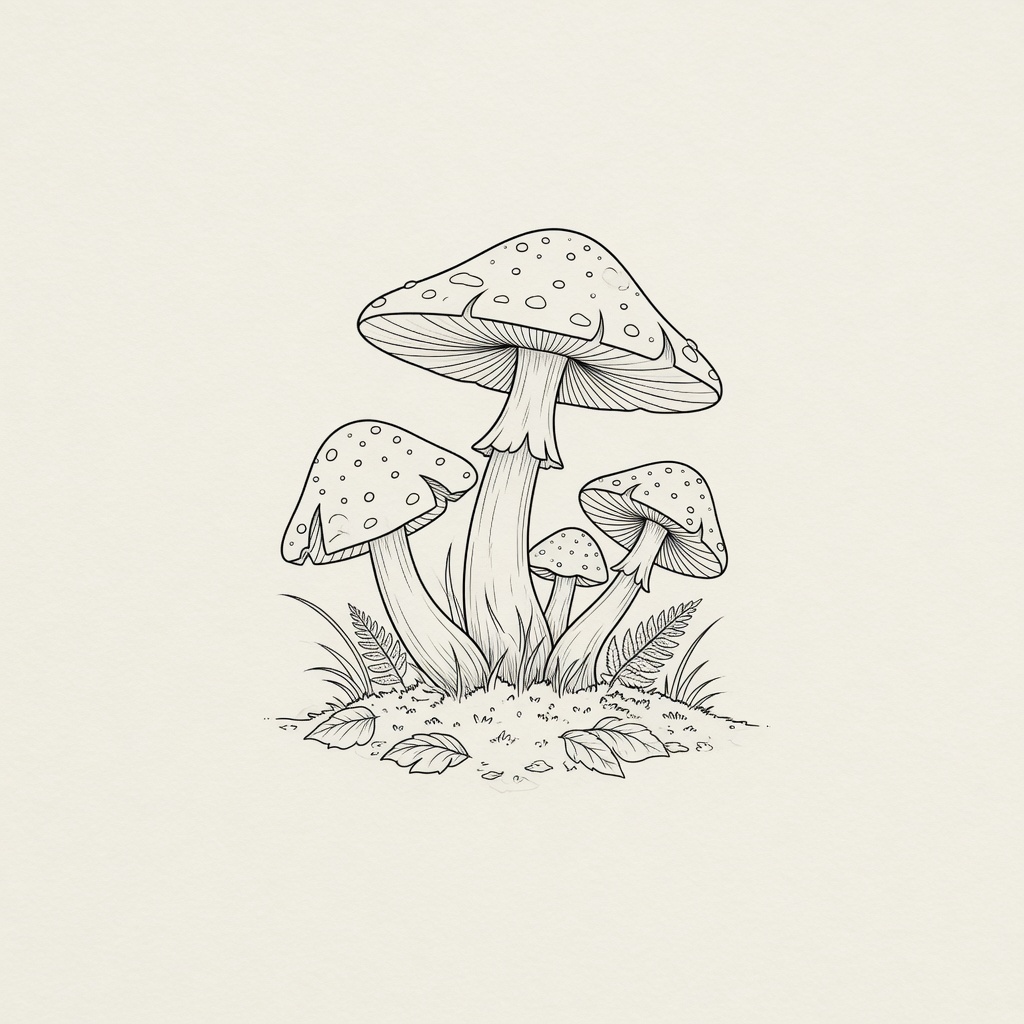
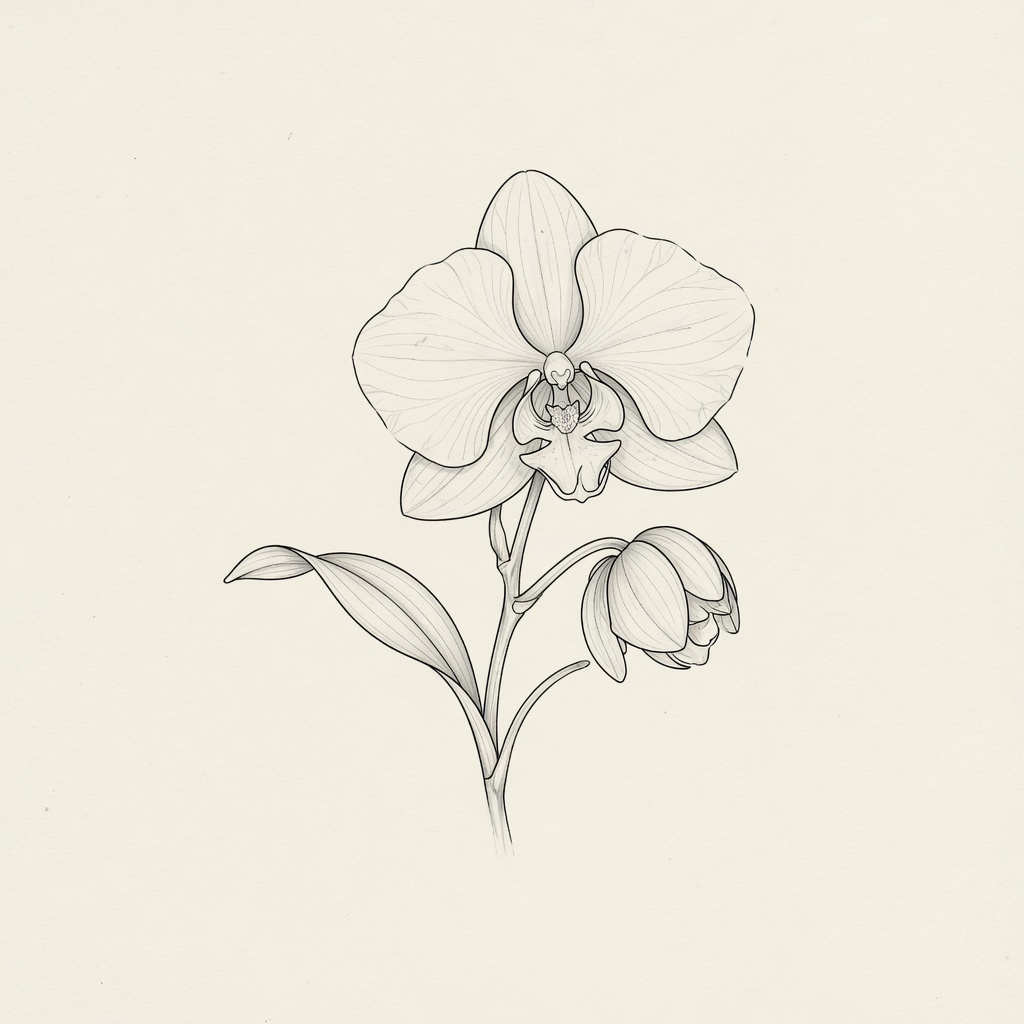
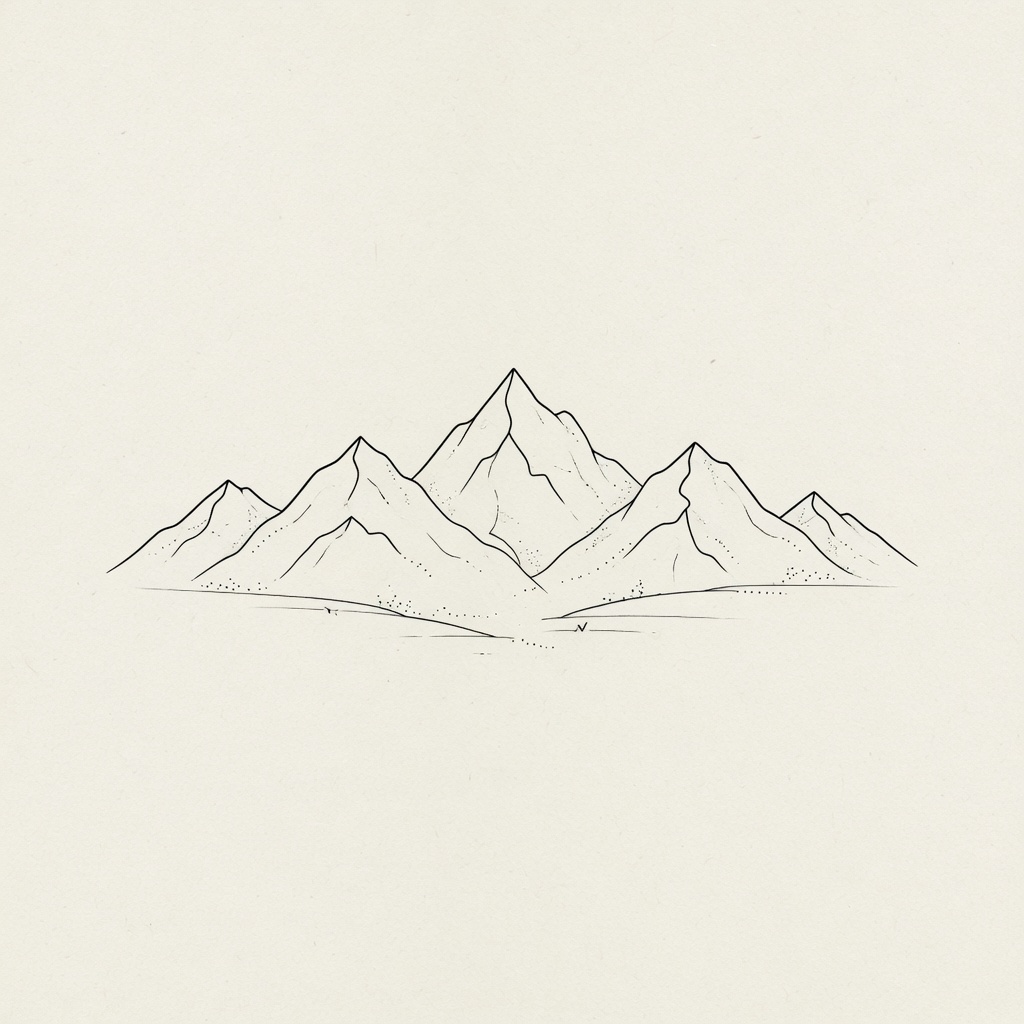
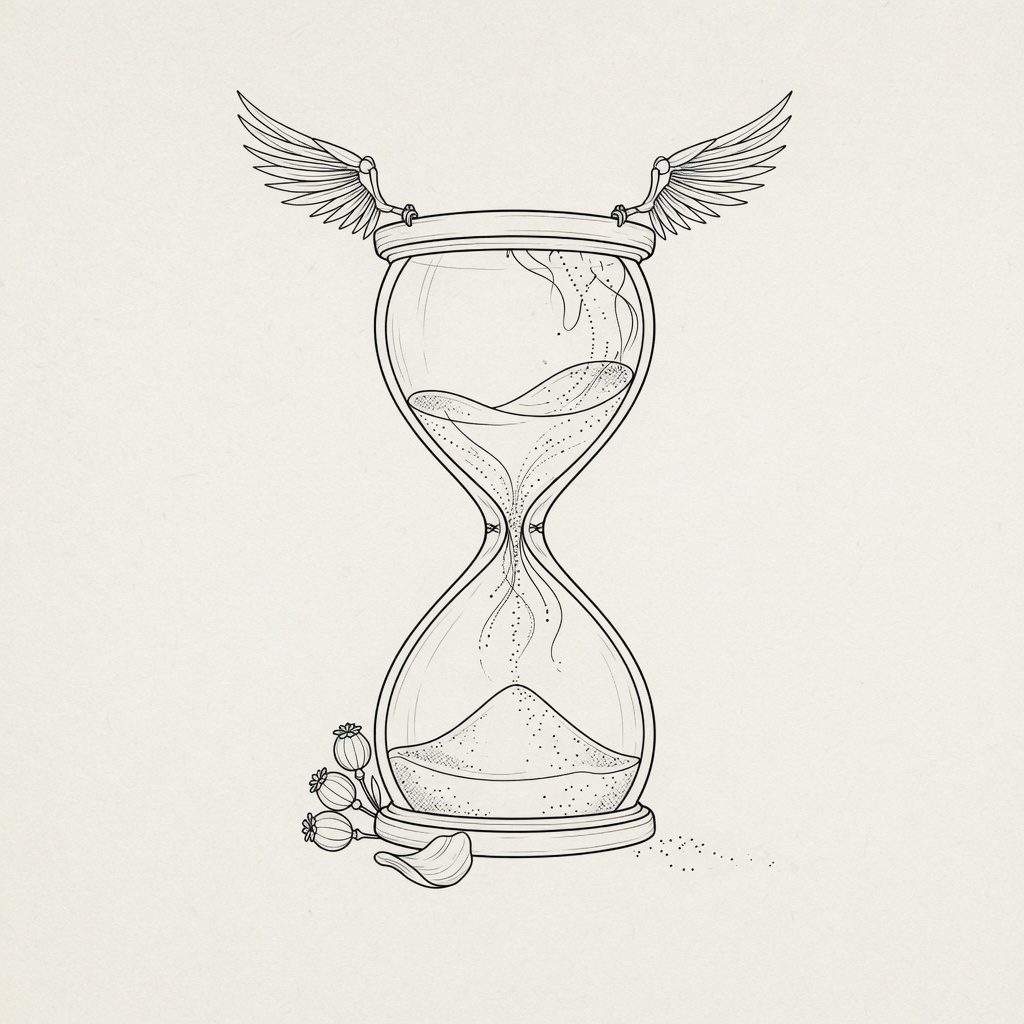
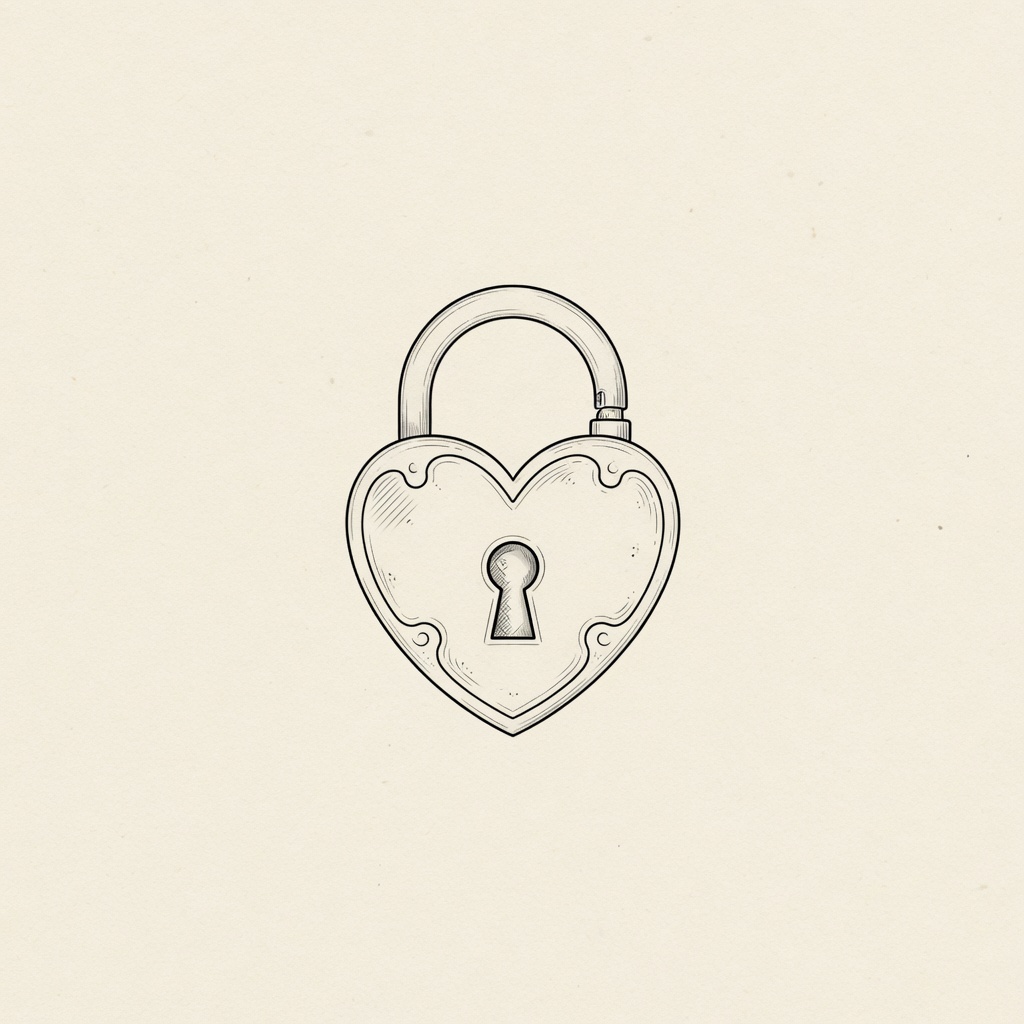
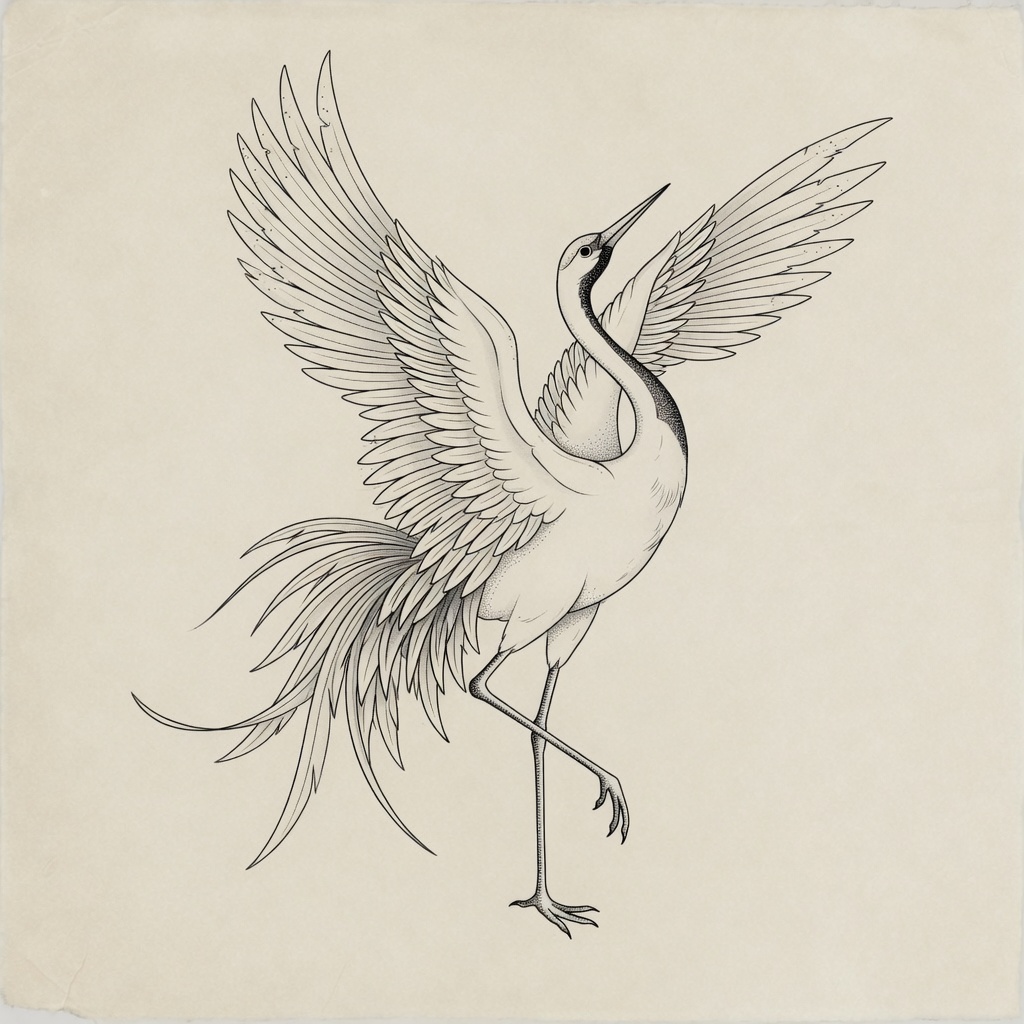
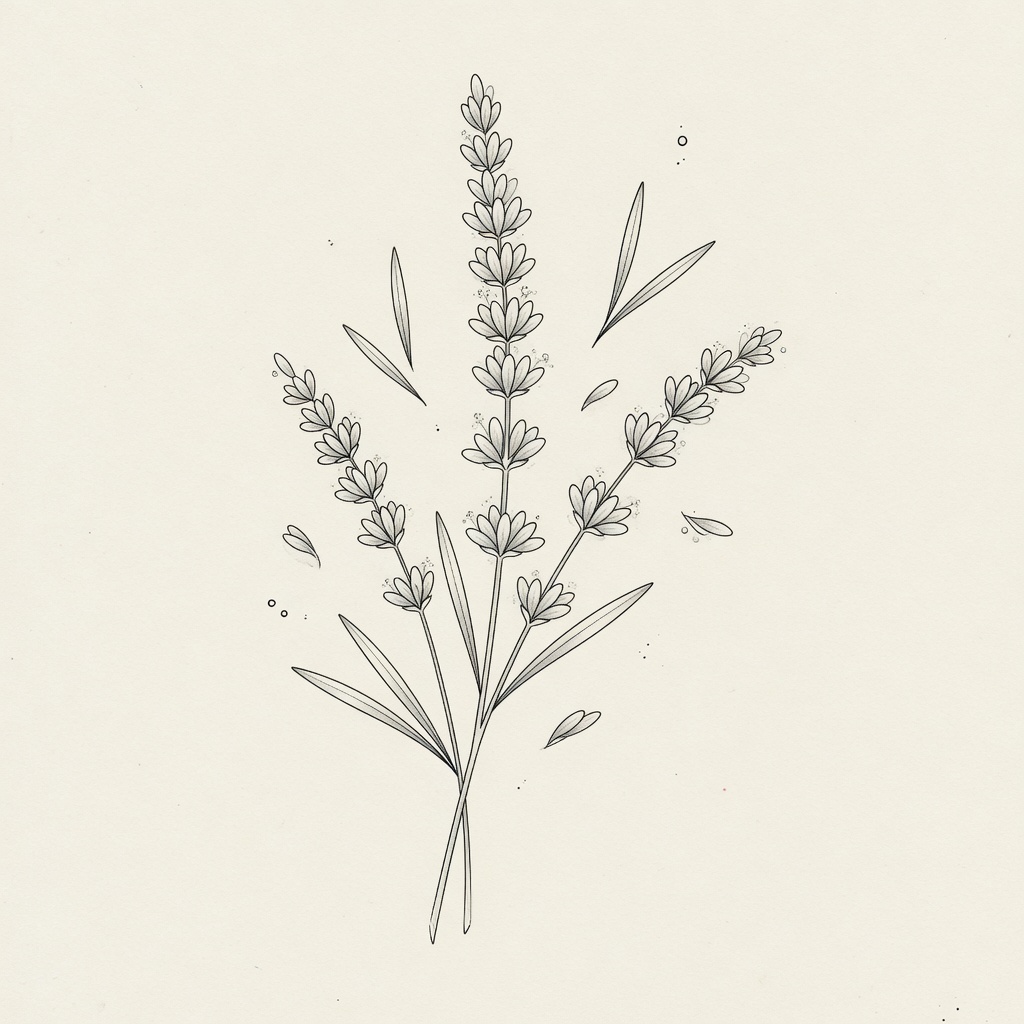
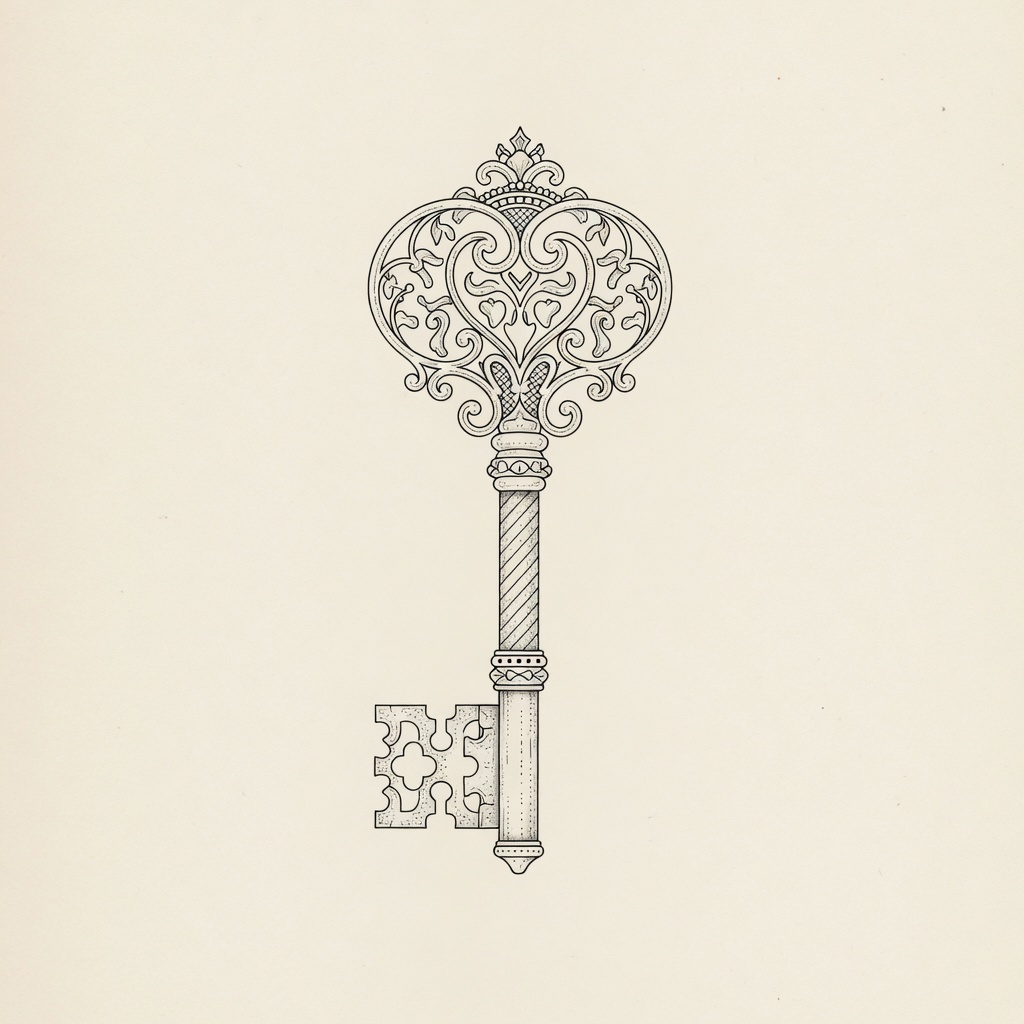
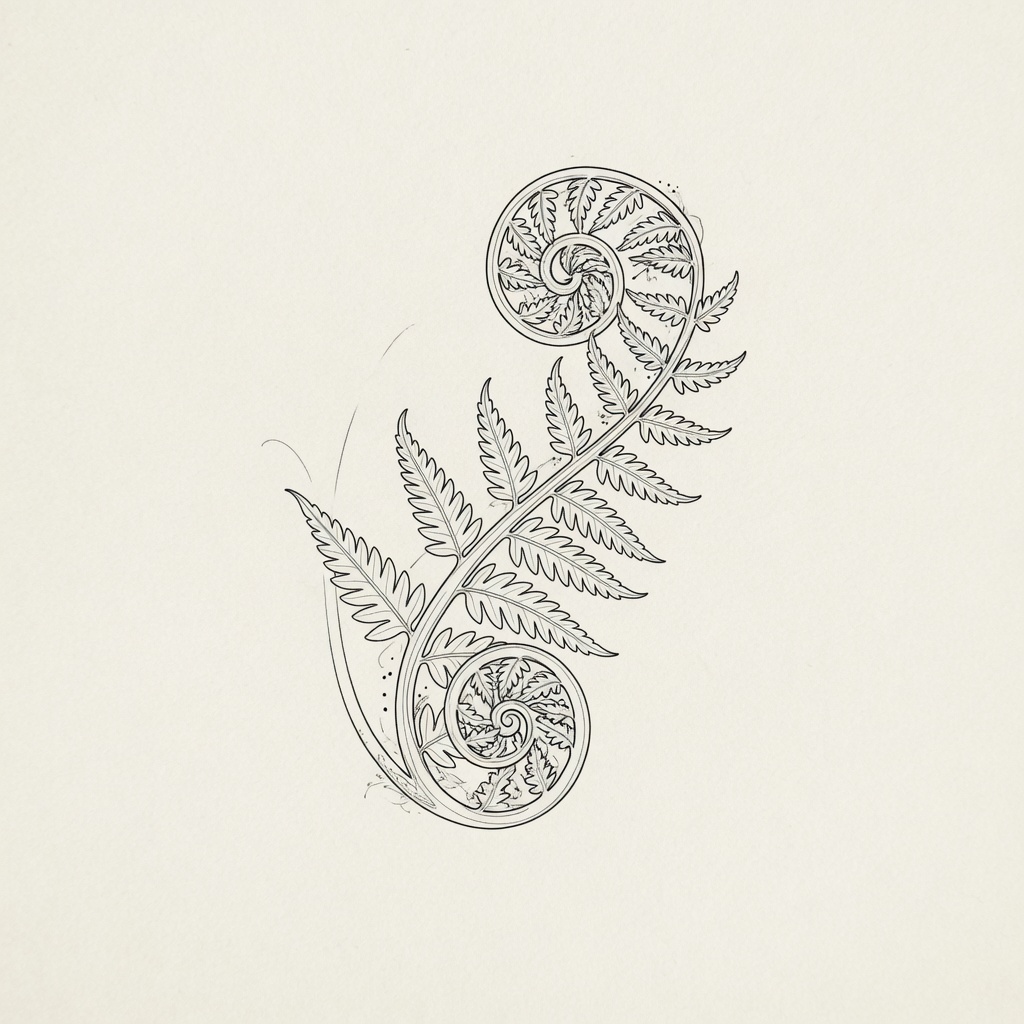
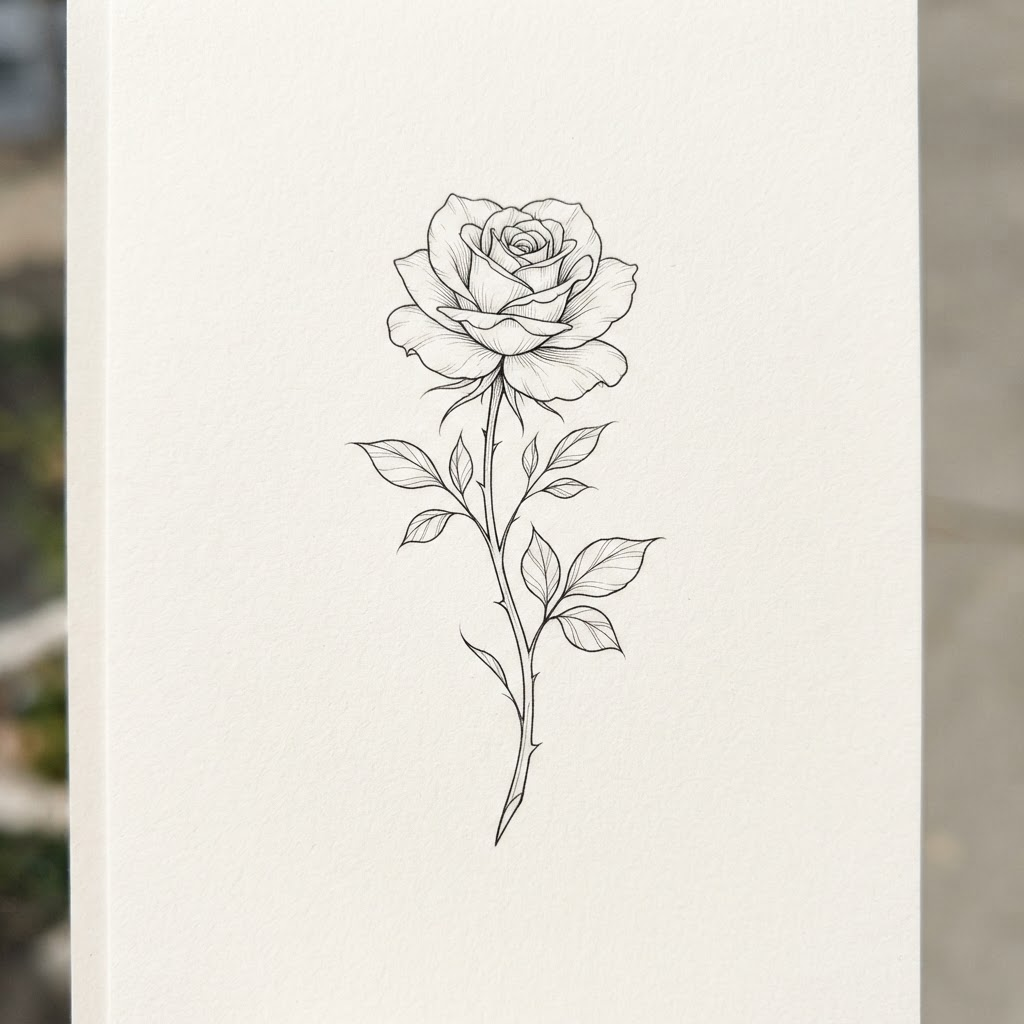
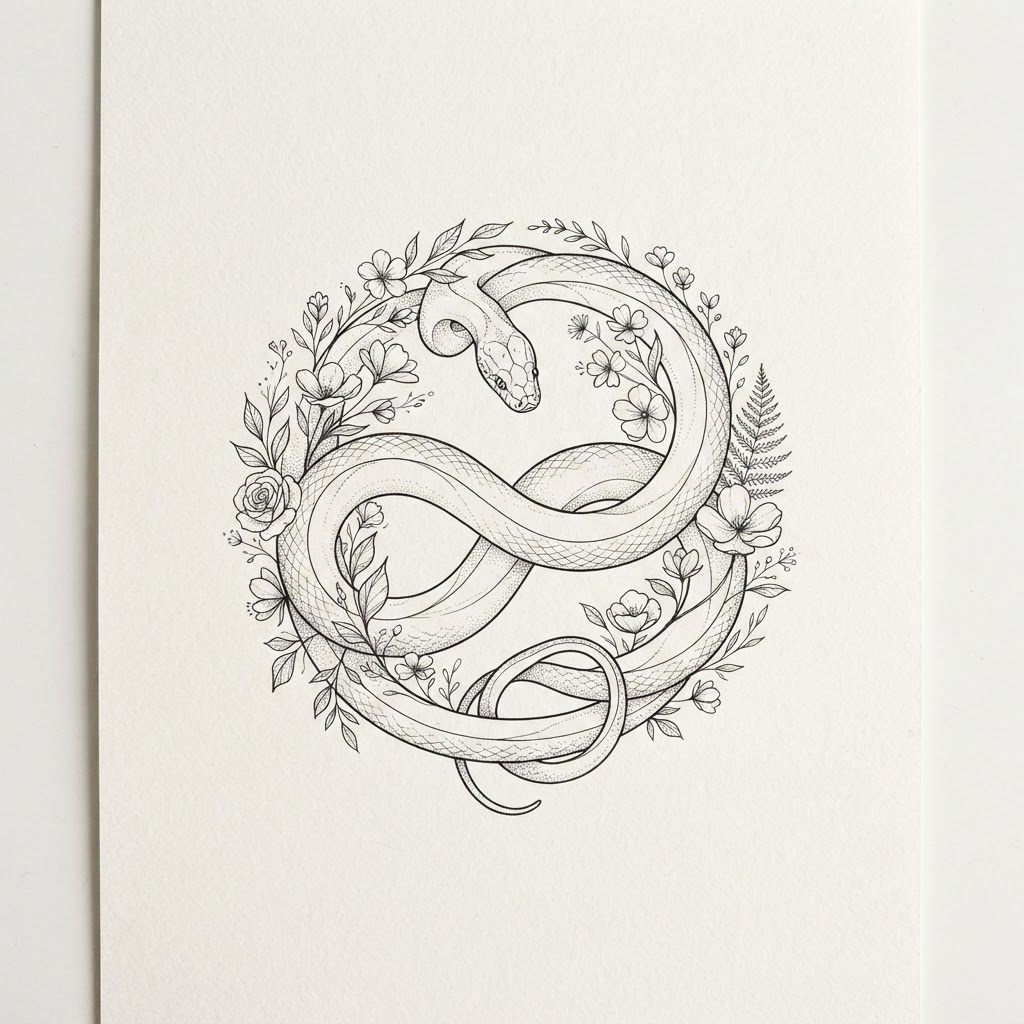
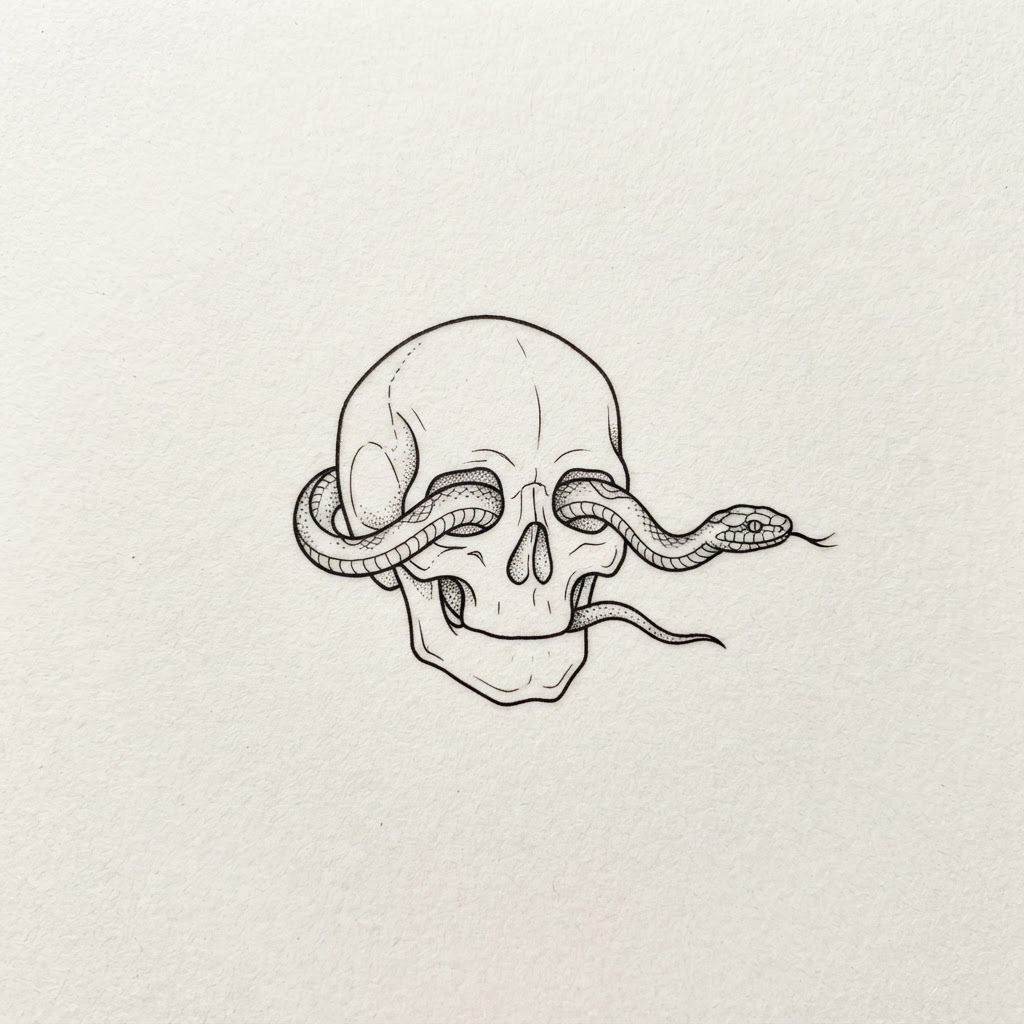
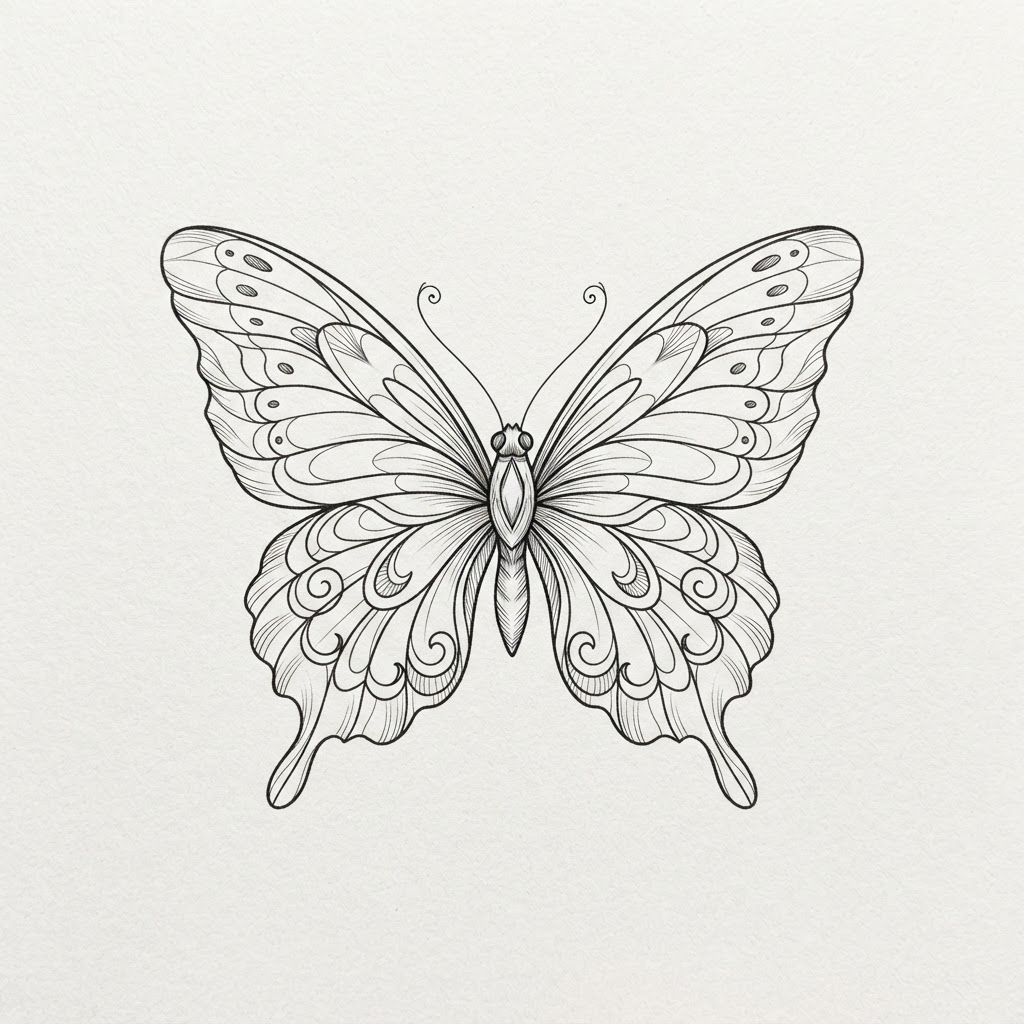
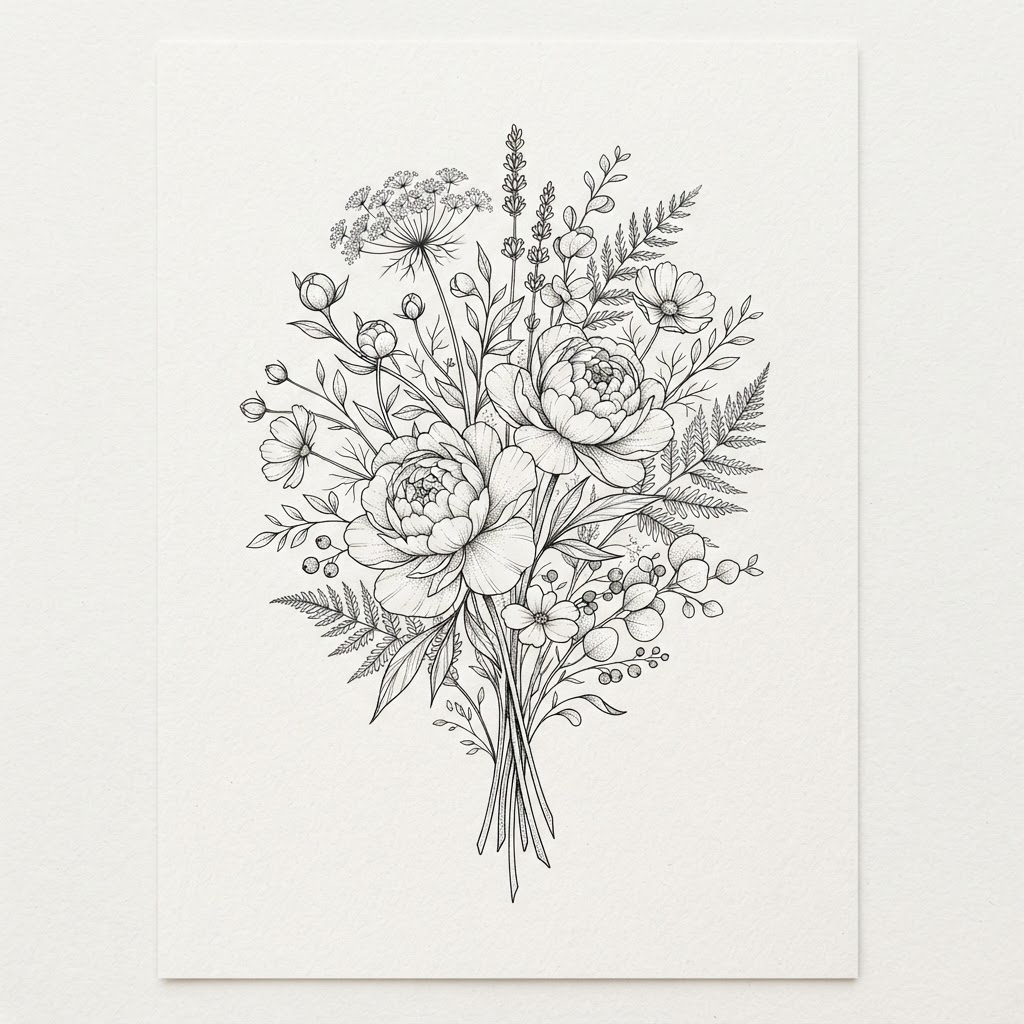
Fine line usually means consistent thin strokes and open space. It does not mean every drawing can be scaled to a coin. These black-ink sheets show the style across subjects. Use them to pick a mood, then ask what must be simplified for your size and spot.
Style is not a size
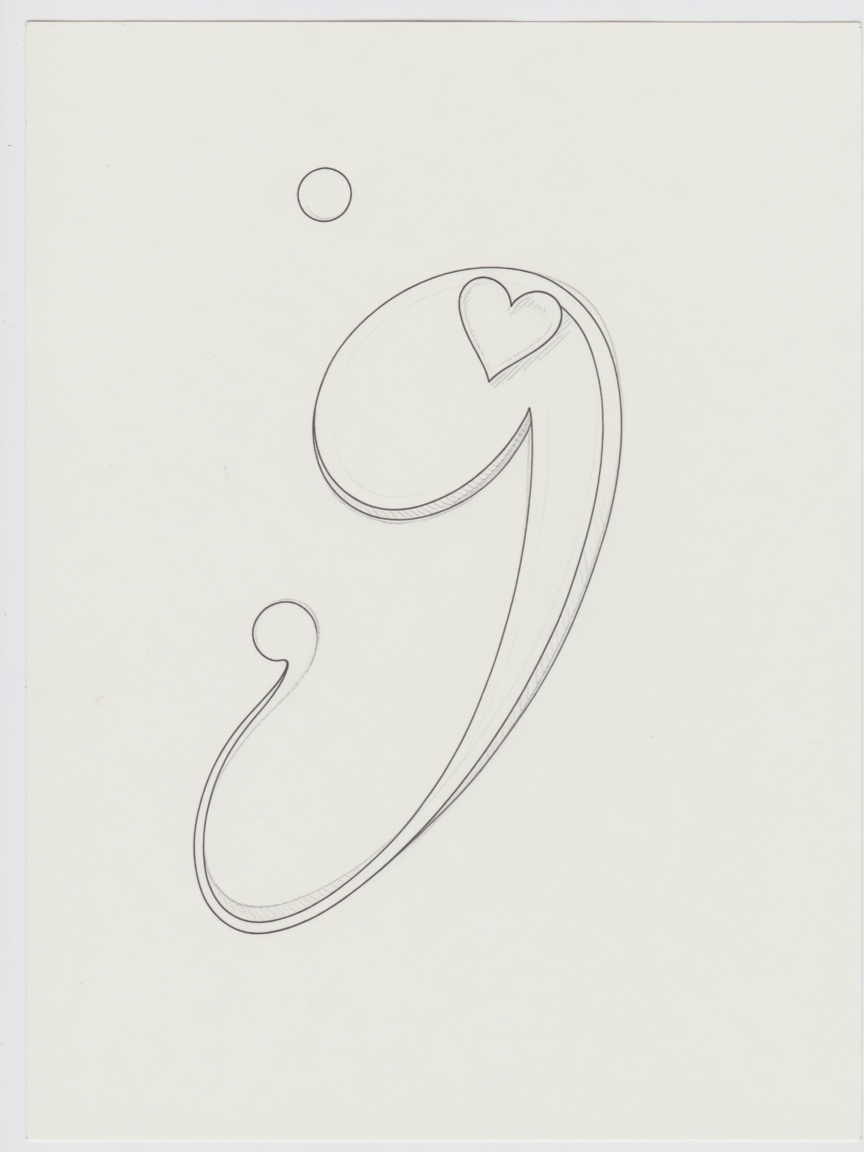
A fine-line dragon with a full scale grid wants more skin than a fine-line semicolon. People collapse those two ideas because both look delicate on a screen. On skin, packed texture in thin ink is the first thing to blur into a haze.
Look at the silhouette from arm’s length. If the shape disappears, shrinking it will not help.
What artists usually cut
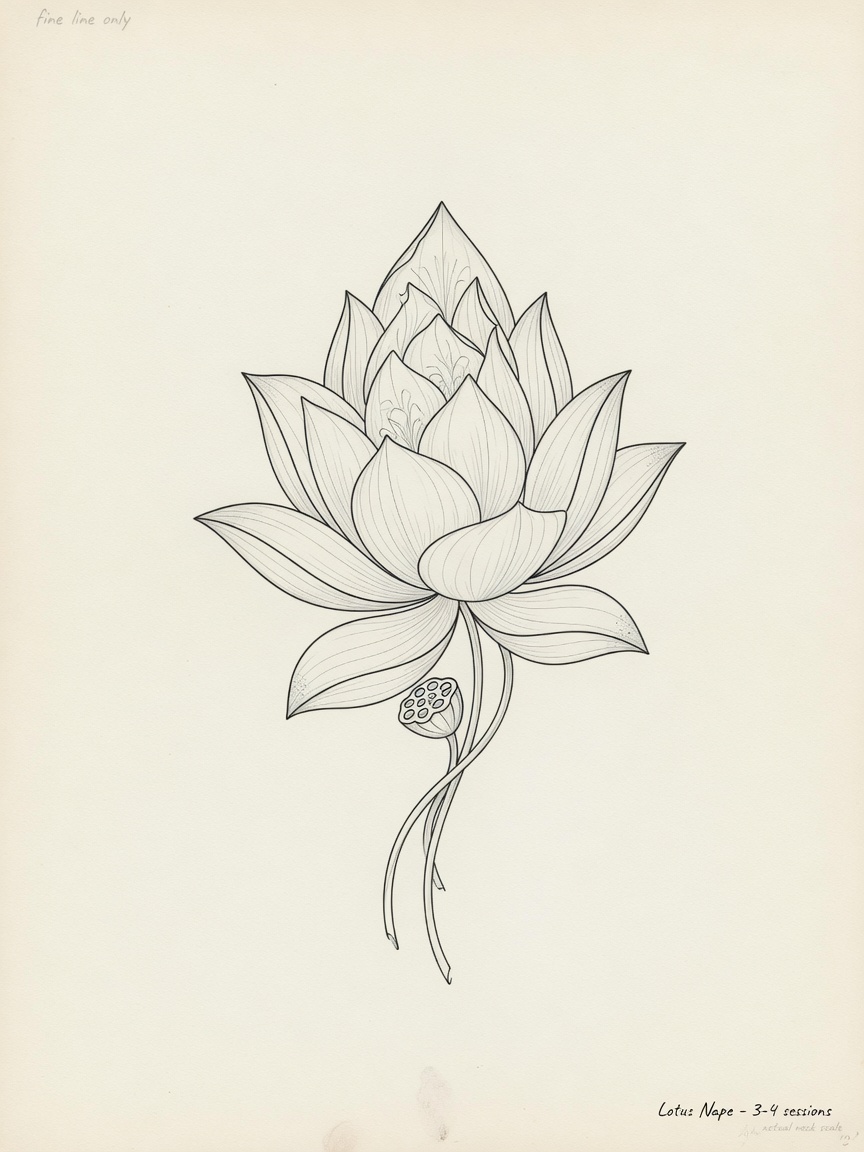
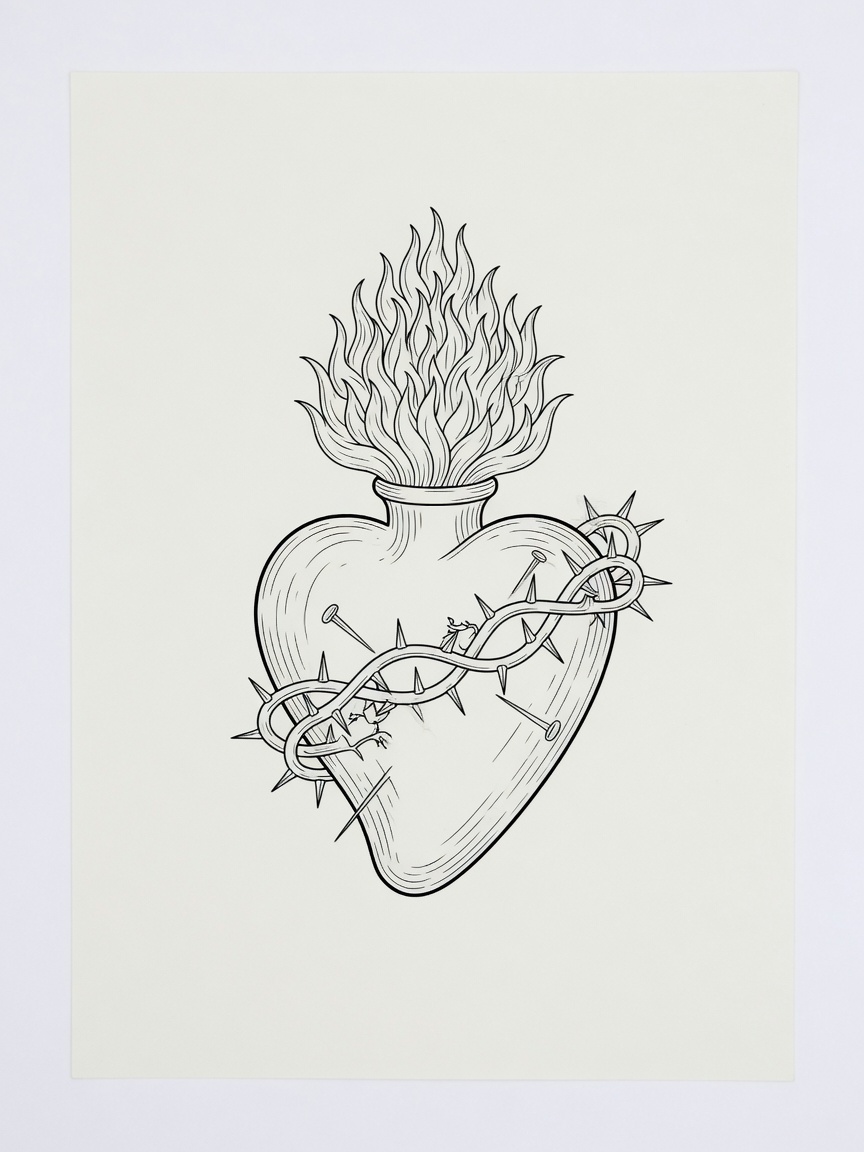
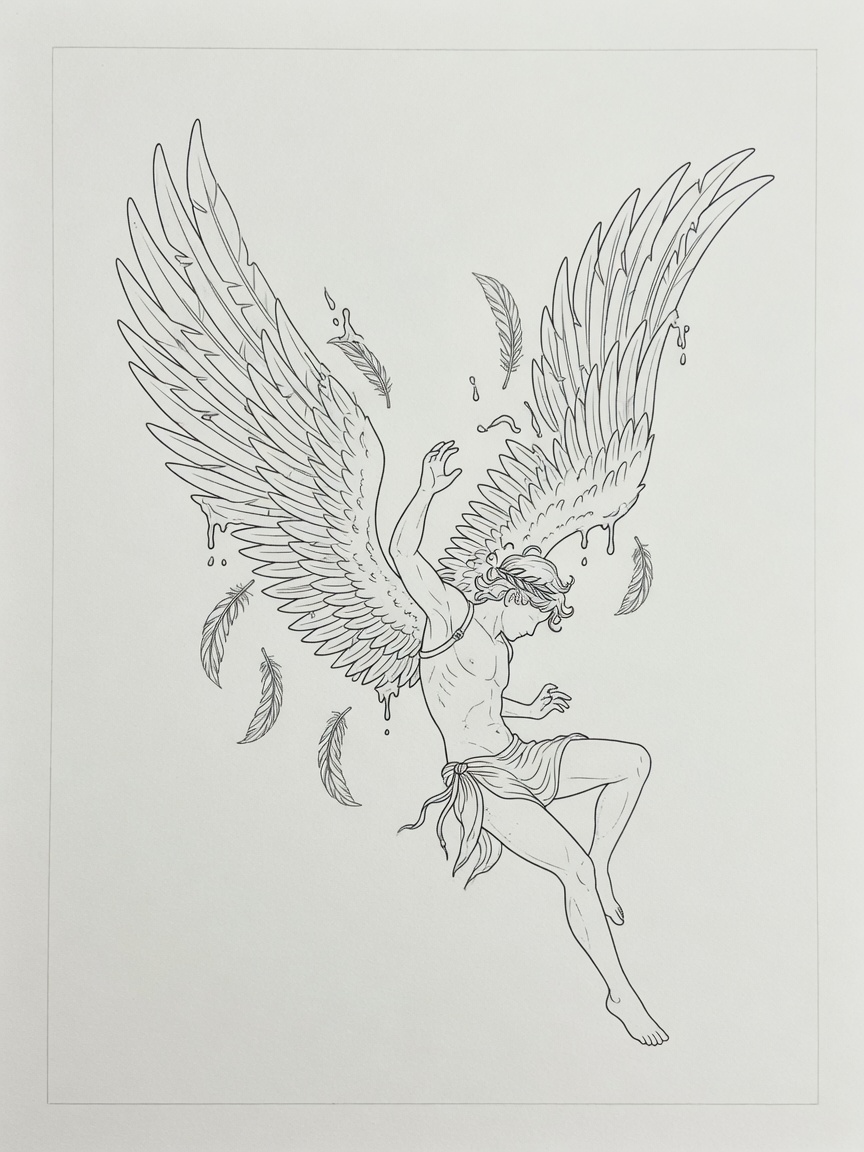
Interior texture goes first: scales, hair, petal veins, micro lettering. The outer flow and one focal point stay. That edit is how thin work remains a drawing instead of a grey patch.
- Keep: contour, main movement, one focal point.
- Expect to lose: crosshatching, packed pattern, hair-thin script.
- Ask: the smallest size they would still sign.
Motifs people already search here
Search lands on specific fine-line subjects more often than on the word “fine line” alone. Open a sheet, then ask what survives at your size.
- Fine line Medusa, angel, moth, and bat.
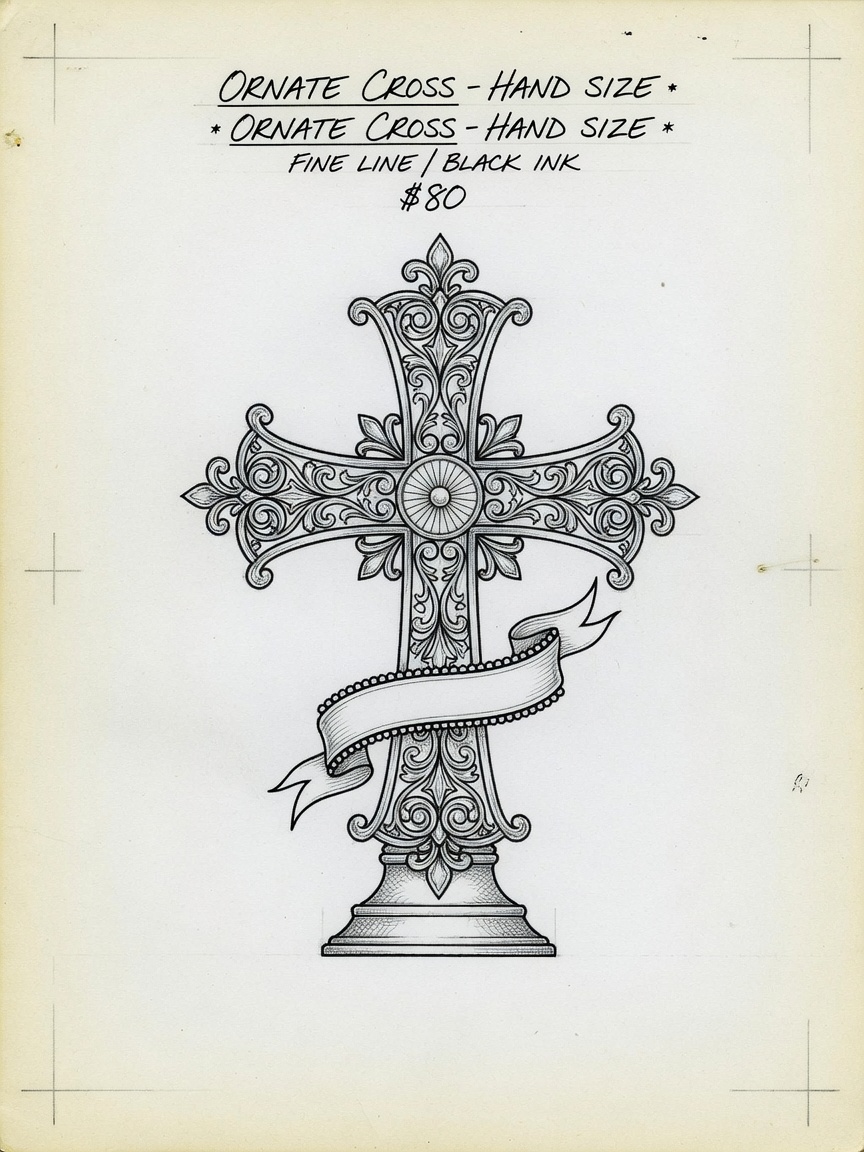
- Fine line dragon and cross — often too dense if you shrink them.
- Fine line Archangel Michael, small anchor, cherry blossom.
Fine line versus blackwork for the same motif
The same rose can be airy line or a solid black shape. Fine line is quieter and often needs more room than people budget. Blackwork can stay readable smaller because the silhouette is filled. Neither is better. If you need the tattoo to read from across a table at a small size, ask which version is the honest one.
AI-created black-ink inspiration — not a photo of a real tattoo, not medical advice, and not a price quote.
Keep deciding



Fine Line by subject
- Anchor Tattoos
- Angel Tattoos
- Archangel Michael Tattoos
- Arrow Tattoos
- Barbed Wire Tattoos
- Bat Tattoos
- Bear Tattoos
- Bee Tattoos
- Broken Heart Tattoos
- Butterfly Tattoos
- Candle Tattoos
- Cat Tattoos
- Cherry Blossom Tattoos
- Clock Tattoos
- Compass Tattoos
- Crane Tattoos
- Cross Tattoos
- Crown Tattoos
- Dagger Tattoos
- Deer Tattoos
- Dice Tattoos
- Dove Tattoos
- Dragon Tattoos
- Dragonfly Tattoos
- Dreamcatcher Tattoos
- Eagle Tattoos
- Eye Tattoos
- Feather Tattoos
- Fern Tattoos
- Flame Tattoos
- Flower Tattoos
- Fox Tattoos
- Ghost Tattoos
- Grim Reaper Tattoos
- Hannya Tattoos
- Heart Tattoos
- Horse Tattoos
- Hourglass Tattoos
- Icarus Tattoos
- Infinity Tattoos
- Jellyfish Tattoos
- Jesus Tattoos
- Key Tattoos
- Koi Tattoos
- Lavender Tattoos
- Lighthouse Tattoos
- Lightning Tattoos
- Lily Of The Valley Tattoos
- Lion Tattoos
- Lock Tattoos
- Lotus Tattoos
- Mandala Tattoos
- Medusa Tattoos
- Mermaid Tattoos
- Moon Tattoos
- Moth Tattoos
- Mountain Tattoos
- Mushroom Tattoos
- Octopus Tattoos
- Oni Mask Tattoos
- Orchid Tattoos
- Owl Tattoos
- Palm Tree Tattoos
- Panther Tattoos
- Peony Tattoos
- Phoenix Tattoos
- Playing Cards Tattoos
- Poison Tree Tattoos
- Poppy Tattoos
- Praying Hands Tattoos
- Raven Tattoos
- Revolver Tattoos
- Rosary Tattoos
- Rose Tattoos
- Sacred Heart Tattoos
- Santa Muerte Tattoos
- Scorpion Tattoos
- Scythe Tattoos
- Semicolon Tattoos
- Shark Tattoos
- Ship Tattoos
- Skeleton Hand Tattoos
- Skull Tattoos
- Snake Tattoos
- Spider Tattoos
- Spider Lily Tattoos
- Star Tattoos
- Succubus Tattoos
- Sun Tattoos
- Sunflower Tattoos
- Swallow Tattoos
- Sword Tattoos
- Tiger Tattoos
- Tree Of Life Tattoos
- Unicorn Tattoos
- Virgin Mary Tattoos
- Wave Tattoos
- Whale Tattoos
- Wolf Tattoos