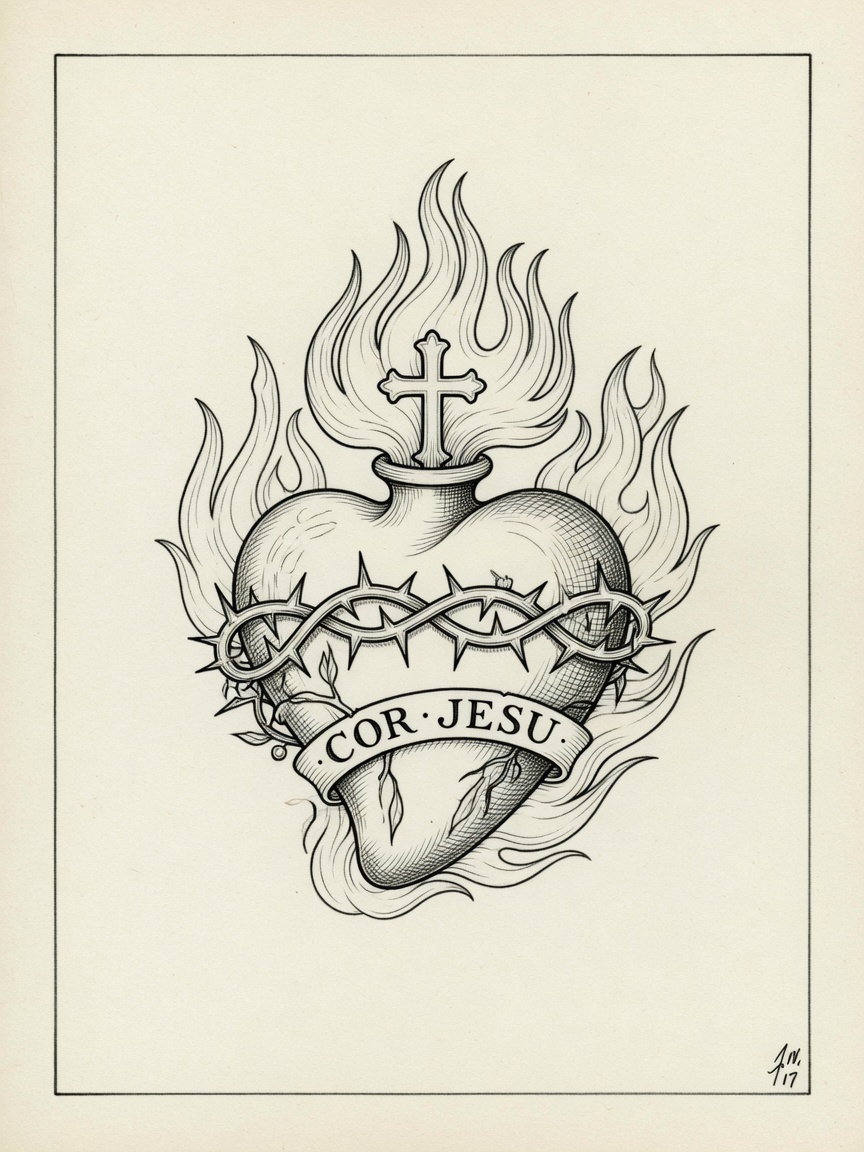
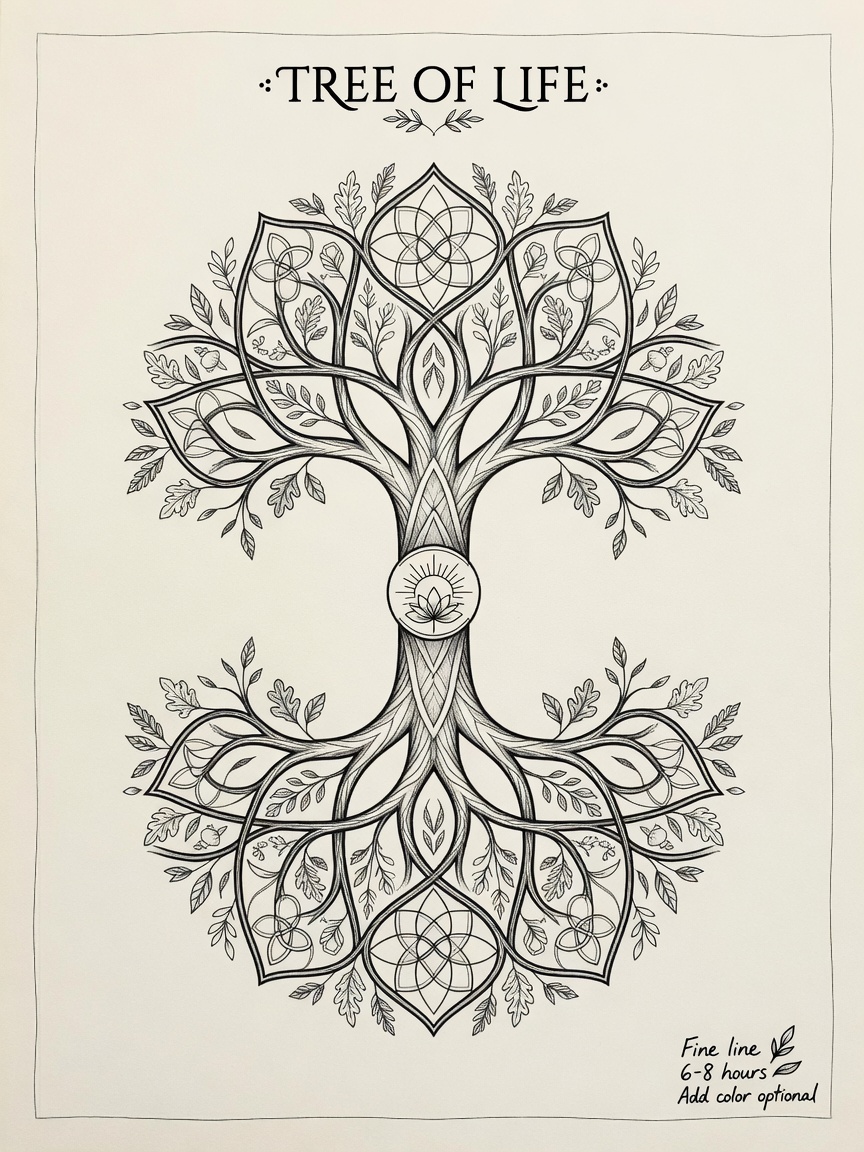
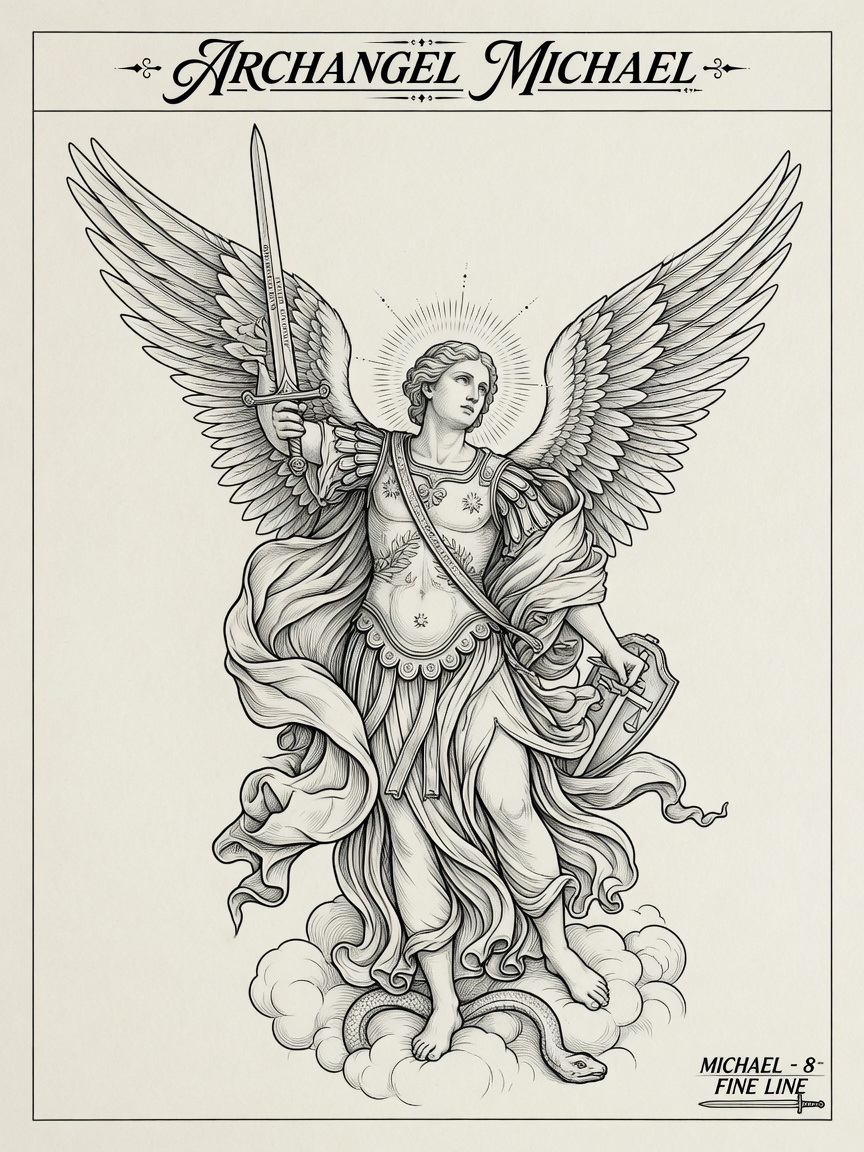
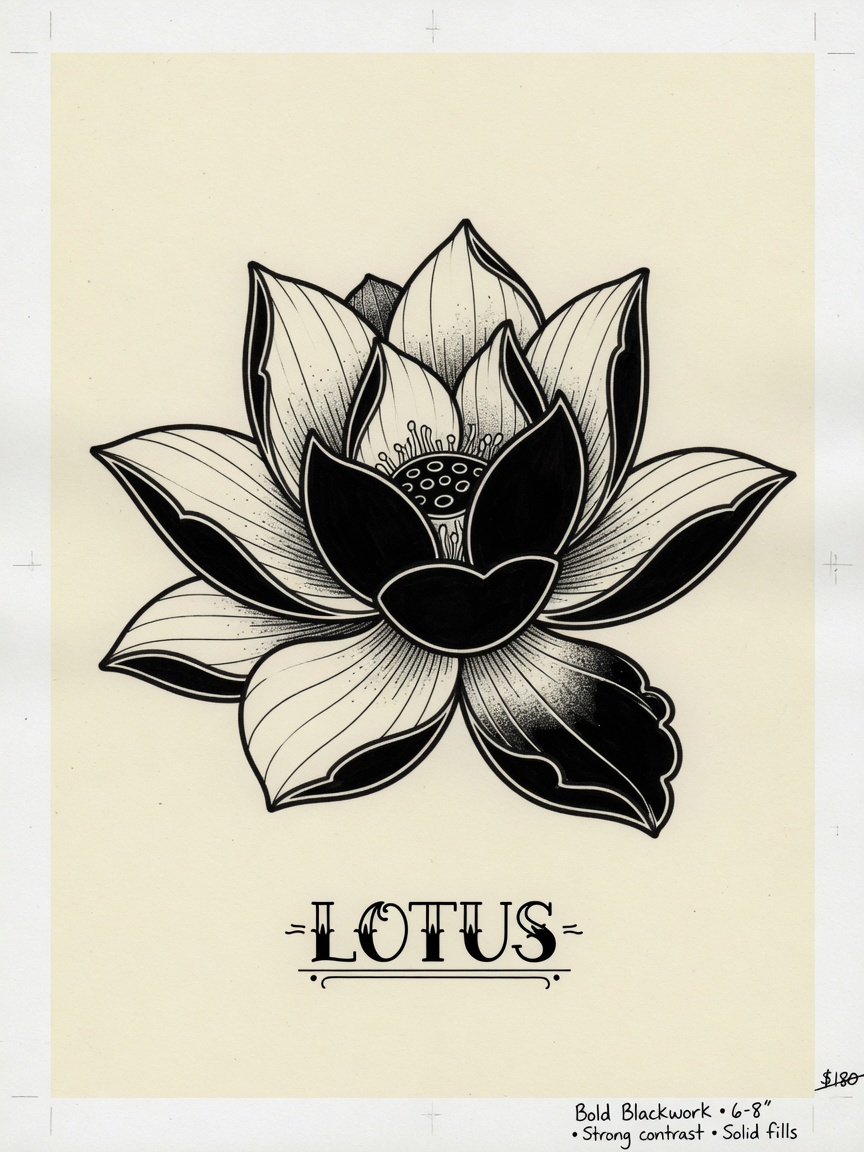
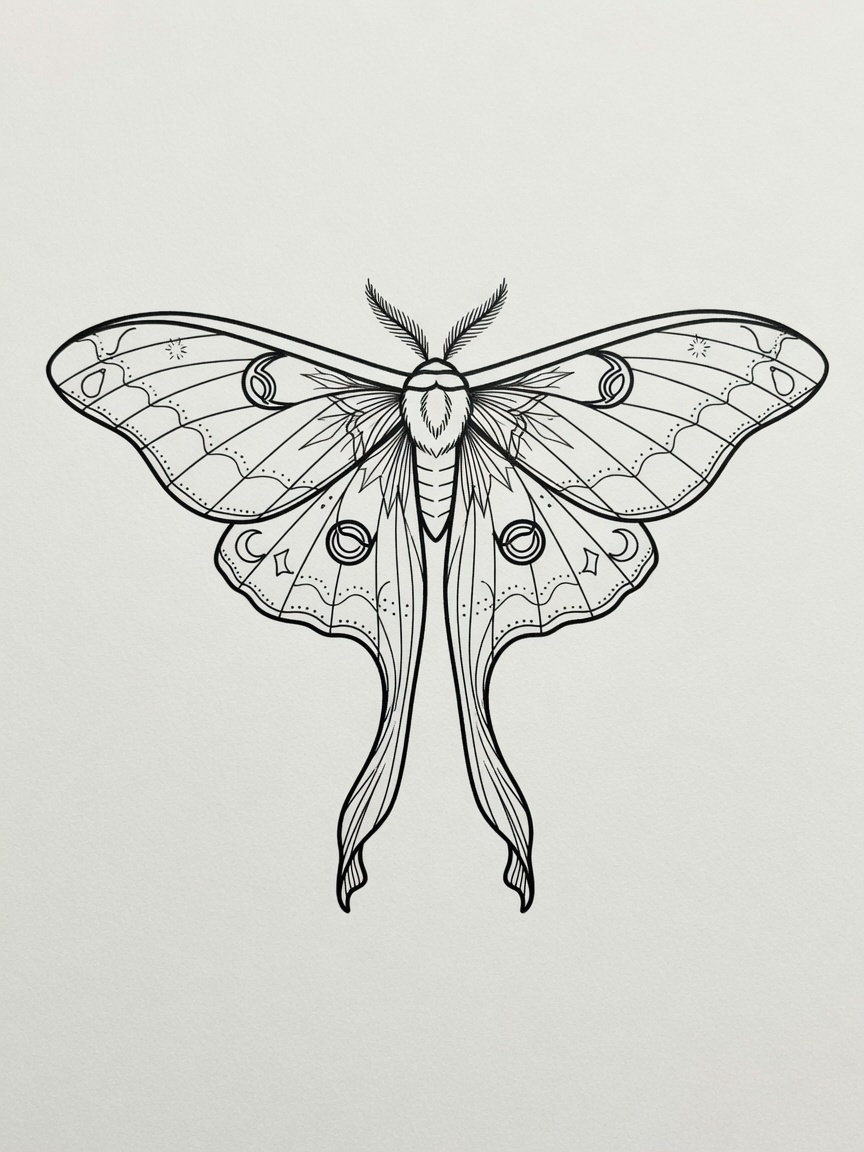
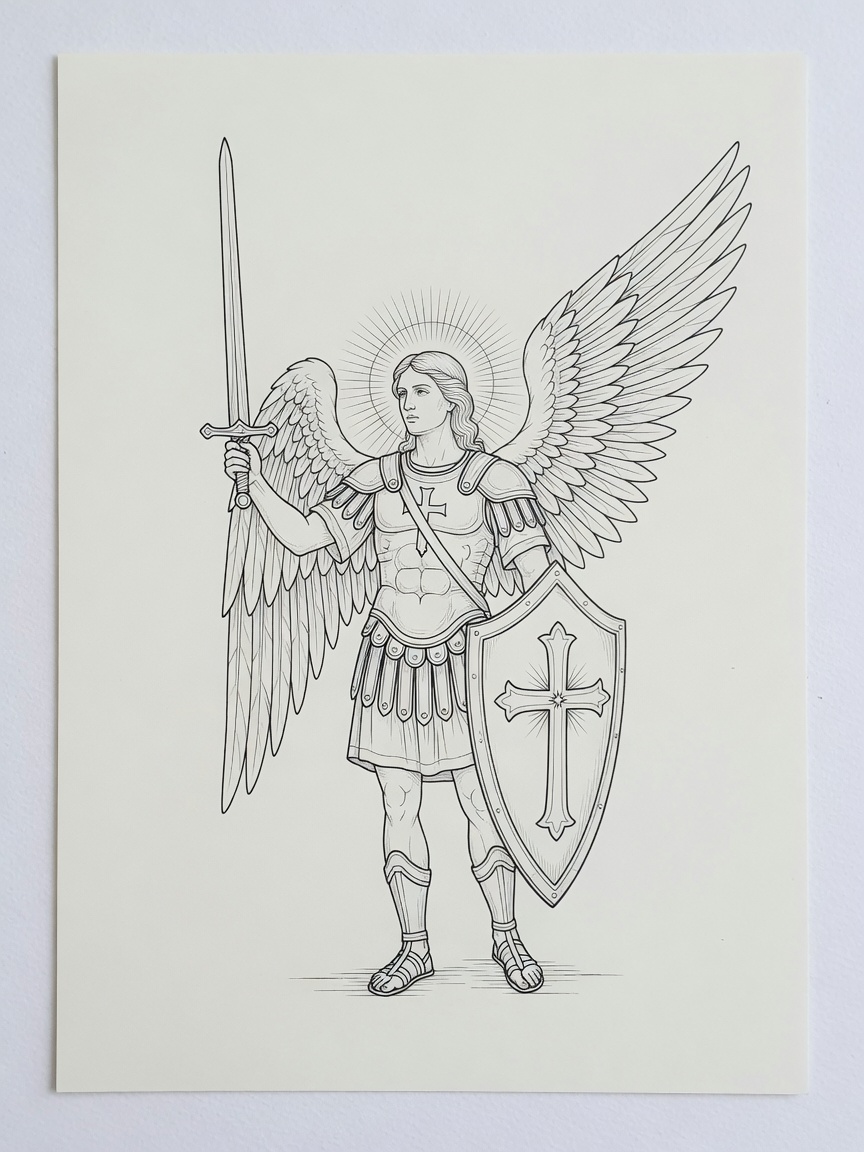
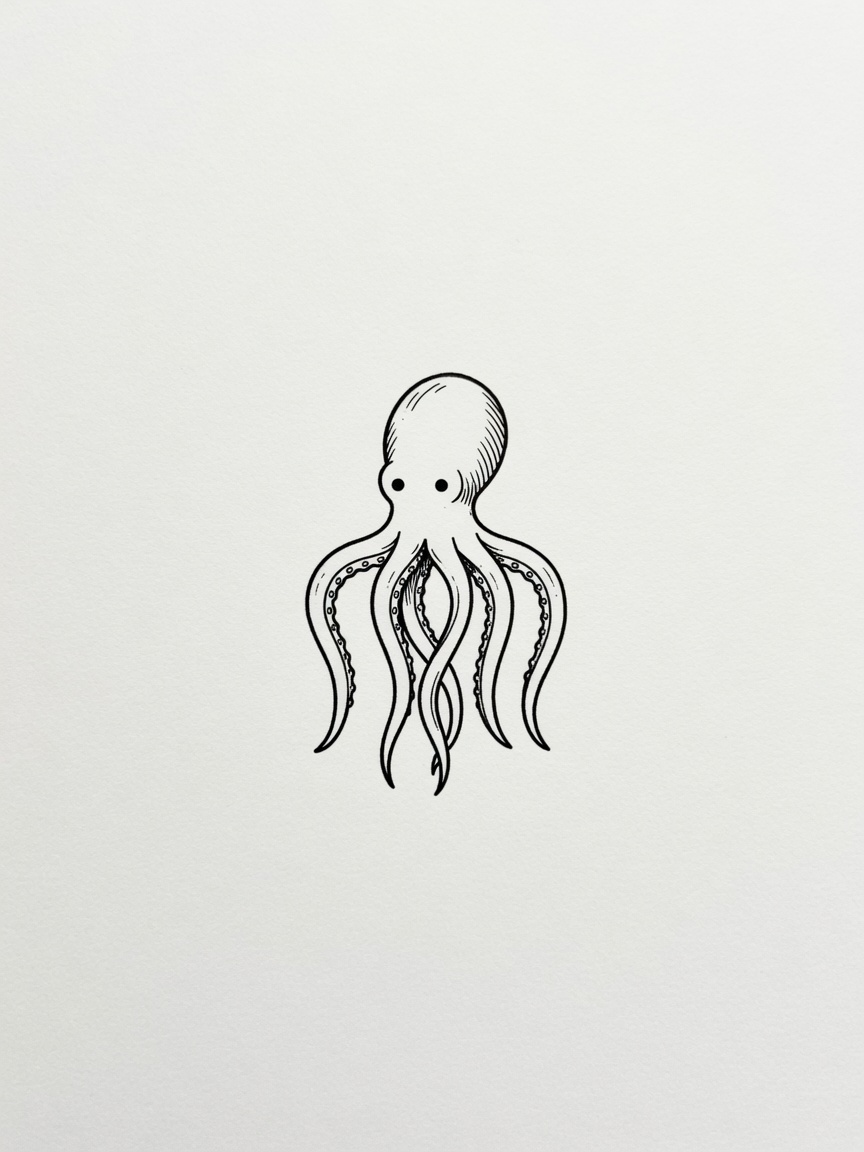
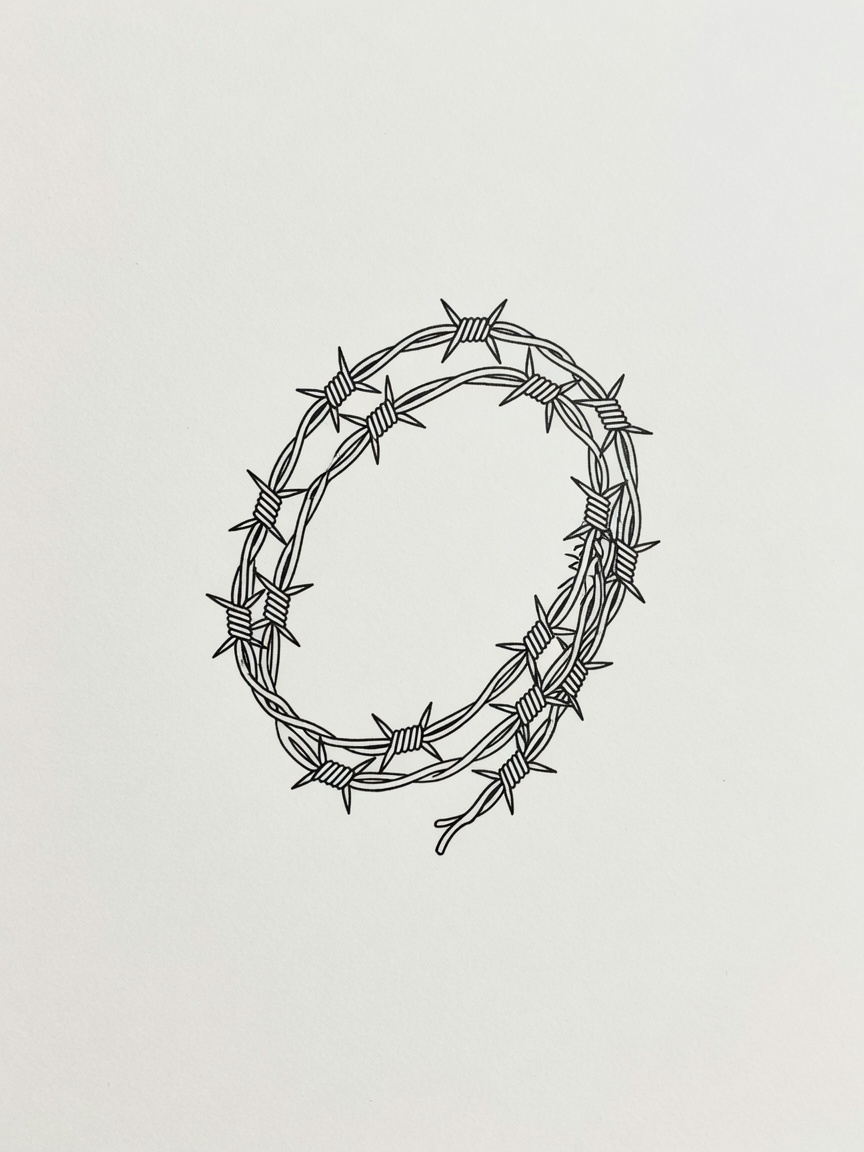
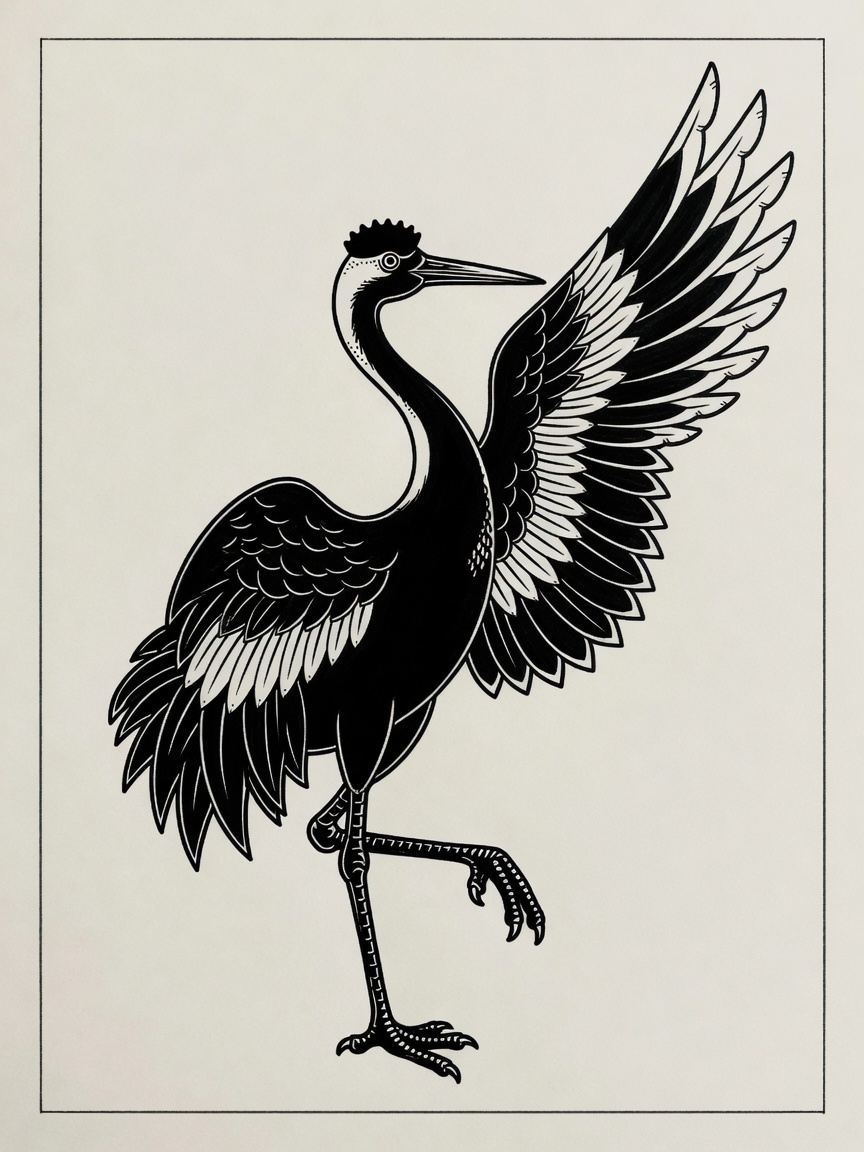
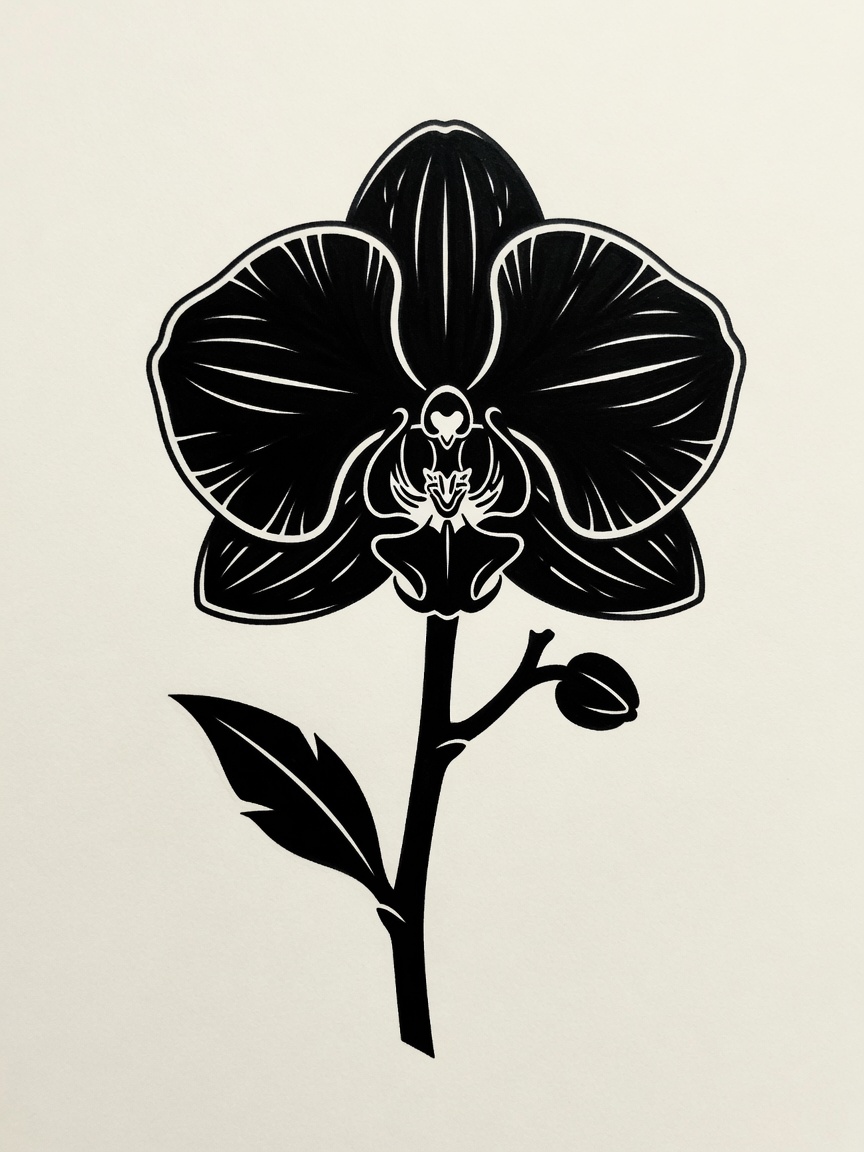
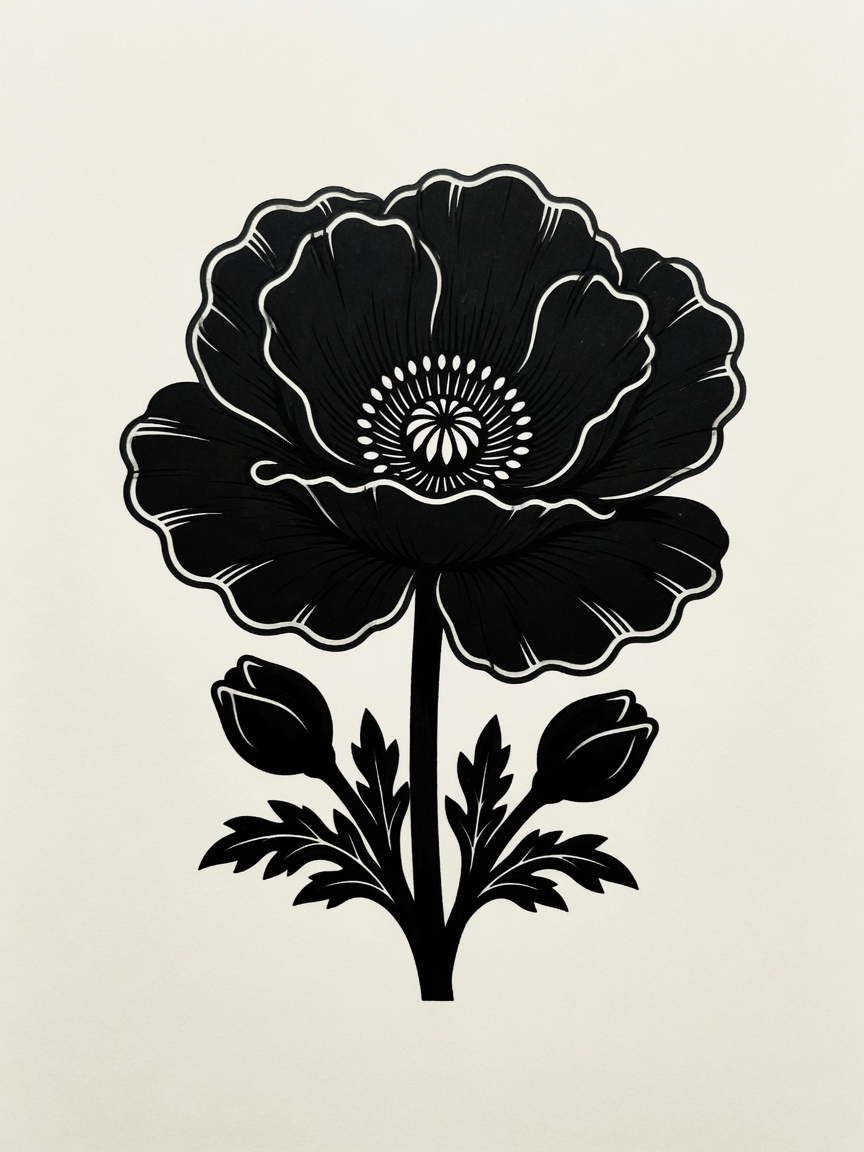
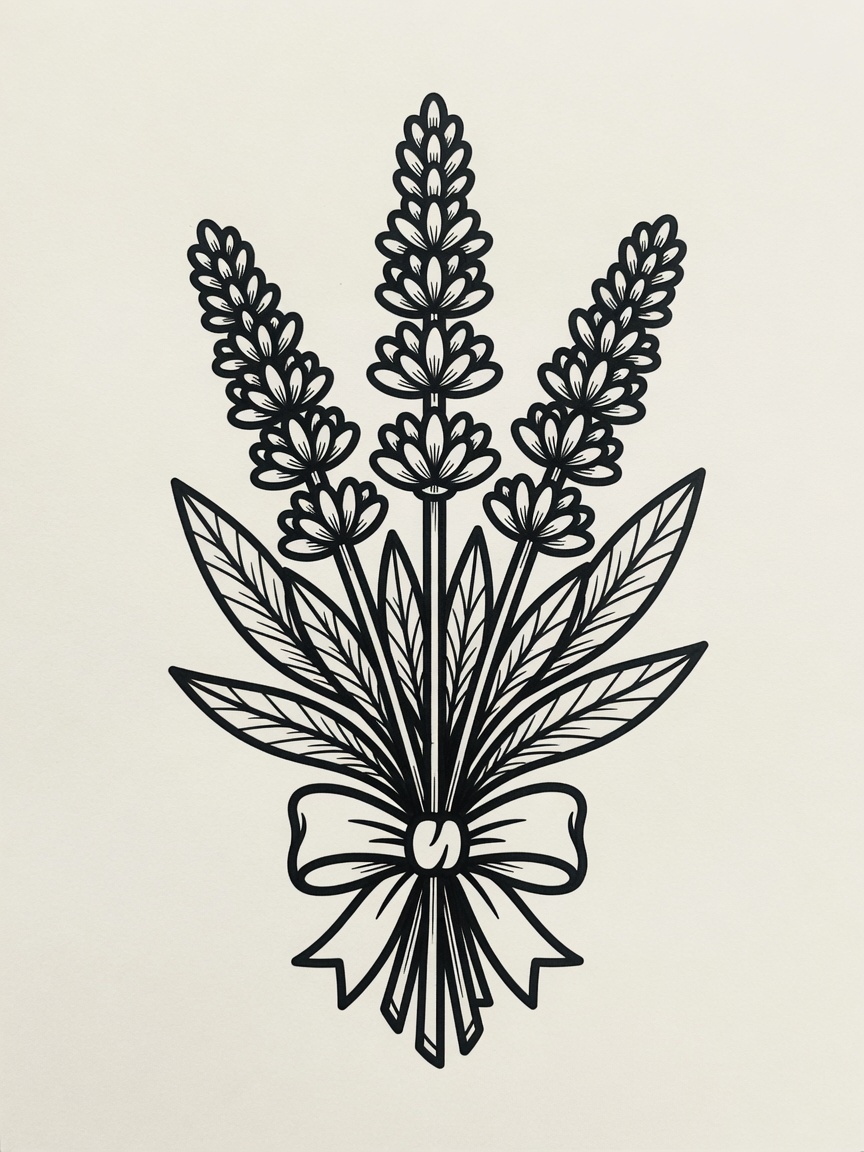
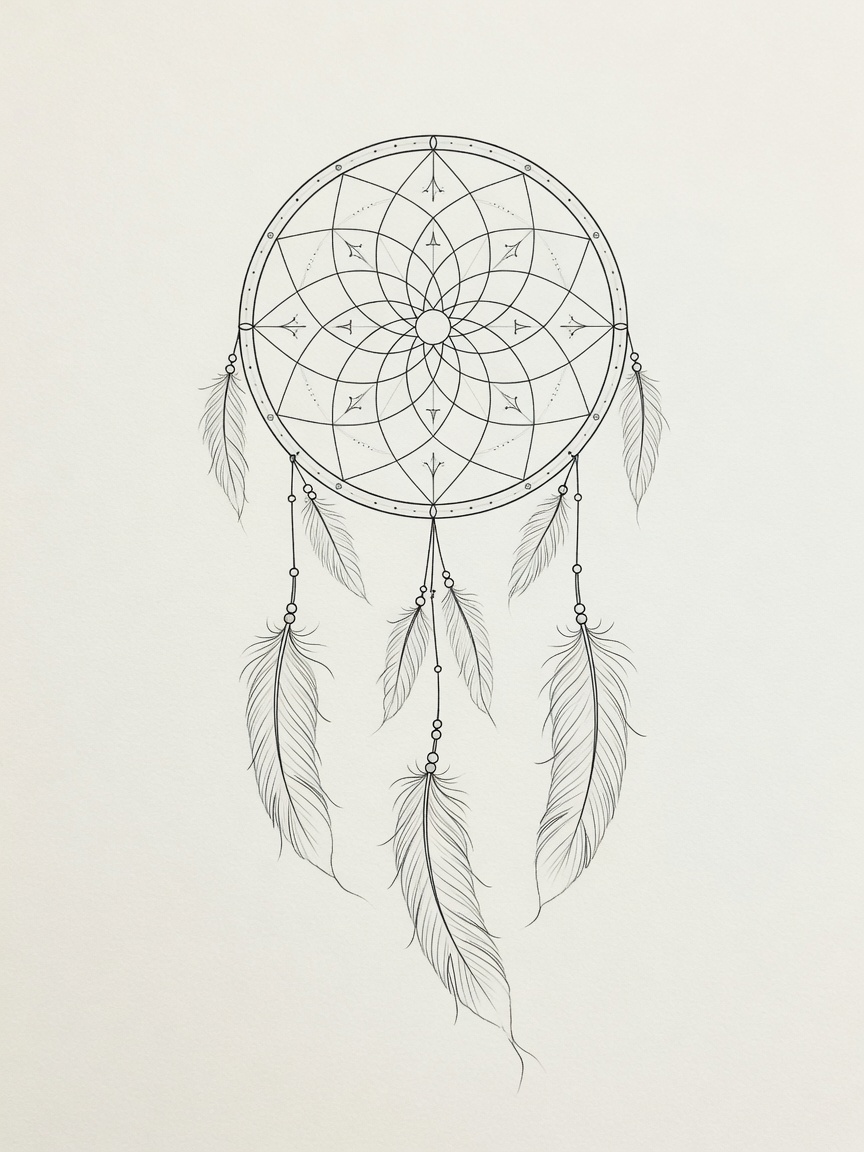
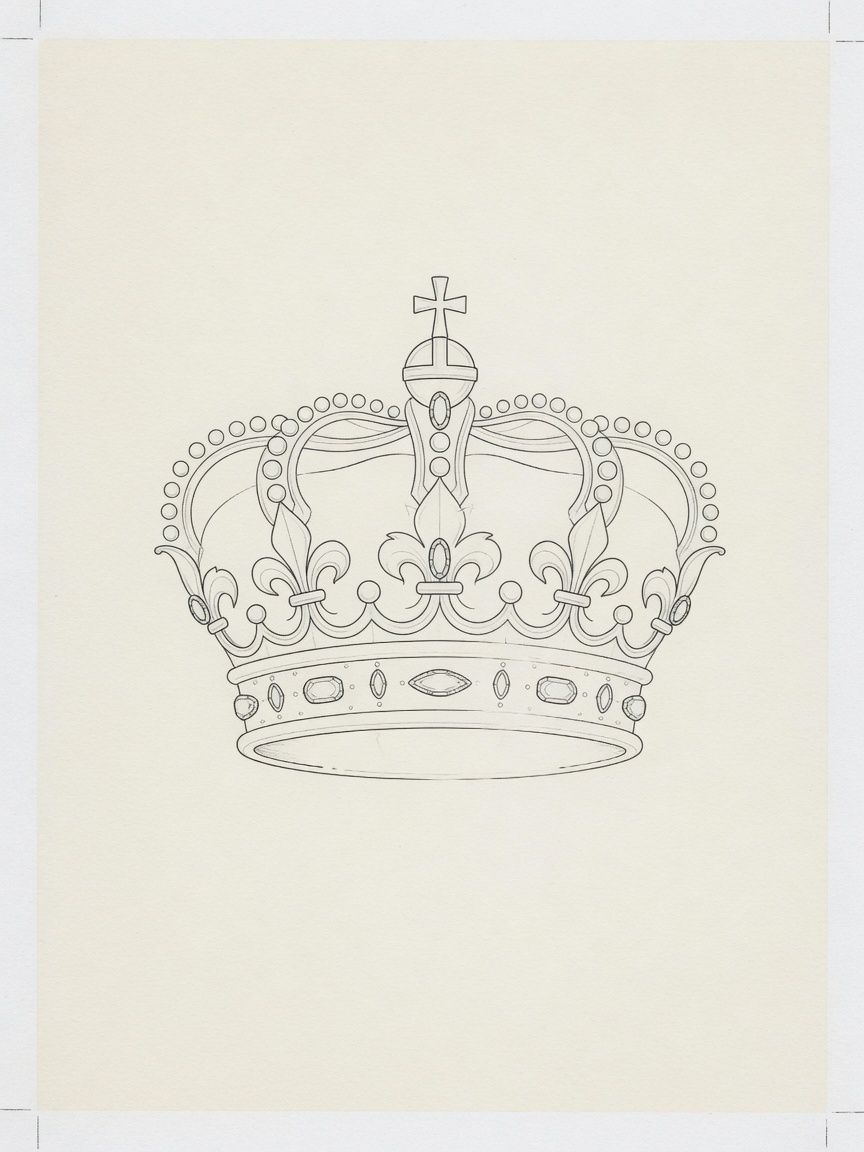
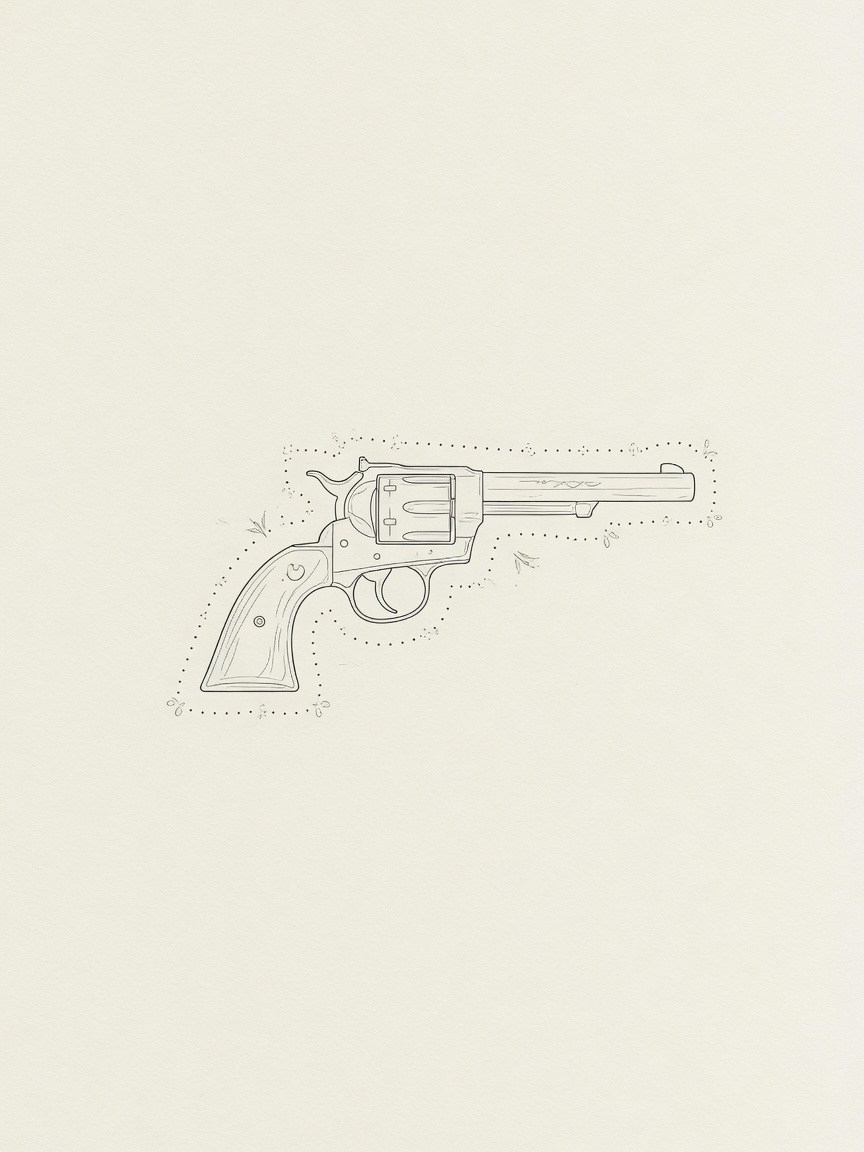
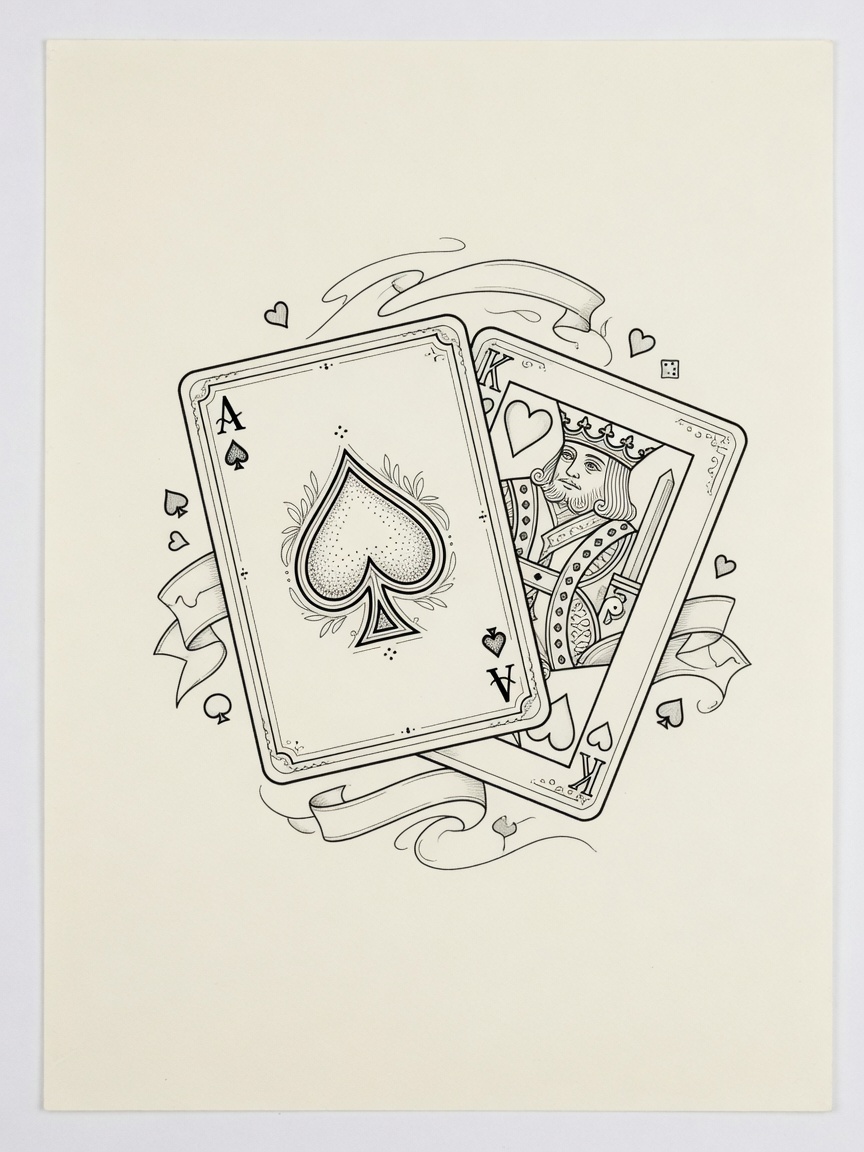
Forearm Tattoos: A Default Spot with Trade-offs
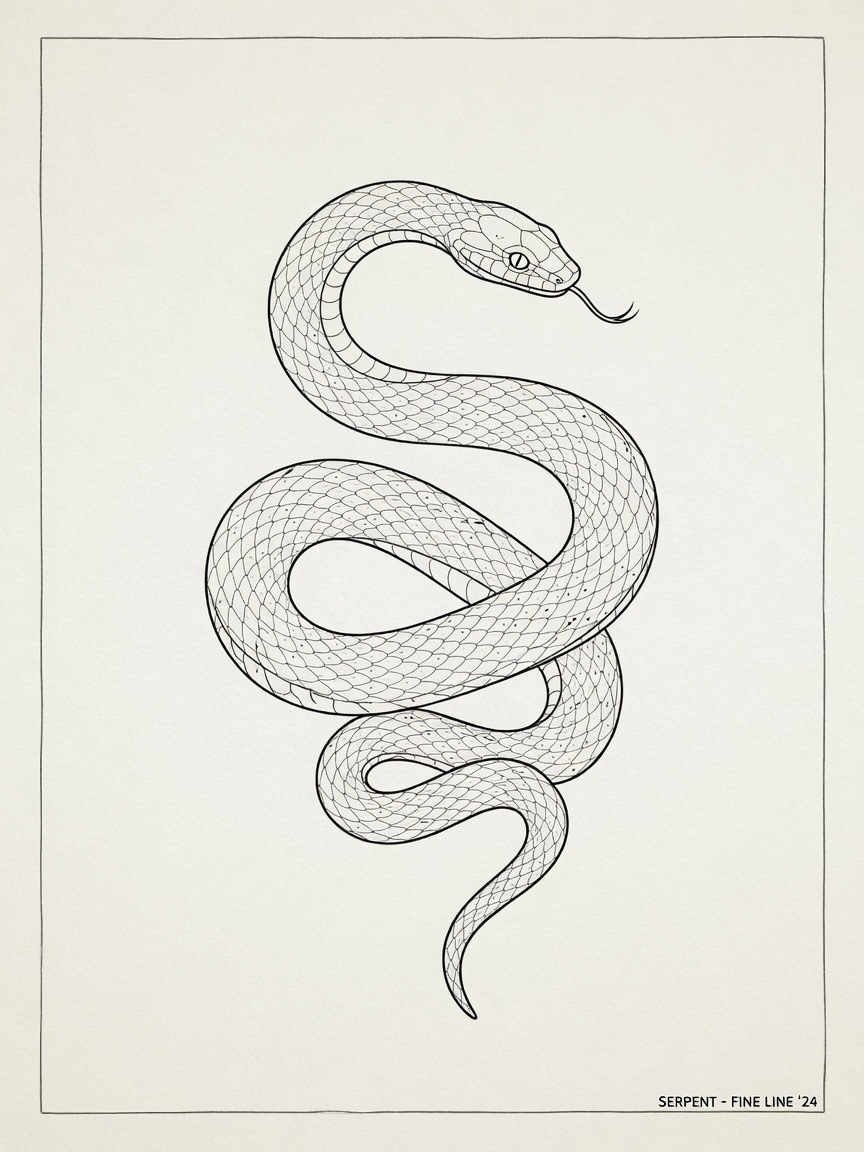
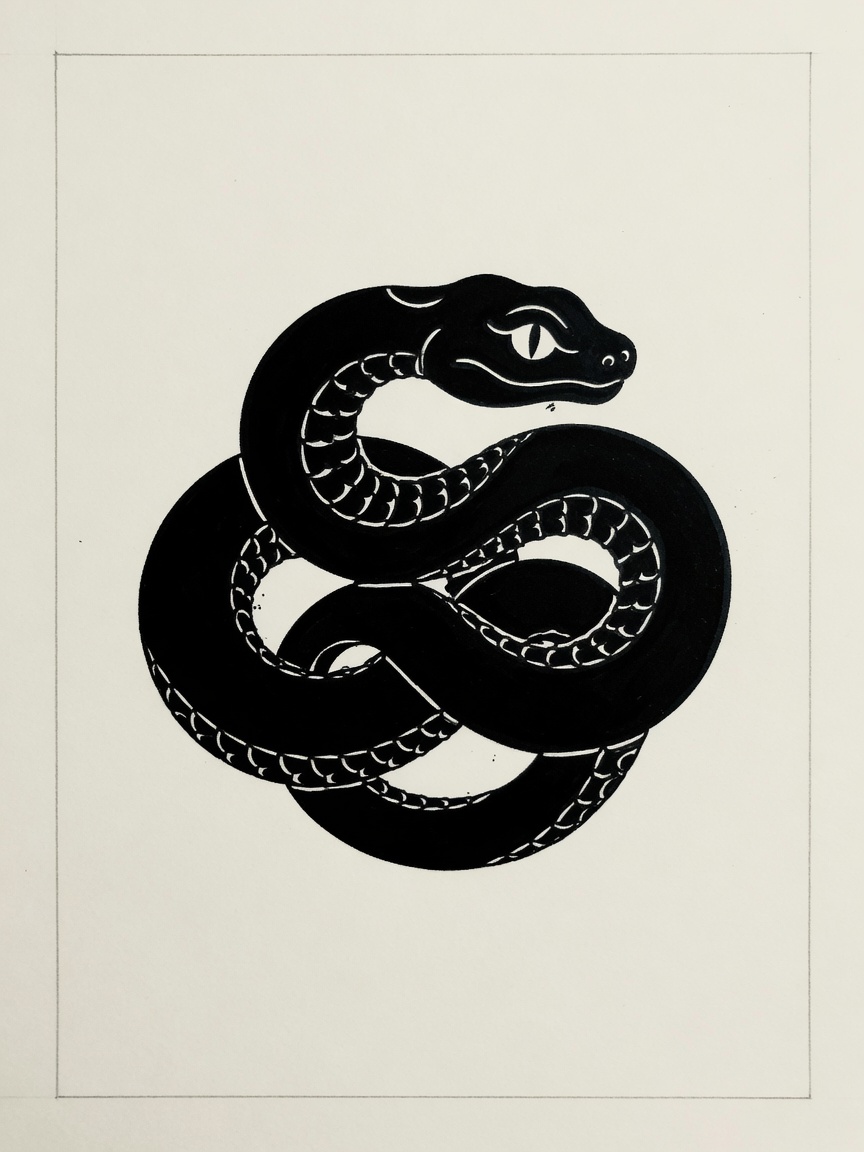
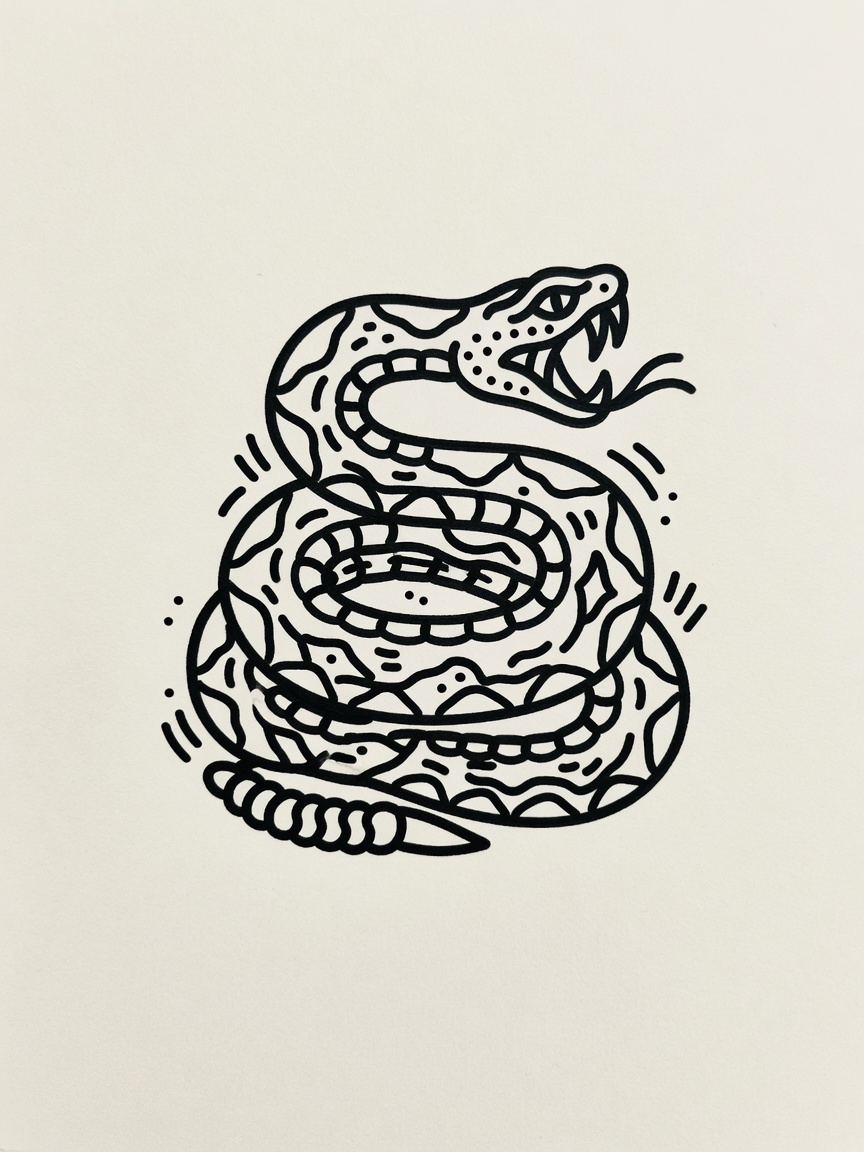
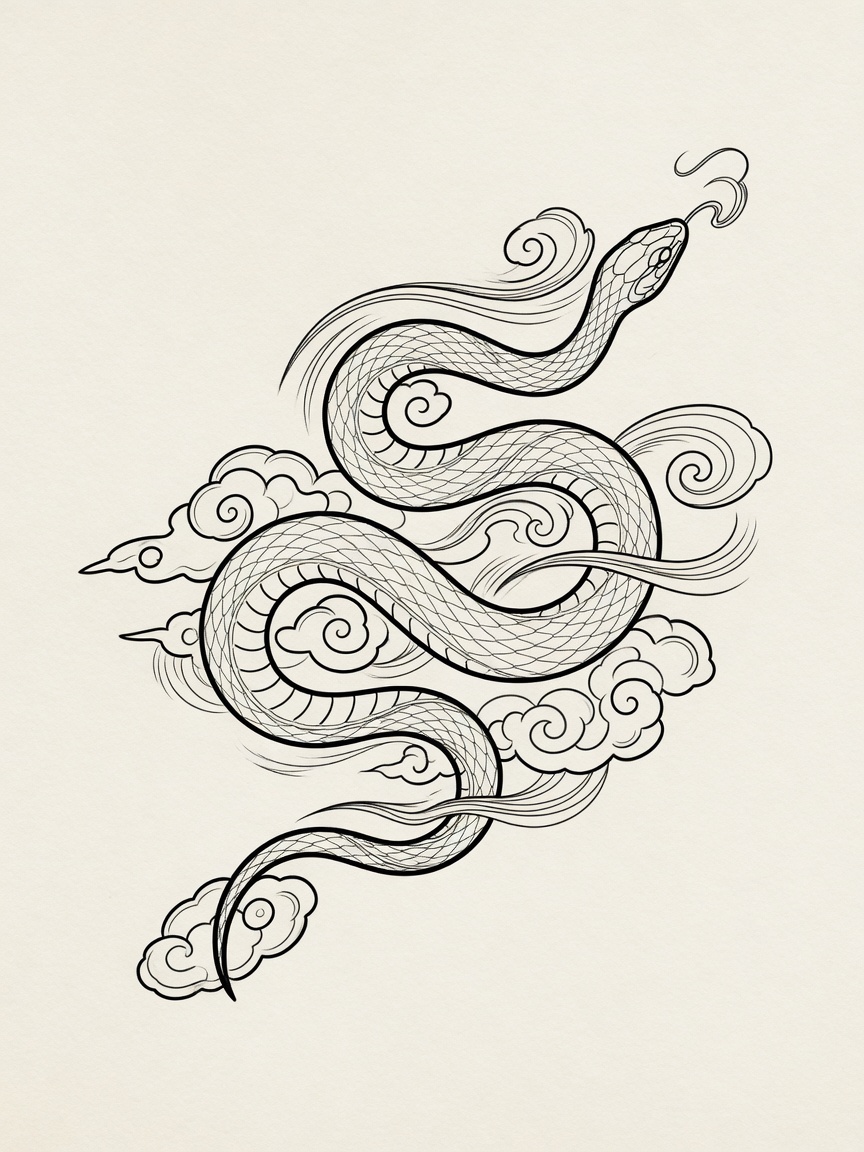
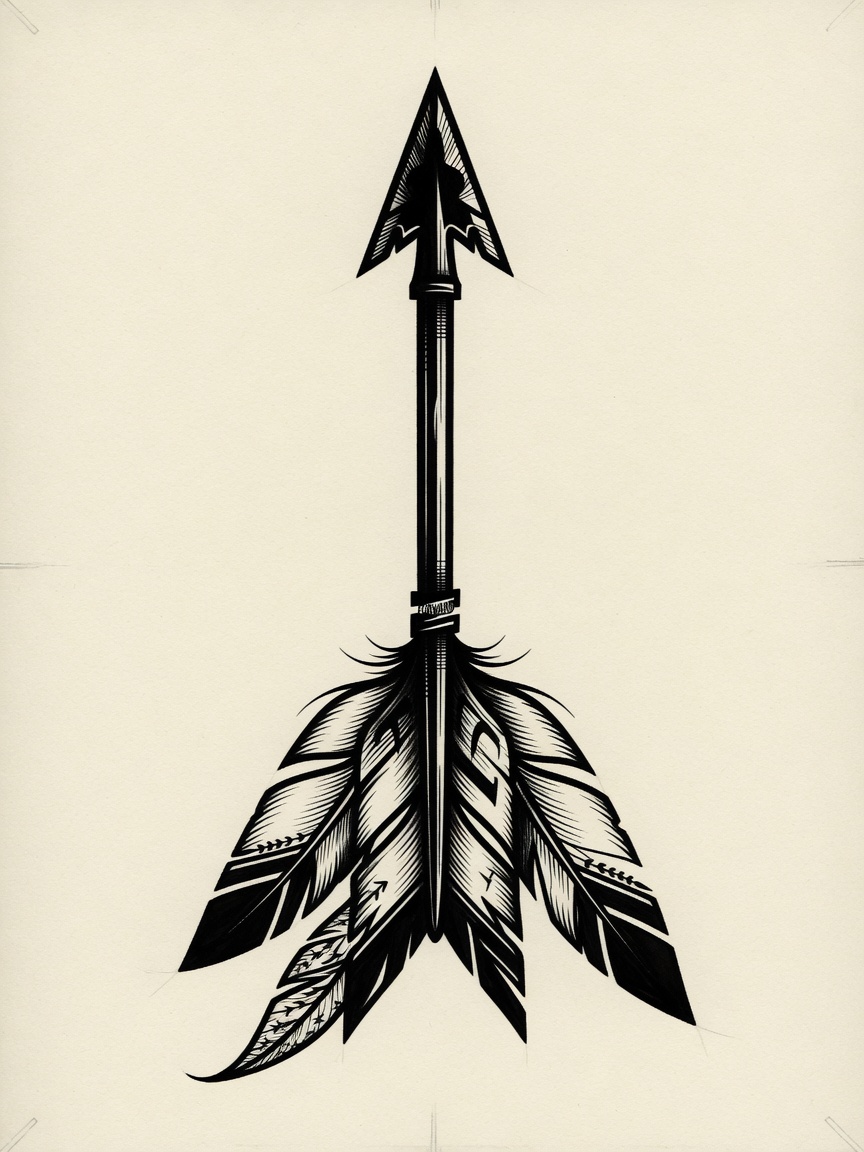
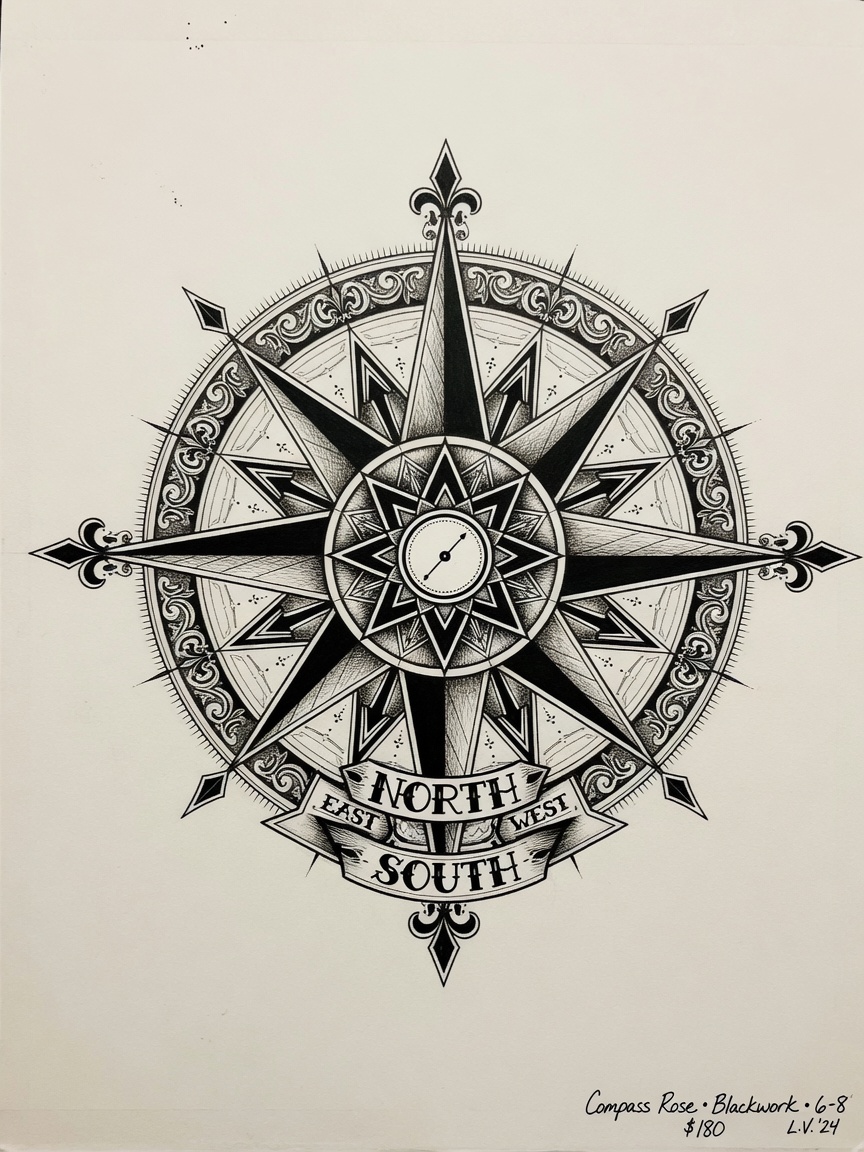
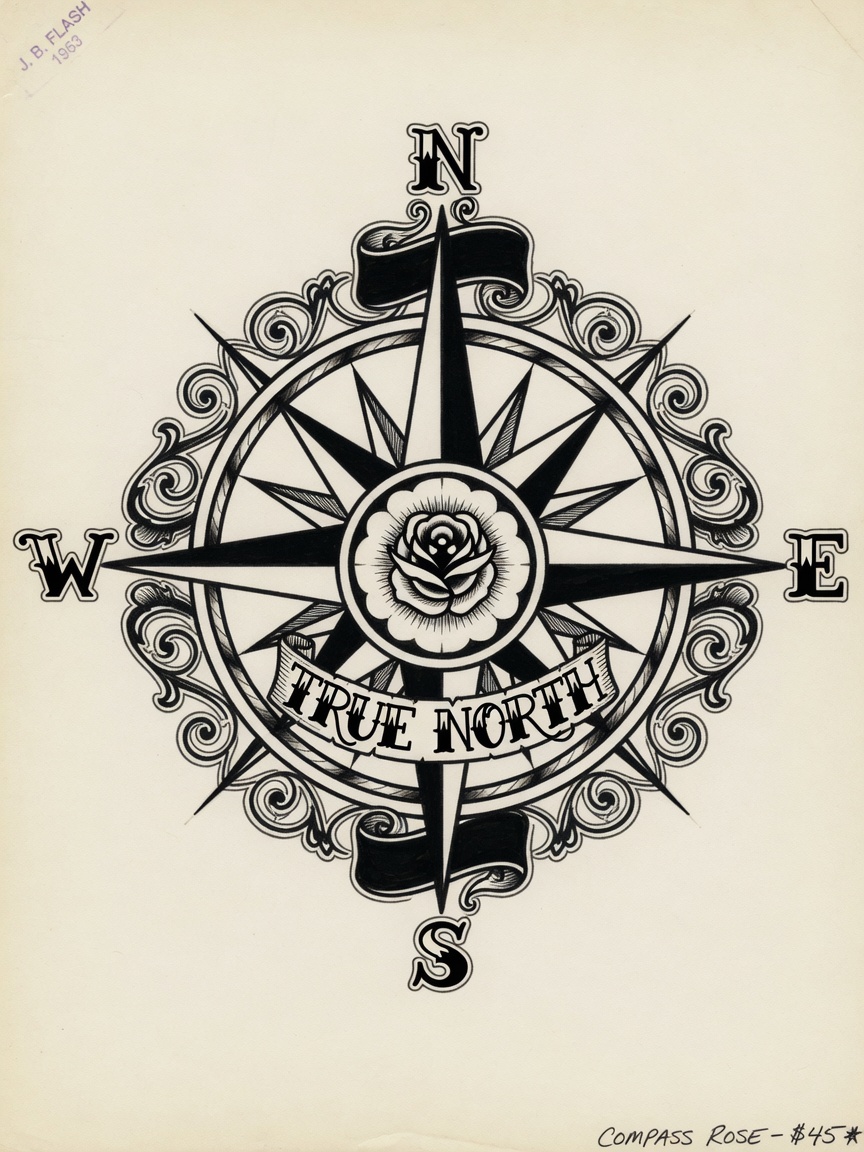
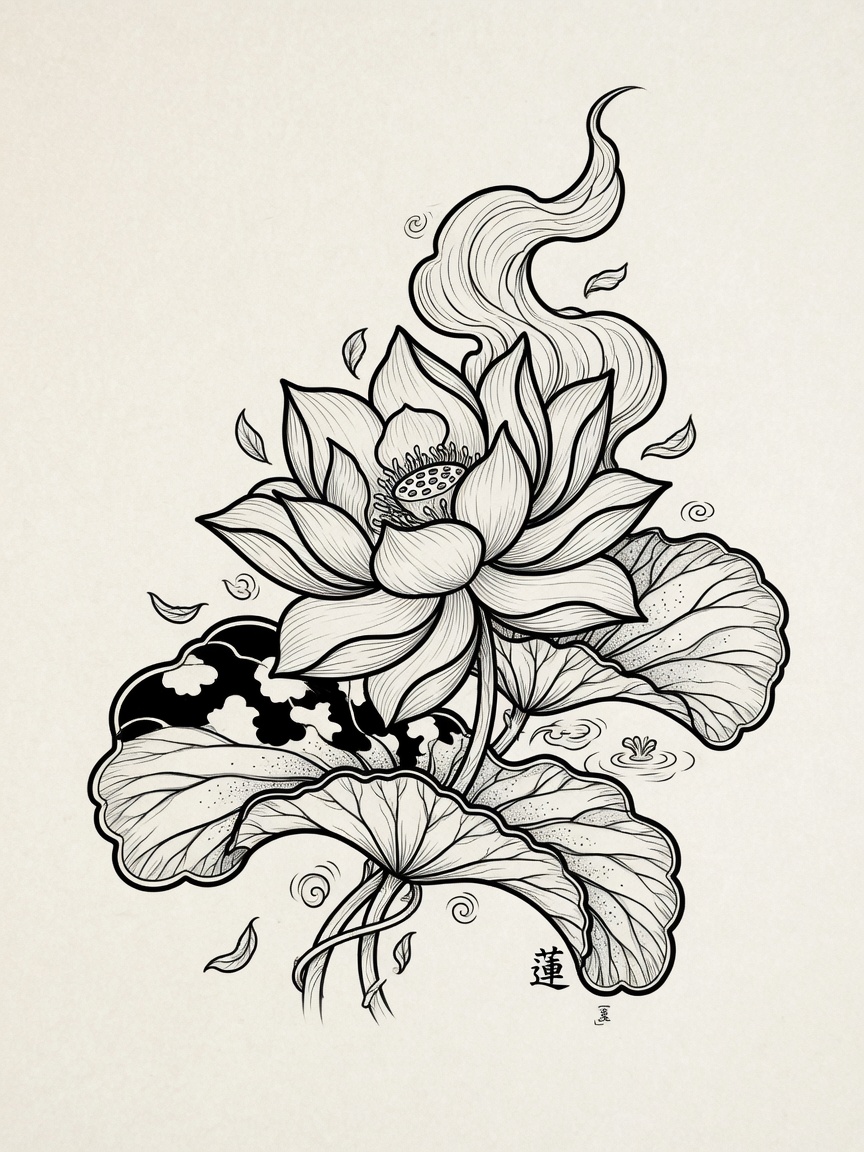
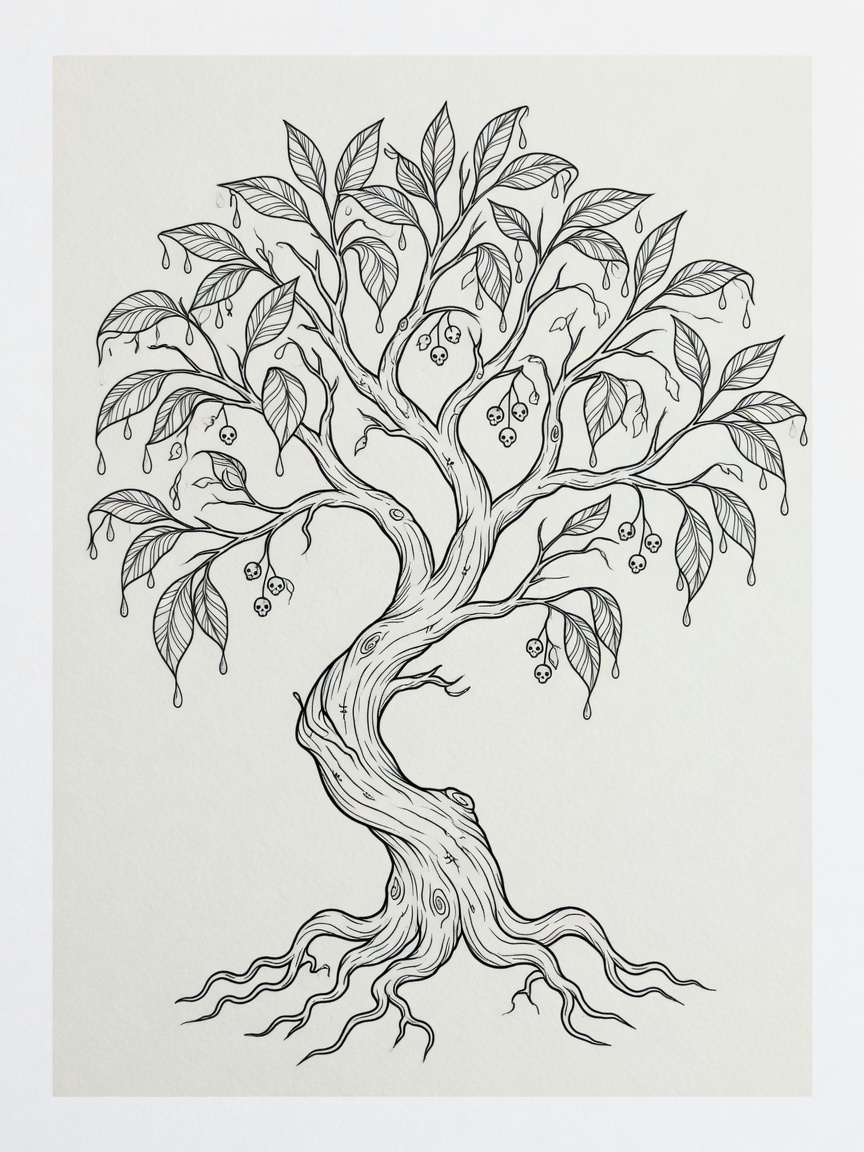
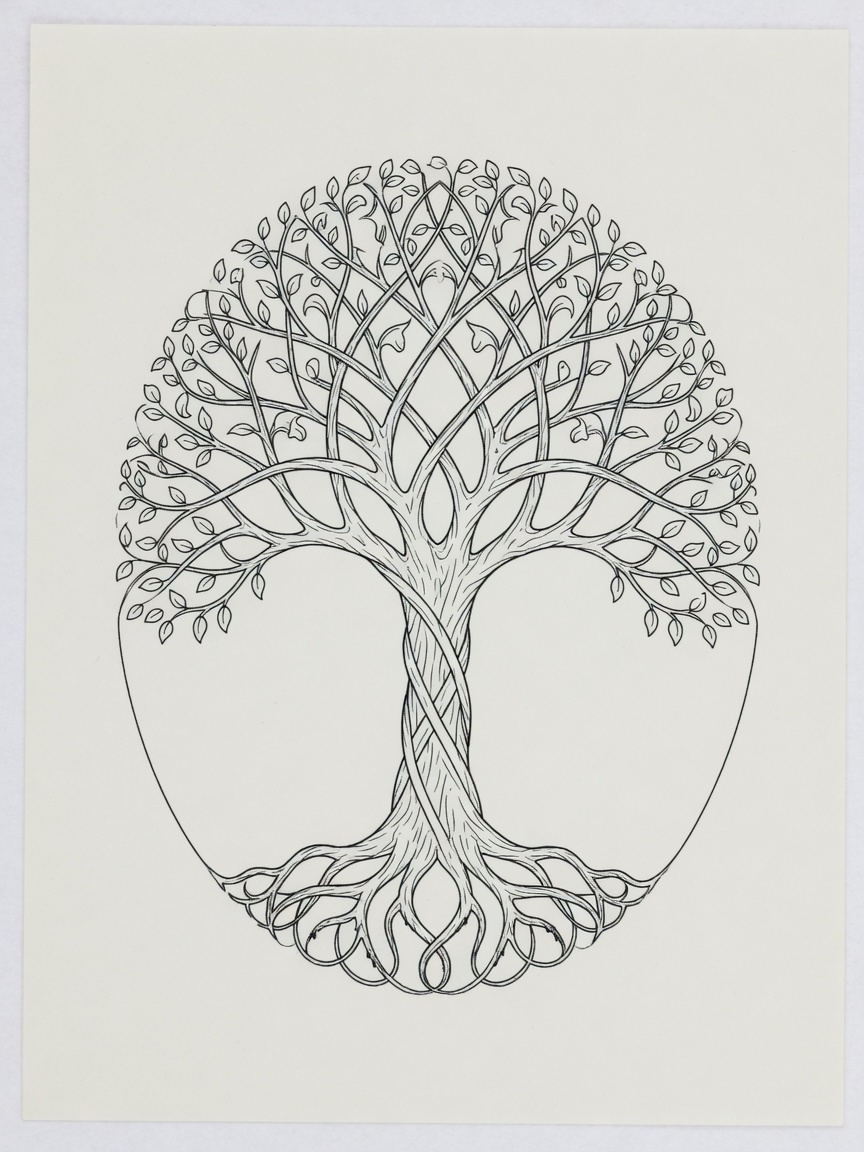
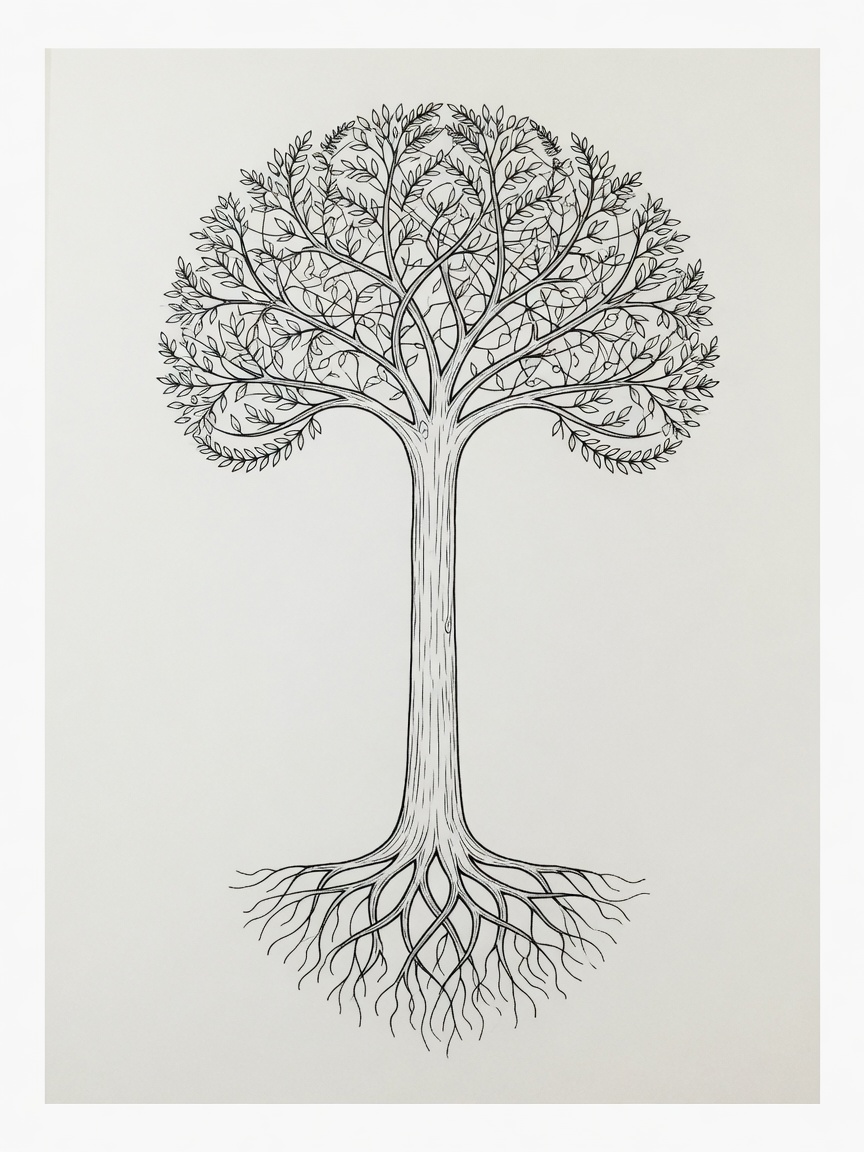
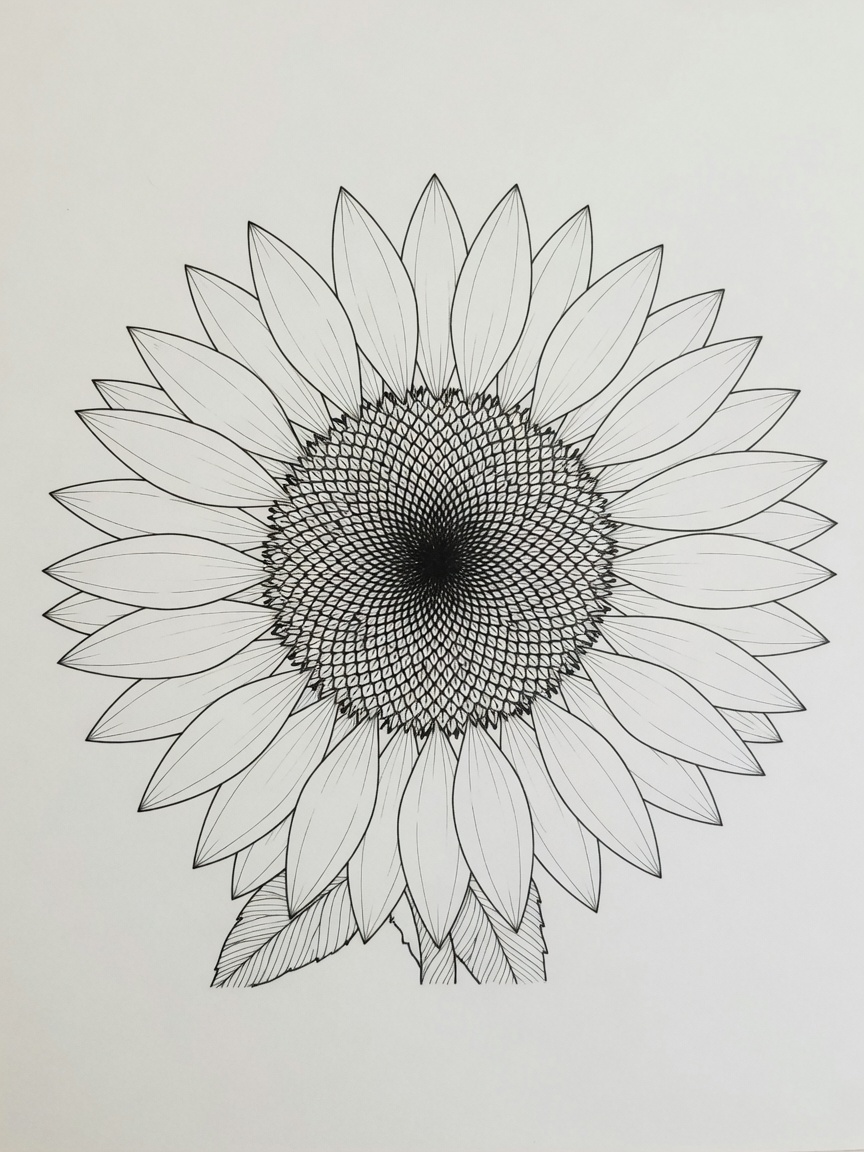
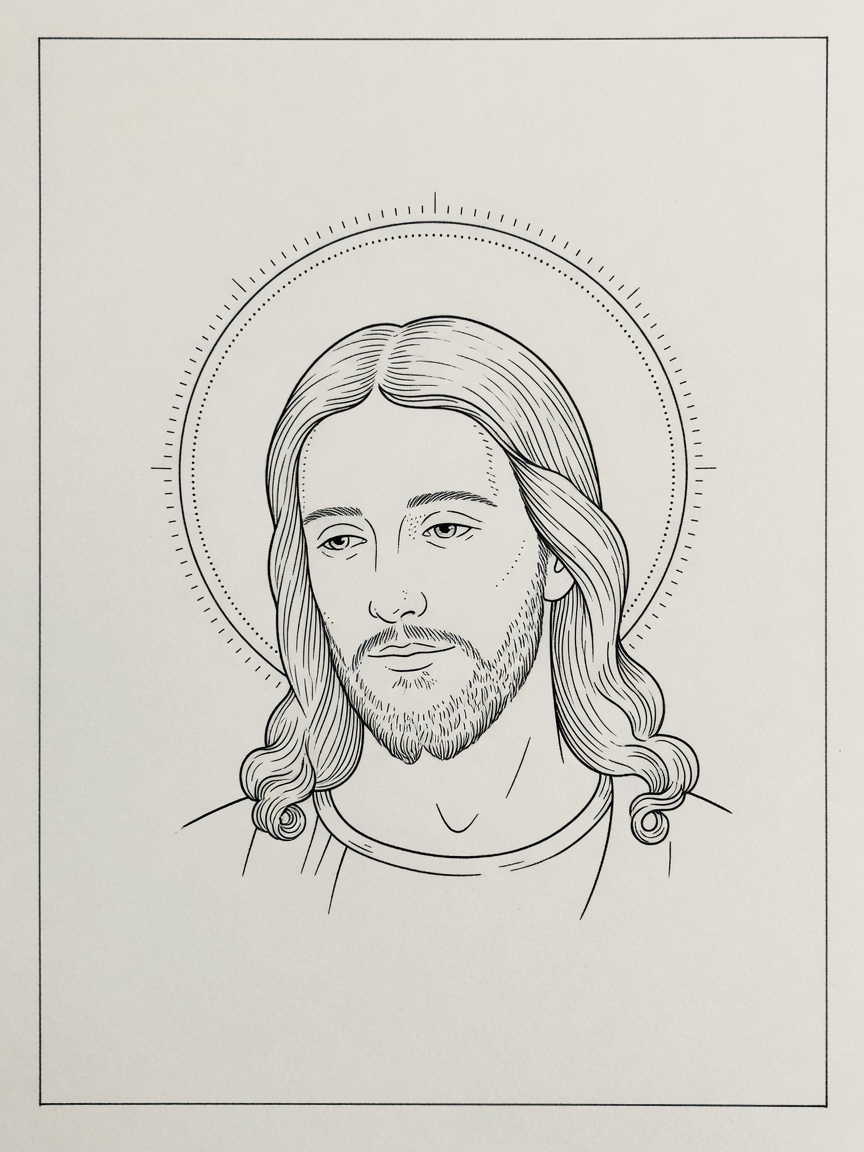
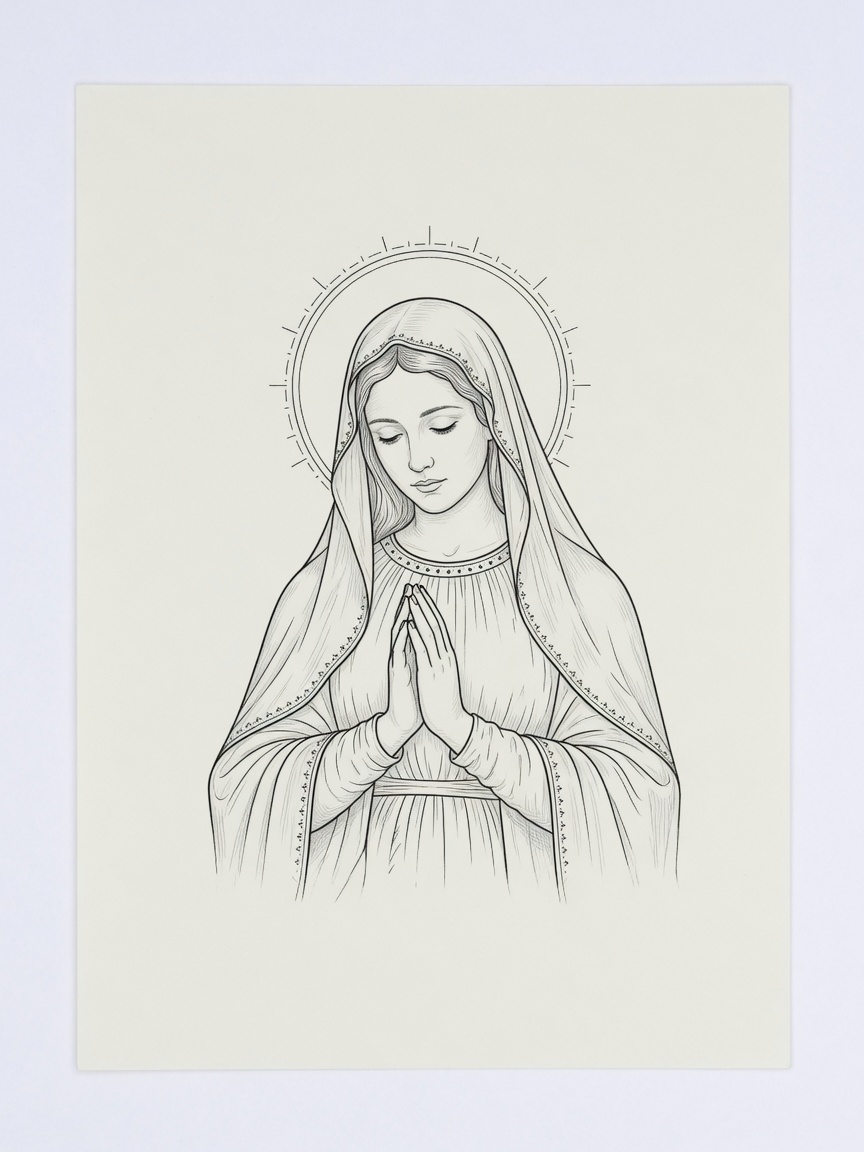
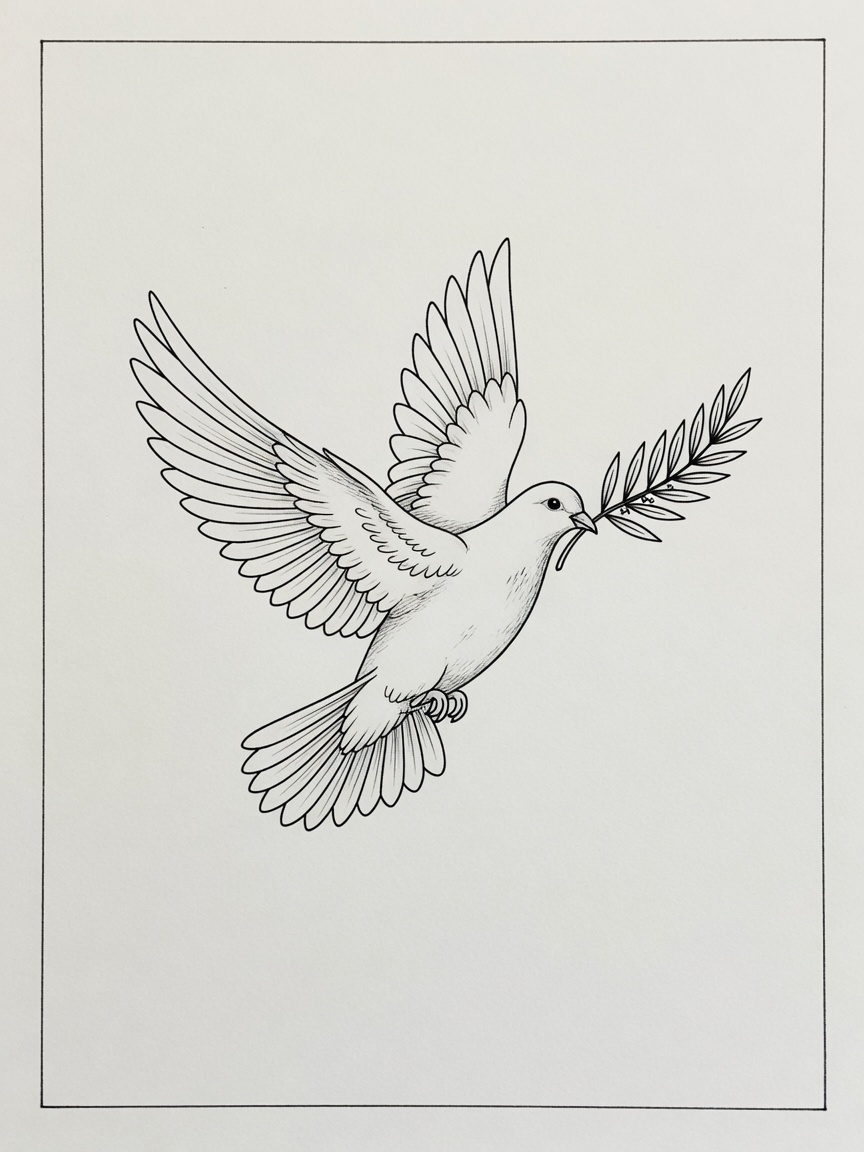
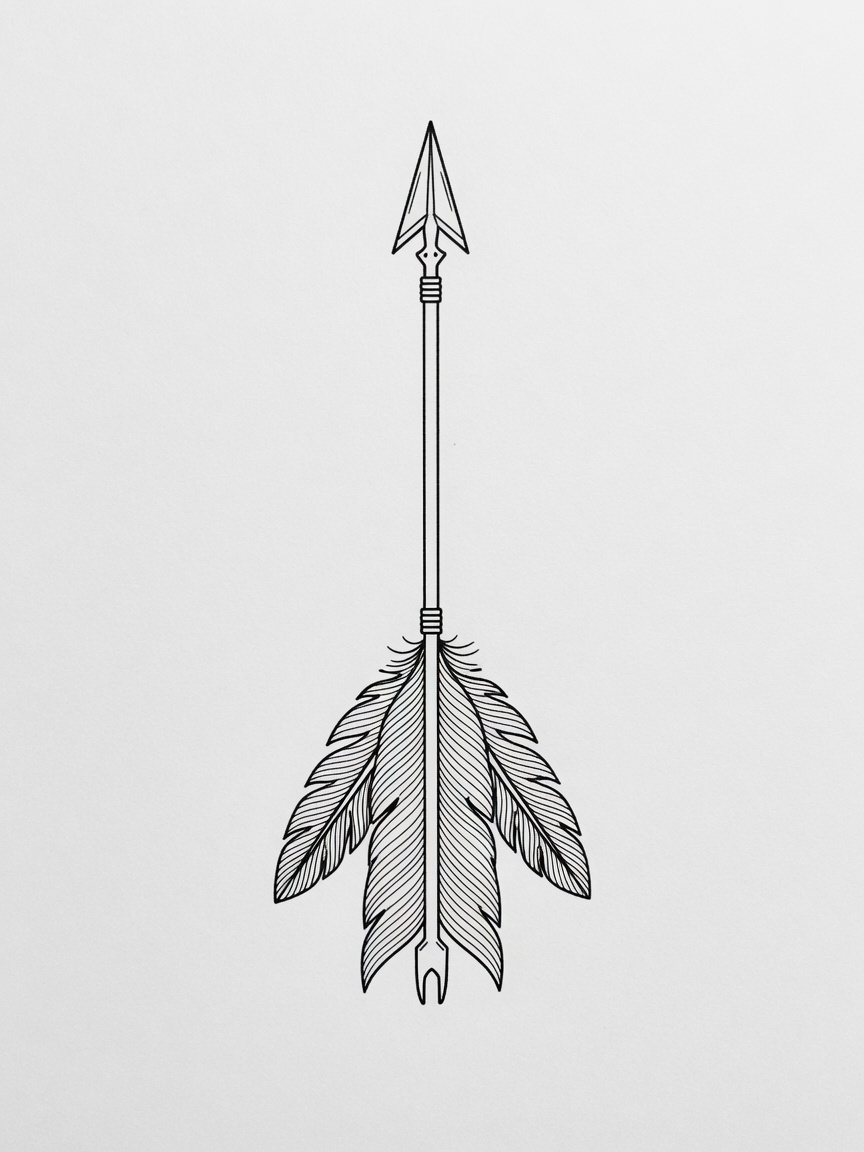
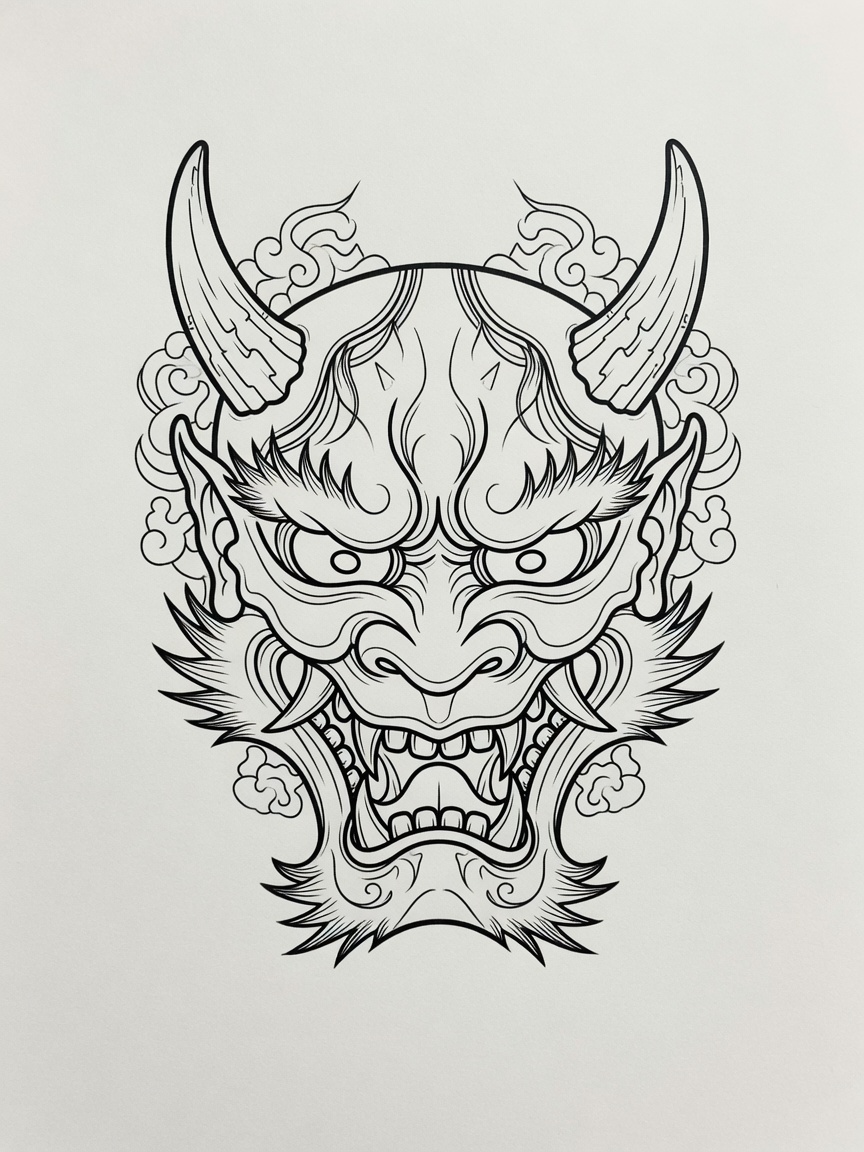
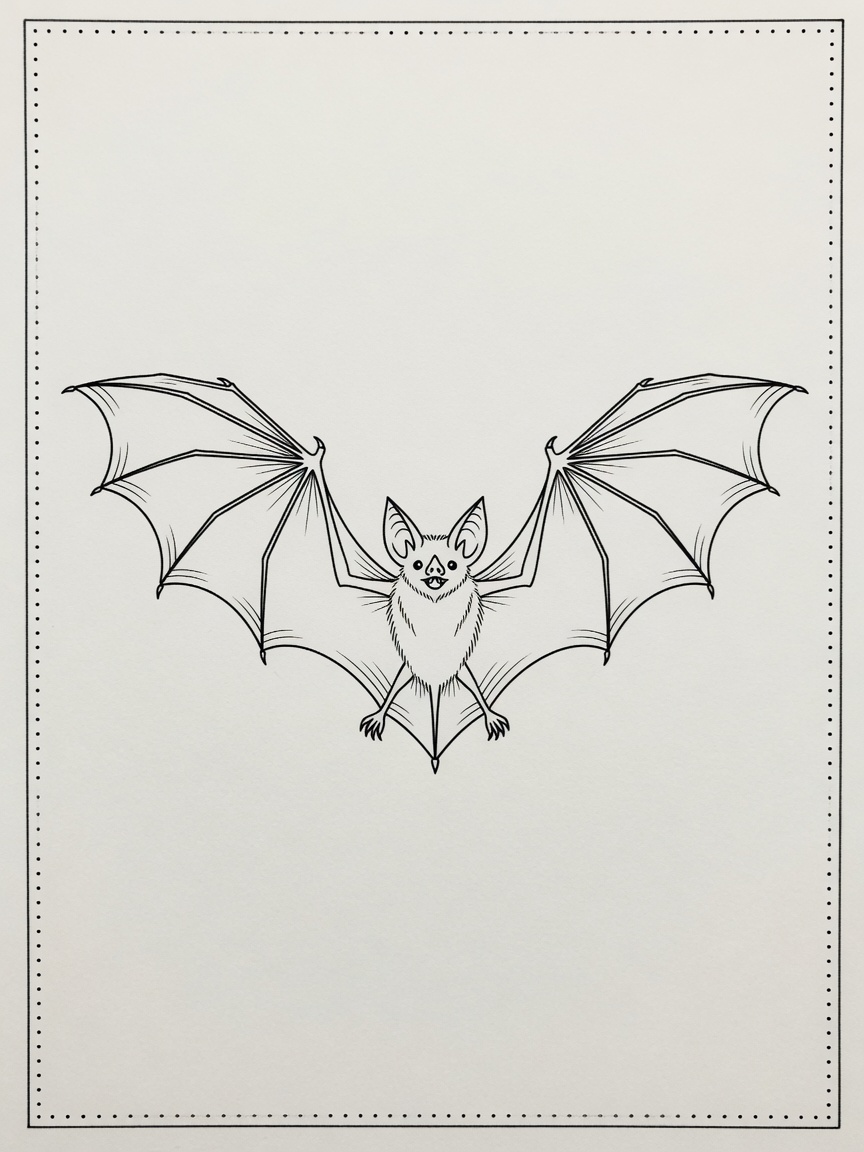
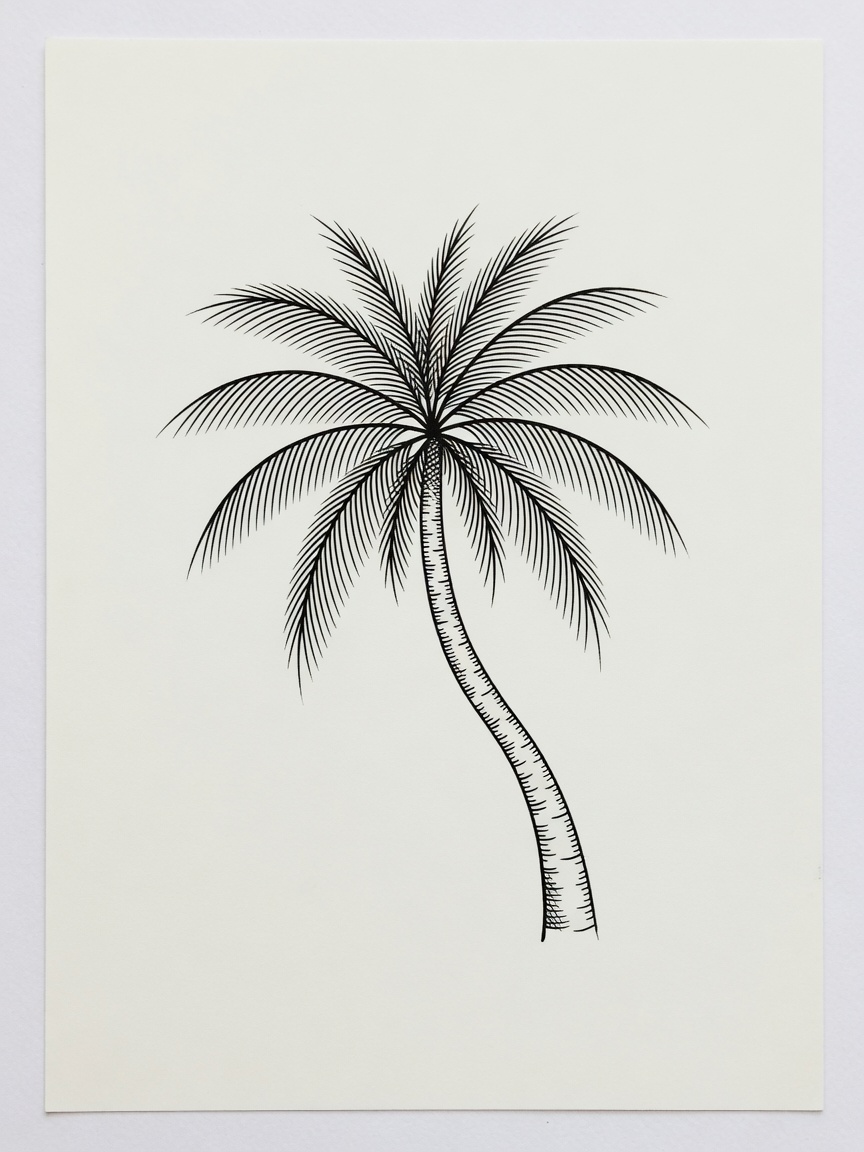
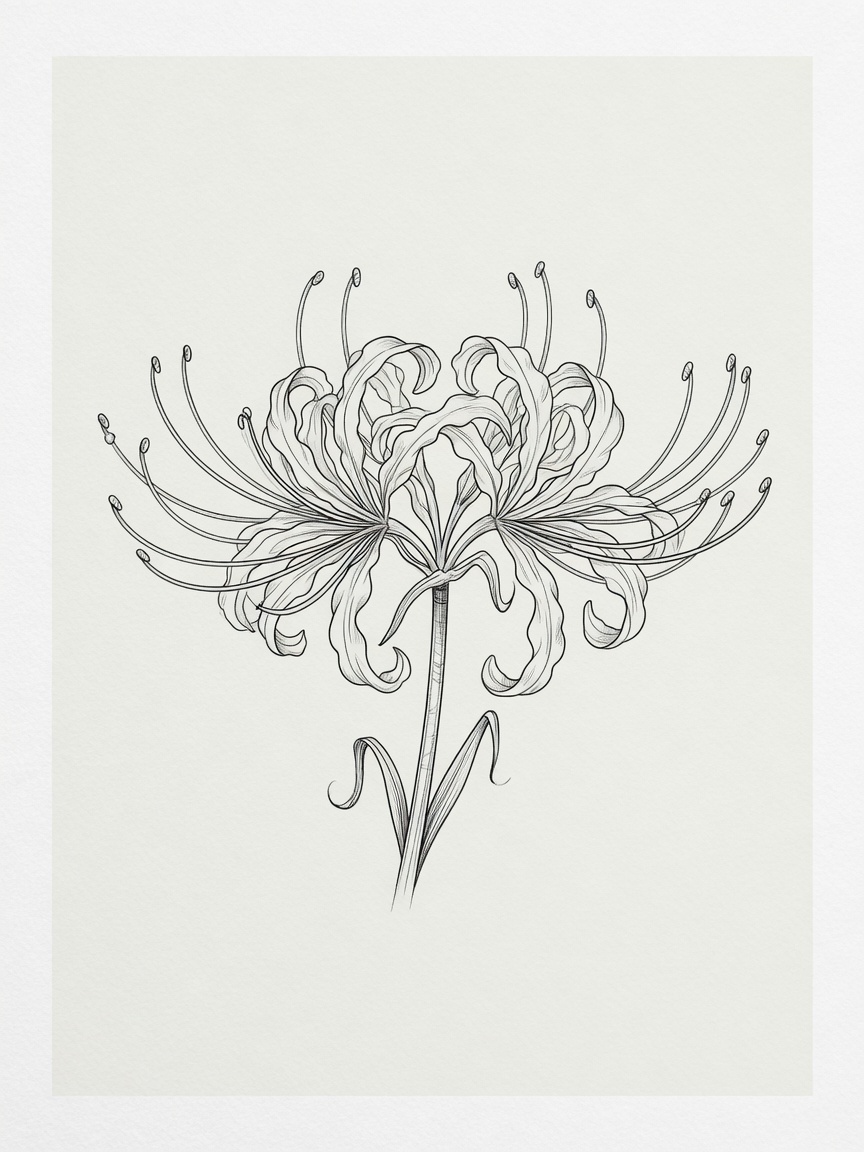
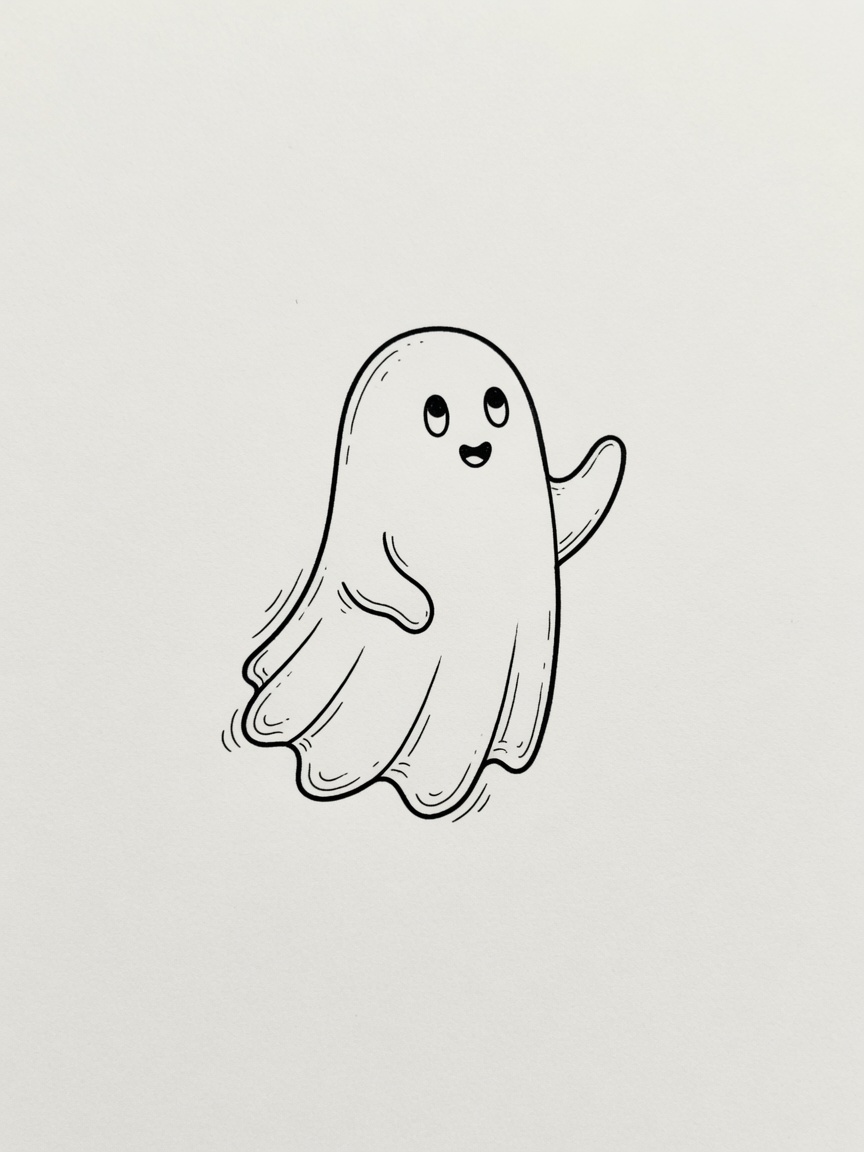
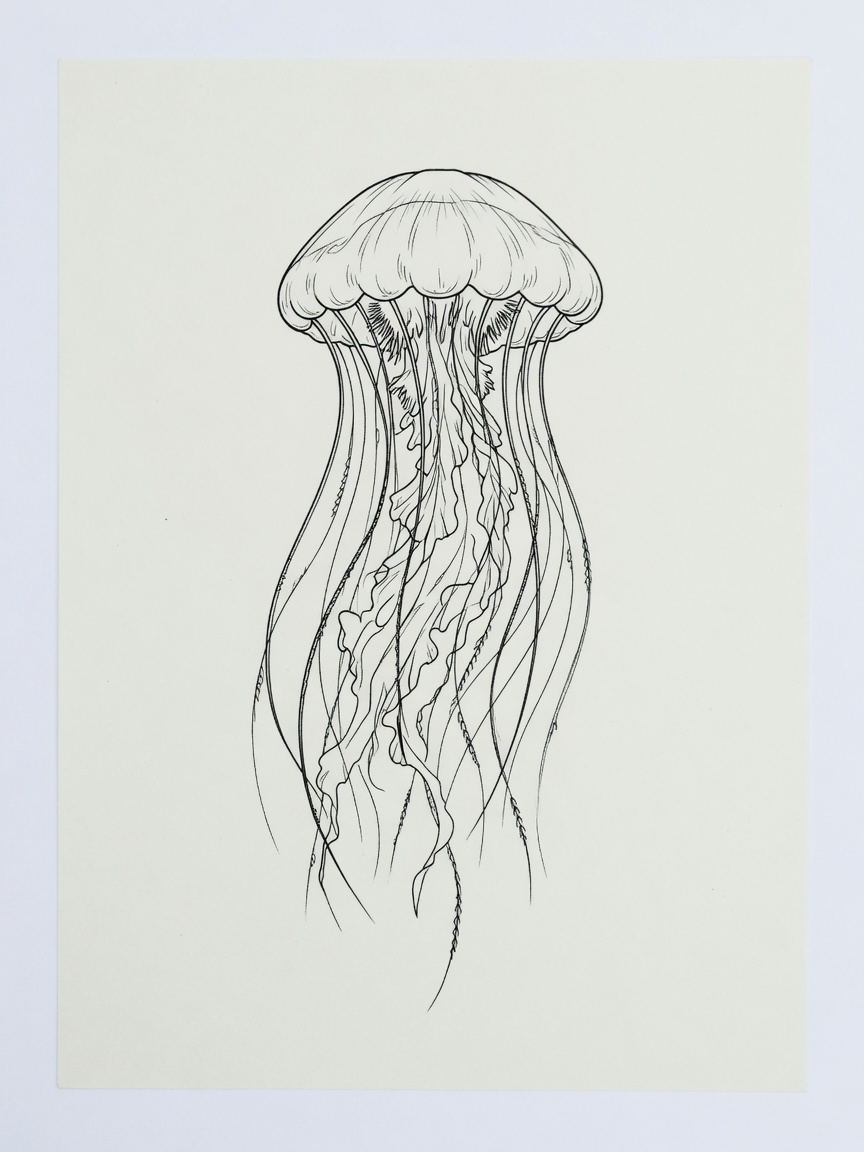
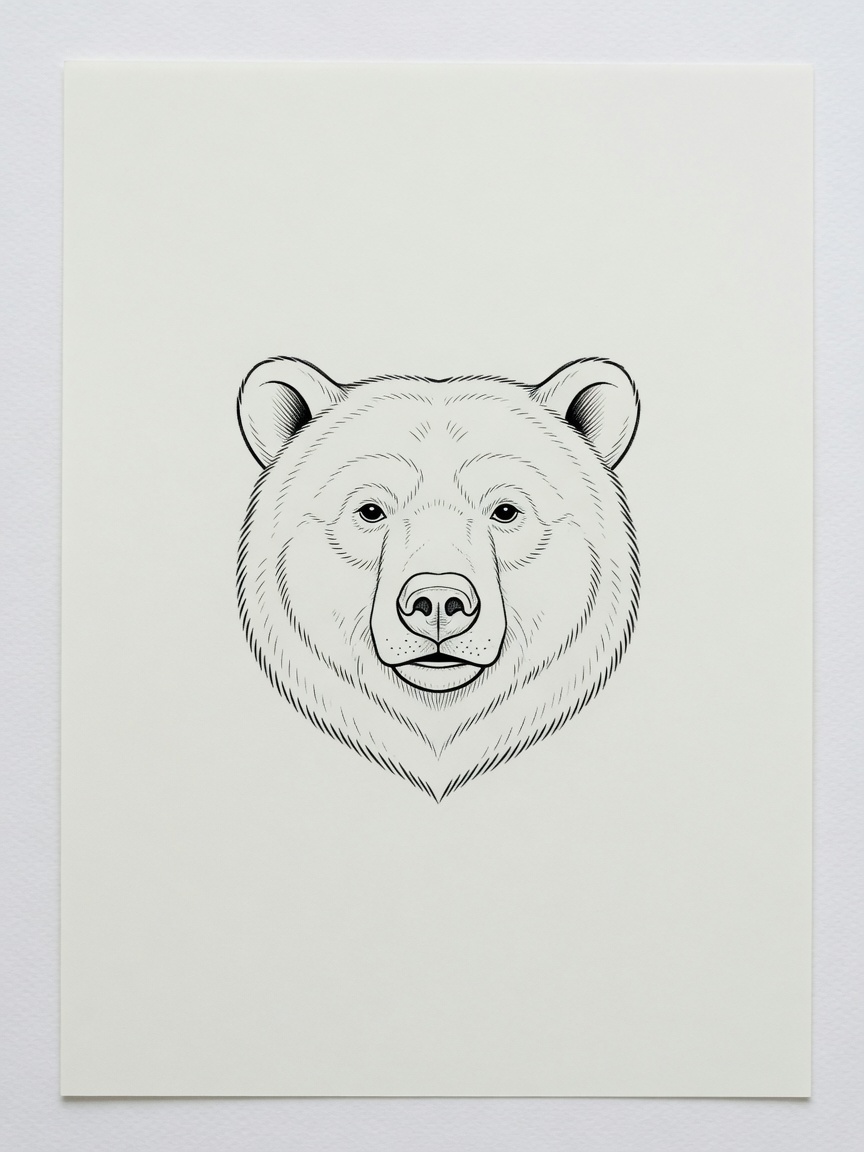
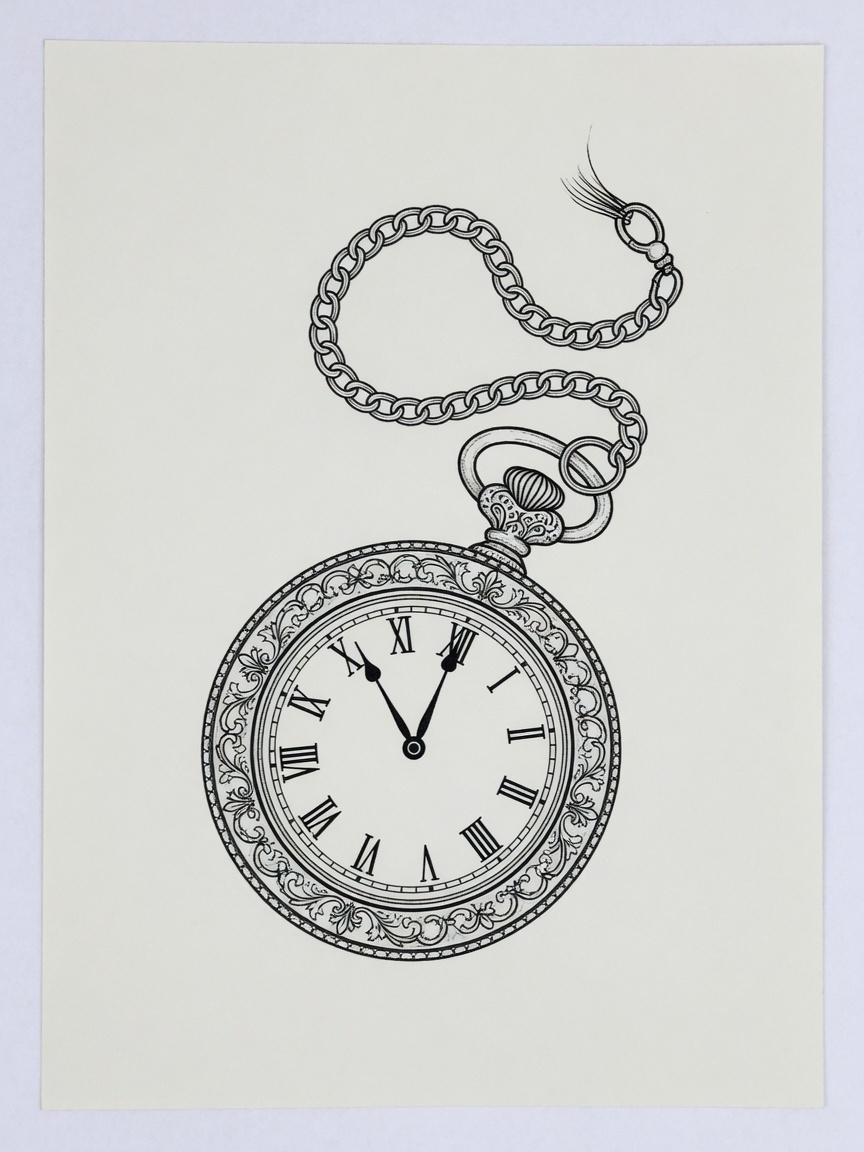
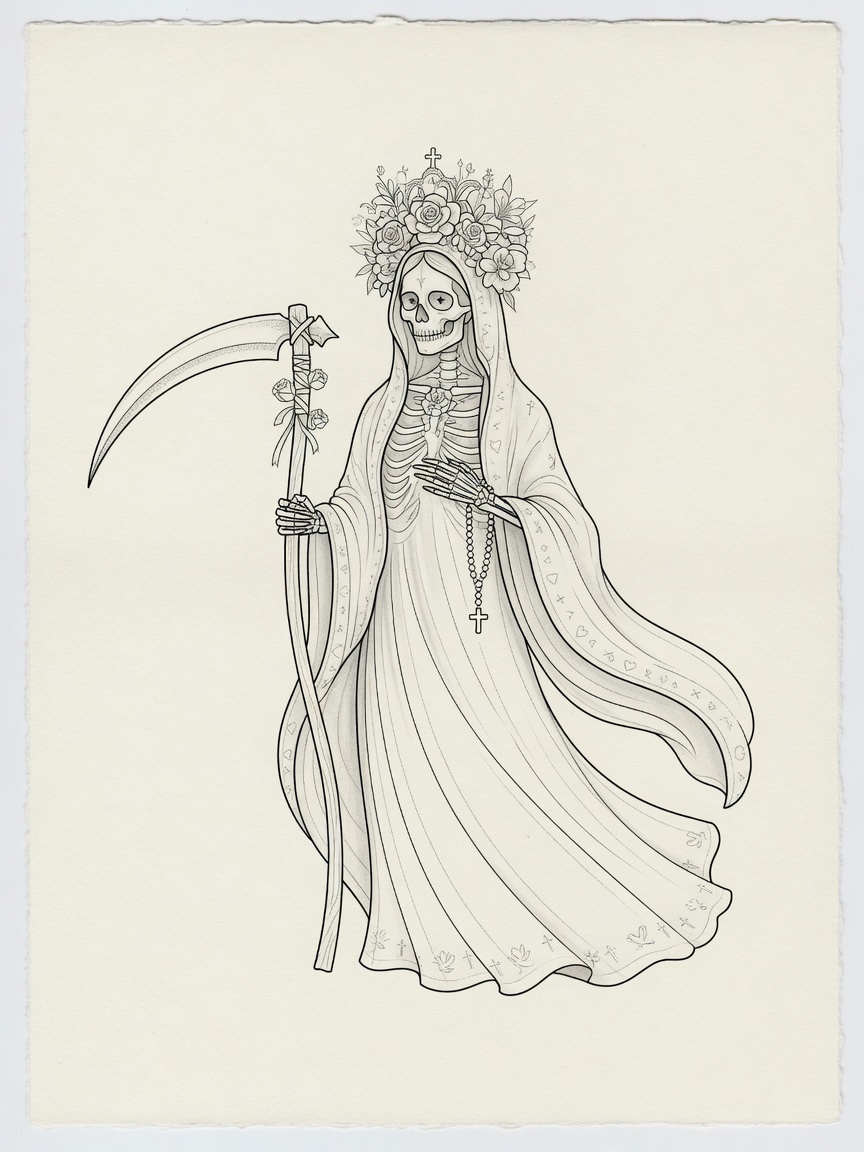
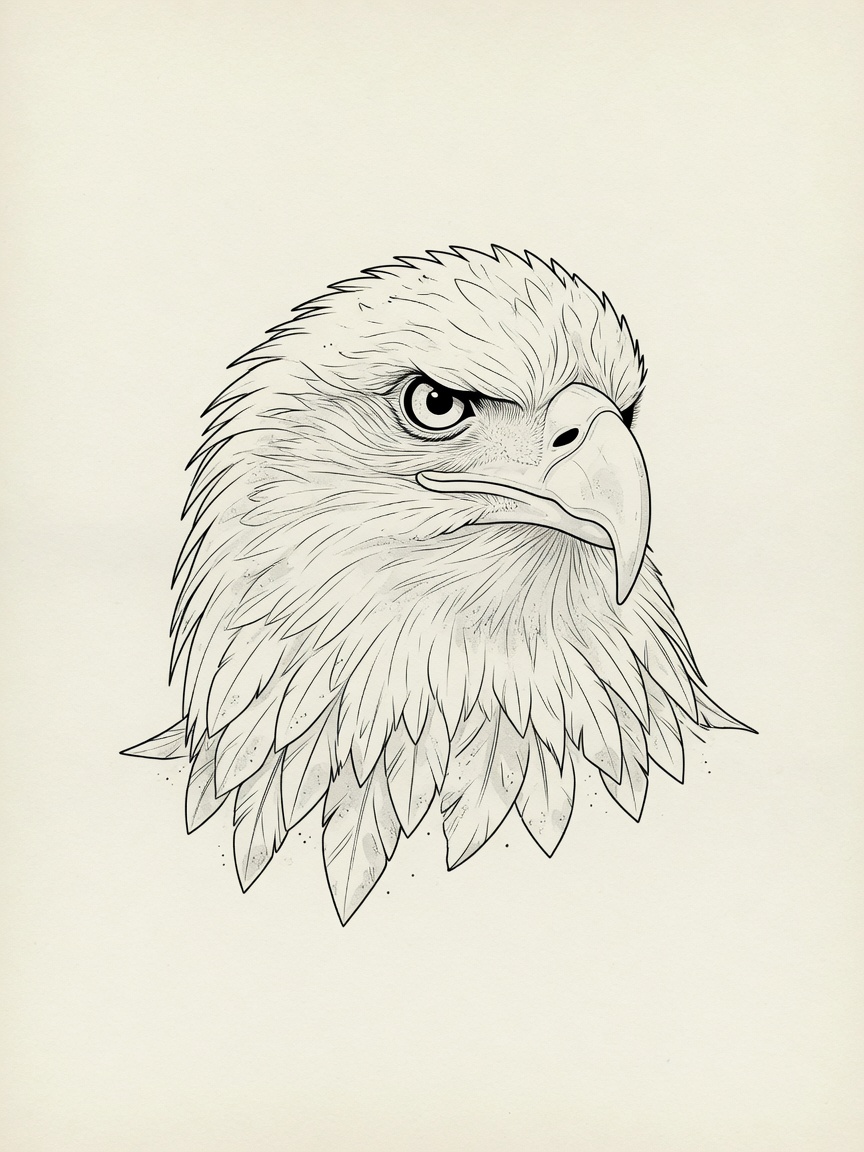
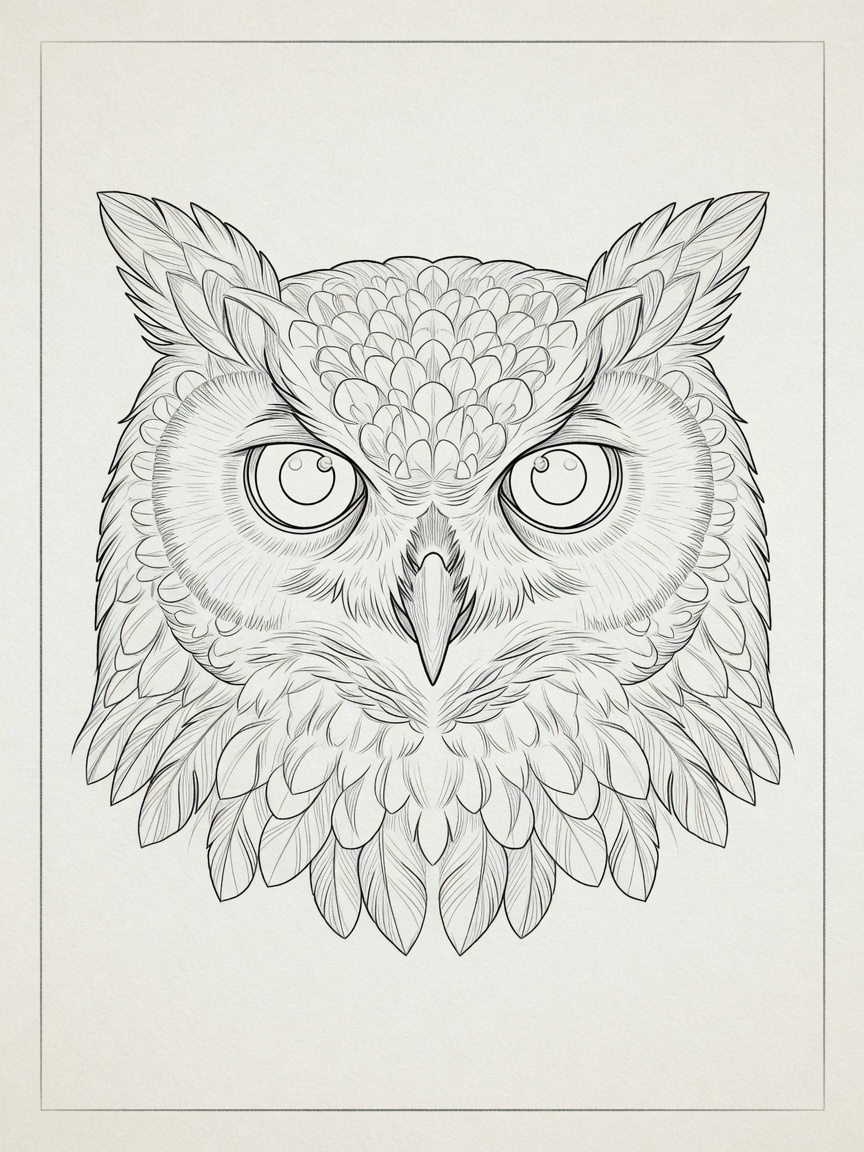
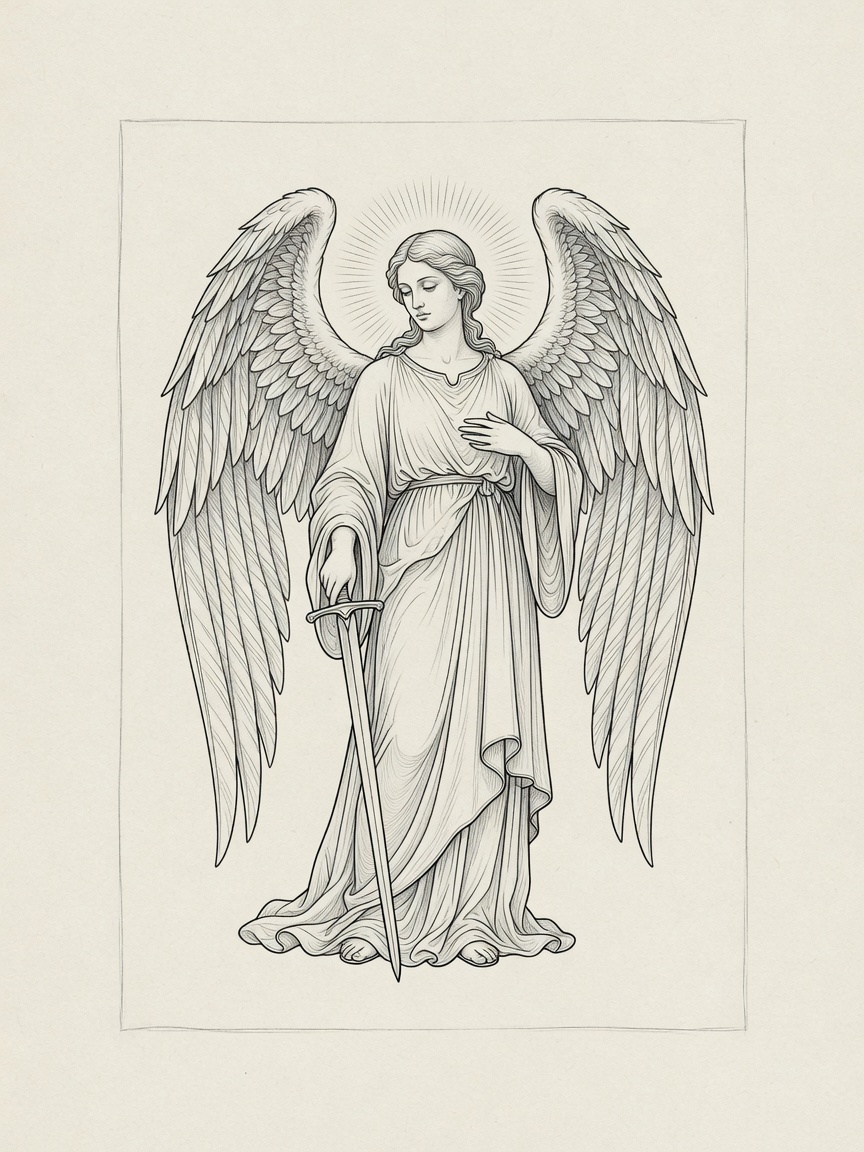
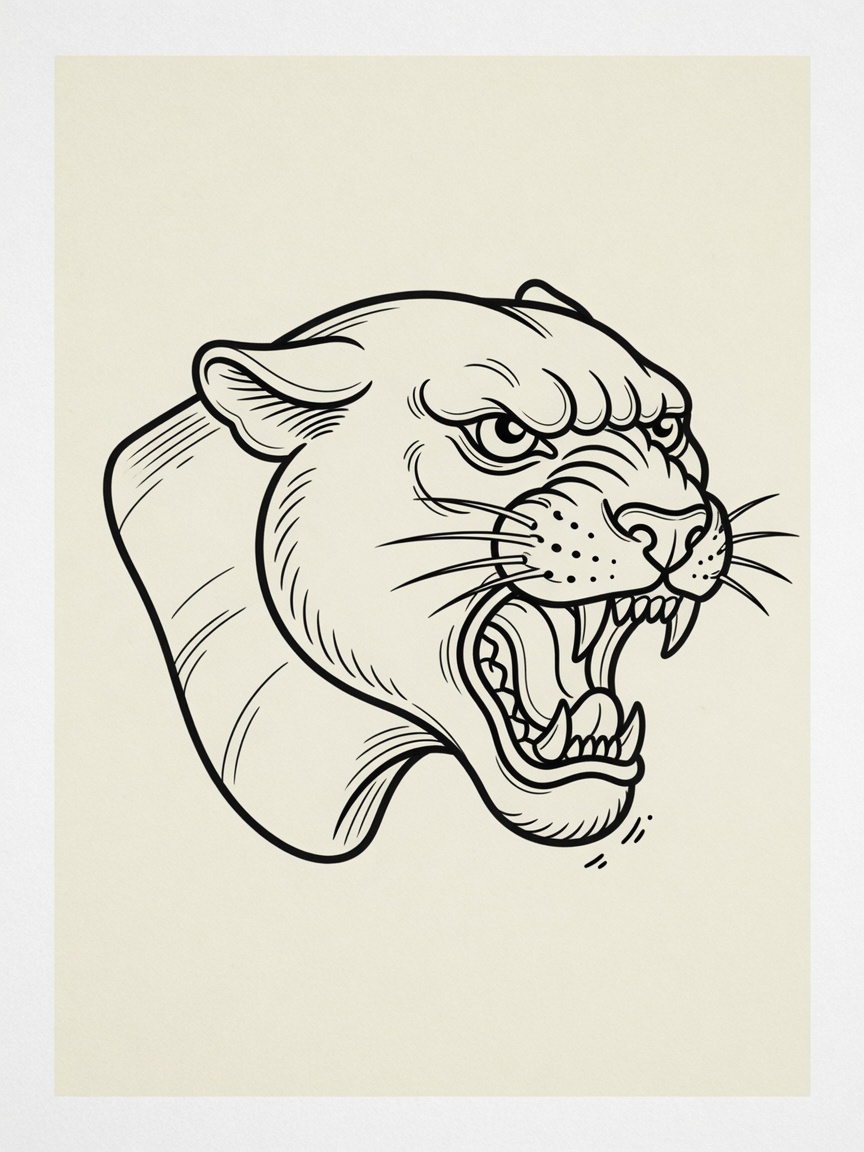
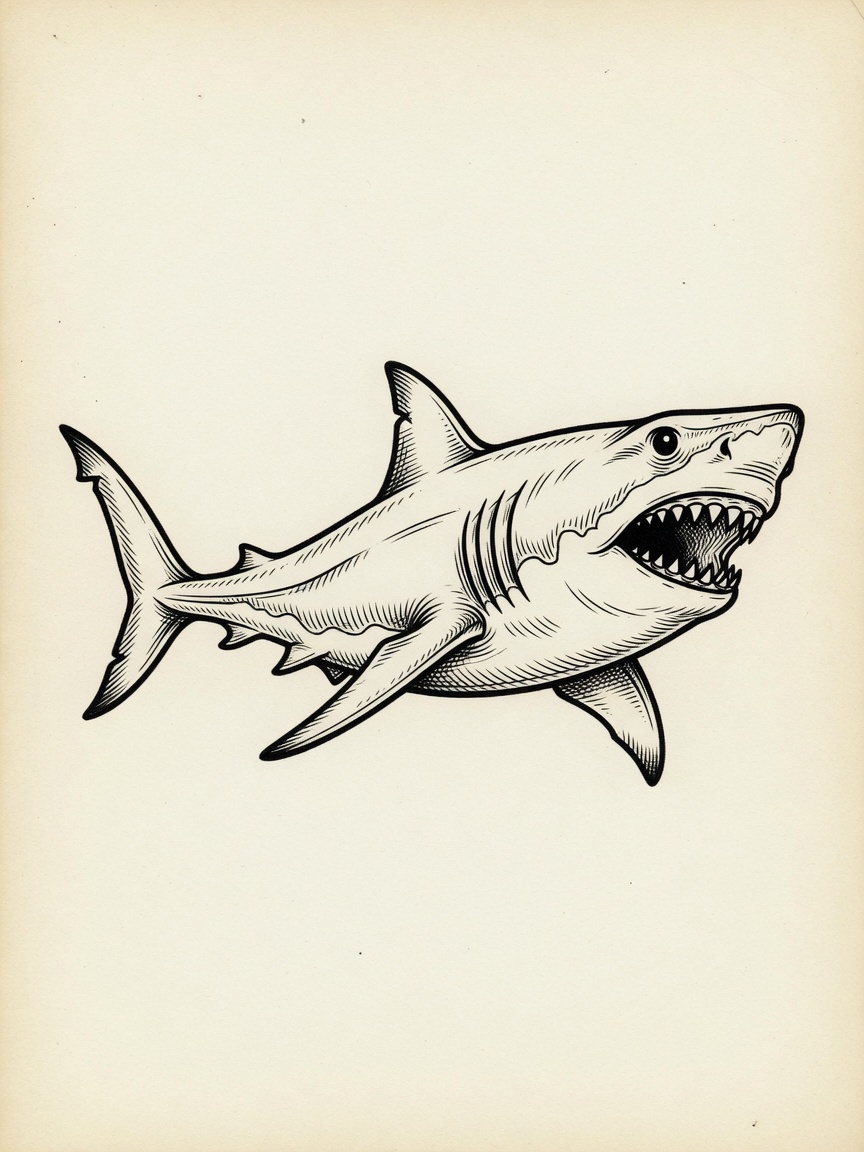
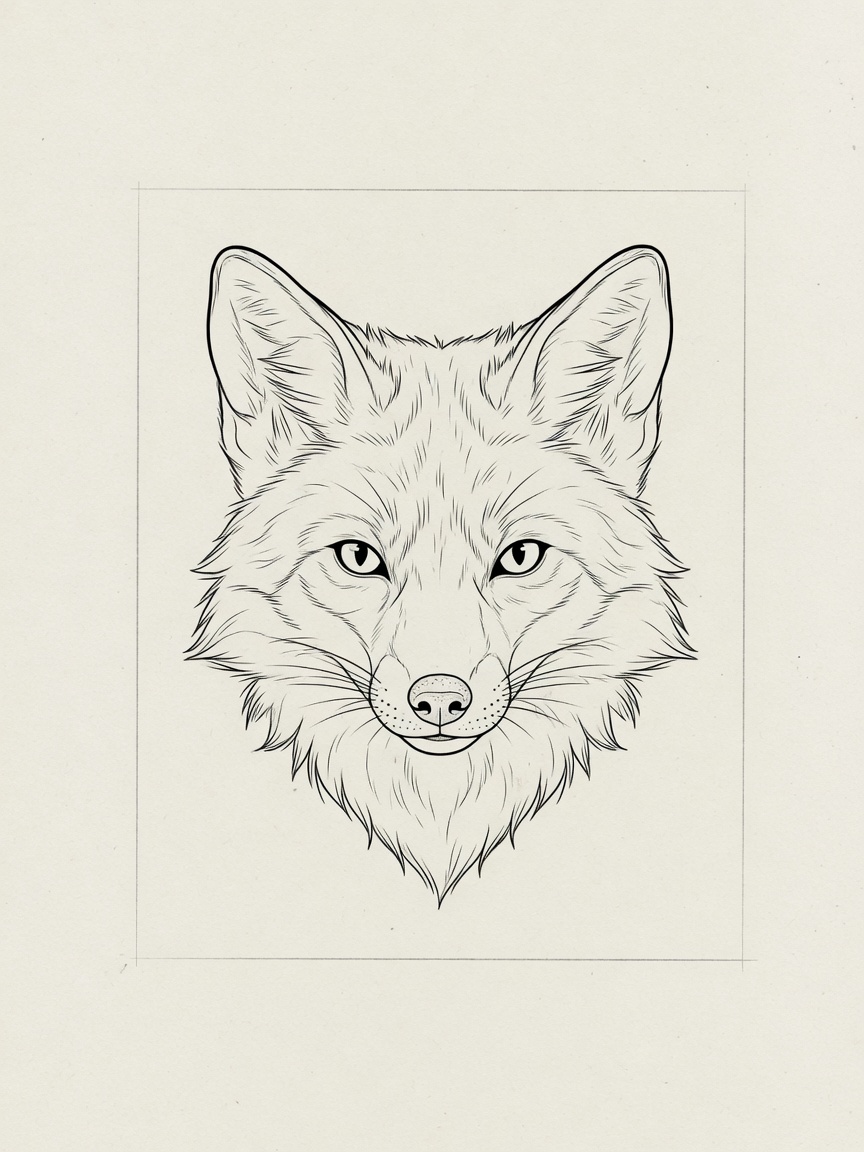
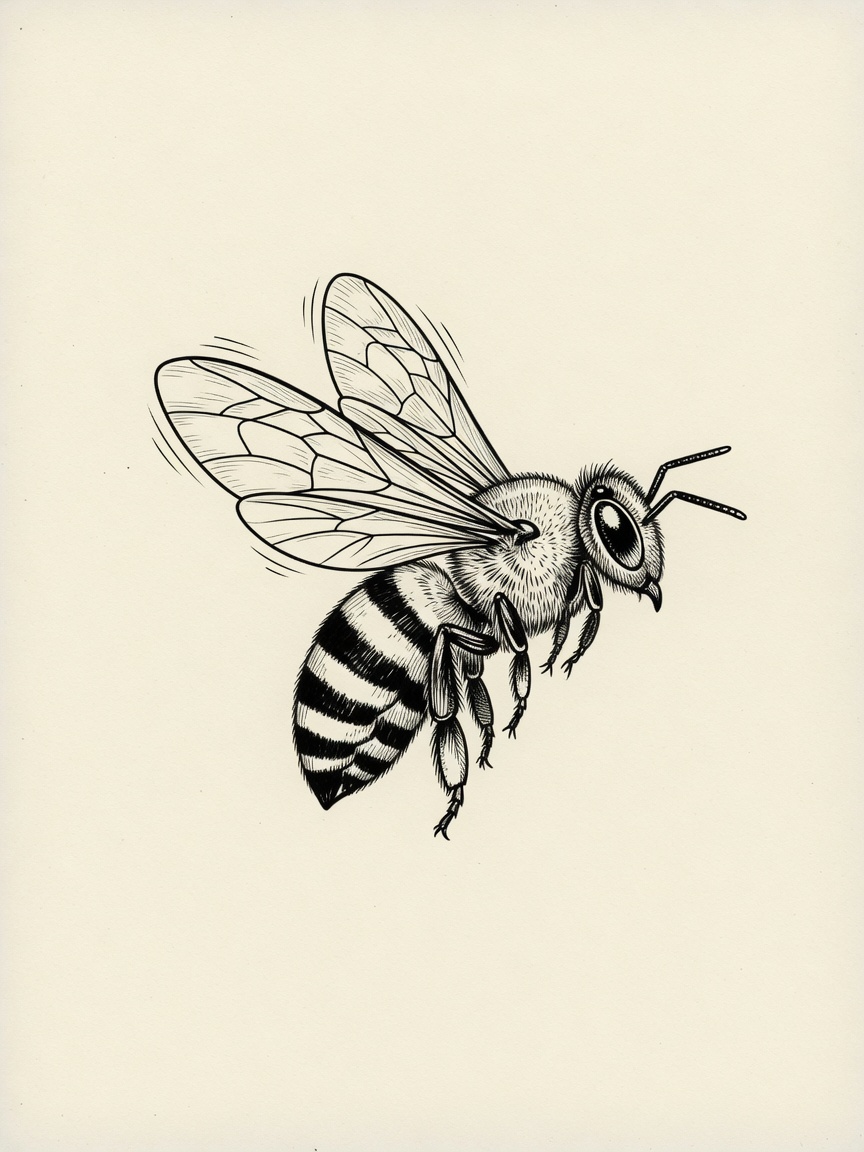
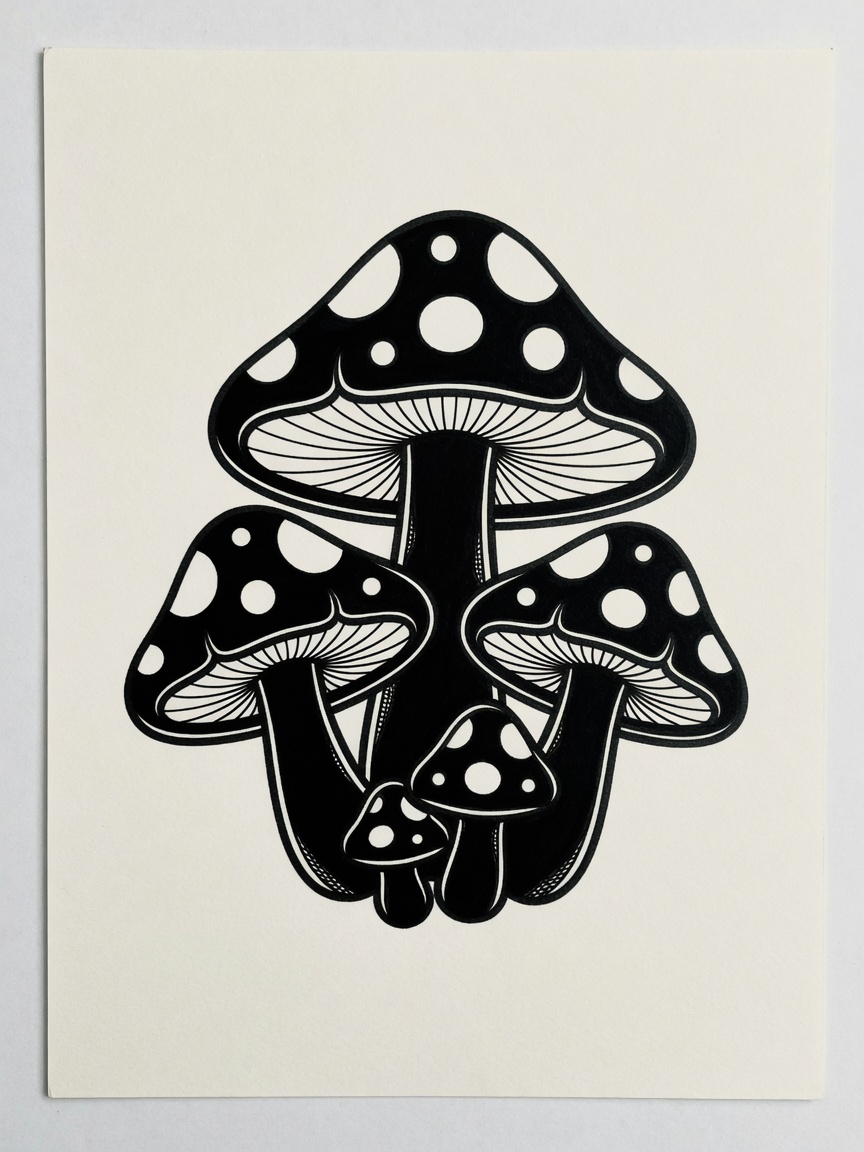
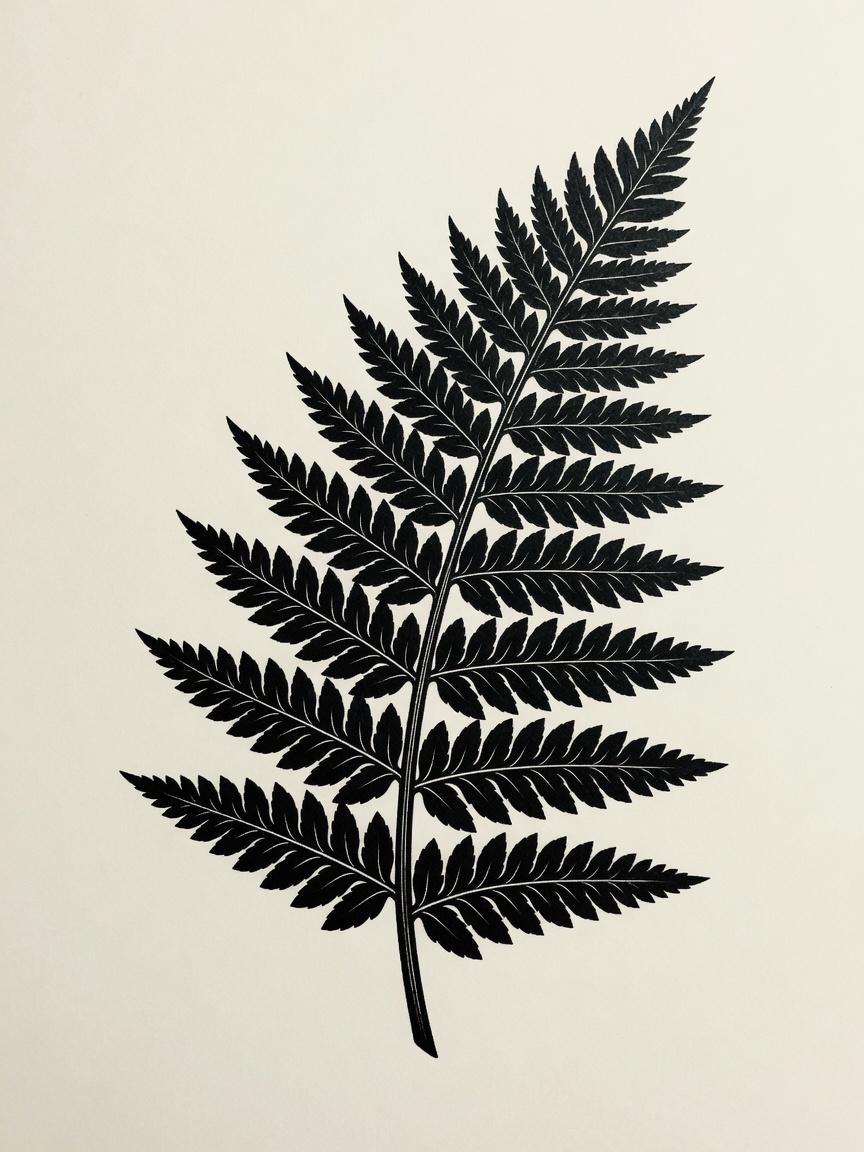
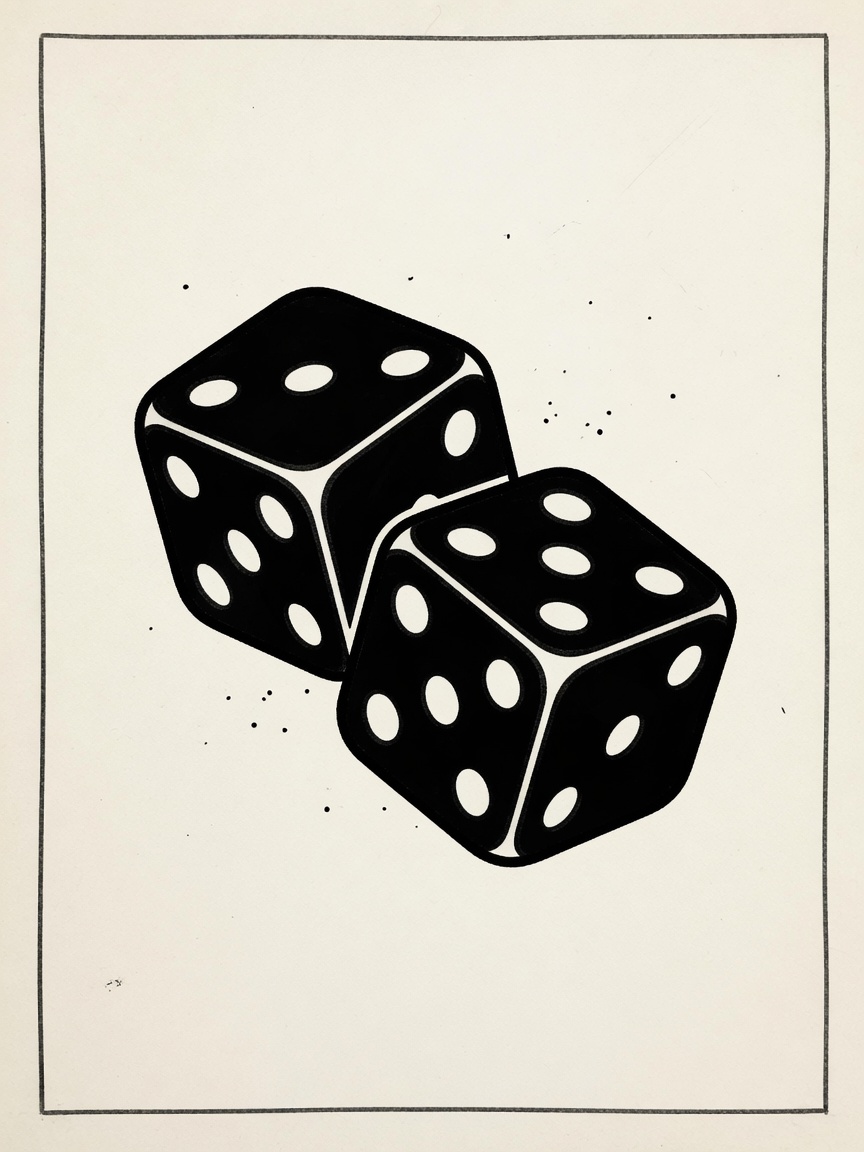
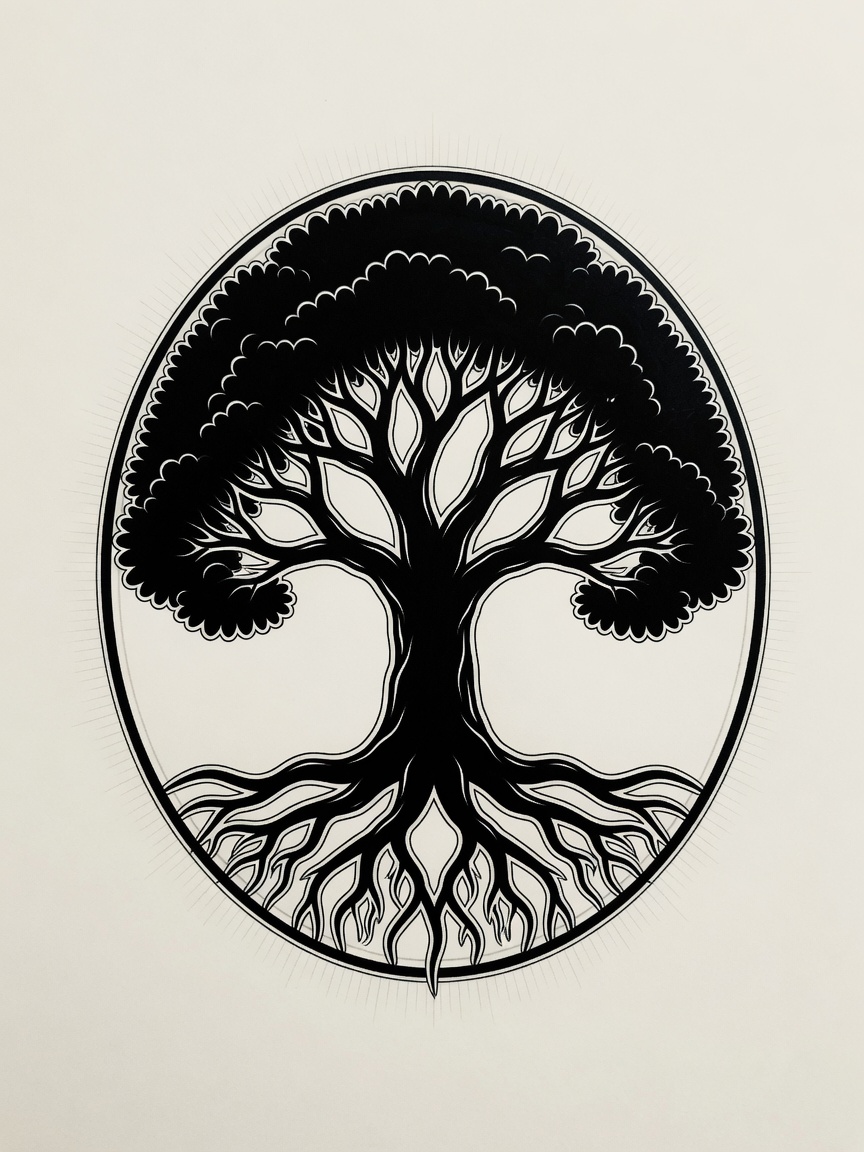
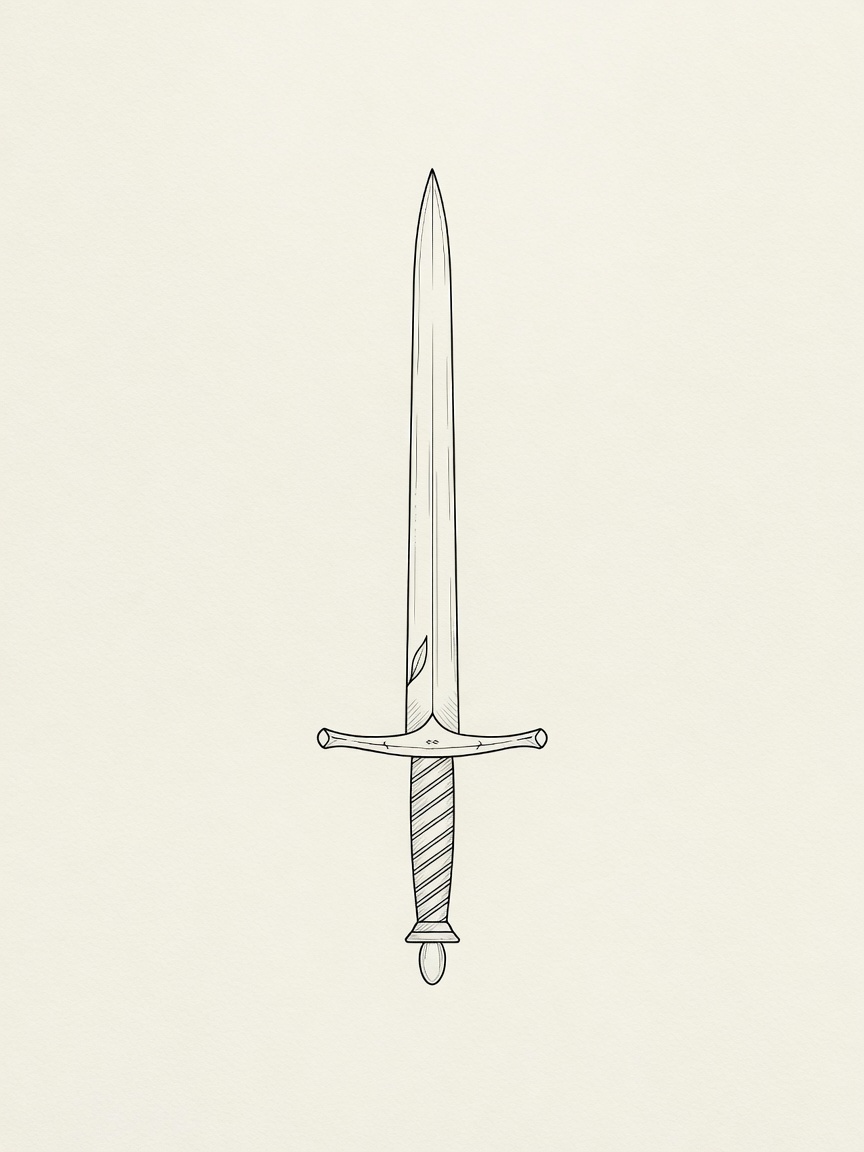
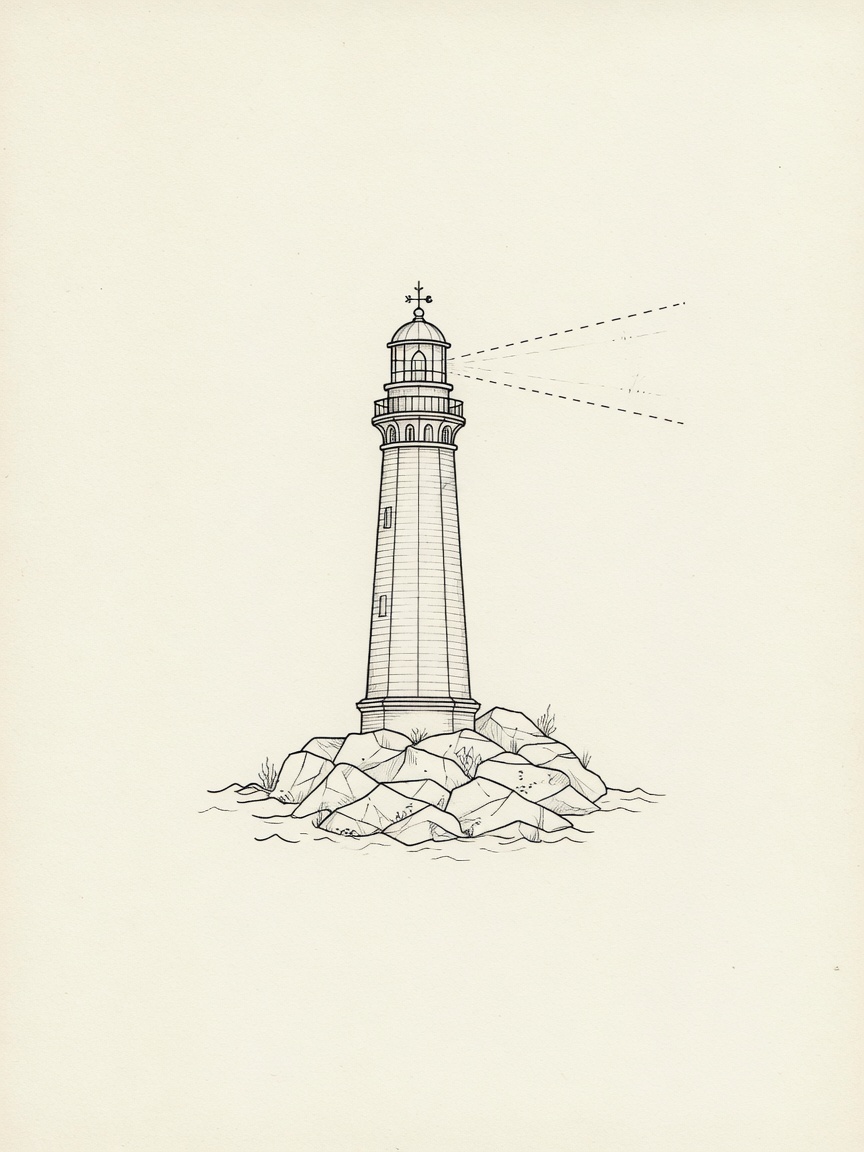
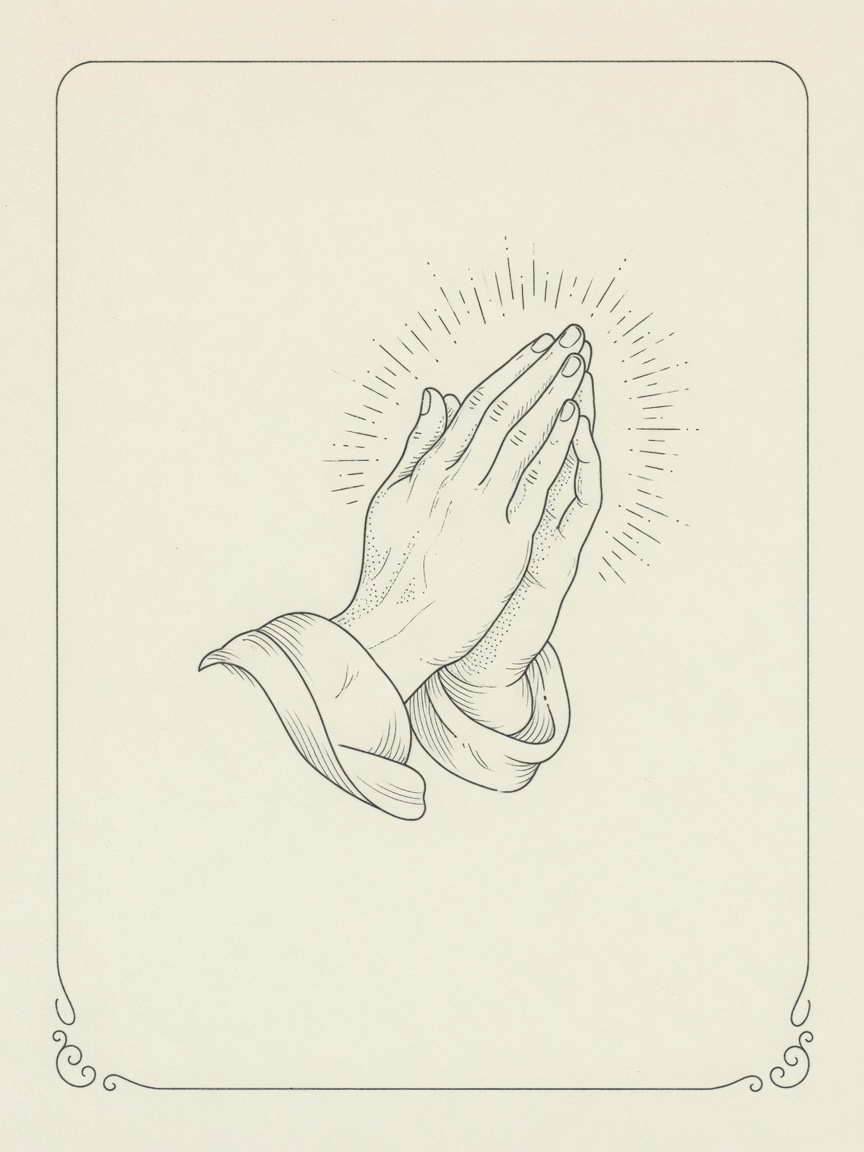
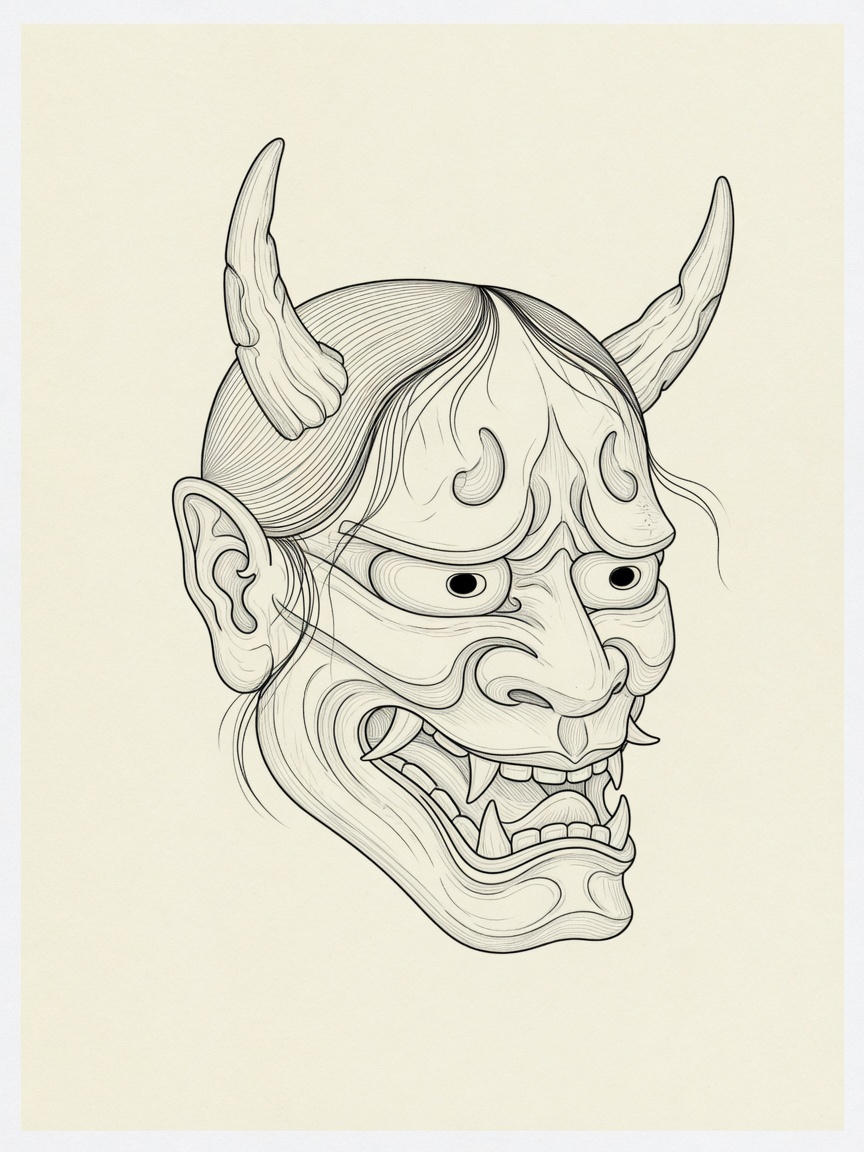
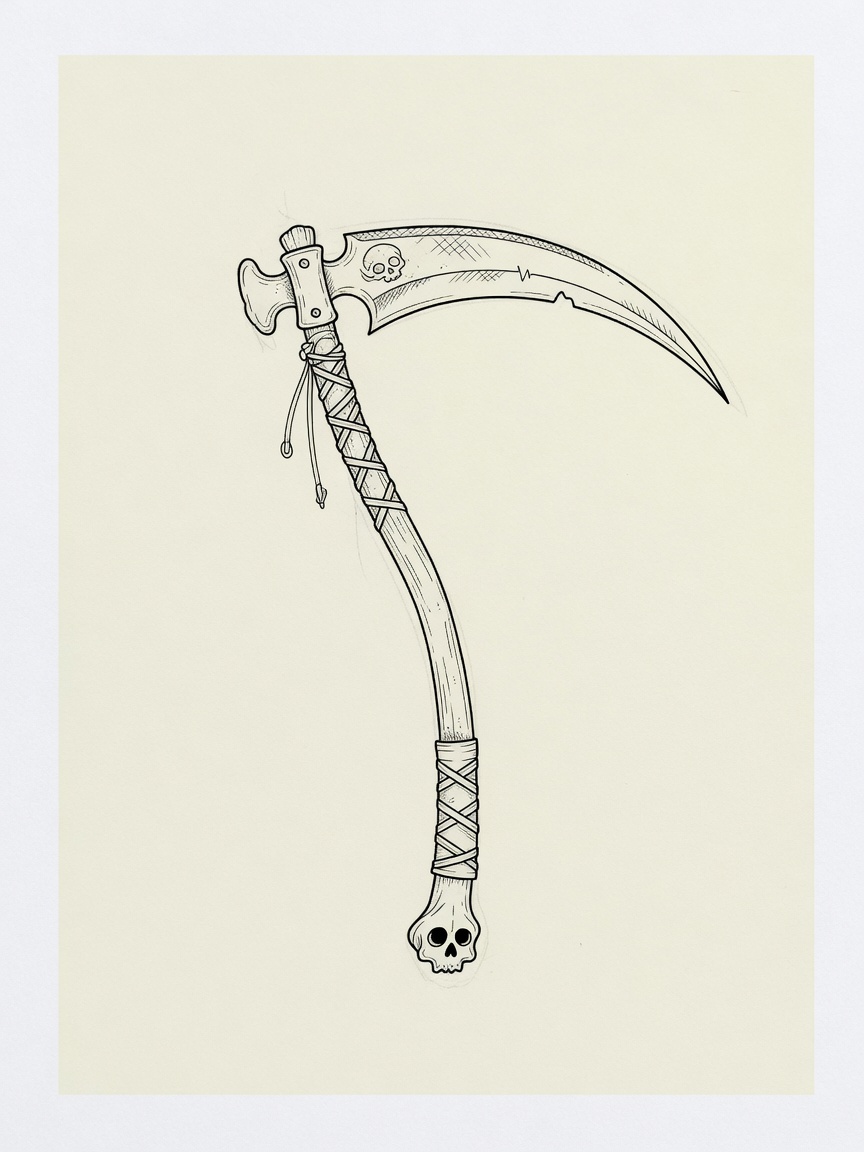
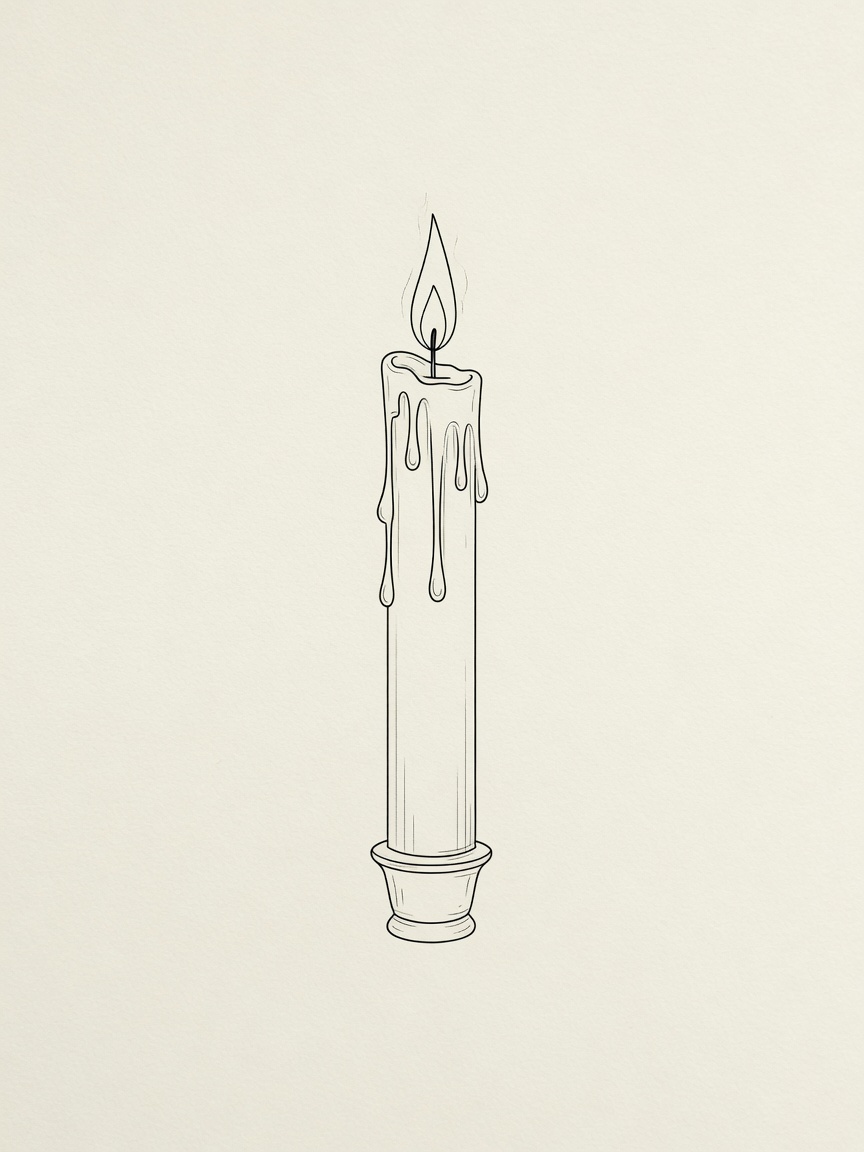
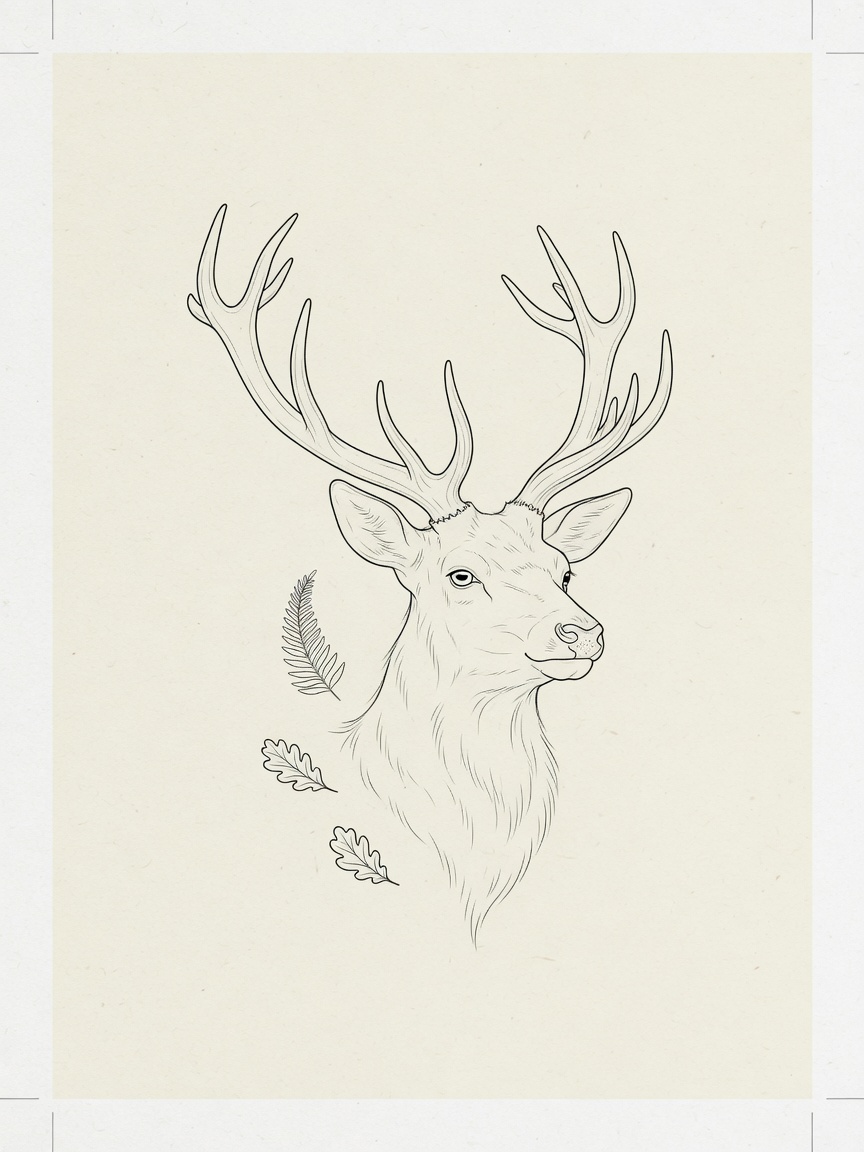
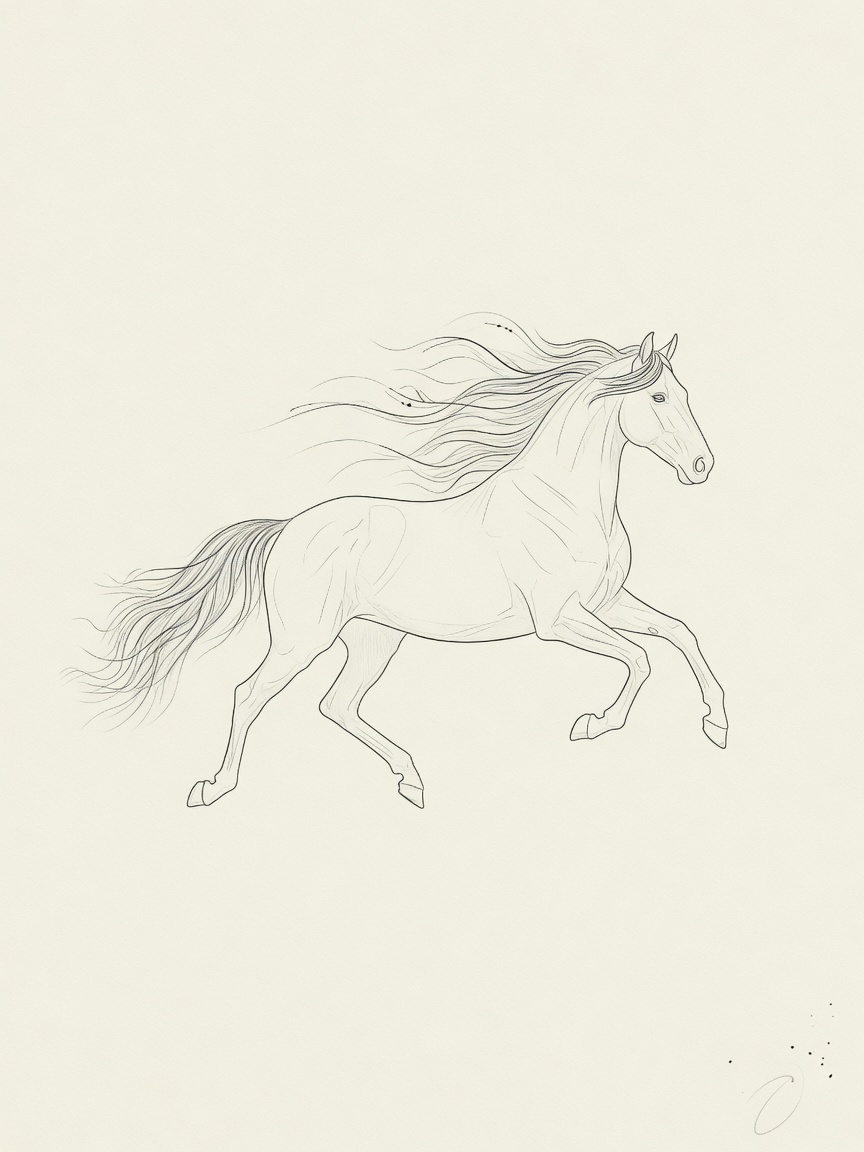
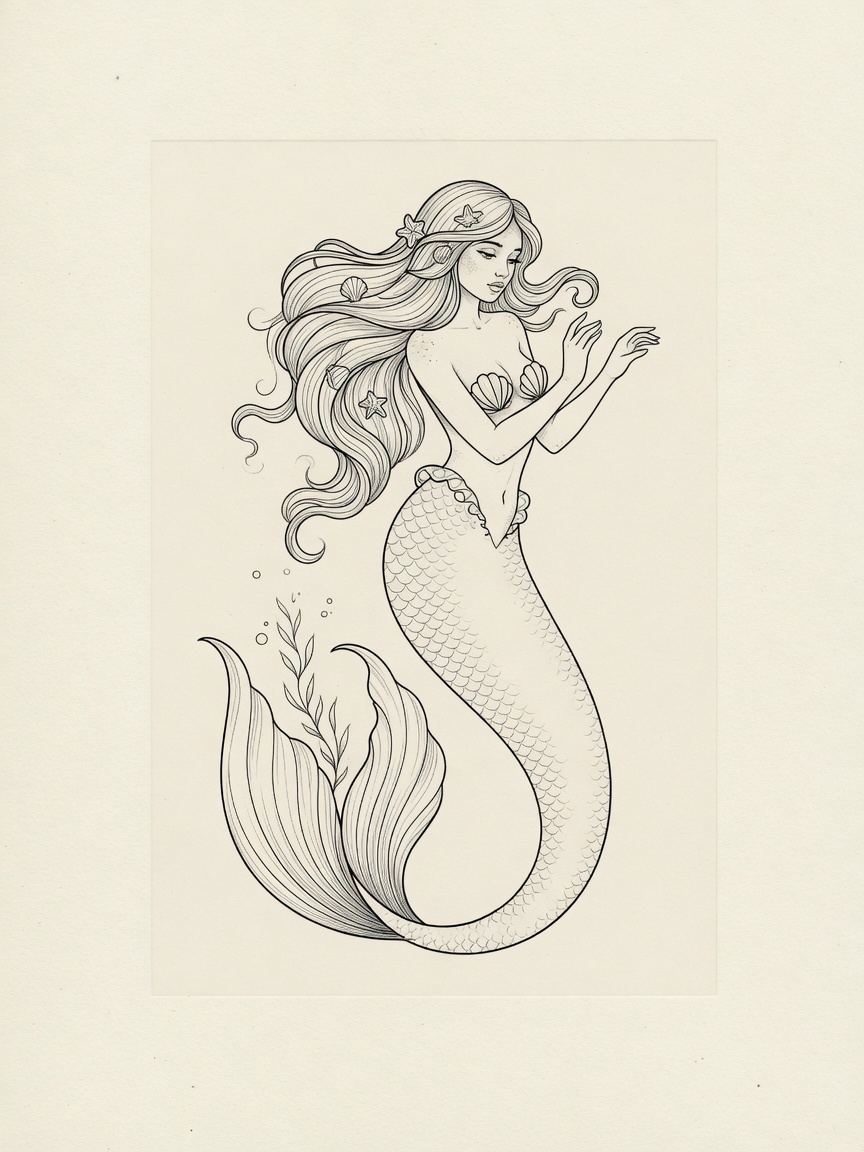
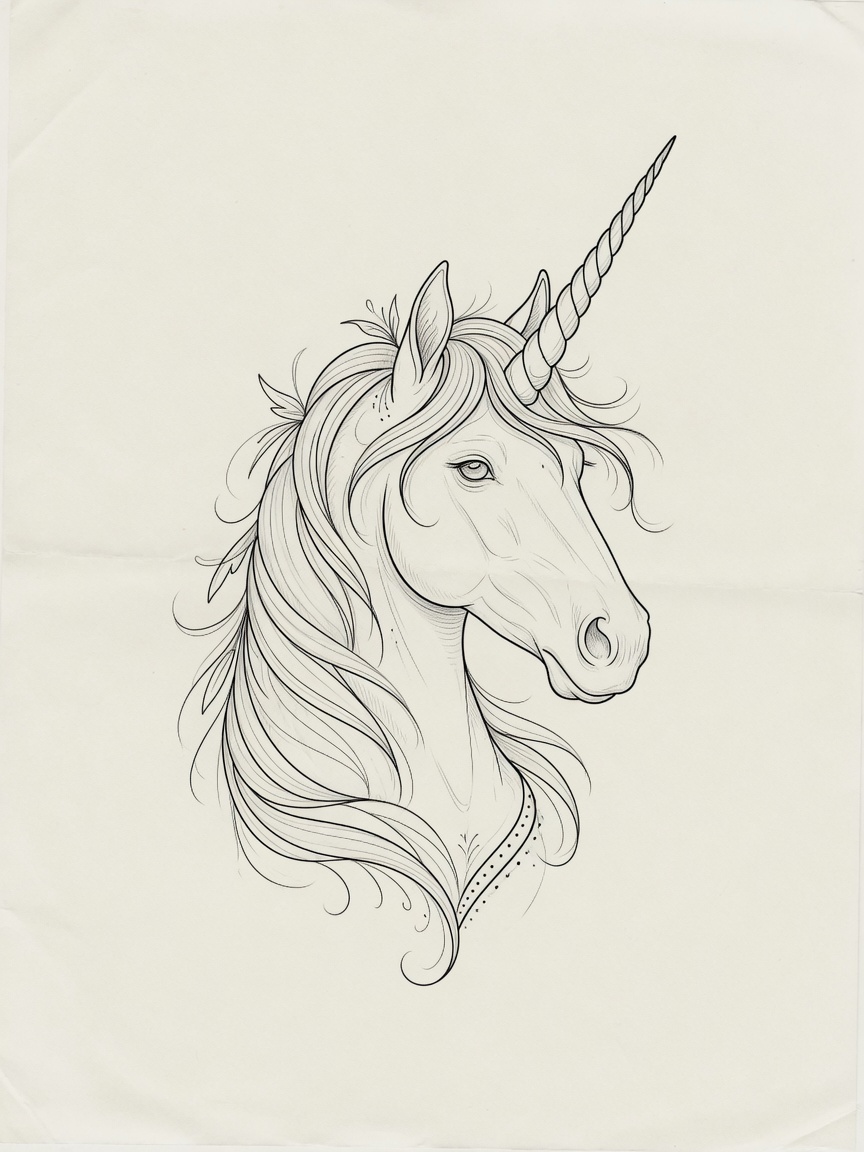
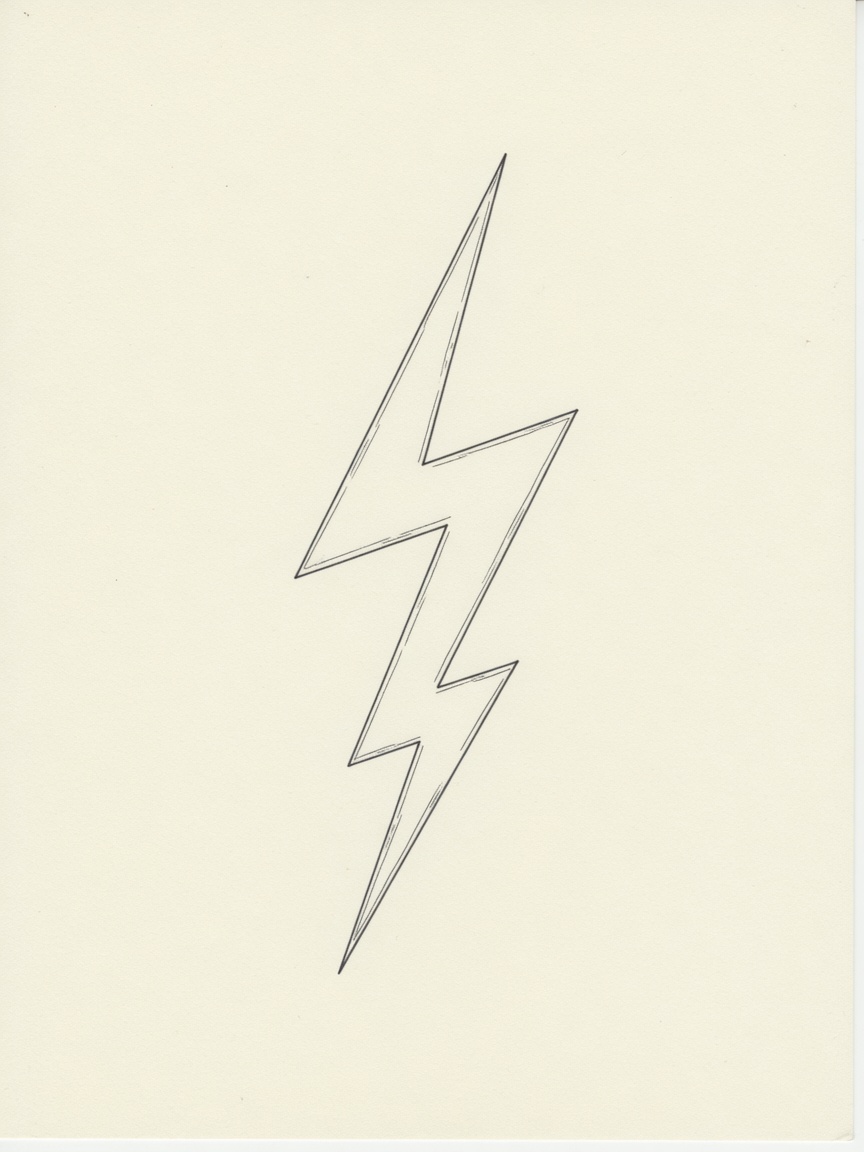
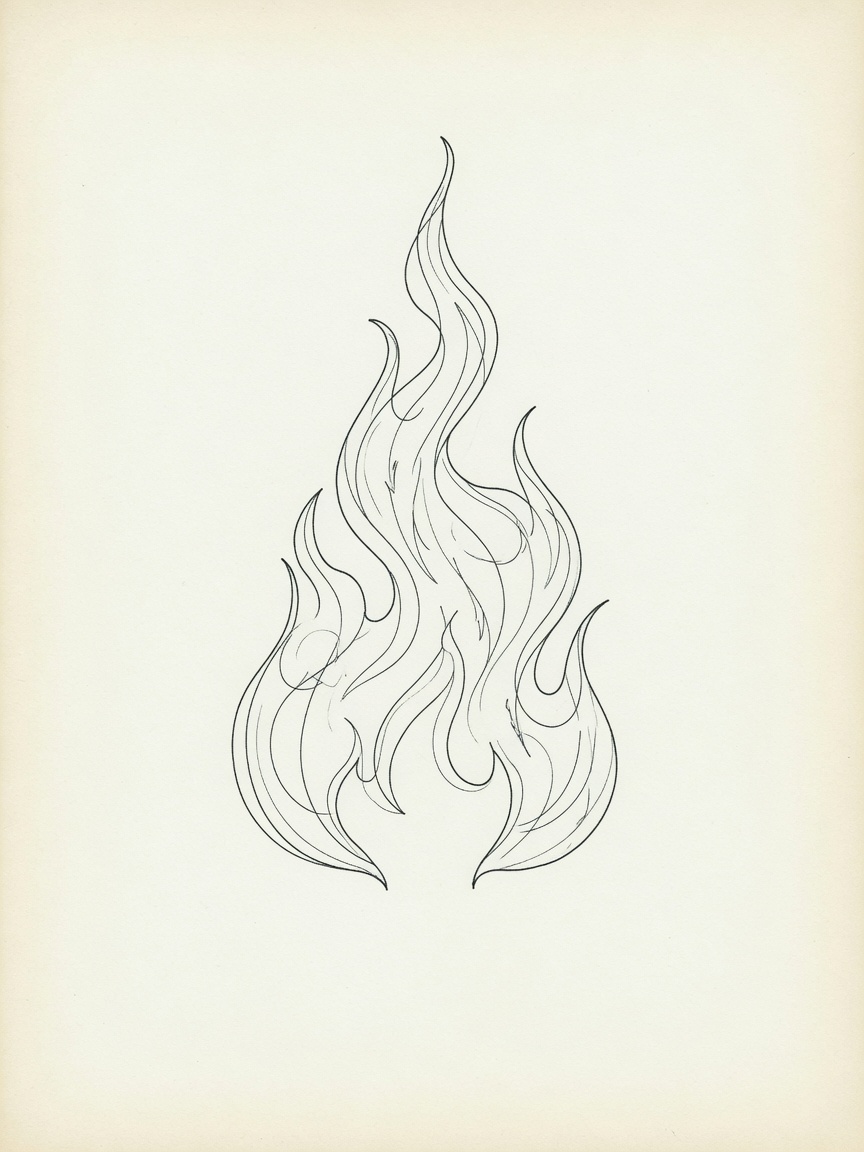
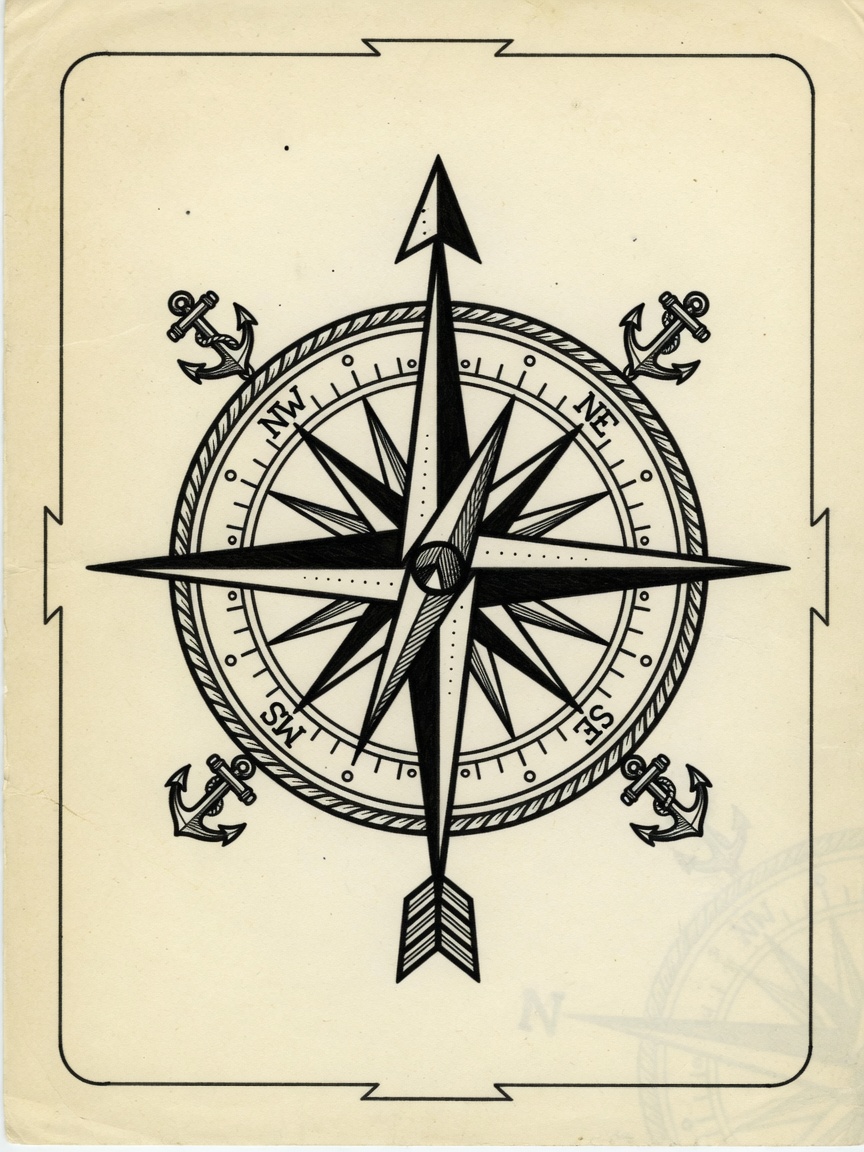
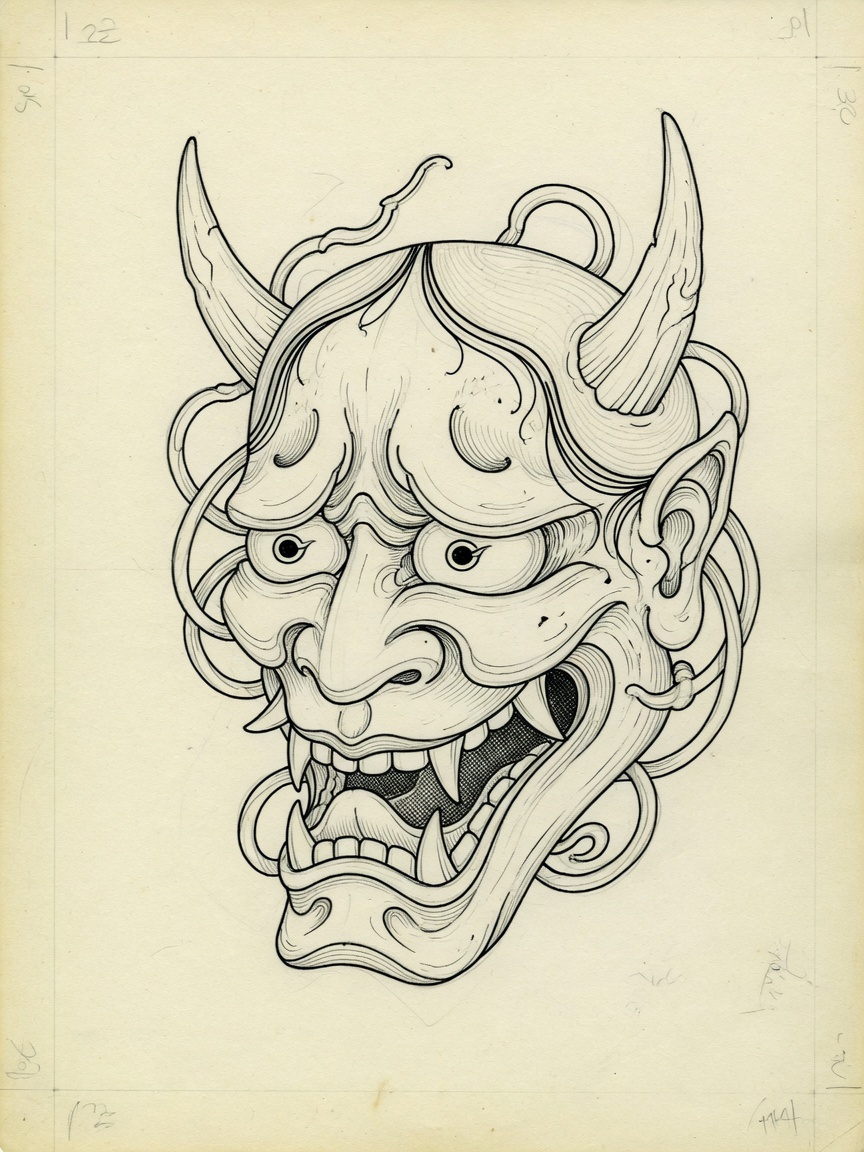
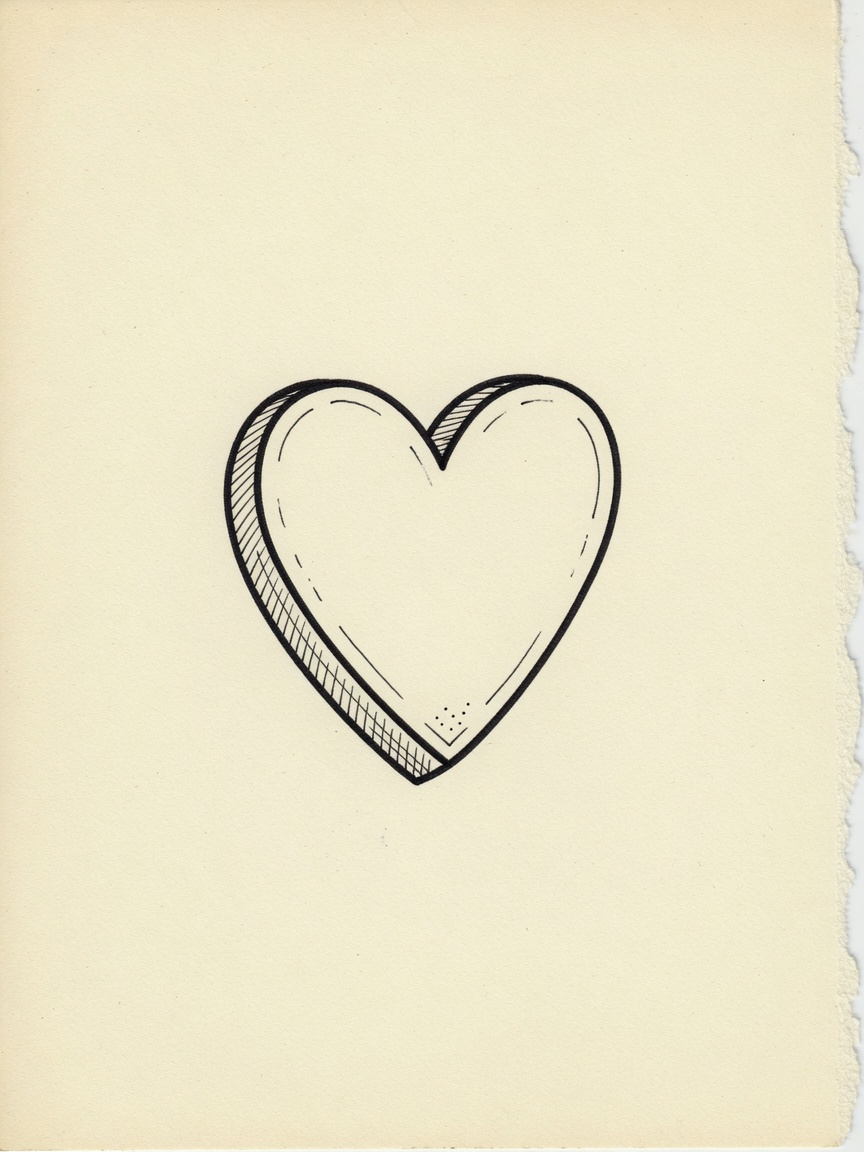
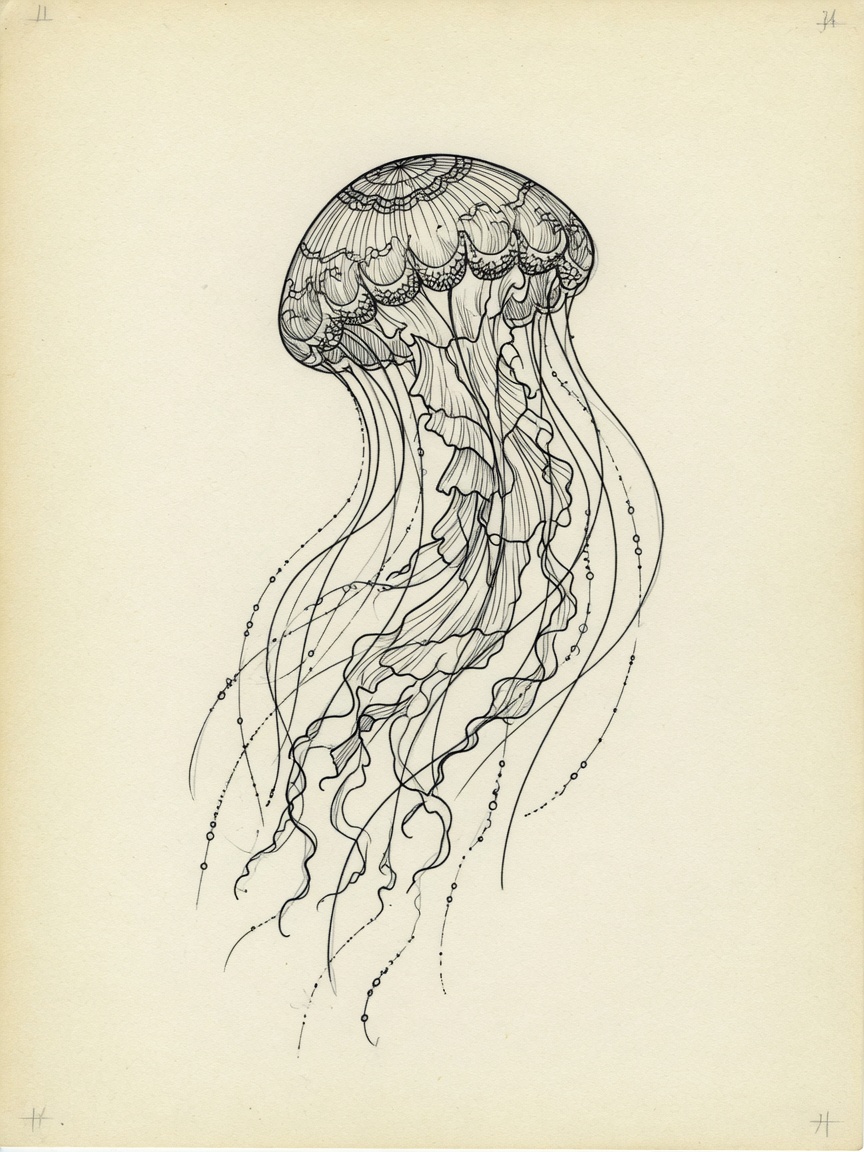
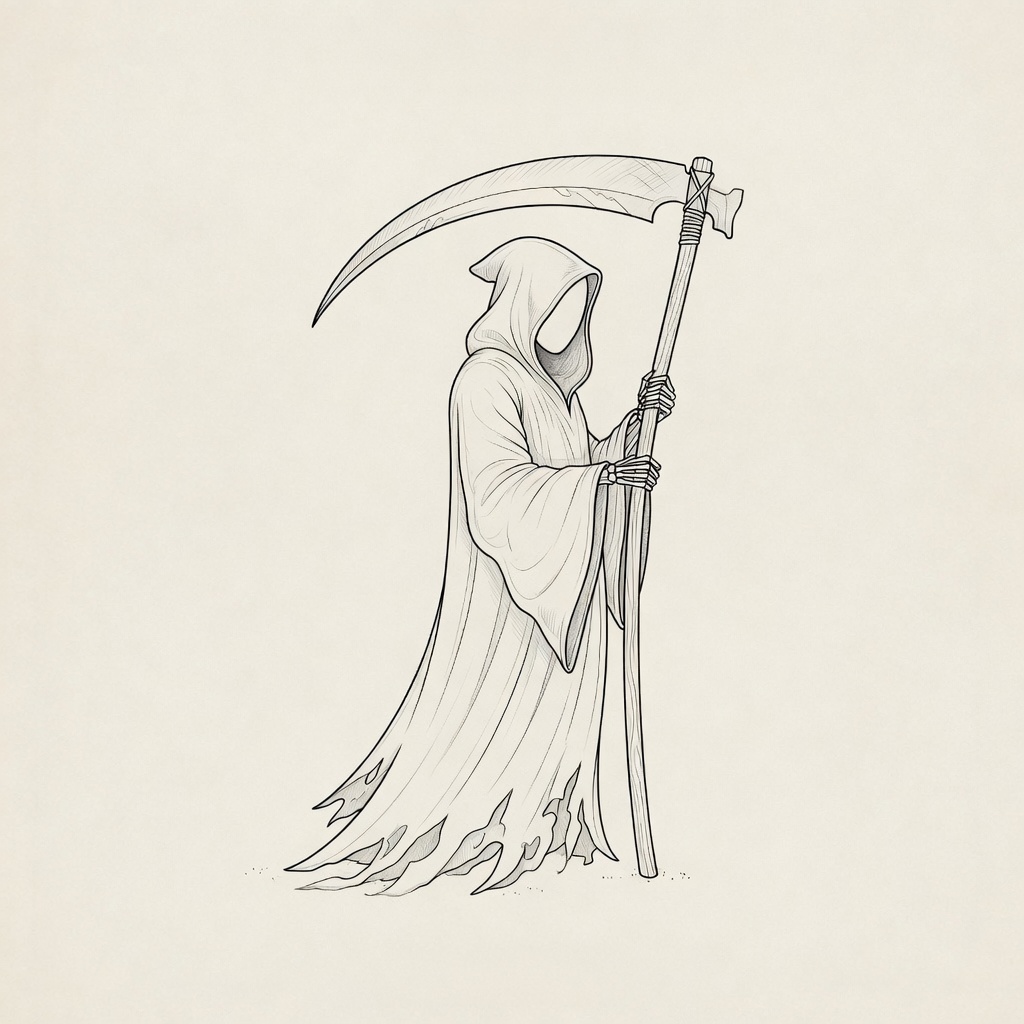
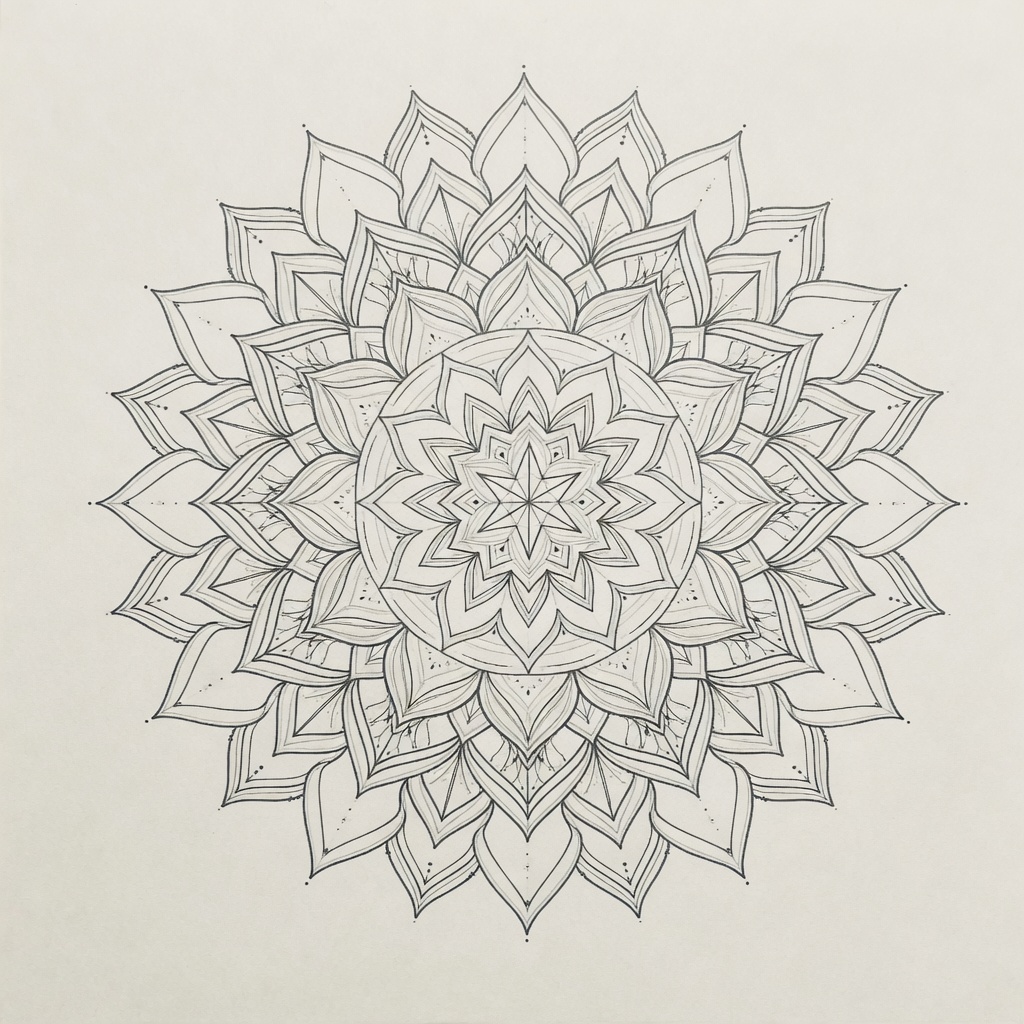
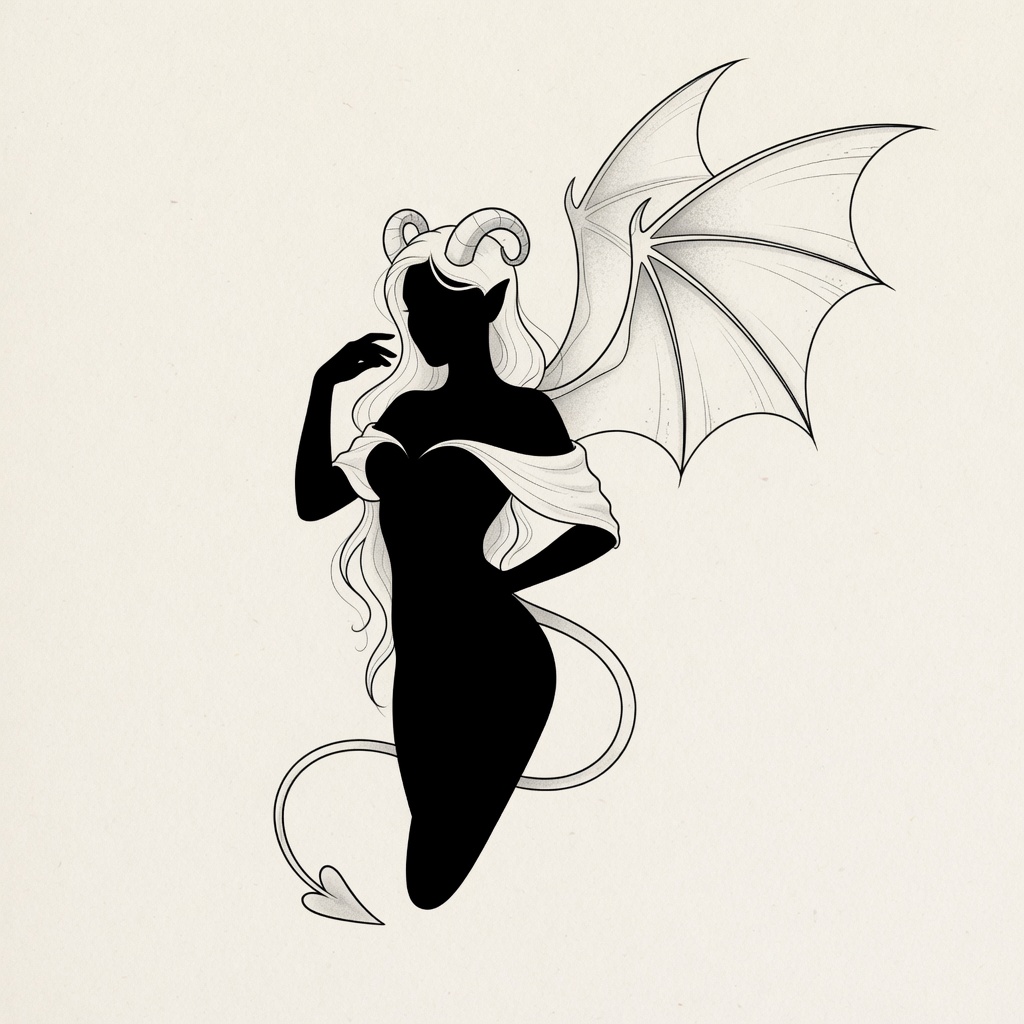
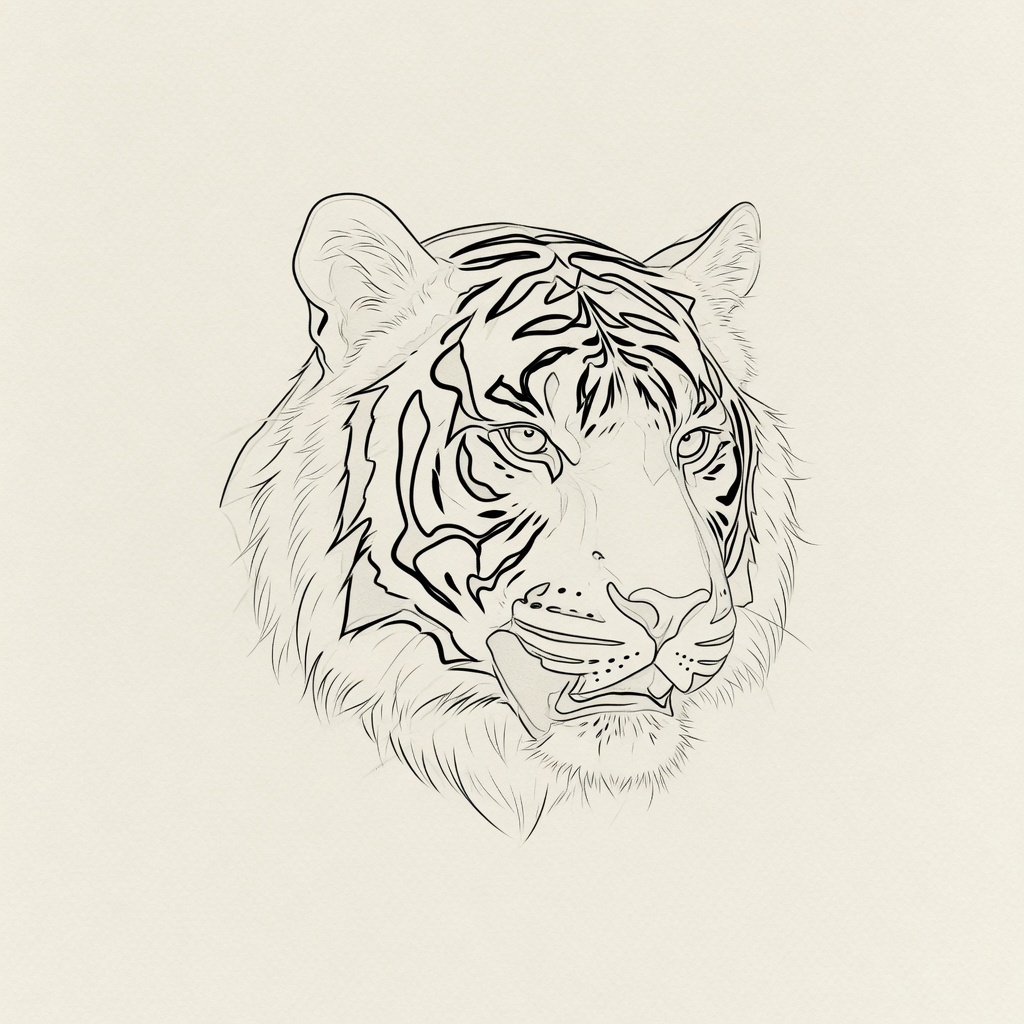
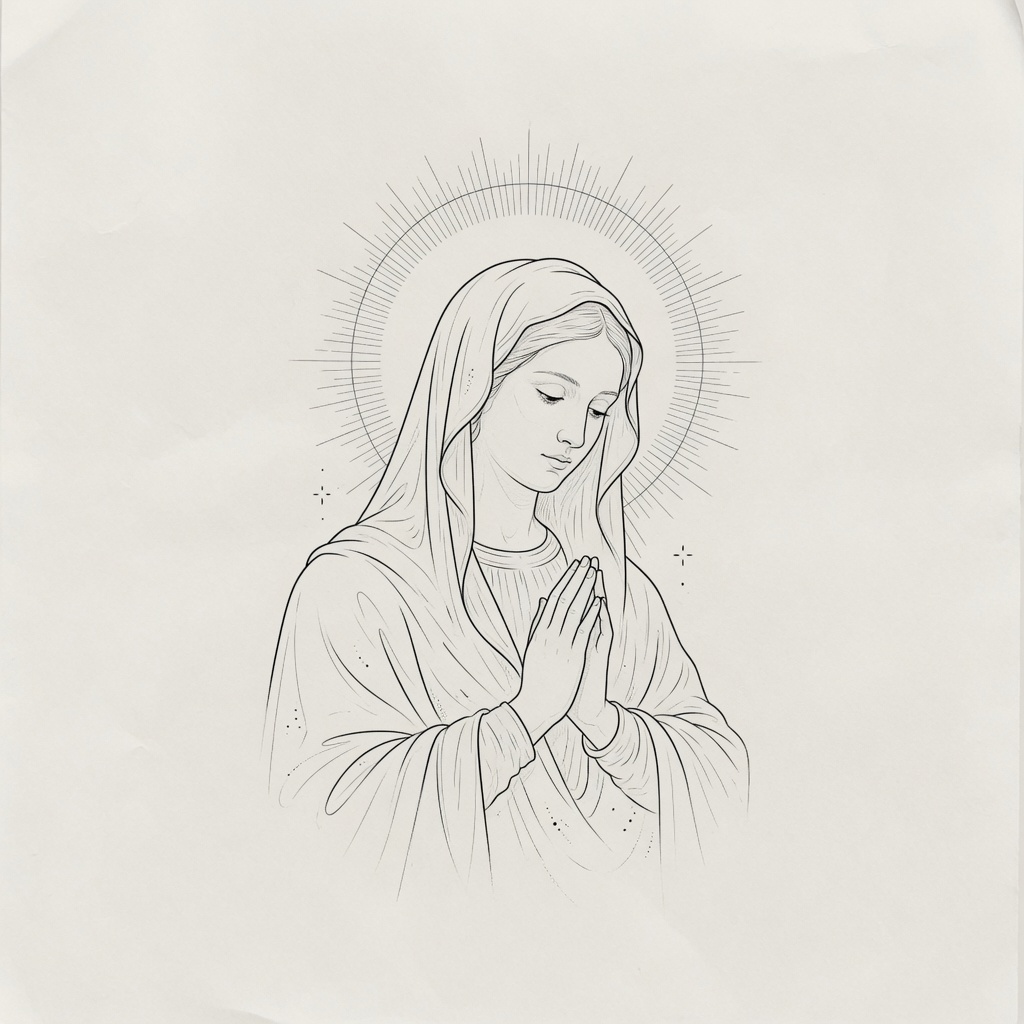
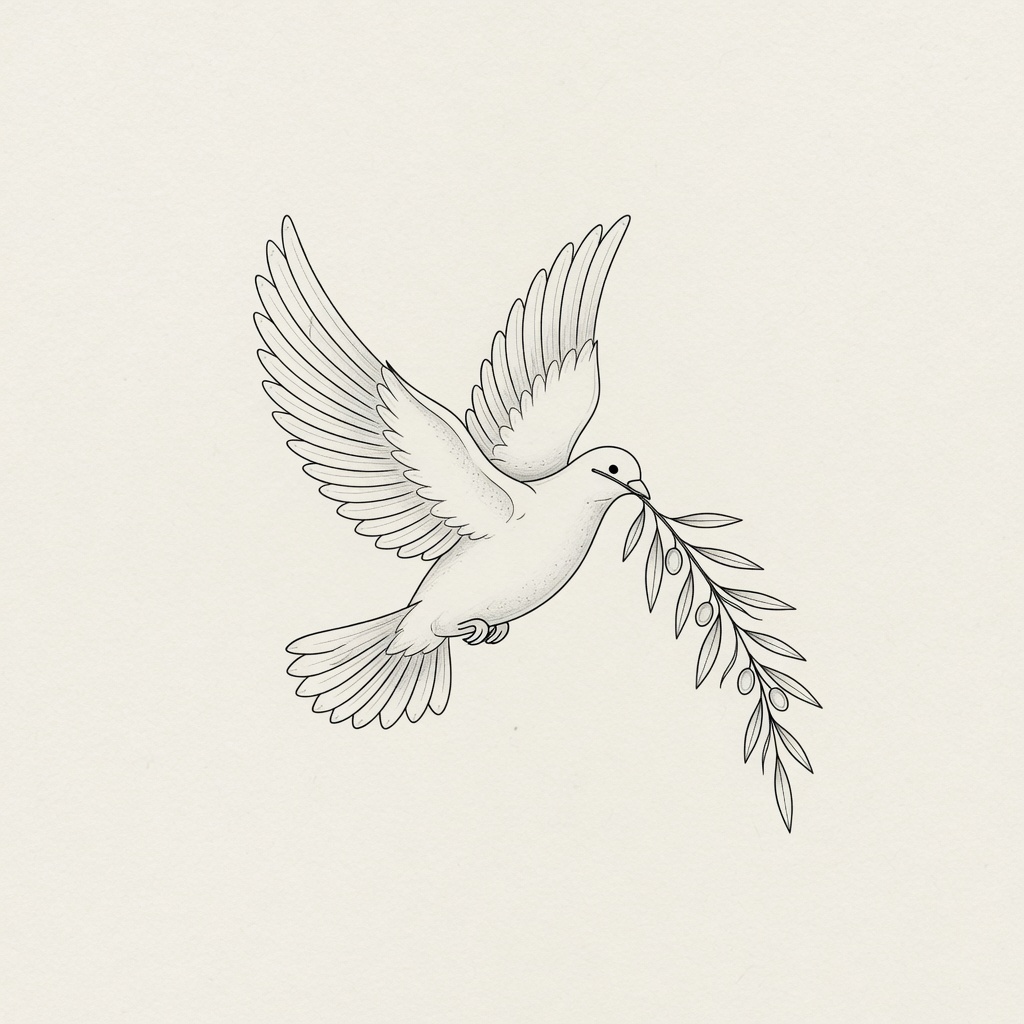
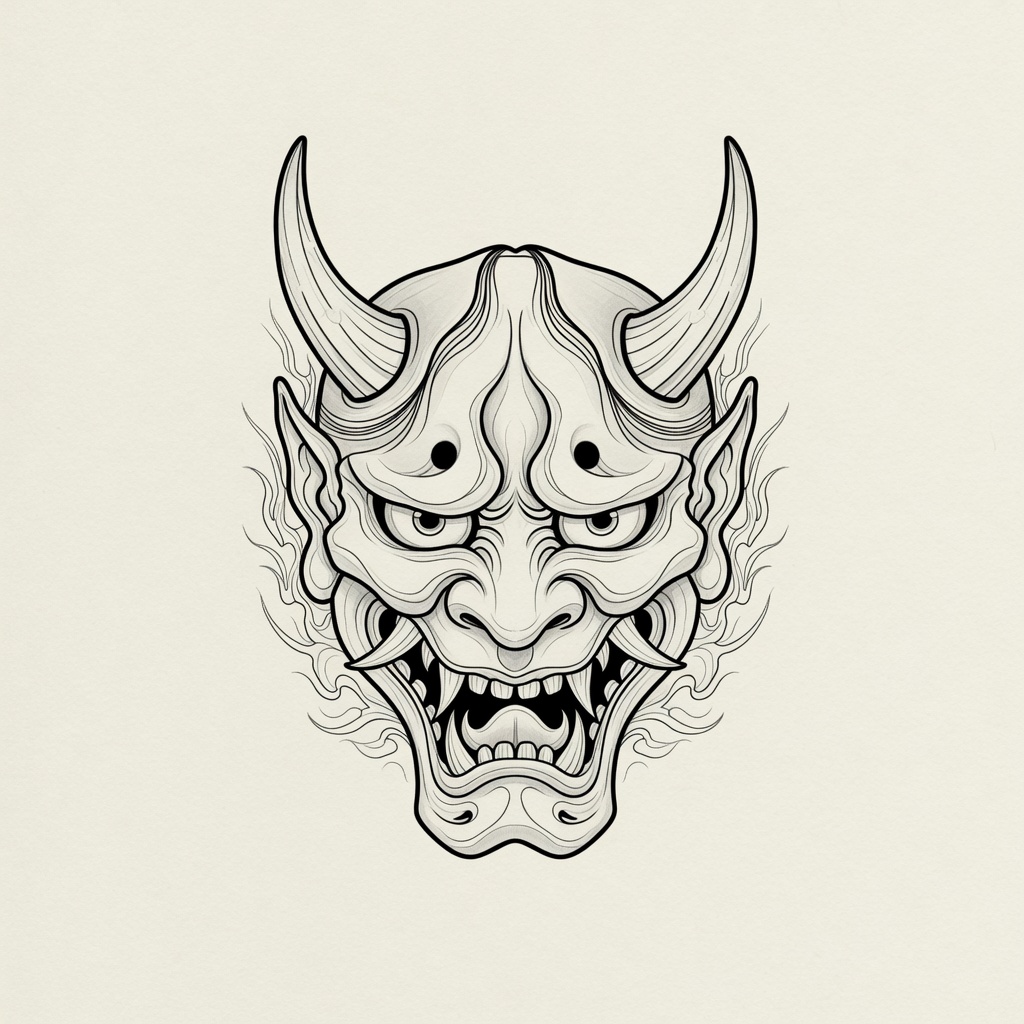
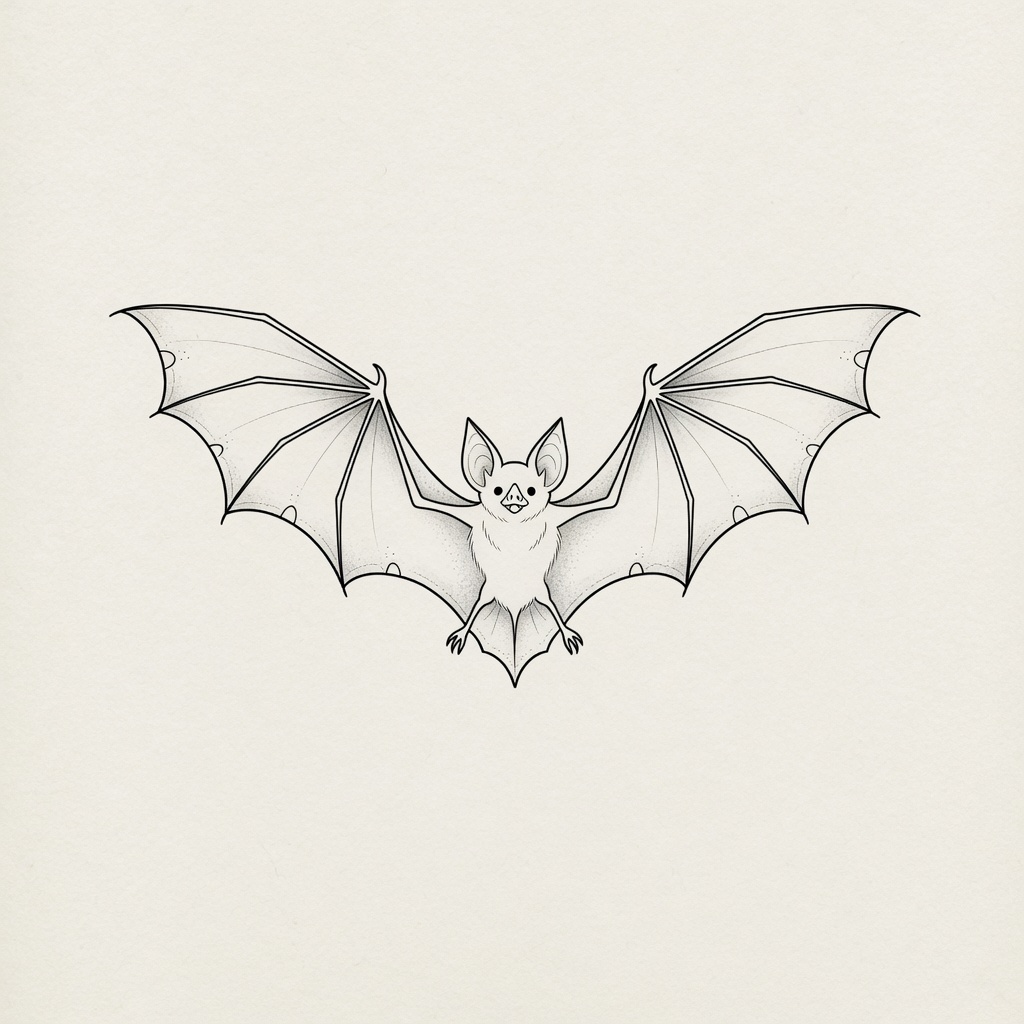
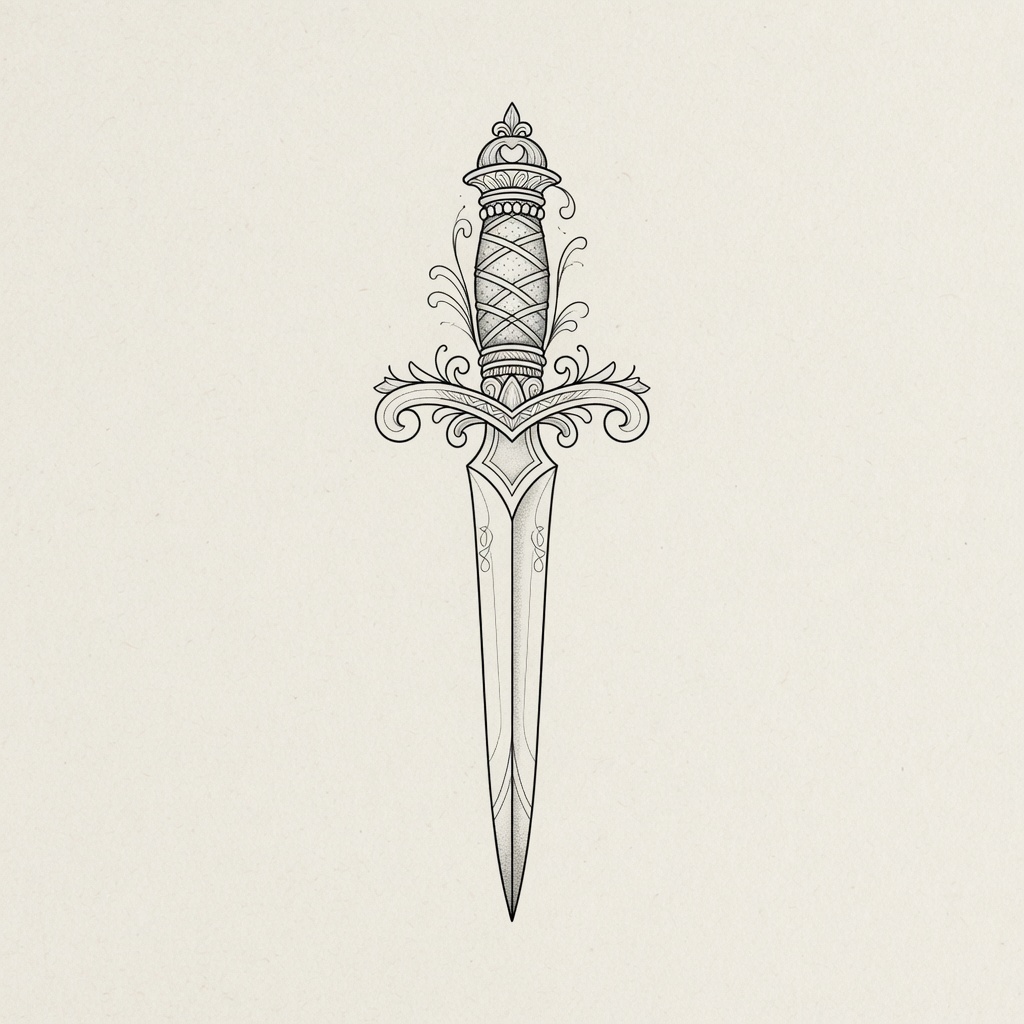
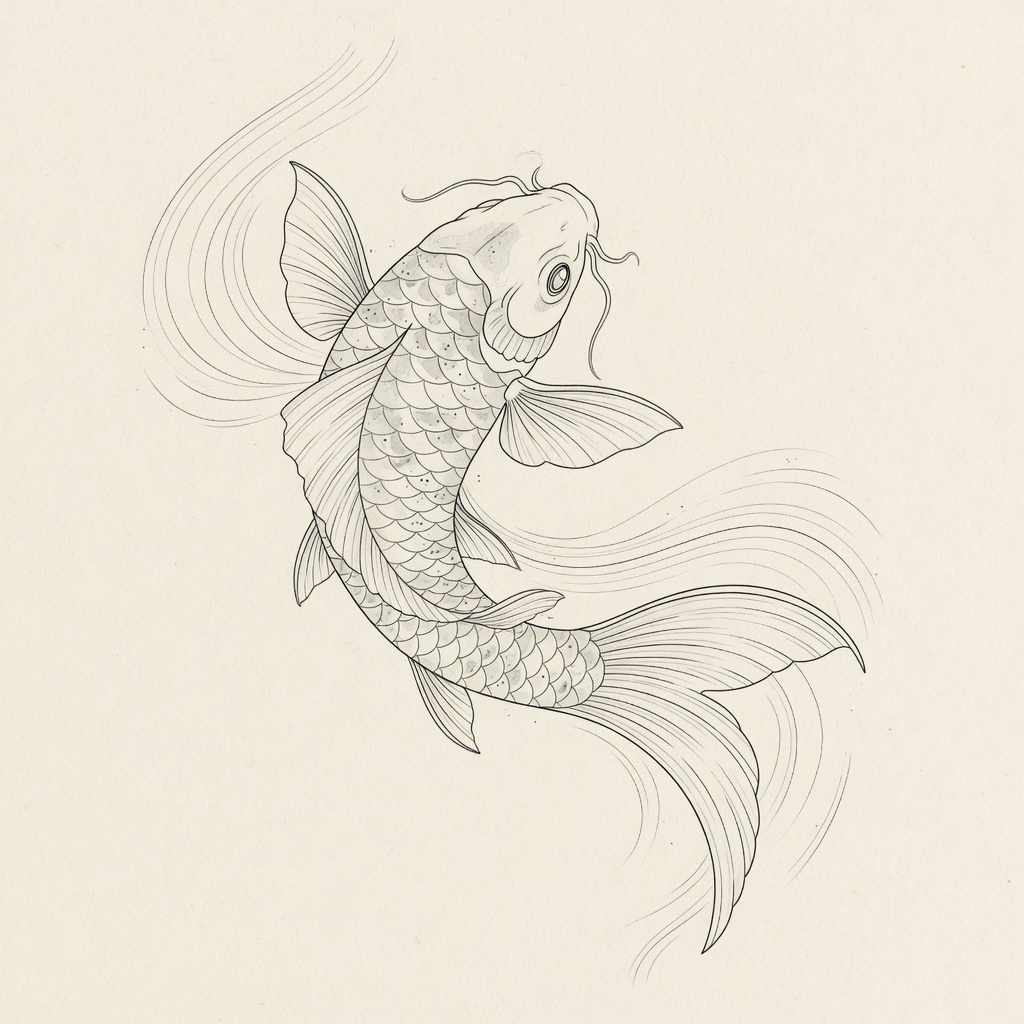
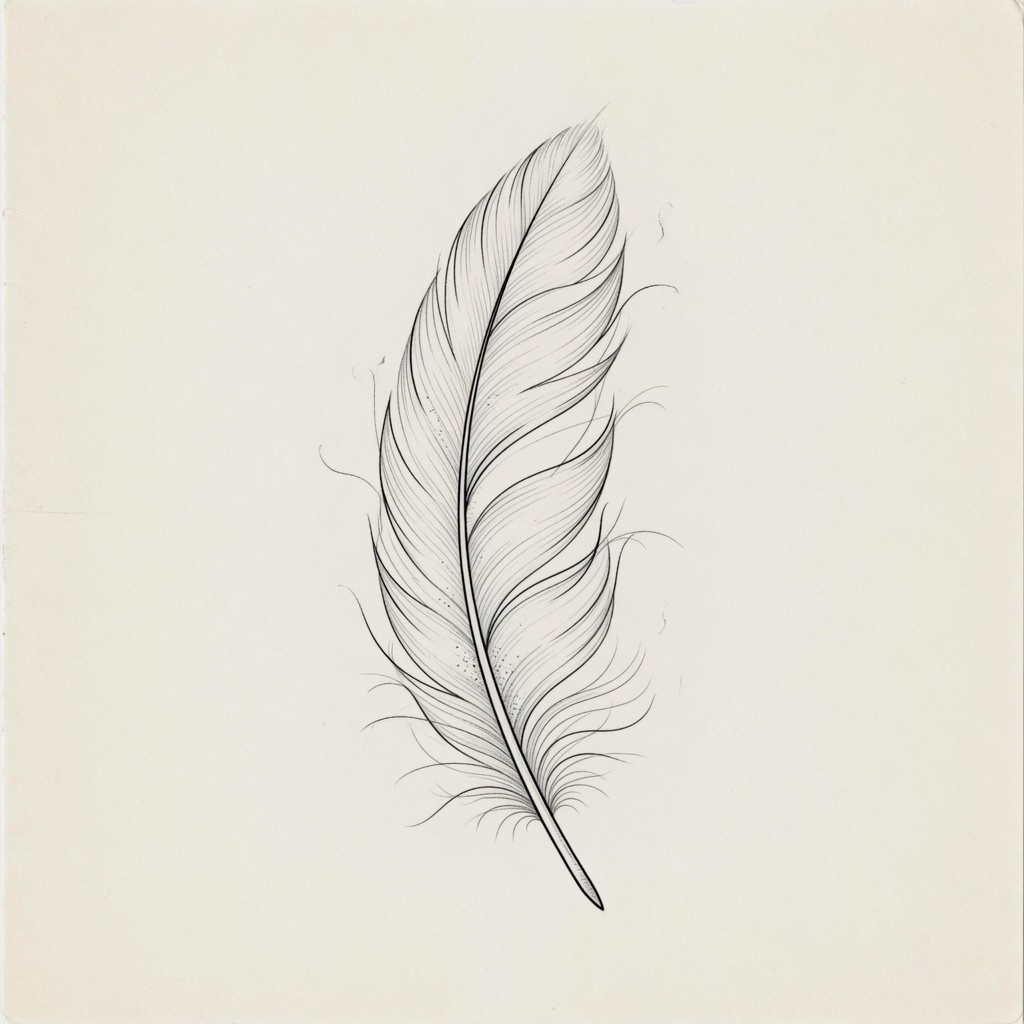
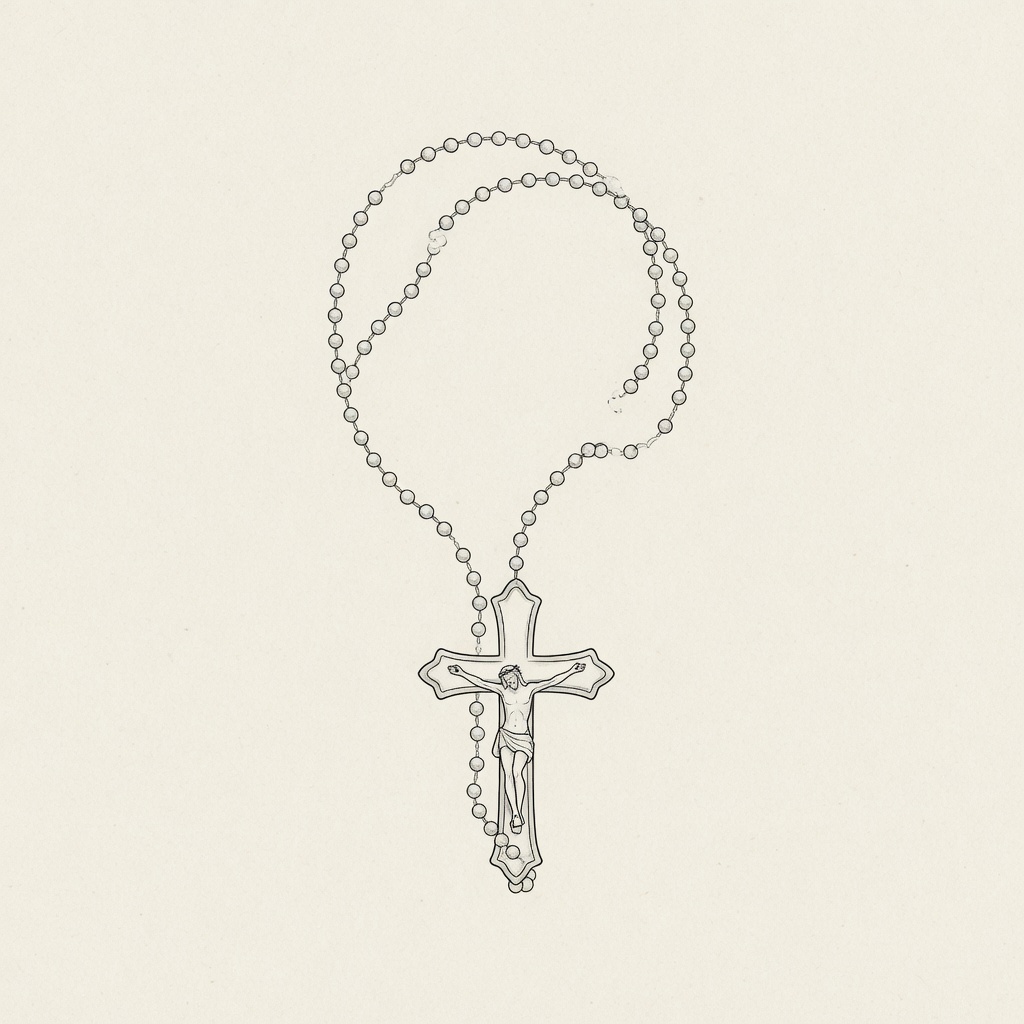
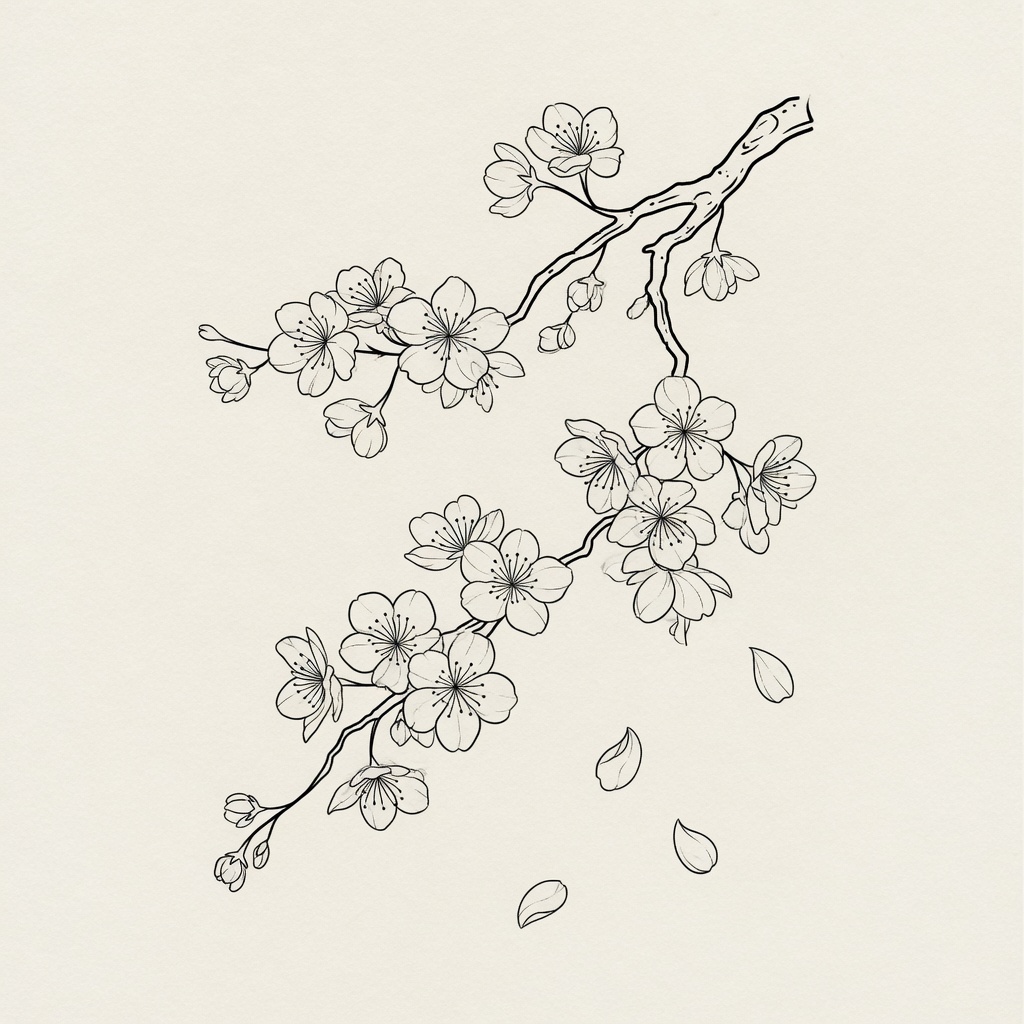
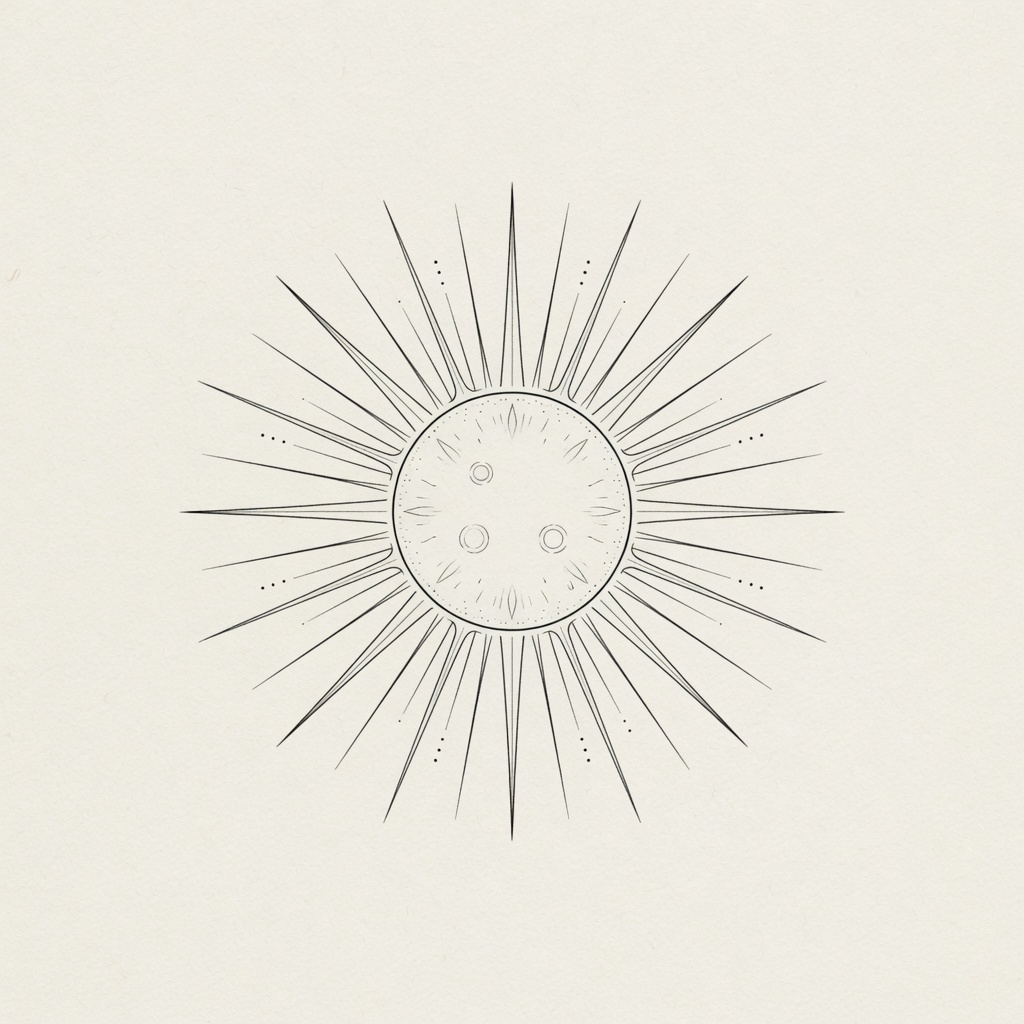
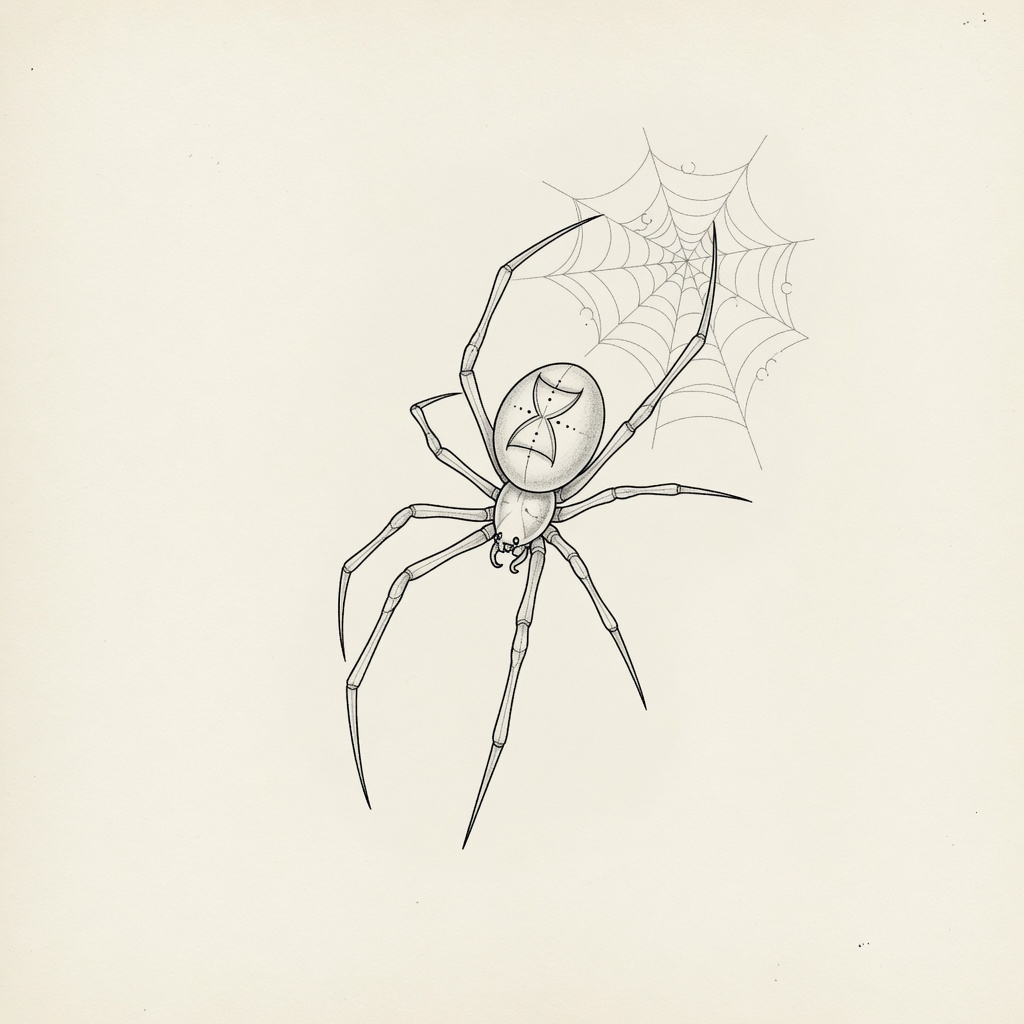
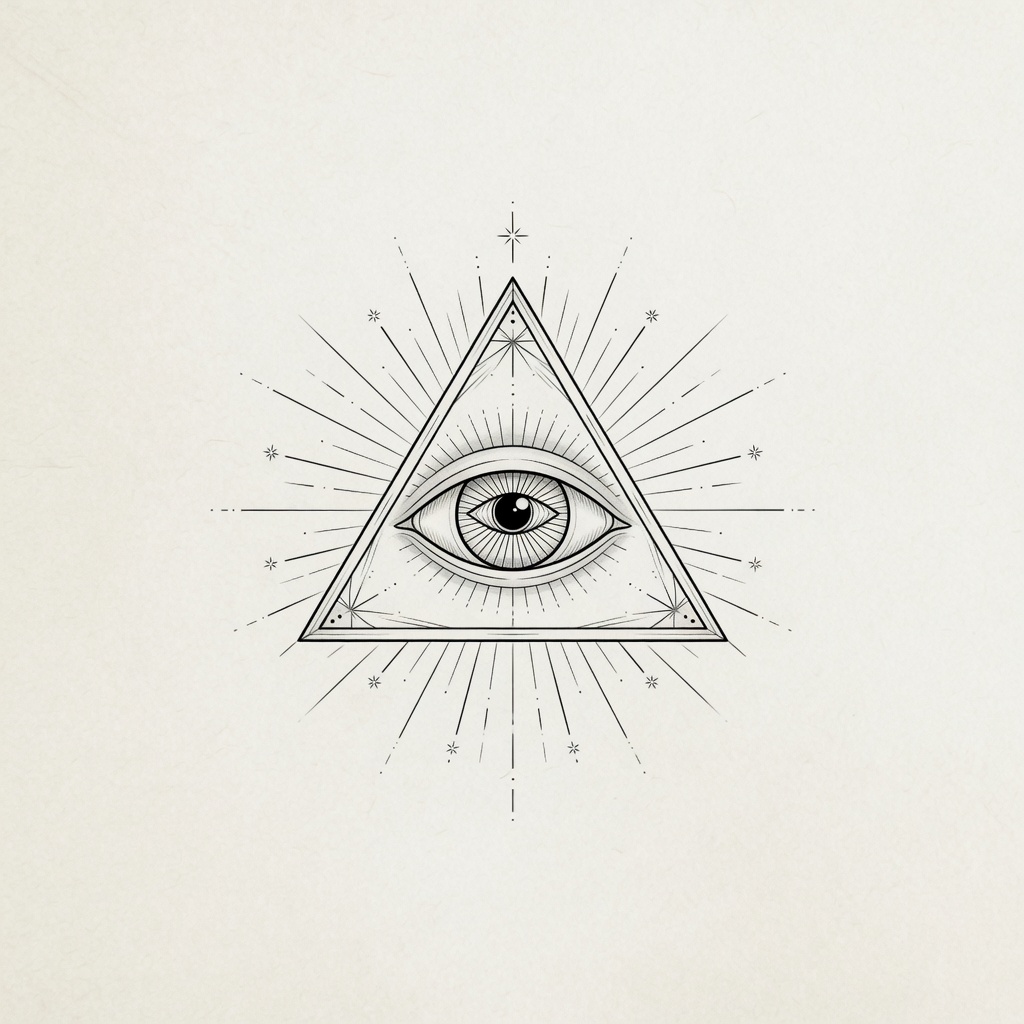
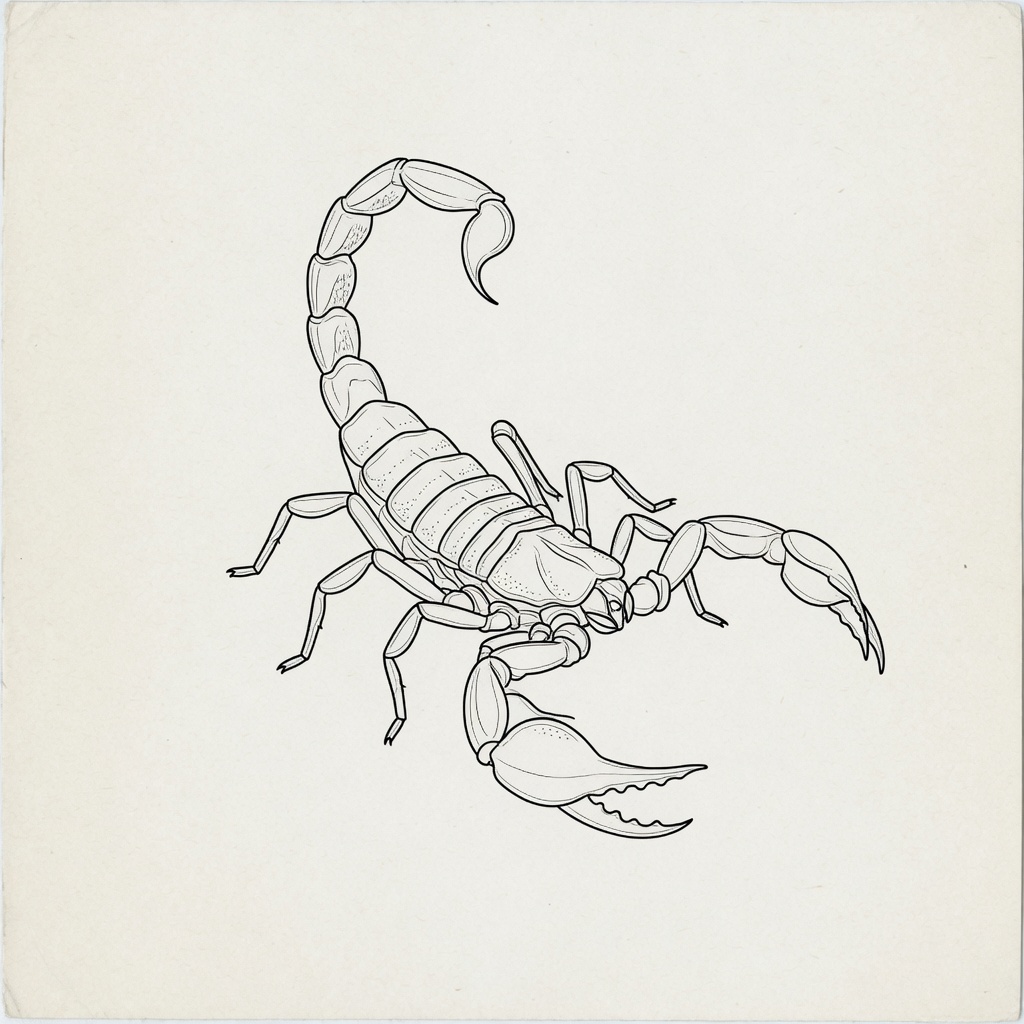
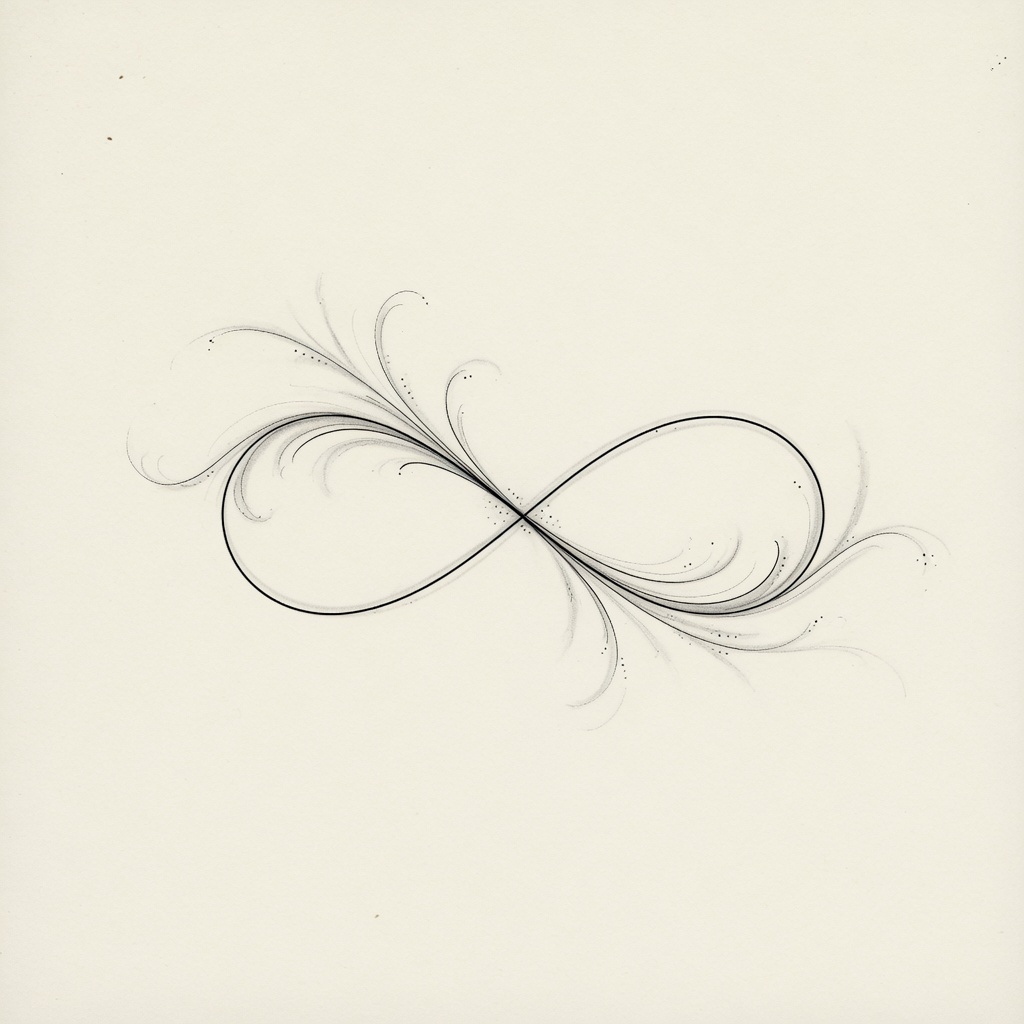
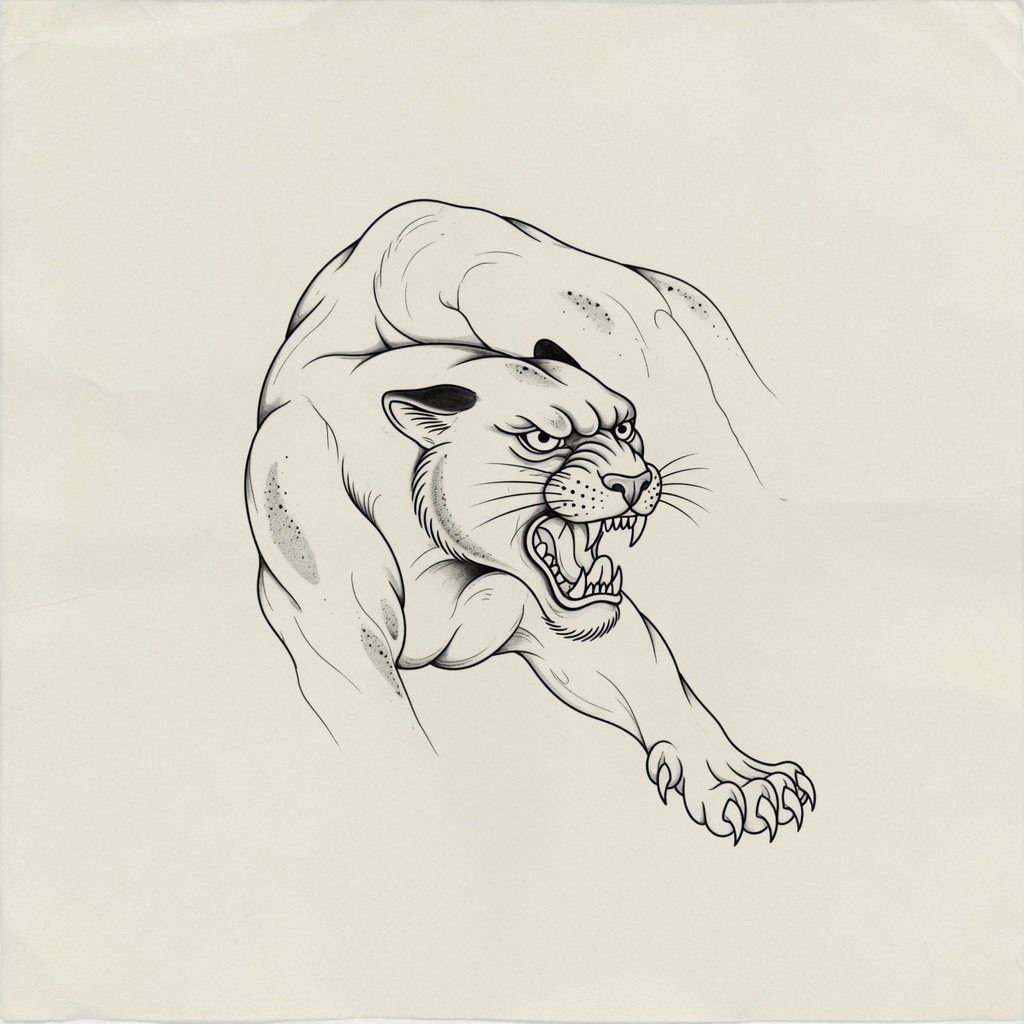
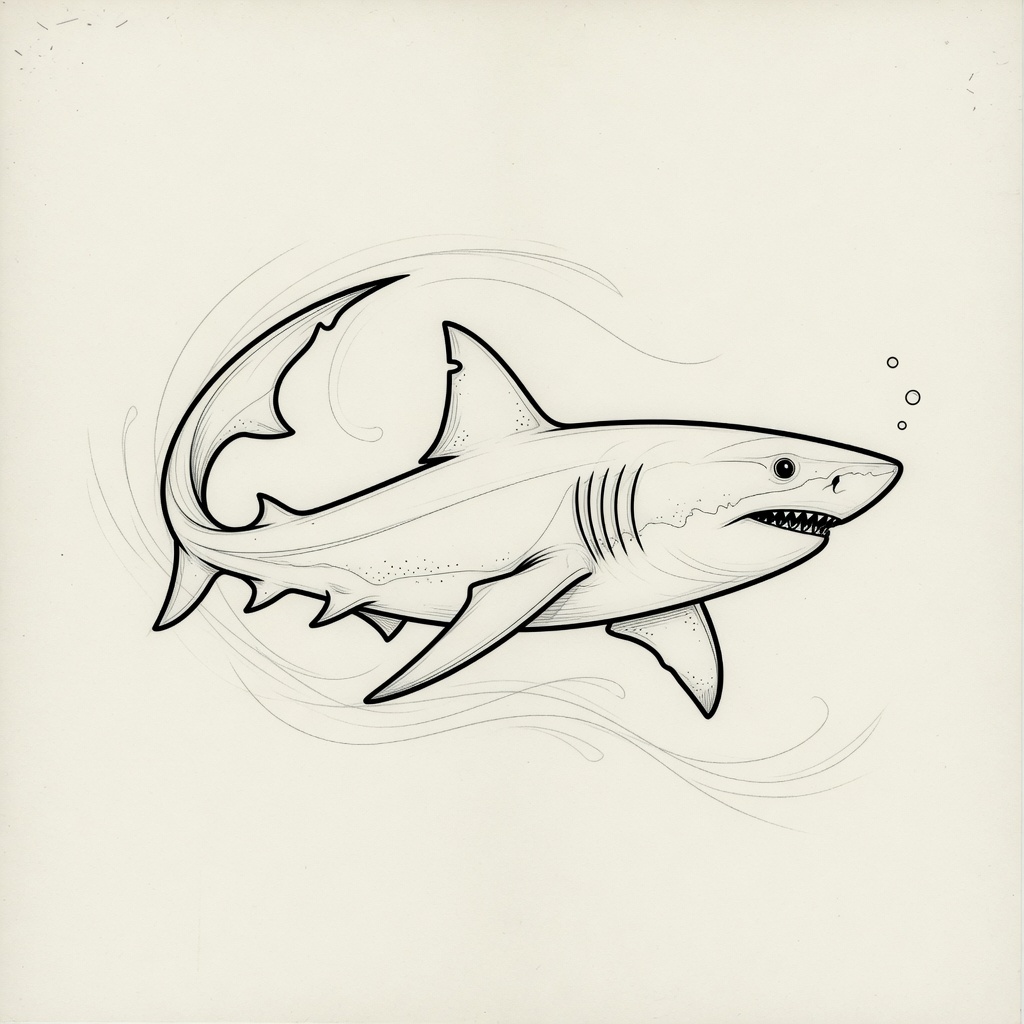
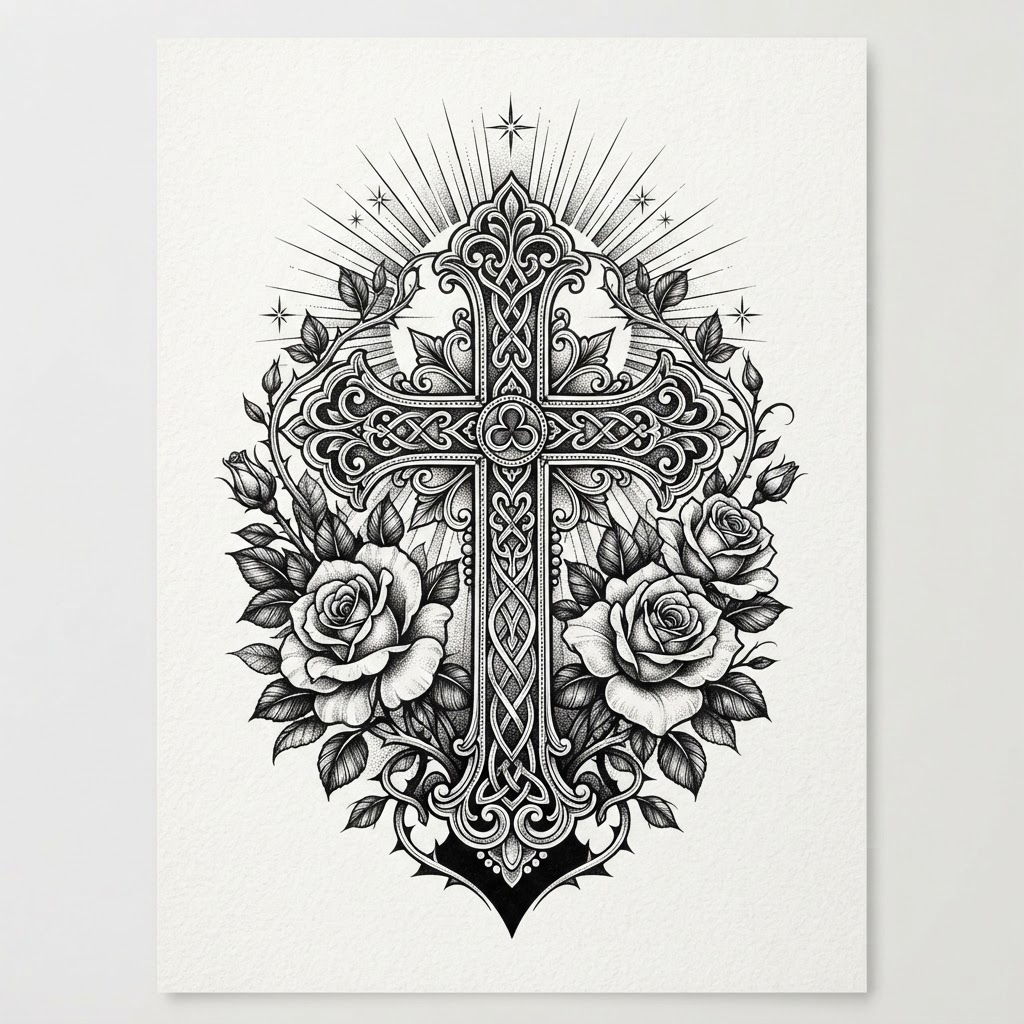
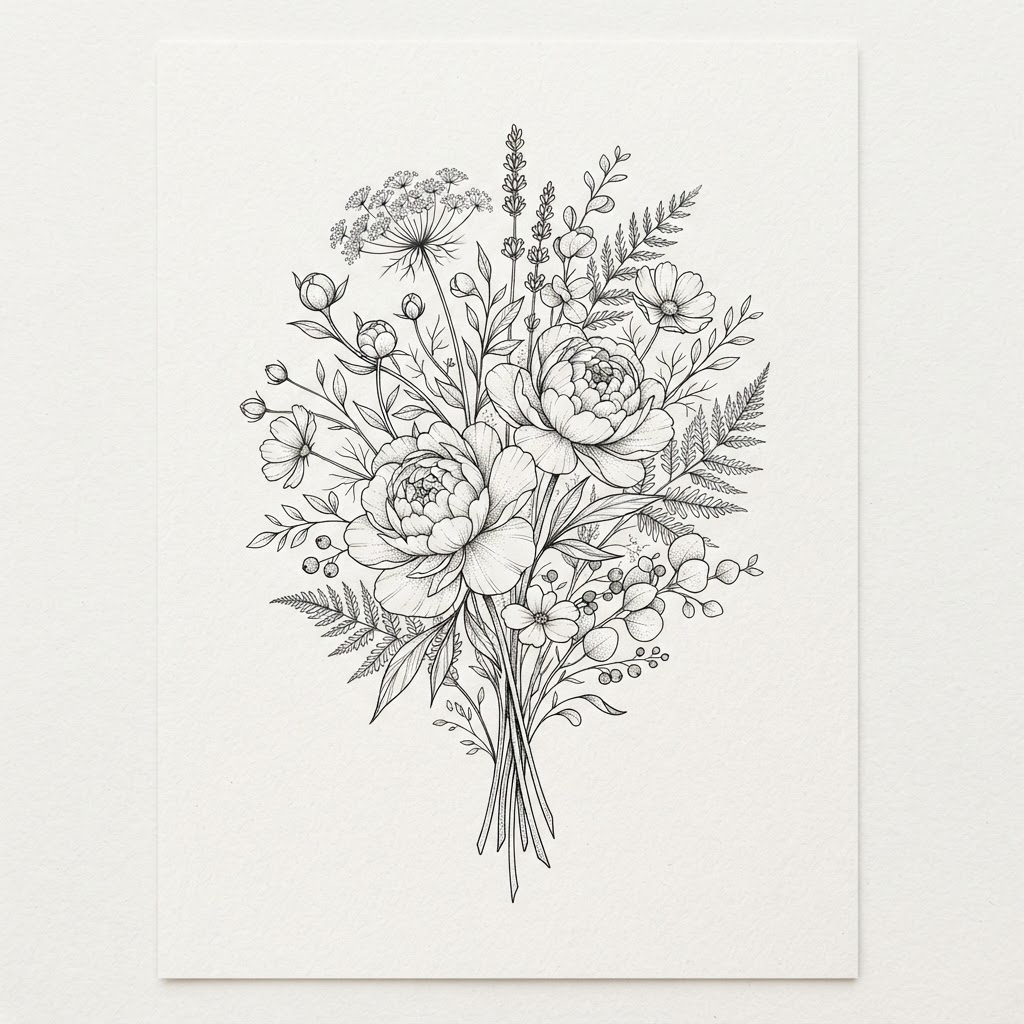
189 designs — inspiration to browse after you set constraints
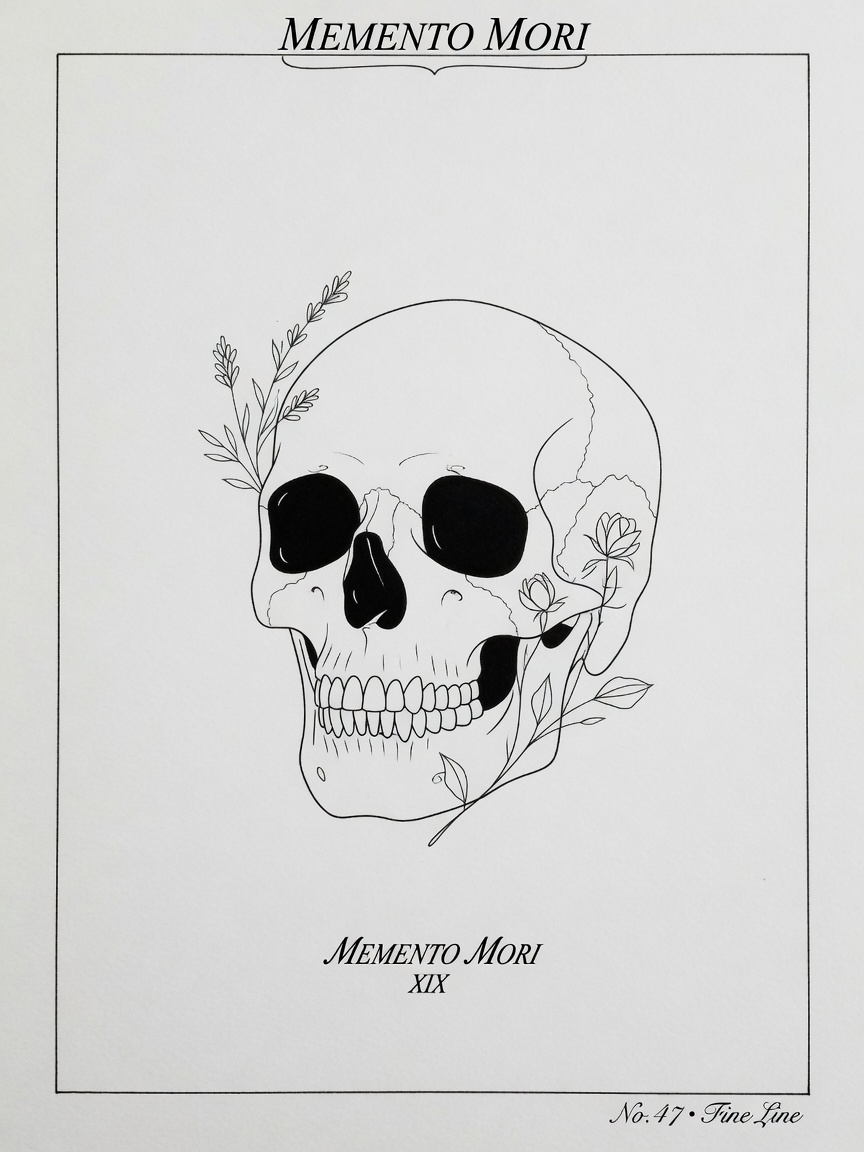
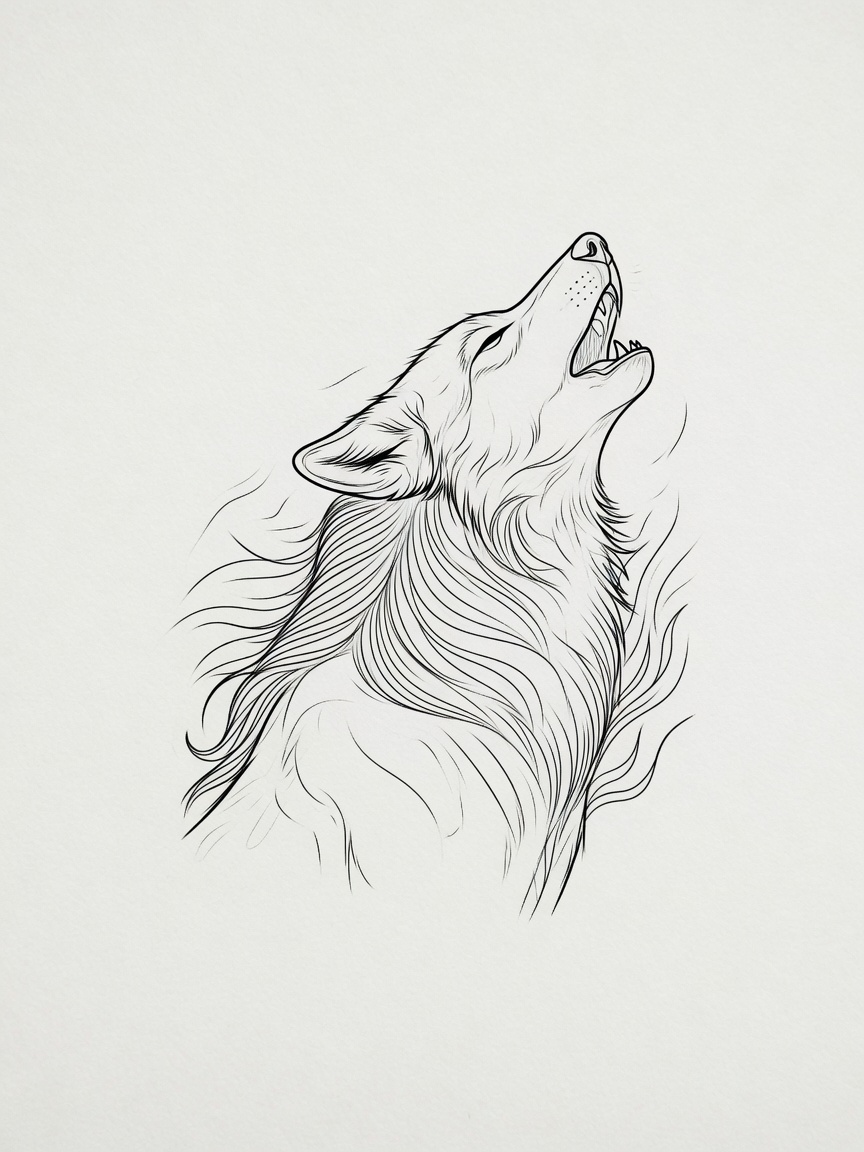
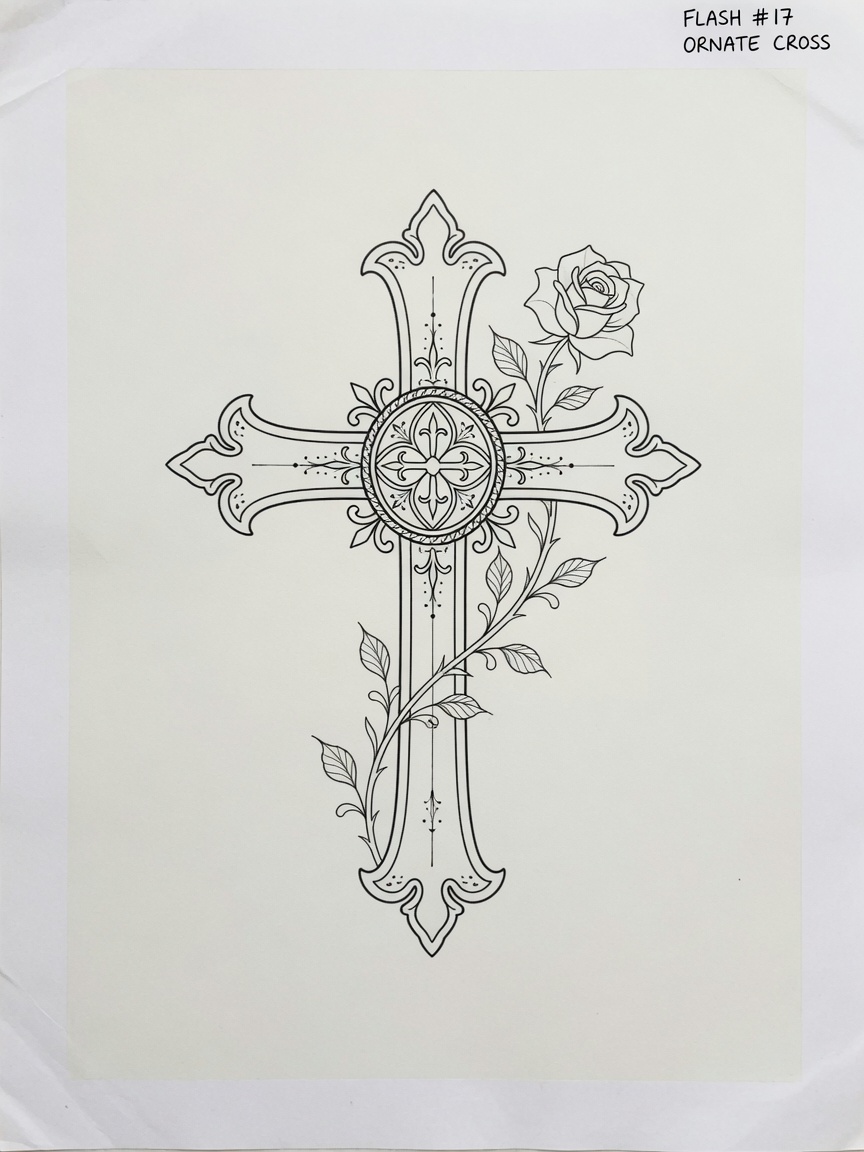
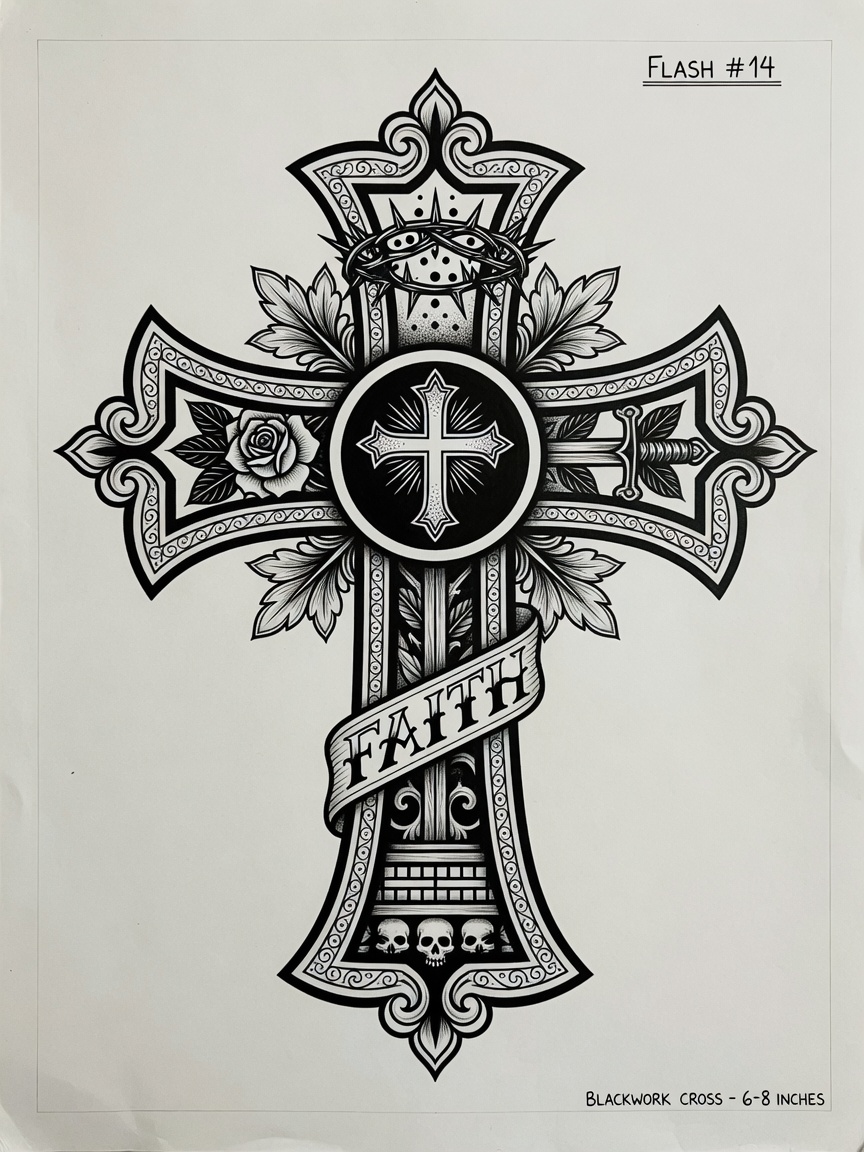
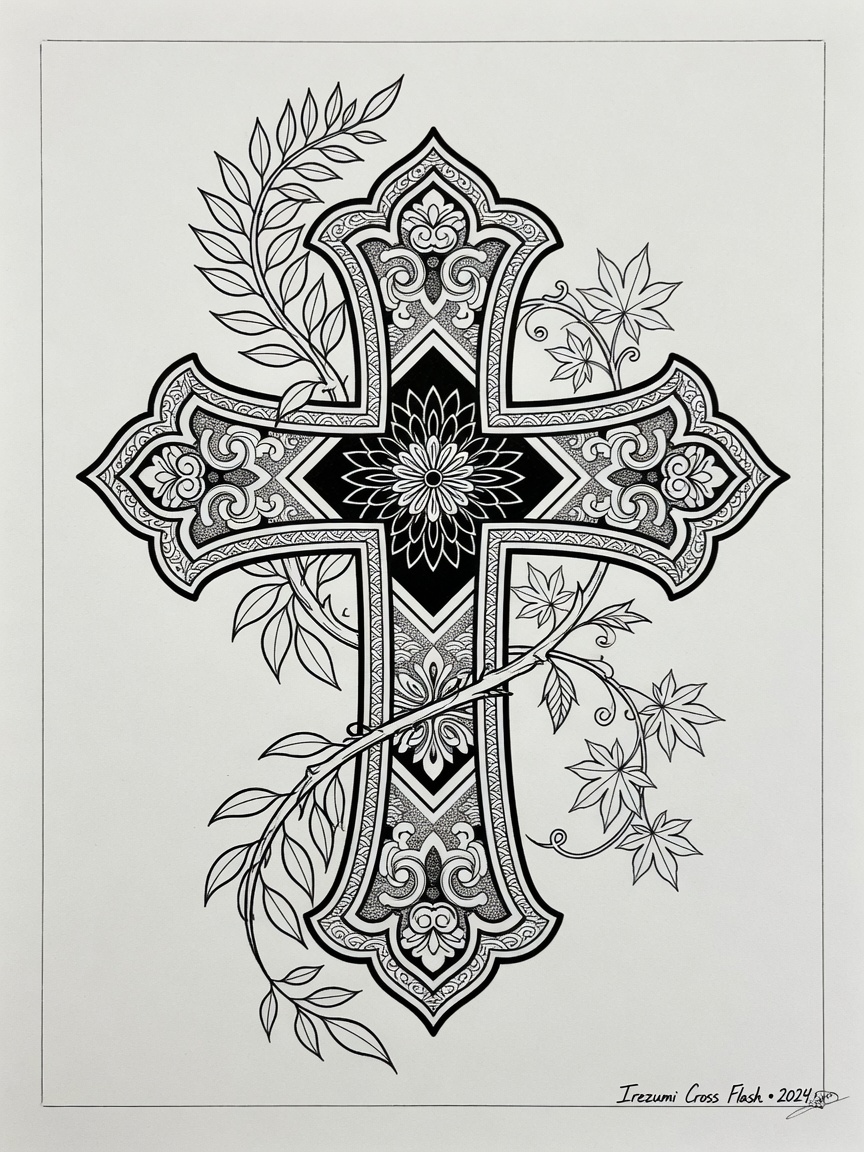
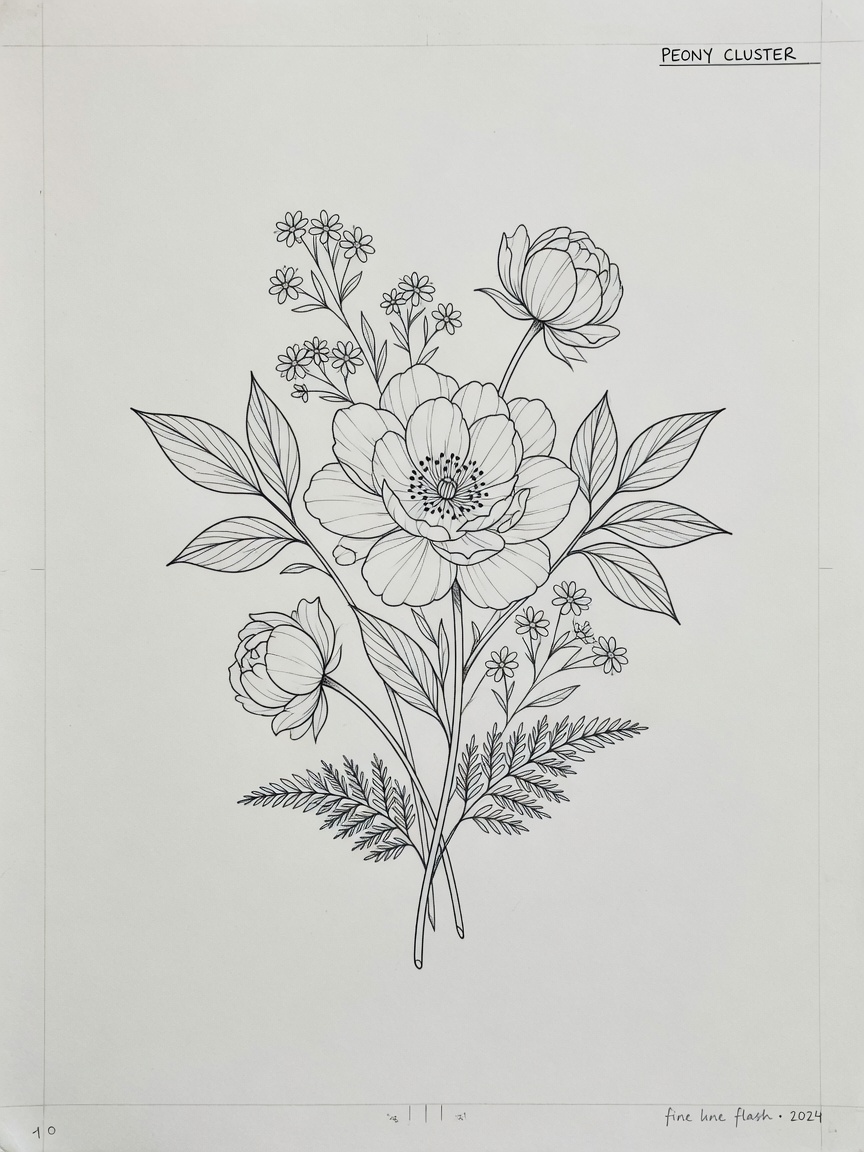
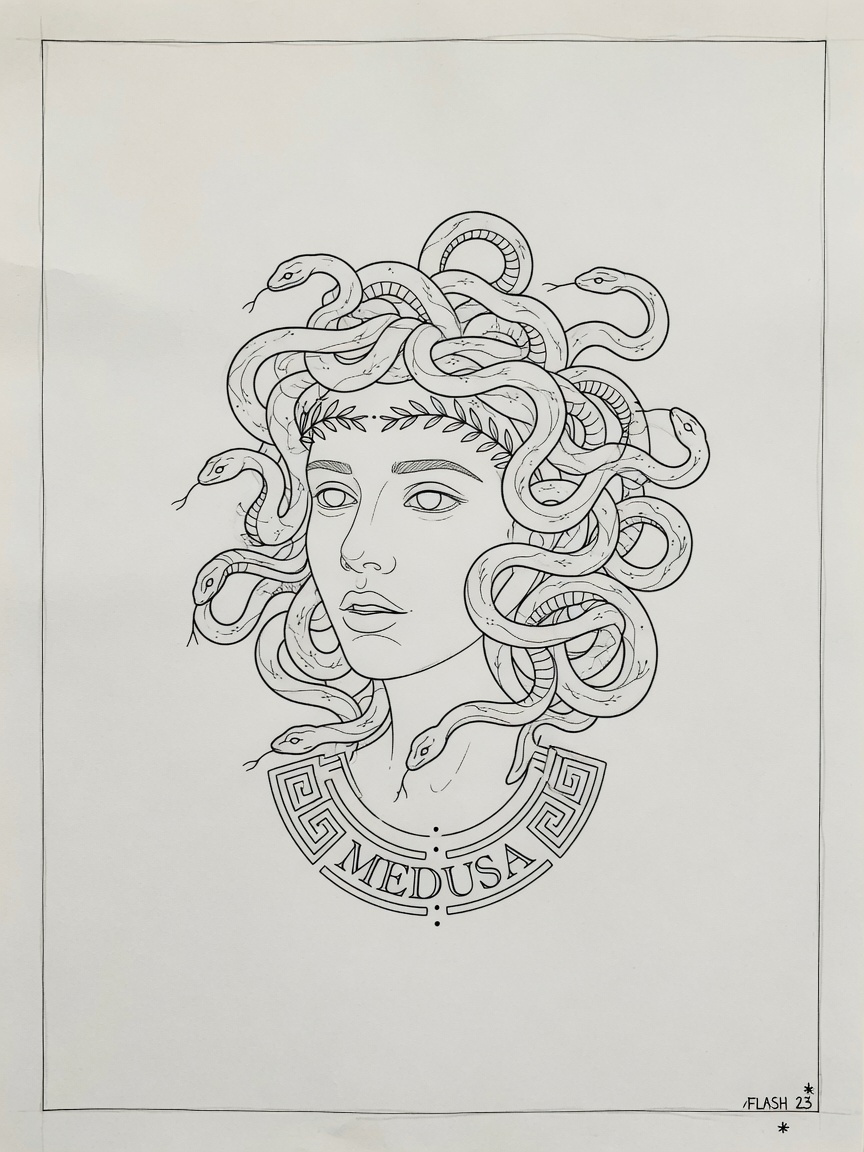
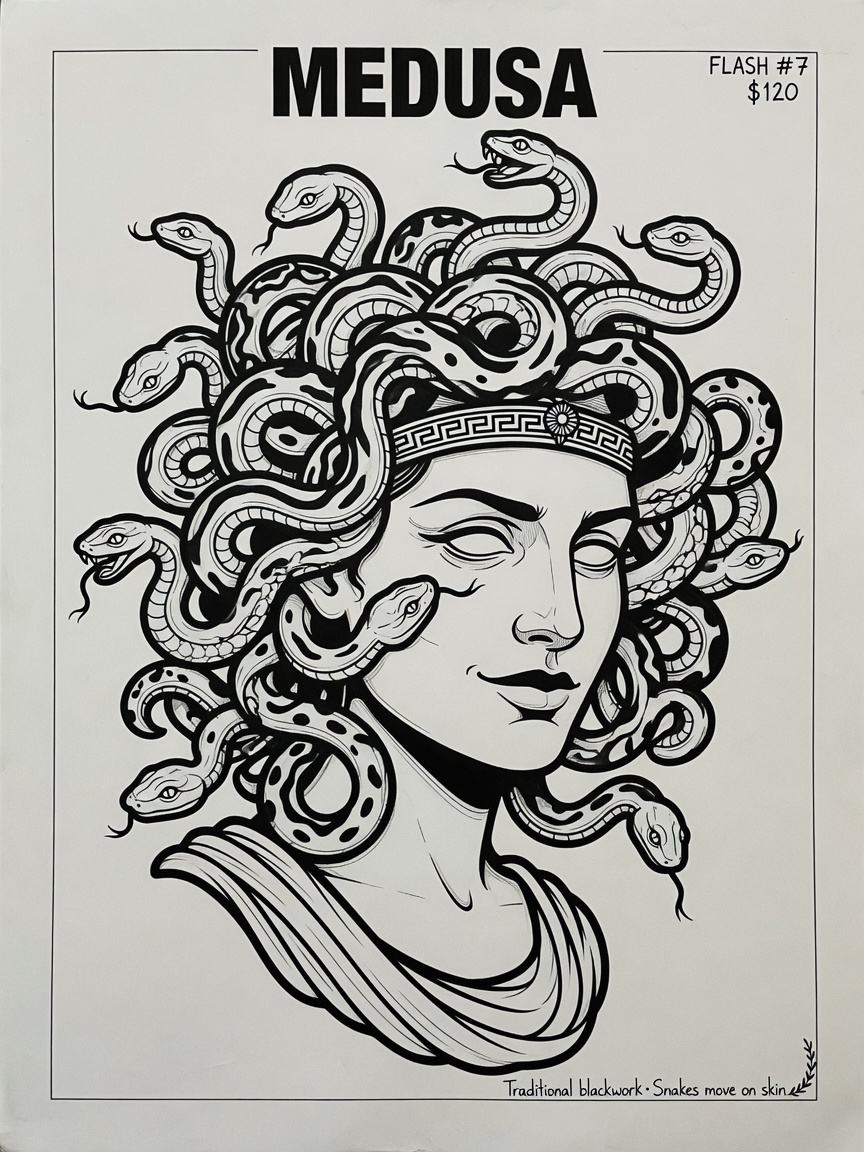
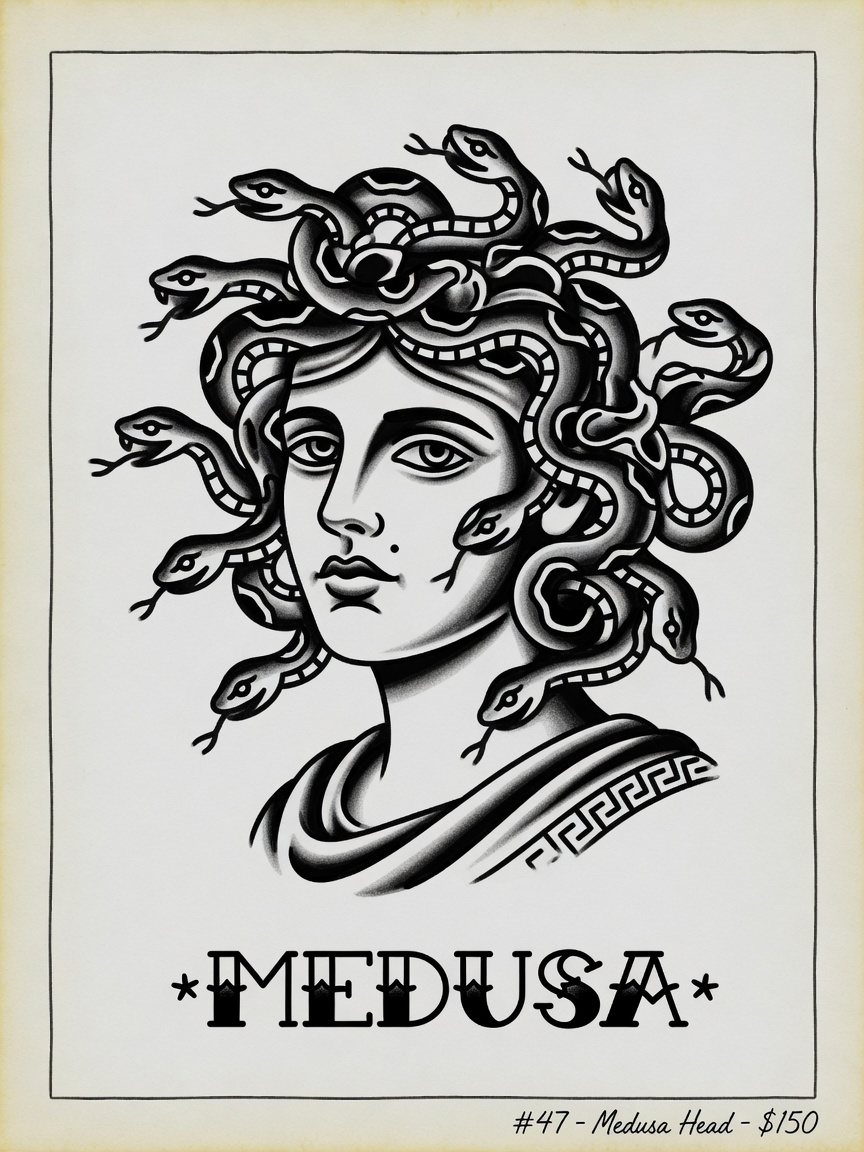
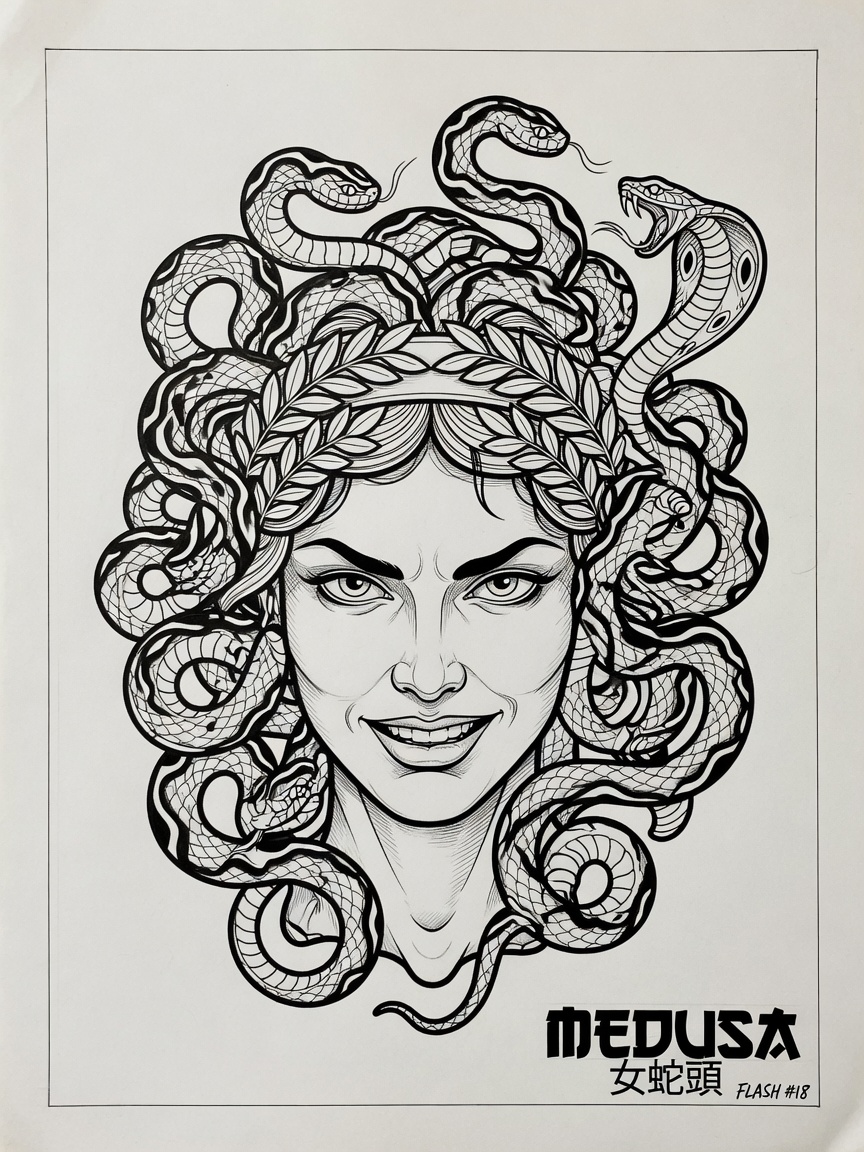
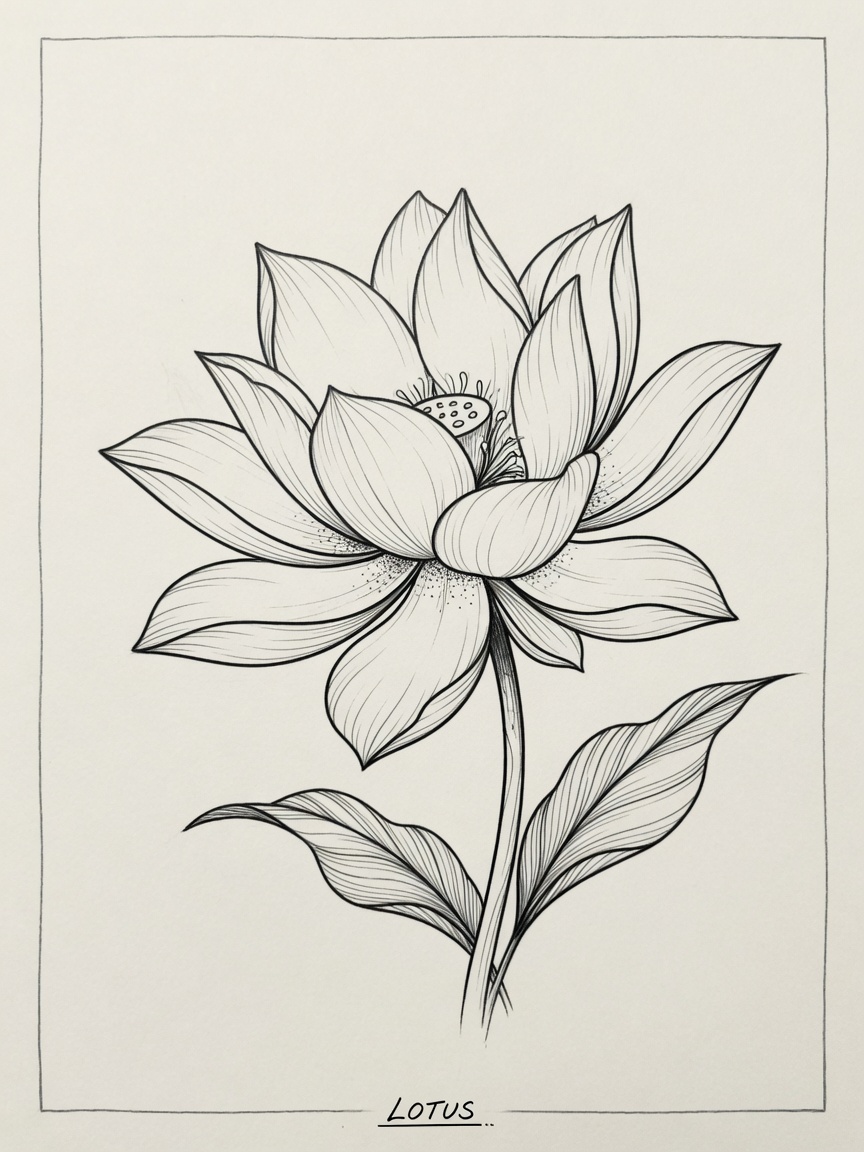
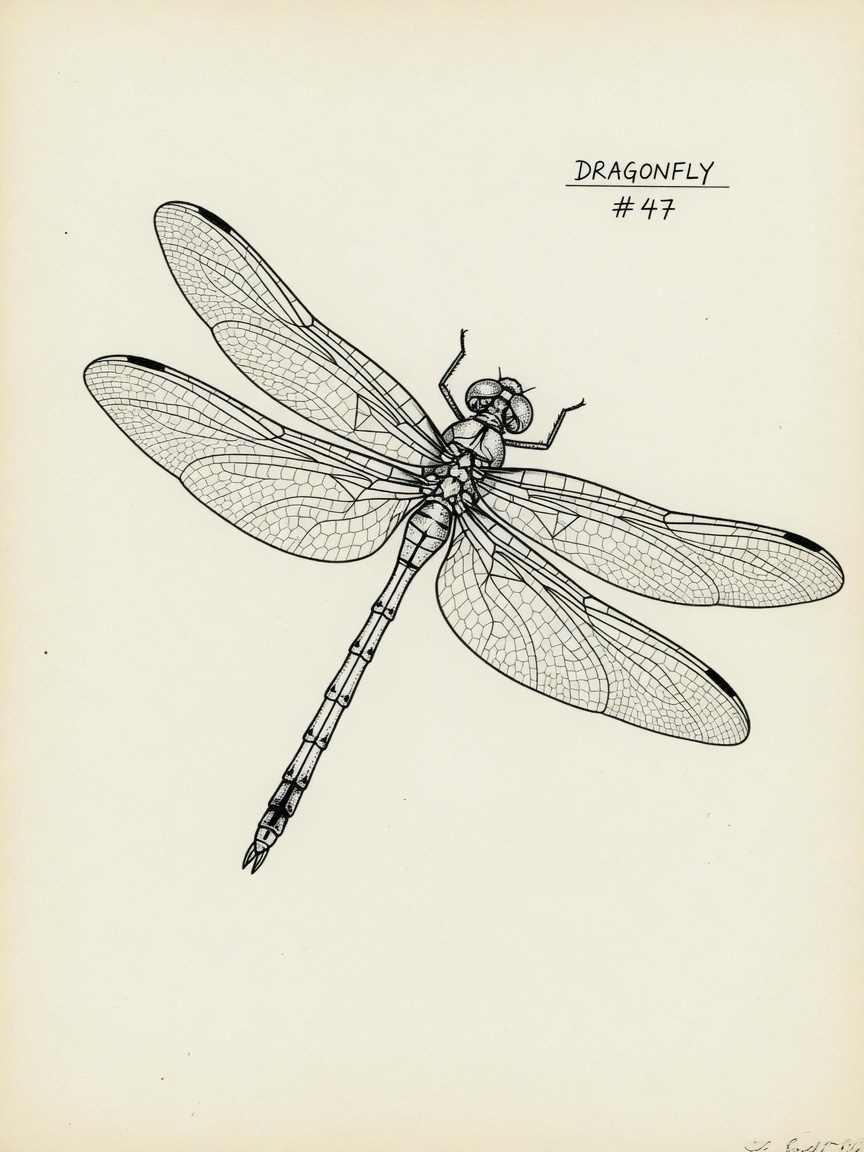
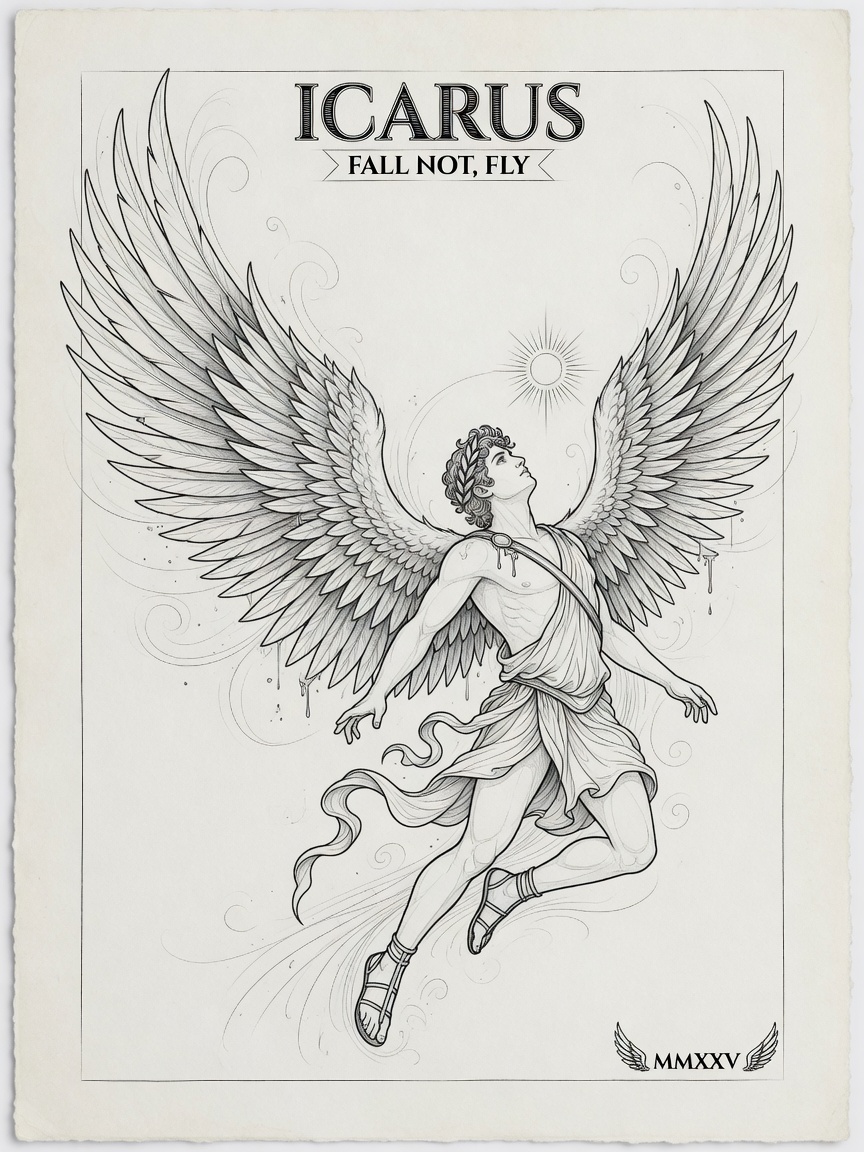
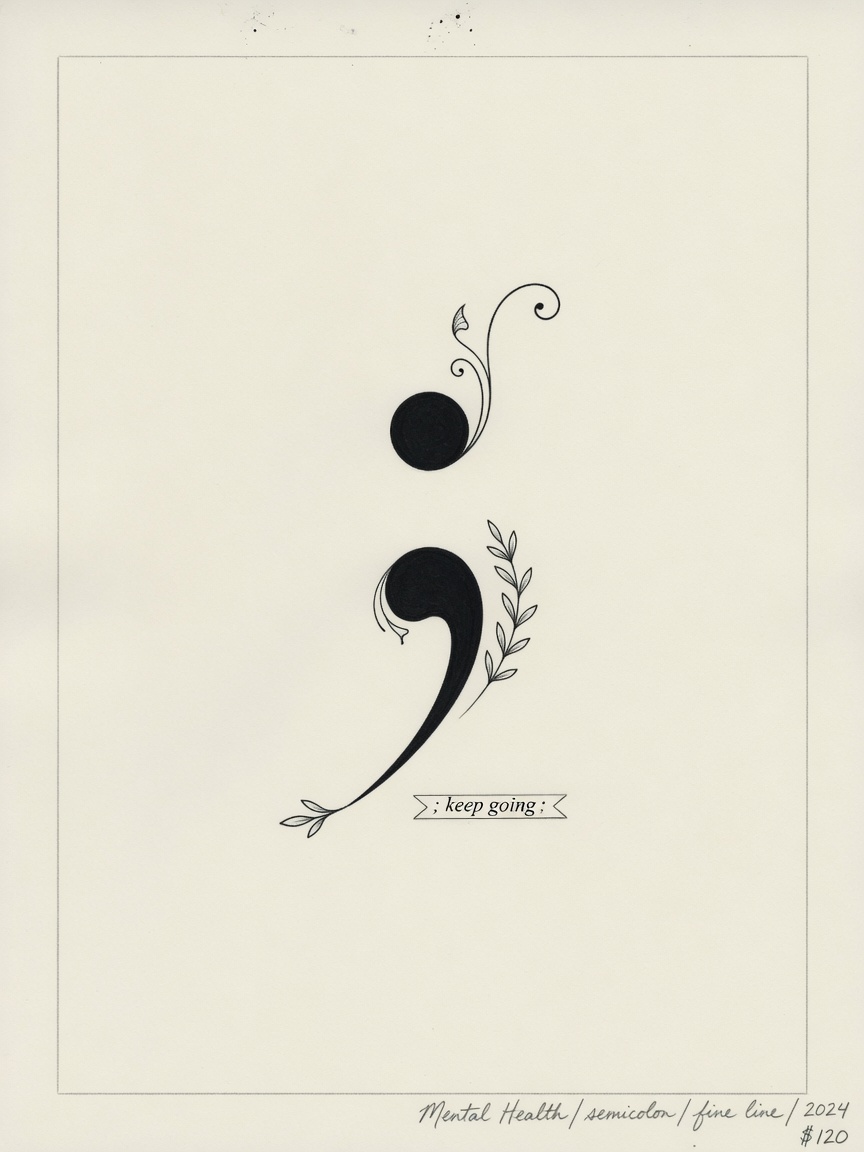
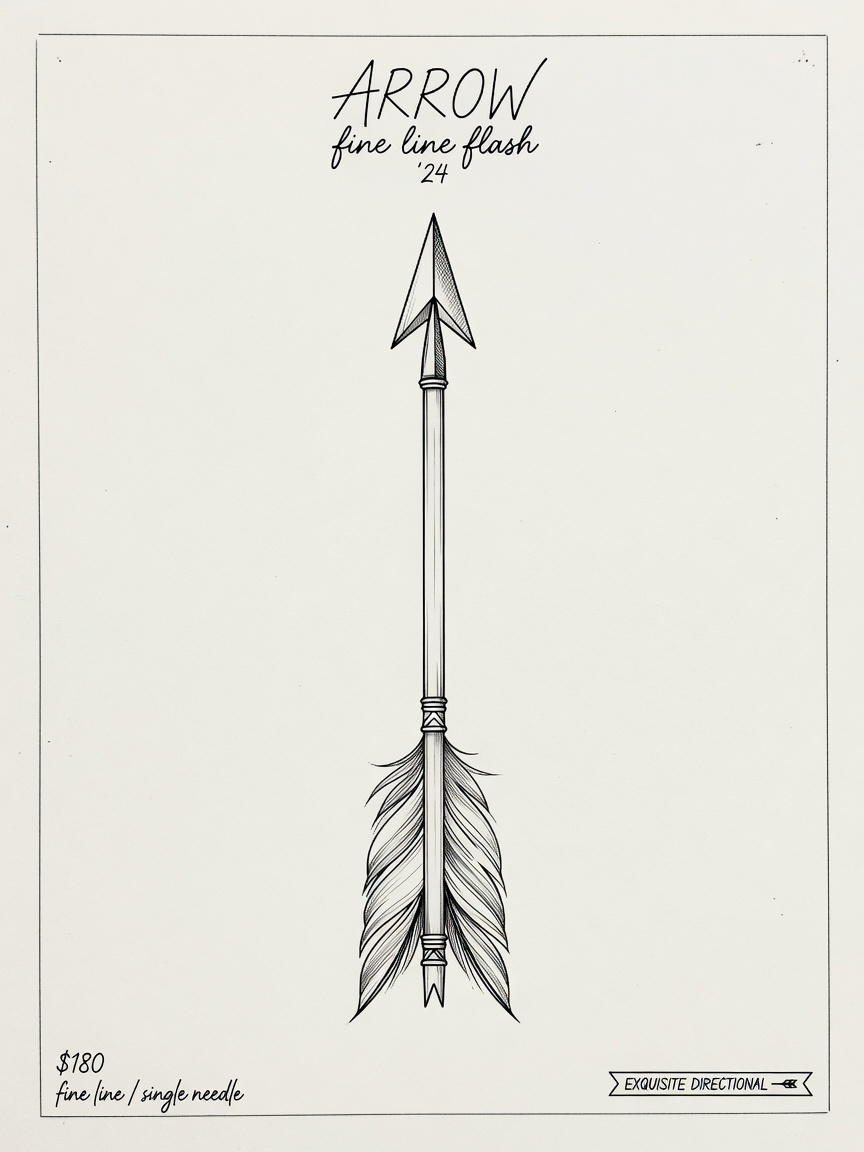
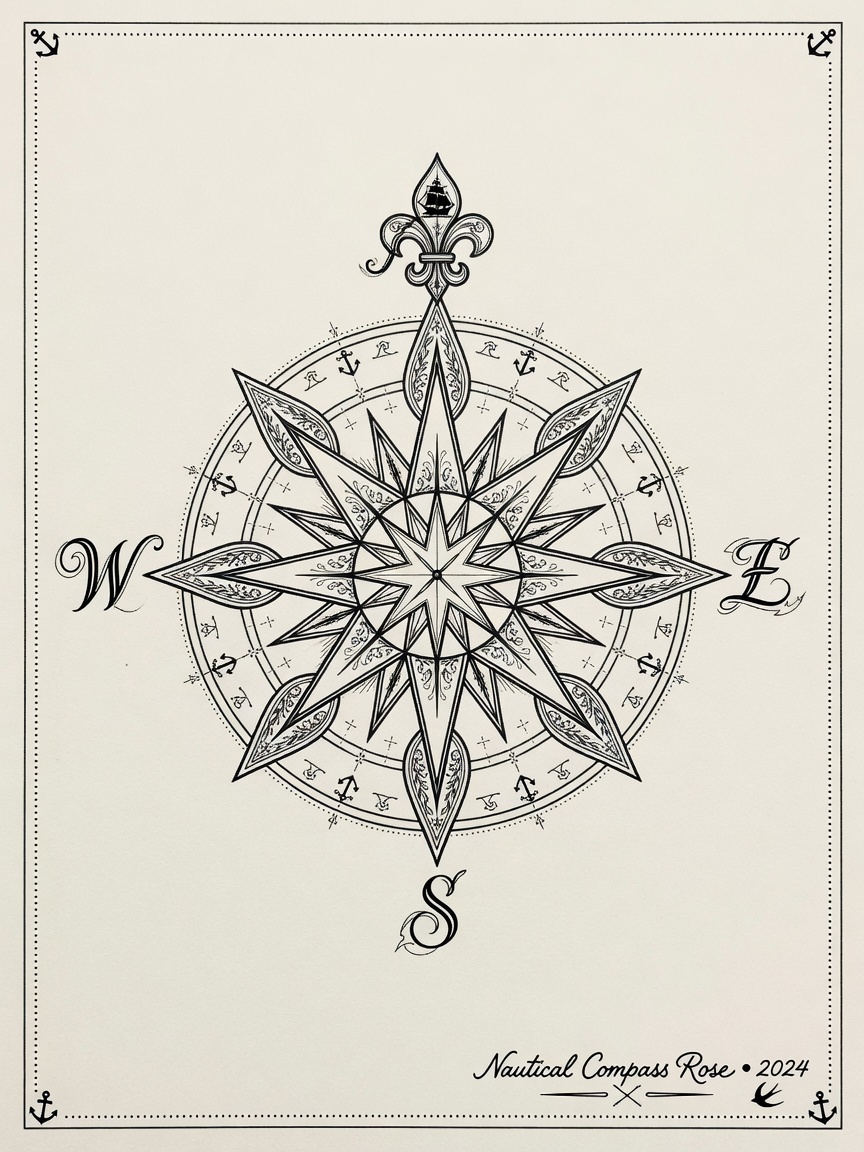
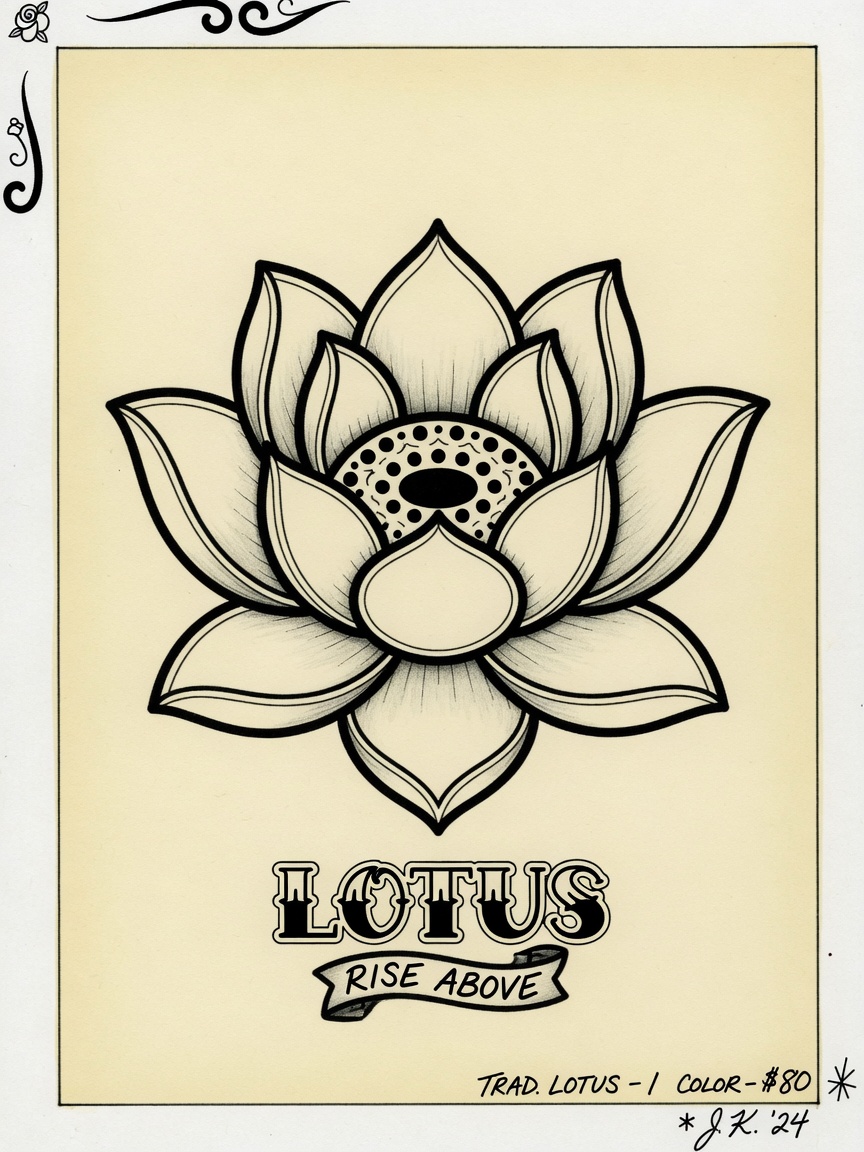
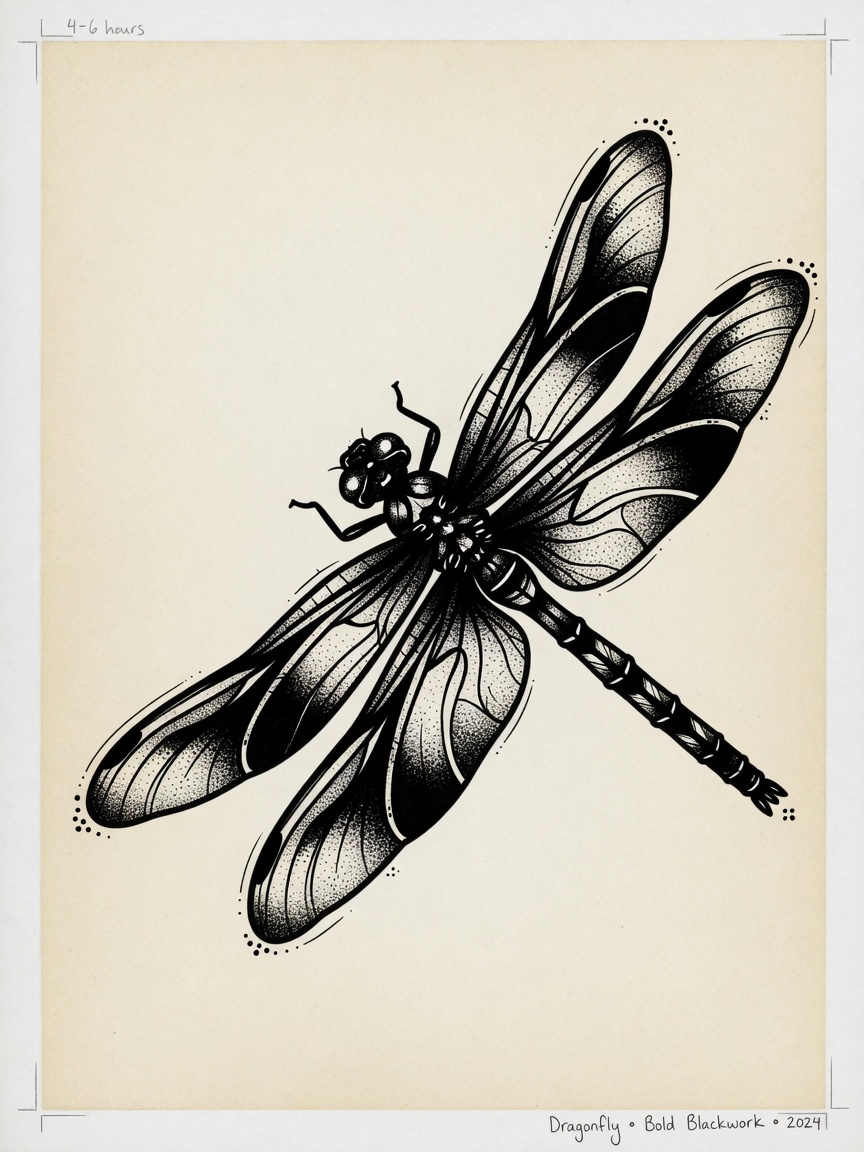
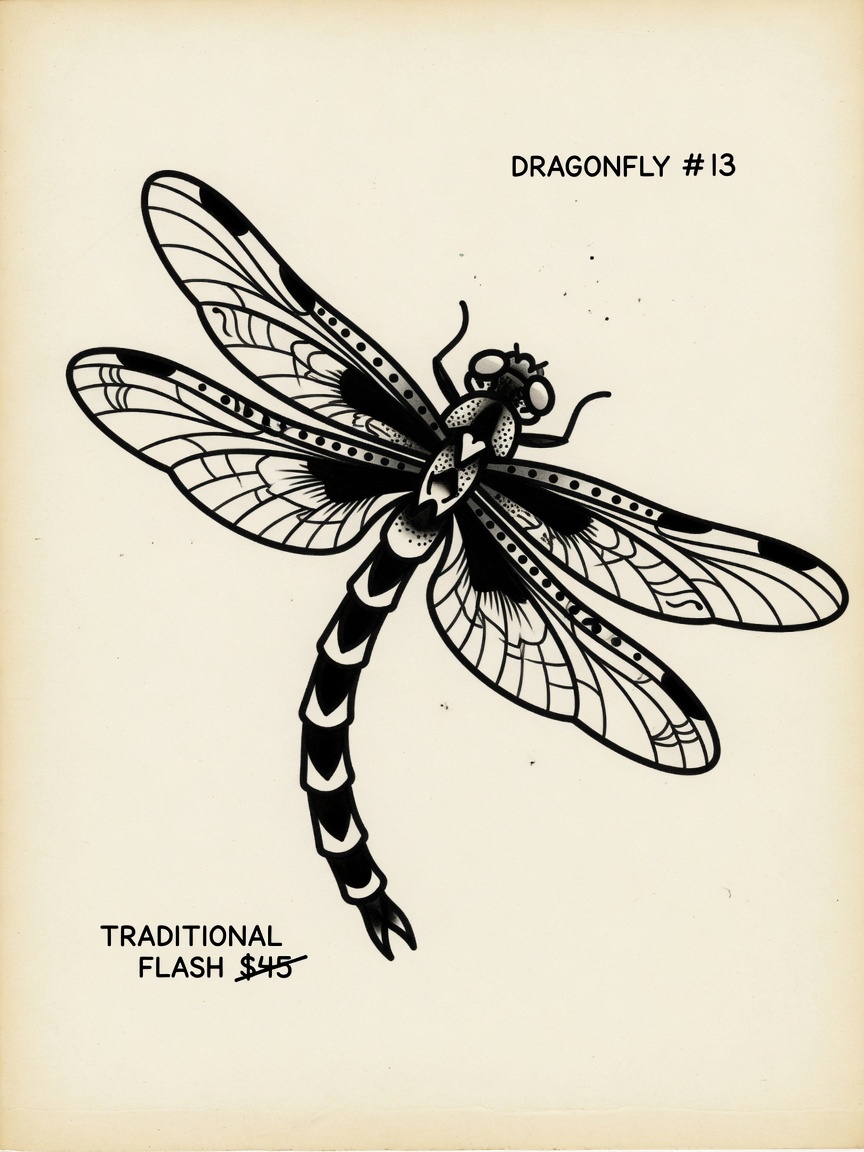
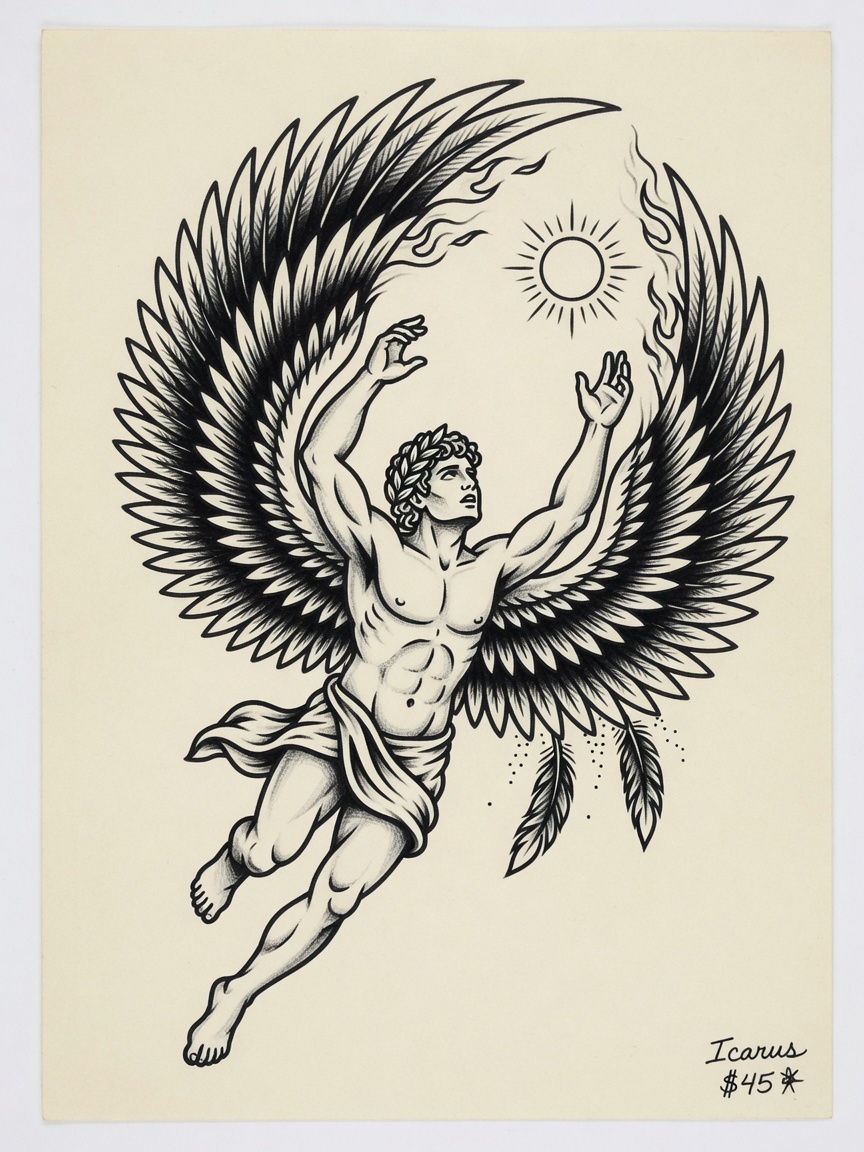
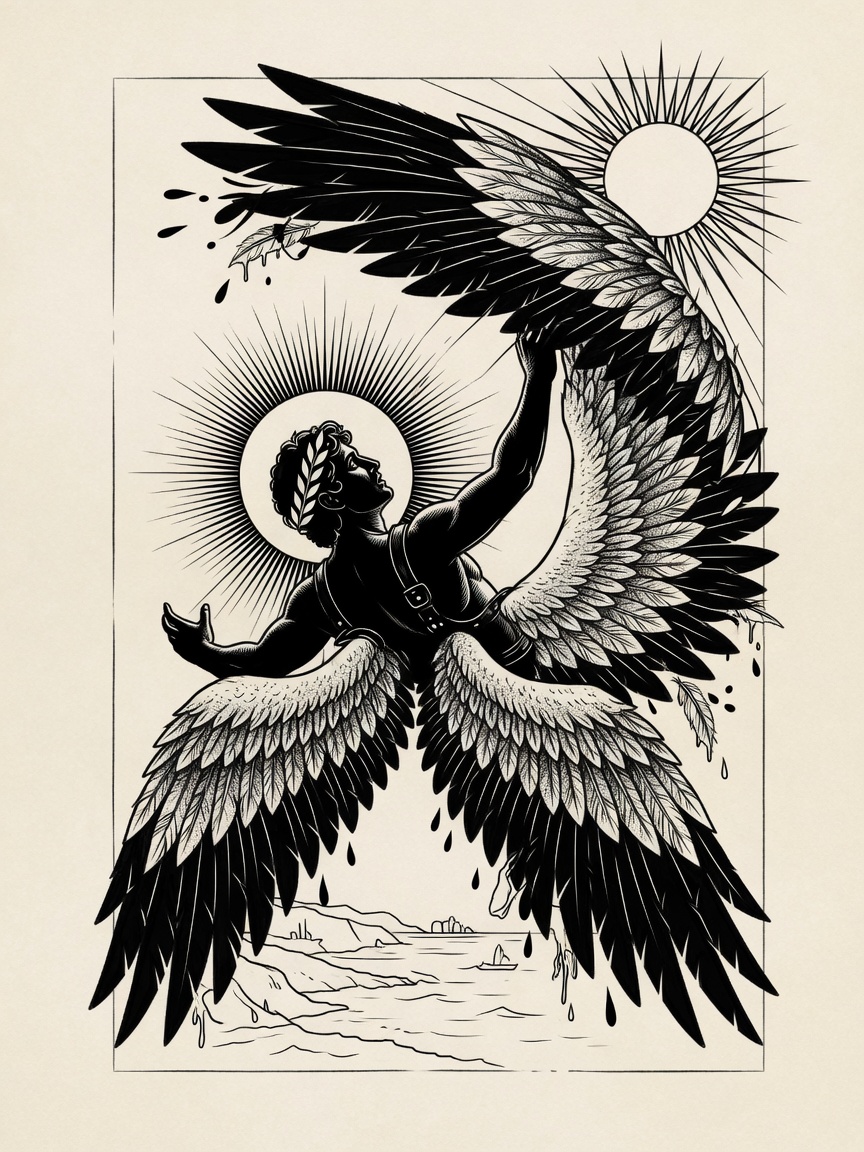
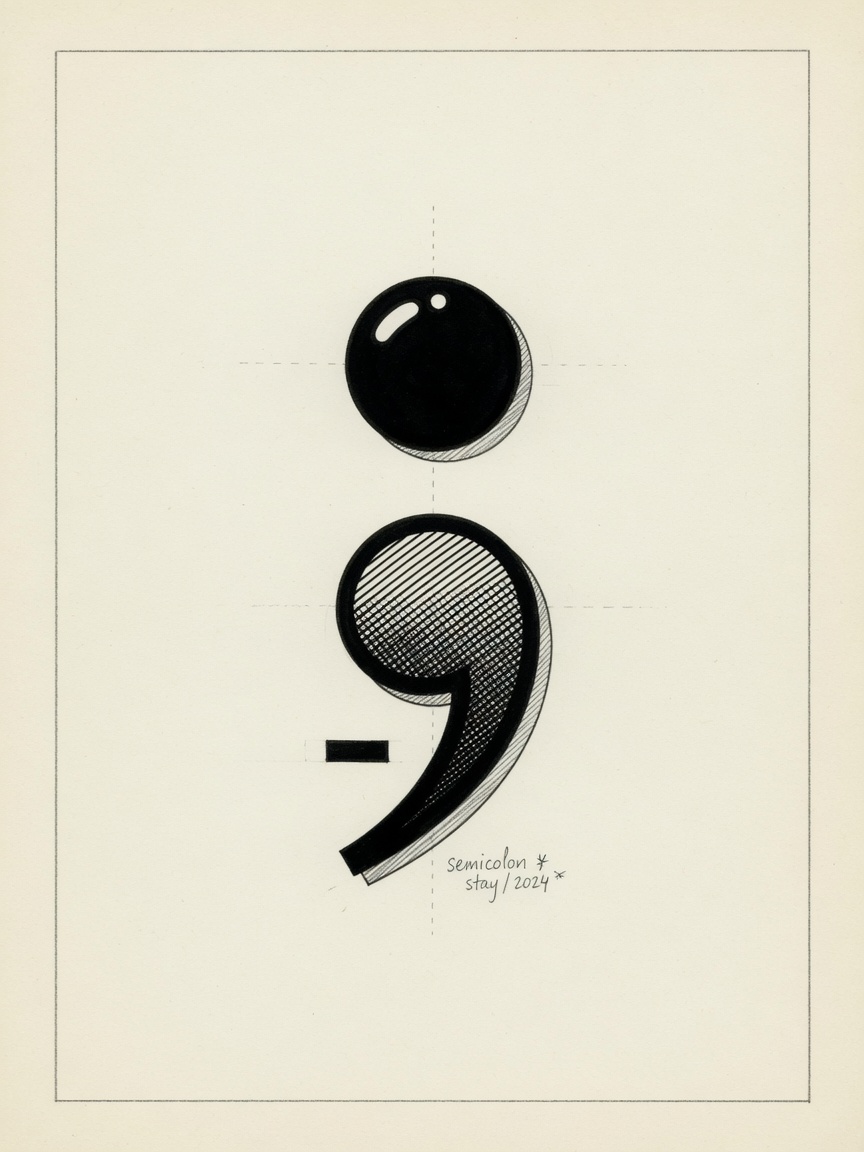
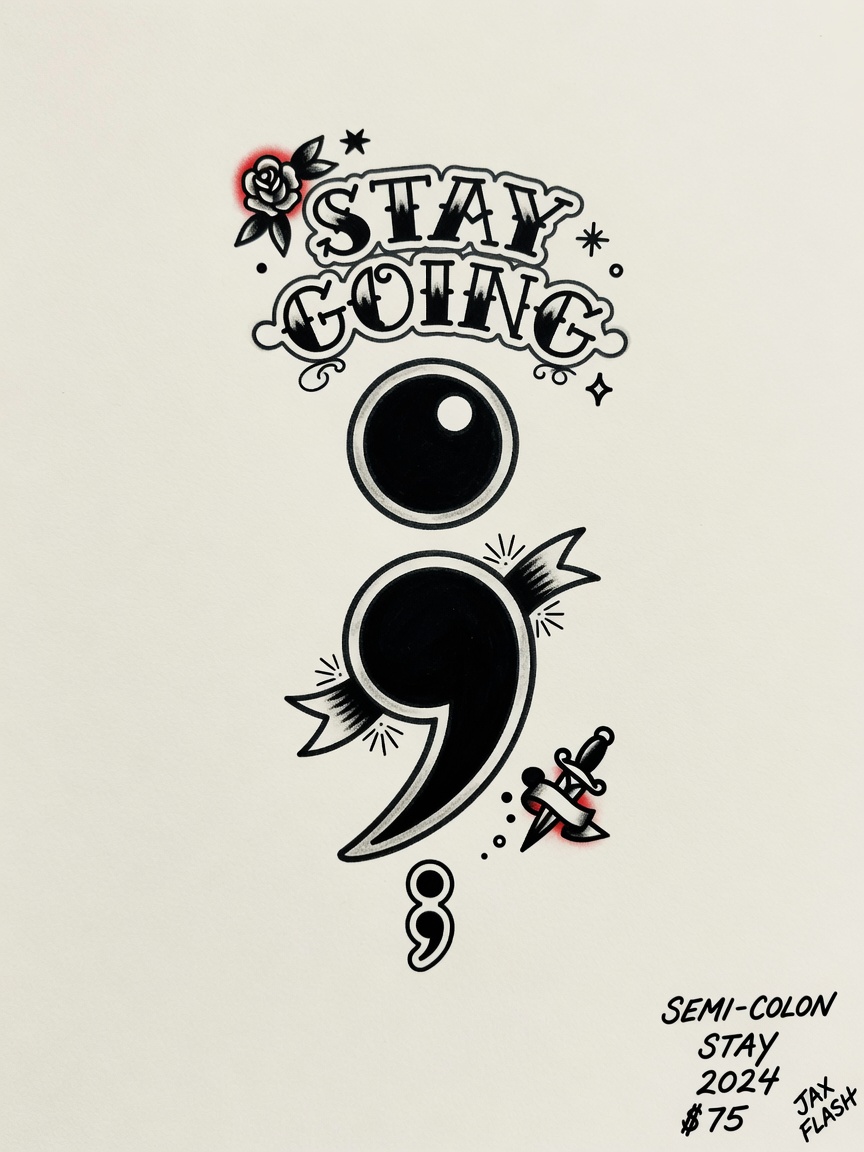
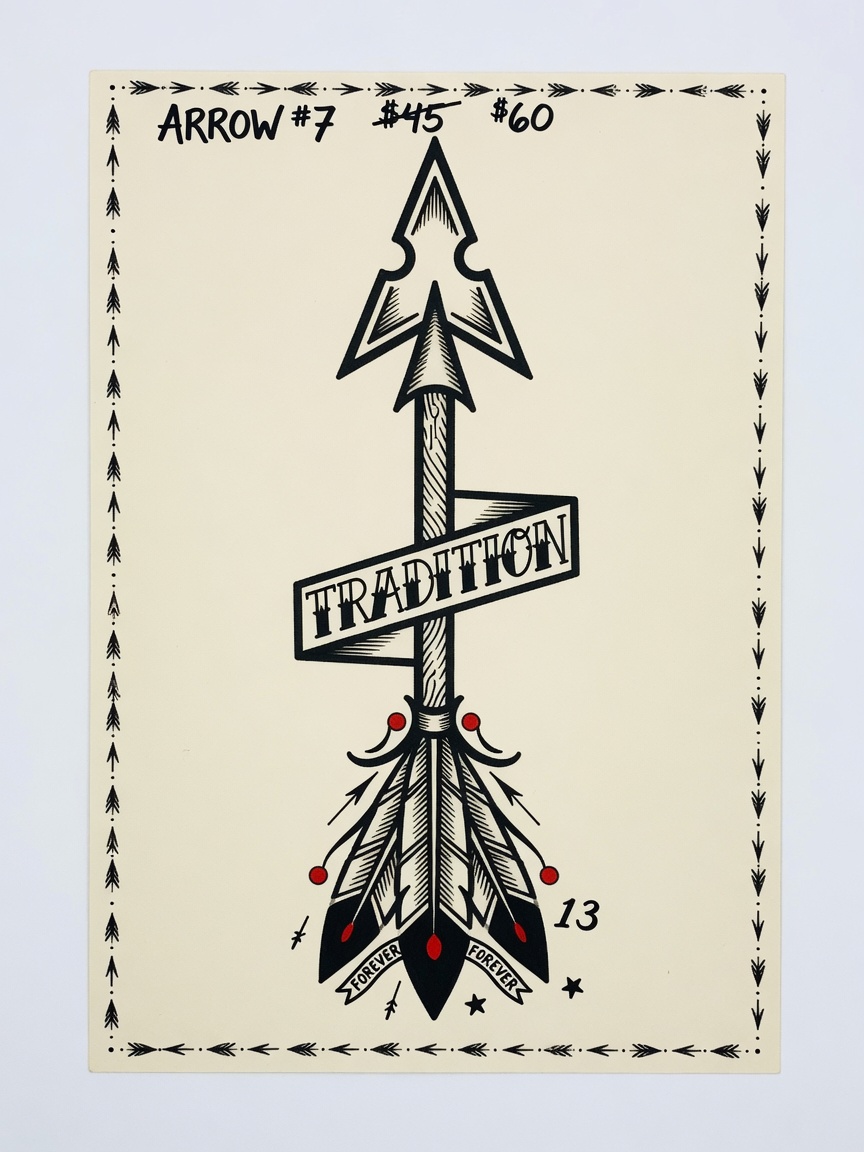
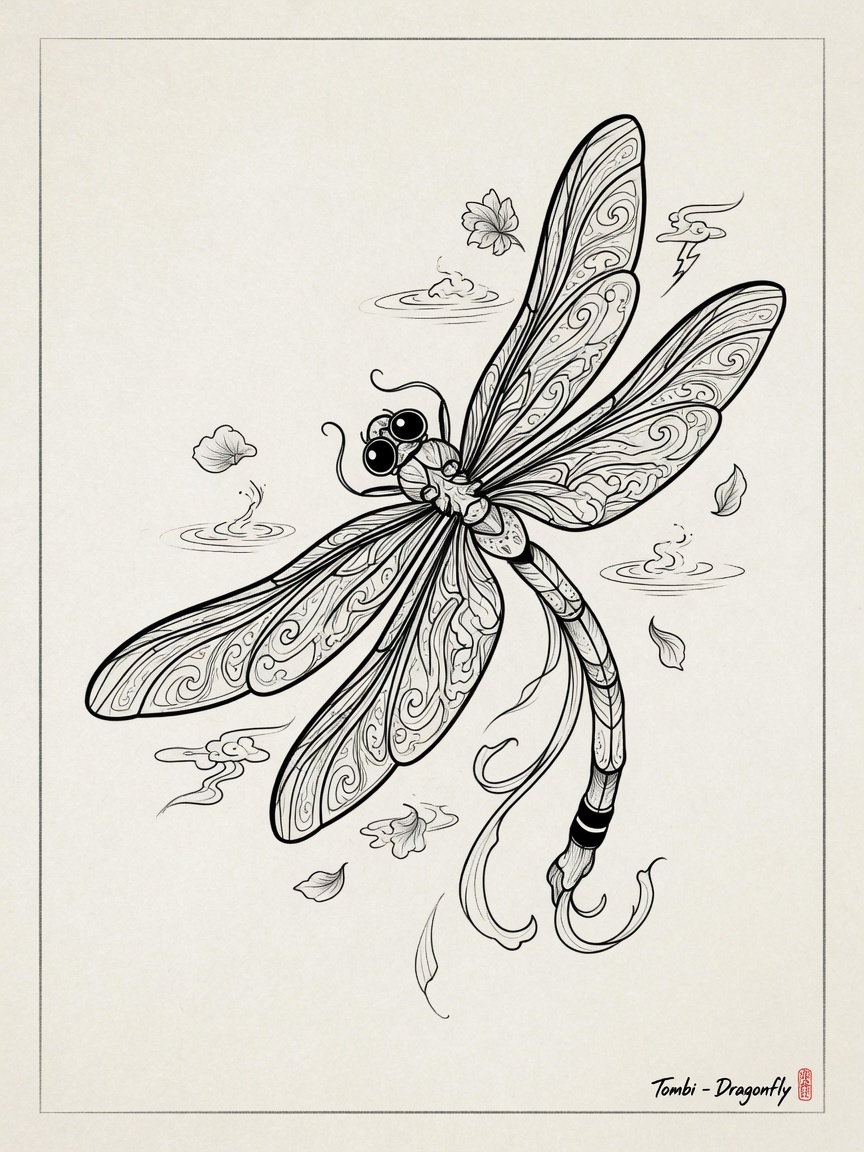
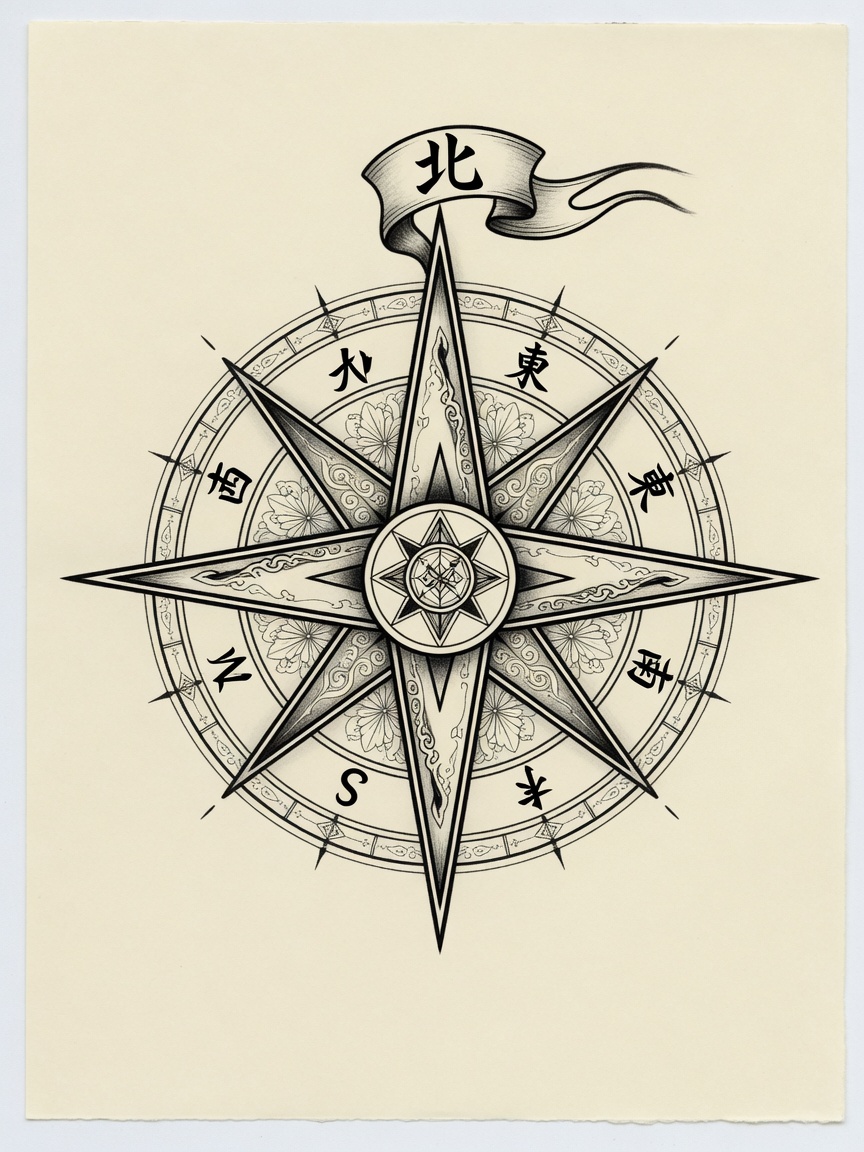
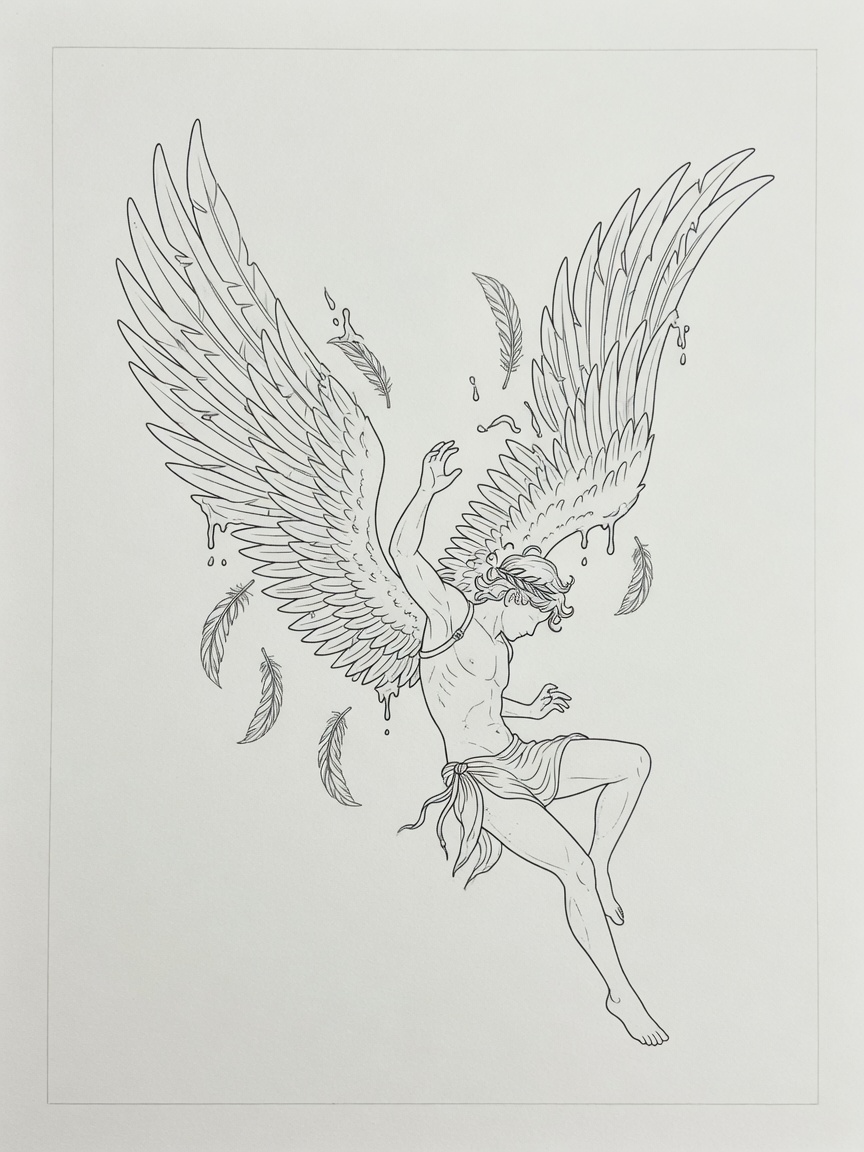
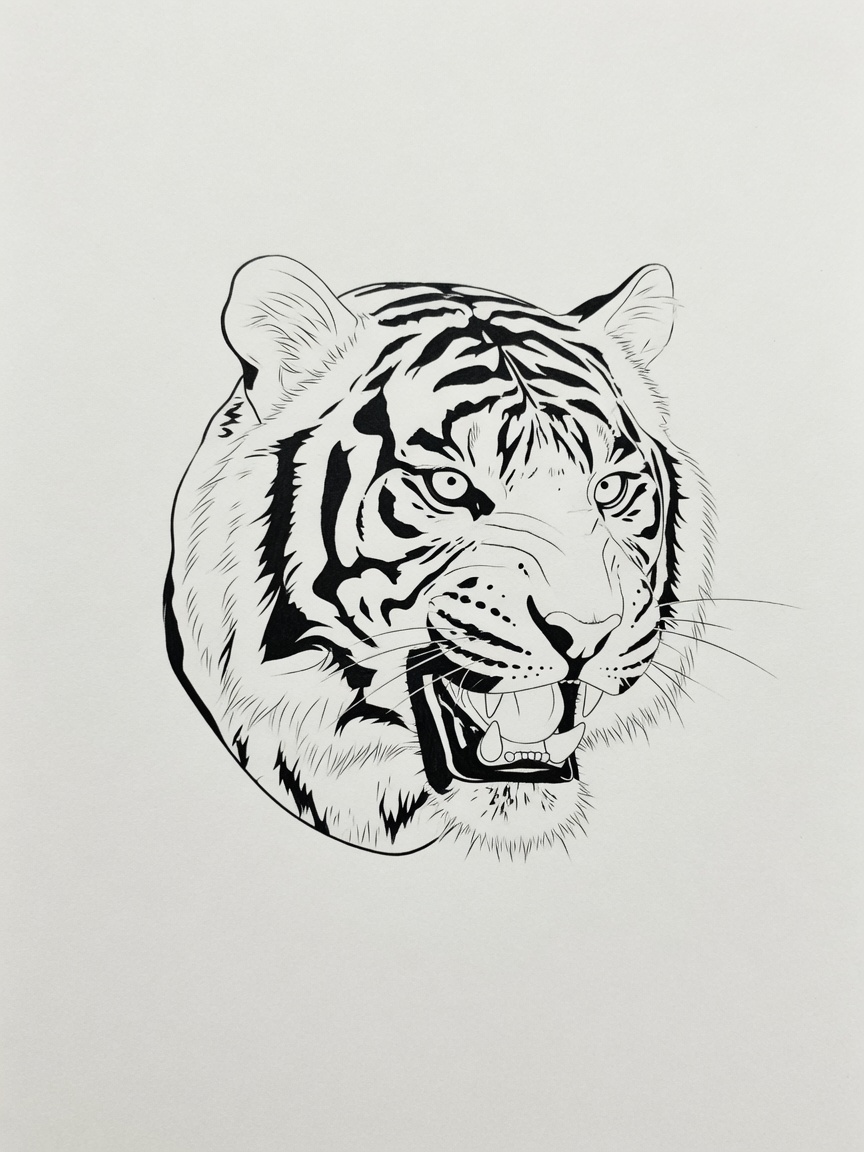
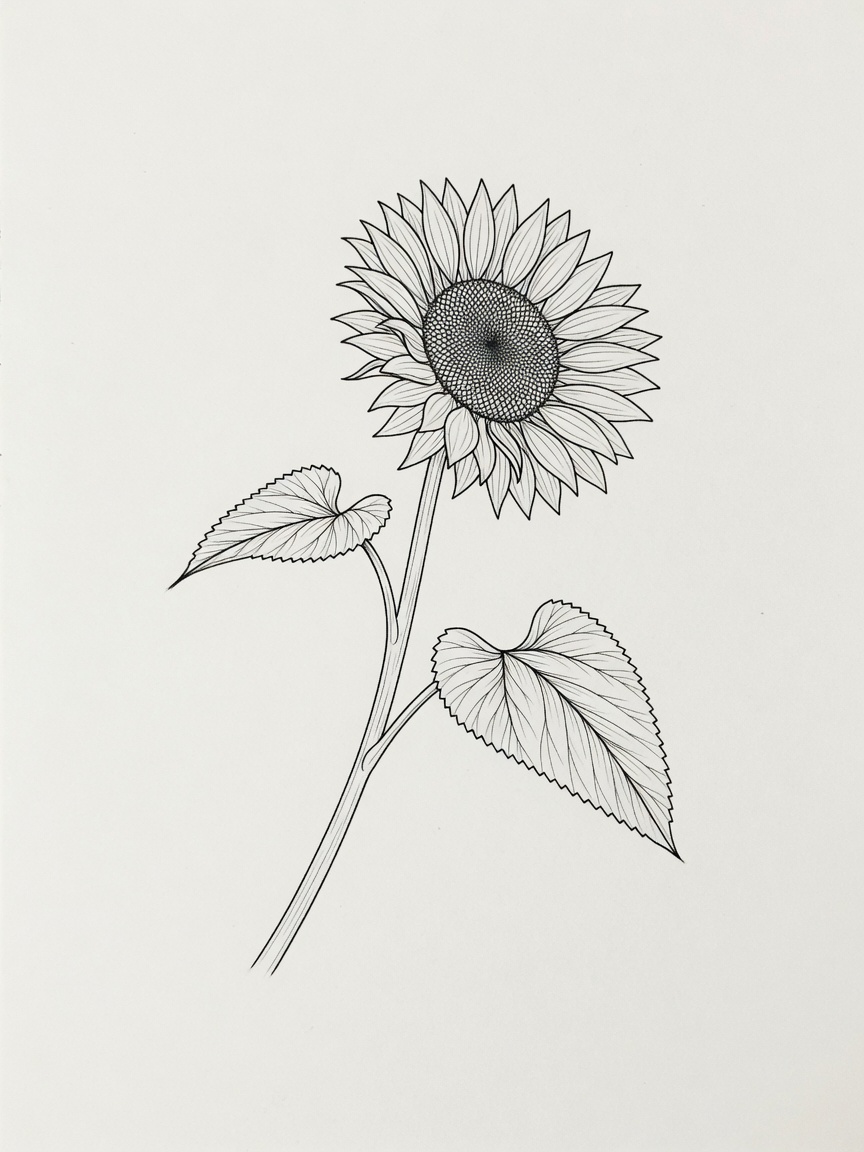
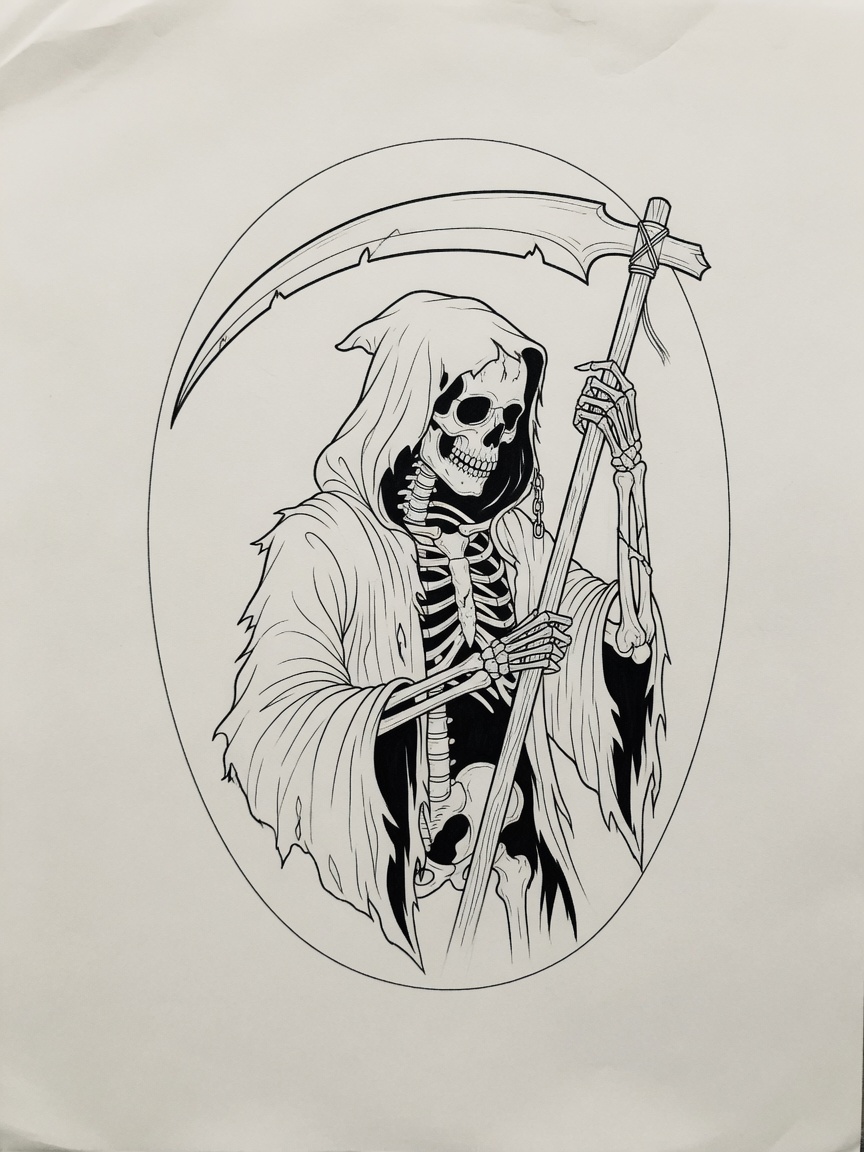
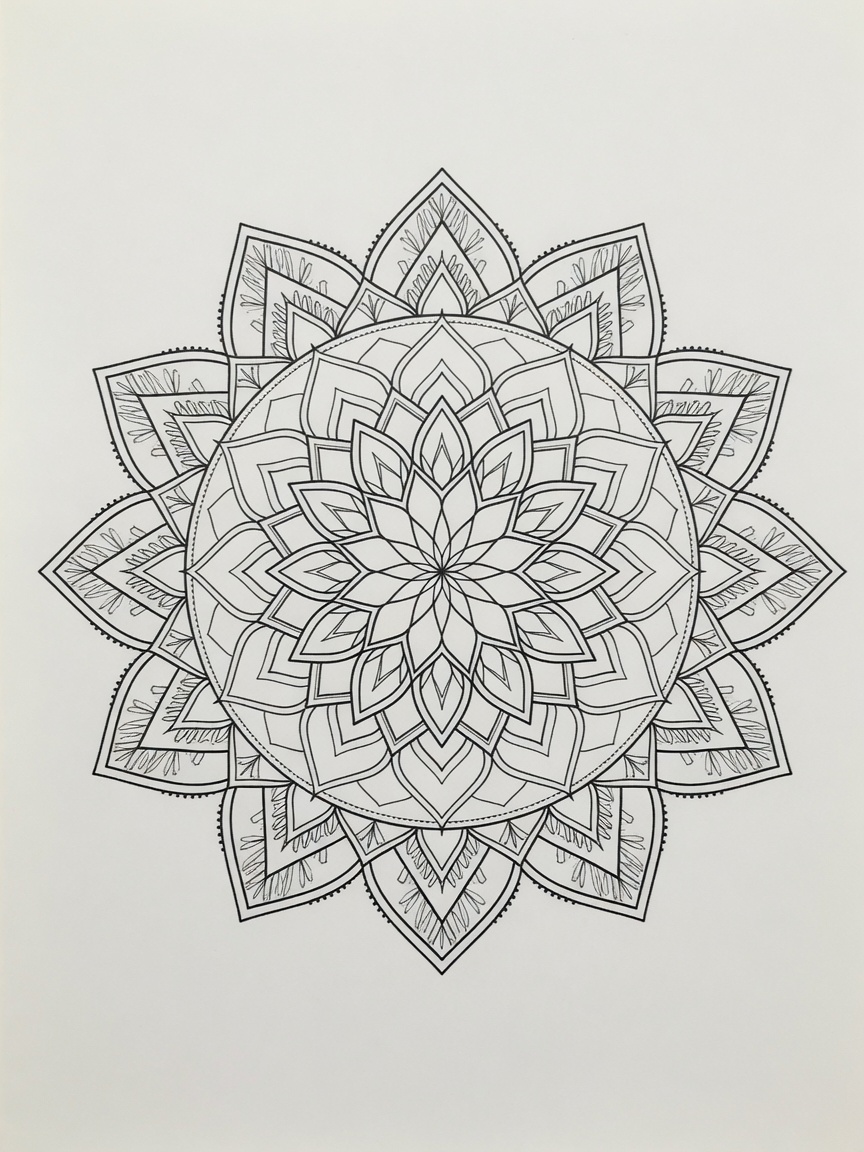
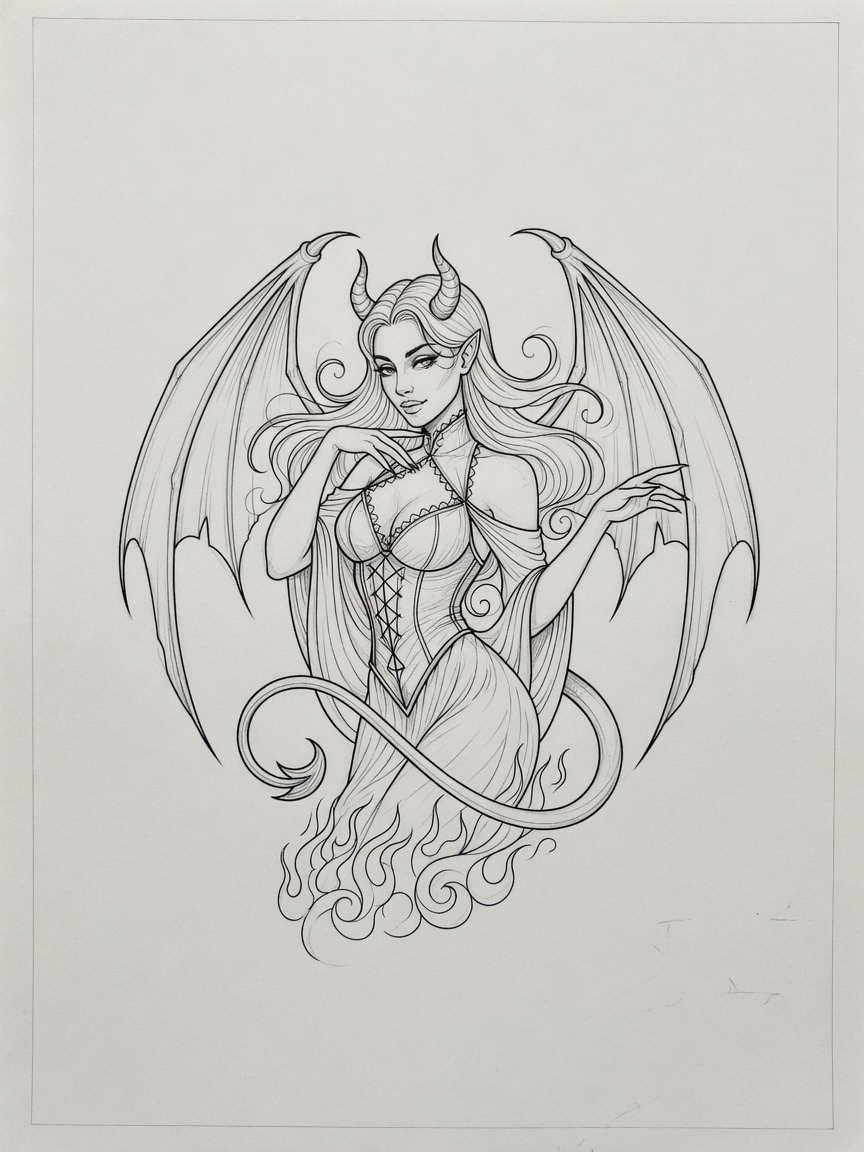
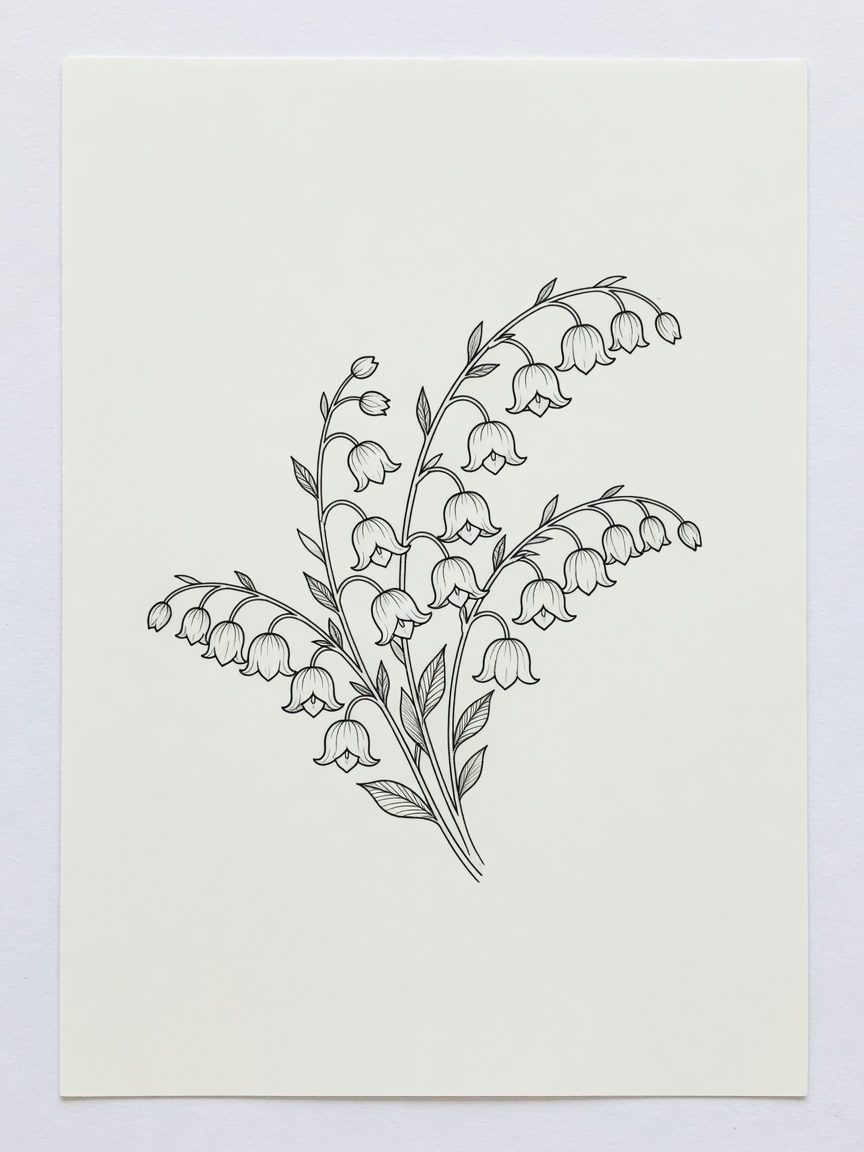
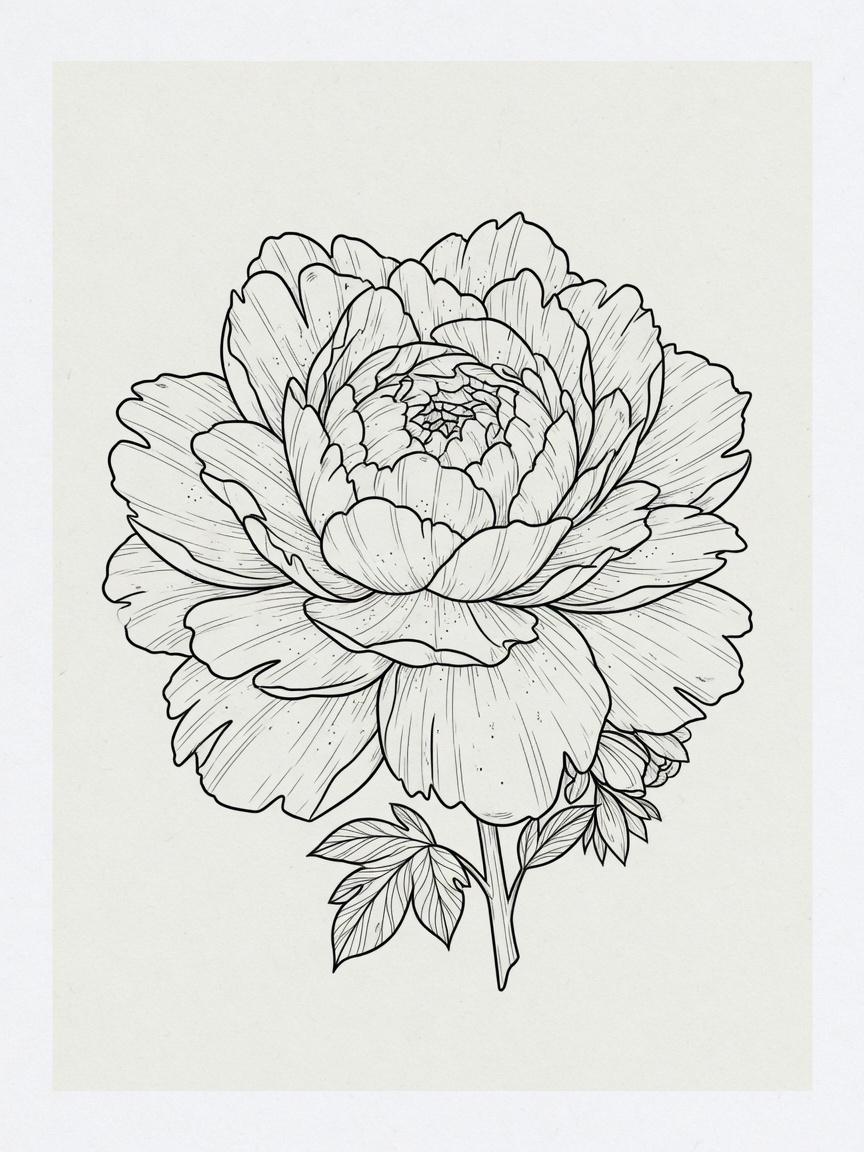
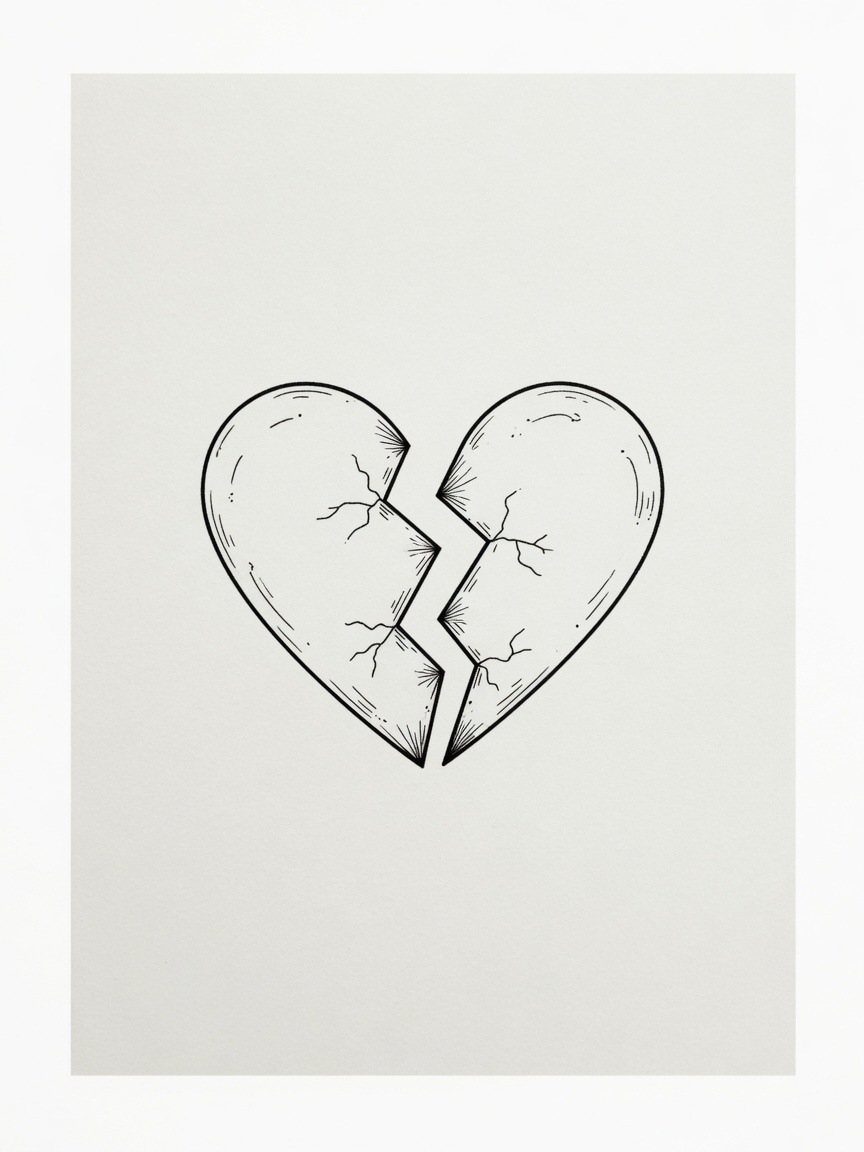
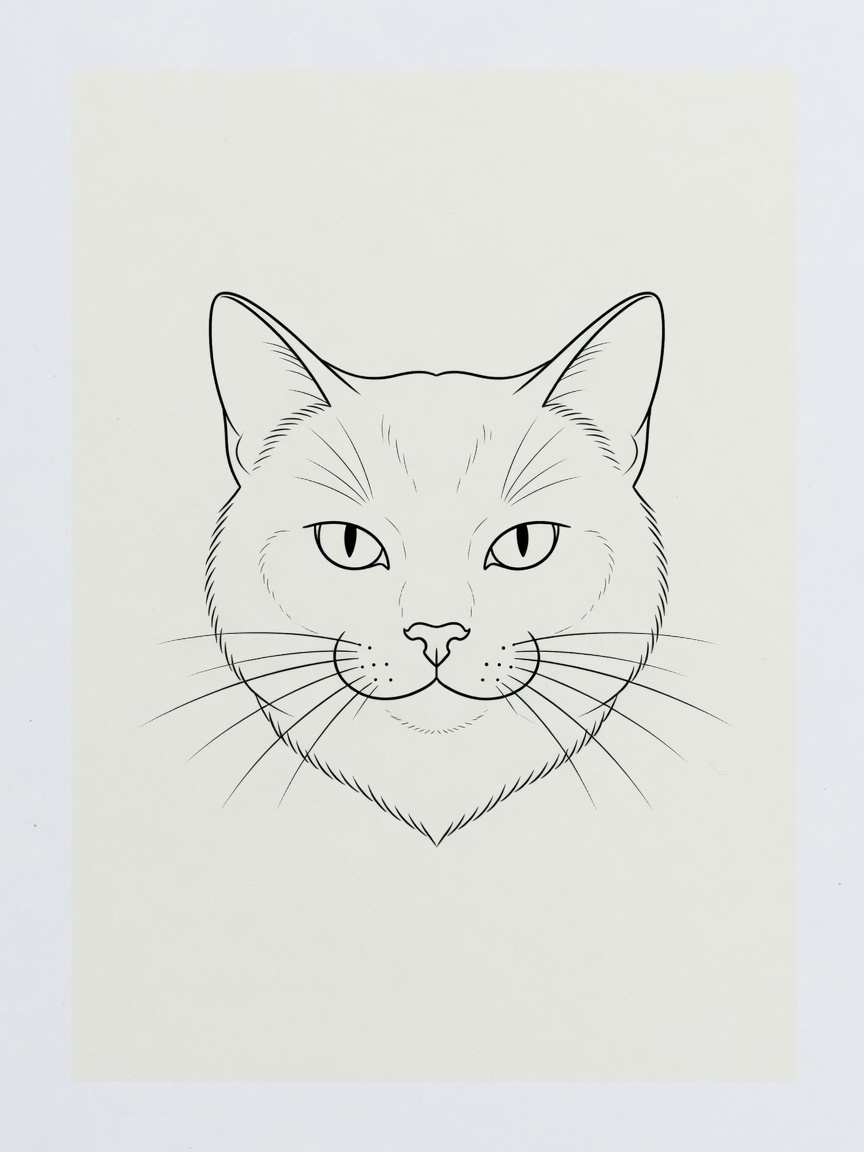
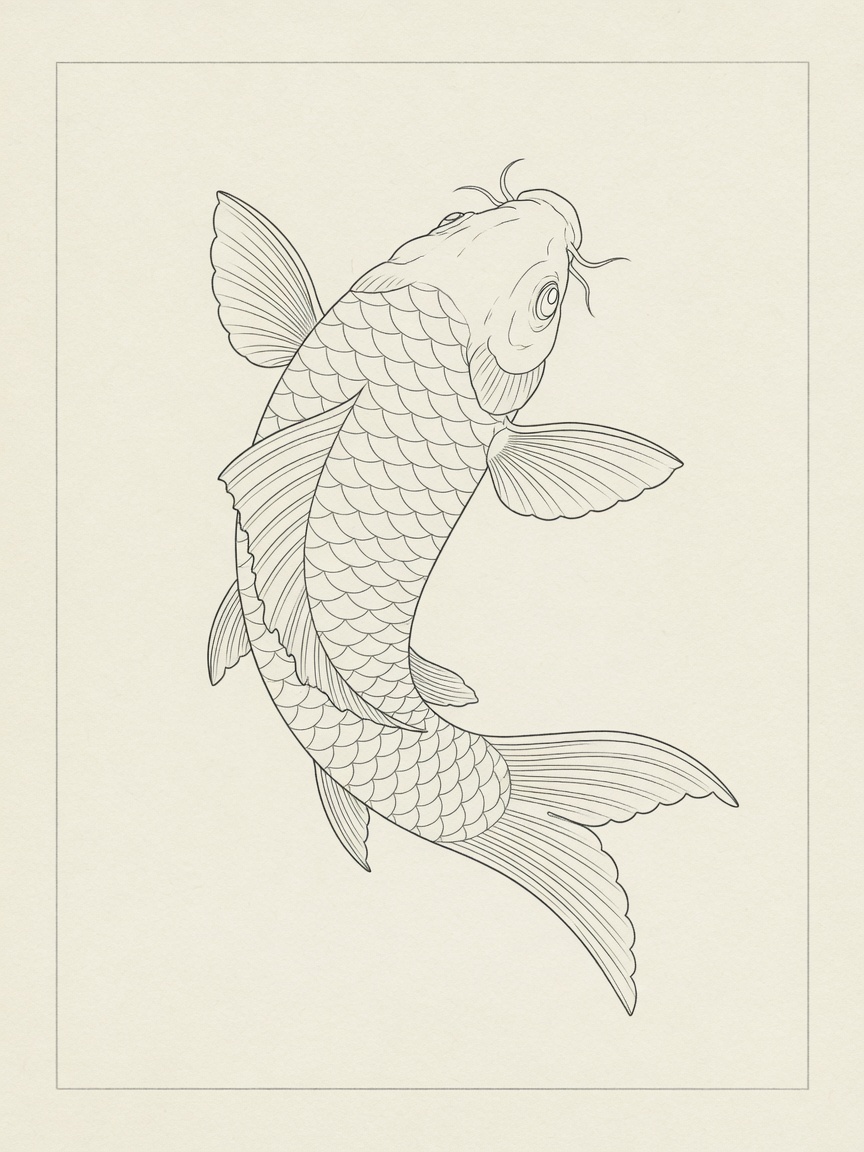
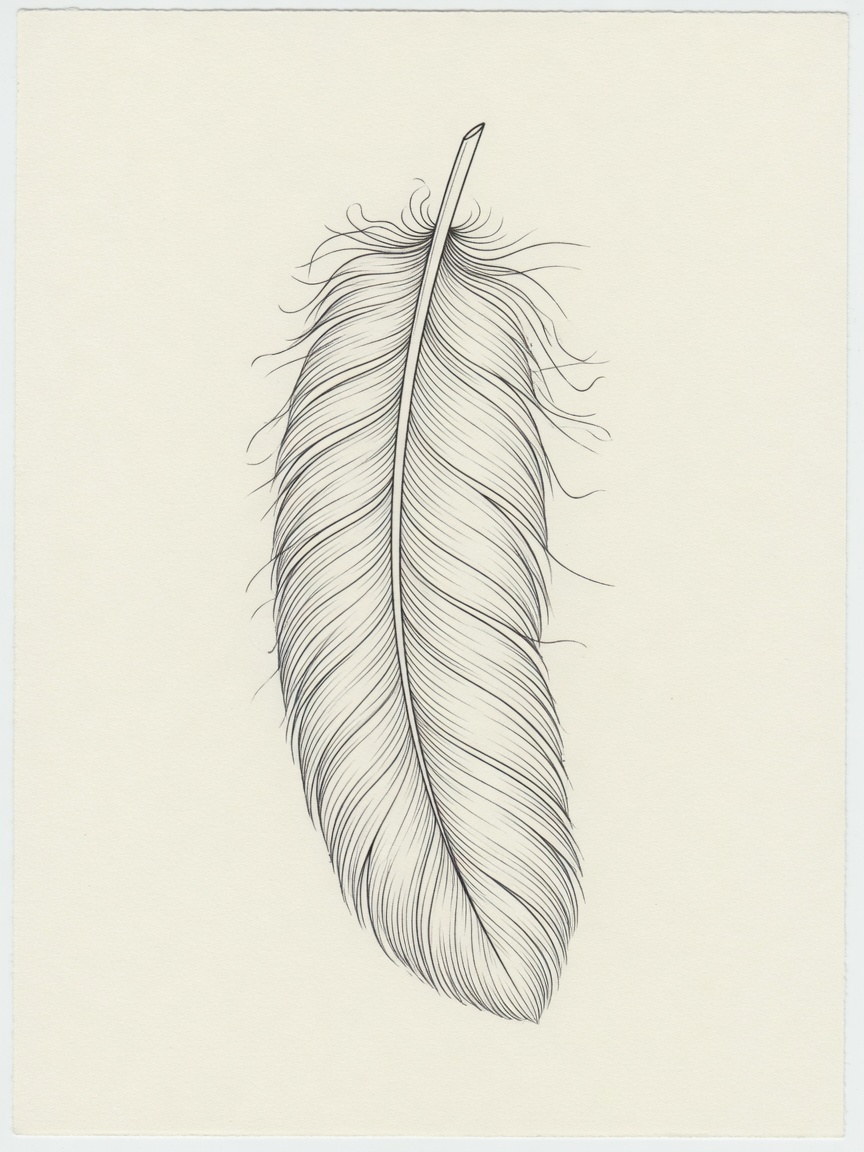
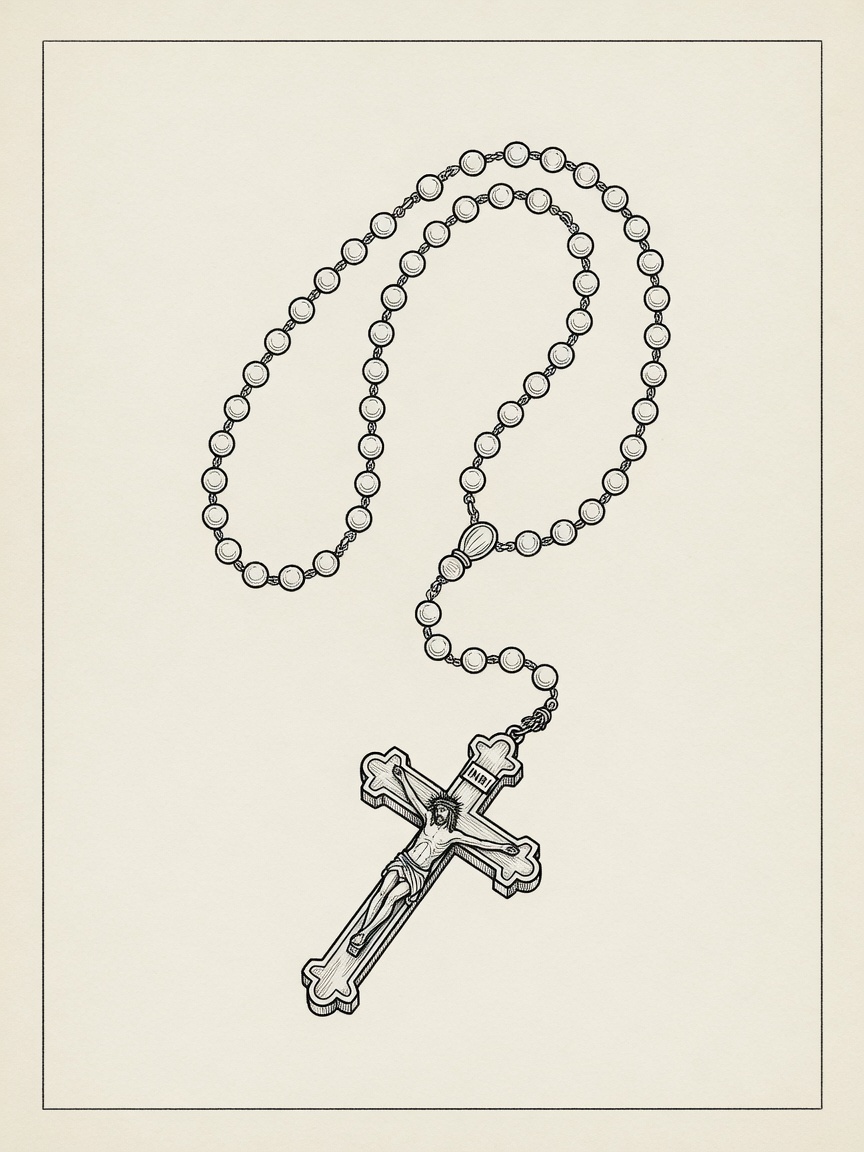
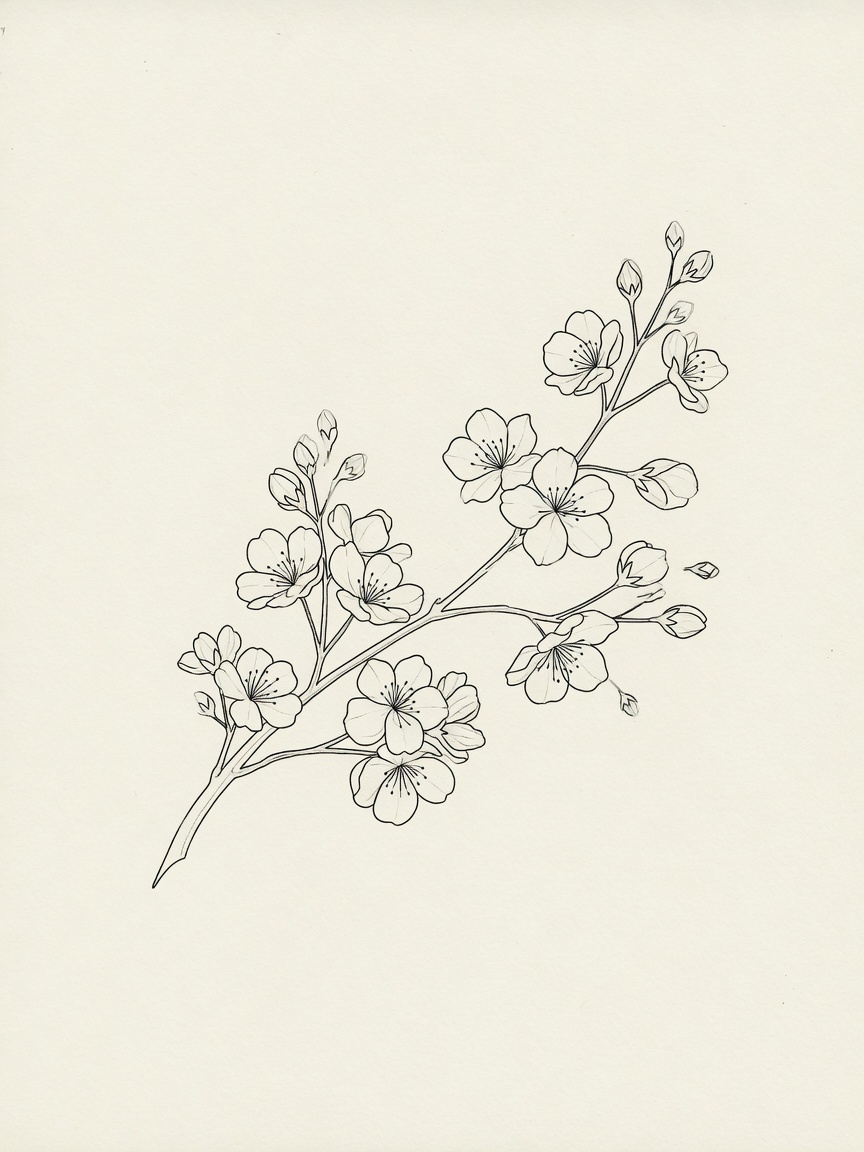
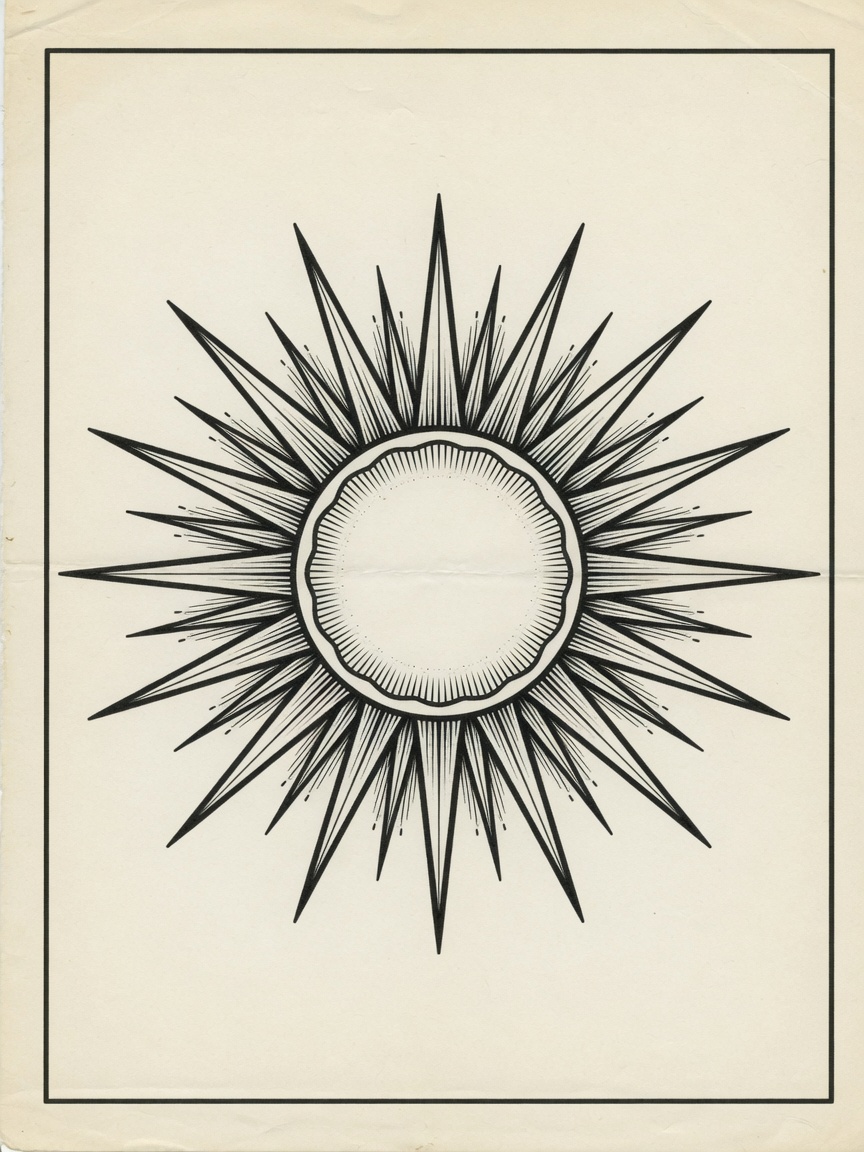
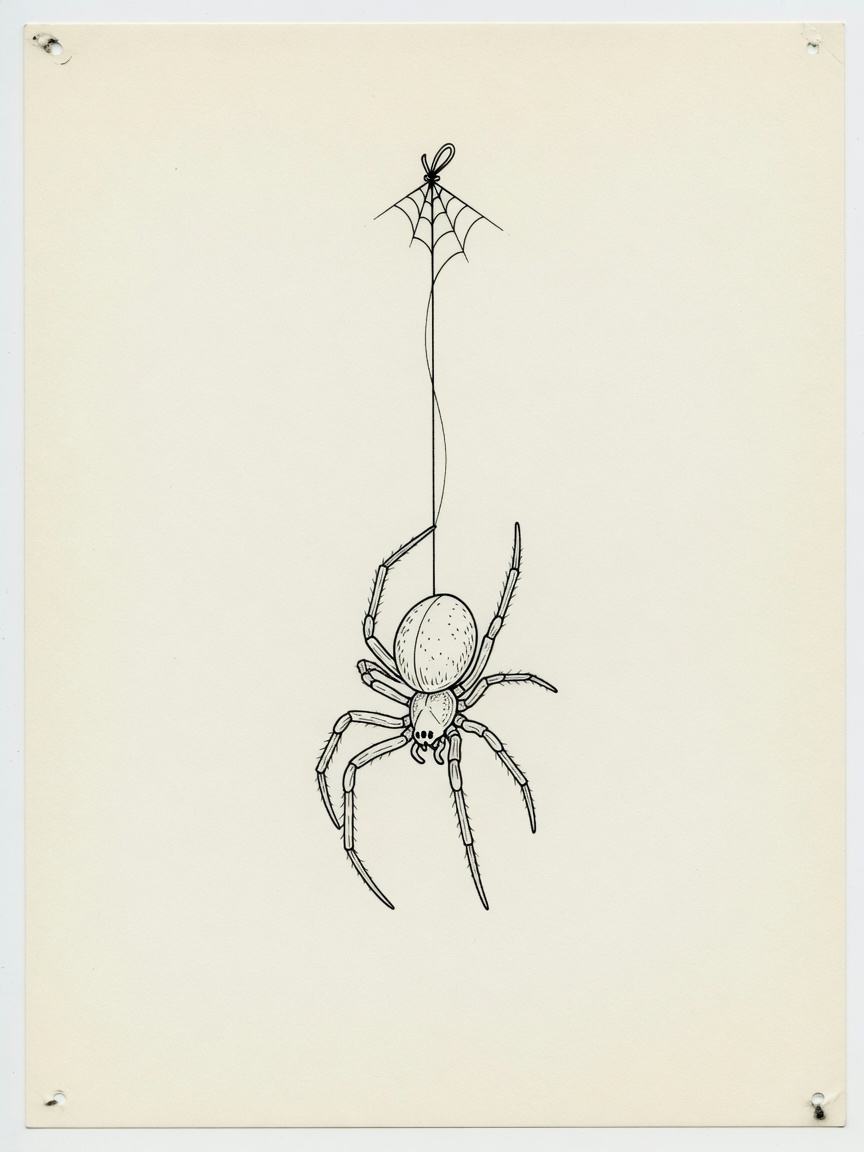
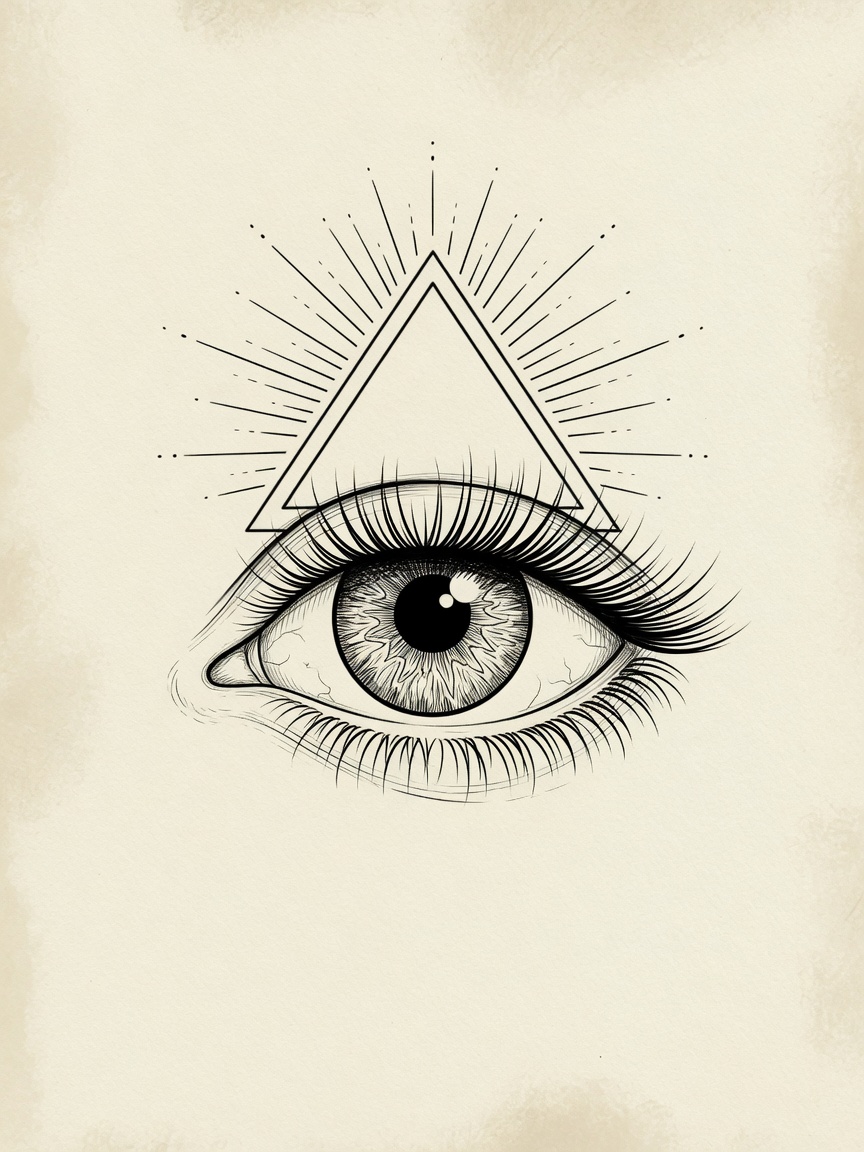
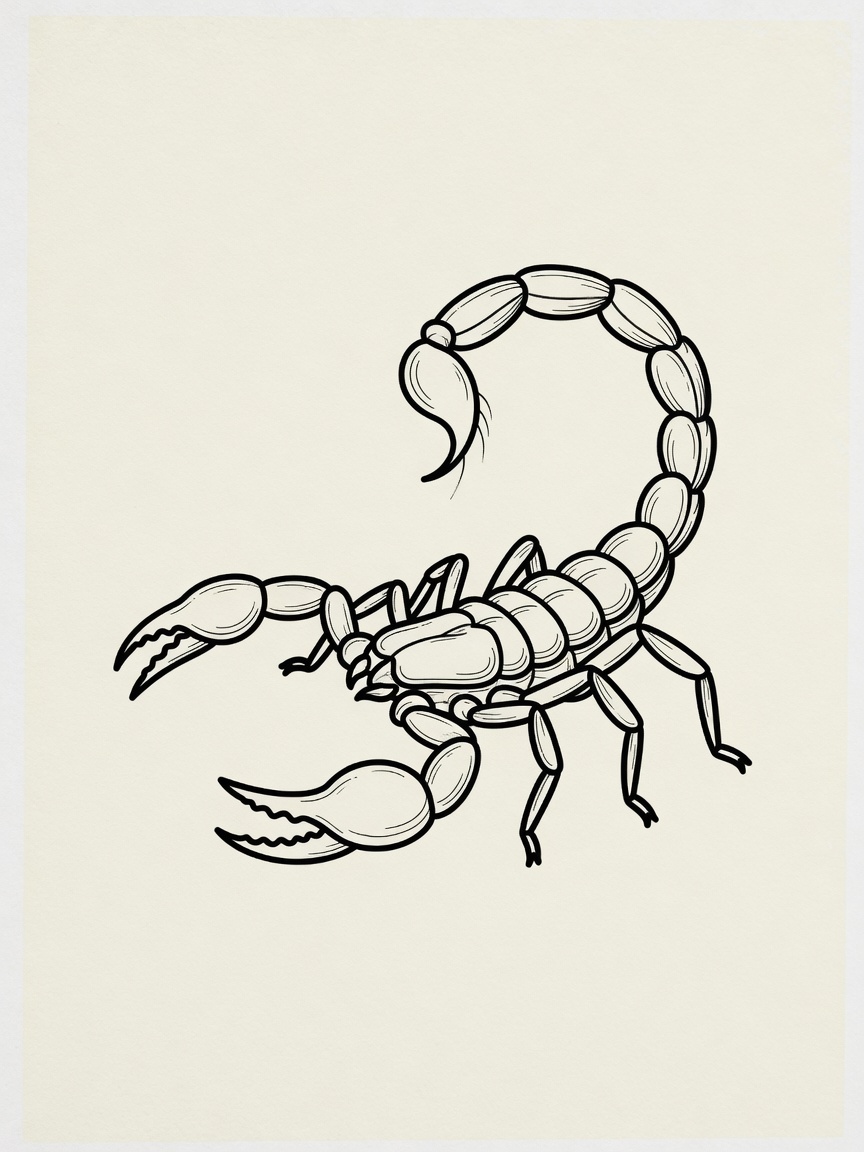
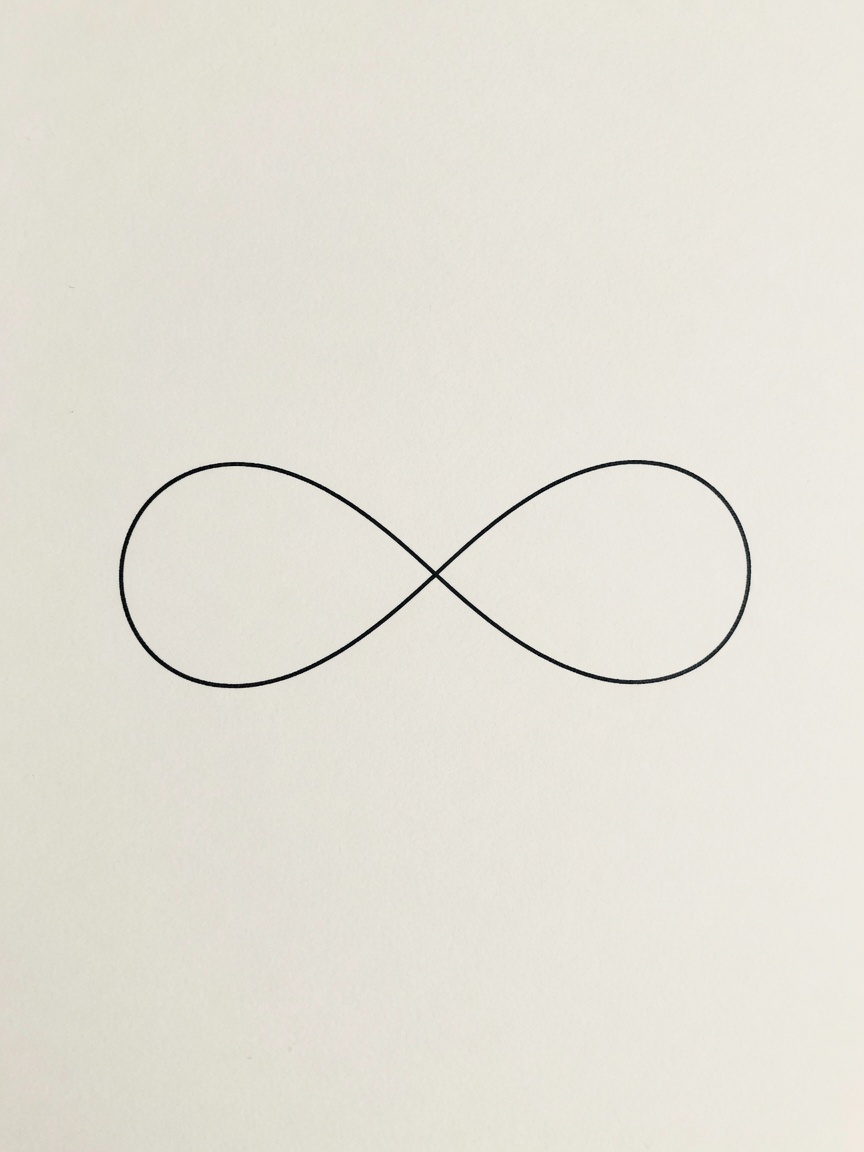
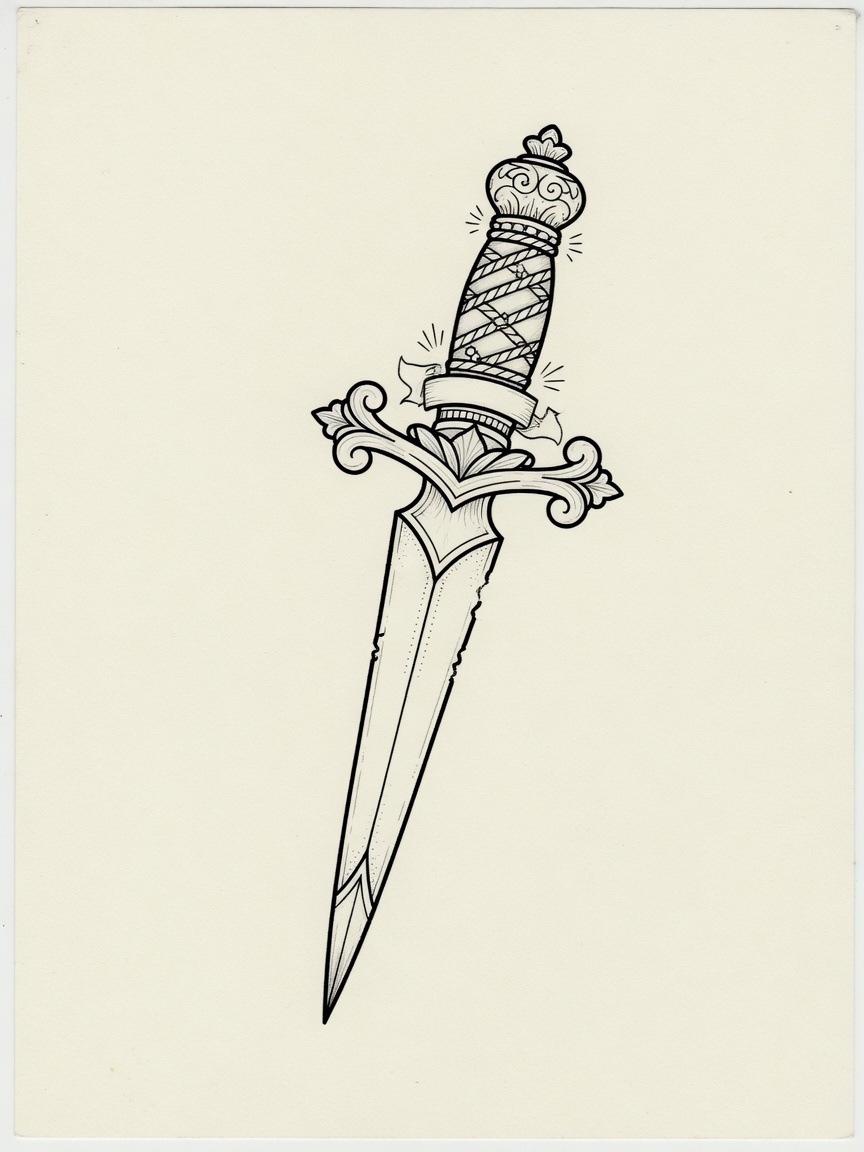
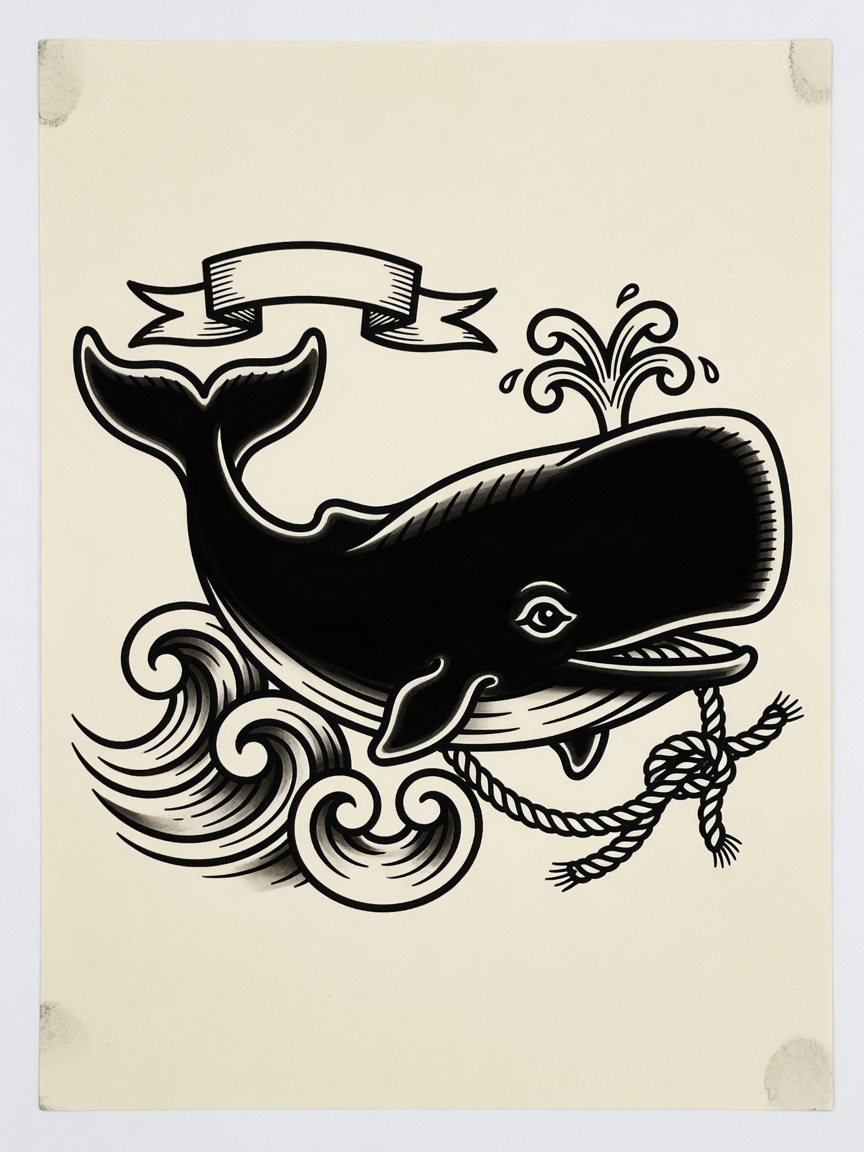
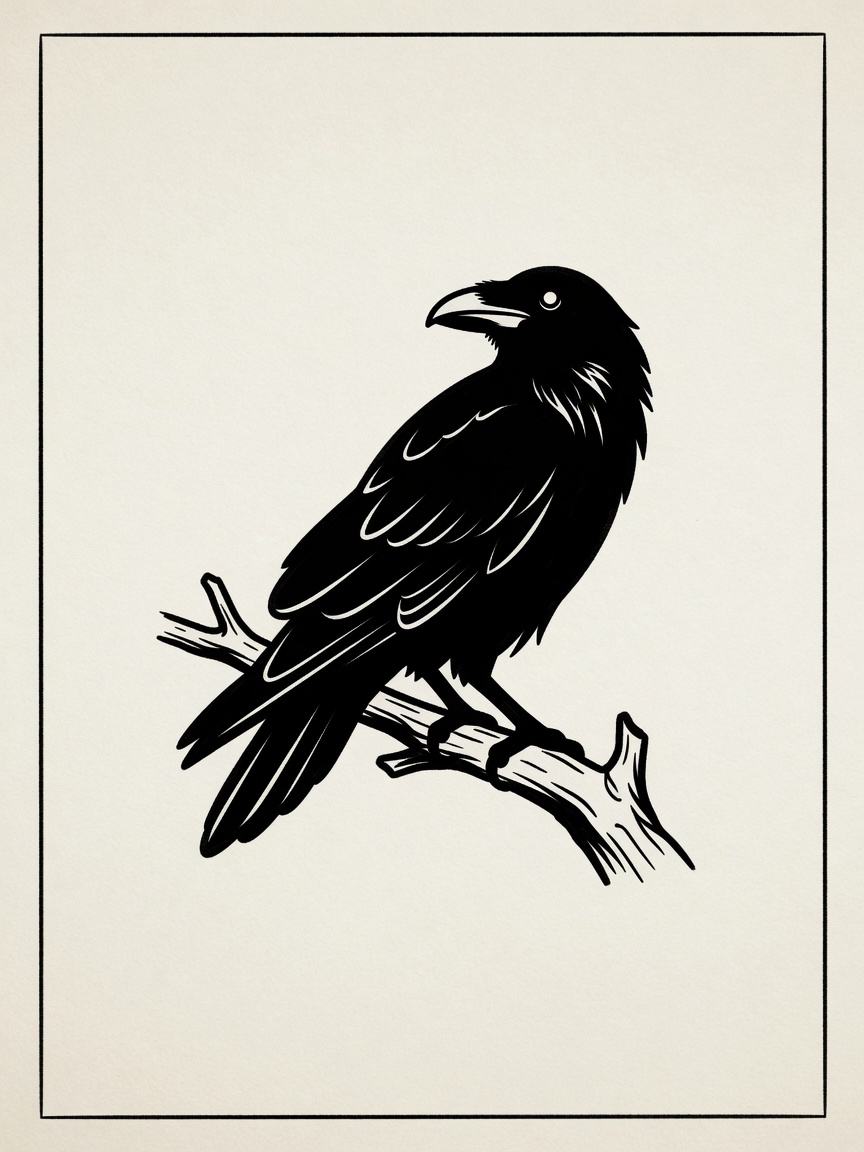
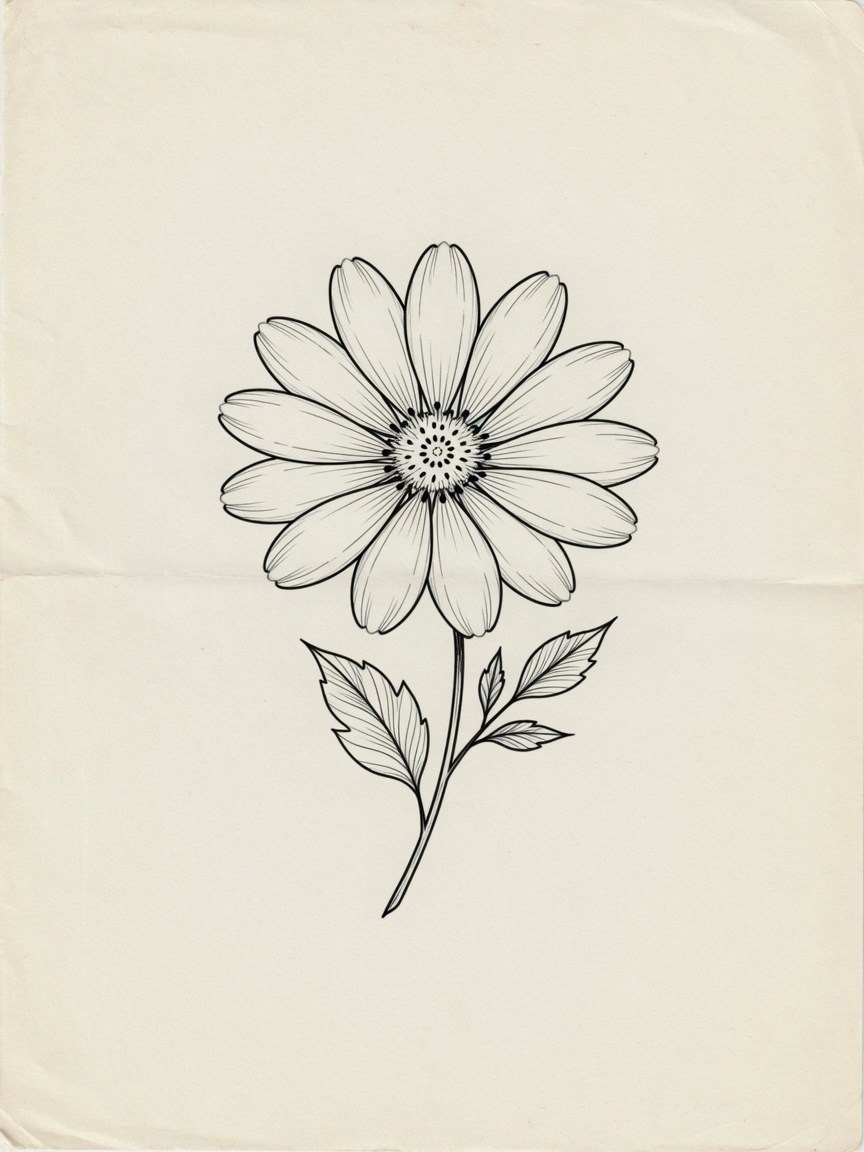
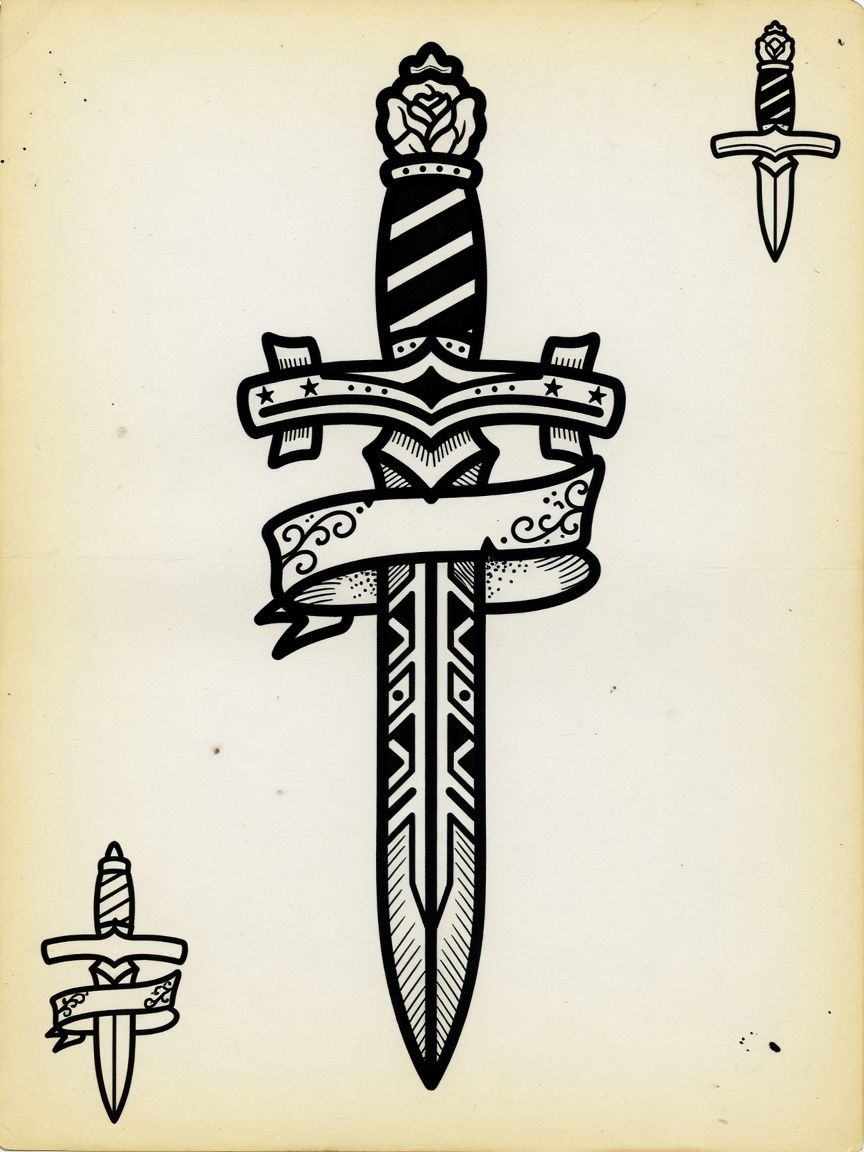
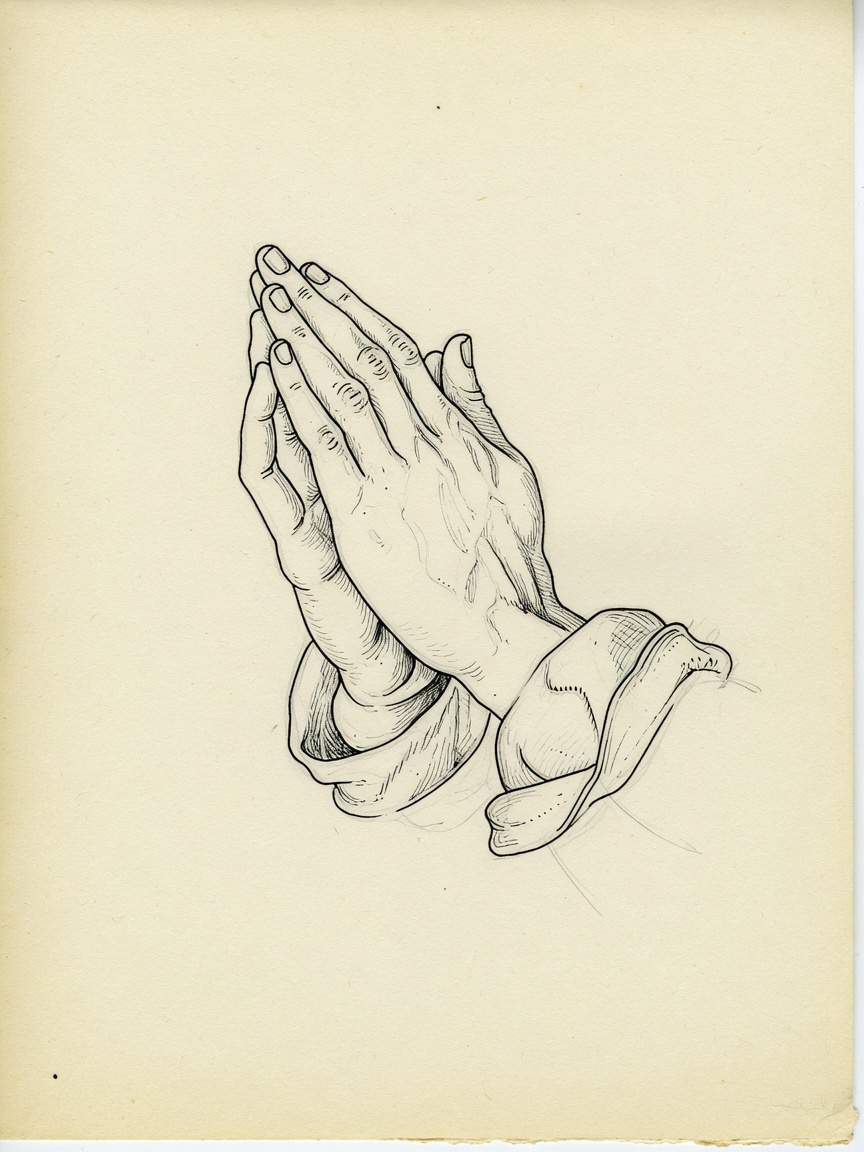
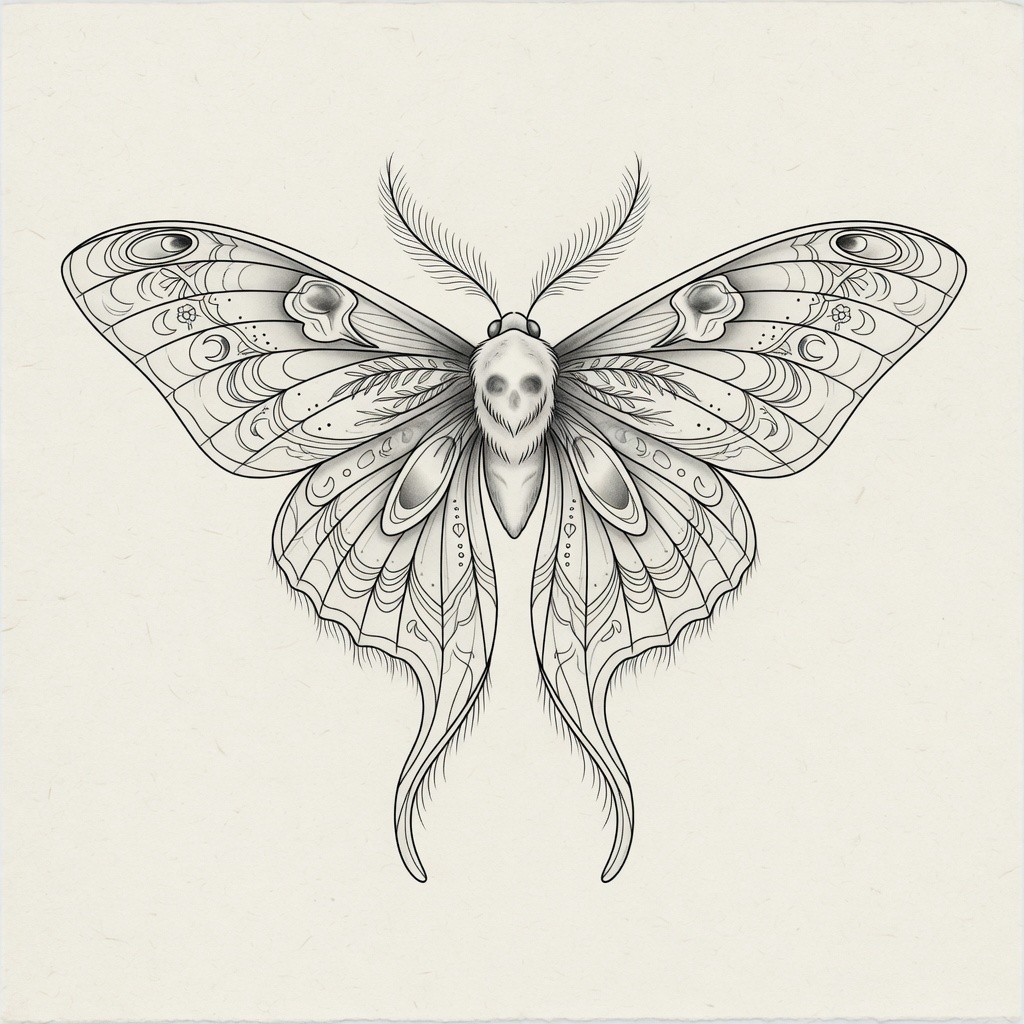
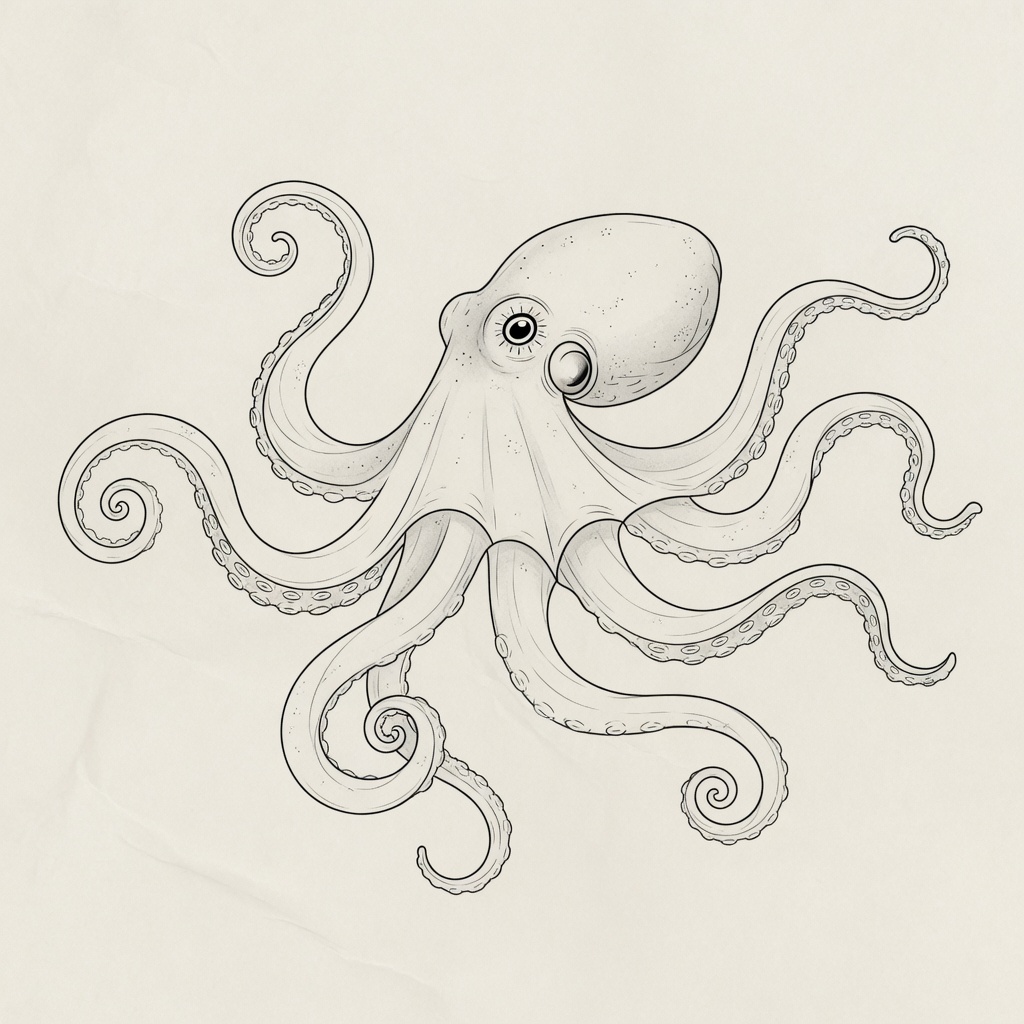
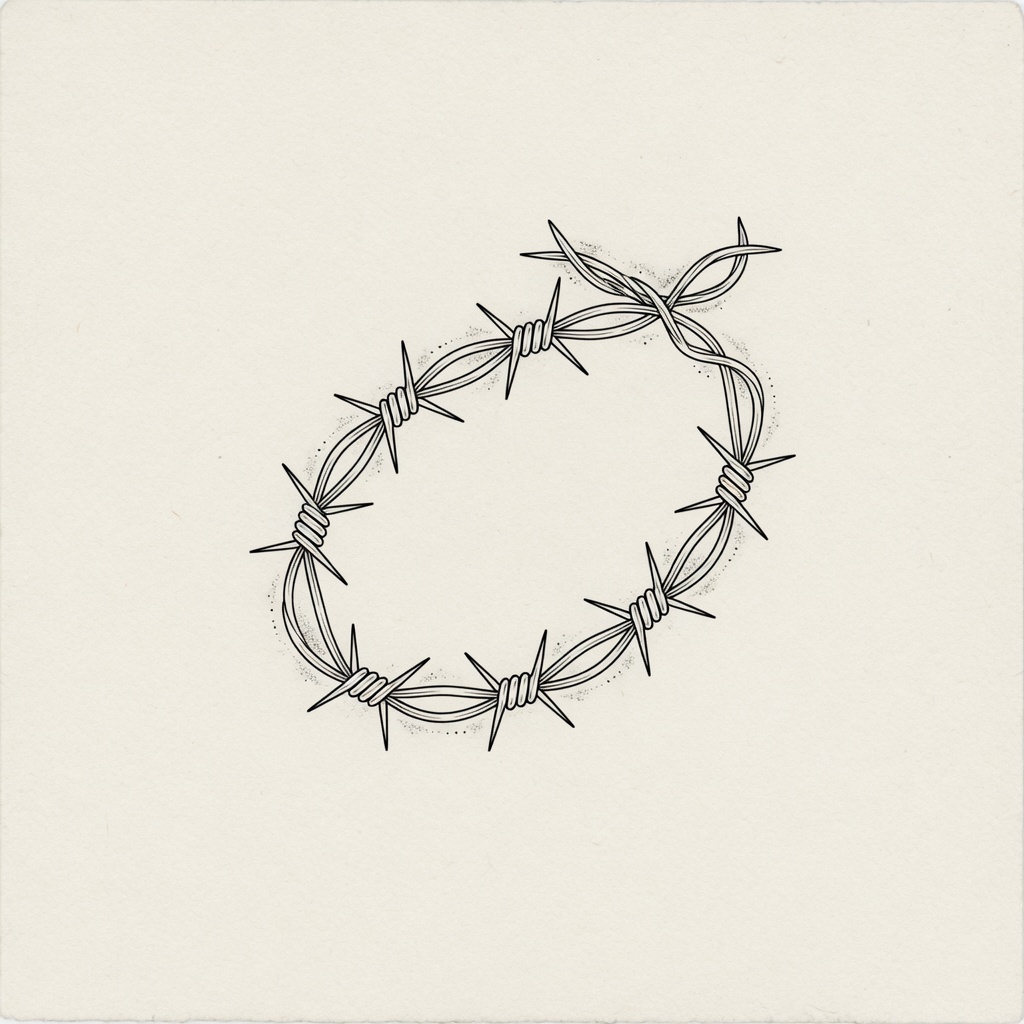
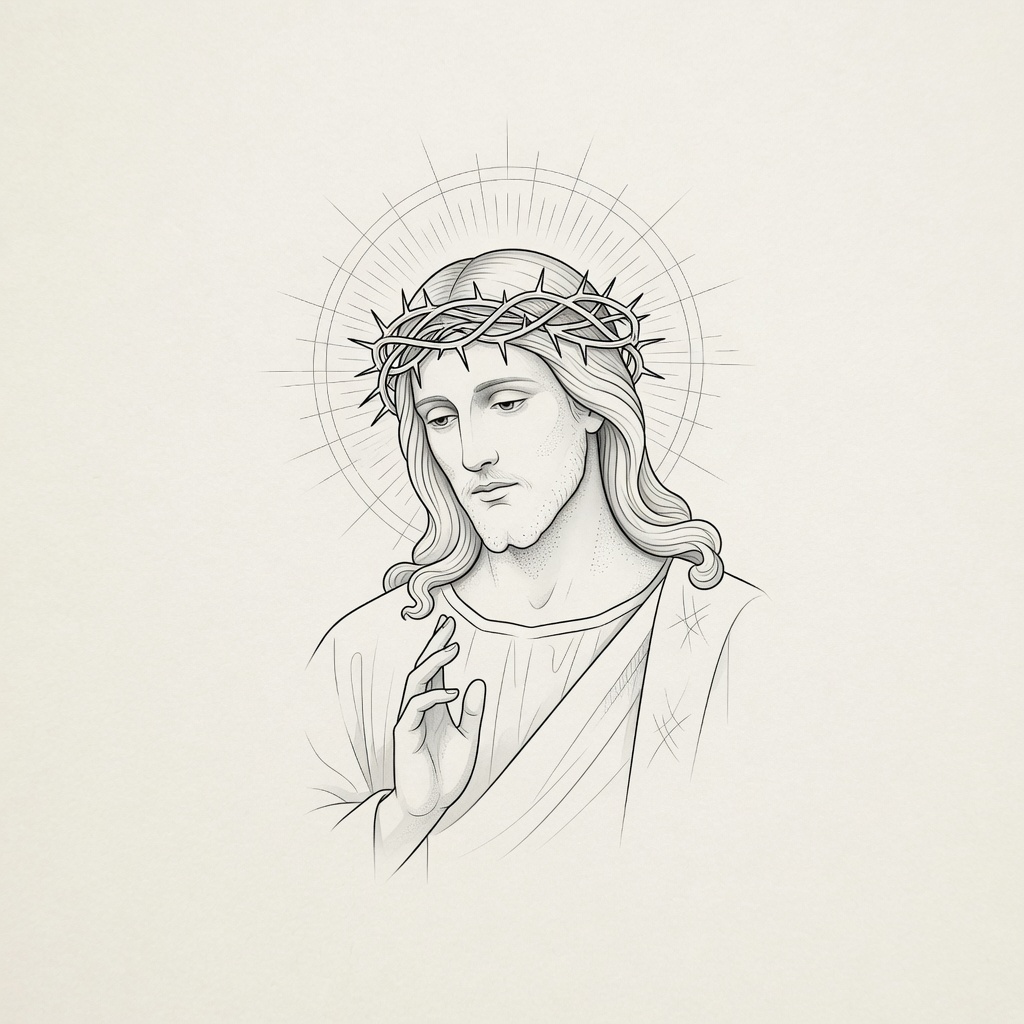
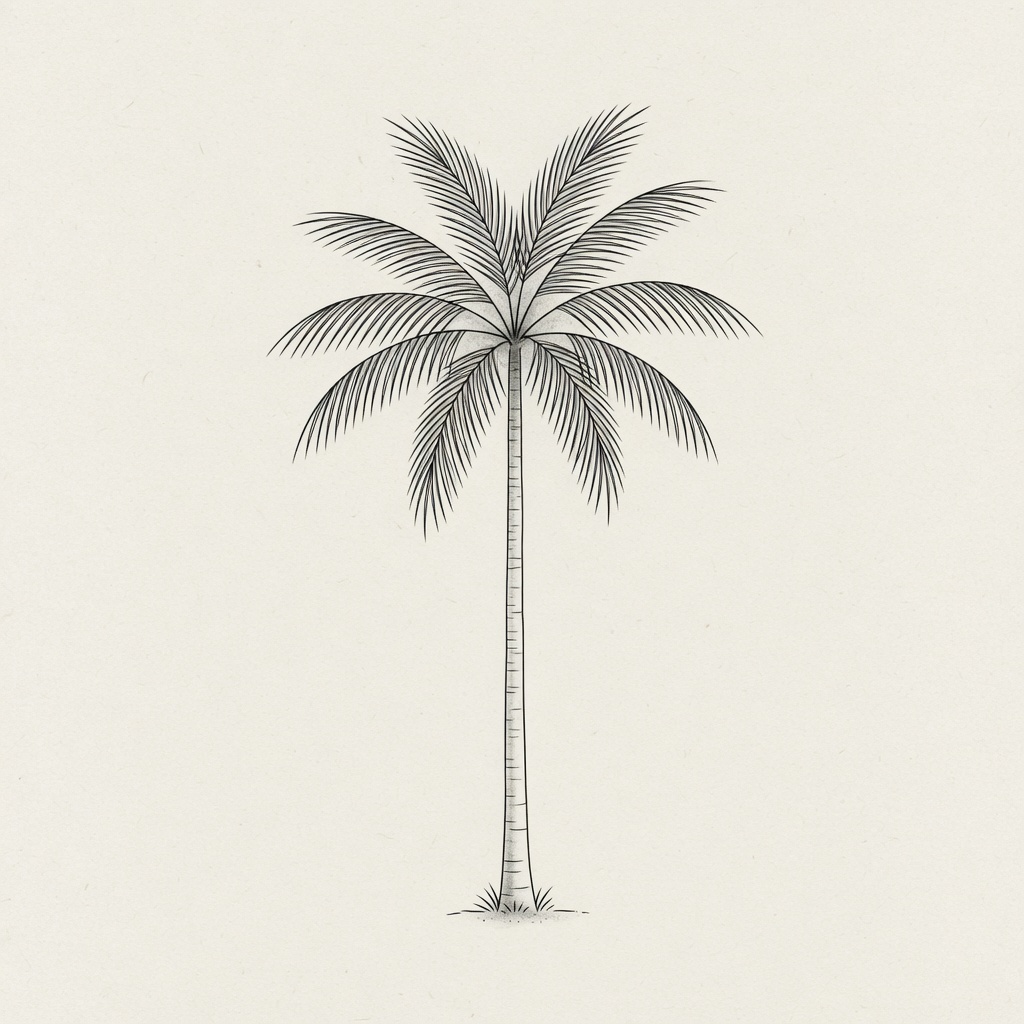
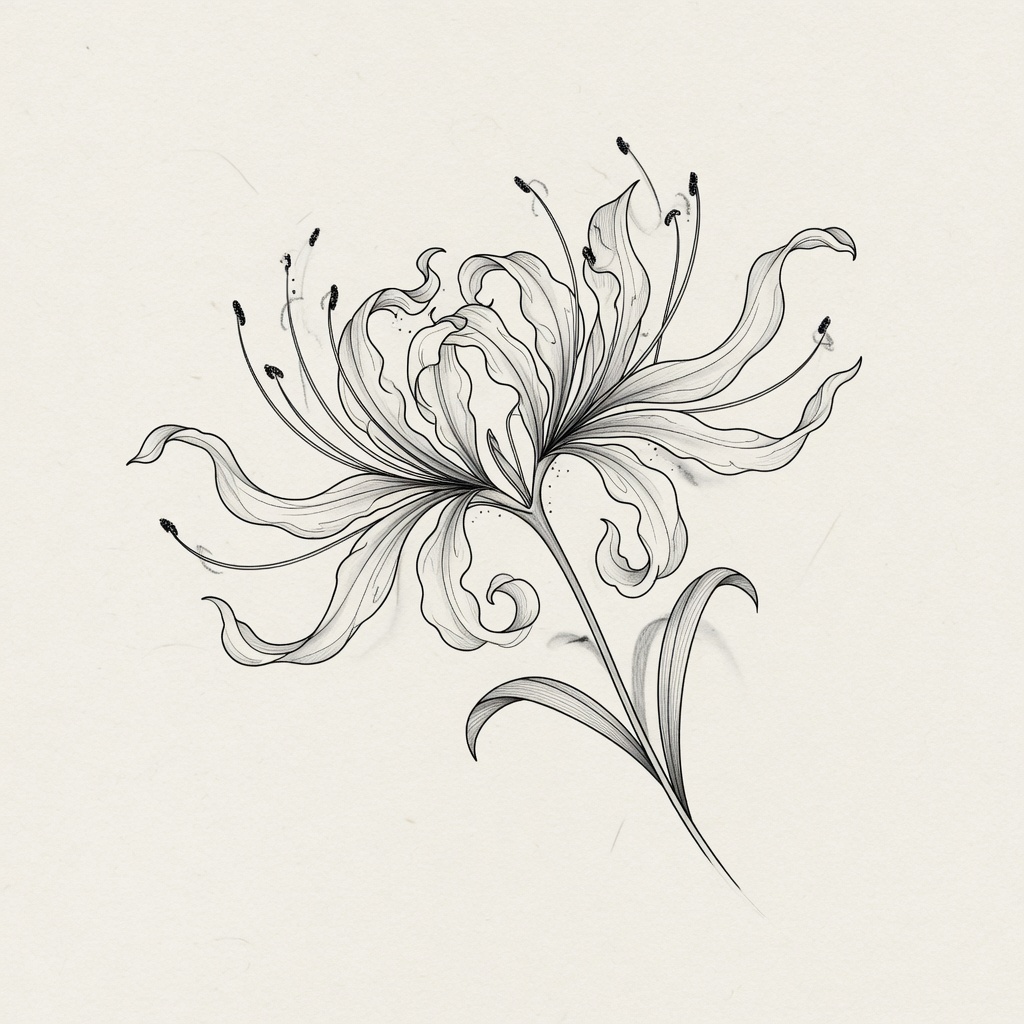
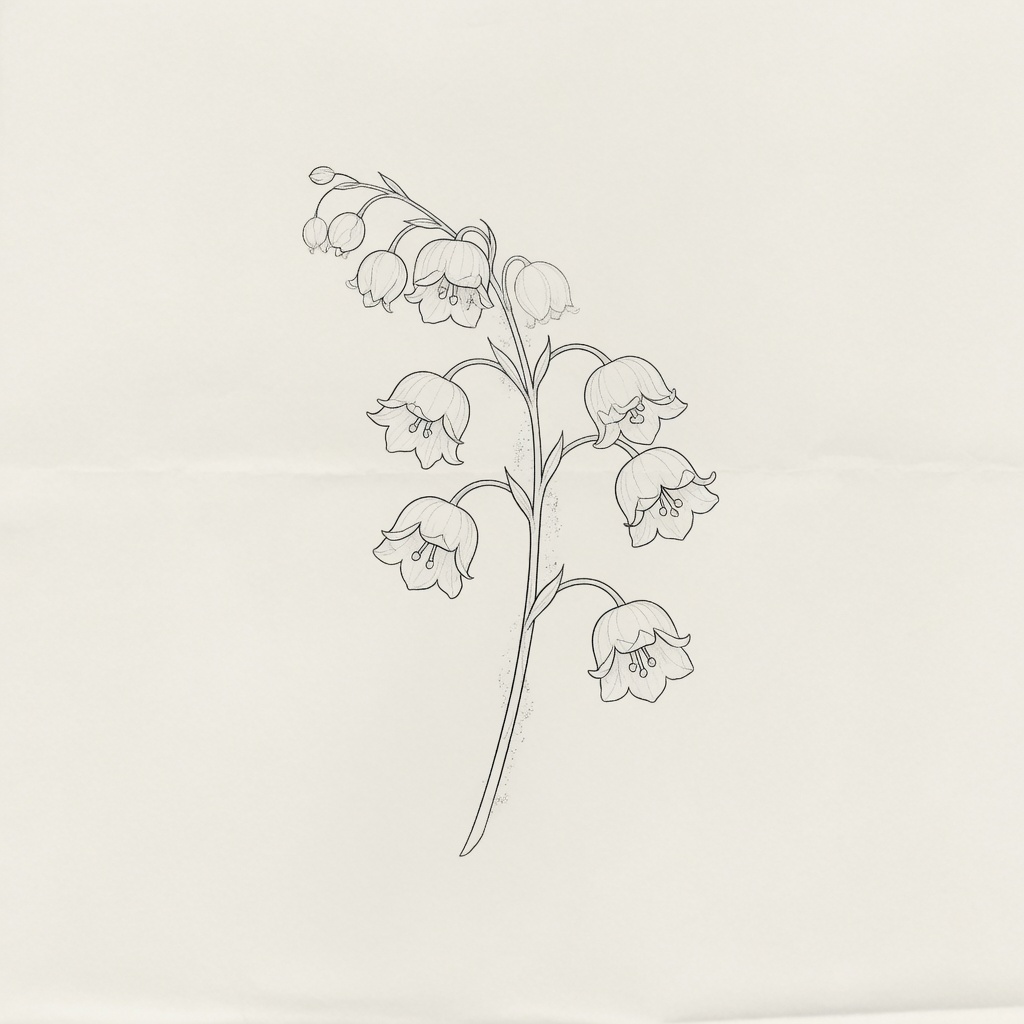
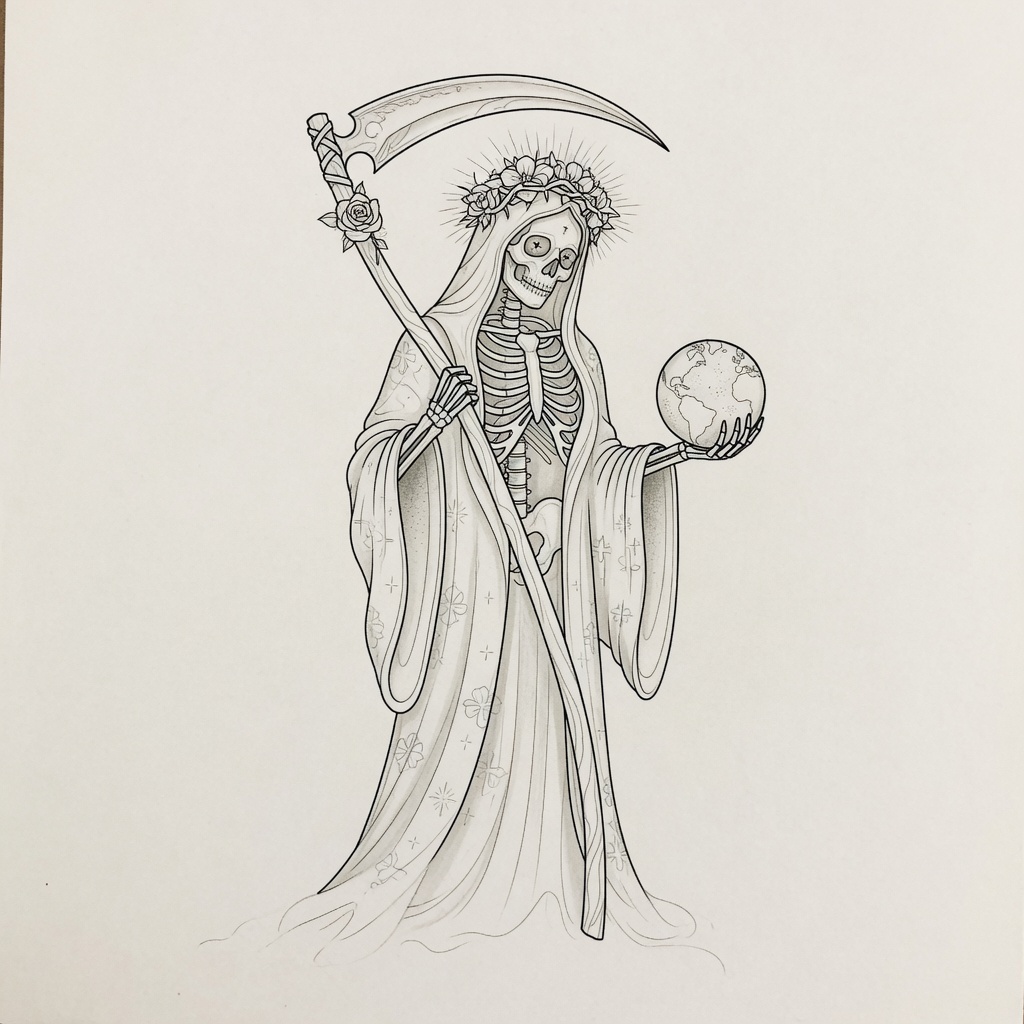
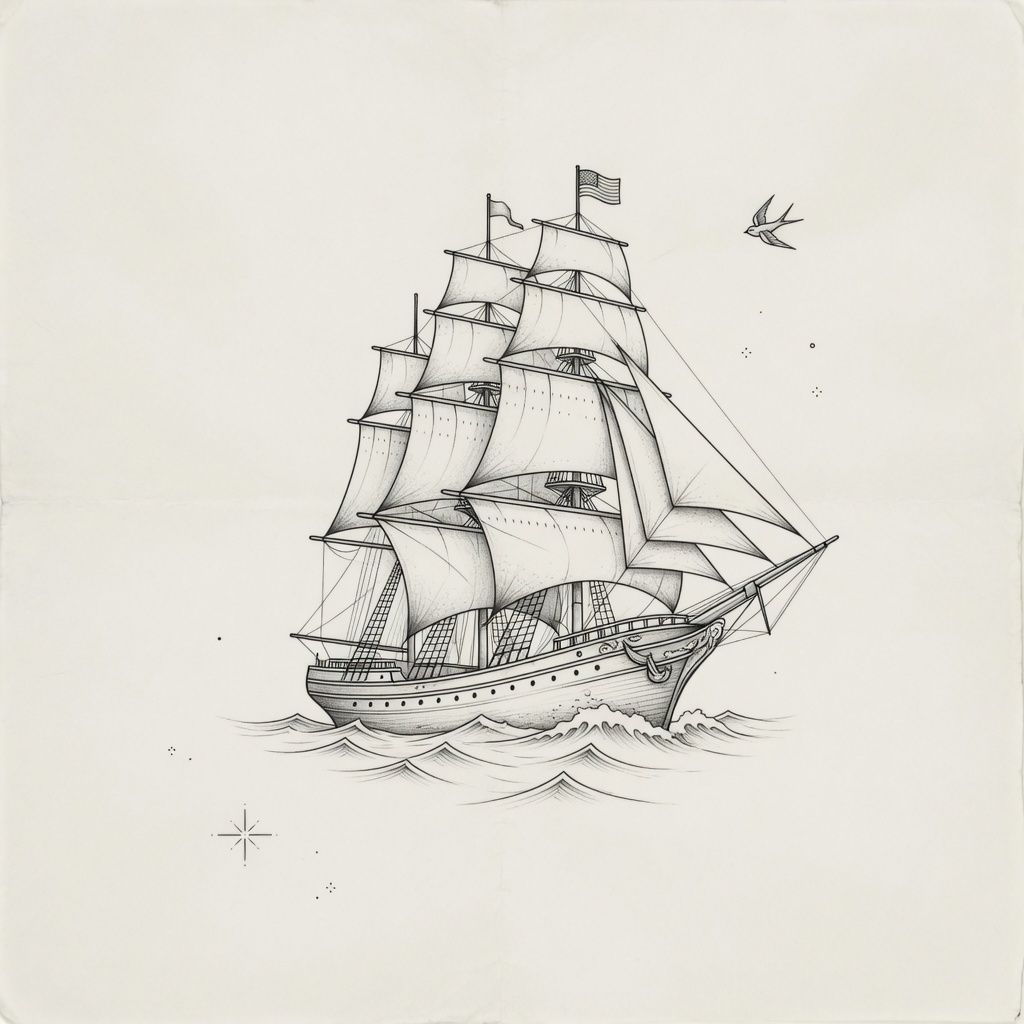
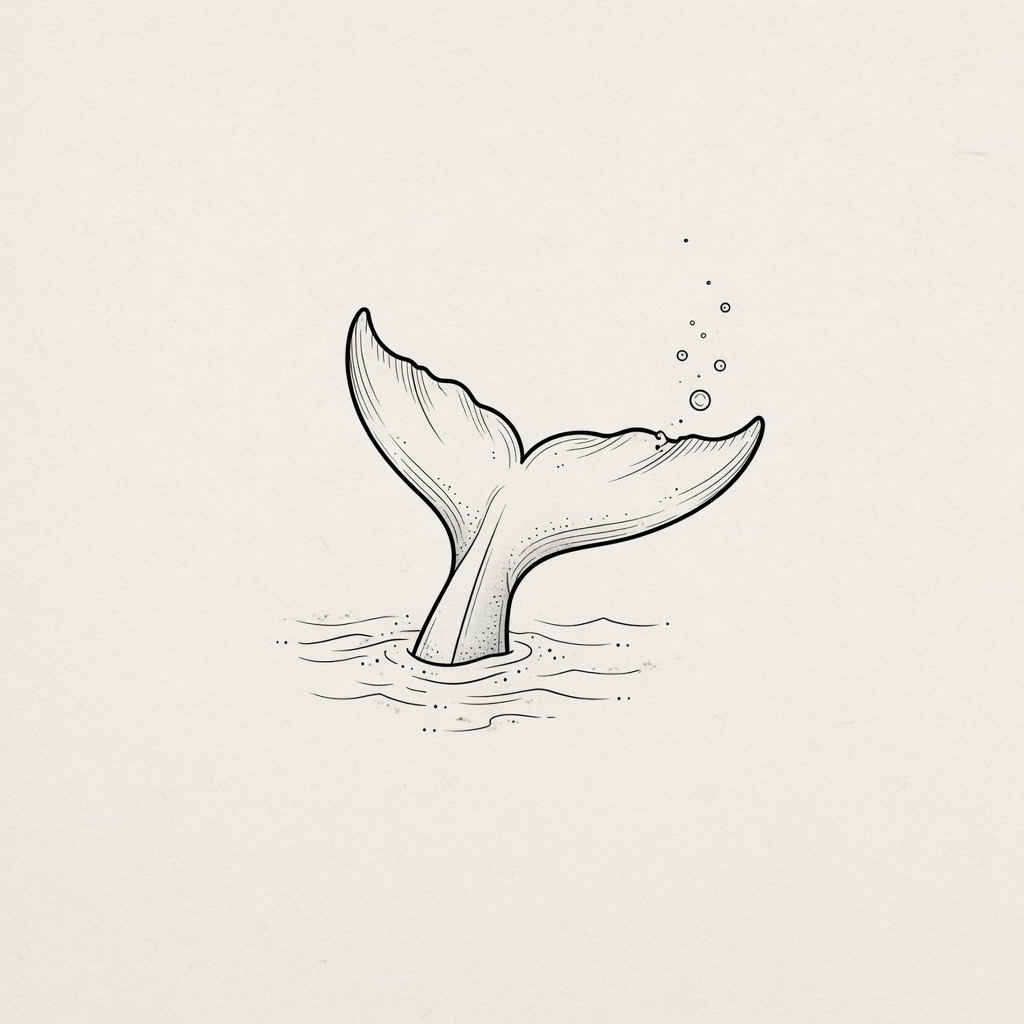
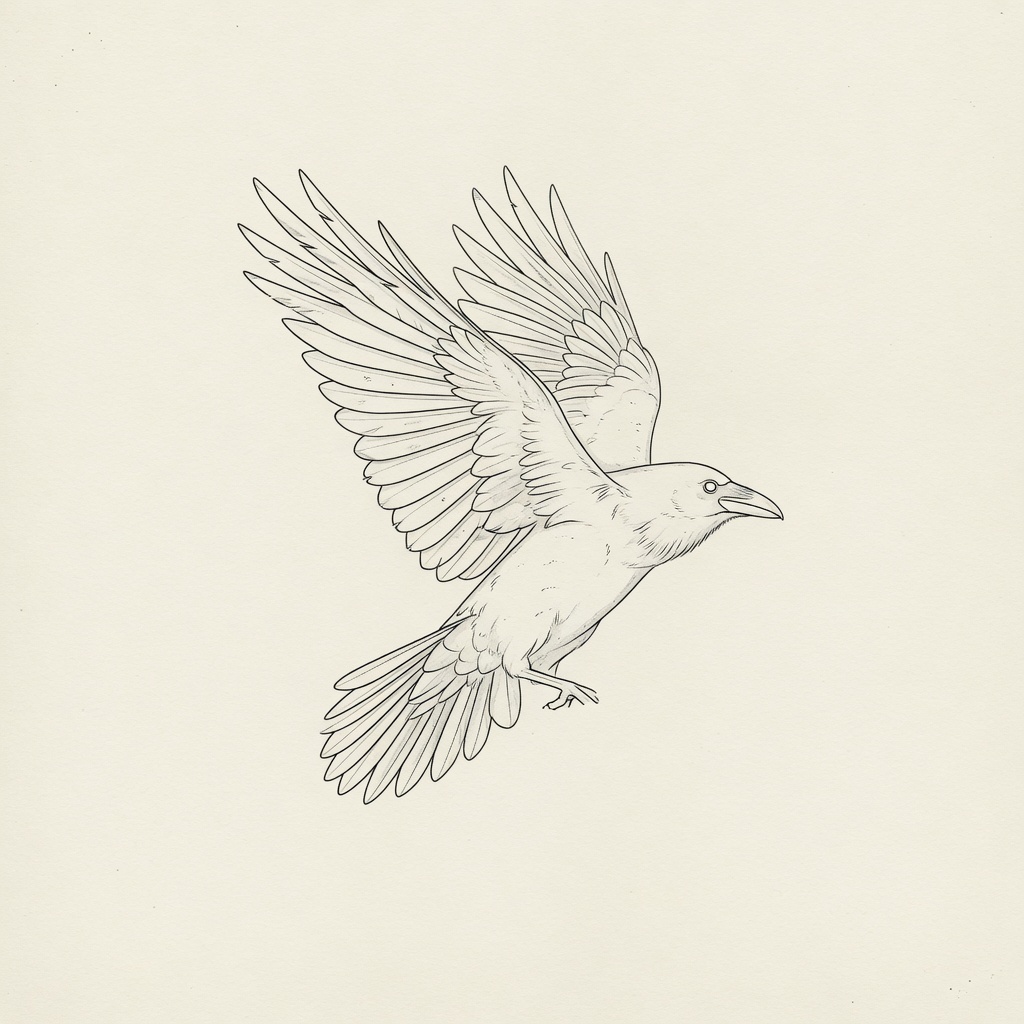
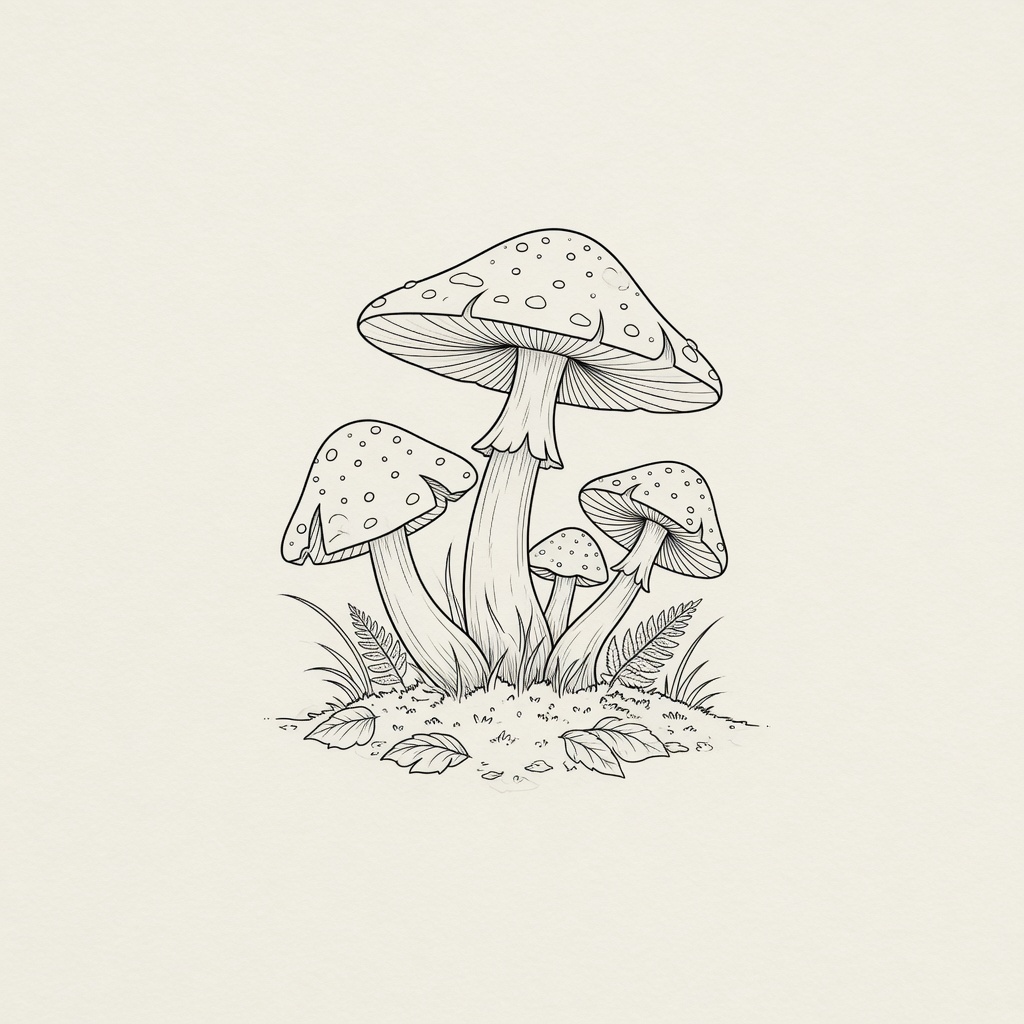
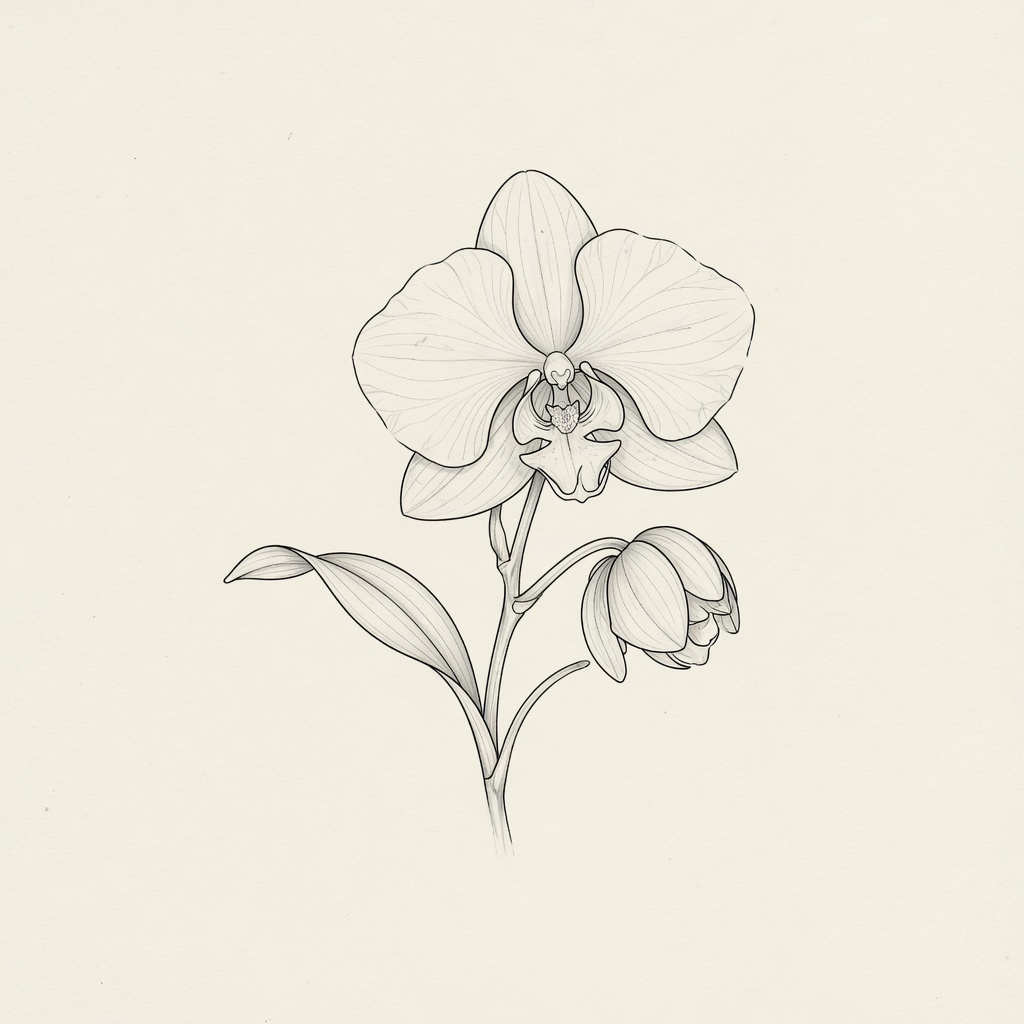
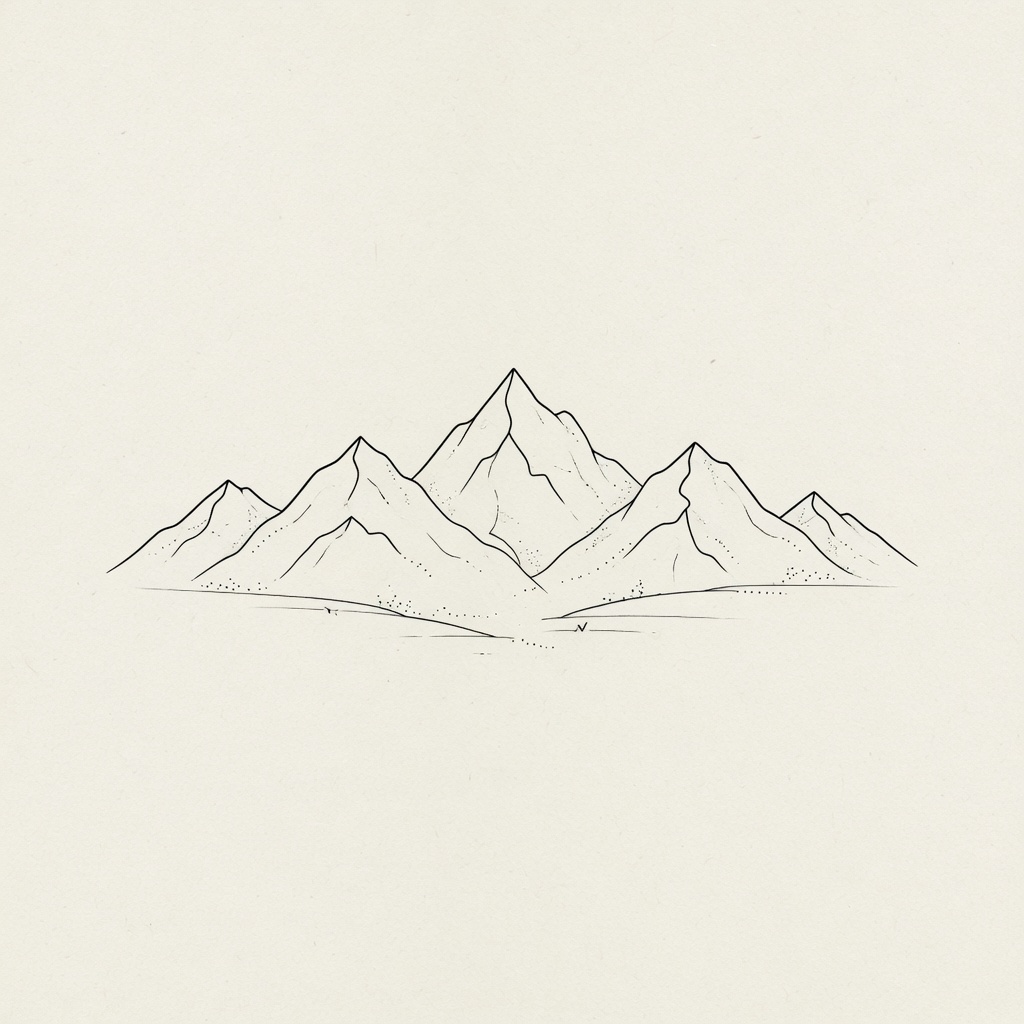
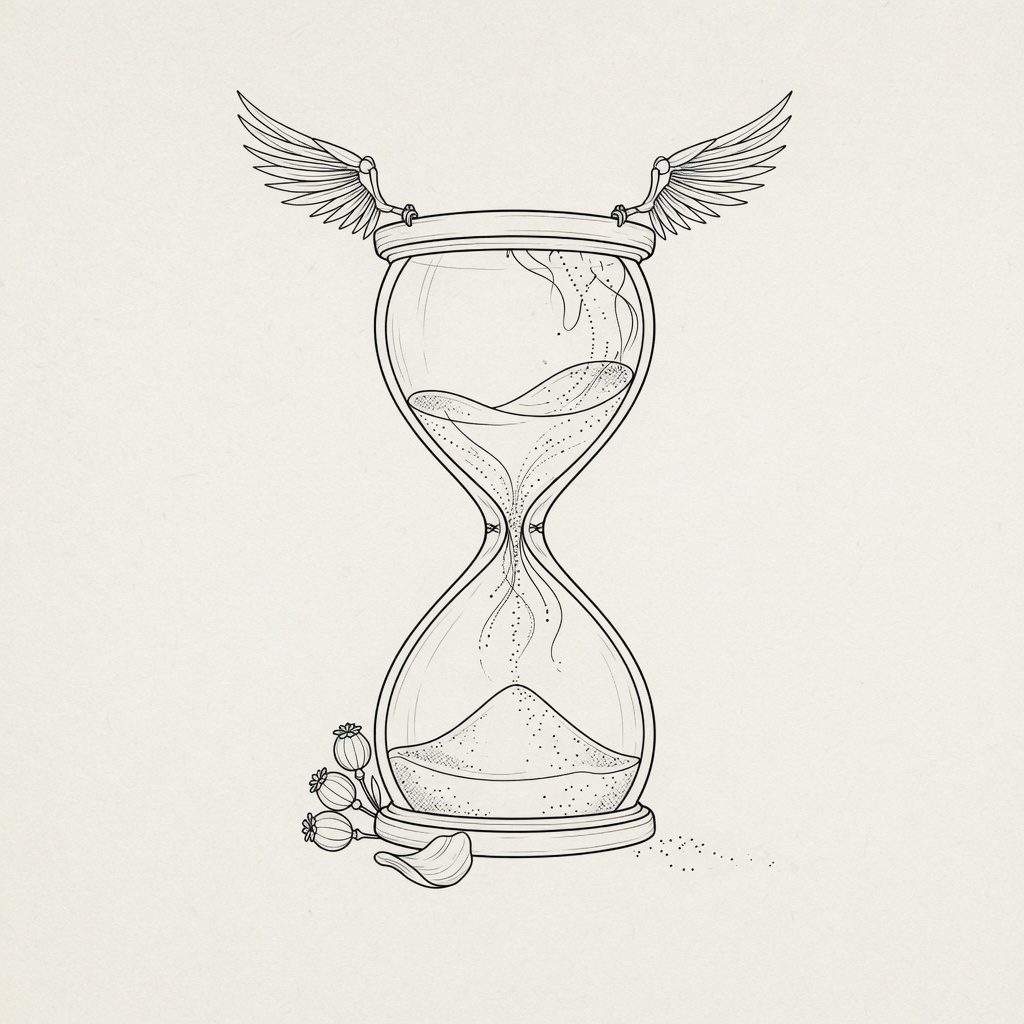
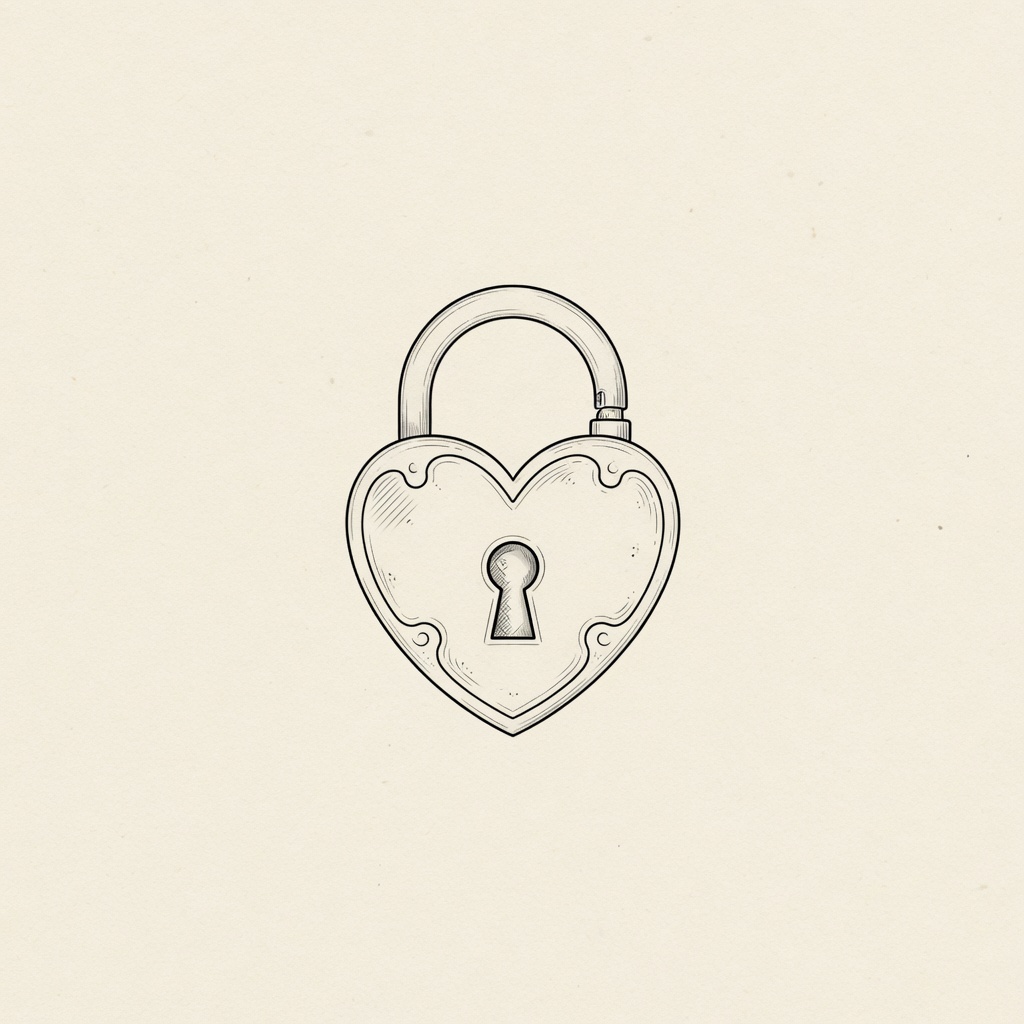
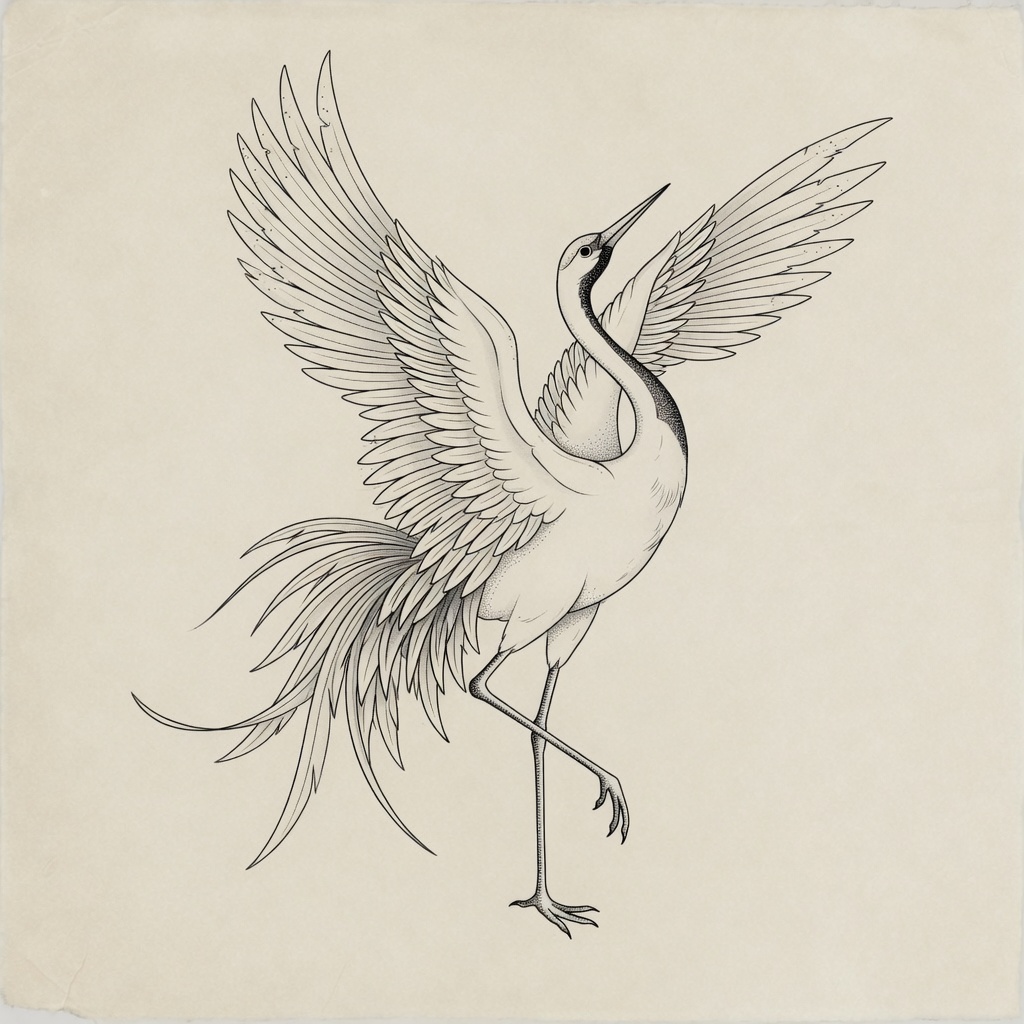
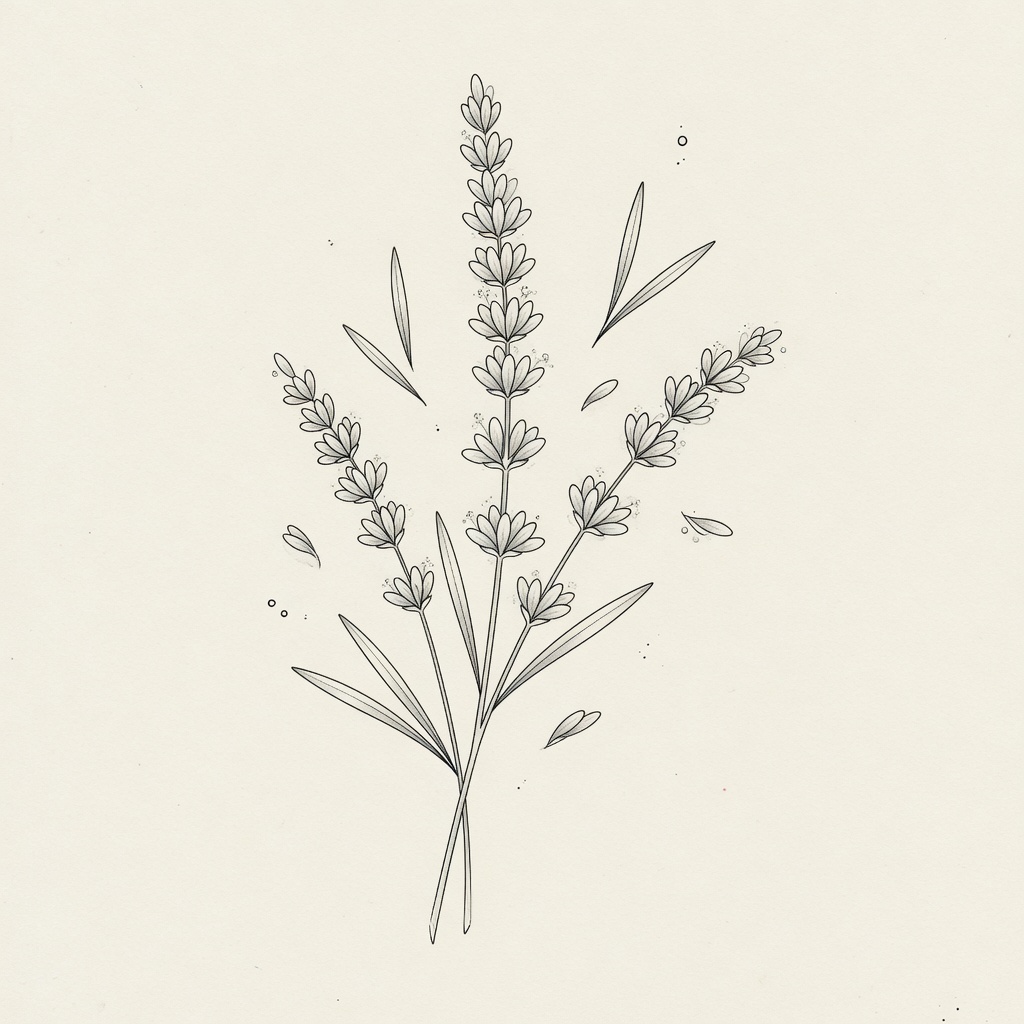
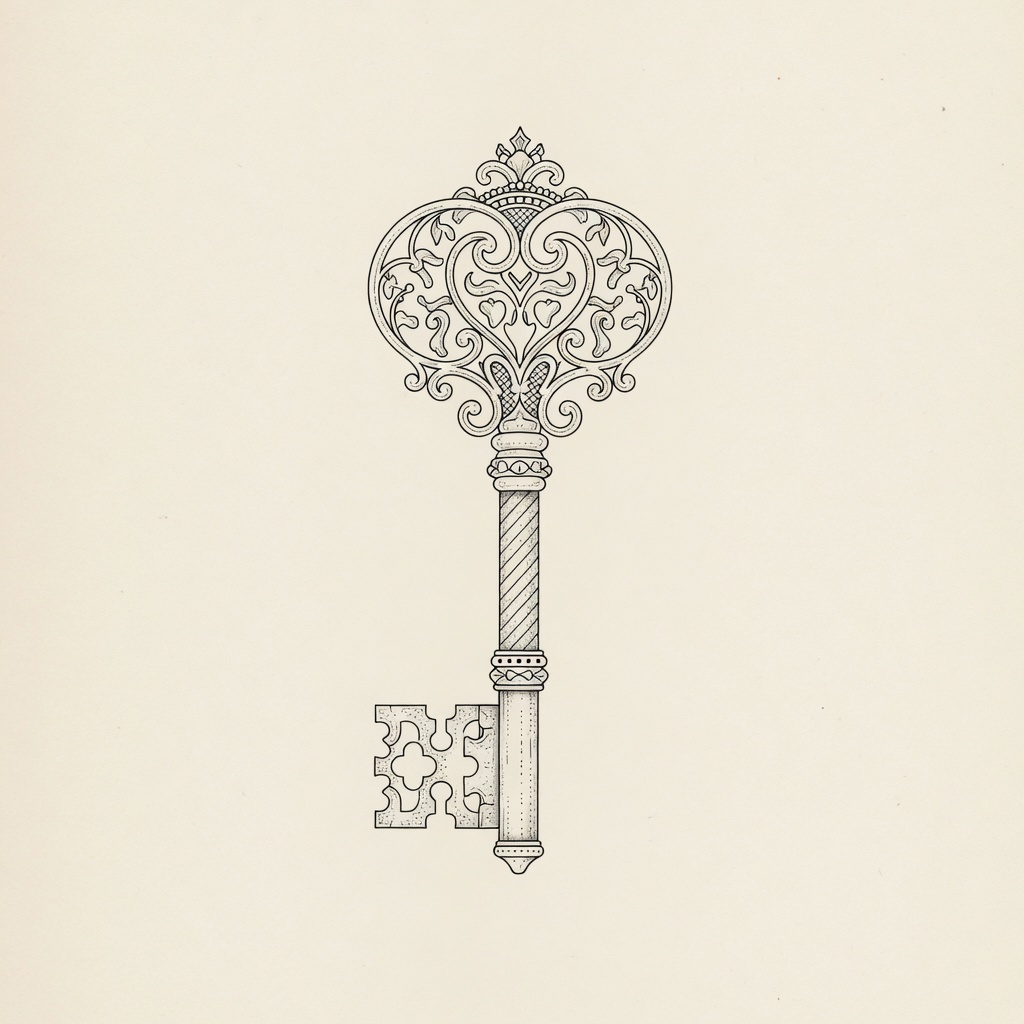
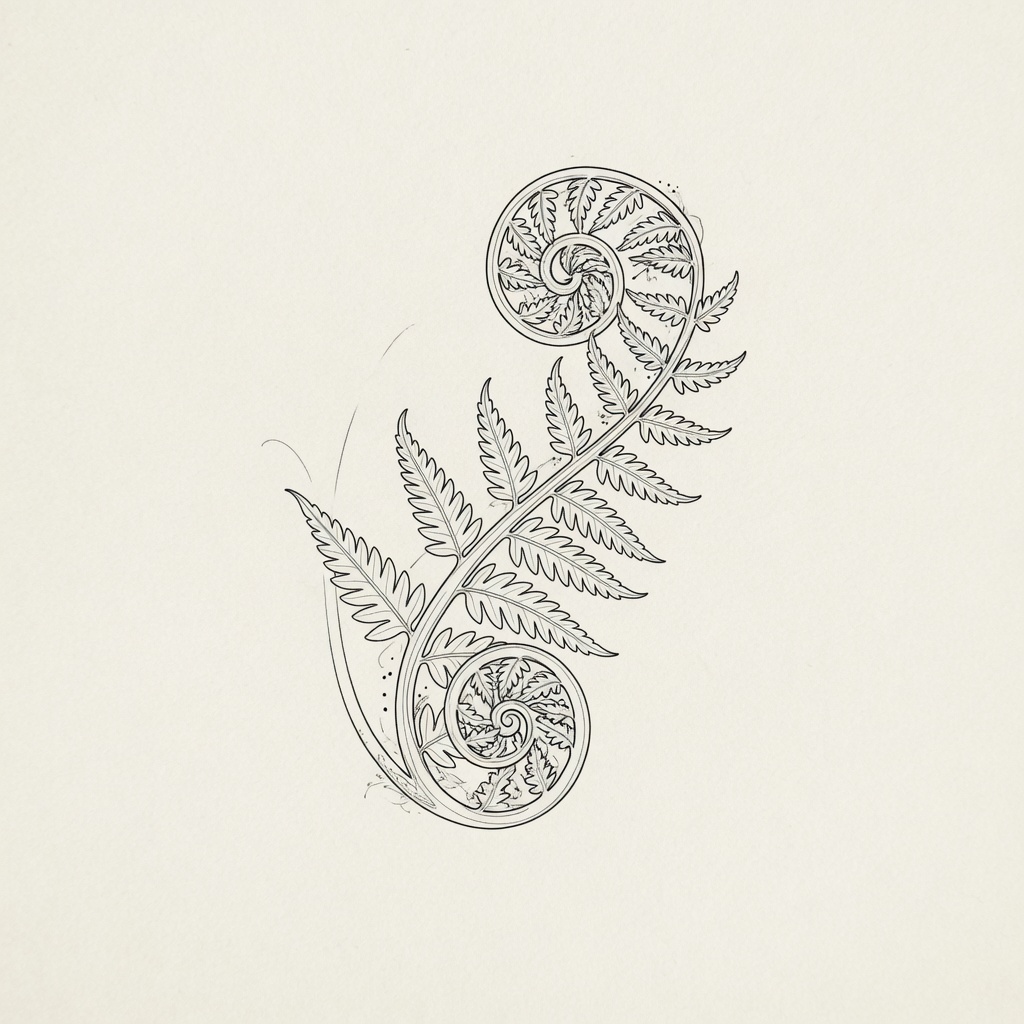
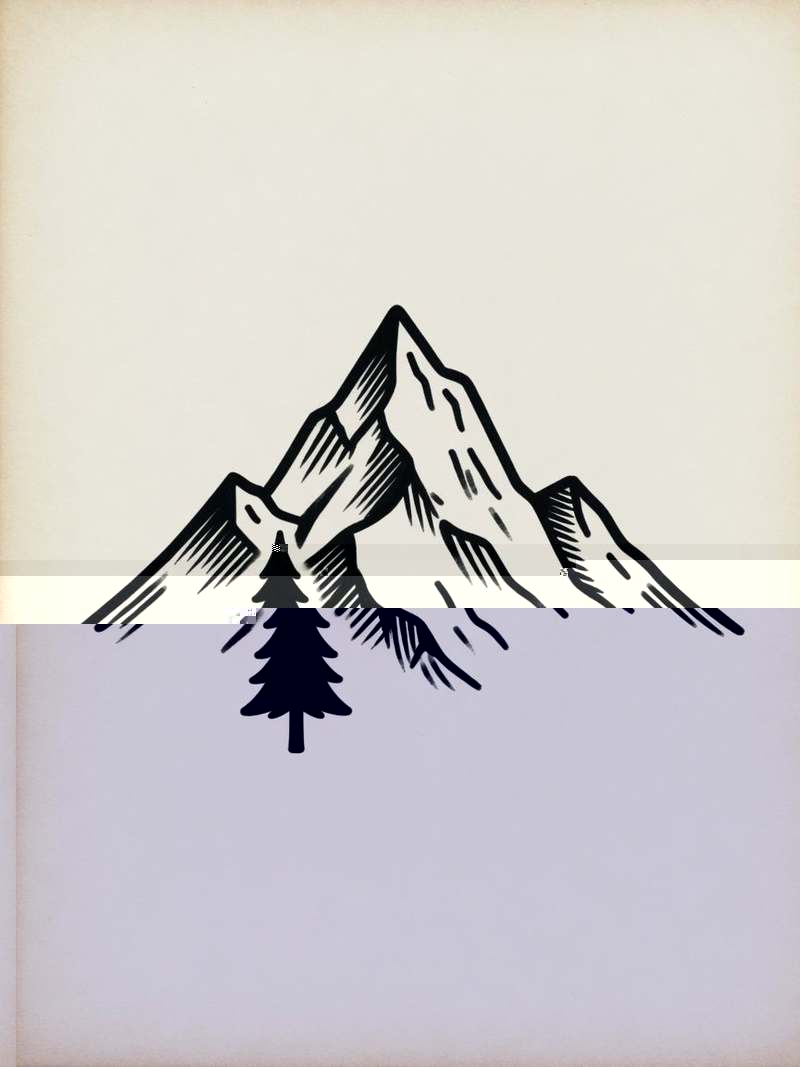
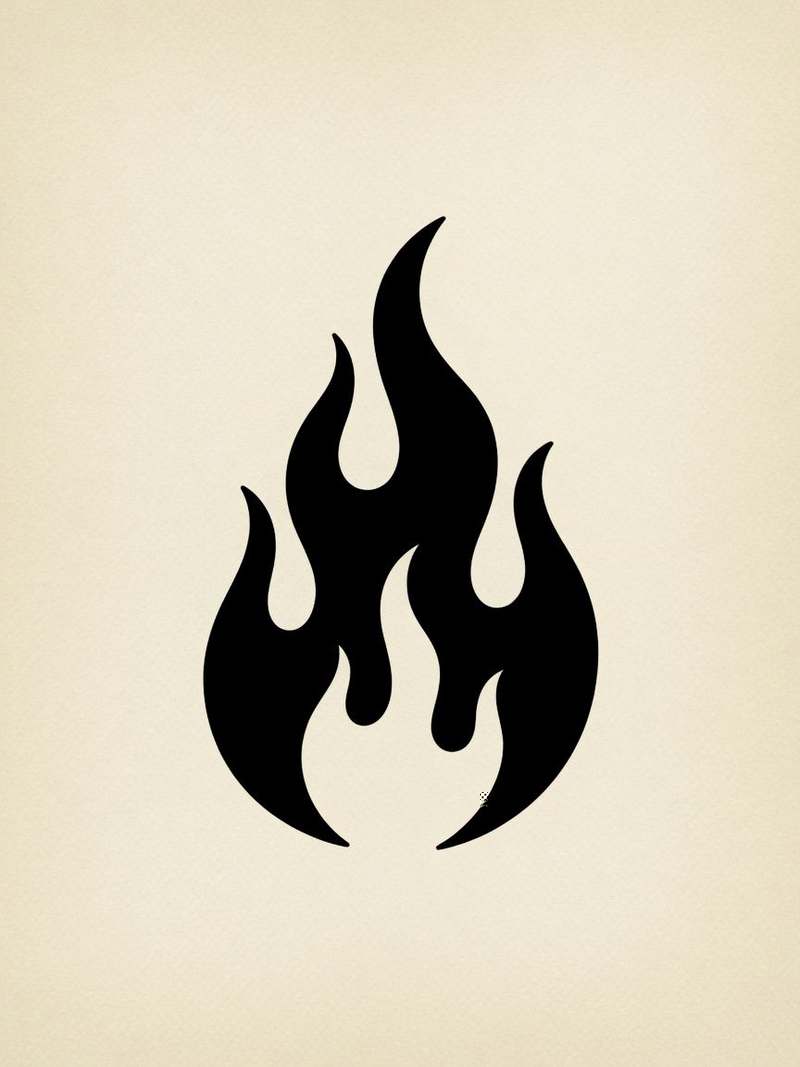
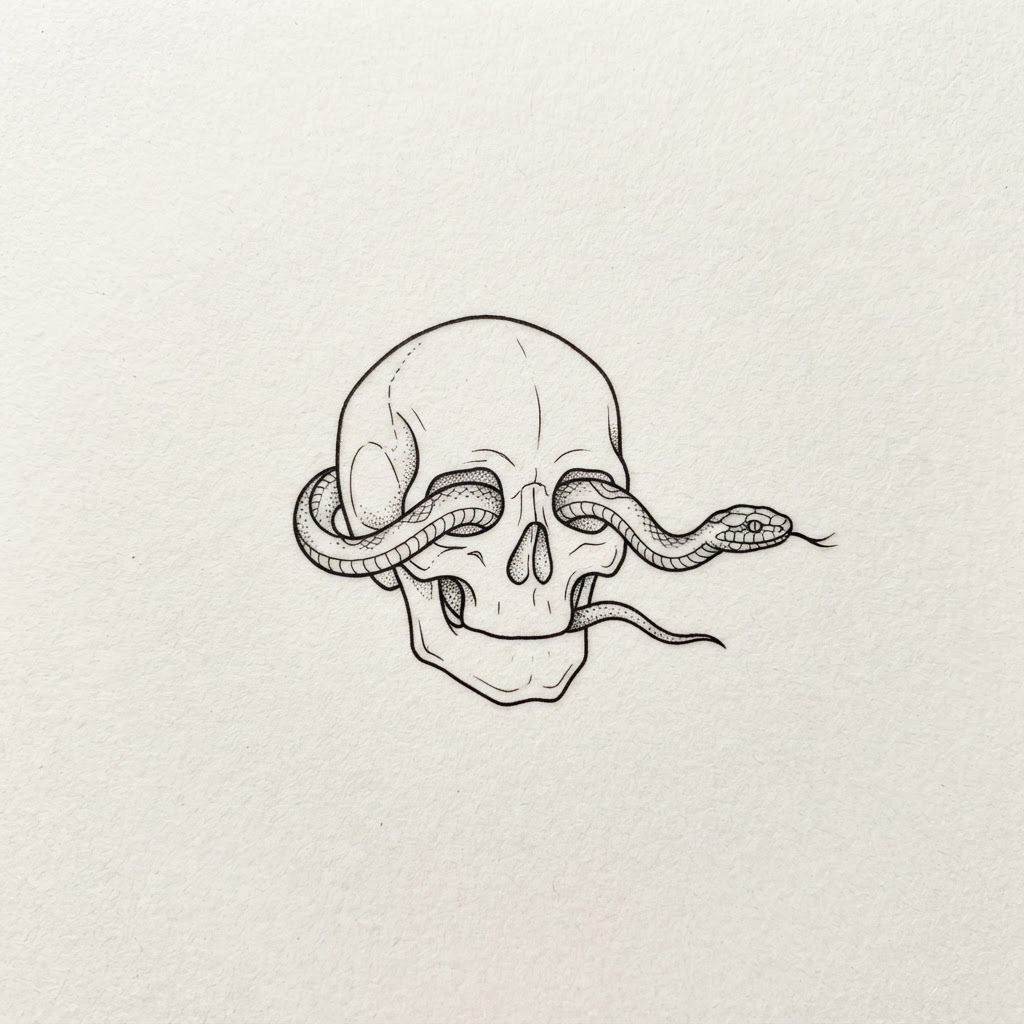
Forearm tattoo placement is a visibility decision first. Inner versus outer and how close you sit to the wrist change who sees the work on a Tuesday. Browse sheets tagged for this scale, then ask a licensed artist what still reads between elbow and watch line.
Inner, outer, and the shirt line
Outer forearm is the classic flash wall — it shows when you walk. Inner forearm is more private at a desk and more public when you reach or type. A long-sleeve shirt covers both; a T-shirt covers neither below the mid-bicep.
How close the design sits to the wrist changes everything. A piece that stops two inches above the watch line hides more easily than one that kisses the hand.
- Outer: more sun, more “I have a tattoo” from across a table.
- Inner: more flex and sweat; ask about line weight on that skin.
- Near the wrist: higher visibility and more movement.
Size the forearm can actually hold
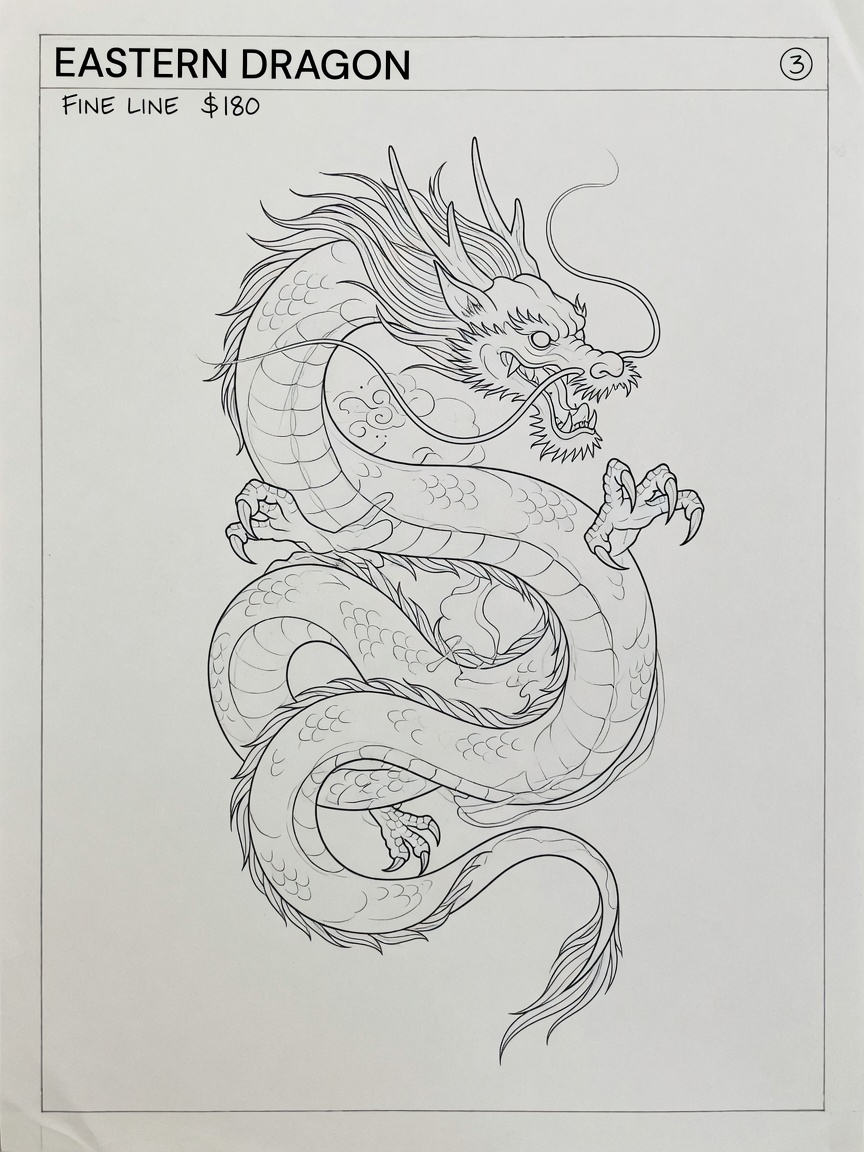
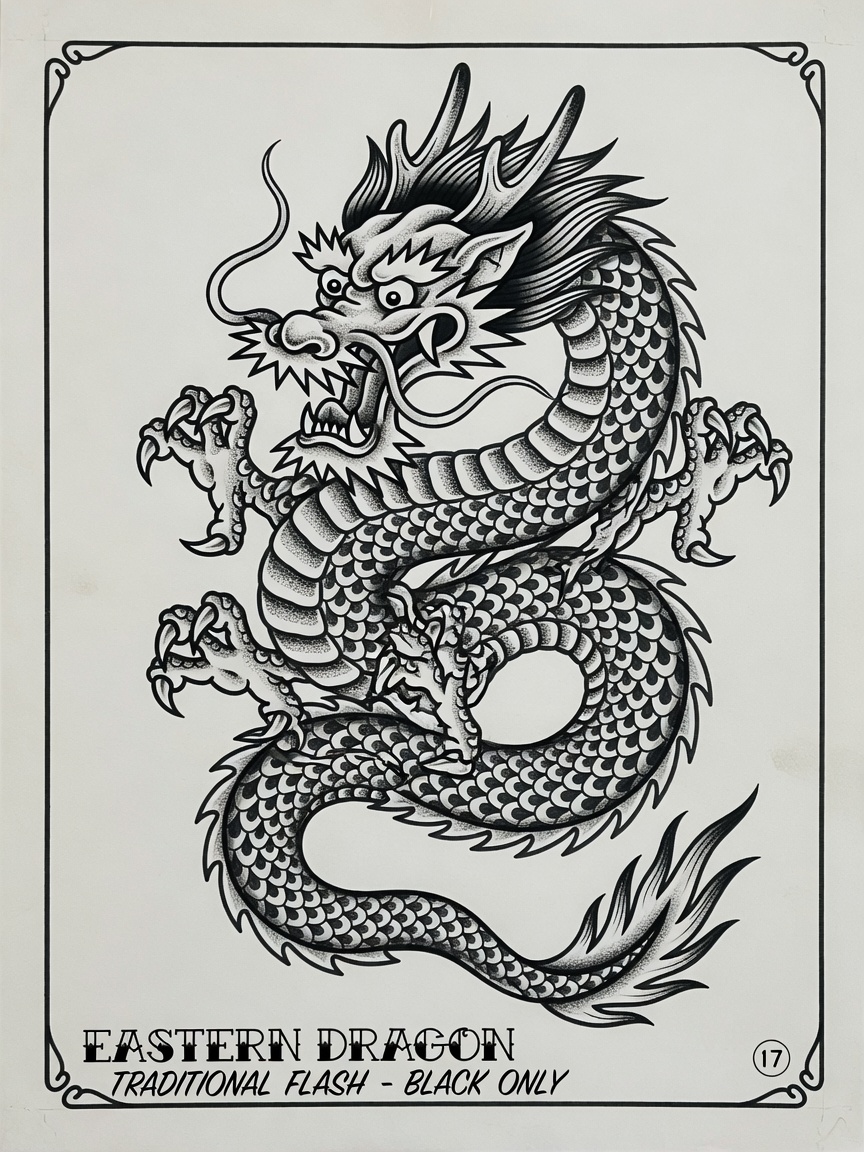
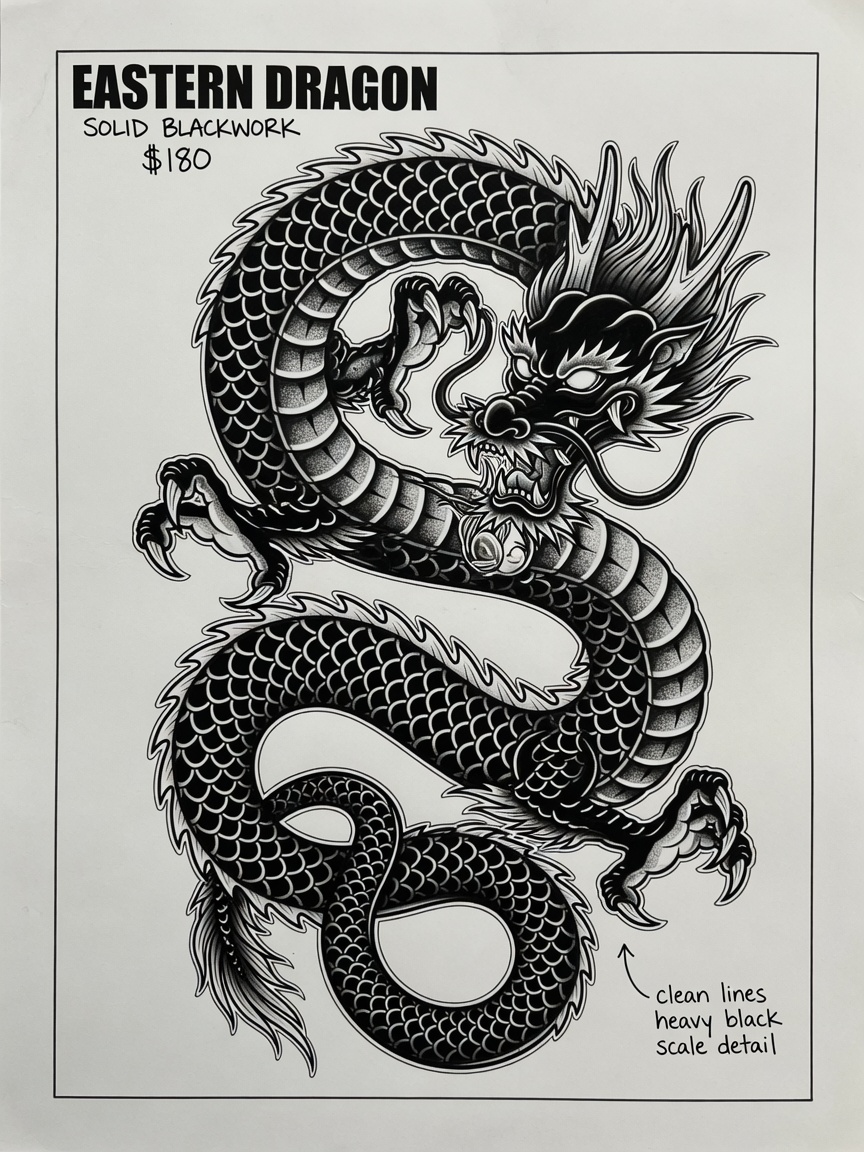
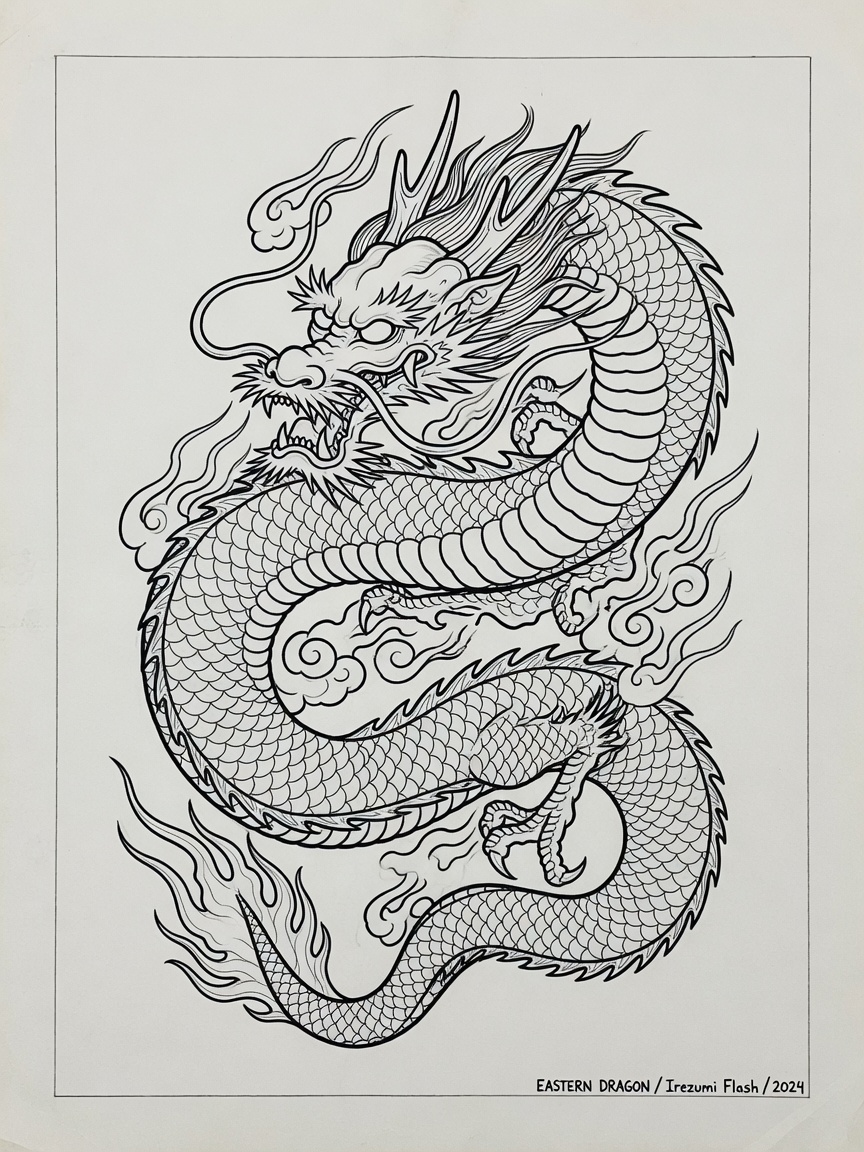
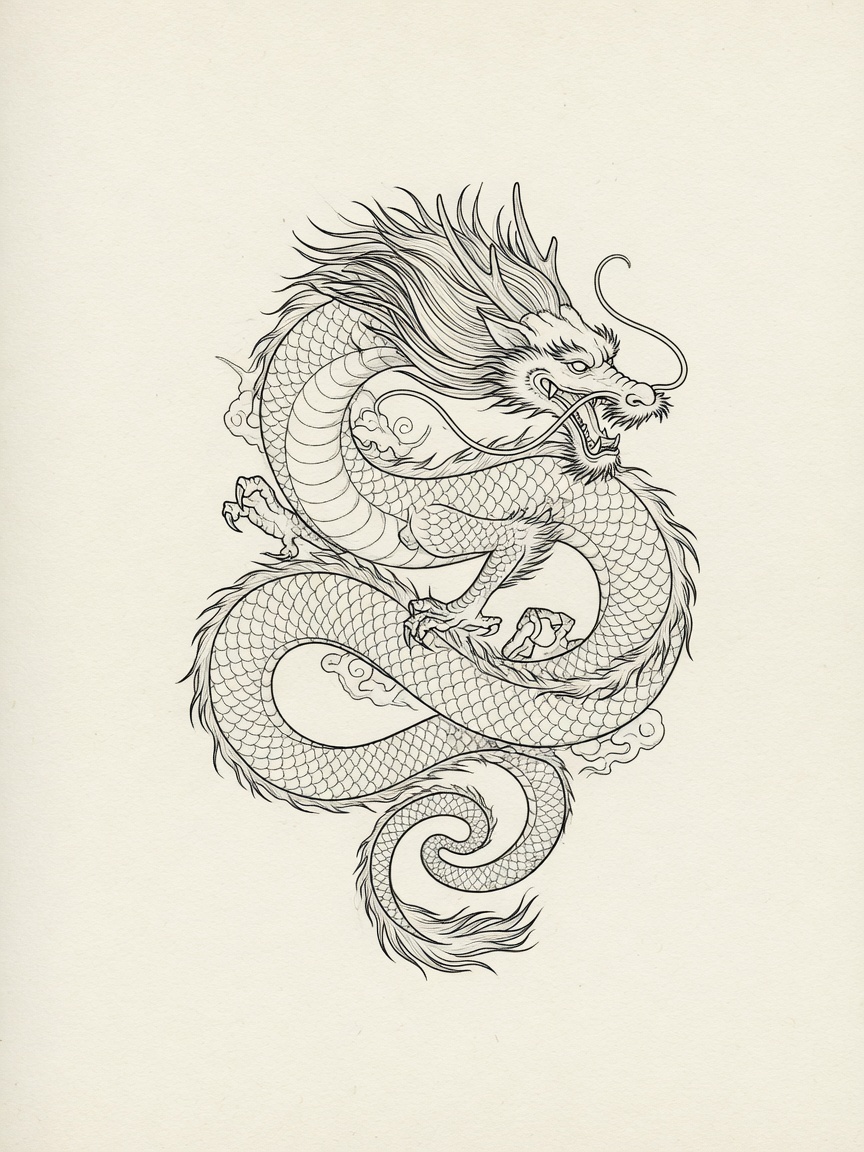
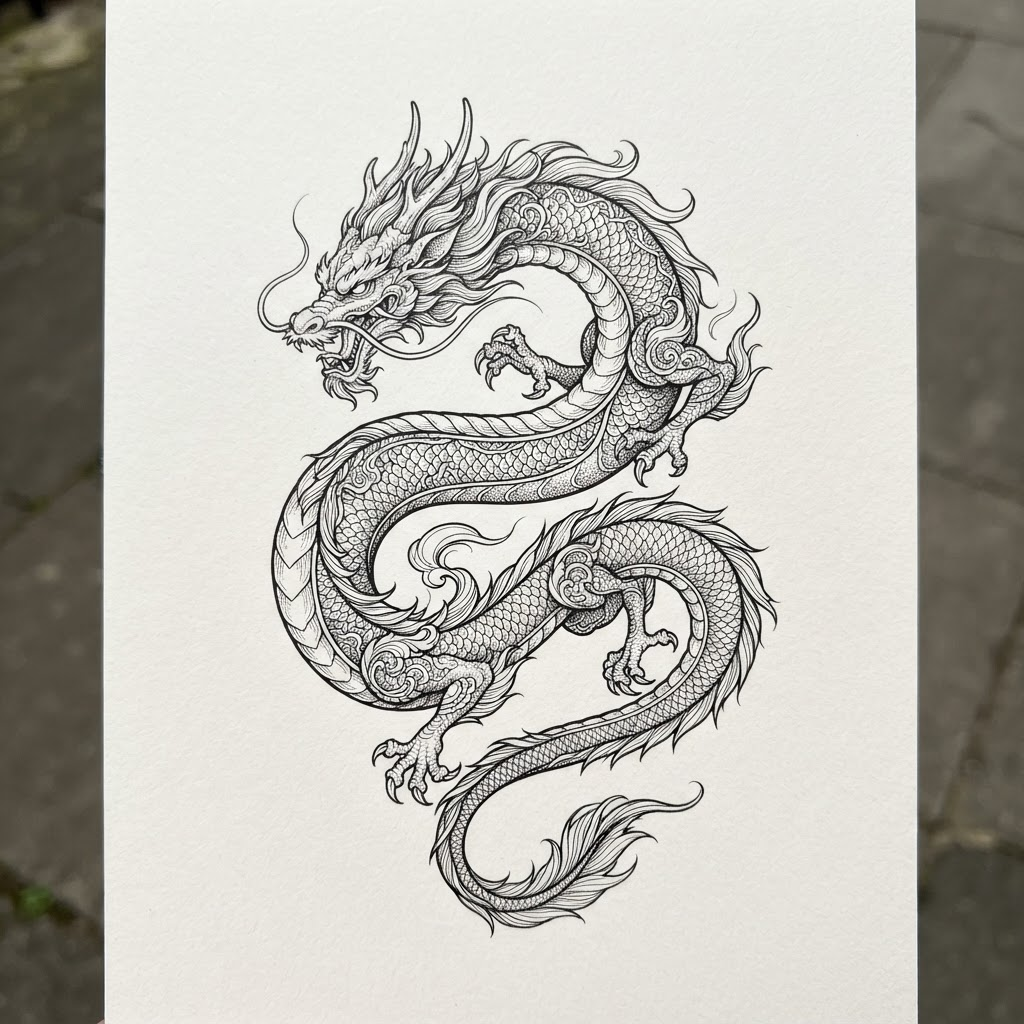
This placement can take a medium flash that would collapse on a finger. That does not mean you should shrink a back-piece idea onto the arm and hope. Dense dragons, full scenes, and tiny script still need a minimum box.
A useful studio question: “If this has to live between my elbow and two inches above my wrist, what do we keep?” Bring a size range, not a screenshot zoomed until the lines look thick.
Why so many first tattoos land here
You can watch the stencil, sit comfortably, and compare healed work on other people’s arms. If you later want a sleeve, the forearm is already part of that conversation. If you want a one-and-done icon, say that too — so the artist does not compose it as the start of a larger project you never asked for.
AI-created black-ink inspiration — not a photo of a real tattoo, not medical advice, and not a price quote.